Aurora Borealis Observatory in Saariselkä: What to Expect
Plan an aurora night from Saariselkä: how far north it sits, when nights are dark, where dark-sky spots are, and how guided tours and stays work.
On this page
Saariselkä sits in Finnish Lapland as a compact fell village where winter darkness, snow-covered trails and aurora-focused lodges share the same few kilometres. It suits travellers who want to sleep close to dark terrain, join a husky or snowmobile safari after dark and keep some nights free for self-guided walks. The village is also the gateway to Urho Kekkonen National Park, so you can combine aurora evenings with daytime fell walks.
An aurora observatory is not a guaranteed stop on every itinerary: what visitors usually mean by that term is a lodging or viewing base with big windows, alerts and guided night activities rather than a single ticketed dome. The practical decision is where you sleep, how far you are willing to walk or drive after dark, and whether you book a guided chase or stay put. Use the village and park layout to pick a base before you compare tours.
Saariselkä in winter: a fell village inside aurora country
Saariselkä is a small resort village in northern Finnish Lapland, set among fells and forest and bordered by Urho Kekkonen National Park. It is not a city with a grid of streets; accommodation, restaurants and activity operators cluster along a short road network, and trailheads into the park sit close to the village edge. That compact layout makes it easy to walk to dinner and still reach darker terrain on foot or by a short transfer.
The village suits travellers who want a mix of comfort and access: fell hotels and cabins, saunas, and operators running husky, snowmobile and reindeer trips from the resort. It is less suited to anyone expecting urban nightlife or a coastal climate, because winter here is defined by snow cover, cold snaps and dark fell terrain. If you want the full context of the region, the northern lights in saariselka overview explains how the village fits into Lapland aurora travel.
How far north Saariselkä is and why the aurora shows here
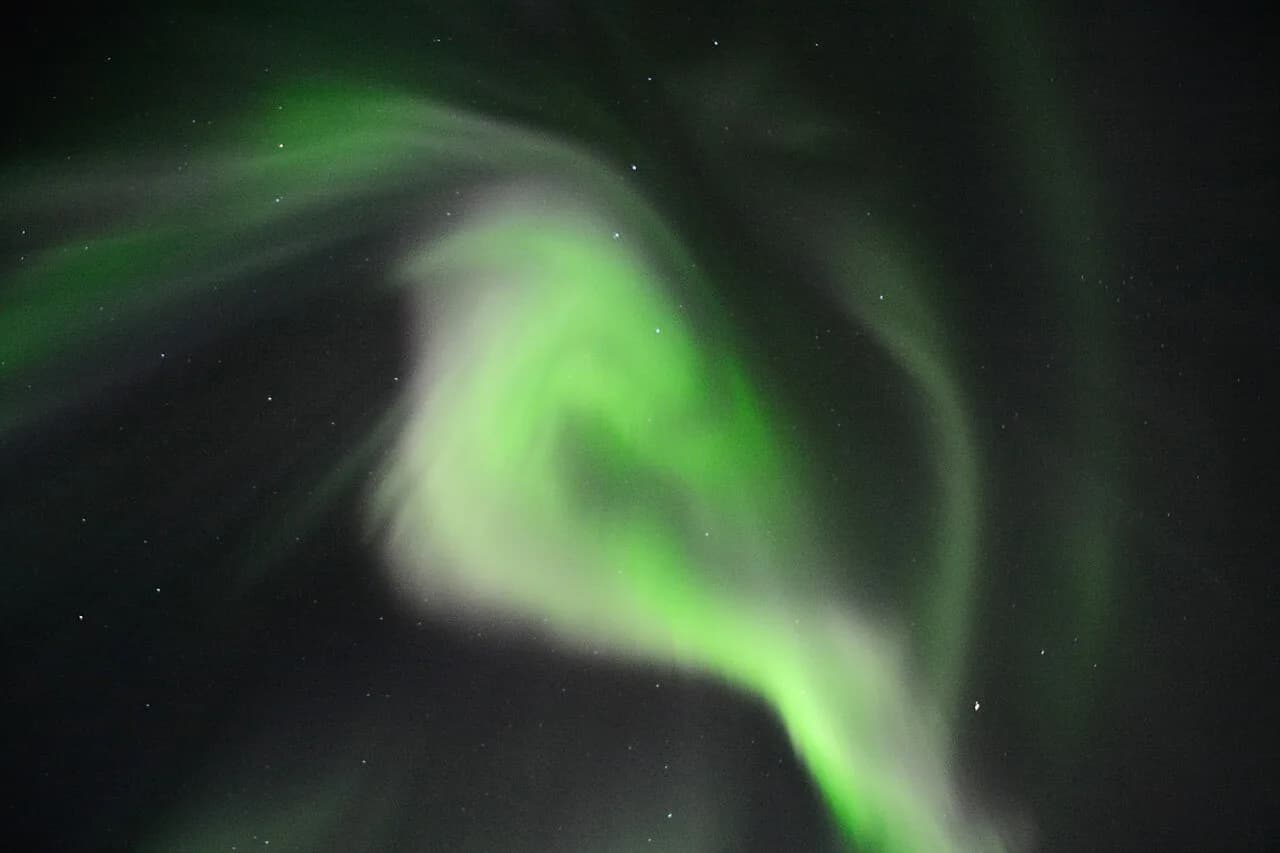
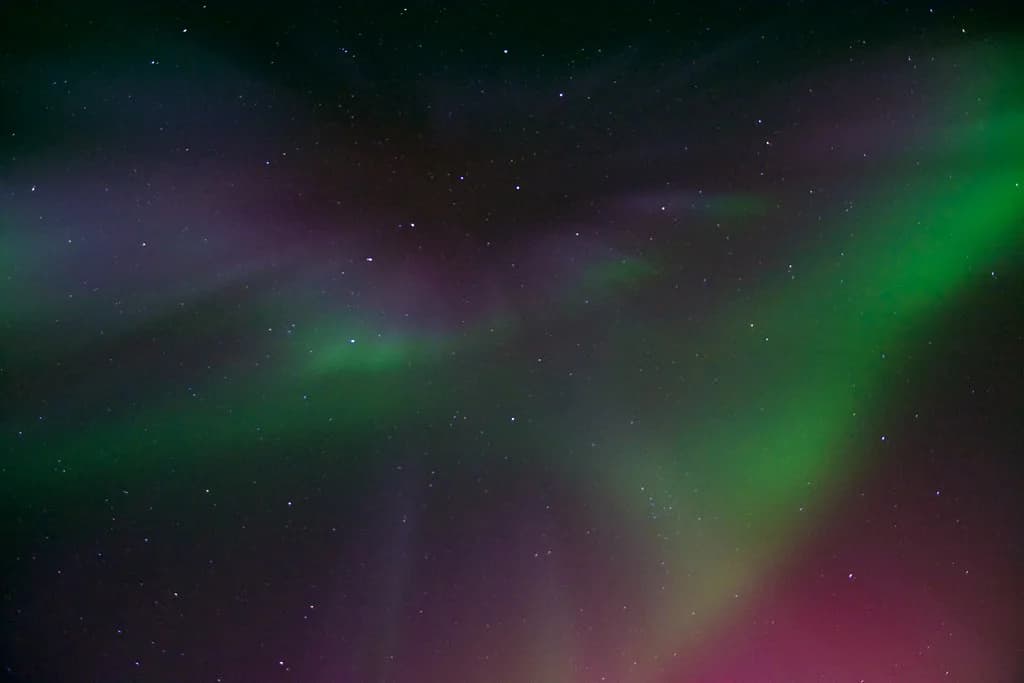
Saariselkä lies well above the Arctic Circle in Finnish Lapland, roughly in the same northern band as Ivalo and Inari. At this latitude the auroral oval sits overhead often enough that geomagnetic activity can produce displays on many dark, clear nights. You do not need an extreme solar storm to see something; modest activity combined with clear skies is what most aurora nights depend on. If you are weighing a neighbouring base in that same band, this Inari northern lights guide covers the trade-offs.
The physics matters for planning: aurora displays are driven by solar activity and the state of the magnetosphere, and cloud cover decides whether you see them from the ground. Kp values are guidance only and do not predict whether a gap in the clouds will open over Saariselkä on a given night. Treat any forecast as a reason to stay flexible, not as a promise.
When the aurora season runs and how dark the nights get
Aurora viewing in Finnish Lapland depends on dark nights, which in practice means roughly late August and September through early April. Around the equinoxes the nights are long enough for aurora viewing without the deep cold of midwinter, while December and January offer the longest darkness but also the shortest days. From late spring the nights brighten too much for aurora viewing.
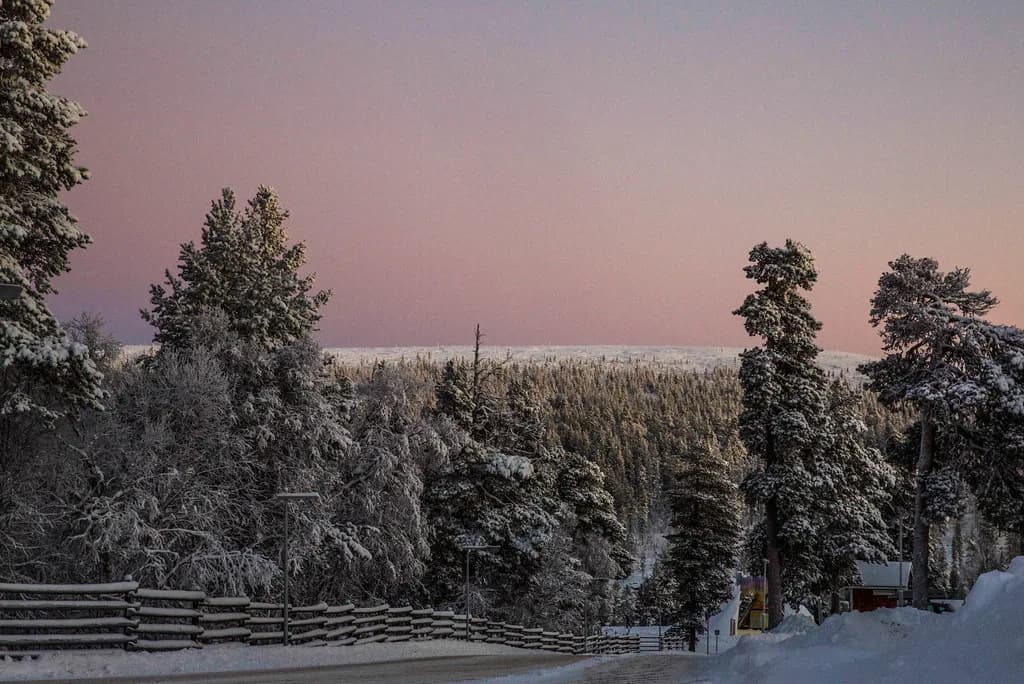
Midwinter days in Saariselkä are short, with only a few hours of twilight and low sun, which is why daytime activities are usually planned around a late breakfast and an early return. That darkness is an advantage for aurora watching because the sky is dark by mid-afternoon, but it also means you should plan rest and indoor time. Snow cover usually builds from autumn and persists into spring, shaping which trails and roads are usable.
The aurora observatory near Saariselkä: setting and what a visit involves
Use the word observatory carefully when you search: it can refer to a fixed viewing building, a lodge with aurora alerts, or a guided night outing. Ask the hotel or activity provider what you actually get, whether that is a heated room with panoramic windows, a short walk to a dark viewing point, or a vehicle-based chase. That distinction determines whether you need your own transport and how much time you spend outdoors.
Aurora-focused lodges in Lapland commonly combine large windows, an alert system and a restaurant so guests can wait indoors rather than standing in the cold for hours. Similar setups exist across the Nordic north, including the Aurora Borealis Observatory on Senja in Norway, which pairs panoramic rooms with a restaurant and aurora alerts. In Saariselkä, compare each property's viewing arrangement and transfer distance before booking.
Where to watch near the village: dark-sky spots and distances
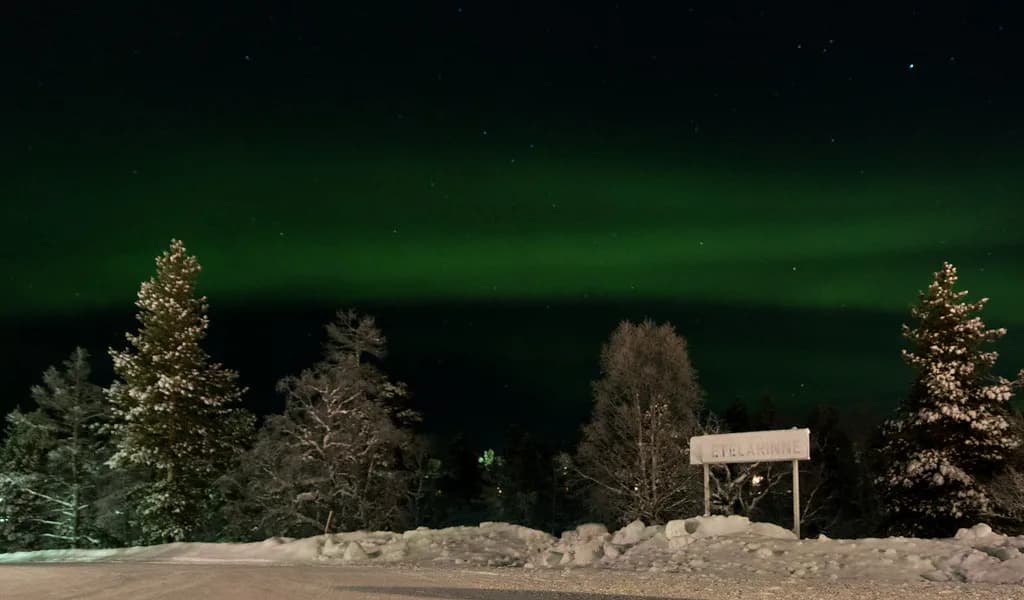
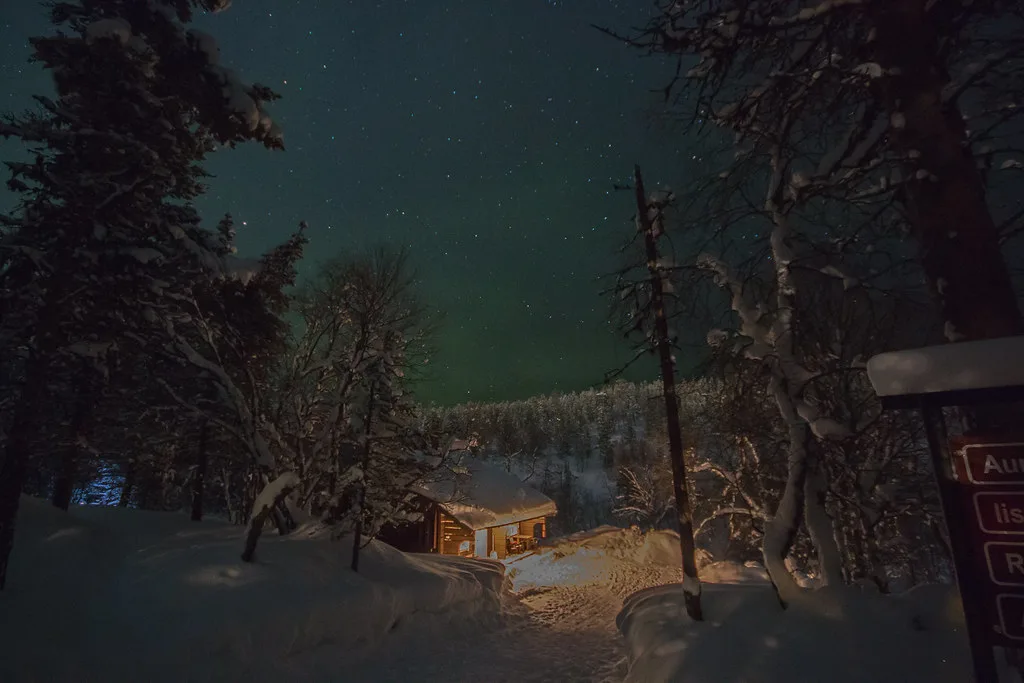
The quickest dark-sky option is to walk away from the village lights toward the national-park trails and fell slopes around Saariselkä. Street lighting thins quickly at the edge of the resort, and open fell terrain gives a wide view of the northern sky. Even a short walk can improve contrast, but check the trail and snow conditions before heading out after dark.
Kaunispää fell and the trails toward Kiilopää are the classic nearby viewpoints, reached by road or trail depending on the season. Distances vary by route, so plan around the nearest trailhead to your accommodation rather than a single fixed spot. For more detail on the village's dark-sky options and how they connect, the northern lights in saariselka guide maps out viewing areas.
Self-guided chasing versus a guided aurora tour from Saariselkä
Self-guided chasing gives you flexibility: you can wait for a cloud gap, change plans at short notice and avoid a fixed departure time. The trade-off is that you need a vehicle, local road knowledge and the confidence to drive in winter conditions, and you may waste nights learning the terrain. Walking from the village avoids driving but limits you to a small radius.
A guided tour typically handles transport, a local driver and a route chosen for clearer skies, and many operators in Lapland lend thermal suits and boots for the night. Group size and inclusions vary, so compare what is provided: transport, hot drinks, photography help and duration all change what the night feels like. If you want to stay put, a lodge with aurora alerts and a restaurant can replace a chase entirely.
Glass igloos, aurora cabins and fell hotels
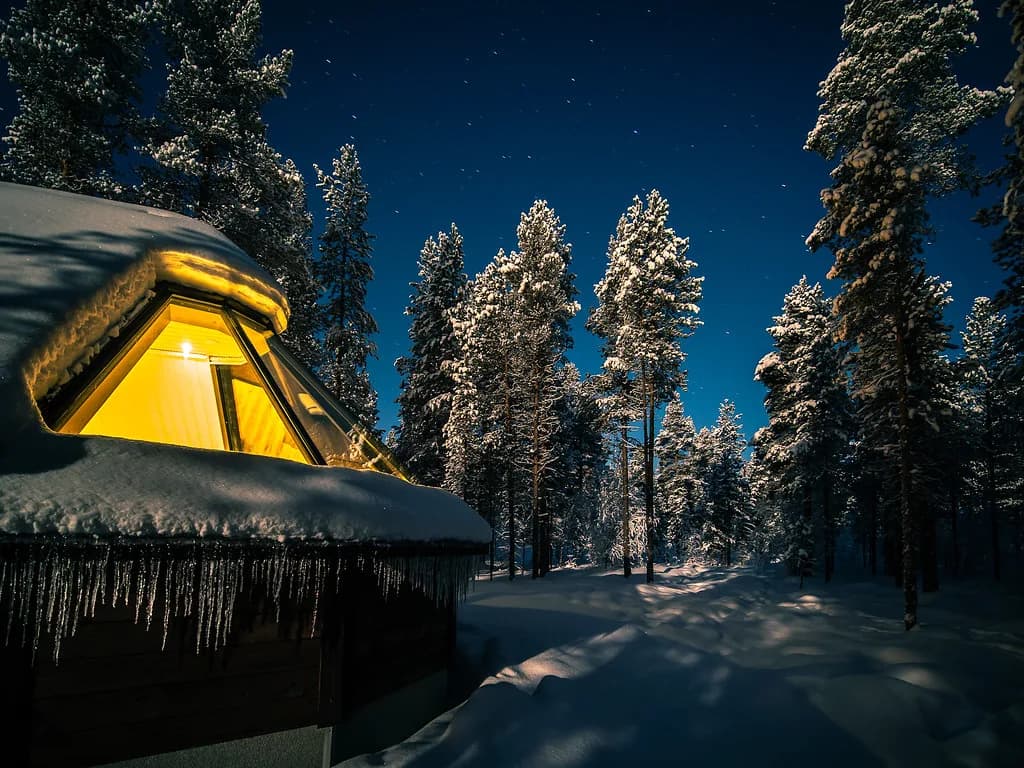
Glass igloos and aurora cabins trade privacy and heat for a direct view of the sky. Glass roofs can fog or frost, interior lights create glare and the small footprint means limited space, so they suit a night or two as a novelty rather than a full week. Fell hotels and cabins offer more room, a sauna and easier access to restaurants, with a short walk or drive to dark terrain.
Kakslauttanen Arctic Resort, a short drive south of Saariselkä, is the best-known glass-igloo address in the area and sits near the edge of Urho Kekkonen National Park. Closer to the village, the Northern Lights Village Saariselkä and the Star Arctic Hotel in Saariselkä offer aurora-oriented rooms and easy access to trails. Compare each property's window orientation, heating and transfer distance before you choose.
Husky, snowmobile and reindeer safaris after dark
Night safaris are the easiest way to combine aurora watching with a winter activity, because the safari company handles the route and the vehicle. Husky sledding gives a quiet, fast ride through forest, while snowmobile safaris cover more ground and reach open fell terrain. Reindeer sledding is slower and more traditional, often paired with a campfire and hot drinks.
Ask about group size, duration and what is included before you book, because a two-hour safari and a five-hour expedition produce very different nights. Thermal suits, boots and helmets are commonly lent for snowmobile and husky trips, but ask the safari company what is provided. Availability is limited in midwinter, so book the activities you care about before you travel.
How many nights to plan for a fair chance of clear skies
Cloud cover is the main variable you cannot control, so build in more nights than you think you need. Three to four nights in Saariselkä gives you a reasonable chance of at least one clear window, while a single night is a gamble. If aurora is the priority, a week gives you room to absorb a cloudy spell without losing the whole trip.
Plan your aurora nights around the darkest hours and keep daytime activities light enough that you can stay up late. A flexible itinerary with one or two guided nights and several self-guided options lets you react to the weather rather than committing to a fixed schedule. There is no way to guarantee a sighting, but more nights and more flexibility improve your odds.
Cloud, snow and temperature through the season
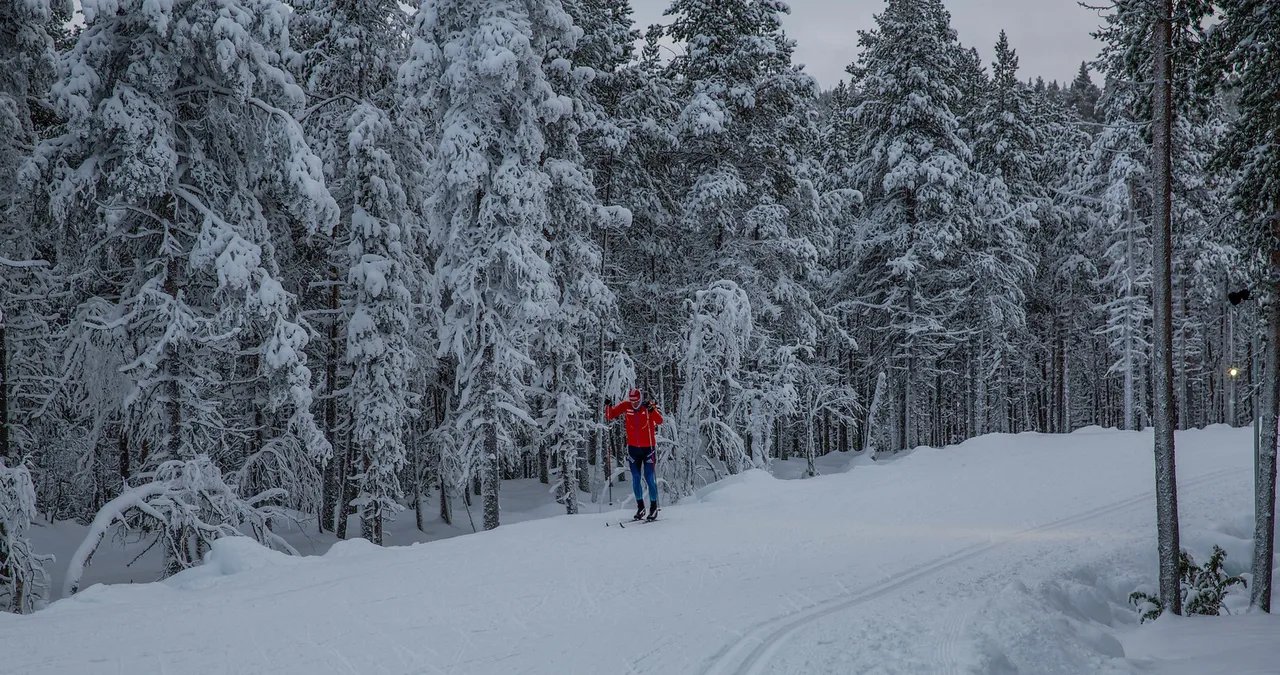
Autumn in Saariselkä brings darker nights, variable cloud and the first snow, with temperatures falling toward freezing. Midwinter is reliably cold and snowy, with short days and long nights, while spring brings longer daylight and milder temperatures but a shorter aurora window. Check the Finnish Meteorological Institute for local forecasts and snow conditions before you travel.
Inland Lapland often has clearer, colder nights than the coast, but cloud can settle for days in any season. Pack for the cold and assume you will spend time waiting indoors between aurora checks. A thermometer reading is less useful than a cloud forecast and a dark-sky plan.
Booking, minimum ages and what tours include
Book aurora tours and glass-igloo nights early if you are travelling in midwinter or around holidays, when demand is highest. Ask the safari company directly about minimum ages, group sizes and what is included, since these vary by activity and provider. For snowmobile safaris, driving licence and age rules are set by the safari company and are worth checking before booking.
Check whether transport from your accommodation, thermal suits, boots and photography are part of the price, because these details change the value of a tour. Cancellation policies matter in aurora travel, since a cloudy night may lead to a rescheduled trip. Confirm the meeting point and return time so you can plan meals and rest.
Who the observatory and Saariselkä suit, and nearby alternatives
Saariselkä suits travellers who want a compact base with fell access, a range of accommodation and easy booking of winter activities. It is less suited to anyone who needs city amenities or a guaranteed aurora experience, because cloud and solar activity decide what happens on any given night. If you want a different base, Ivalo and Kakslauttanen offer alternatives within the same aurora zone.
For a quieter stay, look at cabins and fell hotels outside the village centre; for a glass-roof experience, compare Kakslauttanen Arctic Resort with the Northern Lights Village Saariselkä. Wherever you stay, the best plan is a few nights, a mix of guided and self-guided options, and a willingness to change plans when the sky clears.
Plan Your Saariselkä Aurora Nights
Build your trip around dark nights, a flexible schedule and a base within walking or short-transfer distance of open fell terrain. Book the activities you care about in advance, keep a few nights free for self-guided walks, and treat forecasts as guidance rather than certainty.
Whether you choose a glass igloo, an aurora cabin or a fell hotel, the same rule applies: more nights and more flexibility give you a better chance of clear skies. Start with the village overview, then compare properties and tours that match how you want to spend the dark hours.
Frequently Asked Questions
Where is the aurora observatory near Saariselkä?
Saariselkä does not have a single fixed public observatory building in the way some destinations do; the term usually refers to an aurora-focused lodge or a guided night outing. Ask your accommodation or tour organiser whether they offer a viewing room, aurora alerts or a vehicle-based chase, and how far it is from the village centre.
When can you see the northern lights in Saariselkä?
Dark nights in Finnish Lapland run roughly from late August and September through early April. Midwinter offers the longest darkness but very short days, while the equinox months combine longer nights with milder conditions. Clear skies and solar activity decide whether you see aurora on any given night.
Do you need a tour to see the aurora in Saariselkä?
No, you can walk to darker terrain near the village or drive to nearby fell viewpoints if you are comfortable with winter conditions. A guided tour adds transport, local route knowledge and often thermal suits, which helps if you do not want to drive or navigate after dark.
How many nights should you stay in Saariselkä for the northern lights?
Three to four nights gives a reasonable chance of at least one clear window, and a week gives more room to absorb cloudy spells. Cloud cover is the main variable, so flexibility matters more than any single forecast.
Are glass igloos in Saariselkä worth it for aurora viewing?
Glass igloos and aurora cabins give you a direct sky view from bed, but glass can fog or frost and interior lights create glare. They work best as a one- or two-night experience combined with a hotel or cabin for the rest of the trip.
What is the best dark-sky spot near Saariselkä?
The trails and fell terrain around Urho Kekkonen National Park, including Kaunispää and the routes toward Kiilopää, are the classic nearby options. Choose the closest trailhead to your accommodation and check snow and trail conditions before heading out after dark.
Sources
Notes for your Arctic winter trip
Optional updates to our northern lights guides.
You might also like
Continue reading
More guides you'll find useful