Jökulsárlón Northern Lights: Where to Stay and When to Go
See the aurora over Jökulsárlón's icebergs: best months, dark-sky viewpoints, self-drive versus guided winter trips from Reykjavík, and where to sleep nearby.
On this page
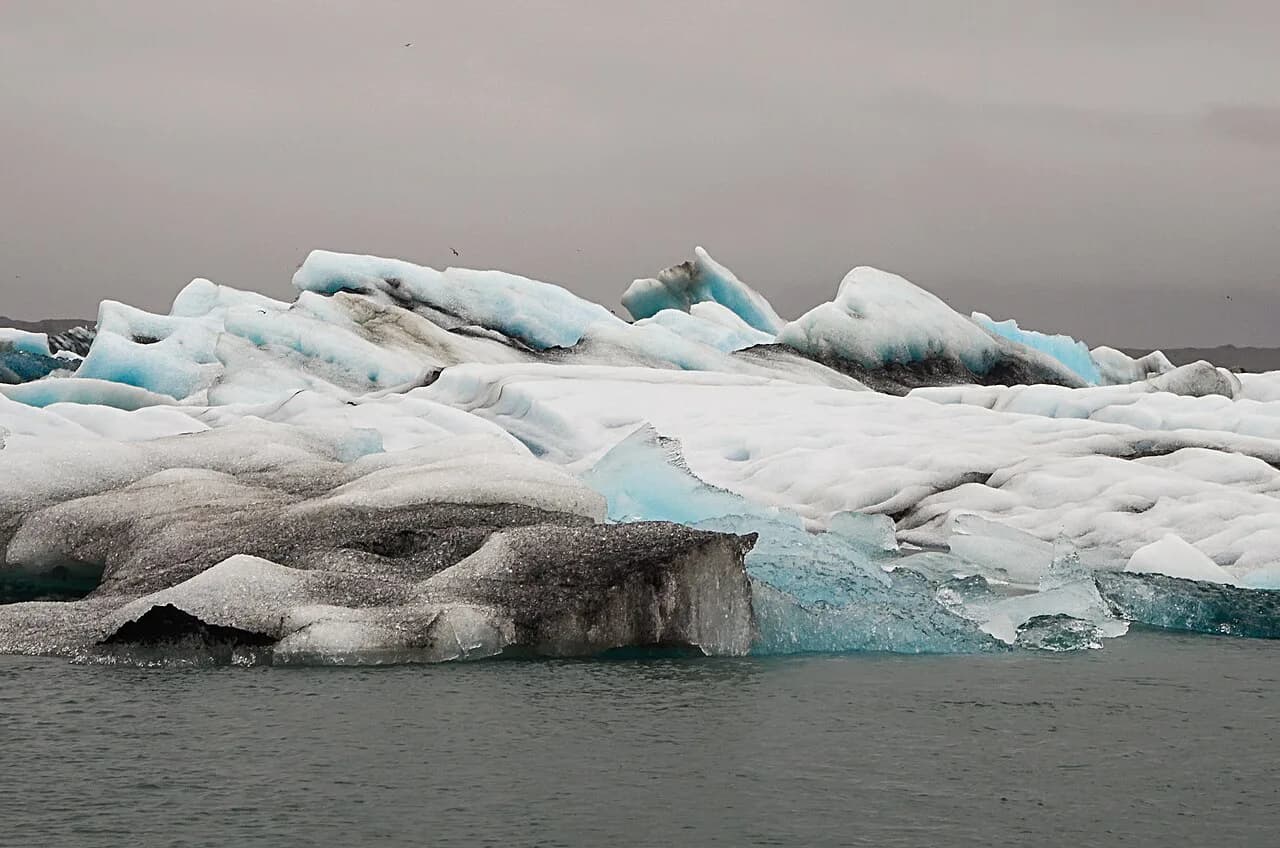
Jökulsárlón is a glacier lagoon on Iceland's southeast coast where icebergs calve off Vatnajökull and drift toward the sea, and in winter the same shoreline becomes one of the country's most photogenic places to wait for the aurora. It suits travelers who would rather stand on a dark shore with ice at their feet than sit in a bus, and who are willing to build a few nights into an itinerary instead of gambling on one.
The lagoon sits in the clear-sky corridor that runs from Kirkjubæjarklaustur through Skaftafell and Höfn to Djúpivogur, the stretch of Iceland with the least cloud cover in the country, which matters more for aurora viewing than any other single factor.
Why the aurora shows over Jökulsárlón
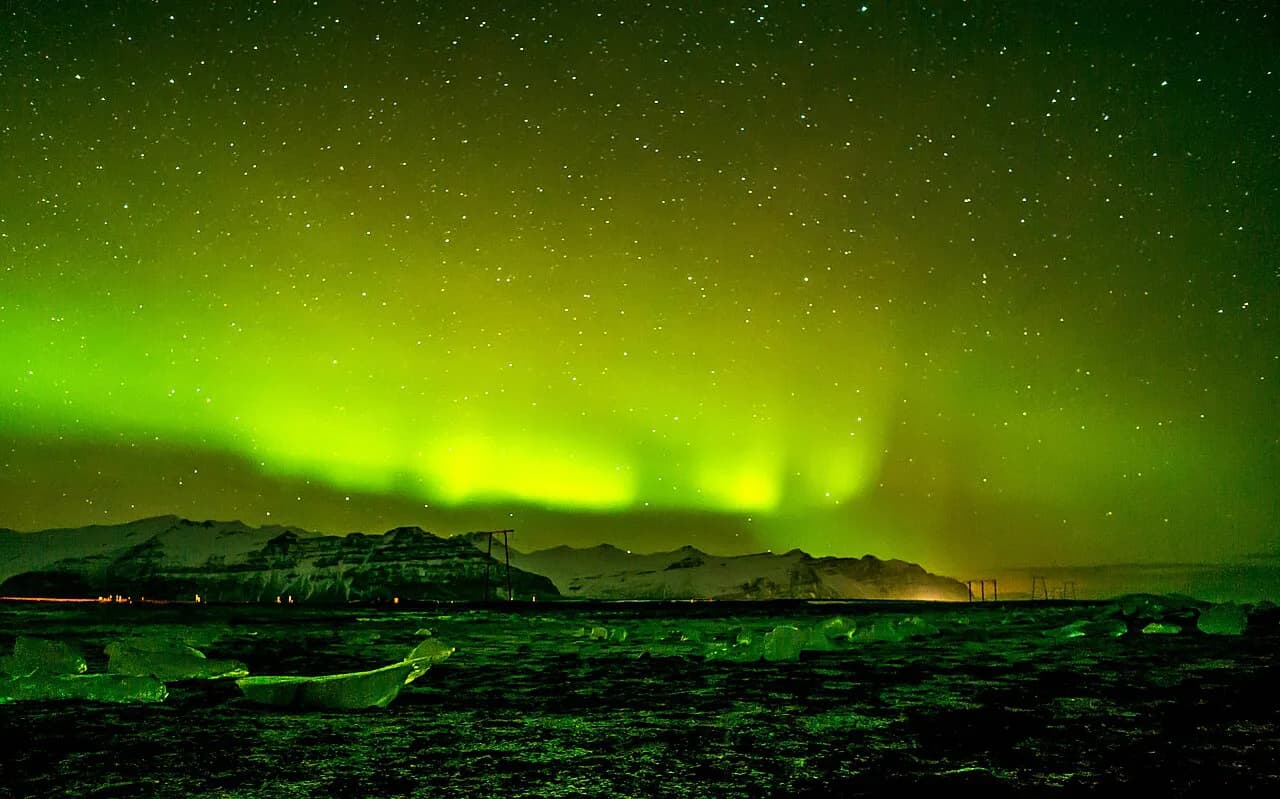
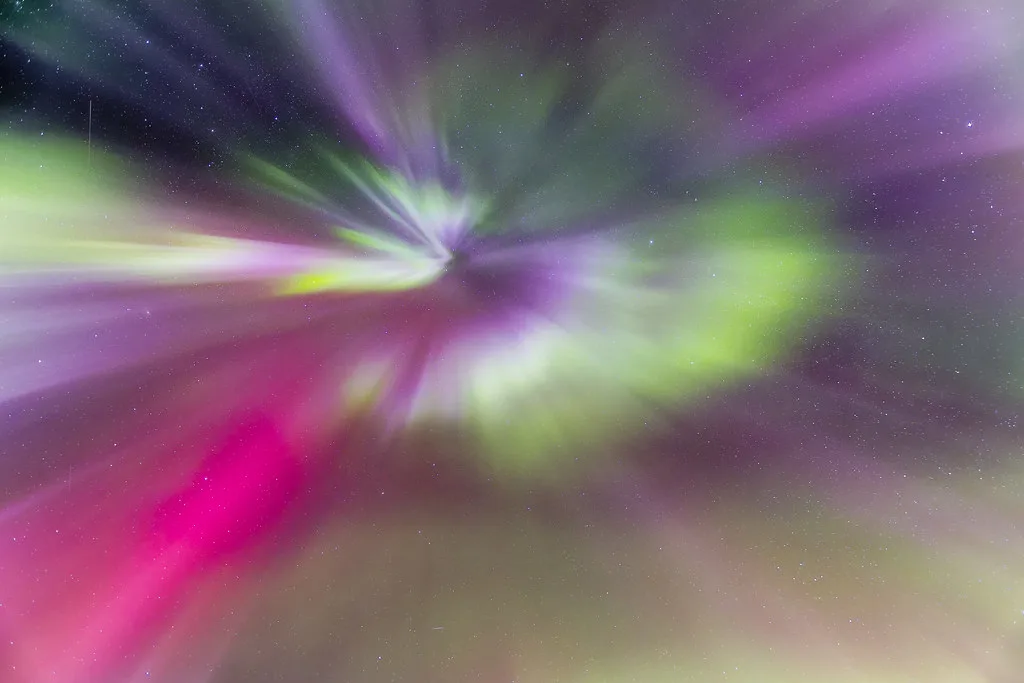
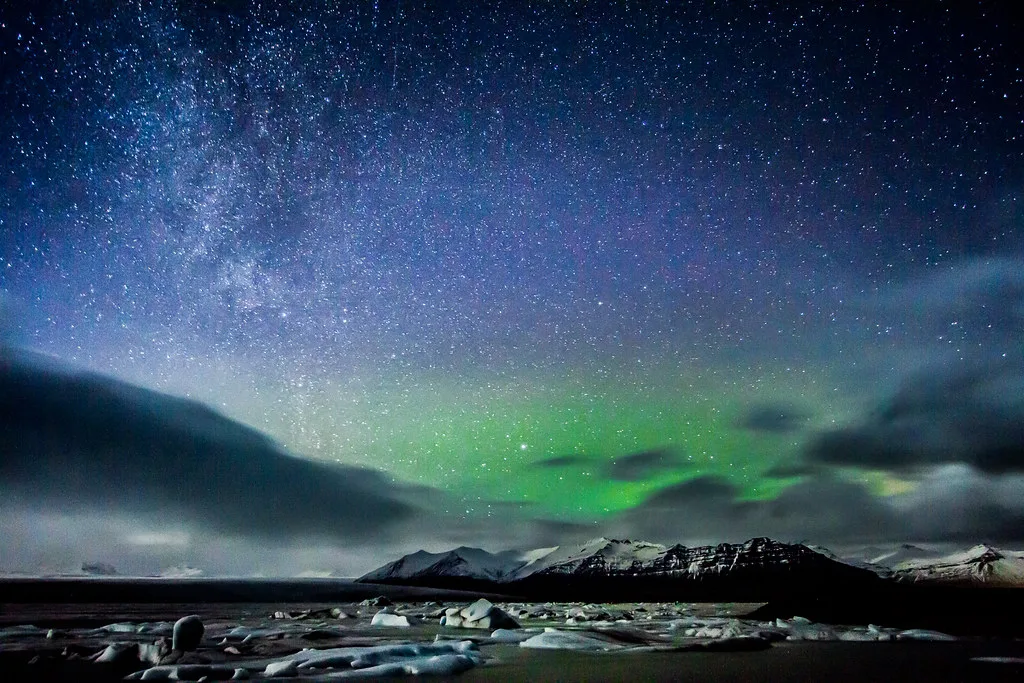
At roughly 64 degrees north, Jökulsárlón sits under the auroral oval, the band around the pole where charged particles from the sun are most often funnelled into the upper atmosphere. On active nights the lights can appear overhead or low to the north, and the lagoon's open water doubles the display when the surface is still.
Darkness is only half the equation. The bigger local advantage is weather: this southeast corridor sees less cloud than most of Iceland, and the lagoon itself has virtually no light pollution, with the nearest sizeable town, Höfn, well to the east. A clear forecast here is often worth a long drive.
What that means for planning is simple: choose a base near the lagoon, give yourself several nights, and decide each afternoon whether to stay put or drive toward a break in the cloud. Treat Kp forecasts as a rough indicator of geomagnetic activity rather than a pass-or-fail number, since a modest Kp under a clear sky beats a high Kp under overcast.
When the aurora season runs
The viewing season at Jökulsárlón runs from late September to mid-April, with October to March giving the darkest nights. Within that window, displays are most likely between about 10 PM and 1 AM, although the lights can arrive earlier or later and often come in waves.
Moon phase shapes the shot as much as the sky. A full moon brightens the icebergs but washes out fainter aurora, so a new moon or crescent gives darker skies over the water while a fuller moon suits moonlit ice-and-black-sand compositions. February and March combine longer darkness with plenty of floating ice, which is why they work well for iceberg framing.
Winter days here are short, so build the trip around the evening rather than squeezing the aurora onto the end of a long sightseeing day. Arriving at the lagoon before dark lets you read the shoreline, find your footing and settle in before the sky does anything.
The main lagoon shore
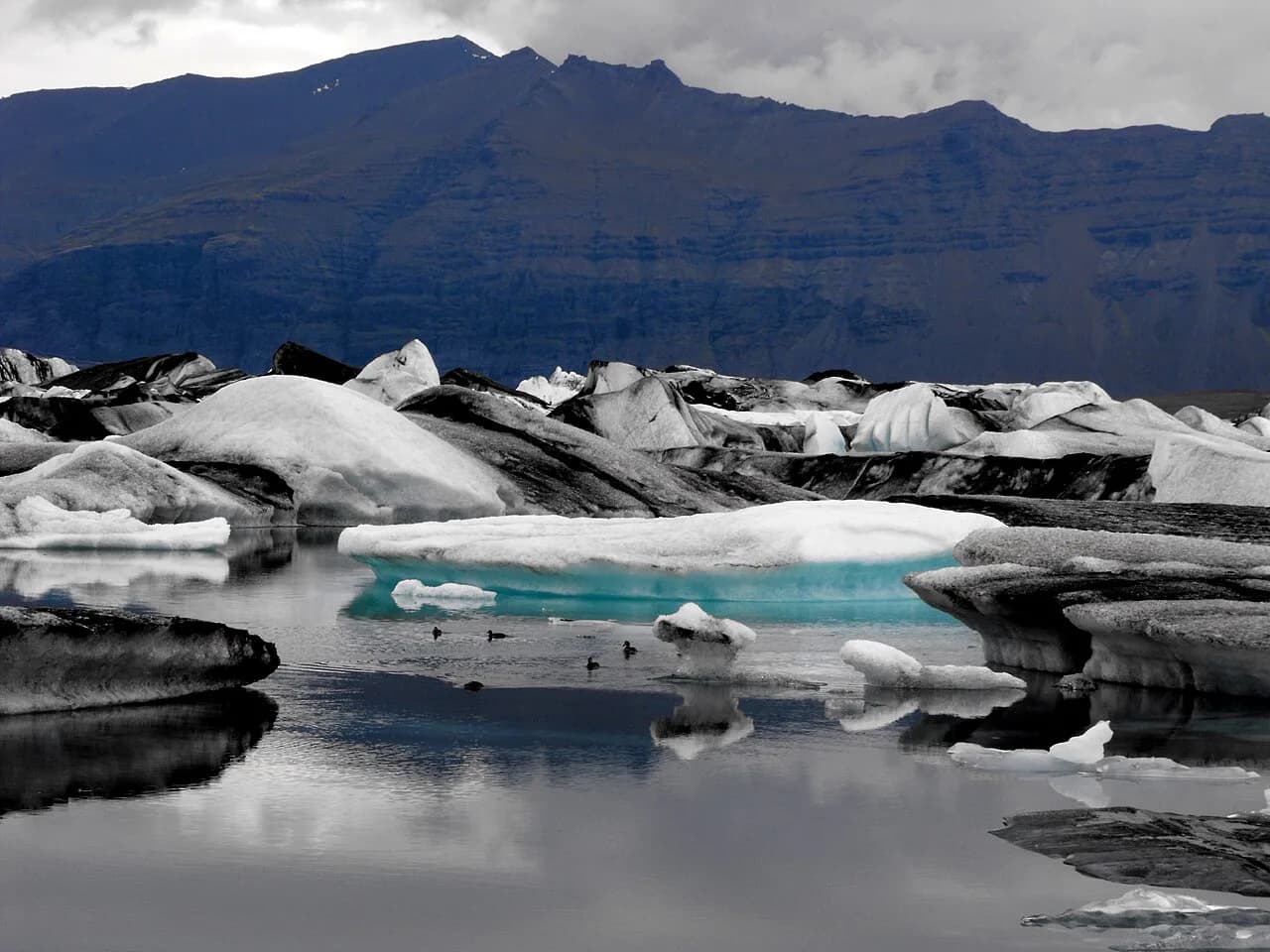
The main shoreline is the classic viewpoint, where still water mirrors both icebergs and aurora and effectively doubles the drama of a display. Photographers favour it because a single frame can hold glowing sky, floating ice and the glacier behind.
Parking sits close to the water, so you can wait in the car between gaps in the cloud and step out when the sky brightens. Keep well back from the edge: icebergs shift and calve without warning, and in the dark the waterline is hard to judge.
The Route 1 bridge area
A short walk from the main parking area, the bridge over Route 1 gives panoramic views north across the lagoon and south toward the Atlantic. That two-way view is the practical appeal: if activity appears behind you, you can turn around without moving the car.
It is also the best spot for wide shots that take in the lagoon and the coast together, especially when the aurora sits low on the northern horizon. Watch for traffic if you stand near the road, and use a headlamp on the short path.
Diamond Beach across the road
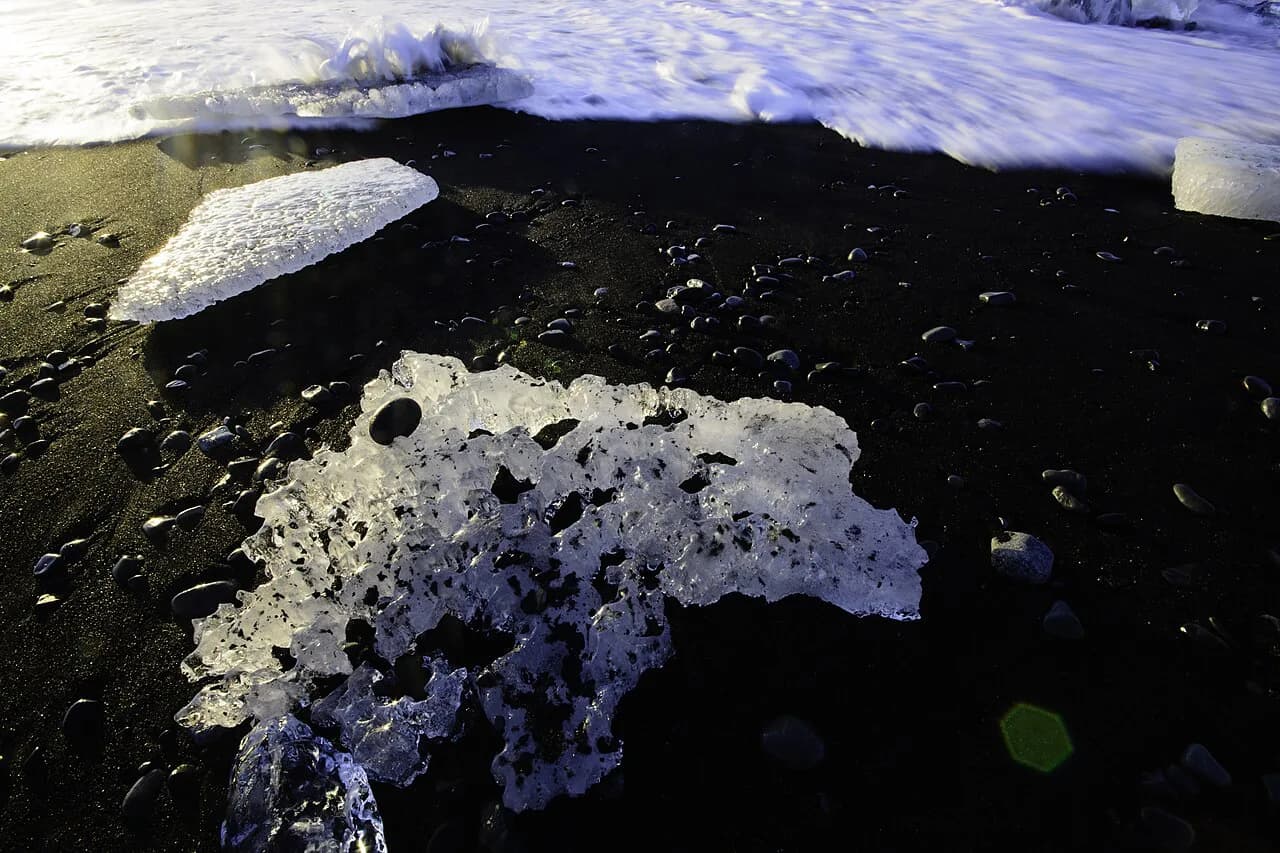
Across Route 1 from the lagoon, Diamond Beach is a strip of black sand scattered with ice chunks that have washed ashore from the lagoon. When the aurora appears, the ice picks up its colours, producing one of the most surreal night scenes on the South Coast.
The beach is part of the Vatnajökull National Park landscape, and the ice here is constantly rearranged by surf and tide, so the foreground changes from one night to the next. Keep a generous distance from the water, since Atlantic waves arrive without warning and the sand is slippery in winter.
Between the lagoon shore, the bridge and the beach you have three distinct compositions within walking distance, which is why a single night here can feel like several different shoots. Give each spot time rather than rushing between them.
Getting there in winter
Jökulsárlón lies on Route 1 about 380 km from Reykjavík, a drive of roughly five to six hours without stops. Roads are generally well maintained, but winter conditions can turn icy and unpredictable, so all-wheel drive and studless winter tyres are strongly recommended.
Check road conditions and the weather forecast before setting out, and plan to reach the lagoon before dark rather than driving the last stretch at night on an unfamiliar road. From Höfn the run along Route 1 takes about an hour, which makes the town a practical staging point if you are coming from the east.
Self-drive versus guided
Self-driving gives you the flexibility aurora chasing demands: you can stay at the lagoon until 2 AM, move to Diamond Beach when the sky shifts, or abandon a cloudy evening for a clearer forecast inland. The trade-off is winter driving on a long, exposed road after a short, dark day.
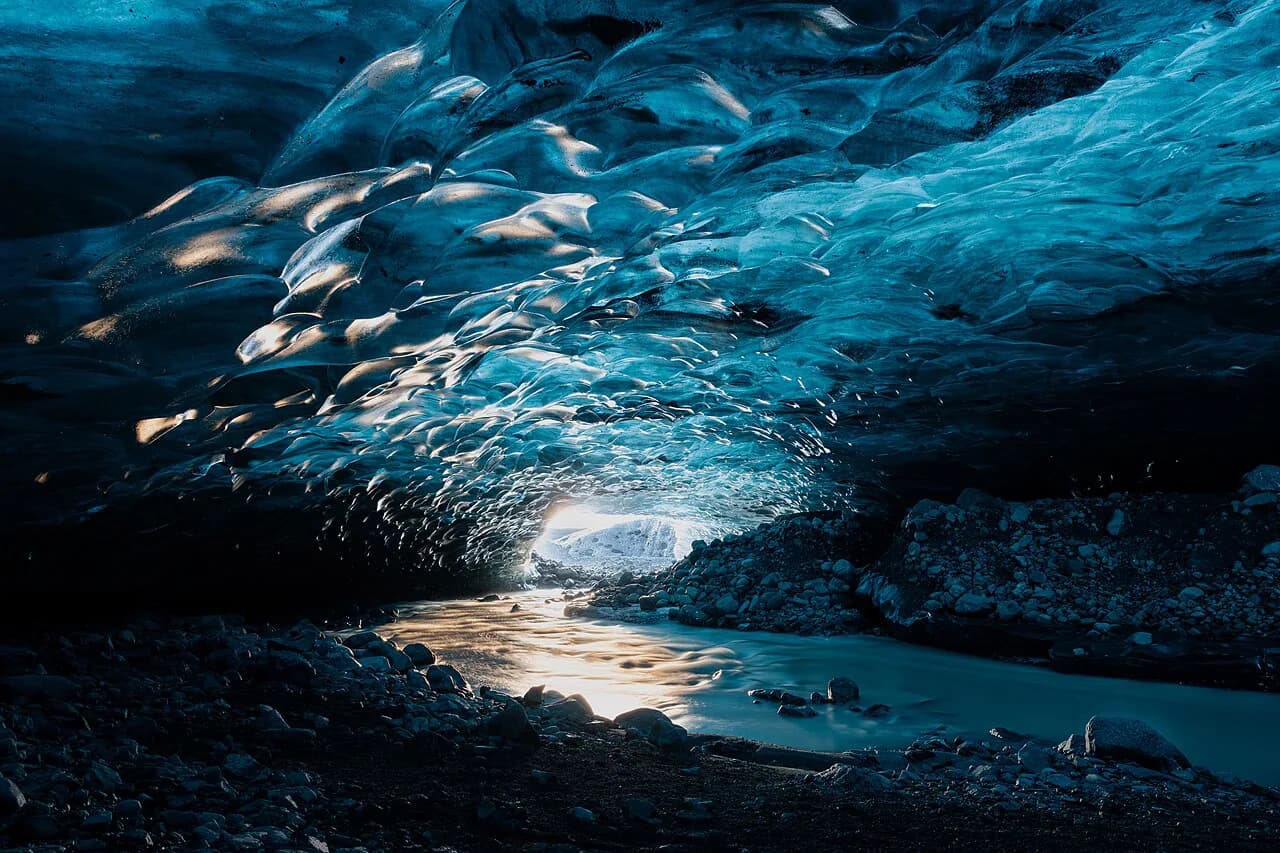
Guided multi-day trips remove that burden, with transport, accommodation and an itinerary handled for you and guides who know the usual viewing spots. Several South Coast packages pair a night near the lagoon with an ice cave or glacier walk, which fills the short daylight hours productively.
Day tours from Reykjavík cover the South Coast waterfalls, Vík and the lagoon in a single long outing, but they put you at Jökulsárlón in daylight and back on the road by evening. If the aurora is the priority, an overnight near the lagoon is the more sensible structure.
Multi-day tours that overnight near the lagoon
Icelandic Mountain Guides runs a two-day Northern Lights and Ice Cave Adventure along the South Coast, with pickup in Reykjavík, a small group of up to 16 participants and a minimum age of 10. The first day includes a glacier walk and ice cave exploration before an overnight at a four-star countryside hotel chosen as an aurora-watching base.
The second day continues east to Jökulsárlón and Diamond Beach before returning west via Reynisfjara, Skógafoss and Seljalandsfoss. Guides note that winter weather can reverse or alter the itinerary and that ice cave visits may be swapped for other activities, so treat the order as a plan rather than a contract.
Nobody can promise a display. The operator is explicit that sightings cannot be guaranteed, which is the honest framing for any tour: you are paying for transport, access and local judgement, not for the sky to perform.
Where to stay near the lagoon
Fosshotel Glacier Lagoon sits between Skaftafell and Jökulsárlón, with mountain or ocean views, a spa and gym, and a restaurant that makes an easy base for a night of waiting. Its countryside setting keeps light pollution low, and you can be at the lagoon shore within a short drive.
Hotel Jökulsárlón, also called the Glacier Lagoon Hotel, is a contemporary property close to the water with large windows, outdoor hot tubs and a sauna, so you can watch from the building and warm up between sessions. Seljavellir Guesthouse, near Höfn, offers simpler rooms and quiet, low-light surroundings for travelers watching the budget.
Ask whether your hotel offers aurora wake-up calls or real-time forecast updates, since some local properties do and it saves you sitting up all night on a cloudy evening. Booking early matters in the September to March season, when rooms around the lagoon are limited and fill quickly.
Höfn and Skaftafell as value bases
Staying beside the lagoon buys you the shortest possible walk to the water and the ability to check conditions from your window, but it usually costs more. Guesthouses and hotels in Höfn or near Skaftafell trade a drive of under an hour for better value, and neither is far from dark stretches of coast.
If you base yourself at Skaftafell, you are also close to Vatnajökull's outlet glaciers and the trailheads for winter walks, which makes the daylight hours count. The compromise is that you must commit to a night drive back if the aurora appears late.
How many nights to plan
A single night at Jökulsárlón is a gamble on cloud and solar activity at once. Three or more nights based near the lagoon give you repeated chances and the freedom to skip a cloudy evening without losing the trip, and staying put beats relocating daily along the coast.
If your itinerary is tight, use the forecast to pick your location each afternoon rather than booking a fixed aurora night months ahead. Travelers who treat the aurora as a bonus to ice caves, glacier walks and the lagoon itself are usually the least disappointed. For a shorter-stay alternative on the same coast, our Vík northern lights guide shows how that town works as an aurora base.
Safety around the lagoon at night
Winter nights here are cold, dark and slick, and the lagoon is a working glacier environment rather than a viewing platform. Use a headlamp, wear cleats on icy paths, stay on marked routes and never climb on the icebergs or stand at the water's edge.
Facilities are limited at night, so bring food, water and a charged phone, and tell someone your plan if you are driving out alone. Patience pays: displays often build, fade and return over an hour or two.
Pairing the aurora with winter days
The short daylight hours are not dead time. Ice cave tours beneath Vatnajökull and guided glacier walks run through the winter season, and the lagoon and Diamond Beach are worth seeing in daylight before you return after dark.
Operators on glacier and ice cave trips supply the technical gear for the terrain; where thermal suits are offered for cold-weather tours, take them. Otherwise plan your own layers for long, still hours outdoors.
Reading the forecast and what Kp tells you
The Icelandic Met Office publishes an aurora forecast showing cloud cover and activity across the country, and it is the tool to consult each afternoon before deciding where to spend the evening. Clear skies matter more than a high activity number, since cloud defeats even a strong display.
Kp is a rough guide to geomagnetic disturbance, and some guides treat Kp 4 or higher as a promising threshold, but it is not a rule and it says nothing about the clouds above your head. Read the two together, then commit to a location rather than refreshing the page all evening.
Plan Your Jökulsárlón Aurora Trip
Build your southeast Iceland trip around three or more nights near the lagoon, keep the evenings free, and decide each afternoon whether to stay on the shore or drive toward clearer sky. The combination of low light pollution, calving icebergs and the country's clearest coastal corridor gives you unusually good odds for Iceland, but the sky still decides.
If you want a different Arctic setting for comparison, northern lights guides for Akureyri and Mývatn Northern Lights cover the north of the country, where the landscape and weather patterns differ markedly from this coast. Wherever you end up, the same rule holds: dark, clear and patient beats a fixed schedule.
Explore more Jökulsárlón northern lights guides
- Crystal Ice Cave
- Diamond Beach Iceland
- Fosshotel Glacier Lagoon
- Hali Country Hotel
- Hotels at Jökulsárlón
- Jökulsárlón Glacier Lagoon in Winter
- Vatnajökull Ice Cave
- Jökulsárlón Aurora Forecast
- Jökulsárlón in December
- Jökulsárlón in February
- Jökulsárlón in January
- Jökulsárlón in March
- Jökulsárlón in November
- Jökulsárlón in October
- Jökulsárlón in September
- Jökulsárlón in Winter
- Northern Lights Tours at Jökulsárlón
Frequently Asked Questions
What is the best month to see the northern lights at Jökulsárlón?
Dark nights run from late September to mid-April, with October to March offering the darkest conditions and displays most likely between about 10 PM and 1 AM. February and March combine long darkness with plenty of floating ice, which makes them strong choices for photographing the aurora over the lagoon. Cloud, not the calendar, usually decides the outcome.
Can you see the aurora without a tour at Jökulsárlón?
Yes. The main lagoon shore, the Route 1 bridge and Diamond Beach are all accessible without a guide, and the surrounding area has very little light pollution. You need a vehicle, winter tyres, a headlamp and a clear forecast, and you should stay back from the water and off the ice.
How far is Jökulsárlón from Reykjavík?
The lagoon is about 380 km from Reykjavík on Route 1, a drive of roughly five to six hours without stops. Winter conditions can make the road icy, so all-wheel drive and studless winter tyres are strongly recommended, and you should check road and weather conditions before leaving.
Is it worth staying overnight near the glacier lagoon for the aurora?
Staying nearby lets you check conditions from your accommodation and return to the shore when the sky clears, which is hard to do on a day tour from Reykjavík. Hotels around the lagoon are limited and fill quickly in season, while Höfn and Skaftafell offer cheaper bases within an hour's drive.
Do guided tours guarantee a northern lights sighting?
No. Operators state plainly that sightings cannot be guaranteed, because the aurora depends on solar activity and clear skies. What a tour provides is transport, local knowledge of viewing spots and a structured itinerary, which is why an overnight tour near the lagoon is a better bet than a rushed day trip.
Sources
Notes for your Arctic winter trip
Optional updates to our northern lights guides.
You might also like
Continue reading
More guides you'll find useful