Northern Lights in Iceland: When to Go and Where to Watch
Iceland sits in the auroral zone, so clear winter nights from September to April can deliver a display. See when to go, where to watch and how long to stay.
On this page
Iceland rewards winter travelers with a landscape built for aurora watching: black sand beaches, glacier lagoons, waterfalls and open mountain country, with dark nights long enough to spend real time under the sky. The island sits inside the auroral zone close to the Arctic Circle, so displays can appear almost anywhere in the country when conditions line up. It suits travelers who want flexibility built into a winter trip rather than a single fixed excursion.
The northern lights in Iceland are never guaranteed, because a sighting depends on two independent things: solar activity and clear skies. What you can control is your timing, your base and your backup plans, so this guide focuses on the season, the forecast tools, the dark-sky settings near town and countryside, and how many nights give you a fair shot.
Why Iceland sees the aurora
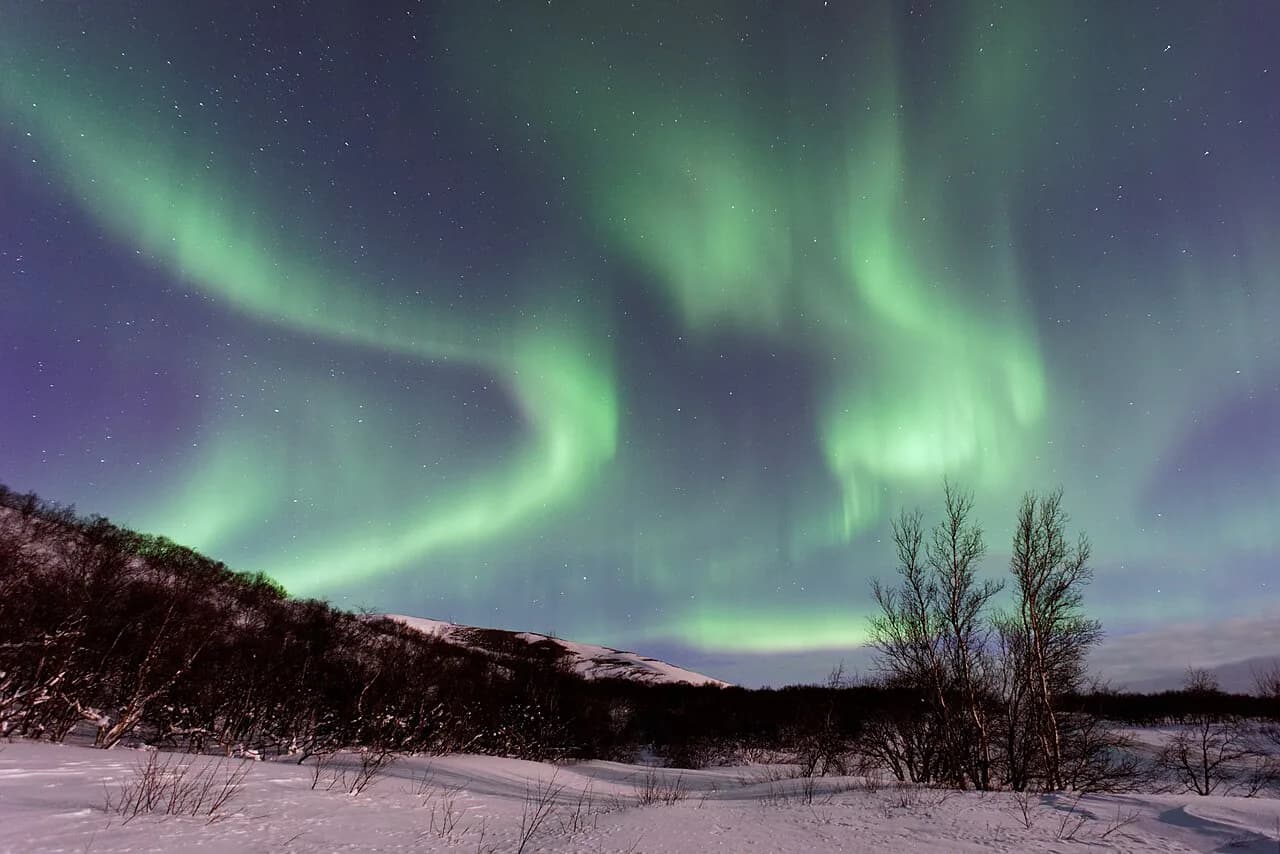
The aurora is created when charged particles from the sun meet Earth's magnetic field and energize gases high in the atmosphere. Iceland's location close to the Arctic Circle places it within the auroral zone, which is why displays can be visible across the country during the darker months whenever the sky is clear and solar activity is favorable.
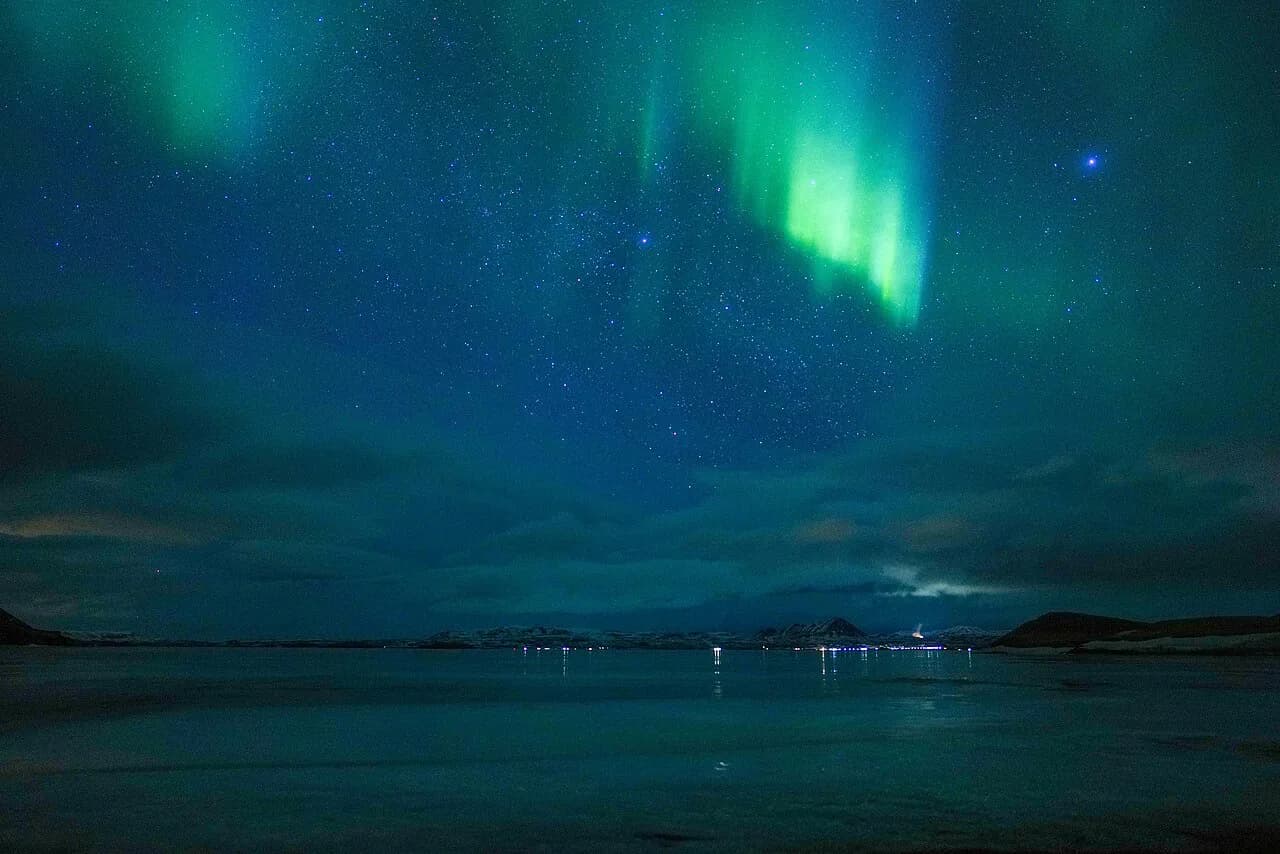
That geography also means you do not need to chase a single famous viewpoint. You might see the lights above a waterfall, a glacier, a black sand beach or a mountain ridge, or simply step outside a countryside hotel and look up. The variety of foregrounds is part of what makes Iceland distinctive among aurora destinations.
When the aurora season runs
The main season runs from September through April, when dark and long nights have replaced Iceland's bright summer evenings. The northern lights can occur year-round, but they are only visible when the sky is dark enough, which is why the summer months fall outside the window.
Aurora activity is said to be most active around the equinoxes in September and March. Deep winter does not raise solar activity, but it widens the daily window: with more darkness each night, you have more hours in which a display can occur.
Toward the end of the season, nights shorten quickly. In April you may need to stay up later or start your watch well after sunset to get fully dark skies, whereas a December or January evening is dark soon after the afternoon.
How dark the nights get from September to April
Viewing windows track the dark hours, which are longest around midwinter and tighten at both ends of the season. One operator describes peak winter conditions as offering up to 20 hours of darkness each day, which is why deep winter is often recommended for travelers whose priority is maximum night hours rather than comfortable daytime sightseeing.
Any specific evening's window depends on cloud cover as much as on sunset. The Met Office aurora page publishes sunset, darkness, sunrise and moonrise timings valid for Reykjavík, which is a useful reference for planning a watch even if you are based elsewhere in the country.
In practice, September and March give you reasonable evening darkness with milder days, while November through February give you the longest nights but more weather to work around. Pick the trade-off that matches your tolerance for cold, wind and short daylight.
Where to watch near Reykjavík
You do not always need to travel far: on a clear, active night the northern lights are often visible from Reykjavík as well. The capital is on the aurora belt, which makes a city-based trip viable for short visits.
City light does cost you contrast. Sightings are greatly improved outside populated areas, especially away from the light pollution of the capital, so a faint arc over the rooftops may look far more dramatic twenty minutes' drive out of town.
For a night that combines city convenience with a dark-sky outing, plan a late evening at a geothermal spot outside the center and keep the rest of the night free for a drive or a tour pickup. A visit to the Sky Lagoon in Winter works well as an early-evening warm-up before the aurora hours begin.
Countryside settings: waterfalls, glaciers and coast
The countryside is where Iceland's aurora reputation is made, because the landscapes give you something to frame the lights against. Waterfalls such as Seljalandsfoss and Skógafoss, the geothermal features of Geysir and Gullfoss, and the rift valley at Þingvellir on the Golden Circle all sit within reach of Reykjavík for a day or an overnight. If you are weighing which region to base yourself in, our northern lights in Snæfellsnes covers the same season and dark-sky decisions on the west coast.
Further east, glacier lagoons and black sand beaches offer open horizons and little artificial light. The trade-off is distance: the farther you go from Reykjavík, the fewer nights you can realistically spend in each place, and the more your plan depends on a single clear evening. For a fair shot at the jokulsarlon northern lights, give the lagoon area more than one night before committing.
A base inland or on the south coast also puts you closer to multiple dark sites, so you can relocate for openings in the cloud instead of committing to one spot. When choosing accommodation, look for a location that offers a short drive to open country without forcing you back into a town center. If the south coast is your focus, this Vík northern lights guide covers when and where to watch from one of the region's best-placed bases.
How to read the Icelandic Met Office cloud and activity forecasts
The Met Office aurora page shows a cloud-cover map of Iceland with green areas indicating cloud and white areas clear skies. You can load each day and step through times, or click directly on the map, which makes it easy to compare the south coast with the interior or the north at the same hour.
The page also displays forecast auroral activity at midnight on a scale from 0 to 9, changing with the date selected under the map. Treat that number as guidance for how strong a display could be if the sky is clear, not as a prediction that you will see anything from a given car park.
Read the two layers together. A high activity number under thick cloud gives you nothing, while a modest number under a clear sky can produce a good display, which is why experienced chasers spend more time on the cloud map than on the activity figure.
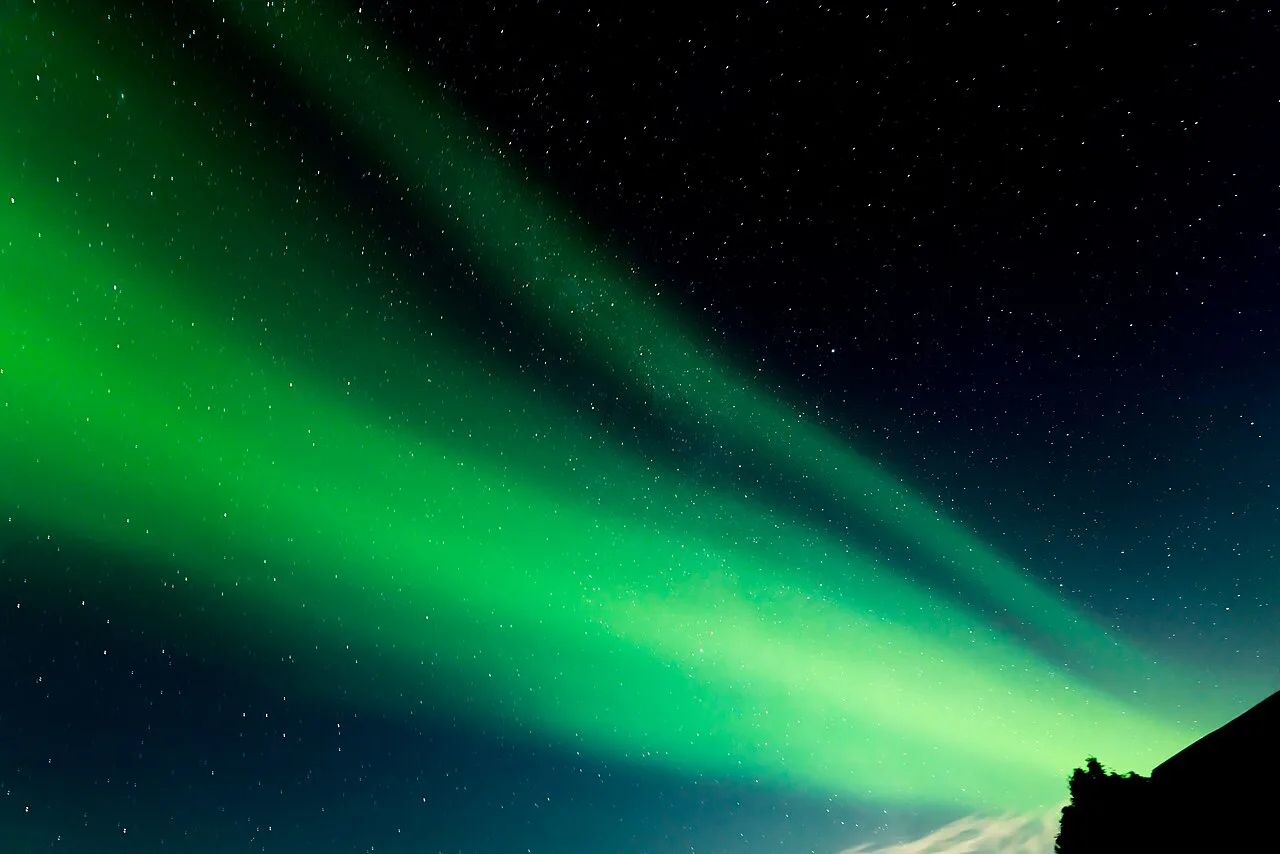
What the aurora forecast does and does not tell you
Forecasts condense solar wind and magnetic conditions into a simple activity reading, which the Met Office page displays on a scale from 0 to 9 at midnight. Higher readings mean stronger potential displays, but they are guidance only and can shift through the evening, so a low reading does not rule out a display overhead in Iceland.
Cloud is the variable you can actually work with. The stronger the activity, the better your chances of seeing a display, but only where the sky is open, which is why a driver or guide who can relocate is worth more than a perfect activity forecast.
There is no exact best hour. The lights can appear at any time when the sky is dark enough, so keep watching the forecasts and the sky through the evening rather than saving your effort for a single time slot.
Self-guided chasing versus a guided tour
Self-driving gives you freedom to move when the cloud map shifts, but it puts the decisions on you: which road, which pull-out, how late to stay out. In winter that means weighing road conditions and daylight against a late return, and accepting that a promising evening may still end in cloud.
A guided tour removes most of that work. Excursion leaders are skilled at hunting the lights and finding locations where conditions are best on any given night, using current forecasts to relocate as needed.
Tours also solve the late-night logistics: transport is arranged, guides often help with camera settings, and some operations have photography equipment available for travelers without their own gear. If you are in Iceland for only a few nights, pairing one organized outing with a flexible self-drive plan is a practical way to cover both styles. To compare departures and pick a night with a workable forecast, browse iceland northern lights tours before you lock in the rest of the itinerary.
Aurora wake-up calls and countryside hotels
Several hotels in the countryside offer a northern lights wake-up call if the lights are shining, which lets you sleep through cloudy hours without missing a clear break. It suits travelers staying multiple nights who would rather not stand outside for hours on the off chance.
Ask at reception when you arrive whether the service runs that night and how the staff decide to trigger it. Hotels with a dark garden or terrace give you the option to watch from the property instead of driving, which matters when the display appears shortly before midnight.
Photographing the aurora
A tripod is the essential piece of gear, and a cable release helps avoid shake; without one, the self-timer with a 2 to 10 second delay does the same job. Settings are a starting point rather than a formula, because every display and every camera behaves differently.
As a baseline with a manual camera, try ISO 800 to 3200, aperture between f/2.8 and f/5.6, and shutter speeds of 15 to 30 seconds. Higher ISO captures faster exposures but adds grain, and exposures longer than 15 seconds begin to show star movement.
Smartphones handle low light better than they used to, so practice your night mode before you head out rather than fumbling with settings in the cold. Also remember that a phone camera can reveal color your eyes barely register, so judge the real display by looking up, not only at the screen.
How many nights to allow in Iceland
There are no guarantees with the northern lights, so the more nights you have, the better your chances. Several nights give you more opportunities for clear skies and favorable activity, and let you absorb a washout without losing the whole trip.
For an aurora-focused visit, one operator recommends planning 7 to 15 days in the country, which allows enough time to adapt plans to forecasts and road conditions while also seeing glaciers, waterfalls and hot springs by day.
If your schedule is tighter, aim for at least three or four nights in one region and keep your daytime plans flexible. A short break with a single booked aurora night is a gamble on cloud as much as on solar activity.
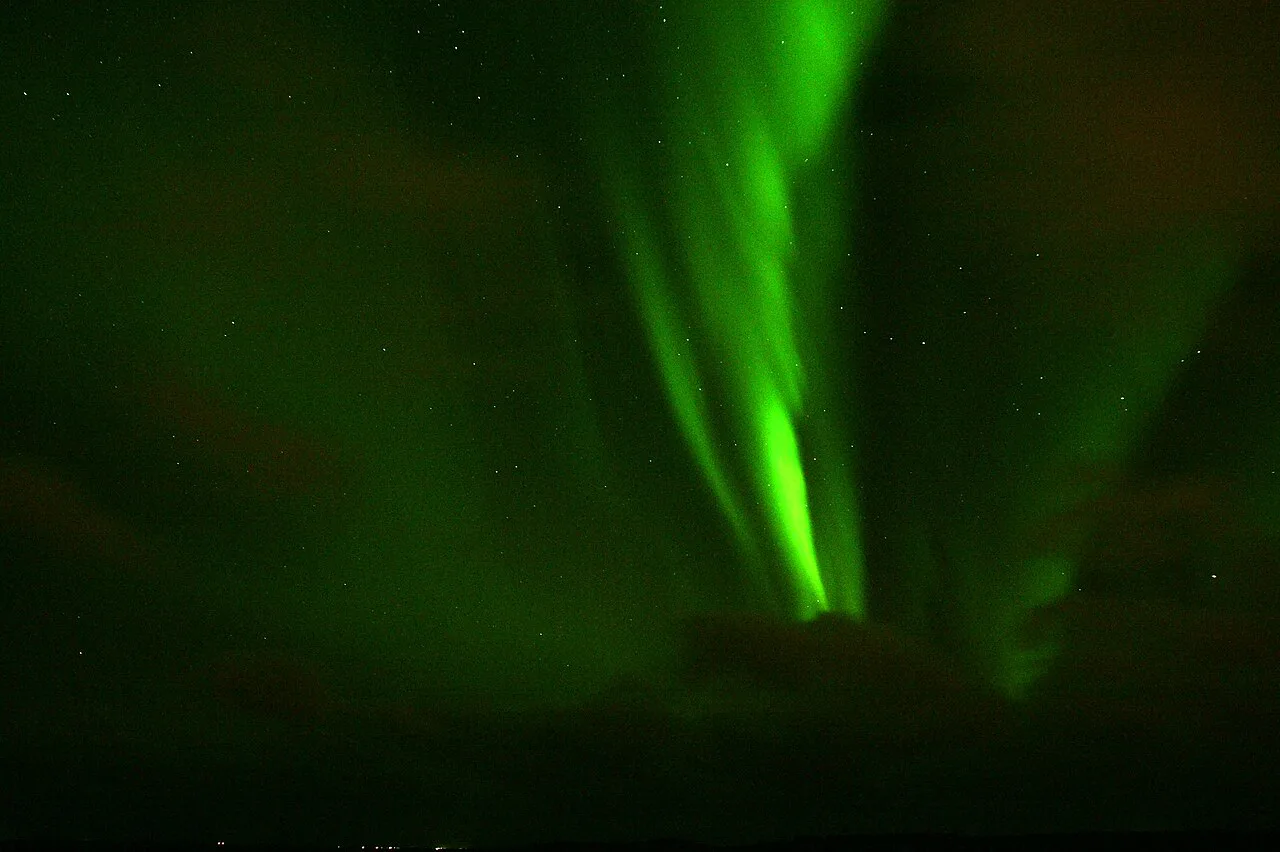
Season trade-offs: equinox activity versus deep winter
September and March bring longer daylight for sightseeing alongside reasonable aurora hours, and both months sit near the equinoxes when activity is said to be most active. The catch is the weather: transitional months can bring wind, rain and fast-changing cloud that close more nights than you might expect.
October through February offer the darkest skies and most frequent auroral displays according to one operator, though unpredictable Icelandic weather can limit visibility. December and January give the widest nightly window but the shortest days, so daytime touring shrinks.
Autumn brings fewer crowds and golden colors across moss-covered lava fields before the first snows settle, while spring thaws the waterfalls to full force. Both are reasonable compromises if you want a broader trip rather than a dedicated aurora hunt.
Where to base yourself
Reykjavík is the natural hub: it handles flights, tours and day trips, and can deliver a display on a clear night without leaving the city. If you stay in town, build in at least one evening out of the lights to improve your contrast, and keep a tour pickup as a fallback.
A countryside base south or east of the capital puts dark sites within a short drive and often comes with wake-up call service. The trade-off is fewer services and longer drives to day attractions, so weigh convenience against your priorities.
Wherever you base yourself, keep travel between regions modest in winter. Fewer, longer stays beat a loop that puts you on the road every evening, especially when you want to be outside after midnight.
A sample winter night routine
Check the cloud map and the activity reading in the late afternoon, pick two or three candidate spots within a short drive, and decide your go or no-go time. If cloud is forecast to break after midnight, sleep early and set an alarm rather than standing outside for hours.
Once you are on site, let your eyes adjust and keep looking in all directions, because the aurora can appear anywhere overhead when activity is strong. It often starts as a faint arc or glow before growing brighter and moving across the sky.
Patience is part of the routine. Plan a warm place to wait, whether a car, a lobby or a geothermal pool, and give the sky a reasonable window before deciding to move on.
Same-day planning with forecasts and road conditions
Icelandic weather changes often and suddenly, so the practical approach is to build flexible schedules and check conditions the same day. Keep a backup plan that works in bad weather, such as a geothermal pool or a museum, so a cloudy night does not sink the whole day.
Cross-reference the aurora forecast with road conditions before committing to a drive, particularly on mountain roads or when wind is rising. The Met Office page carries cloud cover, activity, and Reykjavík timings all in one place, which makes it the first stop of the evening.
Plan Your Visit
Build your Iceland trip around the season and the forecast rather than a single hoped-for night: September to April gives you dark skies, with equinox months favored for activity and midwinter for the longest nightly windows. Stay several nights, keep one evening flexible, and add an organized tour if you would rather not drive yourself.
Then let the forecasts do the deciding. A clear sky and modest activity will beat a high reading under cloud every time, and a patient, well-placed traveler in Iceland has as fair a chance as anywhere in the Arctic Circle.
Explore more Iceland northern lights guides
- Best Time to See the Northern Lights in Iceland
- Blue Lagoon in Winter
- Buubble Hotel in Iceland
- Christmas in Iceland
- Glass Igloos in Iceland
- Hotel Rangá
- Hvammsvík Hot Springs
- Iceland Aurora Forecast
- Iceland Husky Safari
- Iceland Ice Caves
- Iceland in December
- Iceland in February
- Iceland in January
- Iceland in March
- Iceland in November
- Iceland in October
- Iceland in September
- Iceland in Winter
- Iceland Northern Lights Tours
- Iceland Snowmobile Safari
- Into the Glacier
- ION Adventure Hotel at Nesjavellir
- Krauma Geothermal Baths
- Laugarvatn Fontana Spa
- New Year's Eve in Reykjavík
- Northern Light Inn Iceland
- Panorama Glass Lodge, Iceland
- Perlan Museum in Reykjavík
- Reykjavik Christmas Market
- Secret Lagoon in Flúðir
- Sky Lagoon in Winter
- The Icelandic Yule Lads
- Vök Baths
- Where to Stay in Iceland for the Northern Lights
- Aurora Reykjavík
- Driving in Iceland in Winter
- Golden Circle in Winter
- Iceland Hot Springs and the Northern Lights
- Iceland in Winter vs Summer
- Iceland Winter Itinerary
- Lapland vs Iceland
- Northern Lights Boat Tours from Reykjavík
- Reykjavik in Winter
- Reykjavík Winter Lights Festival
- Grótta Lighthouse for the Northern Lights
- Ice Fishing in Iceland
- Iceland Super Jeep Tours
- Northern Lights Photography in Iceland
- Snowshoeing in Iceland
Frequently Asked Questions
What month is the best for Northern Lights in Iceland?
There is no single best month, but September through April all offer dark enough nights. September and March sit near the equinoxes when activity is said to be most active, while November through February give the longest darkness and more night hours per day. Choose based on whether you value longer daylight or longer nights.
How likely is it to see the Northern Lights in Iceland?
No operator or forecaster can promise a sighting, because a display needs both solar activity and clear skies. Staying several nights and being willing to move toward openings in the cloud improves your odds more than any single forecast reading.
Can you see the Northern Lights from Reykjavík?
Yes. The lights can be visible from Reykjavík when skies are clear and activity is favorable. Heading away from city lights improves visibility, particularly when the aurora is faint, so plan at least one evening out of town.
What time of night is best for seeing the Northern Lights in Iceland?
There is no exact best time. The lights can appear at any time when the sky is dark enough, so watch the aurora forecast and cloud cover through the evening rather than committing to one hour.
Where is the best place in Iceland to see the Northern Lights?
There is no single best location. On a clear night the lights can be seen across Iceland, and dark locations away from artificial light generally provide better viewing conditions, from the south coast waterfalls to the glacier country further east.
How long should I stay in Iceland to see the Northern Lights?
There are no guarantees, so more nights give you more opportunities. Several nights are a reasonable minimum for a fair chance, and an aurora-focused trip can comfortably fill a week to a fortnight with daytime sightseeing between attempts.
Do I need a tour to see the northern lights in Iceland?
No. Self-driving gives you freedom to follow the cloud map, while a guided tour handles transport, route decisions and location hunting on the night. Short trips often benefit from one organized outing as insurance.
What should I check before driving out to watch the aurora in Iceland?
Check the cloud-cover and activity forecast for the evening, then compare it with road conditions for your intended route. The Met Office aurora page combines cloud cover, activity and Reykjavík timings in one place.
Sources
Notes for your Arctic winter trip
Optional updates to our northern lights guides.
You might also like
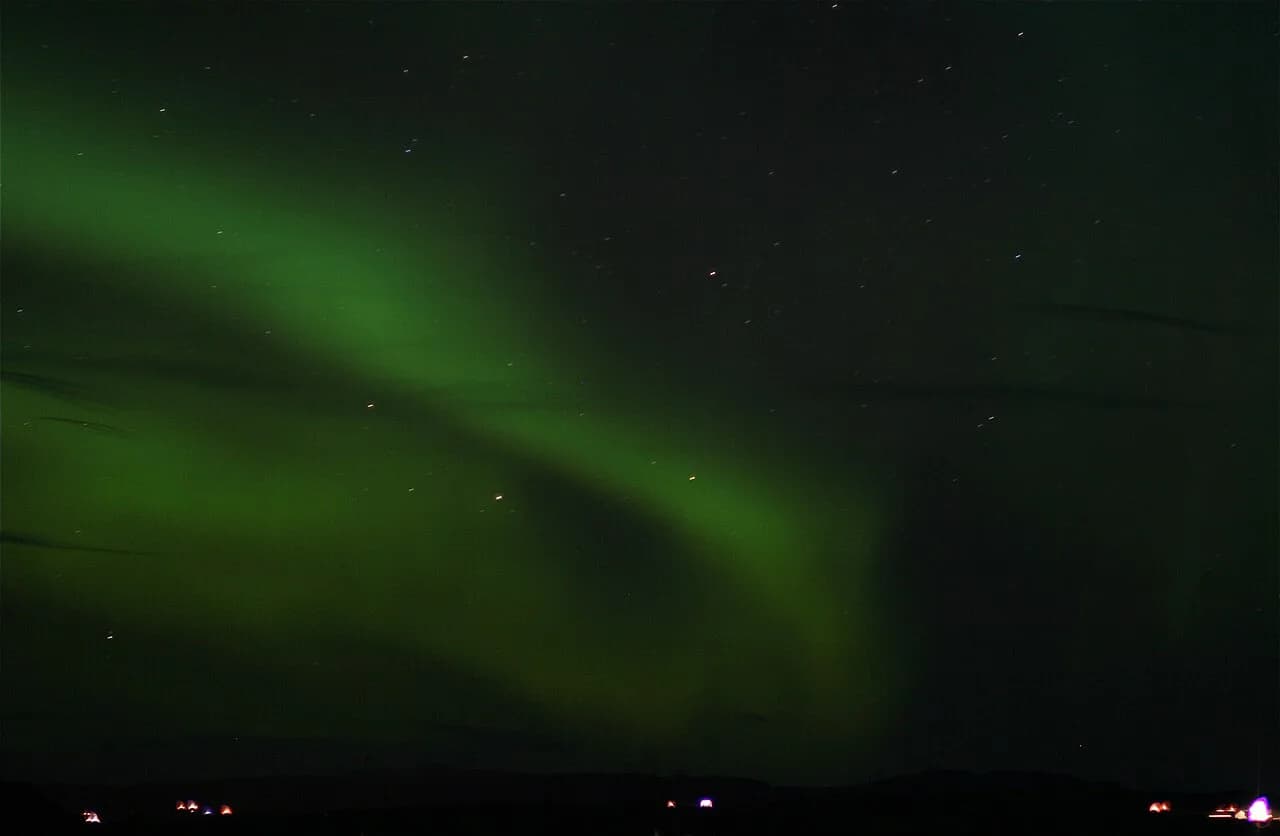

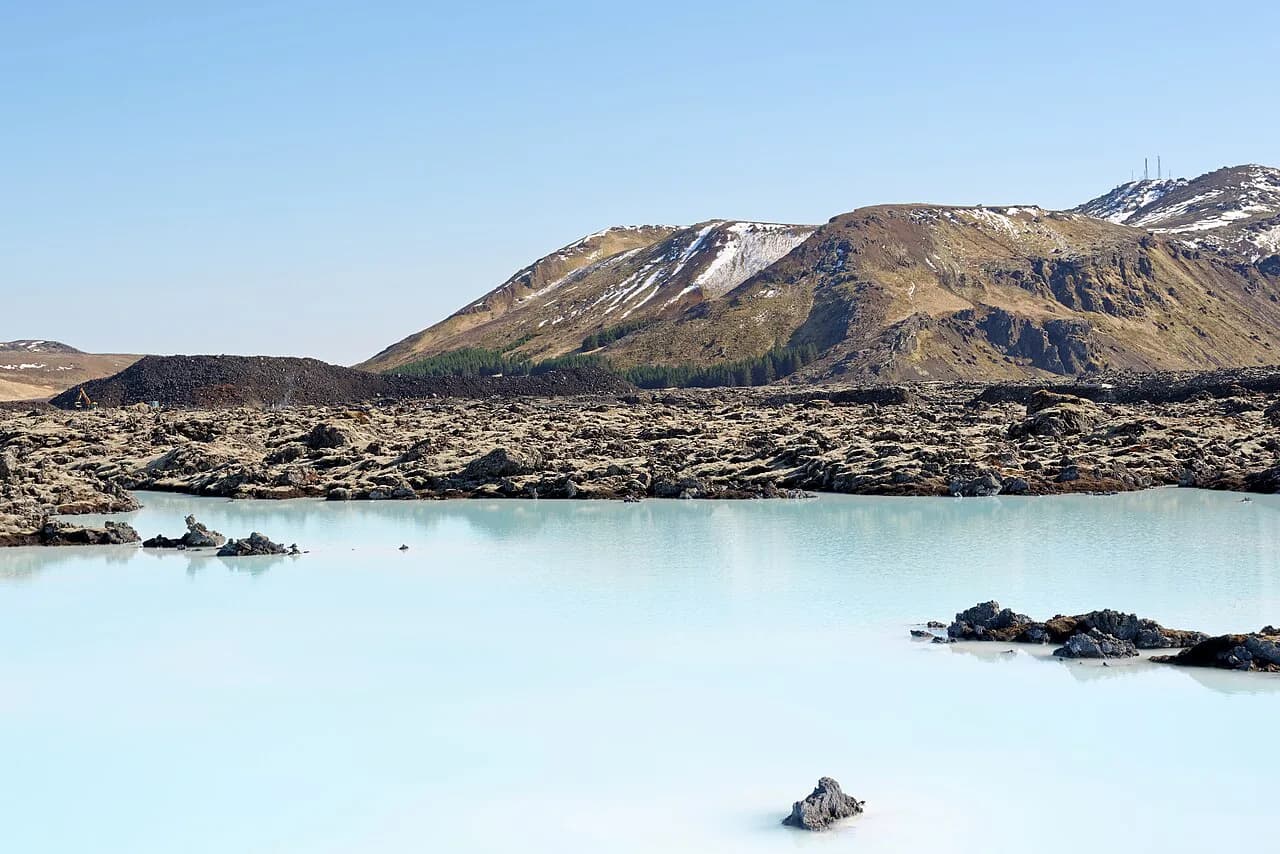
Continue reading
More guides you'll find useful