Northern Lights in Finland: Finnish Lapland Aurora Guide
Plan northern lights in Finnish Lapland: why the aurora belt runs overhead, when nights are dark, where to escape town light, and how many nights to allow.
On this page
Finnish Lapland puts you under the auroral oval, the ring of sky where displays are most frequent, which is why a winter trip here is one of Europe's strongest aurora bets. The trade-off is that no operator, hotel or forecast can promise a display: you need geomagnetic activity overhead and a clear northern horizon at the same time. What you can plan for is darkness, a base with accessible dark spots and enough nights to ride out cloudy weather.
Rovaniemi makes a practical first base because you can reach riverside and fell-top viewpoints without a car, while road access opens up darker country 25 to 60 km out. Farther north, resort villages sit deeper in the aurora belt with quicker escapes from town light. For a smaller fell resort with the same trade-offs, see this northern lights in Ruka guide before settling on a base. If you are still weighing when to travel, the best time to see northern lights in Europe guide compares seasonal windows across the continent. The rest of this guide weighs each base on how far north it sits, how easy the dark-sky access is and what your nights realistically look like.
Why Finnish Lapland sits under the aurora belt
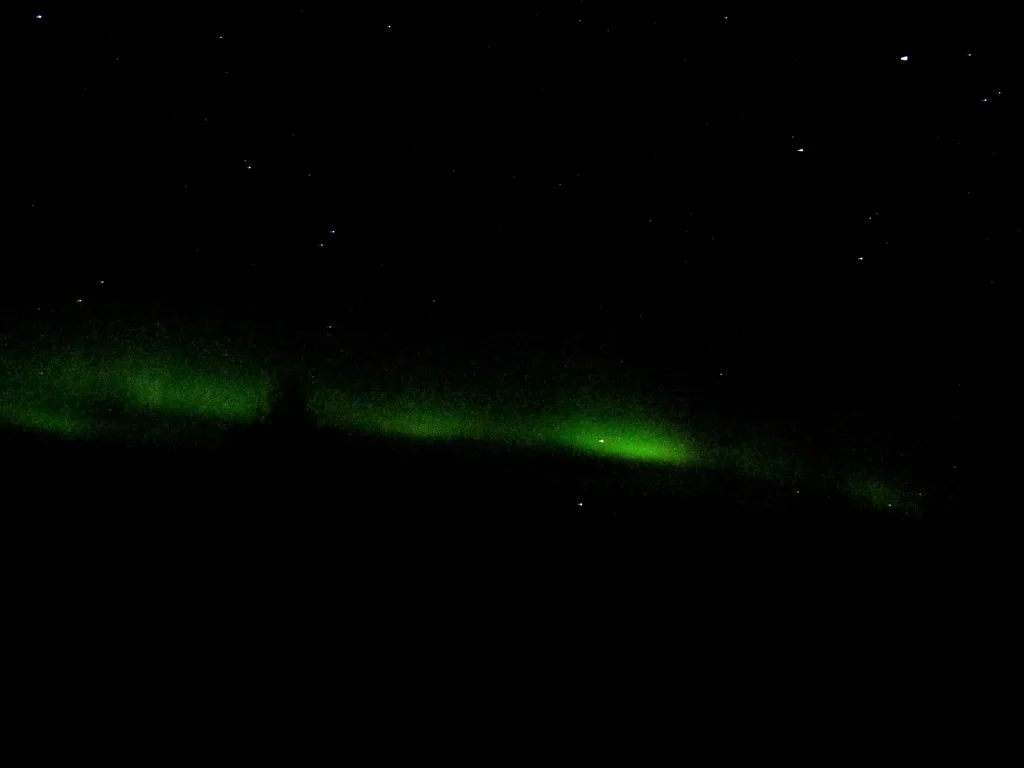
The aurora forms when charged particles from the sun meet Earth's magnetic field and energise gases high in the atmosphere, producing the familiar green and sometimes red or violet light. Because the magnetic field funnels those particles toward the polar regions, the band of frequent displays, the auroral oval, passes over northern Finland. That latitude is the structural reason Lapland delivers more aurora nights than southern Europe.
Solar activity shifts constantly, so the oval breathes and displays range from a faint glow on the northern horizon to overhead curtains. RWC Finland publishes current auroral activity alongside all-sky camera images and magnetometer readings, which show geomagnetic disturbance rather than what you will see from a particular spot on a particular night. Use them as a rough guide to when it is worth staying up, and treat the local sky as the deciding factor.
When the aurora season runs in Lapland
You need dark nights, and in Lapland those begin once the autumn equinox darkness returns and last through the long polar winter into early spring. From roughly late August and September through early April, nights are long enough for aurora watching, with the deepest darkness in midwinter. September and early autumn bring open water, which reflects displays in lakes and rivers and makes for striking photography.
A local aurora photographer describes September and October as a strong window, in part because the lakes are still open and the nights are already dark, while first frosts create reflective ice before snow arrives. Winter brings full snow cover, which brightens the ground but can bury paths and make shorelines uncertain. Spring returns longer daylight but still delivers dark nights in March and early April.
Daylight, darkness and typical conditions by month
Autumn gives you a workable balance: enough daylight for daytime activities and enough darkness for aurora watching in the evening. Near Rovaniemi the northern lights are usually seen between about 9pm and 2am, though they can come earlier or later and do not appear every night. Cloud and snow are the usual obstacles, since a thick overcast hides any activity above it.
Midwinter offers the longest nights and therefore the most hours to wait out passing cloud, at the cost of short days and cold conditions. Late winter and early spring extend daylight while keeping dark nights, which suits travellers who want both daytime snow activities and evening aurora sessions. Whatever the month, build your plan around the sky rather than the calendar alone.
Where to watch near Rovaniemi: Arktikum Park, Koivusaari island and Ounasvaara fell
Arktikum Park is the simplest dark-sky stop from the city centre: the museum sits about a five-minute walk from the centre on the shore of the Ounasjoki river, and its glass corridor stretches almost 200 metres pointing north. Stand on the riverbank with the building behind you and look north over the water. Light from the busy E75 motorway still washes the park, so displays tend to show best to the left of the highway, over the river.
Koivusaari island sits in the Ounasjoki delta opposite Arktikum Park, and you can park by the Ounaspaviljonki boating station or walk north along the E75 sidewalk and reach the island by bridge stairs. The northern end of the island offers the best view over the north and sits farther from light pollution, and the surrounding water catches reflections. After heavy snow the access gets harder and the reflections disappear, so this is a spot to use before deep winter.
Ounasvaara fell rises beside the city centre and takes about 25 to 30 minutes to reach on foot, or around 5 minutes by taxi. From the top you get an open northern horizon, and trails running left and right from Sky Hotel lead toward the Tottorakka ski station. It is a strong winter option when the forest is snow-covered, and it works in autumn and spring too; give it more than 15 minutes, because the sky moves slowly.
Farther out from Rovaniemi: Lake Vietonen and the Arctic Circle Hiking Area
Lake Vietonen lies about 60 km north-west of Rovaniemi and is easy to reach by car, with its most photogenic spot close to the parking area. It is at its best in autumn while the water is open, and again after the first frosts when the lake freezes but snow has not yet fallen. The lake has become popular, so expect other aurora hunters; walking out onto early ice is dangerous and best left alone unless you know the conditions.
The Arctic Circle Hiking Area sits 25 to 30 km north of the city along the Raudanjoki river, where two suspended bridges cross at Vaattunkiköngäs and Vikaköngäs. The first bridge, near the Arctic Circle Wilderness Lodge, leads to an easy path around the island of Könkäänsaari, which has openings on its northern side and a lean-to with free firewood. The river flows fast enough to stay partly open even in winter, so its snowy banks can be less solid than they look; the bridges are the safer viewpoints.
Other Lapland bases and their dark-sky settings
Beyond Rovaniemi, Lapland's resort villages trade city conveniences for shorter trips to genuine darkness. Ski and cabin villages sit close to fells and forest trails, so you can leave lit streets within minutes and find an open northern horizon. Pyhä-Luosto National Park is one such setting, with fell terrain and quiet roads that make self-guided evening outings practical. For the same decision at a smaller fell resort, compare luosto northern lights before picking your base.
Lake Inari and the far north sit deepest in the aurora belt, which matters on nights when activity is weak and displays stay low on the horizon. The far north also brings longer darkness and fewer town lights, at the cost of more travel time and colder conditions. Sámi Culture in Finnish Lapland is part of the appeal of these northern villages, and a winter trip here can combine aurora evenings with daytime cultural visits.
Self-guided chasing versus a guided aurora tour
Self-guided chasing works well when you have a car, a clear understanding of where the dark spots are and the patience to wait. Around Rovaniemi, Arktikum Park and Ounasvaara fell are reachable on foot, while Koivusaari island, Lake Vietonen and the Arctic Circle Hiking Area need a vehicle or a taxi. The trade-off is that you carry the driving, navigation and waiting yourself, often in cold and uncertain conditions.
A guided night shifts that burden to someone who knows the roads and the cloud patterns, and many tours supply transport and thermal gear. Photographers often value a guide who can read the sky and move between spots. If you want a structured night, Finnish Lapland northern lights tours cover the range of group sizes, durations and inclusions to compare before booking.
Guided tours run by operators may also provide transport, thermal suits and boots, hot drinks or photography help, though inclusions vary by provider. Ask what is included before booking, especially if you plan to photograph the aurora yourself. A tour is not a guarantee either: the guide can chase clearer sky, but cloud and activity decide the outcome.
What a guided night typically includes
A typical aurora night starts with a pickup in the evening and a drive toward clearer sky, followed by waiting at one or more dark spots. Many operators supply thermal suits, boots and hot drinks, and some help with camera settings or take photographs for guests. Durations vary, so check whether the tour runs for a few hours or through the night before you commit.
Group size changes the experience: small groups move faster between spots, while larger groups often have fixed locations and more waiting. Ask about minimum ages, what happens if clouds persist and whether the company will rebook or refund if conditions fail. These details matter more than a flashy itinerary, and they are best confirmed directly with the tour provider before you book.
Glass igloos, aurora cabins and wilderness lodges
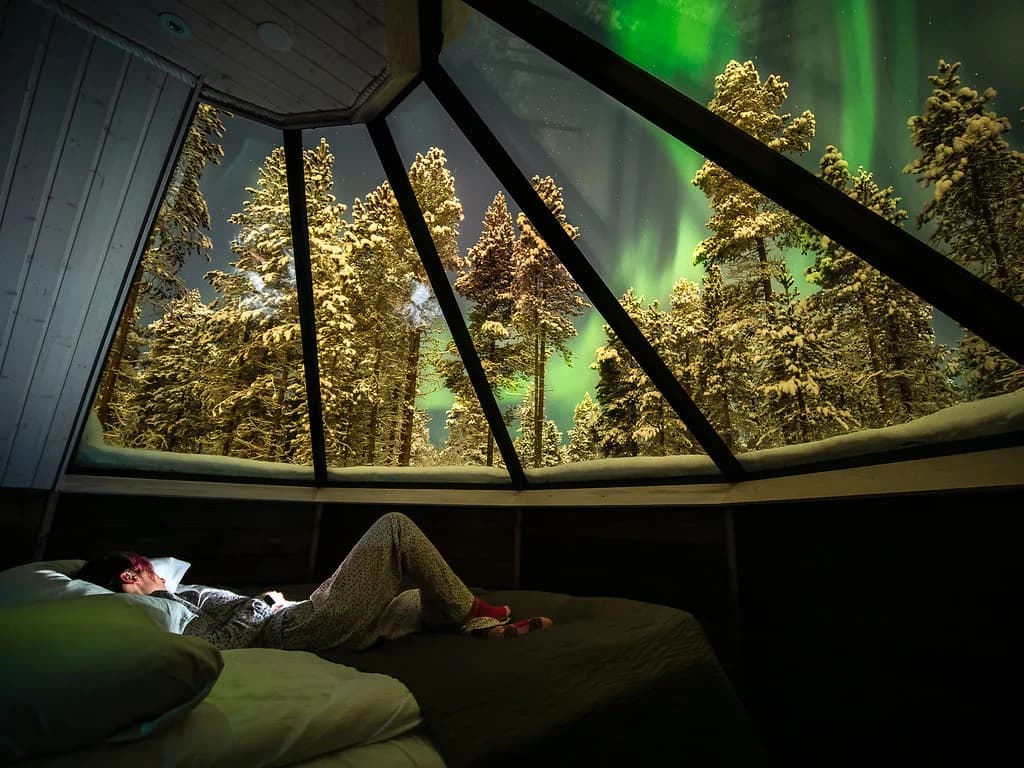
Glass igloos and aurora cabins let you watch from indoors, which is appealing in deep cold and on nights when you would rather not stand outside. The trade-off is heat and glare: a warm interior fogs or ices the glass, and interior lights reflect on it, so you need to dim the lights and sometimes step outside to see the sky properly. Treat the accommodation as a comfortable base, not a guaranteed view of the aurora.
Wilderness lodges set back from towns offer larger dark-sky surroundings and easier access to trails and rivers. The Arctic Circle Wilderness Lodge, near the Vaattunkiköngäs bridge, places you closer to nature than a city-centre hotel. When comparing options, weigh the dark-sky setting against transport, meals and how easily you can reach spotting sites in the evening.
How many nights to plan for a fair chance
Cloud is the usual limiting factor, not solar activity, so a single night gives you little margin. Plan at least three or four nights with aurora-watching possibilities in one base, and more if you travel in a cloudy season or want a buffer around long transfers. On a week-long trip, mixing a city base with a wilderness lodge gives you two different cloud and light-pollution environments.
Patience matters more than any single forecast: visitors often wait only 15 minutes at Arktikum Park and leave before the sky opens, which is why multi-night stays in one place pay off. To fill winter days, christmas in finnish lapland brings seasonal markets and Santa Claus Village near Rovaniemi, a useful way to keep sunshine hours busy before dark.
Reading forecasts and space weather without over-trusting Kp
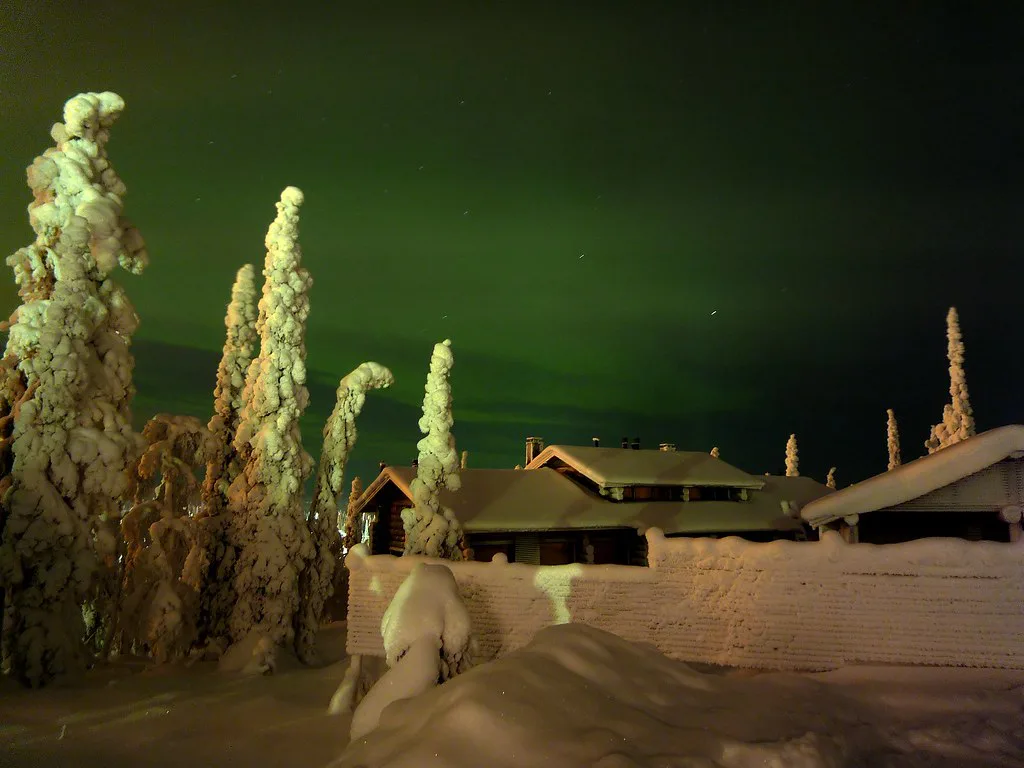
Space-weather forecasts estimate geomagnetic activity, and aurora services publish current activity and camera views. Use them to decide whether it is worth heading out, but remember they describe the geomagnetic field, not the local cloud, which is why the all-sky cameras on the same site are worth a look before you leave your room. A strong forecast under thick cloud still gives you nothing, and a modest one with clear skies can deliver a fine display.
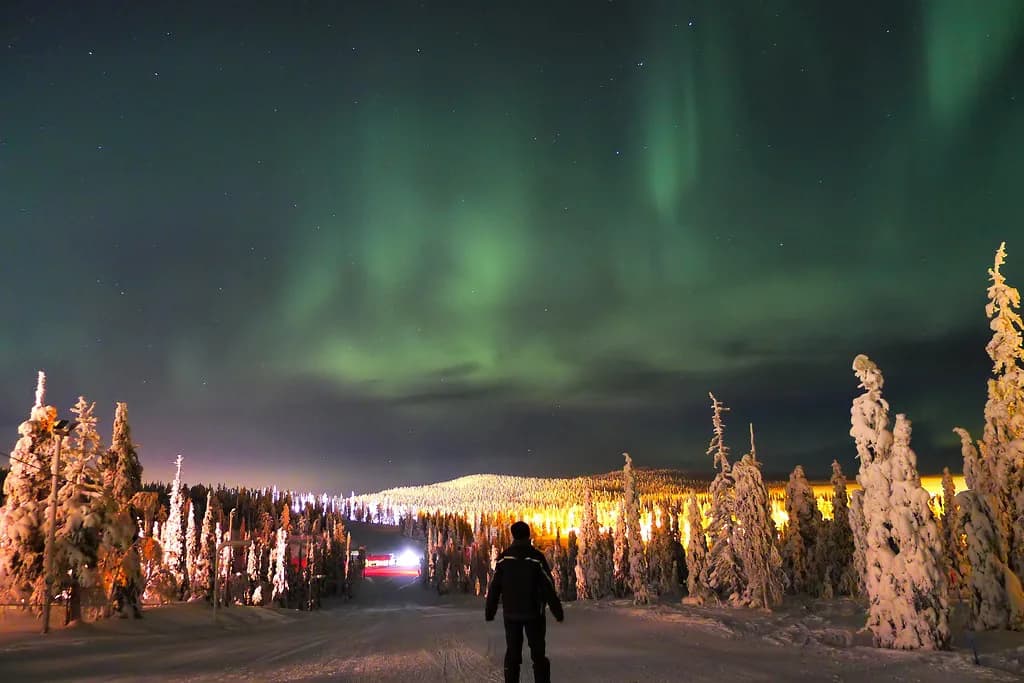
For night-to-night planning, pair the activity forecast with a cloud forecast and a look at the sky itself. On clear evenings, head to a dark spot early and stay late: displays commonly build after the evening and may peak near the middle of the night. If the sky is overcast, save your energy for another night rather than waiting at a single spot for hours.
Getting around Lapland in winter
Rovaniemi connects by air, rail and road, and once you arrive the city centre, riverside parks and Ounasvaara are all reachable without a car. For Lake Vietonen and the Arctic Circle Hiking Area, you need a vehicle or a taxi, and winter road conditions call for caution. Guided tours solve transport and gear in one booking if you would rather not drive in snow.
If you rely on public transport, choose accommodation near the spots you want to use at night and plan evening trips around available services. Farther north, resort villages are compact and often walkable, with tours picking up from hotels. For a wider seasonal picture of transport, accommodation and activities, finnish lapland in winter gives a useful overview to build your itinerary around.
Winter days beyond the aurora
Aurora nights take up only part of the trip, and Lapland's winter days hold their own appeal. Around Rovaniemi, you can spend daylight hours at Arktikum Museum, walking the Ounasvaara trails or exploring riverside paths. The same dark-sky spots are pleasant by day, and the Arctic Circle Hiking Area's island paths and lean-tos make a relaxed outing.
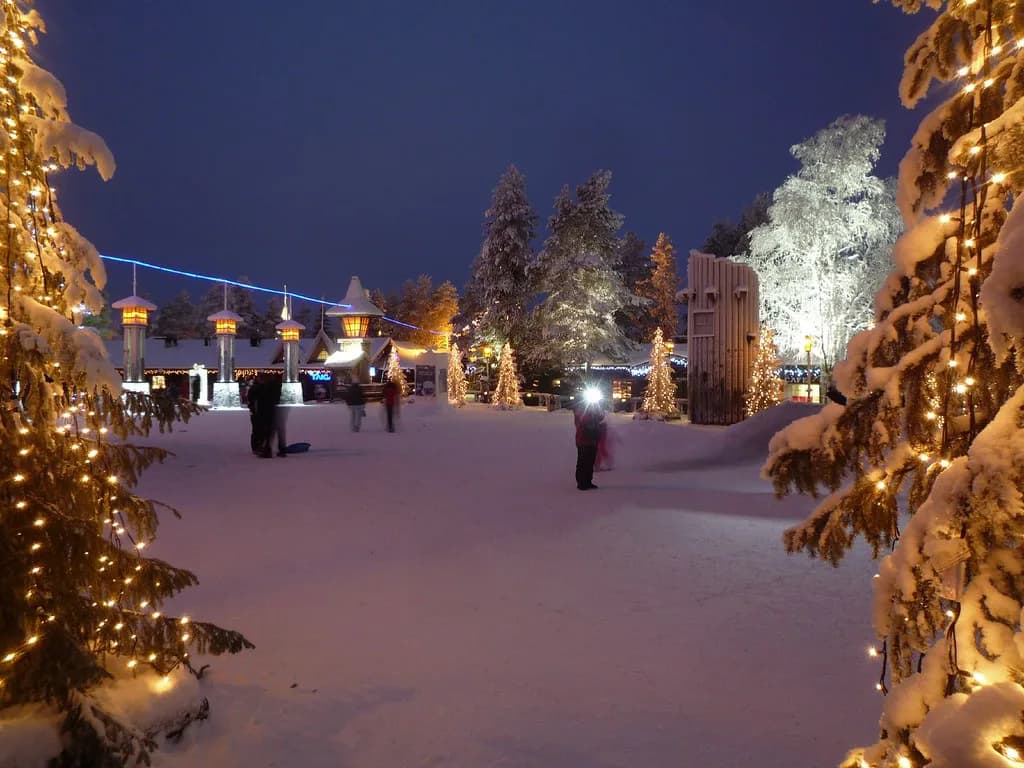
Farther north, fell terrain and national parks keep daytime busy with snowshoeing and short hikes, while Christmas-season visits add seasonal attractions. Santa Claus Village near Rovaniemi is a natural daytime stop for families. Plan winter days around the short hours of light, then rest before the evening aurora watch.
If you plan to book activities around your aurora nights, Northern Lights Tours in Finnish Lapland covers the range of evening options so you can match a tour to your base and dates.
Building a Lapland aurora itinerary
A sensible structure is a few nights in Rovaniemi to use the walkable spots, followed by a move north or into a wilderness lodge for darker skies. Keep the aurora plans flexible each evening and reserve daytime activities that suit the weather. Because cloud is the main variable, place the longest stay at the location with the best odds and comfortable waiting options.
Choose your base by how you want to spend the hours around midnight: a short walk from a warm room at Arktikum Park, a fell-top view at Ounasvaara, or a longer drive to Lake Vietonen and the Arctic Circle Hiking Area. Book guided nights for the evenings you want company and gear, and keep others free for independent chasing. With several nights and realistic expectations, Finnish Lapland gives you a genuine chance to see the aurora.
Plan Your Visit
Finnish Lapland gives you a genuine shot at the aurora because the auroral oval runs overhead and the winter nights are long. Choose a base with dark spots close by, allow several nights and treat activity forecasts as guidance rather than a promise. With patience for the sky to clear, the waiting itself becomes part of the trip.
Compare tours, accommodation and seasonal details, then set your dates and book early for the darkest months. Rovaniemi's walkable spots, the road-access lakes and the far northern villages each suit a different kind of aurora trip.
Explore more Finnish Lapland northern lights guides
- Christmas in Finnish Lapland
- Finnish Lapland Aurora Forecast
- Finnish Lapland Husky Safari
- Finnish Lapland in Winter
- Glass Igloos in Finnish Lapland
- Ice Floating in Finnish Lapland
- Ice Hotels in Finnish Lapland
- Lapland in December
- Lapland in December
- Northern Lights Tours in Finnish Lapland
- Santa Claus Express
- Sámi Culture in Finnish Lapland
- Best Time to See the Northern Lights in Finnish Lapland
- Building a Finnish Lapland Itinerary Around the Aurora
- Finnish Lapland in November
- Finnish Lapland Snowmobile Safaris
- Ice Fishing in Finnish Lapland
- Lapland Christmas Markets
- Lapland in February
- Lapland in January
- Lapland in March
- Lapland in October
- Lapland on a Budget
- New Year in Finnish Lapland
- Pallas-Yllästunturi National Park
- Reindeer Safaris in Finnish Lapland
- Revontulet
- Sámi National Day in Finnish Lapland
- Urho Kekkonen National Park
- Where to Stay in Finnish Lapland for the Northern Lights
- Finnish Lapland Winter Itinerary
- Lapland in September
- Polar Night in Finnish Lapland
- Snowshoeing in Finnish Lapland
Frequently Asked Questions
When can you see the northern lights in Finland?
Dark nights in Finnish Lapland run from roughly late August and September through early April, with midwinter bringing the longest darkness. The lights can appear between about 9pm and 2am according to a local photographer, though they do not appear every night and cloud can block the view.
Where are the best places to see the northern lights near Rovaniemi?
Arktikum Park is about a five-minute walk from the centre, with a north-facing view over the Ounasjoki river. Koivusaari island offers darker views and reflections on the water, Ounasvaara fell gives an open northern horizon, and Lake Vietonen and the Arctic Circle Hiking Area offer darker settings a drive from town.
Can you see the northern lights in Rovaniemi without a tour?
Yes, if you plan around the sky. Arktikum Park and Ounasvaara are walkable from the centre, while Koivusaari island, Lake Vietonen and the Arctic Circle Hiking Area need a car or taxi. Self-guided watching takes patience, and a tour can handle transport and gear.
What time of night do the northern lights usually appear?
A local aurora photographer says displays near Rovaniemi usually appear from about 9pm to 2am, though the timing varies and activity can come earlier or later. Stay out longer than 15 minutes at one spot, because people often leave just before the sky opens.
How many nights should you plan to have a chance of clear skies?
Plan at least three or four nights with aurora-watching possibilities in one base, and more if you travel in a cloudier period. Cloud is the main limiting factor, so several nights in one place give you the best buffer.
Do glass igloos guarantee a view of the aurora?
No. A glass igloo gives you a warm indoor view, but heat, condensation and interior lighting can fog or glare the glass. You still need clear skies and geomagnetic activity, and stepping outside often gives a better look.
Is a guided aurora tour worth it in Finnish Lapland?
A guided night is worth it if you want transport, thermal gear and someone who can move between spots to find clearer sky. Tours do not guarantee a display, so ask what is included, the group size and how cancellations are handled.
Sources
Notes for your Arctic winter trip
Optional updates to our northern lights guides.
You might also like

Continue reading
More guides you'll find useful