Levi vs Saariselkä: Which Lapland Resort to Choose
Levi gives you slopes, nightlife and a compact ski village; Saariselkä gives national-park wilderness and dark skies. Compare access, activities and aurora odds.
On this page
Levi and Saariselkä sit under the same aurora band but feel like different countries. Levi is a purpose-built ski town wrapped around a fell, with restaurants, bars and lifts within walking distance; Saariselkä is a low-rise village where the main attraction is the empty land stretching east into Urho Kekkonen National Park. Deciding between them is really deciding what fills your days and what you want the nights to look like.
Both work as winter bases from roughly late autumn into spring, and both are far enough north that dark evenings arrive early in midwinter. What separates them is slope choice, the pace of the village, and how much of the landscape you can reach on foot. The sections below compare them on access, aurora watching, skiing, safaris, national-park days, accommodation and cost so you can match a resort to your trip length.
What each resort offers in winter and who it suits
Levi is the resort to pick if skiing is the point of the trip. It is Finland's largest ski resort, with the source listing 43 slopes, 26 lifts and about 325 metres of vertical drop, modest by Alpine standards but broad for Scandinavia, plus a concentrated village of hotels, restaurants and bars at the foot of the fell. Finnish families dominate the clientele, which gives it a lively holiday atmosphere that some travelers love and others find busy.
Saariselkä suits travelers who want solitude, trails and dark skies more than steep runs. It is the smallest and most remote of Finnish Lapland's main resorts, sitting at the edge of Urho Kekkonen National Park and its roughly 2,500 square kilometres of near-roadless wilderness, with a compact ski hill of about 13 slopes that keen skiers outgrow quickly. Husky and reindeer operators here tend to run smaller, more intimate groups rather than the forty-person outings possible elsewhere.
Both resorts are also gateway points for northern lights trips, but the style differs. Levi leans on fell terrain that creates natural windbreaks and comfortable standing spots; Saariselkä leans on low light pollution and quick access to unlit park trails. If your group is split between skiers and aurora watchers, Levi keeps everyone occupied during the day; Saariselkä rewards travelers happy to spend daylight outdoors on foot or on cross-country skis.
How far north Levi and Saariselkä sit and why both see the aurora
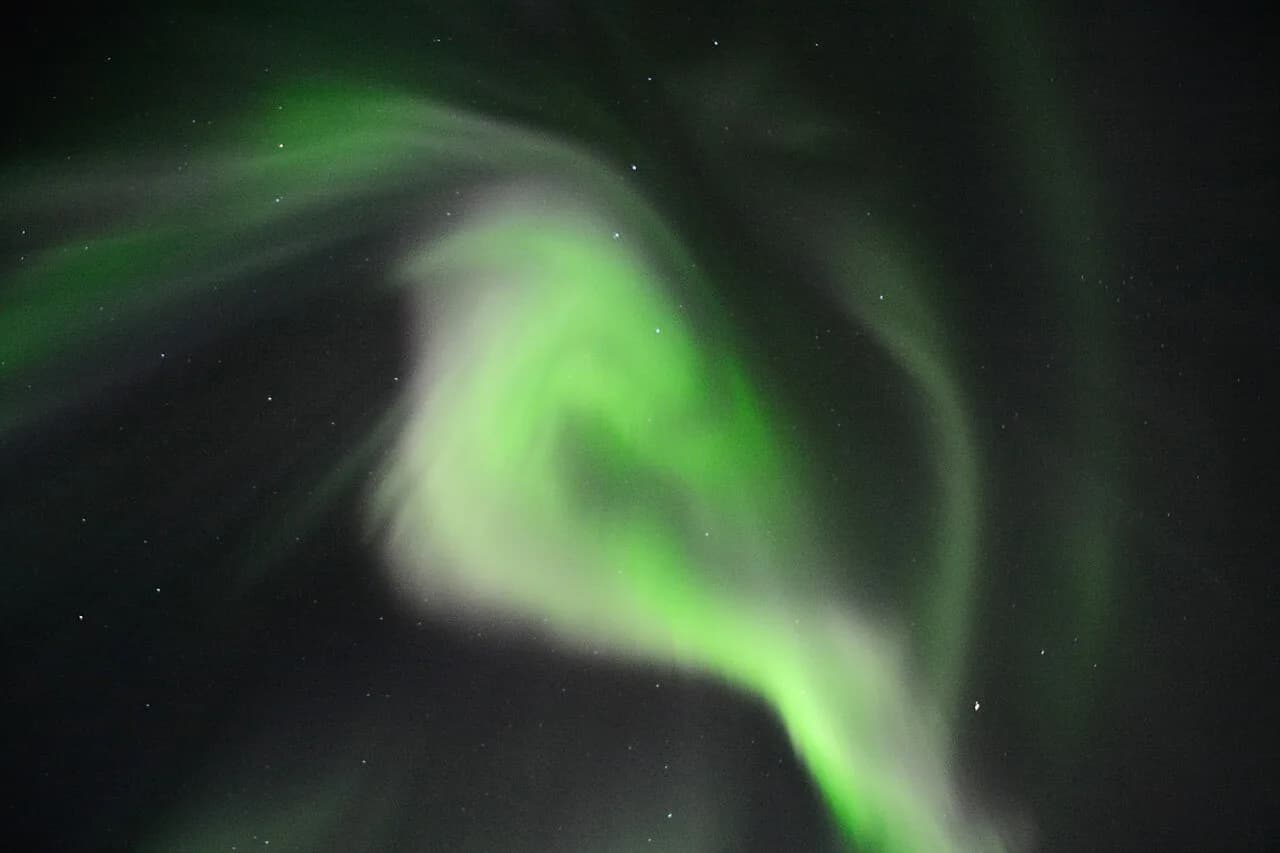
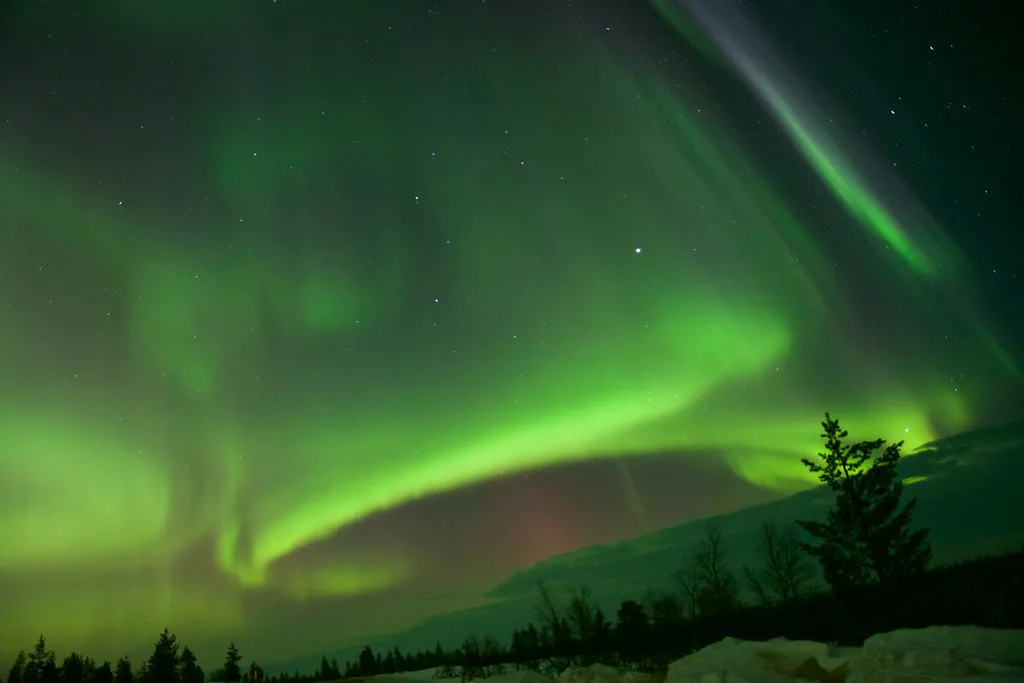
Both resorts lie well inside the auroral zone, which is why both see the northern lights between September and March, roughly the months when nights are dark enough at these latitudes. Saariselkä is the more northerly of the two, in Inari municipality and about 250 kilometres north of Rovaniemi by road, which puts it among the most remote destinations in Finland reachable by scheduled flight. Levi sits in Kittilä municipality, about 170 kilometres northwest of Rovaniemi, still comfortably under the auroral oval.
A sighting depends on charged particles hitting the atmosphere and, more importantly, on whether the sky is clear. Cloud cover is the dominant factor at both resorts, and Lapland weather changes quickly, so a good aurora forecast at home tells you little about the sky above either fell on a given night. Kp values are guidance only; on many strong nights the cloud decides the outcome long before solar activity does.
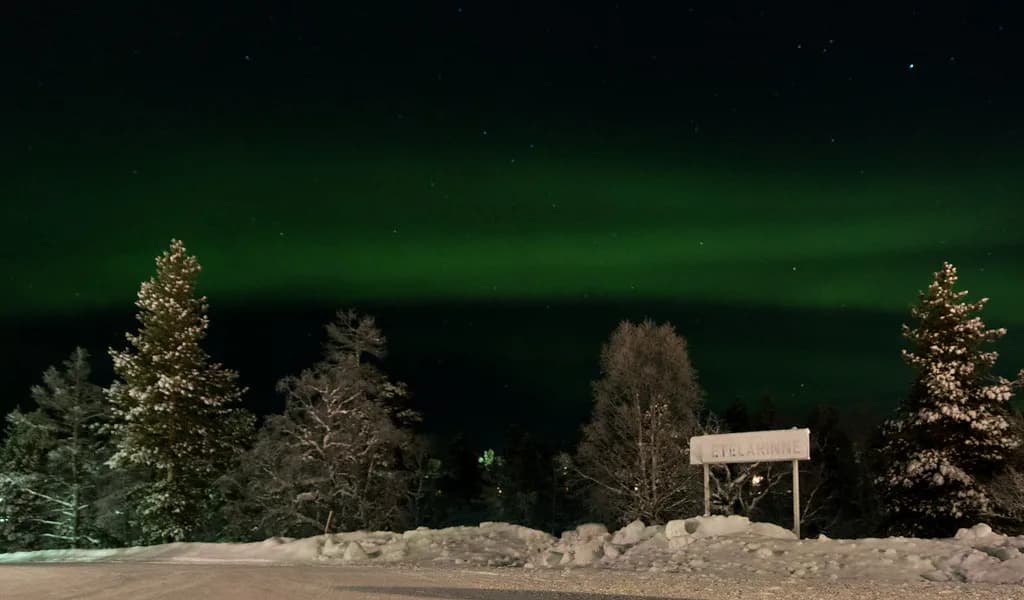
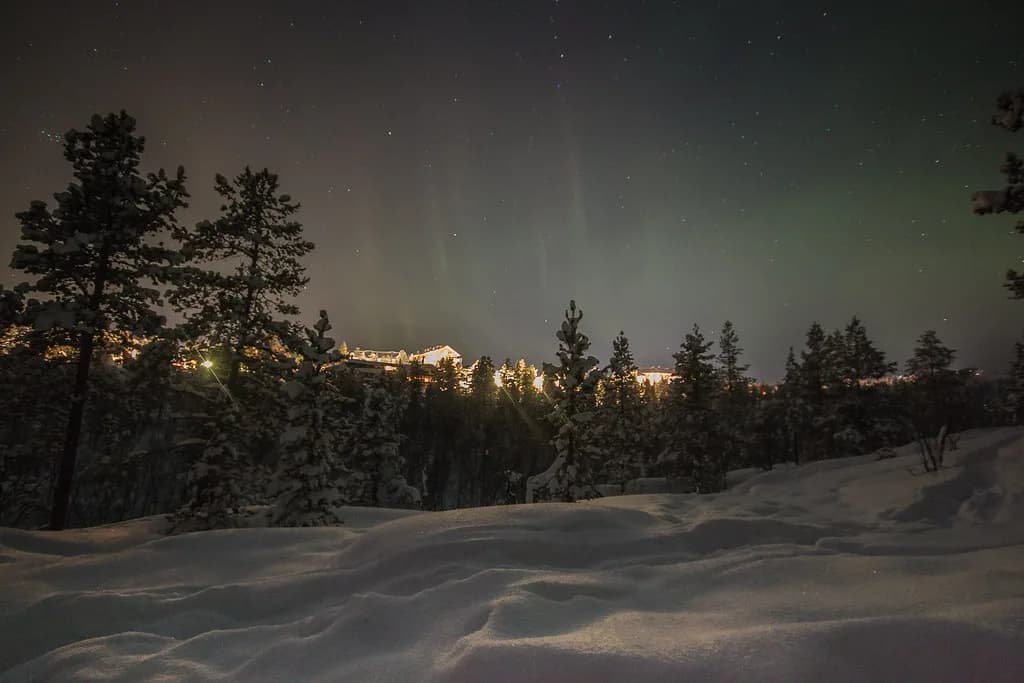
Saariselkä's extra latitude and minimal light pollution give it a slight edge in the statistical dark-sky sense, but travelers should treat that as a small nudge rather than a guarantee. The honest comparison is that both resorts give you a realistic chance over several nights, and neither removes the need for patience. Where Saariselkä wins clearly is the number of genuinely dark places you can walk or ski to from your bed.
Getting there: Kittilä to Levi and Ivalo to Saariselkä
Neither resort has its own airport, so you fly into the nearest regional field and transfer by road. For Levi that is Kittilä Airport, with the transfer to the village a short 15–20 minute hop; the source notes Kittilä receives fewer international charters than Rovaniemi but is well connected in ski season. For Saariselkä it is Ivalo Airport, roughly 25 kilometres away, with fewer direct international flights and often higher fares, so many travelers instead fly into Rovaniemi and drive or bus north.
Ground transport shapes the trip too. Rovaniemi has taxis, some public bus routes and hotel pickup on most tours. Levi is compact enough to walk to lifts and some restaurants, but you need a car or taxi for off-slope activities, and transfer options from Kittilä are worth arranging before arrival. Saariselkä is small enough to cross on foot, though the source recommends a car if you want to explore the national park independently.
Arriving via Ivalo also puts you close to the airport-side lodges clustered north of Saariselkä. The Northern Lights Village Saariselkä has become a common first stop for travelers who want to land, drop bags and be on a dark trail soon after, though you should confirm transfer arrangements with the property before booking flights. That kind of seamless arrival is one reason Saariselkä works for a short aurora-focused stay despite its remoteness.
Where to watch the northern lights: Levi's fell terrain versus Saariselkä's national-park edge
In Levi, the practical approach is to use the fell itself. The terrain around the resort creates natural windbreaks, which makes standing out for an hour or two far more comfortable than exposed open ground, and the ski area's unlit flanks are a short walk or drive from the village. Guided aurora tours also run from Levi, though the commercial tour ecosystem is smaller than Rovaniemi's, so book a night or two ahead during peak weeks.
In Saariselkä, the village borders Urho Kekkonen National Park, and you can walk from the resort edge into unlit fell terrain without a vehicle. The Kaunispää and Iisakkipää fells frame the village and are natural viewpoints, and the park's trail network gives self-guided chasers options without a tour. For travelers who prefer to chase on their own schedule, Saariselkä is the easier base; in Levi the same freedom exists, but the road network and village lighting make a short drive or tour more practical.
Tours from Rovaniemi drive 30–60 kilometres out of the city to reach dark sky, and some operators offer a guaranteed return policy if the lights don't appear. That structured infrastructure is more developed in Rovaniemi than in either Levi or Saariselkä, so if you want a tour with a second-chance policy, keep Rovaniemi in mind as a waypoint. From Saariselkä, however, you don't need to drive out of town to reach genuinely dark country.
Light pollution, cloud cover and how many nights to allow
Rovaniemi is the most urbanised of these bases, so its central streets glow a little brighter than either Levi or Saariselkä. Levi's village lighting is concentrated at the fell base, meaning a short walk or snowmobile transfer gets you to darker ground. Saariselkä's lights are low and scattered, and the nearby park boundary is a genuine dark zone. In all three, cloud is the primary variable on any given night.
Given that, treat any single night as a coin toss and stack several. Two or three nights work well in Rovaniemi, four or more suits a Levi ski trip, and Saariselkä is worth five or six nights once you factor in the journey and the park trails. Serious aurora hunters often add extra nights at the end of a trip, when forecasts are closer, rather than front-loading a short stay and hoping.
If you book a lodge with aurora cabins, you also gain the option to watch from your bed, which is a real advantage on nights when guides can't drive you far. That setup exists at several Saariselkä properties, including the Star Arctic Hotel, which pairs fellside rooms with a short walk to open terrain. For a ski trip, saving the aurora-tour budget for the second half of the week lets you wait for clearer skies.
Skiing and snowboarding: Levi's slopes versus Saariselkä's small fell area
Levi is the clear choice for anyone who wants to ski every day. Its 43 slopes and 26 lifts cover a range of runs, the vertical drop reaches around 325 metres, and the season typically runs from late November into early May, with groomed runs reliably good from late December onwards. That season window is typical rather than fixed, so plan around early- and late-season uncertainty if you are chasing a specific date.
Saariselkä's ski area is small, about 13 slopes, but it is a proper northernmost resort in Finland with beginner-friendly terrain and a compact fell layout. First-time skiers and families who want a low-pressure half-day on the snow will find plenty here; serious skiers will run out of new runs within a day or two. Treat skiing in Saariselkä as a complement to snowshoeing and park trails rather than a week-long plan.
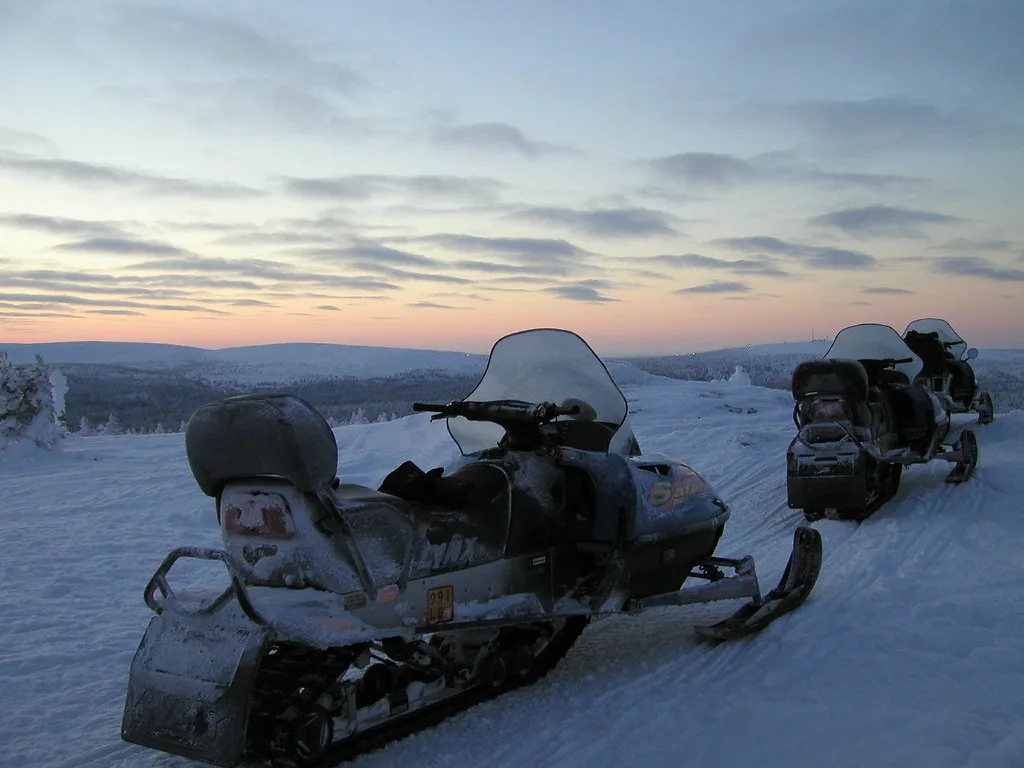
Levi also puts lift-served terrain alongside cross-country trails and snowmobile routes, so mixed groups can split up in the morning and rejoin for lunch. That versatility is why Levi suits families with teens who want varied days. Saariselkä's ski hill works well as a morning outing before an afternoon on park trails, but travelers whose main goal is downhill mileage should book Levi instead.
Husky, reindeer and snowmobile safaris at each base
Both resorts offer husky, reindeer and snowmobile safaris, but the scale differs. Rovaniemi concentrates the widest range of farms, herds and operators within easy reach, ranging from two-kilometre family rides to full-day expeditions, and that breadth is unmatched at the other bases. Levi has husky and reindeer farms in the surrounding area but a narrower choice and a less streamlined booking process for international visitors.
Saariselkä's operators run smaller hunts with more intimacy, so you are more likely to be on a tour with a handful of people rather than a crowd. Several lodges, the Northern Lights Village Saariselkä among them, bundle safaris with accommodation, which simplifies planning for travelers who want a single booking. Group sizes, inclusions and durations vary by operator, so ask before booking whether suits, boots and transport are included.
Snowmobile safaris at either base rely on frozen trails and ice conditions that vary with the season, and winter routes open only when the snow and ice allow. If you are set on a long snowmobile day, keep a flexible day in your itinerary so a guide can move the trip when conditions shift. For families with younger children, ask the safari companies in Levi or Saariselkä about minimum ages directly, since policies vary.
Urho Kekkonen National Park: snowshoeing, cross-country skiing and fat-biking from Saariselkä
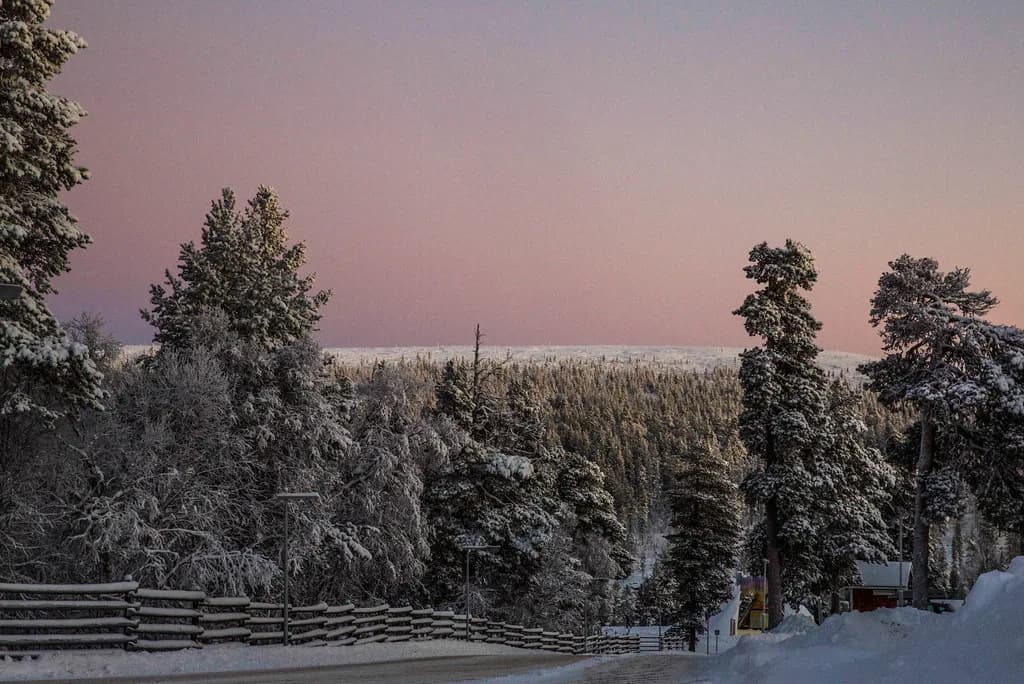
The national park is Saariselkä's strongest card. Its near-roadless wilderness offers snowshoeing, cross-country skiing, fat-biking on frozen trails and wildlife tracking, all accessible from the resort edge without a car or a tour. That makes Saariselkä unusually self-contained for a remote base: you can wake, rent gear in the village and be on a marked trail within minutes.
For travelers considering the park, the Kakslauttanen Arctic Resort area is a useful reference point: it sits on the road south of Saariselkä, close enough that its guests treat the park as a day-trip backdrop. If you want a hybrid stay with cabins, saunas and guided safaris plus park access, that corridor is worth comparing against a central village base.
Levi, by contrast, is not on the edge of a national park, so self-guided wilderness days are more limited. Its fell terrain and ski-area trails give plenty of outdoor time, but the landscape is more developed and more about the resort than the backcountry. If your ideal winter day is a long unmarked snowshoe route with nobody else in view, Saariselkä is the better fit.
Accommodation styles: Levi village hotels and cabins versus Saariselkä glass igloos and fell hotels
Levi's accommodation is concentrated at the base of the fell, which means you can walk from your hotel to lifts, restaurants and bars. That layout is ideal for skiers and for anyone who wants an evening out after a day on the slopes, and there is a genuine village atmosphere in midwinter. Prices run higher than Rovaniemi averages, given the resort's positioning.
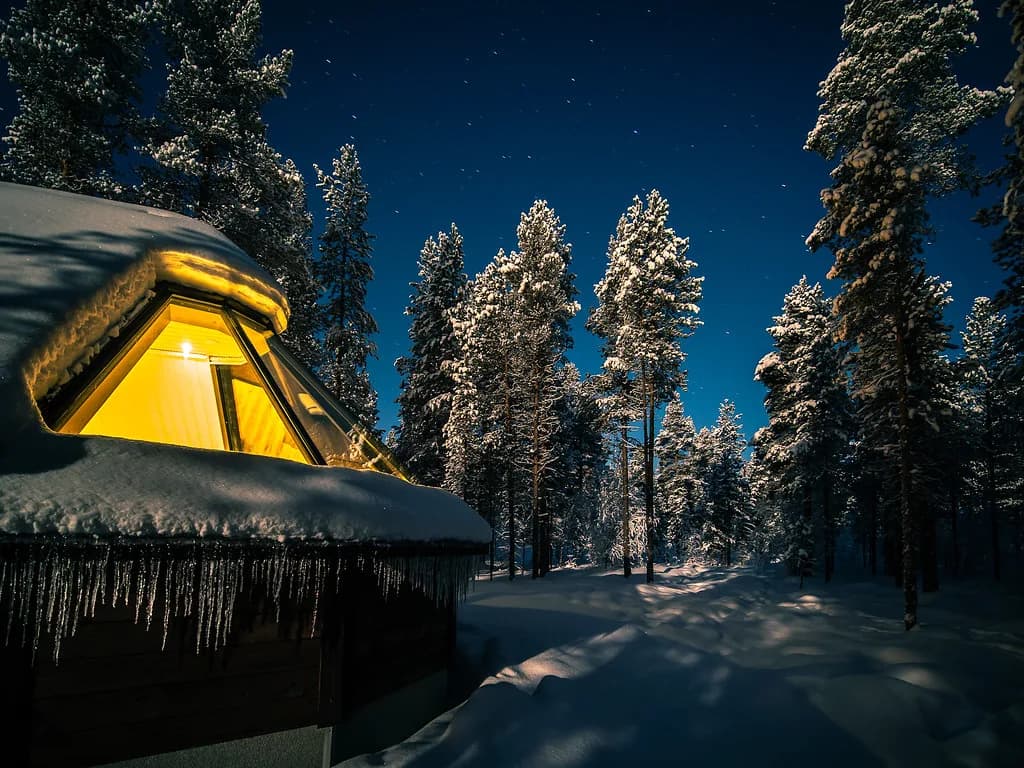
Saariselkä's accommodation is more spread out and more varied in style. The village has traditional hotels and cabins, and the surrounding area has a cluster of glass igloos and aurora cabins designed for viewing from bed, including the Star Arctic Hotel, which towers over the village and pairs rooms with open fell views. Limited bed supply and fewer restaurants mean prices stay firm, so bookings should be made early for peak weeks.
Another option near Saariselkä is the Aurora Village Ivalo, which sits closer to the airport and offers cabin-style stays with aurora viewing as the central draw. That combination helps if you want the arrival to be short and the evenings to be simple, though you'll need a car or transfer for village restaurants. For a ski-focused trip, Levi's village layout is more convenient.
Costs and who each resort's pricing suits
Rovaniemi has the widest price range, with budget hostels, mid-range hotels and high-end aurora cabins, plus genuine grocery shops and cafés that keep overall trip costs manageable. Levi and Saariselkä are resort-priced by nature, so accommodation and food run higher. If you are weighing Saariselkä against Levi on cost alone, the two are closer to each other than to Rovaniemi, particularly in peak season.
Levi's pricing reflects its ski-resort positioning, with lift passes, food and accommodation noticeably above Rovaniemi averages. Saariselkä can also be expensive relative to what is available, because limited bed and restaurant supply keeps prices firm. For a ski trip, budget for lift passes and meals in the village; for Saariselkä, budget for tour inclusions and the possibility of needing a car.
Cost per night is not the same as value, and travelers with different goals will weigh it differently. Skiers who use lifts daily get more from a Levi booking; aurora watchers who hike to park trails get more from a Saariselkä one. If budget is your main constraint, keep Rovaniemi in the running as your arrival city and add a short road trip to either resort from there. If you want a comparison of Levi against Rovaniemi for a first trip, the levi vs rovaniemi breakdown covers the same ground in more detail.
How the resorts feel in December versus late season
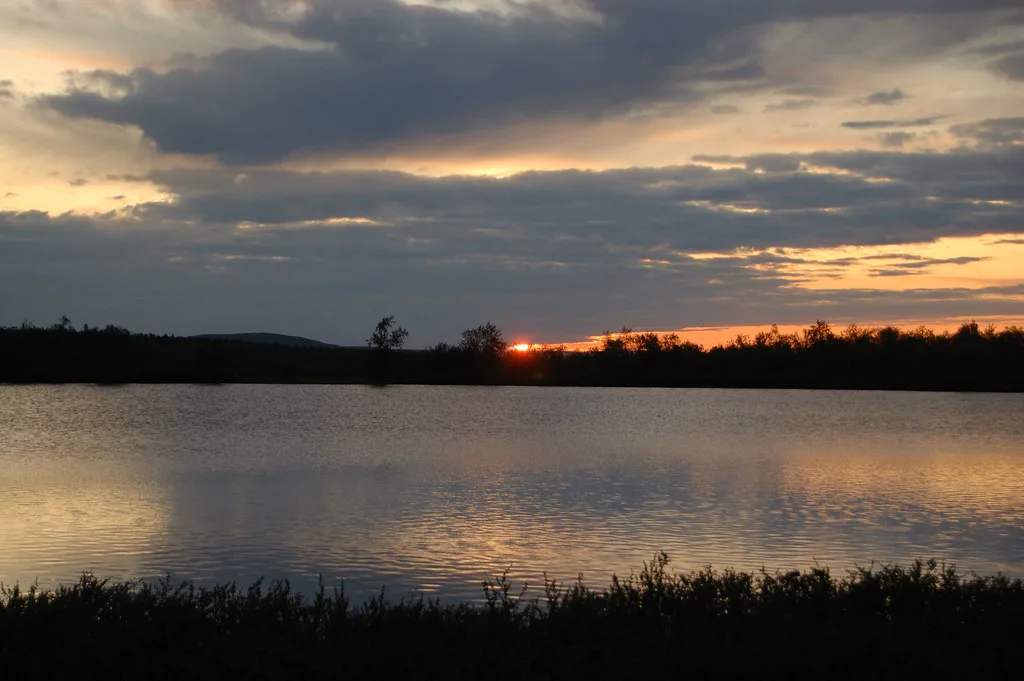
December is peak season at both resorts, and Levi in particular can feel crowded over Christmas week. Saariselkä is quieter, but holiday demand fills its limited beds quickly, so early booking pays. Both resorts are dark by late afternoon in December, which gives long evenings for aurora watching but short daylight for outdoor activities.
Late season, roughly March into April, brings longer daylight, warmer temperatures and a better balance of daytime activities and dark nights for aurora watching. Levi's season extends into early May in a typical year, while Saariselkä's park trails and spring snow make March an attractive month. If you can choose, late February and March combine reliable snow with improving light.
One trade-off is that late season brings more sun and longer days, cutting into the hours of true darkness. Early and late season also carry higher risk of thin snow on trails outside the ski area. If your trip is about skiing, aim for late December onward; if it is about aurora and trails, late autumn and early spring both work, with March offering longer daylight for park days.
Combining both resorts in one trip
With a week or more, you can cover both resorts in one itinerary. Rovaniemi to Levi is roughly 2.5 hours by car, and Rovaniemi to Saariselkä about 3 hours, so a road trip combining two resorts over a week is very doable, though it means spending travel days on the road. Many travelers fly into Rovaniemi, drive north to Saariselkä and break the return at Levi, giving them both a wilderness and a ski base.
A sensible structure is three or four nights in Saariselkä for park trails and on-foot aurora chasing, then three or four nights in Levi for skiing and village dining before flying out of Kittilä. Keep one flexible buffer day at the end in case weather closes roads, and pre-book a car with winter tyres. The extra travel time is the main cost of combining; the benefit is seeing both sides of Finnish Lapland in one trip.
Driving between the resorts is straightforward on main roads but demands winter-driving confidence, particularly in darkness and snow. If you would rather not drive, transfers and coaches connect the towns, and you can still enjoy both bases by booking transfers in advance. For a shorter trip of three to four nights, pick one base rather than splitting your stay.
Which resort fits a short trip and which rewards a longer stay
Short trips favor easy access and concentrated activities. Levi's compact village, short transfer from Kittilä and slope-first layout make it workable in four nights if your aim is skiing; three nights feels rushed. Saariselkä's five- to six-night sweet spot comes from the longer journey and the park's trail network, which rewards a slower pace.
First-time visitors who want huskies, reindeer, snowmobiles and aurora tours under one booking often do better based in Rovaniemi. For travelers set on Saariselkä or Levi, the decision comes down to whether you want ski days or wilderness days. If you cannot decide, the answer usually comes from the group: skiers to Levi, calm and dark to Saariselkä.
If you want to see where a more urban Lapland base fits into the picture, the broader levi vs comparison against Rovaniemi is a useful next step. For most travelers, the final choice is less about which resort is better and more about which one matches the reason you are going north.
Plan Your Visit
Levi and Saariselkä serve different trips. Levi gives you Finland's largest ski hill, a walkable village and a lively winter scene; Saariselkä gives you a small fell settlement, easy park access and darker skies. Both sit inside the auroral zone, and both depend on clear weather rather than any guaranteed sighting, so plan several nights at either base.
Travelers with a short trip and skiing ambitions should book Levi and stay close to the lifts. Aurora-focused travelers with a week should look at Saariselkä, plan five to six nights and use the national park for self-guided evenings. If your time allows, pair Saariselkä with a few nights in Levi and fly home from Kittilä, giving you both the wilderness and the slopes in one visit.
Frequently Asked Questions
Is Levi in the Arctic Circle?
Levi sits in Kittilä municipality, around 170 kilometres northwest of Rovaniemi, still inside the auroral zone where the northern lights are regularly seen between September and March. The Arctic Circle marker itself runs through Rovaniemi, so Levi lies just south of it by conventional markers, but the difference has little practical impact on aurora chances compared with cloud cover.
Is Saariselkä better than Levi for northern lights?
Saariselkä has the edge in dark-sky terms, because it is further north and has minimal light pollution, with national-park trails starting at the village edge. Levi benefits from fell terrain that provides natural windbreaks but has a livelier village and slightly more lighting. Cloud cover is the dominant factor at both, so plan several nights rather than basing the decision on a single forecast.
Which is better for families, Levi or Saariselkä?
Levi suits families who want a compact resort with ski slopes, restaurants and easy logistics, while Saariselkä suits families who prefer wilderness trails, smaller group safaris and a quieter base. Younger children may find Levi's village more manageable, while older kids often prefer the park trails and the chance to wander out of the village into dark terrain.
How many nights should I plan in Levi or Saariselkä?
Four or more nights suits a Levi ski trip, while Saariselkä is best with five or six nights to justify the journey and explore Urho Kekkonen National Park. Shorter stays work only if you focus on one goal, such as skiing or a single aurora night, and risk being rushes if the weather turns.
Do I need a car in Saariselkä?
Saariselkä is small enough to cross on foot, but a car is recommended if you want to explore the national park independently and reach trailheads beyond the village edge. Many guided safaris and transfers include pickup, so a car is optional if you plan to join tours rather than drive yourself.
Can I visit Levi and Saariselkä on the same trip?
Yes. Rovaniemi to Levi is roughly 2.5 hours by car and Rovaniemi to Saariselkä about 3 hours, so a week-long road trip combining both resorts is very doable, though it means spending travel days on the road. A common structure is several nights in Saariselkä followed by several nights in Levi, flying out of Kittilä.
Is Saariselkä good for skiing?
Saariselkä has a small fell ski area of about 13 slopes, well suited to beginners and families who want a half-day on the snow between other activities. Serious skiers will run out of new runs within a day or two and should base themselves in Levi instead, where the slope and lift count is much larger.
Sources
Notes for your Arctic winter trip
Optional updates to our northern lights guides.
You might also like
Continue reading
More guides you'll find useful