Where to Stay in Levi for the Northern Lights
Weigh Levi village hotels against fell-side aurora cabins and glass-roofed igloos, with dark-sky trade-offs, activity access and nights to plan.
On this page
Levi suits travelers who want an Arctic winter with a working village underneath it: restaurants, a ski hill, a gondola and a bus stop within a few minutes of each other, plus dark fell country close by. That combination makes it a practical aurora base for couples booking a first northern-lights trip and for skiers who want the sky to be a bonus rather than the whole plan. The trade-off is that the brightest convenience sits in the centre, so where you sleep changes how much sky you actually get.
Below, the stays are grouped by what they do for aurora watching: village-centre hotels where everything is on foot, forest and fell properties with darker surroundings, and glass-roofed cabins built for watching from bed. Prices, activity durations and room details come from the hotels and activity companies that publish them, so you can compare a night in the village with a night under a heated glass roof without guesswork.
Why Levi works as an aurora base in Finnish Lapland
Levi sits in Kittilä in Finnish Lapland, high enough north that dark winter nights put the aurora overhead rather than low on the horizon. The village is compact and the surrounding fells and forests are thinly settled, so within a short drive you can leave most artificial light behind. The aurora itself depends on solar activity and clear skies, so a stay here is about putting yourself in position night after night, not buying a guaranteed show.
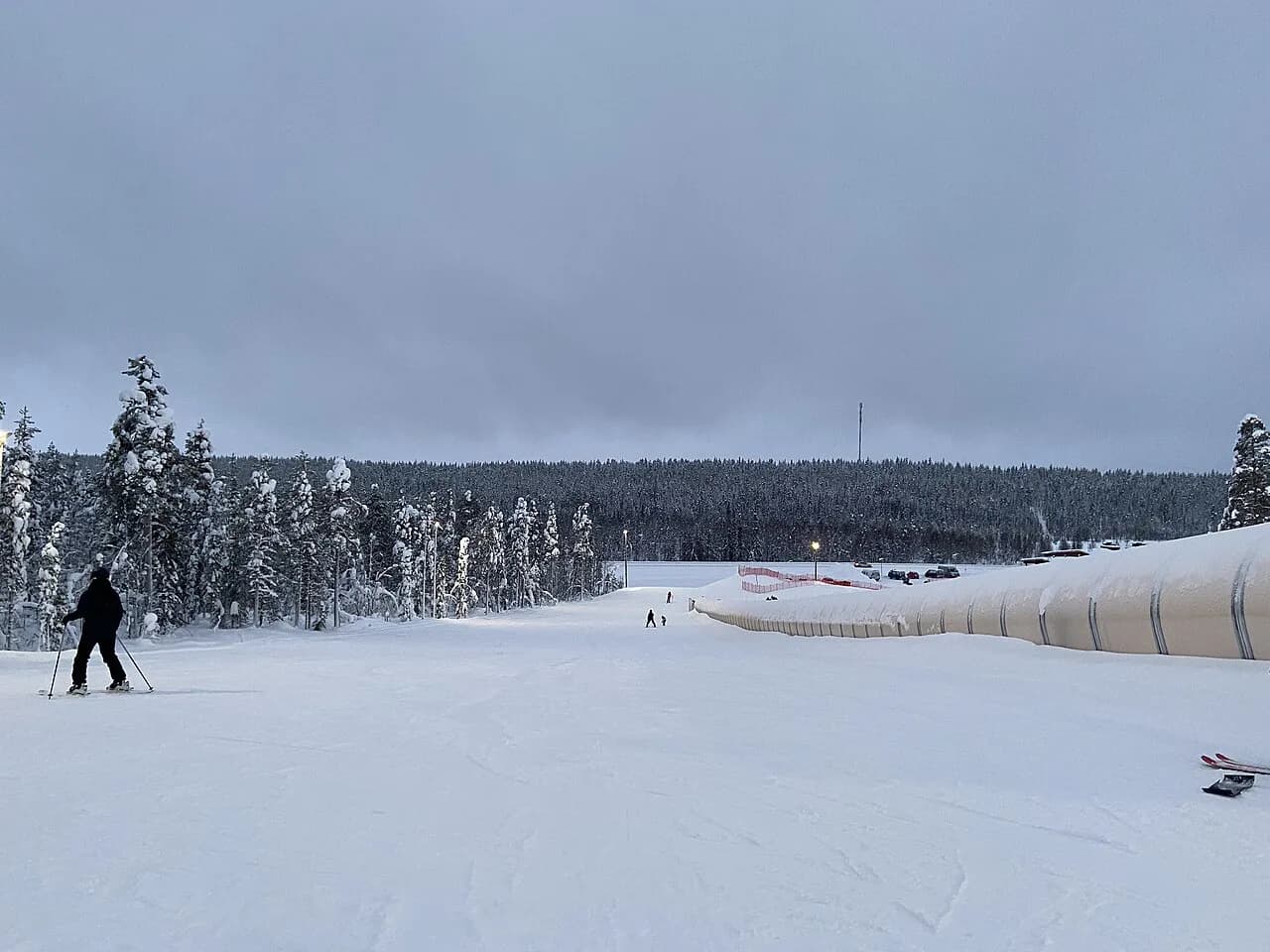
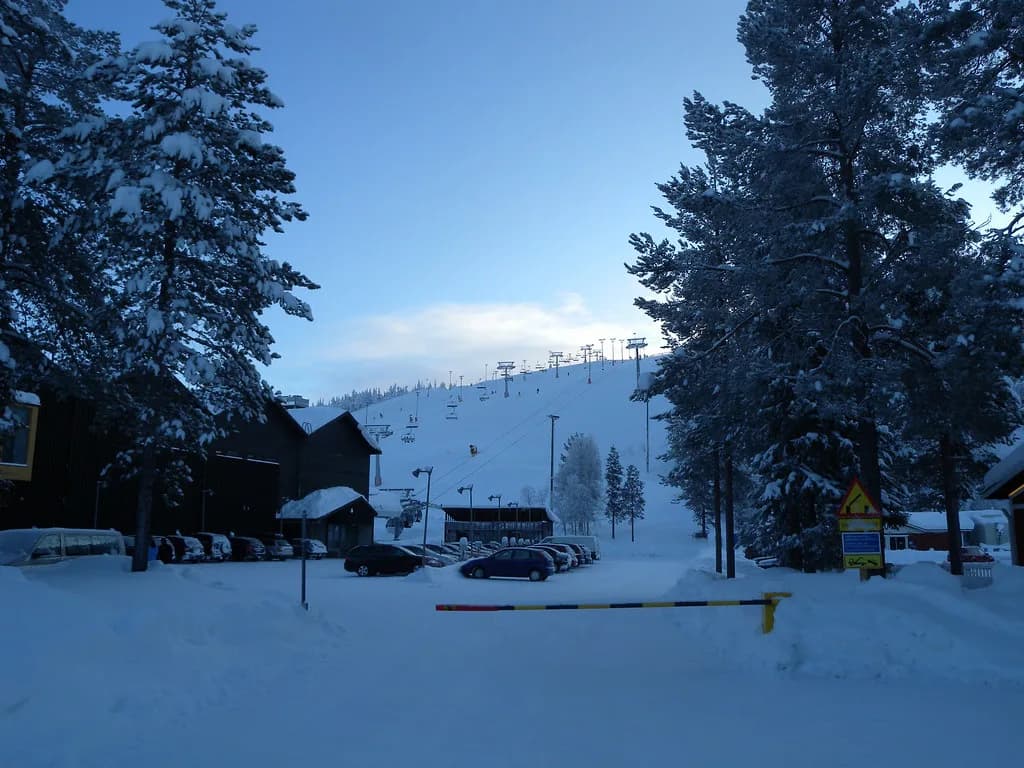
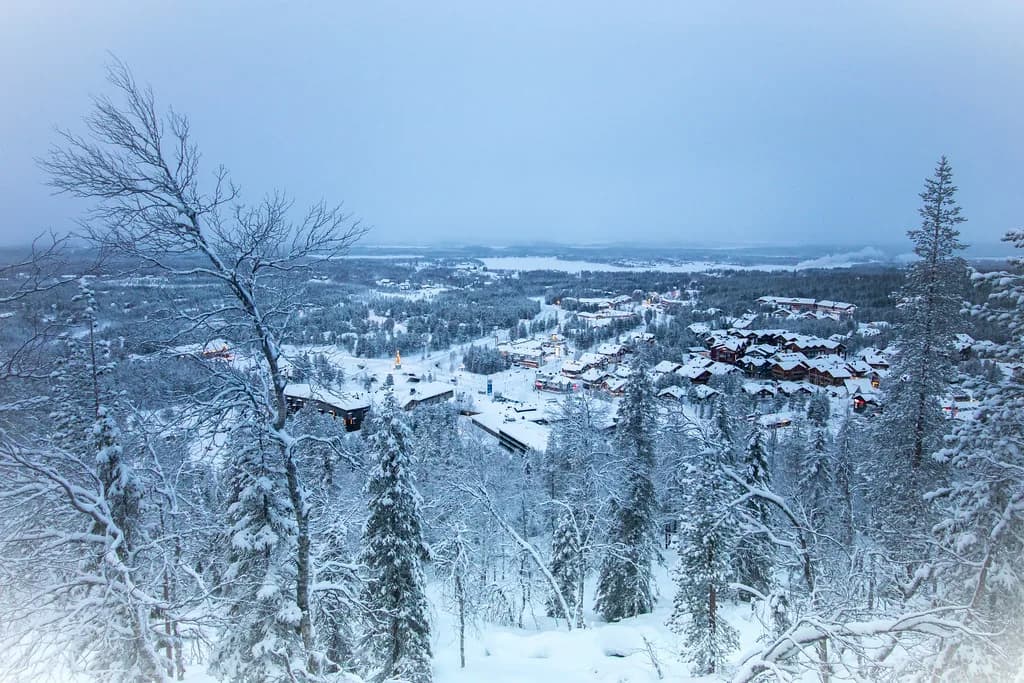
What makes Levi unusually easy is the density of services next to genuine wilderness. A village hotel can put the gondola ski lift, a large market, several restaurants, the tourist office and the bus stop within about a five-minute walk, and the ski slopes within roughly three minutes of some addresses. That means no car for village-based days, with darker locations reachable on an organised night trip.
Kittilä Airport is the arrival point for most trips, and the village and the forest resorts sit a short transfer away, which keeps a two- or three-night stay workable rather than exhausting. If you are still weighing Levi against other Lapland bases, the wider comparison of where to stay in finnish lapland for the northern lights sets out how fell villages, towns and national-park bases differ in darkness and access. Travelers drawn to a smaller fell village with national-park access nearby may also want to compare where to stay in saariselka for the northern lights before settling on Levi.
When the aurora season runs and how dark the nights get
Aurora viewing in Finnish Lapland belongs to the dark half of the year, roughly late August and September through early April, with the deepest, longest nights from November to February. Midwinter brings very short daylight, which is good for night sky but limits daytime touring, while March and early April bring longer days for husky and snowmobile trips without losing the dark hours. Neither end of the season is a switch: the sky has to be clear and the solar activity has to cooperate whenever you go.
Snow and temperature swing widely by month, and the practical move is to look up the forecast for Kittilä close to your dates rather than rely on a season average. Cold, clear, high-pressure nights often deliver the best viewing while snow clouds block it, and a stay of several nights lets you wait one out. On any given night, treat the Kp index as a rough guide to how far south activity may reach, not as a prediction for your window.
Levi village centre: convenience, light and everything on foot
Sleeping in the centre buys you walkability. Break Sokos Hotel Levi is spread across three buildings in the middle of the village, with rooms facing the ski slopes, a coffee house on site, a restaurant called Kiisa serving traditional Finnish dishes, and free access for guests to a fitness centre next door. Some rooms include a private sauna in the bathroom, and there is also a shared sauna and jacuzzi complex for guests whose room lacks one.
The trade-off is light. Village-centre stays sit among streetlights, lit slopes and buildings, so a bright aurora may still be visible overhead but faint arcs and the camera work get harder. The same guest report notes blackout curtains with a gap on one side, which matters in June but also tells you the room is built for sleeping through bright nights rather than for sky-watching from bed. For aurora-focused nights, plan to walk or ride to the edge of the village or book a tour that drives you out.
Village stays also make sense for mixed groups. Skiers can be on the slopes in minutes and return to warm up between sessions, while non-skiers have shops, cafes and the tourist office within the same short radius. Breakfast at the Sokos runs from 7 to 10:30am and includes a gluten-free section, which helps if you are heading out on an early activity or returning late from a night chase.
Fell-side and forest stays: darker skies outside the village
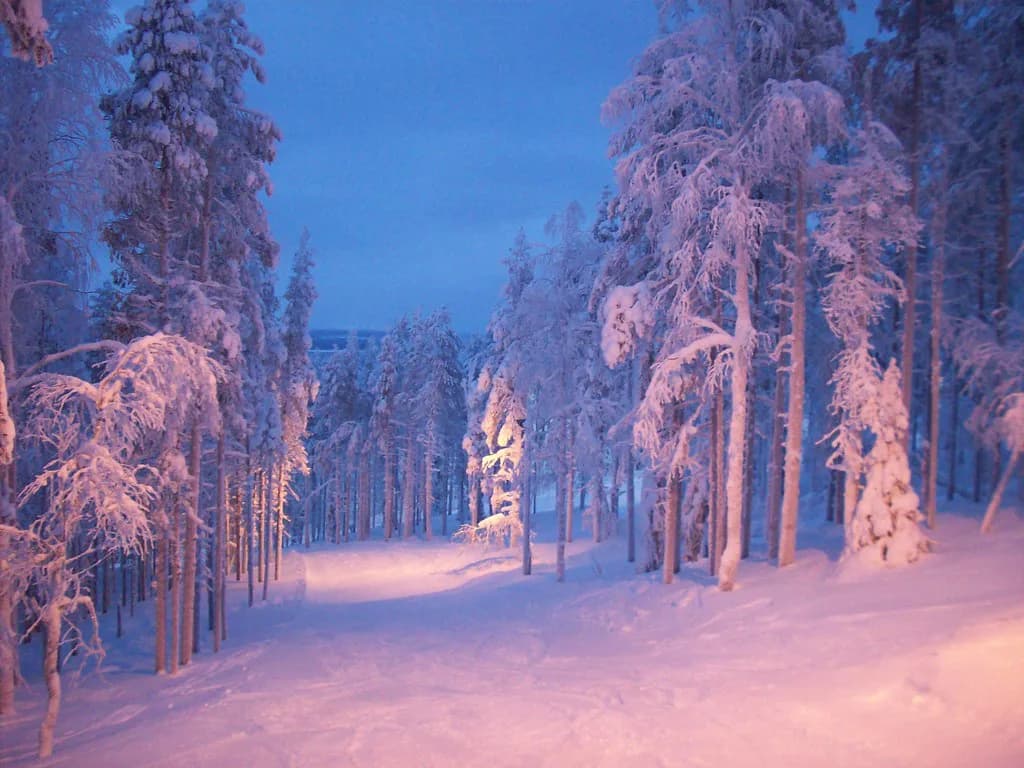
Move out of the centre and the balance flips: less ambient light, more sky, and a car or shuttle becomes part of the plan. Forest and fell properties around Levi are set among uninhabited fells and trees, which is exactly the setting that makes watching from your own doorway worthwhile. The cost is that dinner, the ski lift and the shops are no longer a five-minute walk, so you either eat on site or organise transfers.
These stays reward travelers who treat the night as the main event. With no village glow, you can step outside repeatedly between dinner and bed, and you are better placed to catch a display that starts late. If you only have one or two nights, the extra darkness is still worth it, but pair it with a guided chase so a cloudy first night does not use up your whole window.
Among the fell-side names travelers compare around Levi, Levin Iglut (Golden Crown) and Northern Lights Ranch Near Levi both sit outside the village centre and are built around the sky rather than the high street. Read the room types and setting for each before booking, because what you gain in darkness you lose in walkability.
Glass-roofed aurora cabins and igloos: what you actually get
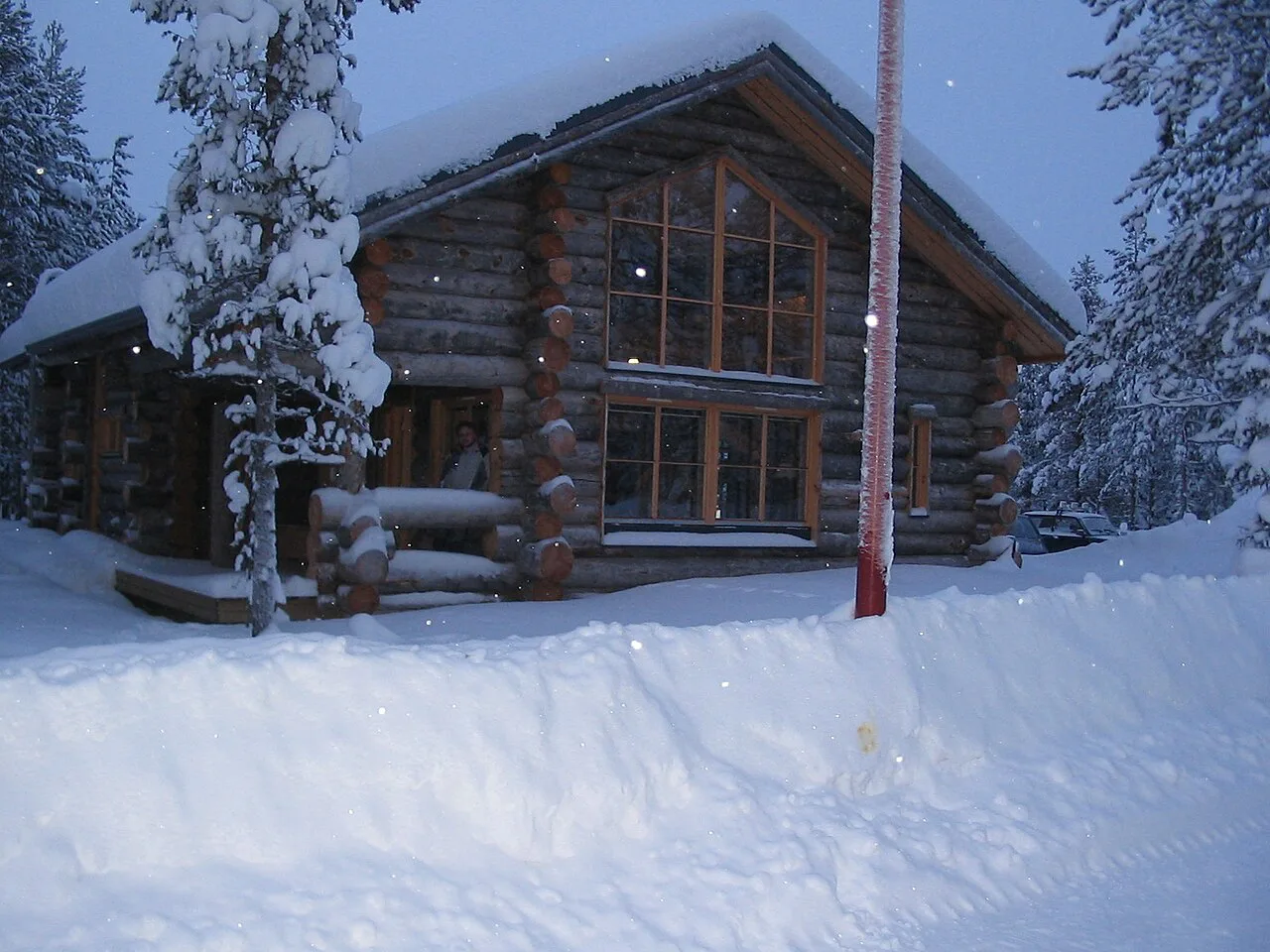
Northern Lights Village Levi is built around exactly this idea. Its Aurora Cabins put a laser-heated glass roof directly above the bed, opening the northern sky to view while you lie in the warm, with twin beds, a toilet and shower, a fireplace and a tea and coffee set; the larger Aurora Suite sleeps up to five and adds a sauna. The cabins are lined by uninhabited fells and forests, so the view above the glass is mostly sky rather than rooftops. A three-night package with flights and activities is listed from £1,950 per person, which shows the order of magnitude for this style of stay.
Watching from bed has real trade-offs. Heat and condensation on the glass can dull the view, interior lights reduce what you can see, and a warm room makes it tempting to doze through a display, so serious sky-watchers still get up, dress and step outside. The glass roof is at its best for spotting activity and for a quick look before sleep; for photographs and for faint arcs, the darker ground outside the cabin usually wins. Northern Lights Village Levi is careful to say the aurora is never guaranteed.
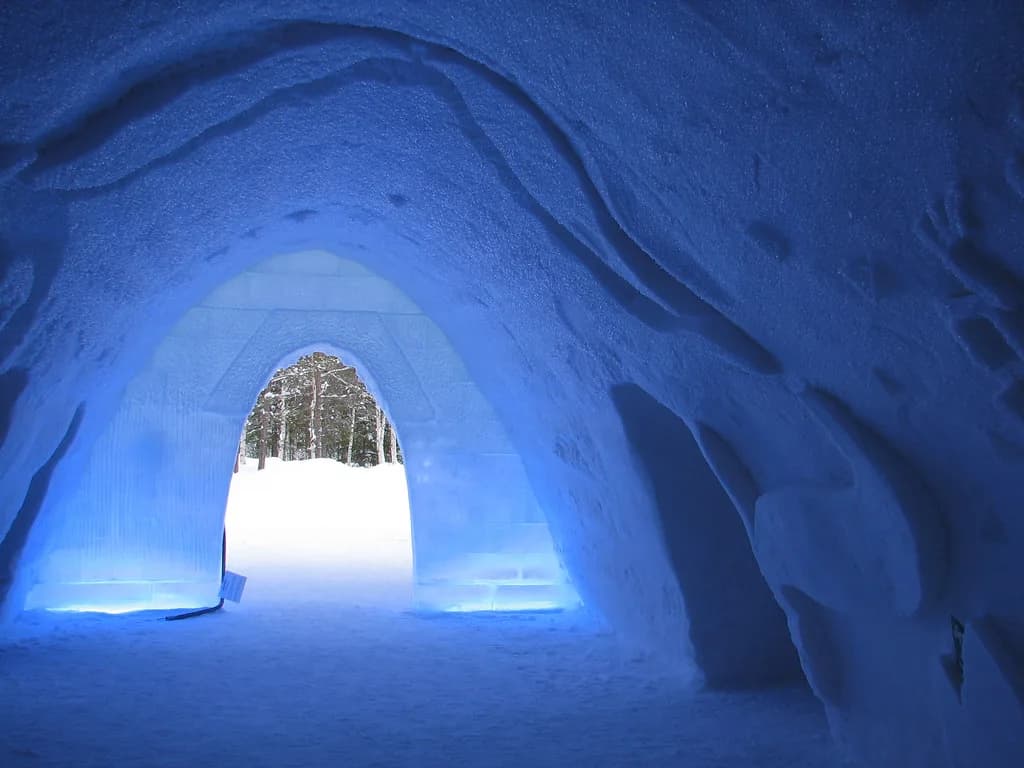
Glass igloos are the other half of this category, and they vary a lot in how much of the sky you actually see and how private the setting is. The comparison of glass igloos in levi is the place to check which properties put the roof over the bed, which add a sauna or hot tub, and which sit close enough to the village that light still spills in.
Hotels with private saunas and ski-slope access
A private sauna is one of the most useful features in Levi, not a luxury extra. After a night out in the cold, an in-room sauna lets you warm up without leaving the room, and at Break Sokos Hotel Levi selected rooms have one in the bathroom, with a shared sauna and jacuzzi complex for everyone else. That is a strong argument for a village hotel if you plan to ski by day and chase the sky at night.
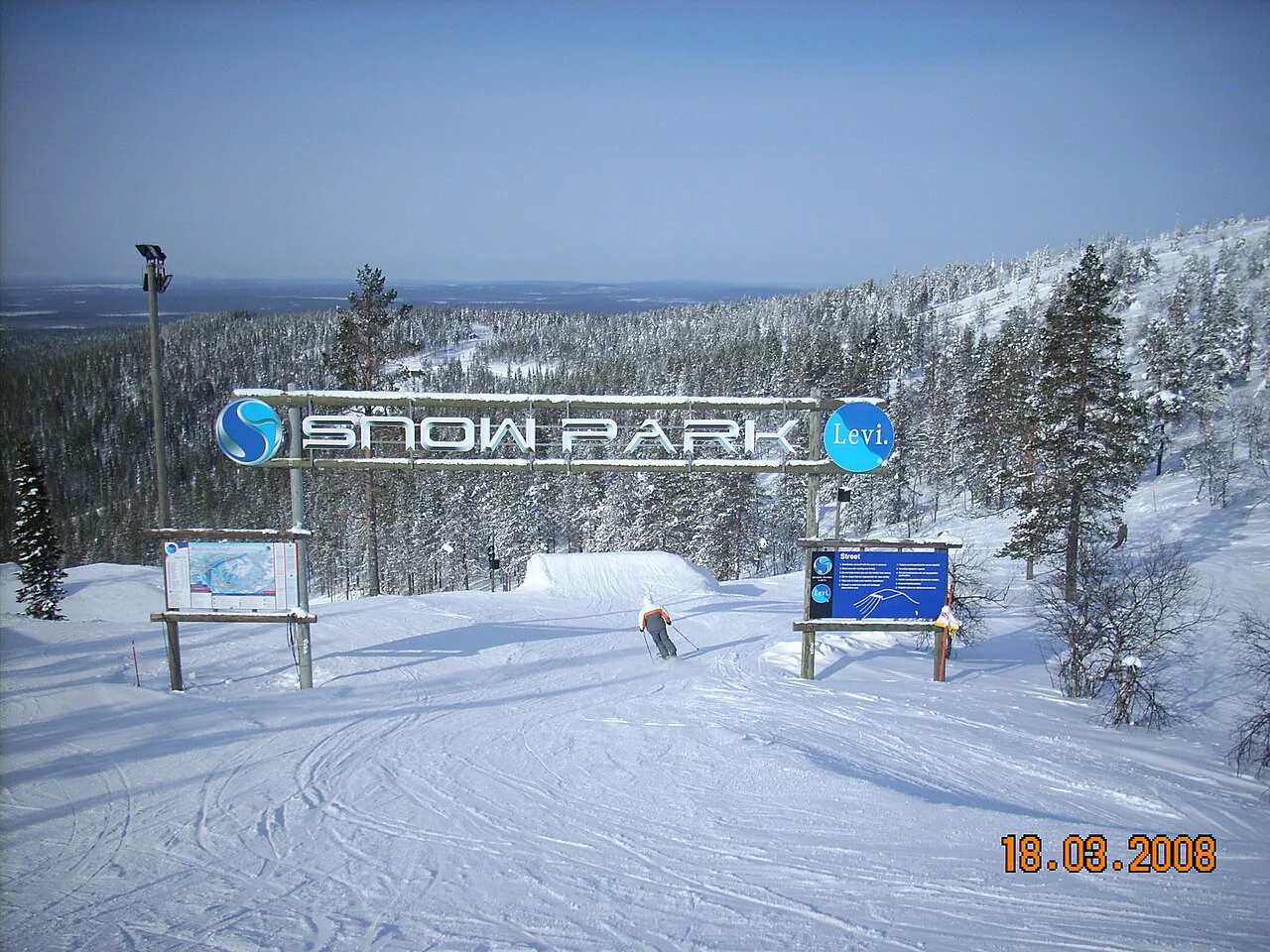
Ski-slope access matters more than it sounds in winter. Being minutes from the gondola lets you ski in short blocks, come back to thaw out, and still have energy for a late night, which is hard if you are driving in from a remote cabin every morning. Village hotels trade some darkness for that rhythm; fell cabins trade the rhythm for a darker sky. Decide which of the two you will actually use more on a three-night trip.
Self-guided aurora watching versus a guided night tour
Self-guided watching is realistic around Levi if you have a car or are staying somewhere dark. You watch the cloud forecast, pick a clear direction, and drive or walk to a fell or lake edge away from village light, then wait. The advantage is flexibility and cost; the drawback is that you need to read conditions and roads yourself, and a cloudy night gives you nothing to show for the effort.
A guided night tour removes the guesswork. Operators watch the forecast, know the local road network and can drive to clearer sky, which is worth a lot on a short trip when one lost night hurts. The trade-off is a fixed departure, a group, and a return time that may not match a display running until the small hours. For many travelers the best pattern is a dark-side stay plus one guided chase, so you are covered whether the sky cooperates at your cabin or somewhere else.
Aurora tours from Levi: bus, snowmobile and heated sleigh
The tours based at Northern Lights Village Levi show how the modes differ. A three-hour aurora hunt by bus heads north on a round trip past Jerisjärvi or Ounasjoki depending on where the lights are more likely, stops for photos, and continues to the shore of Lake Äkäslompolo to watch in a quiet setting. It is the warmest and least demanding option, and a good fit for families or anyone who would rather not drive at night.
The same company runs a three-hour snowmobile hunt through snow-covered forest away from light pollution, stopping to warm up by a fire with an evening meal and hot drinks. A third option tows you in a heated sleigh behind a snowmobile to the top of a fell, where cameras are set up and the sky is open. Snowmobile driving requires a licence and carries its own rules, so check the company's licence requirements when you book rather than assume you can drive.
Shorter and longer formats change the night. Bus chases cover more ground but keep you near the vehicle; snowmobile and sleigh trips put you further from light but expose you to cold between stops. Whichever you choose, ask what is included in terms of thermal suits, boots and hot drinks so you are not caught out, and check the minimum age if you are traveling with children.
Husky, reindeer and snowmobile days that fill the daylight
Winter days at Levi are for the activities that make the trip work even if the sky stays cloudy. Northern Lights Village Levi runs husky safaris of about 5km and 10km starting from the village, reindeer experiences ranging from a 25-minute sleigh ride to a 2.5 to 3 hour reindeer day with a herder, and snowmobile safaris of two and four hours, including a four-hour version with ice fishing and a fire-side meal. Durations are published, so you can see how much of a short daylight window each one uses.
Skiing fills the rest. With slopes minutes from the village centre and a gondola lift close by, you can ski in the morning, sauna in the afternoon and still be outside for the evening. Build the day around the shortest daylight of your trip, and keep the night free for a chase or for watching from your cabin rather than booking a late dinner you will want to abandon.
How many nights to plan for a fair chance of clear skies
Three nights is a sensible minimum for a trip built around the aurora, because cloud can close out any single night and you want at least two or three chances. If your main reason for coming is the sky, four or five nights noticeably improve your odds of catching a clear one, at the cost of more time and money. A two-night stay can work for skiers who treat the aurora as a bonus, but it is a gamble for a dedicated chase.
Structure the nights so you are not relying on one. Book a dark-side stay or a glass-roofed cabin for the whole trip if you can, then add a guided chase on the night with the best forecast; if you are in the village, plan two tours rather than one so a cloudy first attempt does not end your chances. None of this guarantees a sighting, since solar activity and cloud both have to line up, but it puts you outside and looking on the nights that matter.
Choosing between comfort, cost and dark-sky access
Levi gives you a clear three-way choice. A village hotel such as Break Sokos Hotel Levi puts the gondola, market, restaurants and bus stop within a five-minute walk, with an in-room sauna in some rooms and a restaurant on site. A forest or fell property trades that walkability for darker sky and a quieter night. A glass-roofed cabin at Northern Lights Village Levi sits between the two, with the sky directly above the bed and activities leaving from the village. The right pick depends on whether you value the short walk, the darker sky or the view from under the duvet most.
Weigh the cost against how you will spend the nights. Glass cabins and suites command a premium, and a three-night package at Northern Lights Village Levi starts from £1,950 per person with flights and activities included, so compare that with a village room plus a couple of guided chases. If you plan to be out chasing most nights, you are paying for a view you may not use; if you want to watch from bed and rest, the premium buys something real. Check current rates and what Arctic Direct's packages include before you commit.
Plan Your Visit
Book the bed that matches your nights: village centre if you want the gondola, restaurants and bus stop on foot, a fell or forest stay if you want darker sky at your door, and a glass-roofed cabin if watching from bed is the point. Add at least one guided chase if your stay is short, and keep your days for husky, reindeer and snowmobile trips so a cloudy night is not a wasted day.
Give yourself three nights at minimum, and more if the aurora is the main reason for the trip. Decide early whether you want convenience or darkness, since the two pull in opposite directions around Levi, and check the details that change with the season, such as tour departures and room types, when you book.
Frequently Asked Questions
Can you see the northern lights from Levi village centre?
You can, because the aurora appears overhead rather than on the horizon, and a bright display shows through village light. Faint arcs and camera work are much harder among streetlights and lit slopes, so from a centre hotel plan to walk or ride to the edge of the village, or book a night tour that drives you to darker ground.
Are glass igloos and aurora cabins in Levi worth it for aurora viewing?
They are worth it if watching from a warm bed is the experience you want. A laser-heated glass roof above the bed gives you a direct view of the northern sky, and properties such as Northern Lights Village Levi line their cabins with uninhabited fells and forest. Heat, condensation and interior lights can dull the view, so step outside for photographs and faint displays. No cabin guarantees a sighting.
How many nights should I stay in Levi for the aurora?
Three nights is a sensible minimum, because cloud can close out any single night and you want two or three chances. Four or five nights improve your odds of a clear one if the sky is the main reason for the trip. Solar activity and cloud both have to line up, so build in spare nights rather than relying on one guided chase.
What is the best month for the northern lights in Levi?
The dark season runs roughly from late August and September through early April, with the longest nights from November to February. March and early April combine longer daylight for husky and snowmobile trips with dark nights for watching. Check the Kittilä forecast close to your dates, since clear skies matter more than the month.
Sources
Notes for your Arctic winter trip
Optional updates to our northern lights guides.
You might also like
Continue reading
More guides you'll find useful