Arctic Fox Igloos: Where to Stay in Rovaniemi
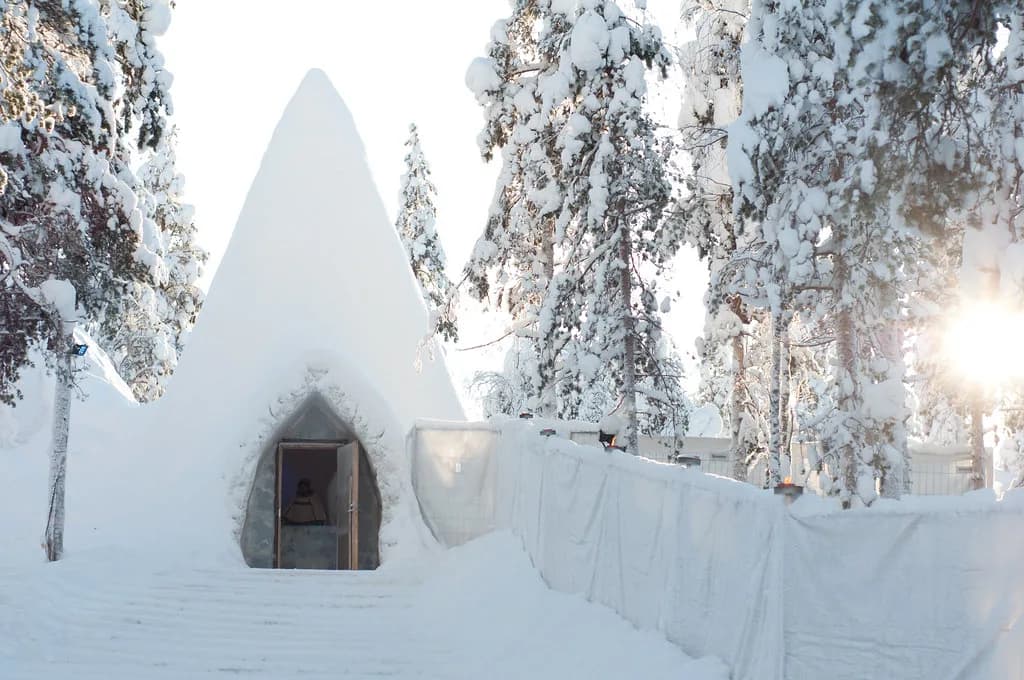
Arctic Fox Igloos sit on Lake Ranuanjärvi near Ranua, with glass-roofed bedrooms, private saunas and dark shores for watching the northern lights.
On this page
Ranua's glass igloos give you something a hotel room cannot: a heated glass ceiling above the bed, a dark lake horizon beyond it, and a private sauna a few steps away through a wood-walled entrance. The appeal is simple and specific — lie warm indoors, keep the sky in view, and step outside only when something is happening overhead.
Most travelers reach this corner of Finnish Lapland through Rovaniemi, the region's transport hub, and treat an igloo night as the calm counterpoint to a busier city stay. If you are still mapping the wider trip, the guide to northern lights in rovaniemi explains how the city, the Arctic Circle and the surrounding forest fit together as aurora country.
What Arctic Fox Igloos are and where they sit on Lake Ranuanjärvi
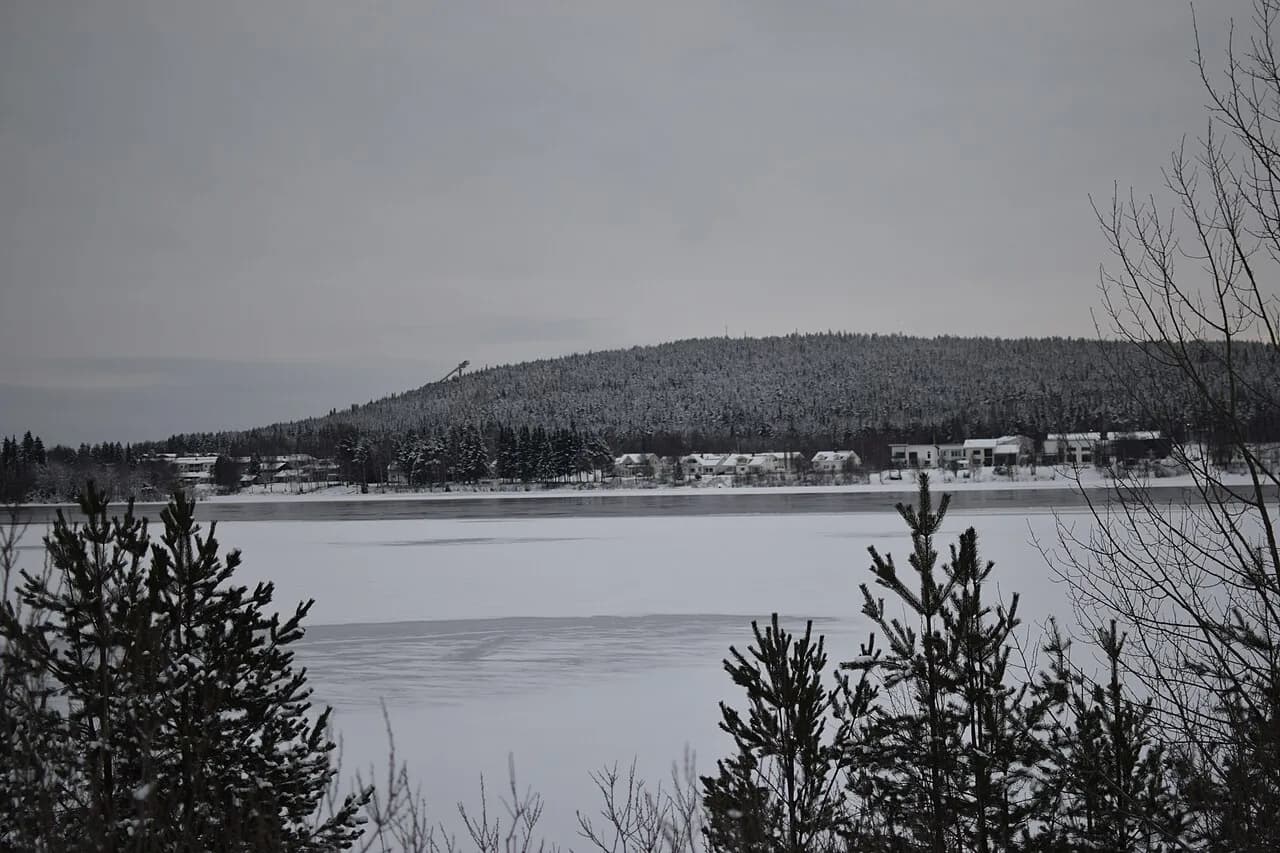
The igloos stand on the shore of Lake Ranuanjärvi, built so that each one looks out over open water toward a far northern horizon. That orientation matters more than any brochure photograph: a low, unobstructed northern skyline is exactly what you want when the aurora is faint and close to the horizon.
The property is split into two parts. The igloo shore is separate from the main resort, which holds the Wildlife Park and the holiday villas, and the gap between them is 6 km. Plan meals, park tickets and any transfer around that distance; it is not a stroll on foot, and the resort advises checking current prices for accommodation, breakfast and park tickets before booking.
Because the igloos sit away from the village lights, the shore itself is the viewing platform. There is no need to drive anywhere after dark; you watch from the glass bedroom, from the terrace, or from the lake edge, and you retreat indoors the moment the cold wins.
How far north Ranua is and why the aurora shows there
Ranua lies in southern Finnish Lapland, inland and well north of the Arctic Circle, in the belt where the auroral oval spends most clear nights overhead or close to it. Distance from the coast helps too: inland Lapland is colder and often clearer than the cloud-prone shoreline, though no location is guaranteed a clear sky on any given night. For a like-for-like read on another Lapland base, the Kemi northern lights guide covers the coastal alternative.
What actually decides your night is solar activity plus cloud cover. Kp values describe how far south the aurora may reach, but they are guidance only and say nothing about the clouds above your particular lake. A modest forecast under a clear sky beats a strong one under overcast.
When the aurora season runs and how dark the nights get
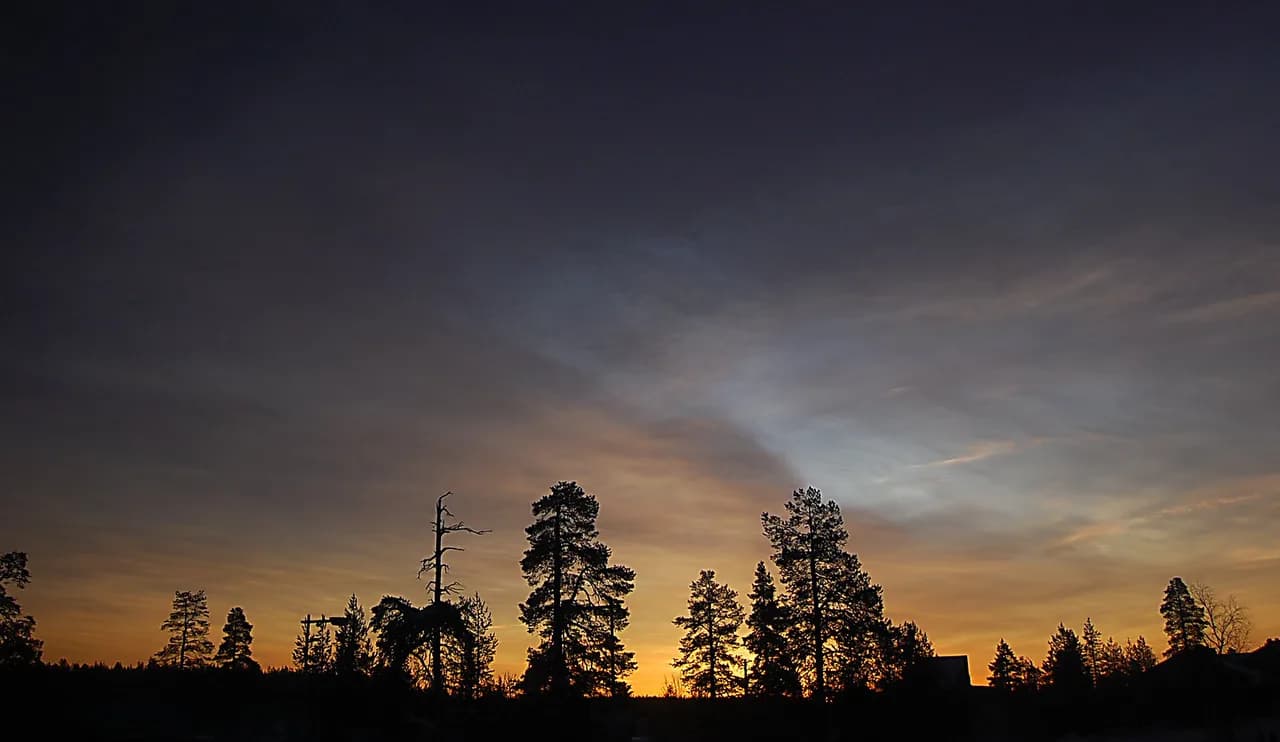
Aurora viewing needs dark nights, which in this latitude means roughly late August through early April. Midsummer is useless for the aurora because the sky never gets properly dark, while midwinter delivers long nights but also very short days, so daytime plans shrink to a few hours of blue light.
The trade-off is straightforward. Early and late season give you more daylight for wildlife park visits and husky rides, with darker hours arriving late in the evening. Deep winter gives you the longest viewing window but the coldest air and the shortest days.
What is inside a lakeside glass igloo
The lakeside igloo is 36 square metres, with a double bed in the glass-walled sleeping area and two pull-out extra beds that are suitable only for children. Occupancy is capped at two adults and two children aged 0–14, so larger families need a second unit or a villa.
Behind the glass bedroom, the wood-walled section holds the entrance, toilet, washing room and a private sauna, all facing the forest rather than the lake. A kitchenette with kettle, French press, microwave and fridge, plus a table for two, means you can eat simply without driving to the main resort.
Towels, linen and a hairdryer come with the room, and parking is free. The igloos are non-smoking, and pet-friendly units are limited, so travelers with a dog should settle that before booking rather than on arrival.
Heated glass, condensation and how the roof stays clear
In winter the glass panels over the sleeping area and the kitchenette are heated, which stops frost forming on the inside and keeps snow from settling on the roof. Practically, that is the difference between a glass igloo and a very cold aquarium: the view stays usable through the night without you wiping it down.
Heat and glass still have limits. Bright interior lighting reflects in the panes and dulls the sky, so dim the room or switch off lamps when you are watching, and expect the warmest, clearest viewing on genuinely cold, dry nights.
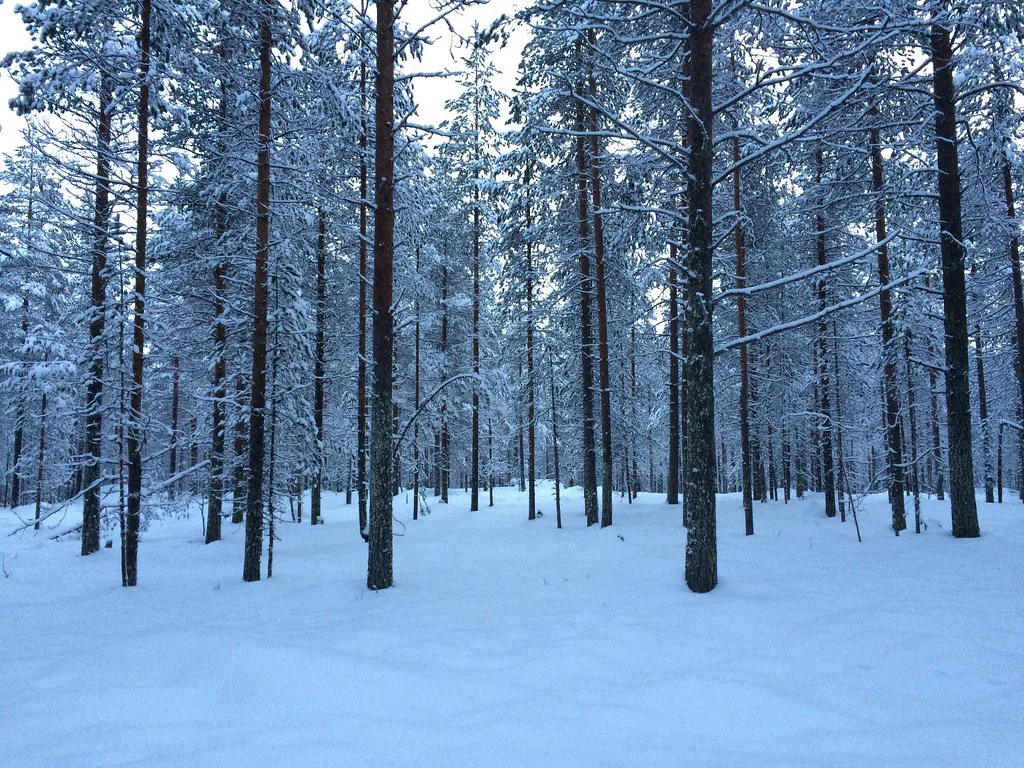
Where to watch from the igloo shore and the resort
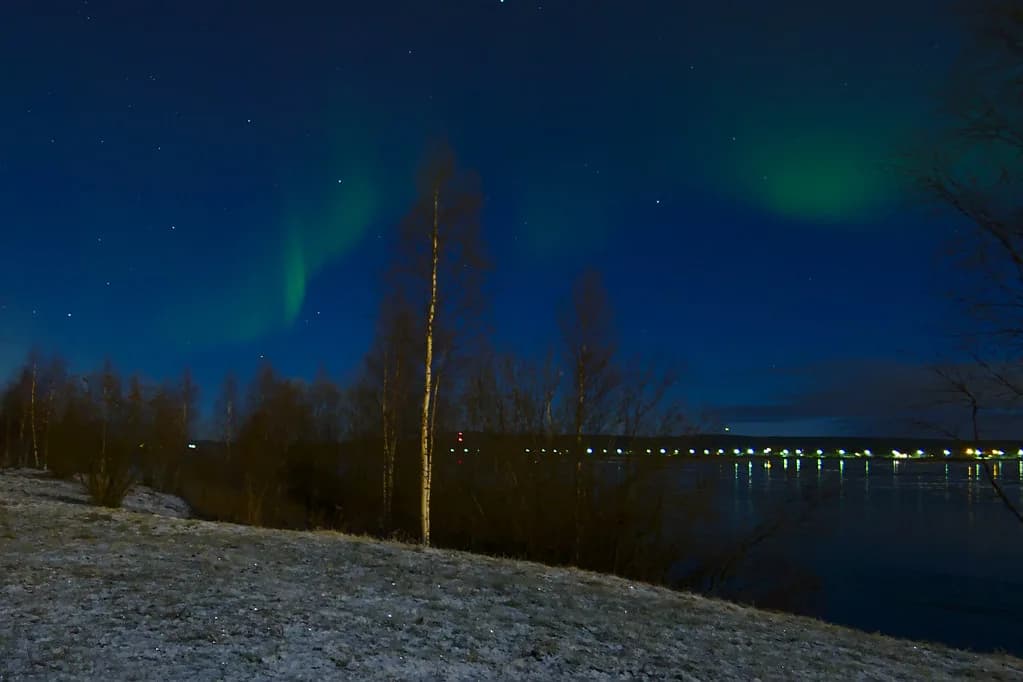
The strongest viewing position is simply outside your own igloo, facing the open lake, where the northern horizon is unobstructed and the nearest light source is your own window. On a quiet night you can hear the ice and see the sky without leaving the property.
If you want a wider sky, the lake shore gives you room to walk a short way along the water and put the igloo row behind you. Keep your exposure to the wind in mind; the lake edge is colder than the sheltered forest side of the buildings.
Self-guided aurora watching versus a guided night tour
An igloo night suits self-guided watching: you are already in a dark place, you can watch in short shifts from a warm bed, and you lose nothing if the sky stays closed. Guided night tours matter when you want a driver chasing clearer sky, local knowledge of back roads, or company on a long wait.
The honest calculus is cost against mobility. A tour can move you out from under a cloud band, but it also puts you on a schedule. Staying put sacrifices mobility for comfort and zero transfer time — a good trade on a stable, clear forecast, a poor one when cloud is rolling in.
Breakfast, check-in and check-out times
Check-in begins at 3 pm and check-out is at 11 am on departure day. Breakfast is included in the rate and is served in the restaurant or as a takeaway depending on the season, so late arrivals should contact reception in advance if they will miss opening hours.
The daily rhythm favors aurora hunters: arrive mid-afternoon, settle in and sauna before dark, eat early, and keep the night free. A late dinner and an early transfer are the two things most likely to cost you a clear window.
Wildlife Park visits and winter activities from the igloo base
The Wildlife Park at the main resort runs guided tours from November through March, which pairs naturally with a stay on the igloo shore. It is the daytime anchor of a winter visit and gives families something solid to plan around, since the animals are the draw regardless of the sky.
Winter activity bookings in this part of Lapland typically run through the resort or through Rovaniemi operators, with husky and snowmobile safaris usually including transport and loaned thermal gear. If you want a wider menu of operators and cabin-style stays, Apukka Resort runs its own activity program north of Rovaniemi and is worth comparing before you commit.
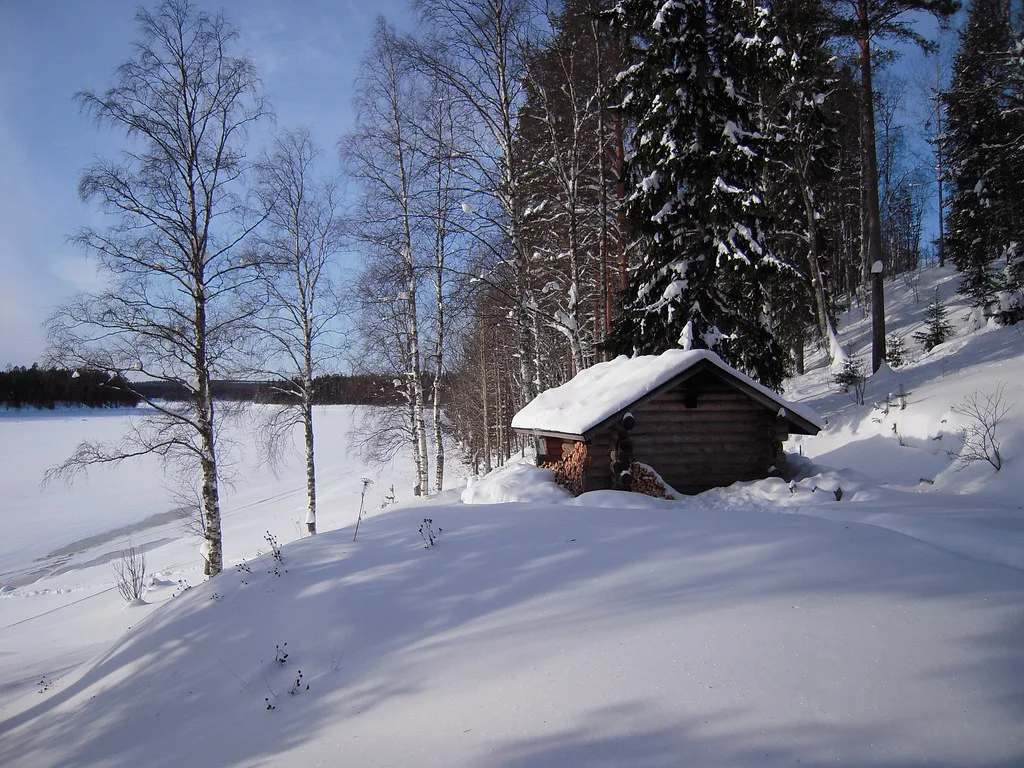
Getting there from Rovaniemi and the airport
Ranua sits south of Rovaniemi and is normally reached by road from the city or its airport, with the drive taking you through forest the whole way. The igloos themselves are 6 km from the main resort, so a car makes the split between the lake shore and the Wildlife Park much easier to manage.
Travelers flying in often break the trip with a night or two in the city first. Santa Claus Village, Rovaniemi is the obvious stop on the Arctic Circle for a daytime visit, and a hotel such as Arctic Light Hotel in Rovaniemi gives you a comfortable city base before the quieter lake nights.
How many nights to plan for a fair chance of clear skies
Three nights is the sensible minimum for an aurora-focused stay, and four or five is better if the sky is the main reason for the trip. Cloud is the limiting factor far more often than solar activity, and consecutive nights spread your exposure to it.
Treat any single night as a coin toss and the stay as a whole as your real odds. If you are locking in a longer Lapland itinerary with several bases, plan the igloo nights in the middle so a lost night can be traded against another location rather than ending the trip.
Who Arctic Fox Igloos suit
Couples wanting a private sauna, a lake view and a glass ceiling above the bed are the clearest fit, and families with children up to 14 can use the extra beds in one unit. Anyone who needs two separate adult bedrooms, a full kitchen or walking access to restaurants should look at the holiday villas or a hotel instead.
Travelers who want a design hotel with a restaurant downstairs might prefer the Arctic TreeHouse Hotel near Rovaniemi, which trades the lake isolation for proximity to the city and the Santa Claus Village area. The igloo shore is the better choice when the northern sky, not the lobby, is the point of the trip.
Plan Your Igloo Night
Book the igloo shore for the nights you care most about the sky, keep the days flexible for the Wildlife Park and a sauna, and plan three or more nights so cloud has less power over the outcome. Bring the trip together around Rovaniemi as your arrival hub.
Aurora travel rewards patience over planning precision: no operator can promise a display, but a dark lake horizon, a warm glass roof and several nights in a row give you the best conditions you can reasonably arrange.
Frequently Asked Questions
How much does a night at Arctic Fox Igloos cost?
Ranua Resort's booking page for the lakeside igloos shows availability and the current rate for your dates, and the price varies by season and occupancy. Enter your travel dates there to see the exact total, including breakfast, before you commit.
Is Ranua inside the Arctic Circle?
Yes. Ranua lies in southern Finnish Lapland, north of the Arctic Circle, which is why the aurora season extends from roughly late August to early April and why midwinter days are so short.
How far are the igloos from Rovaniemi?
The igloos are on the shore of Lake Ranuanjärvi, 6 km from the main Ranua resort with the Wildlife Park. Ranua itself is reached by road from Rovaniemi and its airport, and a car makes the split between the lake and the park easiest.
Can children stay in the lakeside glass igloos?
Yes. A lakeside igloo takes up to two adults and two children aged 0–14, and the two pull-out extra beds are intended for children only. Larger families need a second igloo or a holiday villa.
Do the glass igloos have their own sauna?
Each lakeside igloo has a private sauna, plus a bathroom, toilet and washing room in the wood-walled section facing the forest, with the glass bedroom on the lake side.
How many nights do you need to see the northern lights in Ranua?
Three nights gives you a reasonable spread of chances, and four or five is better. Cloud cover is the usual obstacle rather than solar activity, so consecutive nights matter more than any single forecast.
Sources
Notes for your Arctic winter trip
Optional updates to our northern lights guides.
You might also like
Continue reading
More guides you'll find useful