Kemi Northern Lights: When to Go and Where to Watch
Kemi sits south of the Arctic Circle, so aurora nights need stronger activity than in northern Lapland. Plan the season, dark-sky spots and tour options.
On this page
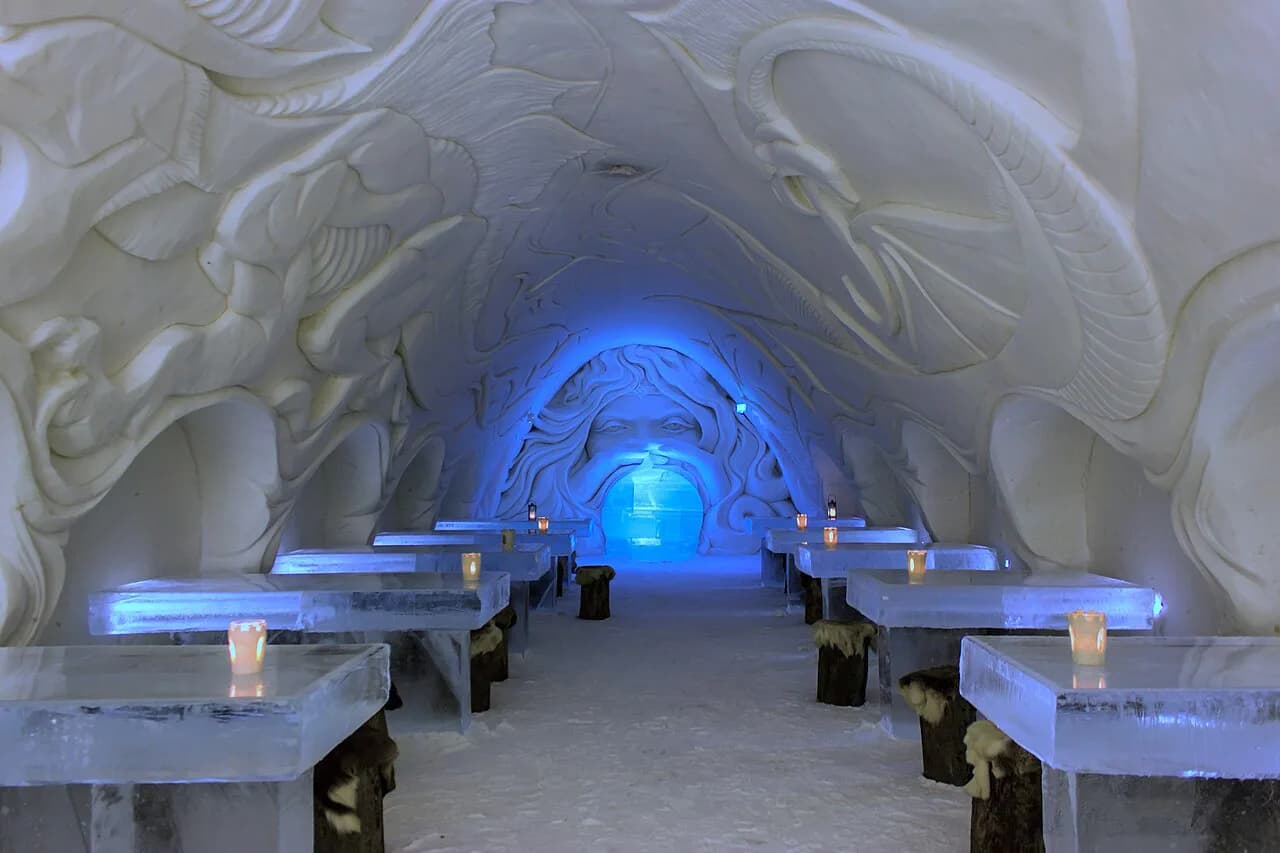
Kemi is an icebreaker port on the Gulf of Bothnia, a compact town where winter nights run long and the northern horizon opens up quickly once you leave the street lights. It suits travelers who want a real aurora hunt without committing to the deep-inland resorts of northern Lapland, and who are happy to pair a night out under the sky with sea ice, snow and a snowcastle.
The trade-off is geography: Kemi lies south of the Arctic Circle, so the auroral oval has to expand further south than it does over Kilpisjärvi or Inari before the sky lights up. That makes reading the activity forecast and picking a cloud-free window more important here than at a resort sitting directly under the oval.
Why the aurora shows over Kemi
Finland sits on the southern rim of the auroral oval, and the odds of seeing auroras are highest in the northernmost part of the country. When geomagnetic storms push the oval southward, displays reach Central and Southern Finland as well, which is the mechanism that brings lights over Kemi.
Being south of the Arctic Circle means a quiet night over Kemi often produces nothing visible, while a disturbed night can fill the sky. Treat any single night as a coin toss and give yourself several to balance the weaker latitude against the convenience of a coastal town with its own airport and rail links.
When the aurora season runs in Kemi
The local operator runs its night hunts and chases from 1 August to 30 April, which brackets the whole period when Sea Lapland gets properly dark nights. Outside that window the northern sky never gets dark enough for a meaningful hunt, even when geomagnetic activity is high.
The Finnish Meteorological Institute notes that auroras occur fairly evenly through the year, with a slight edge in spring and autumn, and that the best time in Northern Finland is March and early April once weather is factored in. For Kemi that points to late winter and early spring as the sweet spot, when nights are still long and the coast often sits under cold, settled air.
Aurora snowmobiling from Kemi has a shorter published window, 1 December to 31 March, because the tour depends on rideable snow and ice around Kivalot. If a snowmobile night under the lights is part of your plan, book inside those dates.
Darkness and night length through the season
Auroras are most often seen around midnight and a couple of hours either side, though they can appear at any time the sky is dark enough. In Kemi that core window falls inside a long winter night from November through February, and shrinks toward late April when twilight lingers well into the evening.
Book your nights around the midnight window rather than an early evening slot. A tour that returns you to town after a few hours still leaves the small hours free if you want to step outside your accommodation and look north.
Typical conditions by month in Sea Lapland
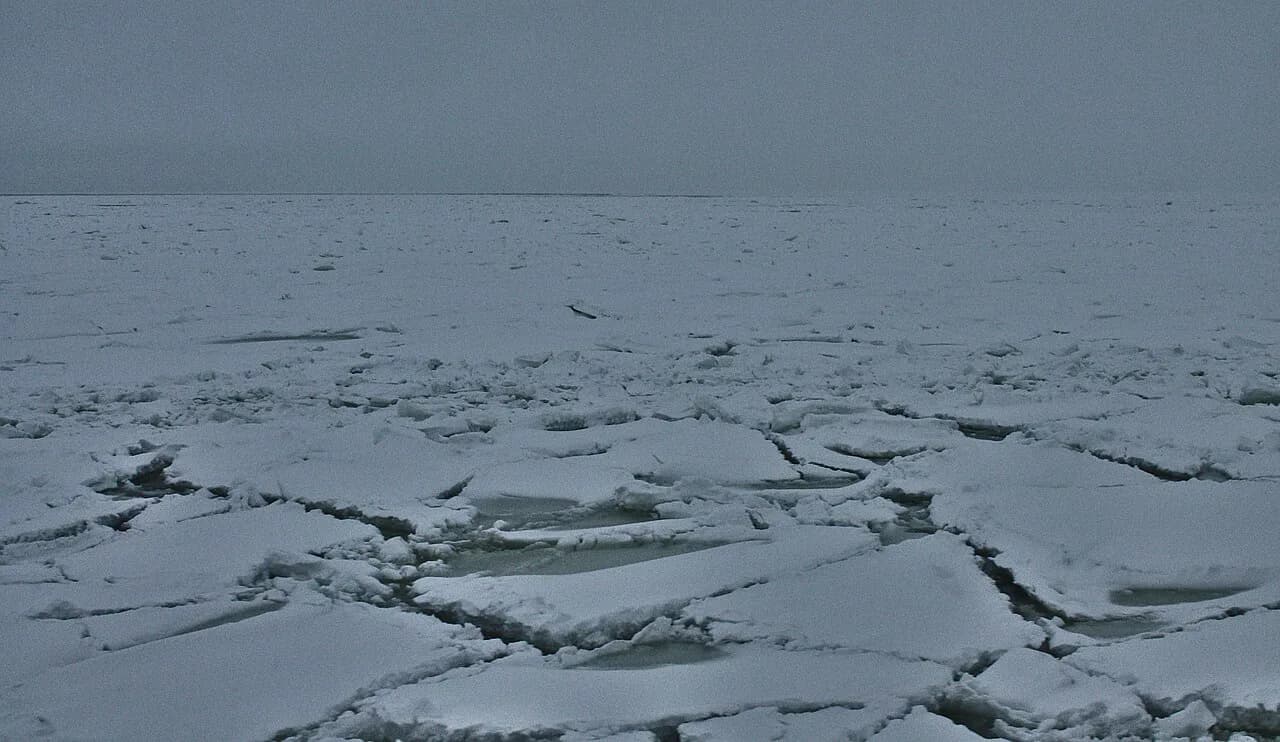
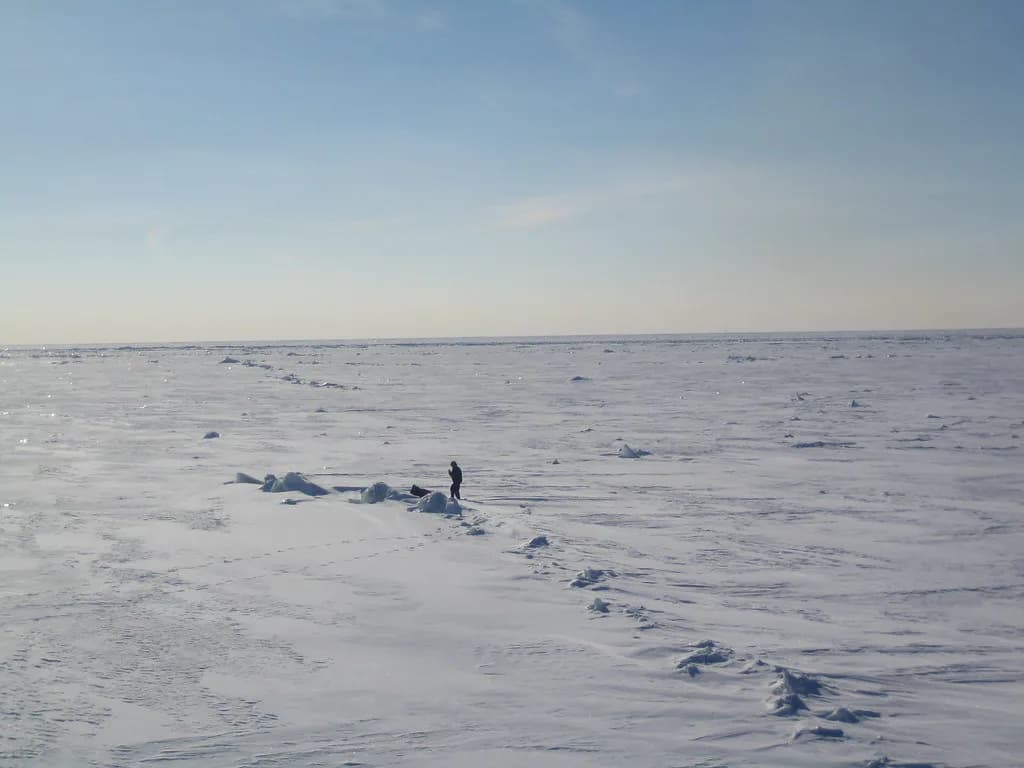
Kemi's winter is a coastal one, with sea ice offshore, snow on the ground for months and a genuinely cold, dry feel on clear nights. Clear nights are also the coldest, which is why the Finnish Meteorological Institute pairs good aurora weather with dressing very warmly and watching from a comfortable position.
Plan for short daylight in December and January and much longer days by March and April, when you can combine daytime activities with a late-night hunt. The local operator's season notes describe winter temperatures that can hold near minus twenty for weeks before swinging to above freezing in March, which is a reminder that late-season snow can vanish quickly.
How likely are the lights in Lapland and this far south
The Finnish Meteorological Institute gives the statistical probability of auroras on a dark, cloudless night as roughly 75 percent at Kilpisjärvi, roughly 50 percent at Lapland ski resorts such as Ylläs, Levi and Saariselkä, and roughly 25 percent in central Finland. Kemi, on the coast south of the Arctic Circle, sits closer to the central-Finland end of that range than to Kilpisjärvi.
Those figures assume a cloudless night, which is the harder half of the problem on a coast. If a strong display is your priority, deeper-inland Lapland such as the northern lights country around Pyhä-Luosto gives you a better baseline, while Kemi trades some of that probability for easier access and a wider choice of winter activities.
Reading the forecast for a Kemi night
ISES RWC Finland publishes real-time geomagnetic disturbance levels, and the Finnish Meteorological Institute treats that as nowcasting: when activity reaches the red level at the station nearest you, it is time to go out and watch. Use the station closest to Kemi rather than a national average.
Kp values are guidance only. A high Kp number improves the chance that the oval reaches this latitude, but clouds, moonlight and town lights can still cancel the show, so pair the activity reading with a cloud forecast before you commit an evening.
Where to watch near Kemi
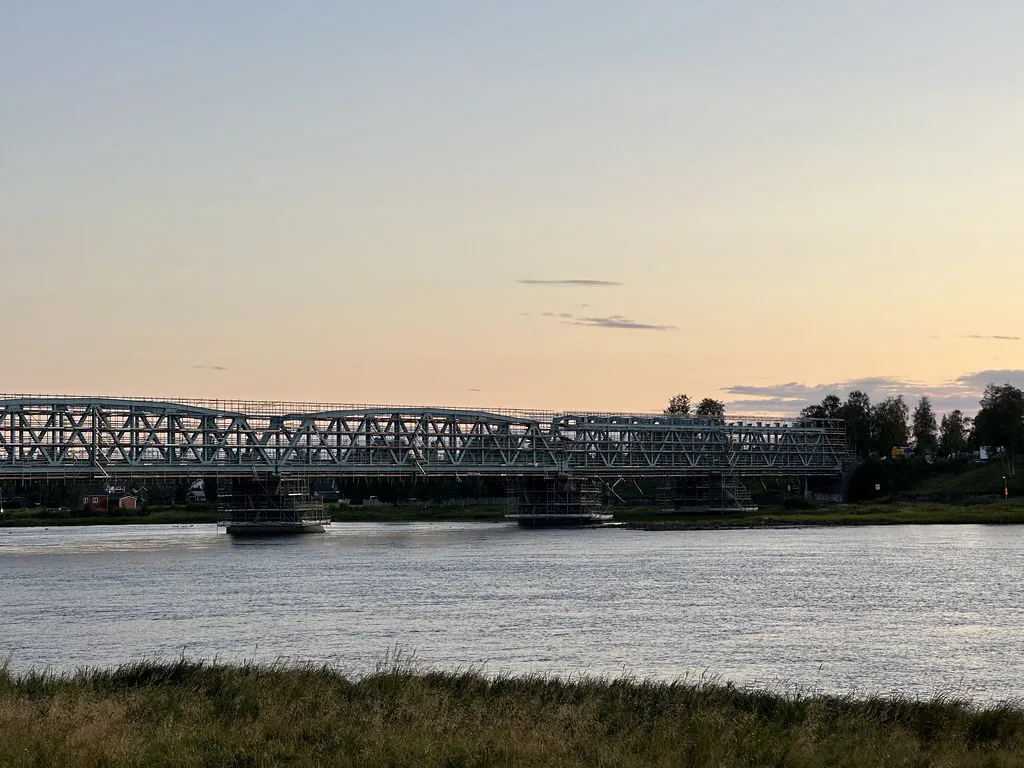
Look for a dark, open place away from town lights with an unrestricted view toward the northern horizon, since auroras most often appear in the northern sky. Around Kemi that means leaving the grid around the harbour and the town centre and heading out along the coast or inland toward the Kivalot fells.
e-Coach.fi keeps more than 50 aurora spots across Sea Lapland, Rovaniemi and the Oulu region and picks the route based on where the sky is open. That is a useful hint for self-drivers: flexibility between a coastal pull-out and an inland clearing matters more than any single famous viewpoint.
If you would rather stay close to your bed, the Seaside Glass Villas put you on the waterfront with the sea and sky in front of you, though you trade some of the deep darkness of an inland spot for convenience.
Self-guided chasing around Kemi versus a guided hunt
Driving yourself gives you the freedom to move when a gap opens in the cloud, and a rental car from Kemi lets you reach open coastal stretches and forest clearings on your own schedule. The cost is local knowledge: reading the cloud forecast and knowing which roads stay dark takes practice.
A guided hunt removes that uncertainty. e-Coach.fi's local guides contact you a couple of days ahead with the best time to go out, meet you at the Kemi bus station on Asemakatu 13, and drive 15 to 30 minutes to a chosen spot with a clear northern horizon.
Guides advise warm winter shoes and trousers for any night out, and e-Coach.fi can photograph you under the sky if you want a record of the evening. Note that the lights are a natural phenomenon and no sighting is guaranteed on any tour.
Hunt and chase tours from Kemi: durations and prices
e-Coach.fi sells two formats. The Hunt is a three-hour, single-spot night aimed at first-timers, families and anyone with an early start, priced at 99 euros per adult and 69 euros per child under 18, with infants under three free. The Chase runs three to six hours and can move between multiple aurora stations through the night for travelers who want to maximize their chances and can stay up. It costs 129 euros per adult and 79 euros per child under 18, with the same infant policy.
Both carry a star guarantee: a 50 percent refund if the group never reaches open sky, and e-Coach.fi recommends cancelling with a full refund 24 hours before when the forecast is too weak. That structure rewards booking a flexible night rather than locking in a date months ahead.
Aurora snowmobiling and other guided nights
Aurora snowmobiling runs four to six hours including transport from the Kemi and Tornio-Haparanda area, with a guide teaching you to drive and a backseat option for passengers. It is priced at 199 euros per adult, or 99 euros per child under 12 riding on a sledge, and operates from 1 December to 31 March.
This format suits travelers who want the night to be an activity in itself rather than a wait. The trade-off is that driving demands attention, so if your main goal is quiet sky-watching, a stationary hunt is the better fit.
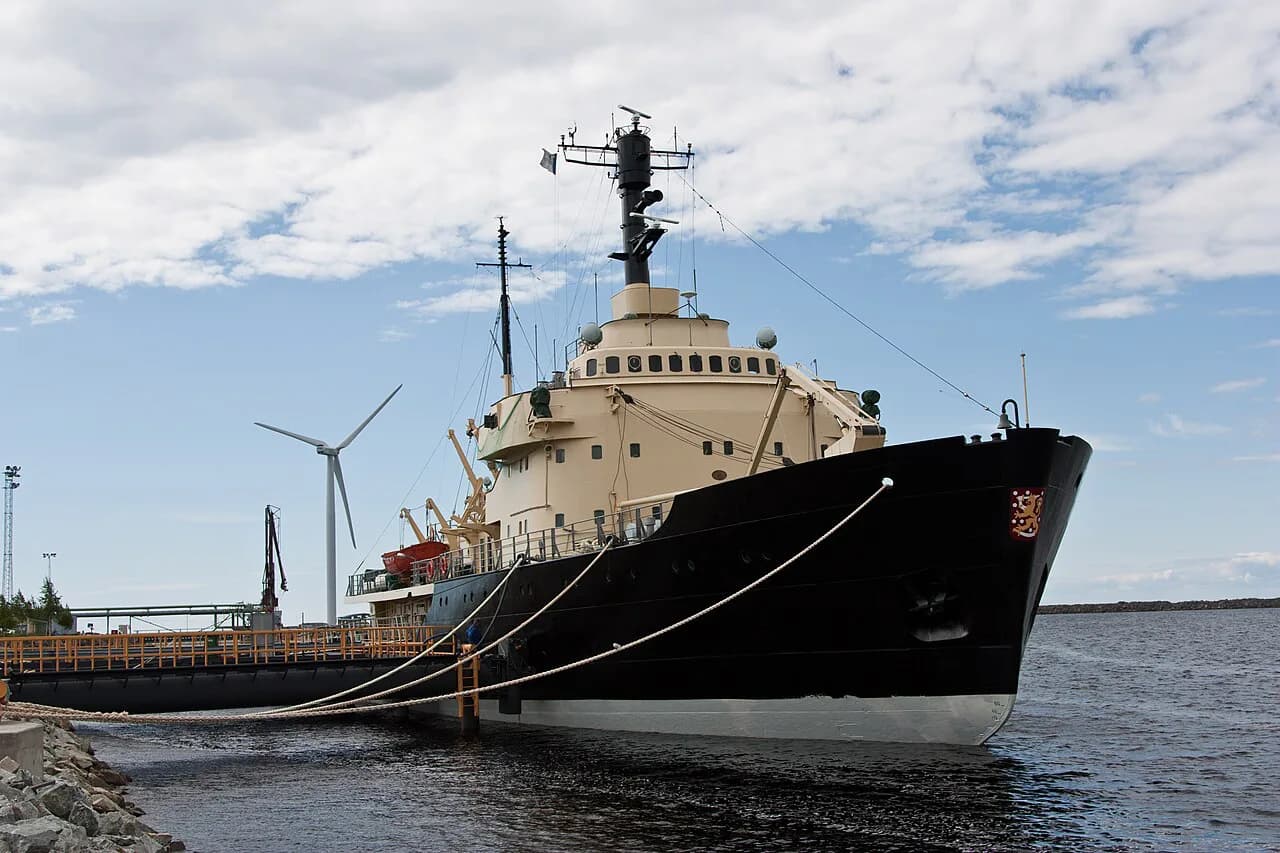
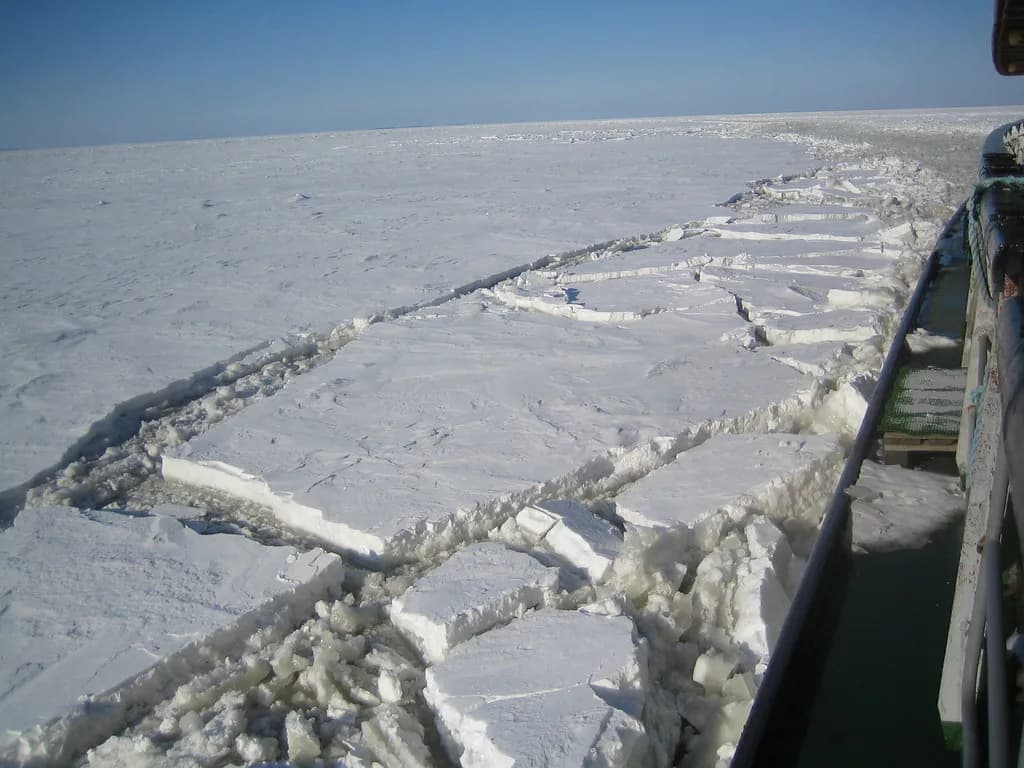
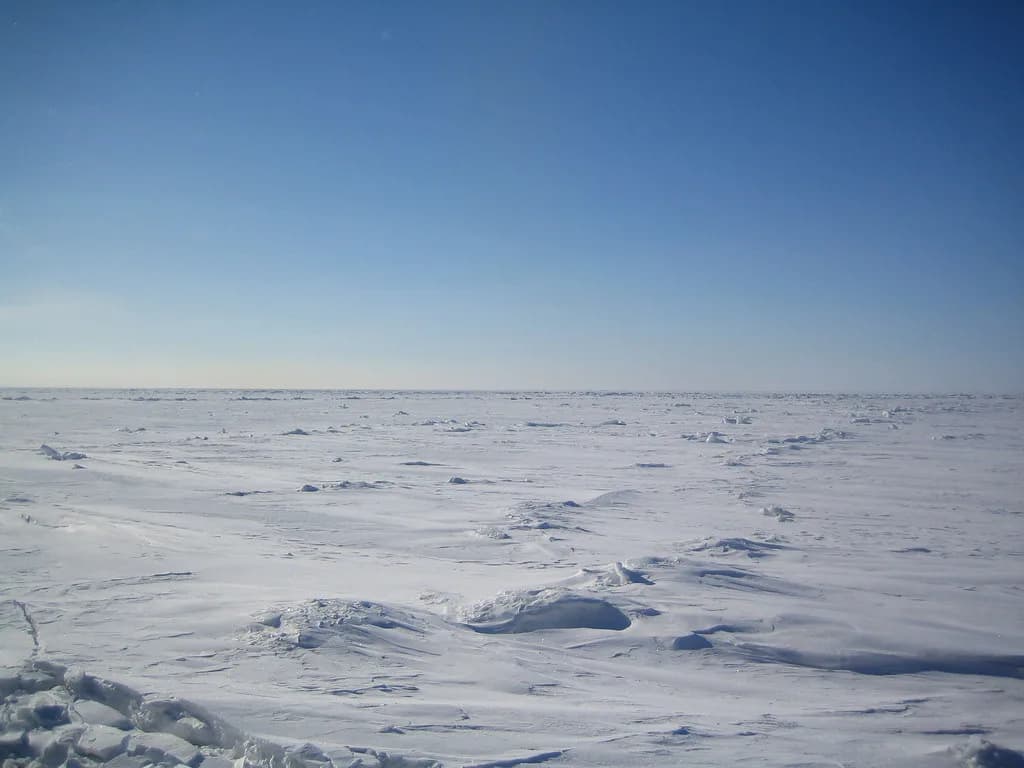
For a daytime contrast, the Sampo icebreaker out of Kemi puts you on the frozen Gulf of Bothnia and is a natural pairing with a night hunt.
Remote guiding and alerts for independent travelers
If you are driving yourself, the operator offers a remote guiding subscription that adds you to a WhatsApp group with night-by-night forecasts, cloud predictions, location advice and driving directions from where you are staying. It costs 50 euros per group and covers up to seven days on one subscription.
The same operator runs a free WhatsApp channel posting aurora alerts across Sea Lapland. Both are useful if you have a car and want a local read on where the open sky is without booking a full tour.
Where to stay in Kemi for aurora nights
Waterfront glass villas and cabins put the sky in front of your window, which is a real advantage on a cold night when you can watch from indoors and step out only when something starts. The trade-off is that glass reflects interior light and nearby town glow can wash out faint displays, so keep the lights low and give your eyes time to adjust.
Staying in the town centre keeps you close to the bus station meeting point and restaurants but places you under more light pollution, so plan on a short drive or taxi to a darker spot if you are chasing independently. A balance of one or two nights in town with one night out toward the coast works well for most itineraries.
Getting to Kemi and moving around in winter
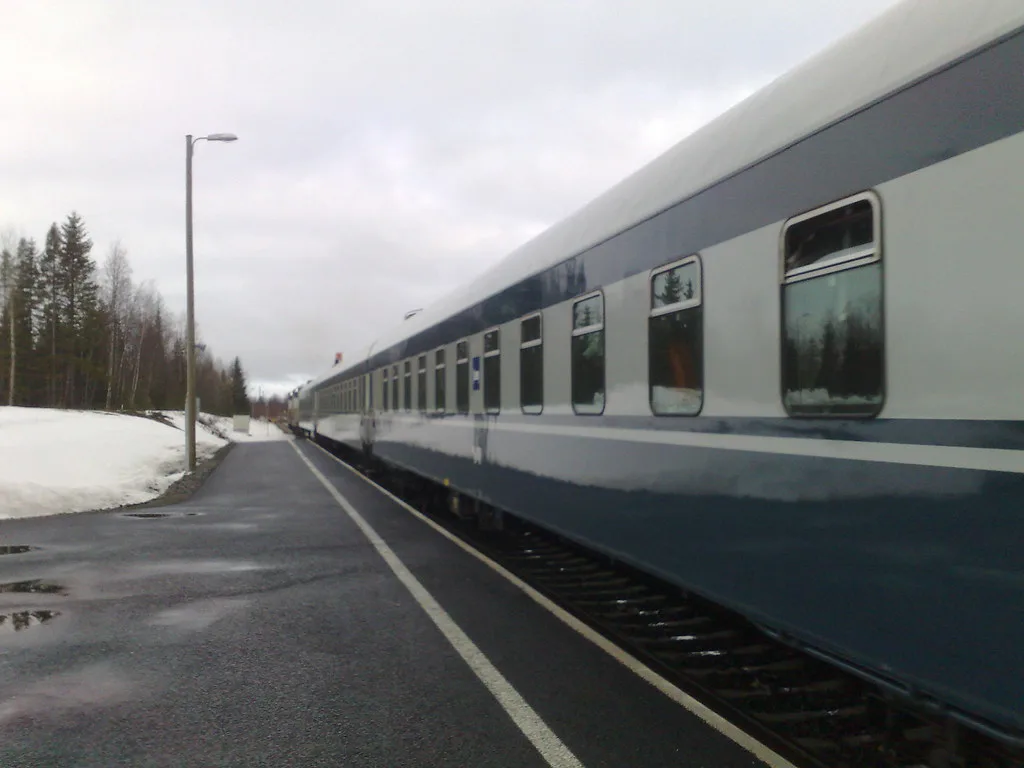
Kemi has its own airport and rail connections, and the town is compact enough that hotels, the bus station and the waterfront are within easy reach of each other. The guided hunts collect from the Kemi bus station at Asemakatu 13, so accommodation near the centre simplifies a late-night return.
Winter roads along the coast and inland are usually plowed but can be icy, so if you plan to chase the sky yourself, allow extra driving time and stick to routes you have scouted in daylight. A guide who knows the dark roads around Sea Lapland removes that risk entirely.
How many nights to plan for a fair chance
There is no guaranteed night, so the honest approach is to buy more attempts. With the Finnish Meteorological Institute putting a cloudless Lapland night at roughly 50 percent at the ski resorts and lower toward central Finland, four to five nights in Kemi gives you a reasonable run at a clear, active night without relying on luck.
If a sighting is the centerpiece of the trip, consider splitting the stay: a few nights in Kemi for the icebreaker, snowcastle and coast, then a move north to a resort closer to the auroral oval. Travelers who want remote inland darkness can compare the northern lights around Lake Inari for a sense of how much further north you can go.
Cloudy nights and short winter days in Kemi
When the sky closes in, Kemi still has a winter program. The snowcastle complex gives you a walk-through of snow and ice architecture, and the icebreaker and snowmobile safaris fill days that would otherwise be idle.
Short December days are best spent on indoor and ice-based activities, saving the evenings for hunts; by March and April you can add longer days outdoors and still have a dark night to follow. Building one rest day into a multi-night stay keeps a run of late nights sustainable.
Plan Your Kemi Aurora Nights
Kemi rewards travelers who treat the aurora as a numbers game: book several nights, watch the activity and cloud forecasts, and keep one guided hunt or chase in reserve for the best window. The coast can deliver a spectacular night, but it asks for a stronger geomagnetic push than the far north.
Confirm pickup times and meeting details with your operator a few days ahead, and keep your evenings flexible so a clear forecast can move your night out.
Explore more Kemi northern lights guides
Frequently Asked Questions
Can you see the northern lights in Kemi without a tour?
Yes, if you have a car and a clear forecast. Drive away from the town lights toward the coast or inland toward the Kivalot area, find an open view to the north and give your eyes time to adjust. Independent chasing depends on reading the activity and cloud forecasts yourself, which is where a guided hunt or a remote guiding subscription helps.
When is the best time to see auroras in Kemi?
The local operator runs night hunts from 1 August to 30 April, and the Finnish Meteorological Institute identifies March and early April as the best period in Northern Finland once weather is considered. Late winter and early spring combine long dark nights with cold, settled air on the coast.
How many nights should I plan in Kemi for a chance of auroras?
Aim for four to five nights if the lights are the main goal. The Finnish Meteorological Institute gives roughly a 50 percent chance on a dark, cloudless night at Lapland ski resorts such as Ylläs, Levi and Saariselkä, and Kemi sits further south with a lower baseline, so extra attempts matter.
What does the Kp index mean for a Kemi night?
Kp is a global measure of geomagnetic disturbance and only guidance, not a guarantee. Kemi lies south of the Arctic Circle, so it usually needs a stronger disturbance than Kilpisjärvi or Inari before the auroral oval reaches this latitude. Check the station-level activity reading from ISES RWC Finland alongside a cloud forecast.
What is the difference between The Hunt and The Chase in Kemi?
The Hunt is a three-hour, single-spot night suited to families and early risers, while The Chase lasts three to six hours and can move between multiple aurora stations. Both include a local guide and a 50 percent refund if the group never reaches open sky.
Are aurora sightings guaranteed on Kemi tours?
No. Auroras are a natural phenomenon and no operator can promise a display. What tours can offer is local knowledge of dark spots, cloud forecasting and a refund policy when open sky is not reached.
Sources
Notes for your Arctic winter trip
Optional updates to our northern lights guides.
You might also like
Continue reading
More guides you'll find useful