Arktikum Rovaniemi: Museum, Opening Hours and Winter Visits
Arktikum sits on the riverbank in Rovaniemi, pairing Lapland's regional museum with Arctic science exhibits under one long glass roof.
On this page
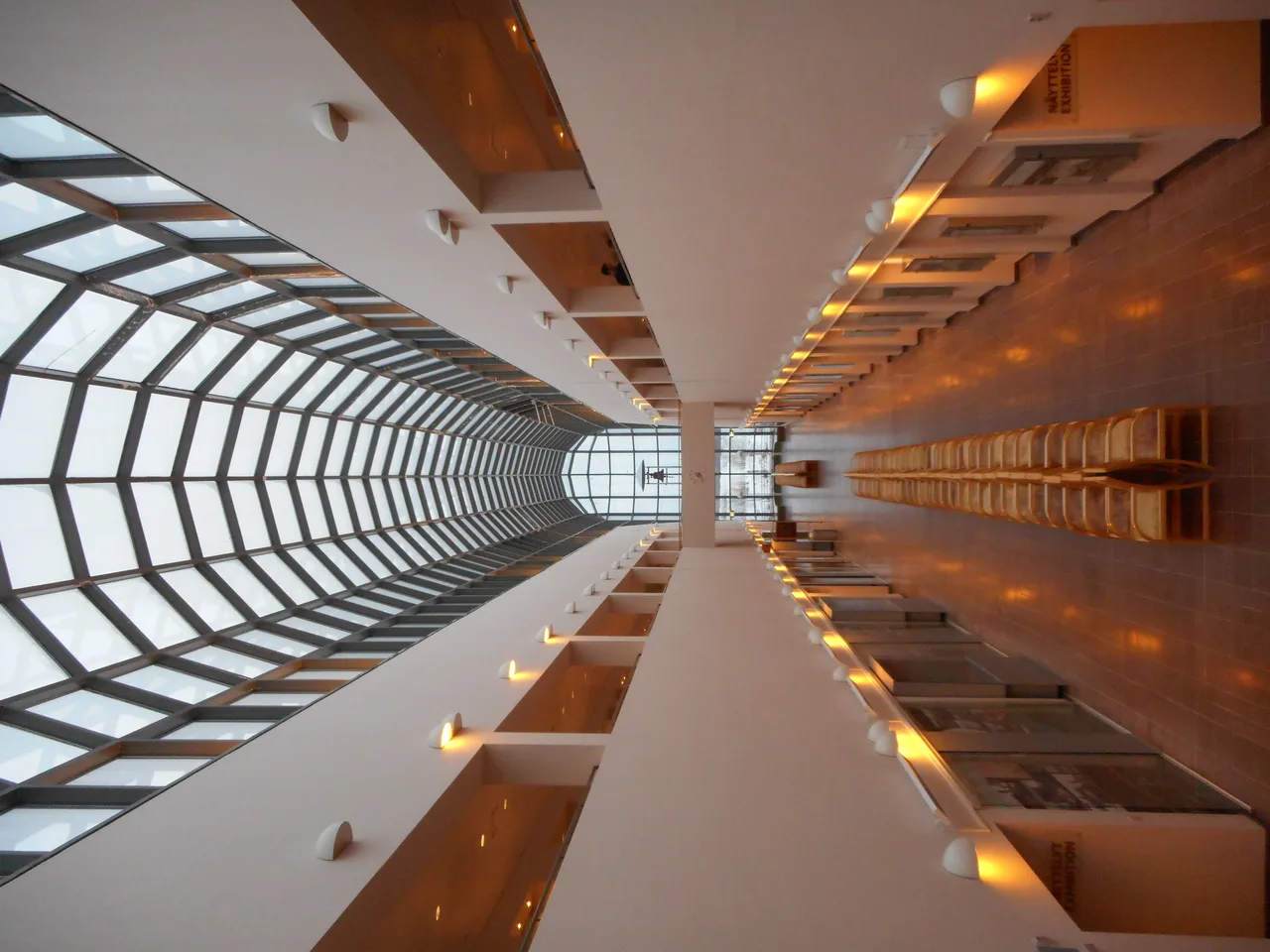
Arktikum is the building where Rovaniemi keeps two collections under one long glass-roofed gallery on the banks of the Kemijoki. One half is the Regional Museum of Lapland, which records the culture, building traditions, archaeology and natural history of Finnish Lapland. The other is a science-centre-style exhibition that takes the whole Arctic as its subject, from sea ice to the people who live above the Arctic Circle. For an aurora traveler it rewards a daytime stop or a cloudy-night fallback.
The location at Pohjoisranta 4 puts it on the riverbank within Rovaniemi's central grid, close to the Ounasjoki confluence. That makes it easy to fold into a day that already includes town errands, a sauna or an evening tour pickup. Plan roughly half a day if you read the displays properly, less if you are choosing between it and time outdoors.
What Arktikum is and where it sits on the Kemijoki riverbank
The building runs lengthwise along the river, with the glass-roofed corridor that gives Arktikum its signature look serving as the spine between exhibition halls. The Regional Museum of Lapland describes itself as a museum with regional responsibility, collecting, storing and researching the cultural-historical and scientific material of Lapland. Its remit covers the Province of Lapland, while cultural-environment duties exclude the Tornio River Valley, the Kemi region and the Sámi homeland.
Because the museum and the Arctic Centre share the address, one ticket gives you both halves of the building. That is the real reason to go: you get local wartime and river-fishing history alongside Arctic-wide natural science in a single visit, rather than making two separate stops. The building's riverbank position also means you can step outside to open sky over the Kemijoki between exhibit halls.
For orientation, Pohjoisranta is on the riverside edge of the centre, roughly a short walk from the main street grid where most hotels and restaurants sit. Rovaniemi's two rivers meet near the centre, and the walk over the bridge is part of the town's layout rather than a separate excursion. If you are staying out toward Santa Claus Village, plan a transfer into town as its own leg of the day — tour pickups rarely sweep through Pohjoisranta.
Why Arktikum works as a winter or cloudy-night activity
Clear, cold nights are what you want for aurora hunting in Rovaniemi, but the weather does not always cooperate, and long winter evenings outdoors in deep snow are punishing when the sky stays overcast. A warm indoor collection with broad opening days is exactly the kind of anchor that fills those hours. Use it as the default plan B on a cloudy afternoon, and move your outdoor chase to whichever night the cloud breaks.
It also works as preparation before a night out. The exhibits explain sea ice, Arctic animals and how northern communities live and work, which makes the landscape around Rovaniemi read differently when you are standing in it after dark. Give it two to three hours if you are fitting it between a late breakfast and an afternoon tour.
The indoor northern lights show is not a substitute for going outside. It is a light-based display about the aurora, not a window onto the sky, and no indoor exhibit can tell you what the clouds over the Kemijoki will do on a given night. Watch the sky, look at the aurora forecast, and treat the museum as context rather than a sighting.
Opening hours and admission
In the March to November period listed on the Arktikum site, the exhibitions and shop keep Monday closed and open Tuesday to Sunday from 10:00 to 18:00. The café runs shorter hours in that autumn window, with weekday service and no weekend opening, so do not count on lunch there outside the published slots. Admission is listed at 22 euros for adults and 17 euros for the reduced rate, and separate ticket options are sold on the site.
These hours are seasonal rather than year-round, so the exact schedule for your travel dates is the one to consult on the official page before you build a day around it. Winter and holiday periods commonly differ at Rovaniemi attractions, and Arktikum publishes its exceptions alongside its normal hours. The same page carries the ticket options, including the entry-only ticket and a pass that covers two Rovaniemi sites.
Exhibitions: from the Arctic in a nutshell to everyday Arctic life
Arktikum's own highlights list starts with a top-down and inside view of the Arctic, then moves to the animals of the Arctic Ocean beneath the sea ice. A section on everyday Arctic life introduces the people who live in the north rather than only the wildlife. Together these give you the broad framing that makes the regional displays legible.
There is a hands-on snowflake station where you can design your own ice crystal and send it into a virtual sky, which tends to be the part younger visitors remember. The museum also devotes space to the brown bear as Europe's largest predator and to Sámi culture, described in the highlights as the only officially recognised indigenous people in the EU. If you are traveling with children or with someone who prefers interactive displays to reading cases, start here.
Most visitors move through these halls at a steady pace, but the science sections reward a slower read if you want to understand how sea ice and Arctic ecosystems actually work. The building's layout lets you loop back to the glass corridor for a breather and a view of the river when a hall gets busy.
The northern lights show and Sámi culture exhibits
One of the ten highlights is a northern light show where visitors can paint auroras and watch a light display. It teaches the phenomenon indoors, in the sense of colour, shape and folklore, and it is a reasonable introduction if this is your first Arctic winter. Keep the distinction clear in your own planning: the show explains the aurora, it does not forecast or produce one overhead.
The Sámi culture section sits within the same highlights list and gives context on the region's indigenous people and their traditions. Read it before any tour that touches on Sámi heritage or reindeer herding, and it will save you from treating a cultural display as pure scenery. The museum's regional remit specifically separates the Sámi homeland from its cultural-environment duties, which is worth knowing when you interpret what the collection covers.
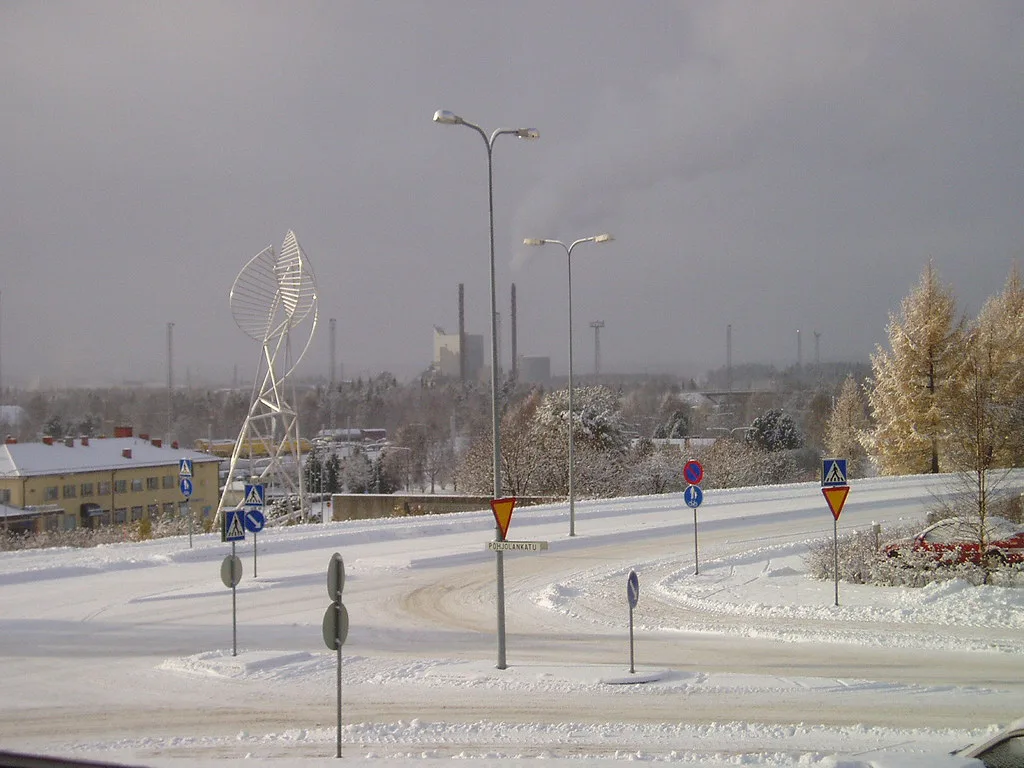
Regional Museum of Lapland: wartime Rovaniemi and the Kemijoki salmon
The regional side of Arktikum carries the local history that the science halls do not. Scale models show how Rovaniemi looked before the Second World War, when the town was almost completely destroyed, and the contrast with today's rebuilt grid is the point. A separate display on Kemijoki salmon fishing recalls a time when the river was the most productive salmon river in Europe.
There is also a section on Finns on the Arctic Ocean between 1920 and 1944, covering the Petsamo area that Finland lost to the Soviet Union in 1944. These displays are the ones that make the museum specifically about Lapland rather than the Arctic in general, and they suit travelers who want to understand the place they are visiting rather than only its wildlife.
Behind the public displays, the museum holds object, photograph, archive and natural-science collections that researchers can consult. That gives the exhibitions more depth than a typical town museum, and it explains why the regional collection carries authority on local building traditions and archaeology. You will see the results of that work in the case labels and models rather than in any single showpiece.
How long to allow and who it suits
Two to three hours covers the highlights at a comfortable pace, and half a day lets you read the regional history and science sections without rushing. Families with children tend to spend longer at the interactive stations and shorter in the reading-heavy halls, so plan around your group rather than a fixed route. If your time in Rovaniemi is short, treat Arktikum as an afternoon stop and keep your evenings free for chasing clear sky.
Arktikum suits travelers who want context before or after their outdoor activities, and anyone traveling with someone who does not want to spend every dark hour standing in snow. It is less compelling as a destination in itself if you have only one full day and the sky is clear, because that night is better spent outside. Choose it deliberately for a cloudy stretch rather than as a default.
Whether Arktikum fits a northern lights itinerary
On an aurora trip, the museum fits the daylight and weather-gap slots, not the prime viewing hours after dark. Build your days so outdoor excursions sit in the short daylight window and your nights stay open for chasing, with Arktikum as the indoor anchor for a cloudy afternoon. If the forecast improves in the evening, leave the exhibits early and take the transfer out of town.
Rovaniemi gets a fair share of aurora tourism, and the town itself has light pollution along the river and the main roads. That is one more reason to use Arktikum as a daytime stop and to reserve your dark hours for spots away from streetlights, whether on a guided chase or with your own car. If you want to compare the town's viewing odds with a smaller fell resort, our Luosto northern lights guide covers that decision. Glass-roofed hotels and cabins also run aurora wake-up services, which lets you sleep through the cloudy hours and still go out when the sky actually clears.
Getting there from central Rovaniemi
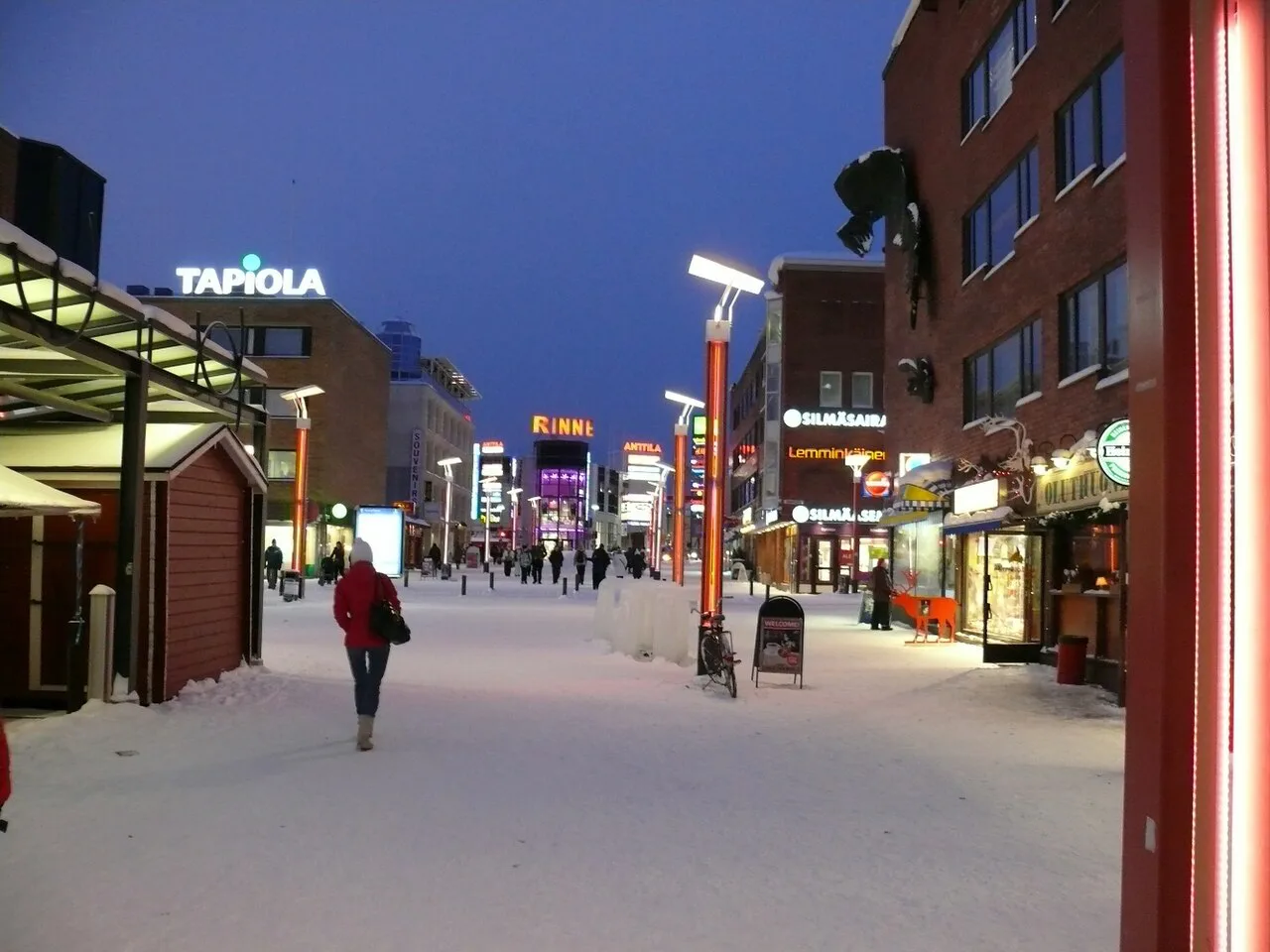
The address is Pohjoisranta 4, on the riverside edge of central Rovaniemi, and the walk from the main shopping streets is short by Arctic-town standards. From hotels near the centre you can reach the entrance on foot without a taxi, which is useful when you are deciding on impulse whether to go. If you are staying east or north, check the walking time on a map before relying on foot in deep snow with luggage.
Several hotels sit within the central grid, including the Arctic Light Hotel in Rovaniemi, which works well as a base because you can walk to the museum, restaurants and tour pickups from one address. Properties farther out, such as Apukka Resort, give you easier access to dark forest for evening viewing and usually arrange transfers into town. Weigh the convenience of a central bed against the shorter drive to a dark-sky departure point.
Tickets, the Culture Pass and guided tours
The standard ticket is a single-entry admission, and the museum also sells a Culture Pass covering two destinations in Rovaniemi, so if you plan to visit both museum-type attractions the pass can be the better value. Admissions are listed at 22 euros for adults and 17 euros for the reduced rate; check the ticket page for current pricing bands, as the site points to a separate price list.
Group bookings and guided exhibition tours can be reserved, and the museum advises contacting it in advance for meetings with staff on specific subjects such as archaeology, building heritage or the photo archive. School visits have dedicated pages, so families traveling with classes should contact the museum's guides rather than book a walk-up entry. Individual travelers normally just need a ticket, while research and collection enquiries need a direct email or phone call first.
Buying ahead makes sense on holiday weekends, when a short day of indoor options in Rovaniemi fills quickly. The official site runs its own ticket shop and lists both admission-only and pass options, so you can compare before you arrive. That also lets you slot the visit into a specific hour rather than hoping to walk in during a busy window.
Nearby alternatives for a cloudy evening
When the sky stays closed, a warm café, an indoor meal or a sauna evening is the obvious swap, and Arktikum's own café serves within its published hours in the autumn season. Beyond that, Rovaniemi's central grid offers restaurants and bars within walking distance of the museum, so you can build a low-cost cloudy-day plan without a car. If you are staying at a resort with its own restaurant and sauna, use that and save the town trip for a clearer day.
An overnight at one of the Arctic Circle resorts is the livelier alternative when the forecast looks marginal, since many run snowmobile, husky or reindeer activities plus evening aurora departures from the same reception desk. Santa Claus Village, Rovaniemi, north of town on the Arctic Circle, pairs those activities with daytime open hours and short transfers to accommodation. Pick one cloudy-day option only, and keep the rest of the evening available in case the cloud breaks.
Plan Your Visit
Arktikum earns its place on an Arctic winter itinerary as a warm, central, half-day stop that explains Lapland's history and its wider Arctic setting. Book a ticket for a cloudy afternoon, read the regional history and the science halls at your own pace, and save your clear nights for the sky. Leave room to leave early if conditions improve.
If you are still choosing where to sleep and how to structure the evenings, weigh a central hotel against a forest resort before you lock in the museum day. Then read the wider guide to northern lights in Rovaniemi and build your week around the nights rather than the attractions.
Frequently Asked Questions
What is Arktikum in Rovaniemi?
It is a museum building on the Kemijoki riverbank that houses the Regional Museum of Lapland and the Arctic Centre collections. One visit covers local Lapland history, including wartime scale models and the Kemijoki salmon fishery, alongside Arctic science and culture exhibits such as sea ice, the brown bear and Sámi culture.
Where is Arktikum and how do I get there from central Rovaniemi?
Arktikum is at Pohjoisranta 4 on the riverside edge of central Rovaniemi. From the main streets and central hotels the entrance is a short walk, which makes it practical to visit without a car or a taxi. Travelers staying farther out, such as near Santa Claus Village, need a transfer into town.
What are Arktikum's opening hours?
In the March to November season listed by the museum, the exhibitions and shop open Tuesday to Sunday from 10:00 to 18:00 with Monday closed. Hours vary by season and the museum publishes its exceptions, so confirm the dates for your trip on its official site before planning a day around it.
How much does Arktikum cost?
Adult and reduced admission rates, along with a Culture Pass that covers two Rovaniemi destinations, are listed on the museum's own ticket page. Compare the options there, since the pass is worth weighing if you plan to visit more than one museum-type attraction.
Is Arktikum worth visiting in winter?
Yes, especially as an indoor anchor for a cloudy afternoon or as preparation before a night outdoors. It gives you context on Arctic nature and Lapland history in a warm building near the centre, leaving your dark hours free for aurora viewing when the sky clears.
Can you see the northern lights at Arktikum?
No. The northern lights exhibit is an indoor light show where visitors can paint auroras and learn how the phenomenon works. Real sightings depend on solar activity and clear sky, so use the show as background and go outside on clear nights.
How long should I allow for an Arktikum visit?
Two to three hours covers the highlights, and half a day lets you read the regional history and science sections properly. Families usually spend longer at the interactive stations, and you can leave early if a clear evening forecast calls you outdoors.
Can I book a guided tour or group visit?
Yes. Arktikum takes group ticket bookings and guided exhibition tours, and advises contacting the museum in advance for meetings with staff on topics such as archaeology or building heritage. Individual travelers normally only need an entry ticket.
Sources
Notes for your Arctic winter trip
Optional updates to our northern lights guides.
You might also like
Continue reading
More guides you'll find useful