Best Time to See the Northern Lights in Rovaniemi Guide
Aurora season in Rovaniemi runs from late August to mid-April. Compare autumn, midwinter and spring nights for darkness, cloud, cold and aurora activity.
On this page
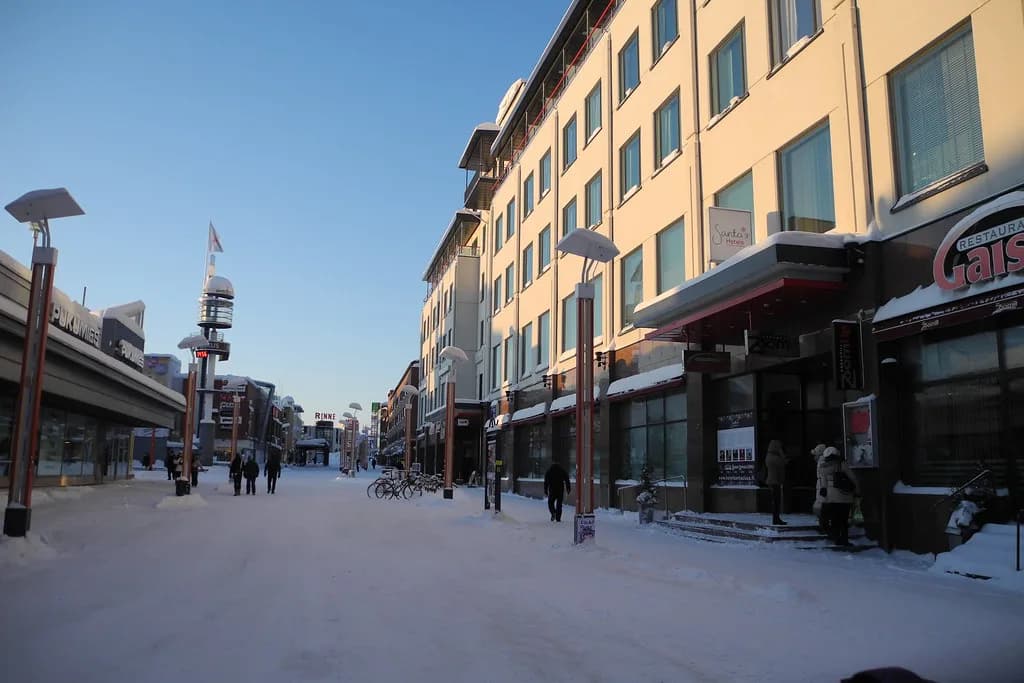
Rovaniemi gives you an Arctic winter base with a real town attached: hotels, tours, airport transfers and dark forest within reach of the same trip. Nights are long enough for aurora watching from late summer into spring, and the surrounding fells and lakeshores put genuine darkness a short drive away. Here is how the seasons differ, so you can match a month to your tolerance for cold, cloud and short daylight.
Why Rovaniemi sits inside the aurora zone
Rovaniemi lies close enough to the Arctic Circle that the auroral oval passes overhead on many nights, which is why displays are not a rare freak event but a regular seasonal possibility. What is not guaranteed is seeing them: you need a dark sky, clear weather and enough solar activity at the same time. Treat Kp values as guidance rather than a switch, since a modest Kp under a clear Rovaniemi sky can look better than a high Kp under cloud.
Space weather is the half you cannot plan, and Earth weather is the half you can. Because displays run through most of the dark months, the practical decision is to give yourself several nights and pick your viewing spot each evening based on cloud. The rest of this guide takes each part of the season in turn so you can see what you are trading off.
When the aurora season runs
Aurora Village in Ivalo, further north in Finnish Lapland, puts the window at mid-August to mid-April, and notes that midsummer brings 24-hour daylight with no visible aurora even when solar activity is strong. Apukka Resort near Rovaniemi describes sightings from late August until mid-April, provided the sky is clear and dark enough. For planning purposes, late August to mid-April is the workable frame.
Within that frame, activity is not uniform. Kelo Resort near the Pallas Fell region explains that the equinox effect lifts geomagnetic activity around late September and late March, which is why the season tends to peak twice rather than once. Those two windows are the ones to weigh first if aurora watching is the purpose of the trip, and the same equinox logic underlies our month-by-month guide to the best time to see the northern lights in Finnish Lapland.
Late August and September: returning darkness and open water
August is when true night comes back to Lapland after the bright summer, and the final week of the month is when aurora season effectively opens. September follows with active displays around the autumn equinox, and daytime temperatures in Lapland at that time sit roughly between +5 and +15°C, dropping to around 0°C at night. That makes September the month for travelers who want long evenings outside without deep winter cold.
Lakes and rivers are still unfrozen in September, so you get reflections on open water, which is one of the most photogenic reasons to come early. Snow has not settled, so the ground is dark and walking to a lakeshore or open bog is simple. The trade-off is softer light and occasional rain, but the nights are already long enough for serious viewing.
Kelo Resort describes September as mild and notes that permanent snow usually holds off until November. If you are combining aurora nights with daytime hiking or river trips, this is the easiest part of the season. Book early, because the equinox weeks are the ones travelers target first.
October: the equinox tail and the first cold
October stretches the equinox effect into several more weeks, and Aurora Village ranks it as at least as productive as September for displays. Lakes begin to freeze and night temperatures in Lapland can fall to around –5 to –10°C, so you are moving toward real winter without the heaviest snowfall yet. It suits travelers who want strong aurora odds and a first taste of cold rather than a full deep-winter trip.
On tour nights, warm overalls and winter boots are typically provided, which takes the pressure off your own kit. Snow is still occasional and permanent cover usually waits for November, so dark ground and open water reflections persist longer than in midwinter. That combination makes October a strong all-round month.
November and December: deep darkness, more cloud
November is the most difficult month of the season for aurora watching: snowfall increases, cloud is frequent, and the equinox boost fades so displays are often smaller. This does not mean no aurora, only that you should plan more nights and expect some evenings to be written off. If you are coming mainly for Christmas atmosphere rather than chasing, this is still a rewarding time to be in Lapland.
December stays cloudy in many years but cold air helps to clear the sky, and temperatures in Lapland can drop below –20°C or even –30°C during cold spells. The days are extremely short, so most of the day is night and the aurora window is generous when sky clears. The clear trade-off is the Christmas-season demand and the cold, meaning a warm base with an indoor observation option is worth the extra spend.
A hotel near Santa Claus Village makes sense if you want Father Christmas and aurora in the same week, since both work best after dark. Santa Claus Village, Rovaniemi, sits right on the Arctic Circle and puts you in deep winter country with easy transfers. Nights there are dark enough in December for viewing if the clouds allow.
January and February: coldest nights, clearer cold air
January offers long dark nights and temperatures that can fall to –35°C on the coldest nights. Aurora Village rates it a strong month for activity, with more chance of large displays than November or December. The trade-off is the cold and the short daylight, so this suits travelers who mostly want night sky and are comfortable with hard winter.
February brings back daylight and reduces snowfall, and the likelihood of strong displays grows as the spring equinox approaches. It is often less busy than December, so it offers a good balance of aurora odds, comfortable touring conditions and daylight for other activities. Many travelers find this the sweet spot of the whole season.
March and early April: equinox activity and shorter nights
March is the month locals highlight, combining frequent displays with milder weather and longer daylight. The spring equinox effect lifts activity again, and the conditions support aurora storms more often than earlier in the winter. It is a strong choice for travelers who want both night sky and daytime winter activities.
April still gives you a fair window of around four to five hours of darkness for viewing in Lapland, but that shrinks rapidly. Aurora Village notes that by mid-April there is no true night darkness any more, so the final weeks are a bonus round rather than a sure thing. If you come late, plan around a short, sharp viewing window and be ready as soon as darkness falls.
Reading the sky while you are there
Once in Rovaniemi, cloud is the variable to manage. The Finnish Meteorological Institute publishes cloud maps, which Kelo Resort recommends for checking clear-sky prospects before heading out. My Aurora Forecast gives a rough activity forecast, and the Revontulikyttääjät Facebook group shares real-time sighting reports from across Finnish Lapland. Kelo Resort also lends guests a pager-style device so reception can alert you when the aurora appears.
Aurora Village publishes its own notification app for guests, which functions like a digital pager for the resort. Either way, the practical habit is to prepare your outer layer and camera before dark, then step out at short notice. Displays can be brief bursts or last hours, so patience is part of the method.
Where to watch around Rovaniemi
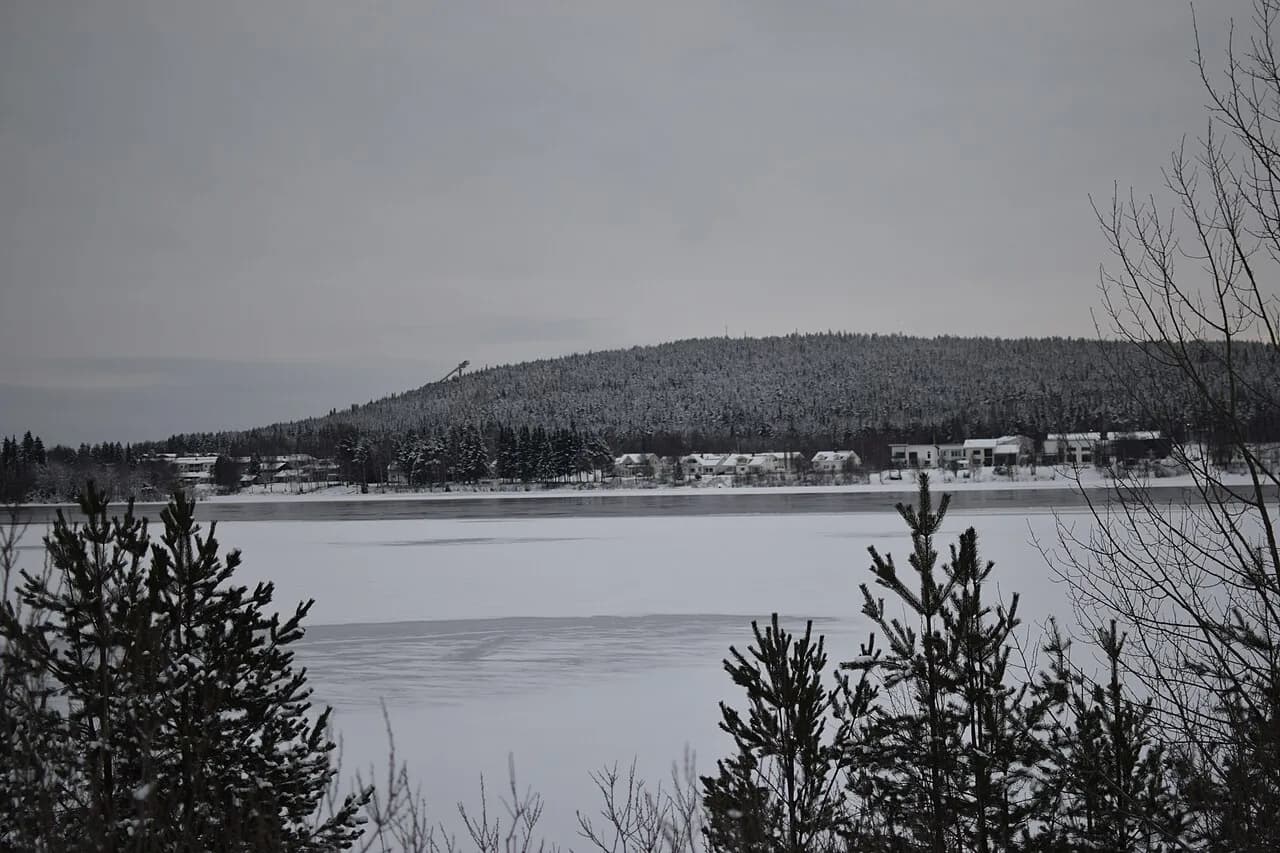
The key planning decision is distance from town lights. Kelo Resort recommends wide, open areas such as lake shores, wetlands and fell tops, where the horizon is unobstructed. Near Rovaniemi, that means a short drive toward the surrounding fells and lakes, not a walk from the town centre.
Wilderness bases north of the city, including the Pallas Fell region near Kelo Resort in Raattama, put you inside that darkness rather than travelling to it. Staying there removes the midnight drive and gives you repeated attempts when the sky clears. It does trade off access to town amenities, so choose based on how many nights you are attempting.
Guided tours versus self-guided chasing
Rovaniemi tour operators generally run evening chases that include transport, warm overalls and boots, and a guide watching cloud and activity while you travel. That matters most in short trips or when you do not want to drive on winter roads at night. Self-guided viewing works well when you have a car and several nights, and simply pick a clear direction from the forecast.
A guided night typically runs around fixed hours, with the guide choosing sites based on cloud rather than your preference, so ask about group size and the minimum age if you travel with children. The main thing to relax about is an operator guarantee: Aurora Village offers an accommodation credit scheme on eligible stays if you do not see the lights, but it is a booking policy rather than a prediction.
Apukka Resort publishes guidance on when to expect displays in Rovaniemi and runs aurora-focused stays from its own site outside town, which is a sensible option if you want tours and accommodation in one package.
Aurora cabins and glass-roofed stays
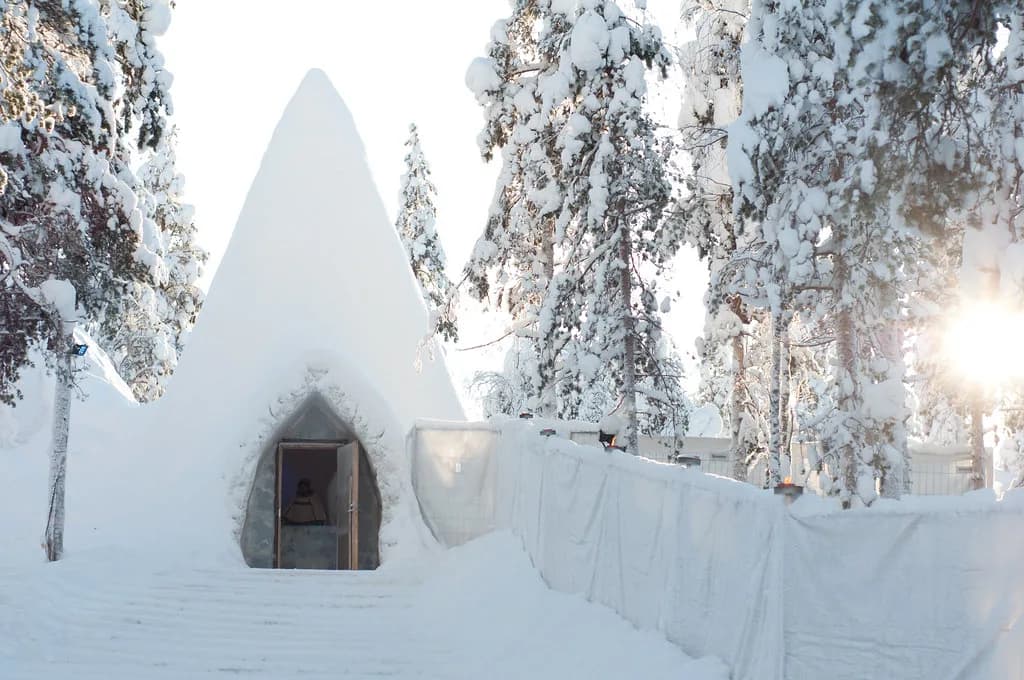
Glass-roofed and aurora cabins let you watch from your bed, which is genuinely useful on a cold night when you would otherwise lose patience. The trade-offs are heat and condensation that can fog the glass, light spill from the cabin itself, and a limited field of view compared with open sky. They suit travelers who want comfort and repeated attempts from a fixed base.
Arctic TreeHouse Hotel near Santa Claus Village is a Rovaniemi option with suites facing the treeline, though its glass wall faces sideways rather than straight up, so it is a viewing room rather than an observatory. Check that the room type you book is the aurora-facing one.
For a town-centre base with easy access to restaurants and flights, the Arctic Light Hotel in Rovaniemi is convenient and you can drive out to dark spots for the night. That works best if you have a car and several nights to pick the clearest one.
How many nights to plan
Plan on at least four to five nights in Lapland if aurora watching is the main reason for the trip. Kelo Resort recommends that span, and it is the practical way to absorb a run of cloudy weather. Fewer nights makes the trip a lottery; more nights raises your number of dark, clear attempts without any guarantee.
If your schedule is tight, build the trip around late September or late March to align with the equinox activity peaks. Book the flexible part of your accommodation for mid-trip and keep the first night light on activities. That way a clear night is not lost to recovery from travel.
Matching the month to your priorities
September and October give mild conditions, open water reflections and equinox activity, at the cost of some rain and no guaranteed snow. November and December give Christmas atmosphere and deep darkness but frequent cloud and severe cold. January and February deliver the coldest, clearest nights and low crowds, while March and early April combine activity with daylight and warmer conditions before the dark window closes.
Decide which trade-off you can live with: soft autumn light and occasional rain, a festive midwinter with cloud risk, or a late-winter trip with clearer skies and a shrinking night. A Northern Lights in Rovaniemi guide can help you match a specific base to that choice before you book flights, and it is worth checking current prices and dates for any accommodation or tour you are considering.
Choosing Your Window
Aurora watching in Rovaniemi rewards flexible dates and a base away from town lights more than a perfect month. Aim for four to five nights between late August and early April, favour the equinox weeks if you can, and treat cloud as the one factor you manage day by day.
For a Northern Lights in Rovaniemi base to anchor that decision, book the dark, quiet end of your trip and keep the first night light on activities. Check the northern lights forecast and the local cloud maps in the afternoon, then make your call for the evening.
Frequently Asked Questions
What is the best month to see the northern lights in Rovaniemi?
There is no single best month, but late September to October and late March to early April are the strongest windows because equinox activity lifts the odds and nights are dark. November and December are darker but cloudier. Choose the month whose trade-offs you can live with, and plan several nights.
Can you see the northern lights in Rovaniemi in November?
Yes, but November is the hardest month of the season because snowfall and cloud are frequent and the equinox boost fades. Plan more nights and expect some to be lost to weather. Christmas atmosphere is a separate reason to visit in this period.
How many nights should I stay in Rovaniemi for a chance of auroras?
Plan for at least four to five nights. That gives you several dark, clear attempts and lets you absorb a stretch of cloudy weather. Fewer nights makes the trip a lottery, and no length of stay guarantees a display.
Do I need a tour to see the northern lights in Rovaniemi?
Not necessarily. A car and a forecast will let you pick a dark spot on a clear night. A guided chase is worthwhile on short trips, when you do not want to drive winter roads after dark, or when you want thermal gear and local cloud-reading provided.
Is March or September better for aurora hunting in Rovaniemi?
Both sit near equinox peaks, so the choice is about conditions. September is mild and still has open water for reflections, while March offers longer daylight, better winter activities and colder, often clearer nights. Neither can promise a display.
Why is there no aurora in Rovaniemi in summer?
Midsummer brings nearly 24-hour daylight, so the sky never gets dark enough to see the aurora even when solar activity is strong. The viewing season opens again in late August as true night returns, and closes in mid-April as darkness fades.
Sources
Notes for your Arctic winter trip
Optional updates to our northern lights guides.
You might also like
Continue reading
More guides you'll find useful