Gammelstad Church Town: A Winter Visit Guide Near Luleå
Gammelstad Church Town near Luleå pairs a 15th-century church with 424 wooden cottages. Here's how to visit in winter and where to look for aurora nearby.
On this page
Gammelstad Church Town is the best-preserved example of a northern Swedish church village, a settlement type once common across the north where farming families kept cottages for overnight stays around long journeys to services. A winter visit suits travellers based in Luleå who want a compact, walkable dose of Norrbotten history in the short daylight hours before turning their evenings toward the aurora.
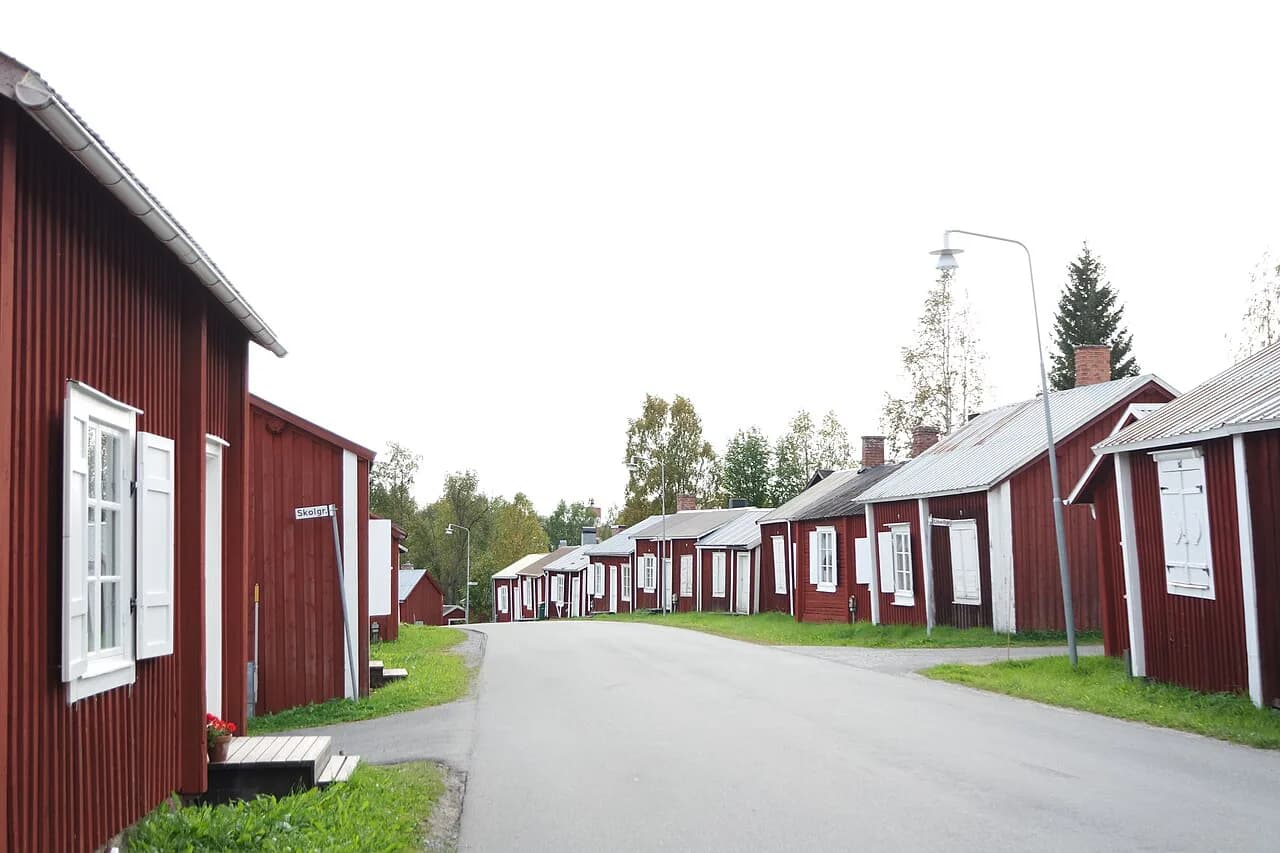
The centrepiece is Nederluleå Church, a late medieval stone building, ringed by 424 wood-built houses that stand largely as they were laid out. Snow and low light change the character of the place considerably compared with summer, so the timing of your visit matters as much as the route.
What Gammelstad Church Town is and why it is a World Heritage Site
Gammelstad sits at the head of the Gulf of Bothnia and is the best-preserved of the church villages that once dotted northern Sweden, which is the reason for its place on the UNESCO World Heritage list. The model was practical rather than decorative: scattered farming communities could not reach a parish church and return home in a day, so they built small cottages to sleep in around services and festivals.
That history is what you actually walk through. The cottages are modest timber houses arranged tightly around the church rather than a village of permanent residents, and the whole ensemble reads as a single historic layout rather than a scatter of individual sights.
Allow time to look at the buildings themselves rather than treating the church as the only stop, because the relationship between the church and the surrounding cottages is the point of the site.
Where Gammelstad sits on the map relative to Luleå
The church town lies about 10 kilometres upstream along the Lule River from the coast, close enough to Luleå to work as a half-day trip from a city hotel. It is a separate settlement from the modern town centre, not a district you stumble into while sightseeing in Luleå.
Practically, that means planning it as a short excursion: travel out, walk the church town, and return before the light goes. Because it sits outside the built-up centre, the surrounding area is quieter and darker than downtown Luleå, which matters if you plan to combine the visit with an evening of aurora watching.
When the church town and Hägnan open, by season
Gammelstad Church Town and the adjacent open-air museum Hägnan are run as two distinct sites under one visitor organisation, with a Visitor Center serving both and an events calendar that shifts through the year. Opening arrangements for the Visitor Center and Hägnan vary by season, so the Visit Gammelstad page is the place to fix your dates before travelling out.
Group bookings are offered year-round according to Visit Gammelstad's own information, which makes a guided arrangement a sensible option outside the main visitor season. Guided tours of the World Heritage church town run on selected dates rather than continuously, so match your Luleå dates to the published calendar instead of assuming a daily departure.
Winter in Gammelstad: short daylight, snow and the outdoor museum
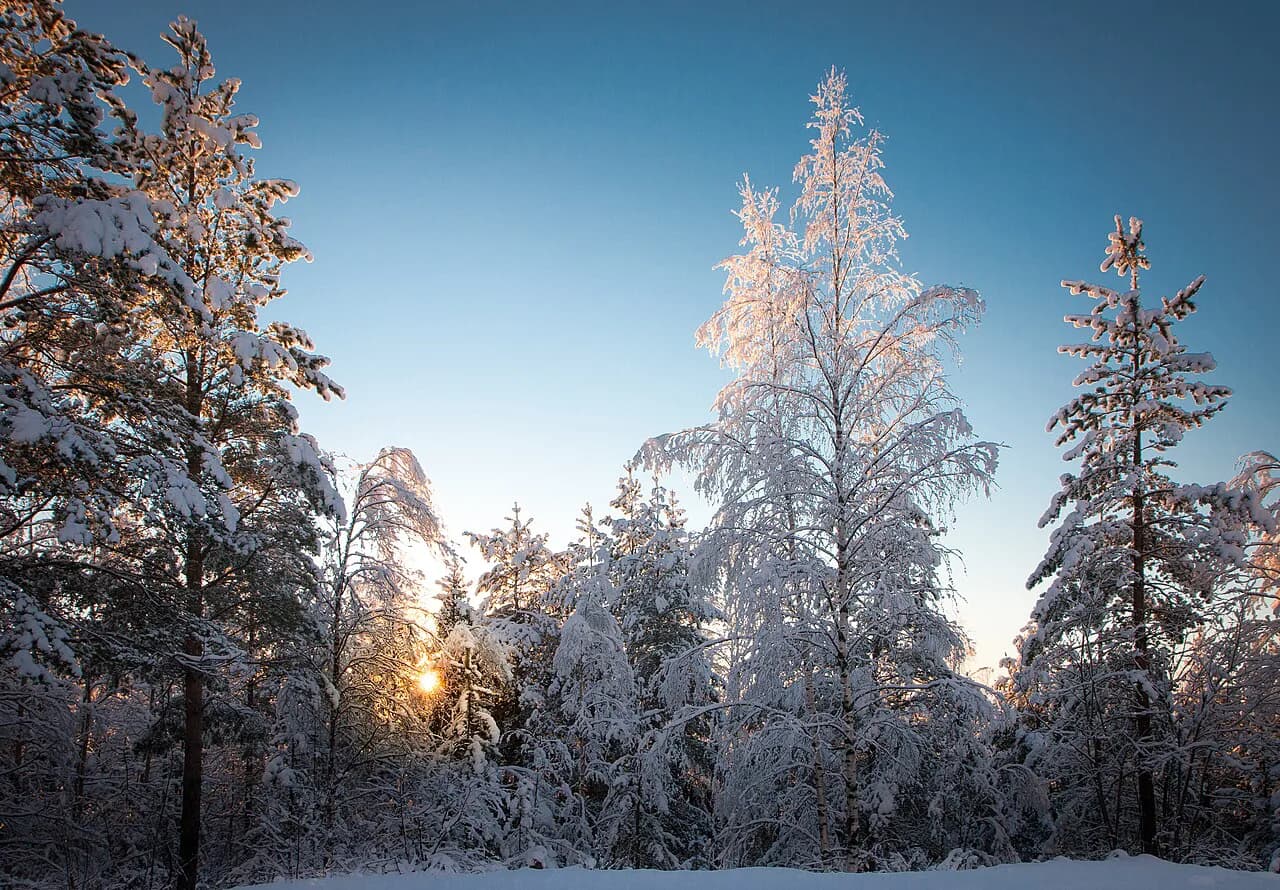
At this latitude the winter day is brief, and December in particular leaves only a narrow window of usable daylight, so treat a winter visit as a morning or early-afternoon outing. Snow cover on the cottages and churchyard is what gives the site its winter character, and the short walkable layout means you can see the core of it without covering long distances in the cold.
Hägnan, the open-air museum beside the church town, is an outdoor site of historic buildings, so its appeal in winter depends on what is programmed rather than on wandering between closed houses. Check the events calendar for what is running during your dates and plan the church town itself as the fixed part of the trip.
A digital guide to Gammelstad is available through the site's own app, which is useful when you are walking the church town outside staffed hours and want context on individual buildings.
The Nederluleå Church and the 424 wooden cottages
Nederluleå Church is described as the largest late medieval stone church in northern Sweden, and it anchors the whole layout. Its scale is a reminder that this was the parish church for a wide, thinly populated hinterland rather than for a small village.
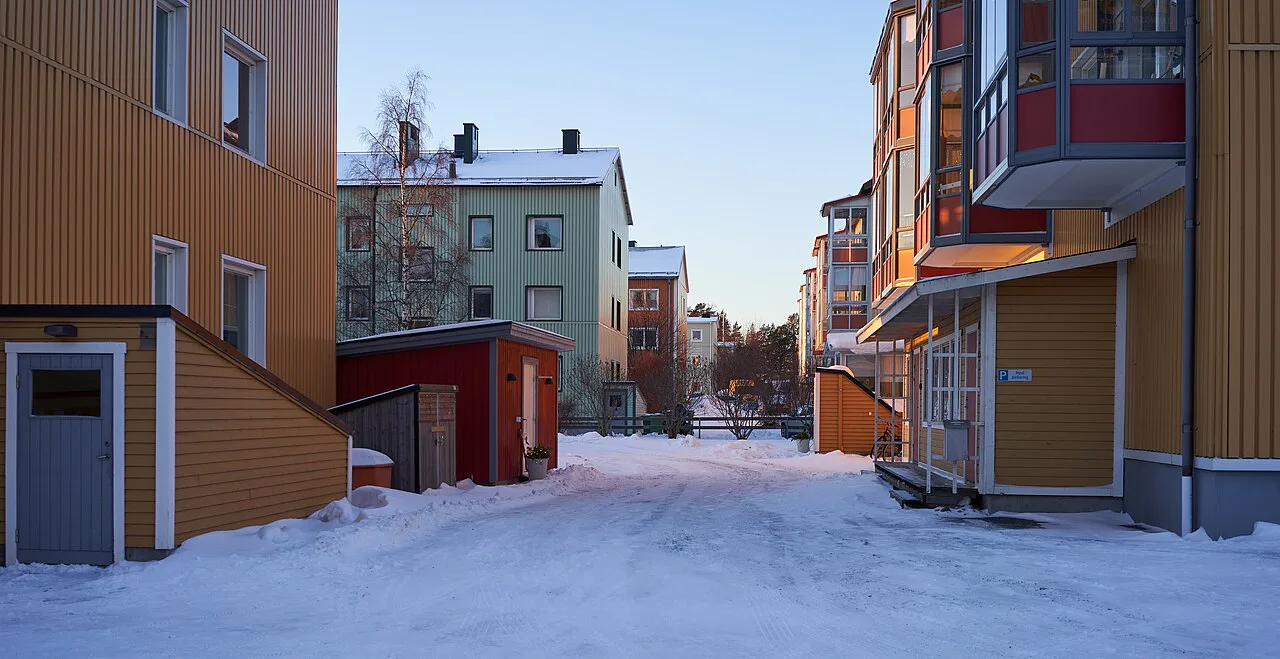
Around it stand 424 wood-built houses, and the figure is worth holding onto because it explains the density you see: this was accommodation for a large dispersed congregation, not a merchant town. Walk the lanes between the cottages rather than only the open ground in front of the church.
Guided tours of the World Heritage site
Guided tours of the church town run from the Gammelstad Visitor Center on scheduled dates, which is the most efficient way to get the church-village story straight in a short winter visit. A guide also solves the problem of interpreting locked or unmarked buildings that you would otherwise pass without context.
For groups, tours can be arranged year-round through the site, which suits families or small parties travelling in the darker months when general departures are thinner. Booking details and any charges are handled by the visitor organisation, so settle those directly when you reserve.
Hägnan open-air museum: what the houses show
Hägnan is a separate open-air museum next to the World Heritage church town, and it works as a complement rather than a substitute: the church town shows the religious settlement, Hägnan shows the wider regional buildings and everyday life. Plan them as two stops with the Visitor Center as your orientation point between them.
Because Hägnan is largely outdoors, winter programming is the deciding factor for whether it deserves a slot in a short daylight day. Look at what is scheduled for your week before allocating time to it.
Gammelstad as an aurora base: darkness, light pollution and nearby dark spots
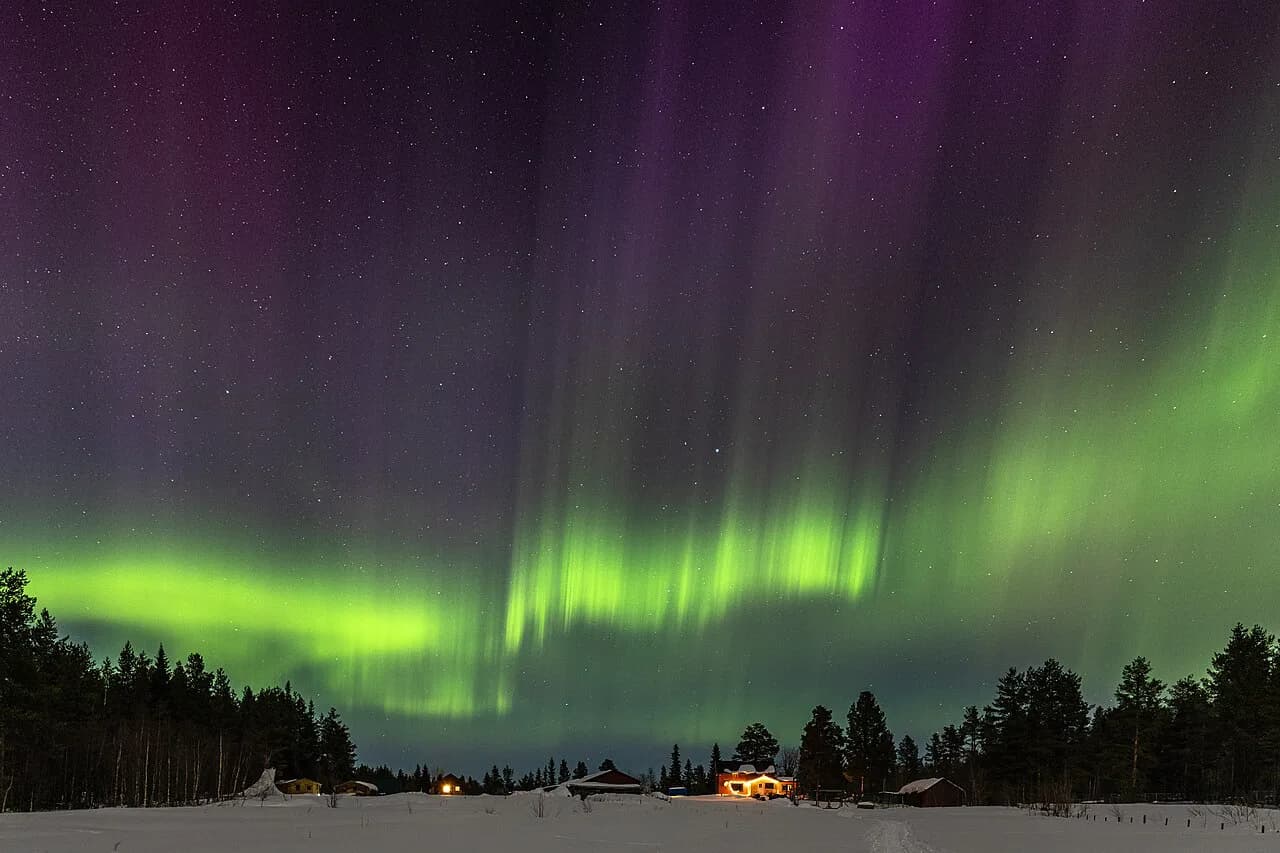
The church town is a lit, inhabited heritage site near a working city, so it is not a dark-sky observation point in itself; save your aurora hours for places away from street and building lighting. What Gammelstad offers is a daytime cultural stop that sits conveniently outside central Luleå, letting you spend the dark evening elsewhere.
For actual viewing, look for open ground away from town lights with a clear northern horizon, such as the frozen coastal fringe or quiet roads inland from Luleå. Aurora requires both solar activity and clear sky, and the practical variable you control is cloud: coastal Luleå and the inland forests often differ, so being willing to move improves your odds.
If you want a base designed around dark skies rather than a city hotel, lodges in the forests inland from Luleå are built for exactly that, and Treehotel in Harads, Sweden is a well-known example in the same region.
Self-guided wandering versus a booked tour
Wandering the church town on your own works well because the layout is compact and the app supplies context, and it costs you nothing beyond getting there. Choose this if your priority is the place itself and you can accept that some buildings may be closed or unexplained.
A booked tour makes more sense in winter when daylight is short and you want the history delivered efficiently, or when travelling with a group that includes children. For aurora itself, book a night tour or chase with a local operator rather than expecting the church town to deliver darkness.
How many nights to plan around Luleå
Three to four nights in Luleå gives you a fair spread of evenings for clear skies, one daylight slot for Gammelstad and a margin for a cloudy night or two. A single night is a gamble at any aurora destination, and no itinerary can promise a sighting.
Use the daylight hours for the church town and Hägnan, and keep the evenings free and flexible so you can move toward clearer sky when the forecast shifts. That structure is what makes a short winter trip work rather than a packed daytime schedule that leaves no energy for the night.
Who Gammelstad suits and who should look elsewhere
Gammelstad suits travellers who want a genuine historical site within easy reach of a city, families with children who need a short, walkable outing, and anyone combining culture with aurora nights around Luleå. It rewards curiosity about how northern Sweden was settled rather than a checklist of attractions.
If your trip is purely about glass igloos, wilderness lodges and long dark-sky nights, base yourself deeper in Swedish Lapland and treat Luleå as a transport hub instead. Our Swedish Lapland northern lights guide covers where those darker bases sit and how to choose between them.
Other winter stops near Luleå
Beyond the church town, Luleå itself has a compact winter centre and a frozen archipelago fringe that is worth a walk in good conditions, and the city is the natural base for day trips in the region. Carry the rest of your plan around the darkness rather than the clock.
Inland, Harads is home to Treehotel and the Arctic Bath in Harads, Swedish Lapland, both of which pair well with a Luleå arrival if you want a night or two in the forest.
Plan Your Visit
Build a Luleå winter trip around Gammelstad as a daylight excursion and the surrounding dark country as your aurora hours, keeping evenings loose so you can follow clear sky. Fix your dates against the Visit Gammelstad calendar and reserve any guided tour before you travel.
Frequently Asked Questions
How far is Gammelstad Church Town from Luleå?
Gammelstad lies about 10 kilometres upstream along the Lule River from the coast, close enough to Luleå to visit as a half-day trip. It is a separate settlement from the modern city centre, so plan transport out and back rather than expecting to walk there from a downtown hotel.
Is Gammelstad Church Town open in winter?
The church town and the adjacent Hägnan museum are managed together with a Visitor Center, and opening arrangements vary by season. Group bookings are offered year-round, and guided tours of the World Heritage site run on selected dates listed on the Visit Gammelstad calendar.
How old is the Nederluleå Church?
Nederluleå Church is a late medieval stone building and is described as the largest late medieval stone church in northern Sweden. It stands at the centre of the church town, surrounded by the wooden cottages that made up the historic village.
Can you see the northern lights from Gammelstad?
The church town is a lit heritage site near a city, so it is not a dark-sky viewing spot. Aurora requires solar activity and clear skies, so plan your viewing away from town lighting with an open northern horizon and stay flexible on location.
Do you need a tour to visit Gammelstad Church Town?
No. The layout is compact and walkable, and a digital guide through the site's app gives context on the buildings. A guided tour helps in winter when daylight is short and you want the church-village history explained efficiently.
How many nights should you spend in Luleå for aurora?
Three to four nights gives a fair spread of evenings for clear skies plus a daylight slot for Gammelstad. Any single night is a gamble, and no itinerary can guarantee a sighting.
Sources
Notes for your Arctic winter trip
Optional updates to our northern lights guides.
You might also like
Continue reading
More guides you'll find useful