Luleå Northern Lights: Season, Viewing Spots and Tours
Plan a northern lights trip to Luleå, Sweden: when the aurora season runs, dark viewing spots away from city lights, and small-group tours by car.
On this page
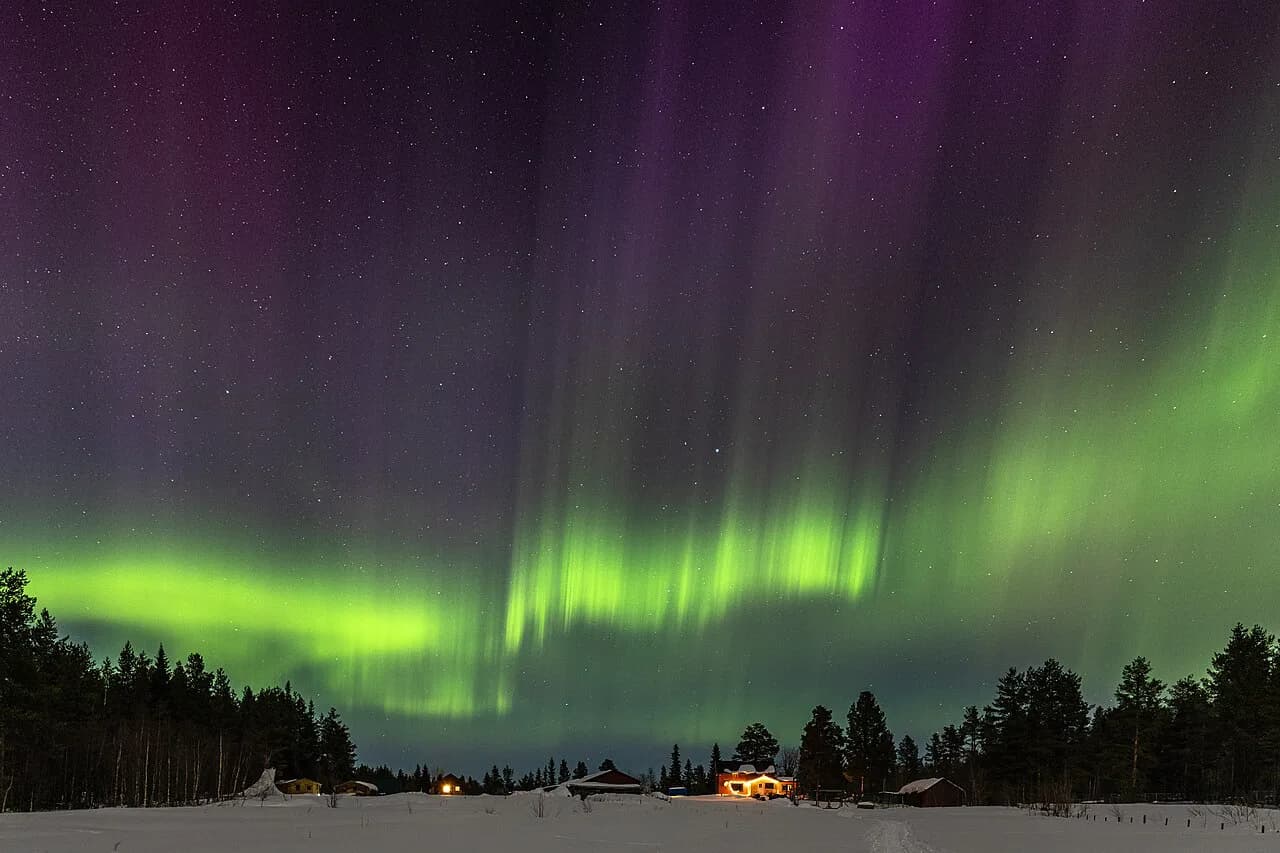
Luleå gives you a northern lights trip built around two simple advantages: a coastal position in Swedish Norrbotten with long, dark winter nights, and quick access to unlit forest and shoreline once you leave the city. It suits travelers who want a compact city base with restaurants and hotels, plus a car or a guide to reach genuinely dark sky within the same evening.
The aurora is never guaranteed, and no operator can promise it. What you can control is the number of dark nights you spend here and whether you have the mobility to drive away from cloud and city glare, which is exactly how the local tours are structured.
Why Luleå works for aurora watching
Luleå sits in Norrbotten County on the edge of the Bay of Bothnia, far enough north that aurora displays are a regular feature of the dark season rather than a rare event. The city itself generates light pollution, so the practical strategy is to treat Luleå as your base and the surrounding coast and forest as your viewing ground.
A sighting depends on two things coming together: solar activity that pushes charged particles into the upper atmosphere, and a clear sky between you and it. Cloud is the variable that most often spoils a night on this coast, so mobility matters as much as the forecast. The city tourism office introduces the phenomenon and its local context.
Winter here is genuinely cold, and Farmstay Sweden puts the average temperature around minus 20 degrees Celsius, which is why a heated vehicle and a fire at the stopping point make a real difference to how long you can stay outside watching. Frozen sea ice and snow-covered forest also mean open, treeless stretches of coast can be the darkest and clearest places to stand.
When the aurora season runs in Luleå
The aurora season in and around Luleå runs from September through April, when nights are long enough for the sky to be properly dark. September and early October still have open water and softer weather, while November through February bring the deepest darkness but also the hardest cold.
Farmstay Sweden advises that the best window is late September to late March, when the prolonged Arctic night creates the darkest conditions and the longest hours available for watching. Late March and early April stretch daylight quickly but still deliver dark nights, and the cold usually eases.
Midwinter days are short, with only a few hours of pale light around the middle of the day, so plan daytime activities like Gammelstad Church Town for the brightest part of the morning and keep the evening free. Around midwinter you can be out watching soon after an early dinner and still be back at your hotel at a reasonable hour.
Swedish Lapland covers a wide spread of latitudes, and inland bases such as Abisko National Park sit in a different weather regime from the coast. If your dates are flexible and clear skies are your priority, it is worth comparing the continental inland record against Luleå's coastal pattern before you commit, and a Kemi northern lights guide shows how the Finnish side of the same coast compares for the same decision.
Where to look around Luleå
The reliable formula is an open, unobstructed view with no nearby lights: a frozen bay shore, a cleared forest lake or a field away from buildings and streetlamps. Farmstay Sweden singles out open spaces without buildings or trees and with no lights nearby as the prime conditions, which is why a clearing beats a forest edge every time.
The city centre itself is bright, so walking a few streets away from the main grid is not enough on a weak night; you need to leave the built-up area. Driving out along the coast or into the forest roads gives you the dark, open horizon that makes even a modest display visible to the naked eye and easy to photograph.
If you are driving yourself, winter tyres are essential and the rural roads can be icy or uncleared. Farmstay Sweden recommends sticking to roads that are ploughed and salted and carrying a shovel, reflectors and a torch, so choose your stopping place with the return drive in mind rather than pushing far down an untreated track.
Photographers should bring a tripod or borrow one, and a camera that allows long exposures; modern phones can produce usable results, but a stable support matters more than the device. A fire, a hot drink and reindeer skins to sit on are the standard comforts at a roadside stop, and they let you wait out a passing cloud band in relative warmth.
Self-guided chasing versus a guided tour
Self-driving gives you total freedom over timing and location, but it also puts the routing decisions, the winter road conditions and the forecast interpretation on you. On a cloudy coastal evening, the ability to reposition tens of kilometres inland is what separates a frustrating night from a good one, and a local guide makes that call with live weather and aurora data.
A guided tour buys you that mobility plus a driver who knows which roads are passable after snow. The trade-off is a fixed departure and a shared schedule, so if you have your own car and are comfortable on winter roads, self-guided chasing with a flexible plan can work well for a confident driver.
Most operators run their vehicle-based searches in the evening, with pick-up from central accommodation and a return the same night. Luleå Travel's car tour, for example, starts at 20:00 and runs about three hours, which keeps the night short enough to combine with a full daytime programme.
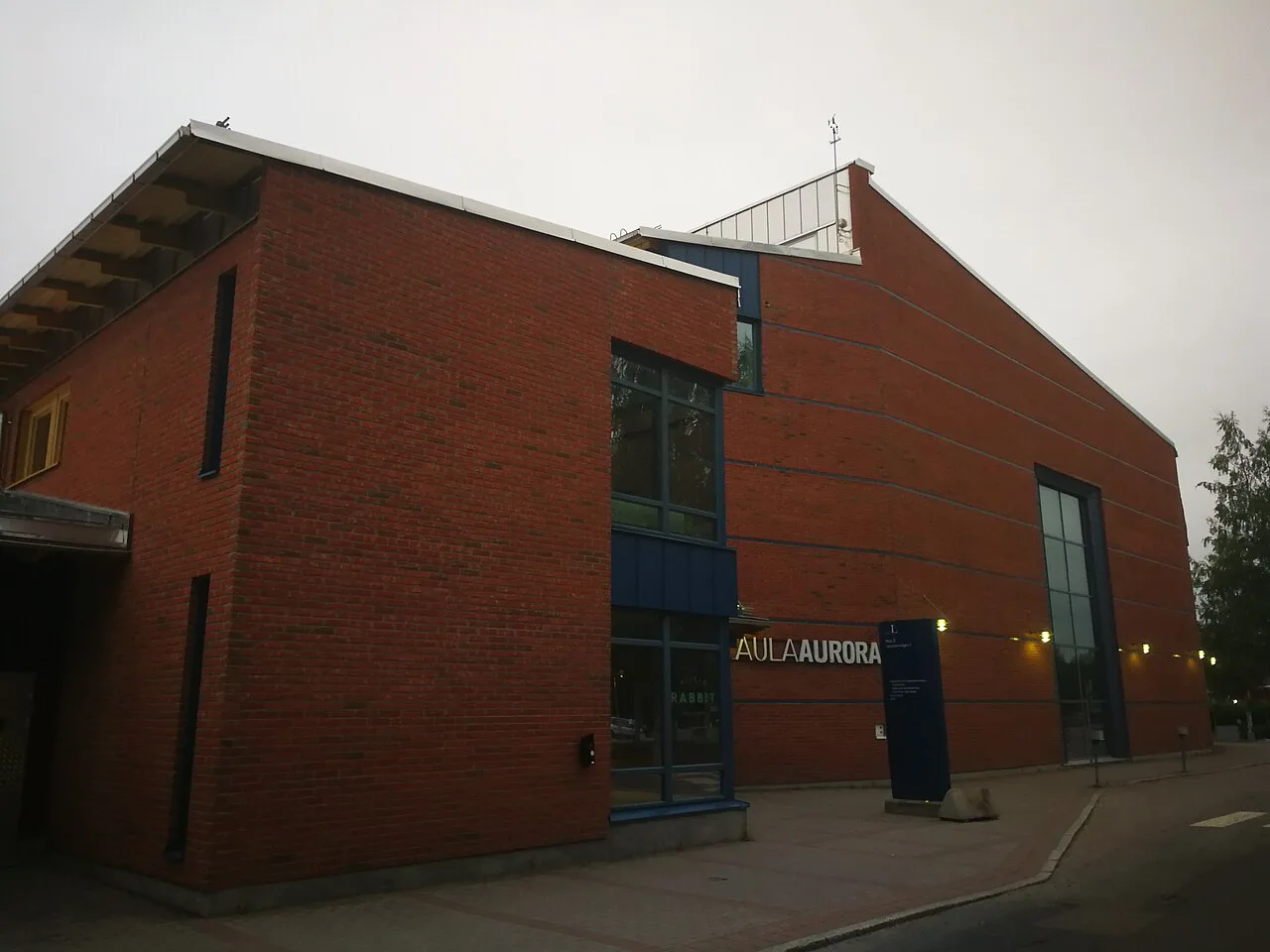
Luleå Travel's northern lights tour by car
Luleå Travel runs a small-group car tour from September to April, departing at 20:00 and lasting roughly three hours. The price is SEK 1290 per person, the group is capped at eight guests, and a minimum of two people is needed for the tour to run.
Pick-up and drop-off are from your accommodation in central Luleå, so you do not need a car to join. The guide collects the group, checks local weather and aurora forecasts, and then decides where to drive, visiting several promising viewing locations over the evening rather than committing to one spot.
Included in the price are the hotel transfer, a guide, photography tips, free use of a tripod, a fire, hot beverages and local delicacies. The minimum age is five, which makes it workable for families, and the small group size keeps the stop personal rather than crowded.
Luleå Travel states plainly that the northern lights are a natural phenomenon and that a sighting cannot be guaranteed. Treat the tour as a well-organized, comfortable way to spend a dark evening in the right places, and book it for the night with the best forecast within your stay rather than as your only chance.
Snowshoe and snowmobile aurora options
If you would rather move under your own power, Luleå Travel also offers a northern lights tour on snowshoes, which trades the heated car for a slower walk into the dark. It suits travelers who want quiet and a bit of exercise, but it is more weather-exposed than the car tour.
Snowmobile versions cover ground faster and reach spots further from the road network, and they appear in the same winter activity lineup alongside dog sledding and icebreaker cruises. Snowmobile driving usually requires a licence and a safety briefing, so ask about those conditions when you book rather than assuming you can drive yourself.
Whatever the mode, the format is similar: a guided evening, a stop away from lights, and a warm drink while you wait for a gap in the cloud. If you are prone to cold, the car tour is the gentler option, while the active tours reward travelers who want the movement to be part of the experience.
Aurora-friendly places to stay
Farmstay Sweden points to lodges and cabins with direct sky views, naming Pine Bay Lodge and Brändön Lodge as places where you can watch from the property rather than driving out. A cabin outside the city centre means you can step outside between courses of dinner and look up, which is a real advantage over a downtown hotel room.
A central Luleå hotel is the more practical base if you plan to join tours with pick-up from your accommodation, and it keeps restaurants and transport within walking distance. Weigh that convenience against the darker surroundings of a lodge, and remember that a lodge still needs clear sky on the night.
Travelers who want design-led forest stays often extend the trip inland. Treehotel in Harads, Sweden, puts you in a forest setting well away from town lights, and Arctic Bath in Harads, Swedish Lapland combines a river setting with a cold-weather spa, both useful as a second base if you have several nights.
How many nights to allow
Farmstay Sweden's guidance is to dedicate several nights to the hunt and notes stays of two to three nights on average. Two nights gives you one backup if the first is clouded out; three or more meaningfully raises the chance of at least one clear, active evening.
Because cloud is the limiting factor here rather than solar activity, adding nights usually beats adding activities. If your trip is short, put the aurora tour early so a cancelled or cloudy night still leaves room to rebook before you fly home.
It also helps to keep one evening free of a fixed booking. A clear forecast can appear at short notice, and having a flexible night lets you join a tour or drive out without abandoning something you have already paid for.
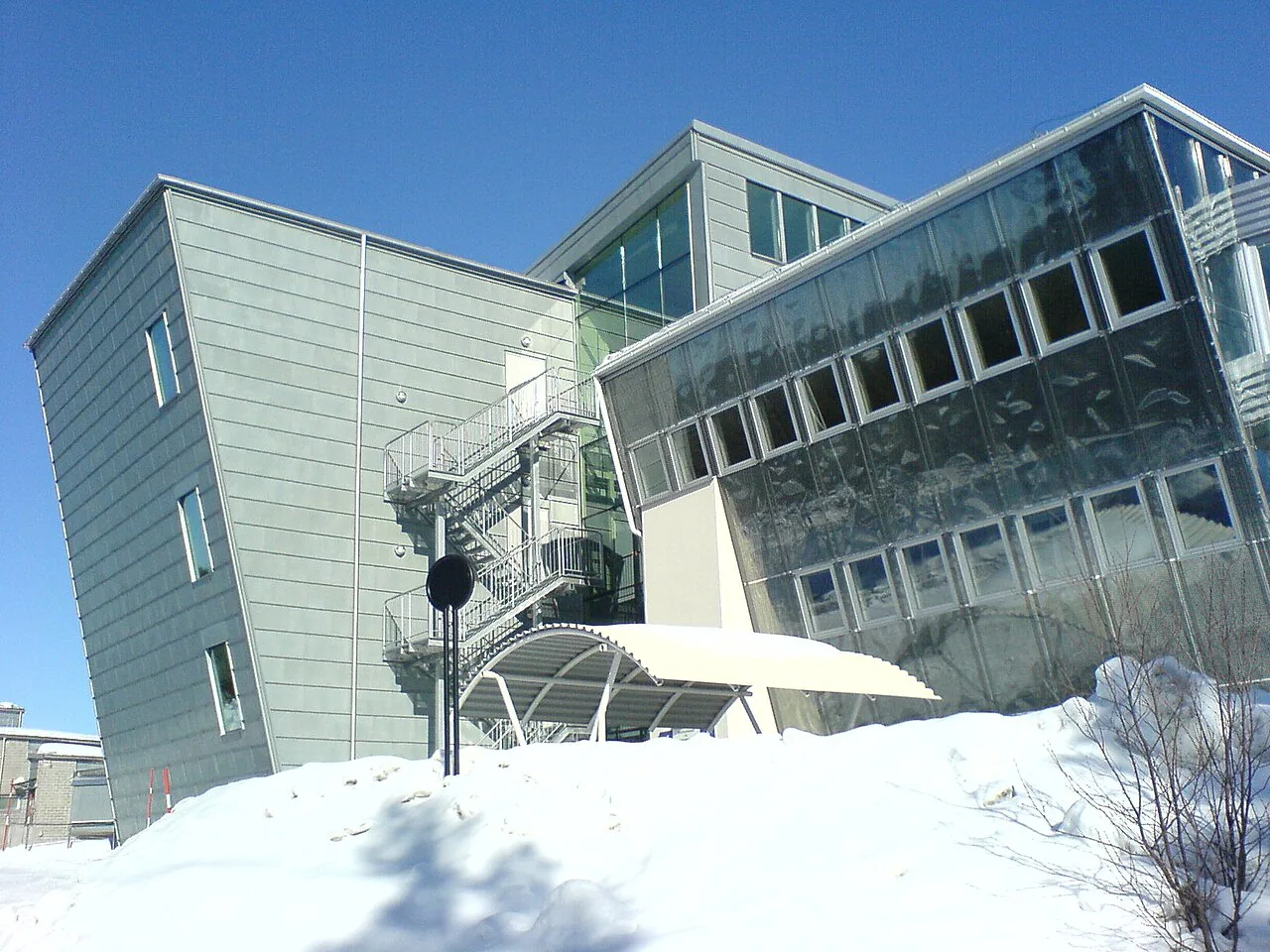
Pairing aurora nights with winter days
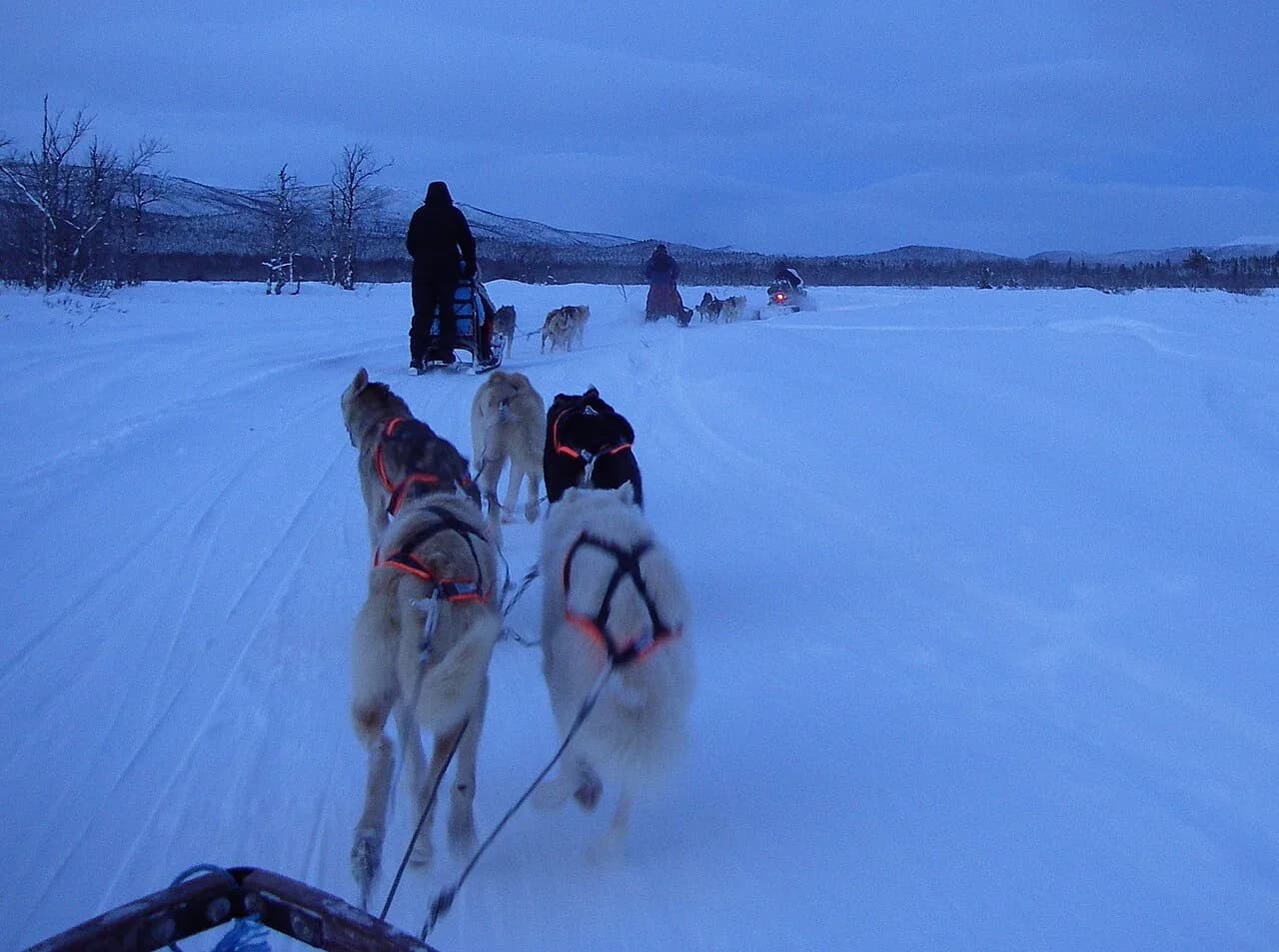
Daylight hours are limited in midwinter, so the practical pattern is one daytime activity and one evening out. Husky sledding, snowmobiling, ice fishing and cross-country skiing all run from Luleå in winter, and an icebreaker cruise is a popular half-day option on the frozen sea.
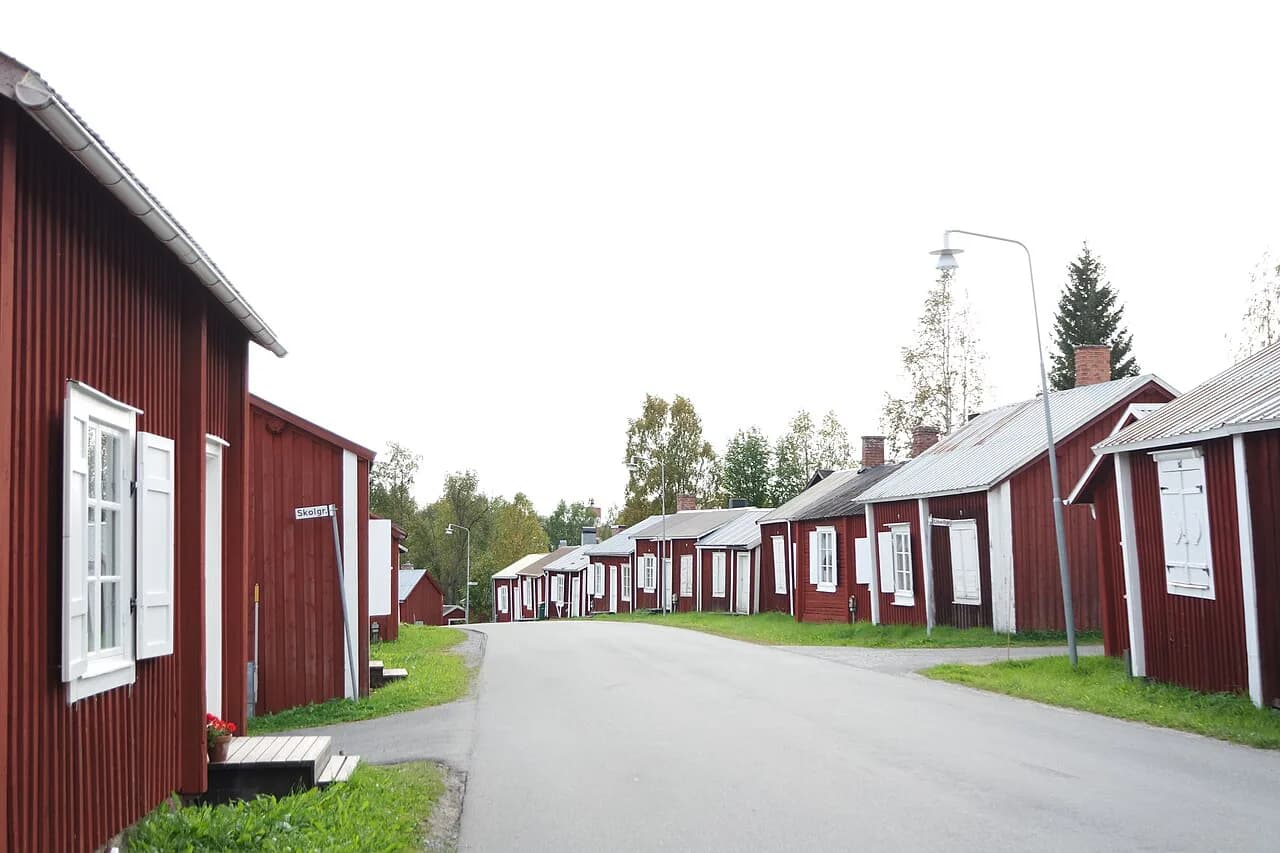
The UNESCO-listed Gammelstad Church Town, with Nederluleå Church at its centre and the Hägnan open-air museum nearby, is a half-day visit that fits comfortably before an evening tour. The wooden church cottages are at their most atmospheric under snow, and the site is a short trip from the city.
If you want a broader picture of how the winter season works along this coast, from sea ice to city life, it helps to read up on Visit Luleå's northern lights pages before you book.
Reading forecasts and cloud cover
Kp values describe how disturbed the magnetic field is expected to be, but they are guidance only and say nothing about whether cloud will block your view from Luleå. A high Kp under thick cloud gives you nothing, while a modest reading through a clear gap can light up the whole sky.
Farmstay Sweden used NOAA's space weather pages as a rough guide to activity and recommends following the active Norrsken Sverige community for real-time reports. Pair an activity forecast with a cloud forecast for the Luleå area, then check current conditions with Luleå Travel or a local report before you drive out.
Look at the sky yourself, too: if stars are visible overhead, the cloud is thin enough for a display to show, and if the horizon is closing in, moving inland is often the better bet. A short drive can take you from overcast coast to a clear inland sky, which is the single most useful decision you can make on the night.
Plan Your Visit
Luleå rewards travelers who treat it as a base and give themselves two or three dark nights, with a mix of self-drive flexibility and one guided car tour. The aurora does the rest when the sky clears, and no one can schedule that.
Book the car tour for early in your stay so a cloudy night leaves room to rebook, and use the daytime for Gammelstad, husky sledding or a snowshoe walk. If you later want to compare other Swedish bases, weigh coastal Luleå against inland Abisko National Park for a different weather profile.
Explore more Luleå northern lights guides
Frequently Asked Questions
Is Luleå in the Arctic Circle?
Luleå lies in Norrbotten County on the Bay of Bothnia, at a latitude where aurora displays are a regular feature of the dark season. Its coastal position means weather and cloud vary more than at some inland bases, so plan several nights.
What is the best month to see the northern lights in Luleå?
Farmstay Sweden advises late September to late March, when the prolonged Arctic night gives the most dark hours. September to April is the full tour season, and any clear night within it can deliver a display.
Can you see the northern lights in Luleå without a tour?
Yes, if you have a car and can drive to open, unlit ground away from the city. Winter tyres and careful route choice on ploughed roads are essential, and you should be confident on snow and ice before heading out at night.
How many nights should you plan for aurora watching in Luleå?
Farmstay Sweden recommends several nights and notes stays of two to three nights on average. Three nights gives you a realistic buffer against cloud, which is the main reason a display is missed here.
What is included in a Luleå northern lights tour?
Luleå Travel's car tour includes central hotel transfer, a guide, photography tips, free tripod use, a fire, hot drinks and local delicacies. It runs about three hours from 20:00 with a maximum of eight guests and a minimum age of five.
Can a tour guarantee you will see the northern lights?
No. Luleå Travel states that the northern lights are a natural phenomenon and that a sighting cannot be guaranteed. Booking early in your stay and keeping a backup night is the practical way to improve your odds.
Sources
Notes for your Arctic winter trip
Optional updates to our northern lights guides.
You might also like
Continue reading
More guides you'll find useful