Kemi Northern Lights Tours: How to Choose a Night Chase
Kemi northern lights tours run a short drive from town into dark open sky. Compare formats, durations, inclusions and cancellation terms before booking.
On this page
Kemi sits on Bothnian Bay in Finnish Lapland, close to the Gulf of Bothnia coast and far enough north that dark winter nights regularly bring aurora activity overhead. For travelers who want a structured night out rather than a self-driven search, the town's tour scene is compact and easy to read: a pickup at your hotel, a short transfer away from street lights, and a couple of hours under open sky. That makes Kemi a good base for travelers combining aurora evenings with the area's winter sights, including the snowcastle kemi is known for.
The season is long by Arctic standards. One operator runs its chase daily from 14 December to 9 April, which covers the darkest weeks but leaves out the late-autumn and early-spring nights when clear skies often arrive with milder temperatures. Tour formats range from a campfire chase by minibus to snowmobile and animal-based safaris, and each trades comfort, cost and flexibility differently. Booking early in a stay leaves room to rebook if clouds win the first night.
Why Kemi sits in the aurora belt and what the season looks like
Aurora displays need dark skies and an active magnetosphere, and Kemi's northern latitude puts the auroral oval overhead on many winter nights. Solar activity drives whether a given night produces a display, and cloud cover decides whether you can see it, so a clear forecast matters as much as a strong Kp reading. Treat Kp as background guidance rather than a promise for a specific date, and use our guide to kemi northern lights for the seasonal and viewing context behind the tours.
The practical season runs from late August and September, when nights darken again, through early April, with the deepest darkness from December into February. The bookable chase season from a Kemi operator starts in mid-December and ends in early April, so travelers arriving in September or October should look for other formats or a self-driven plan. Winter daylight is short in December but long enough by March for daytime activities before an evening tour.
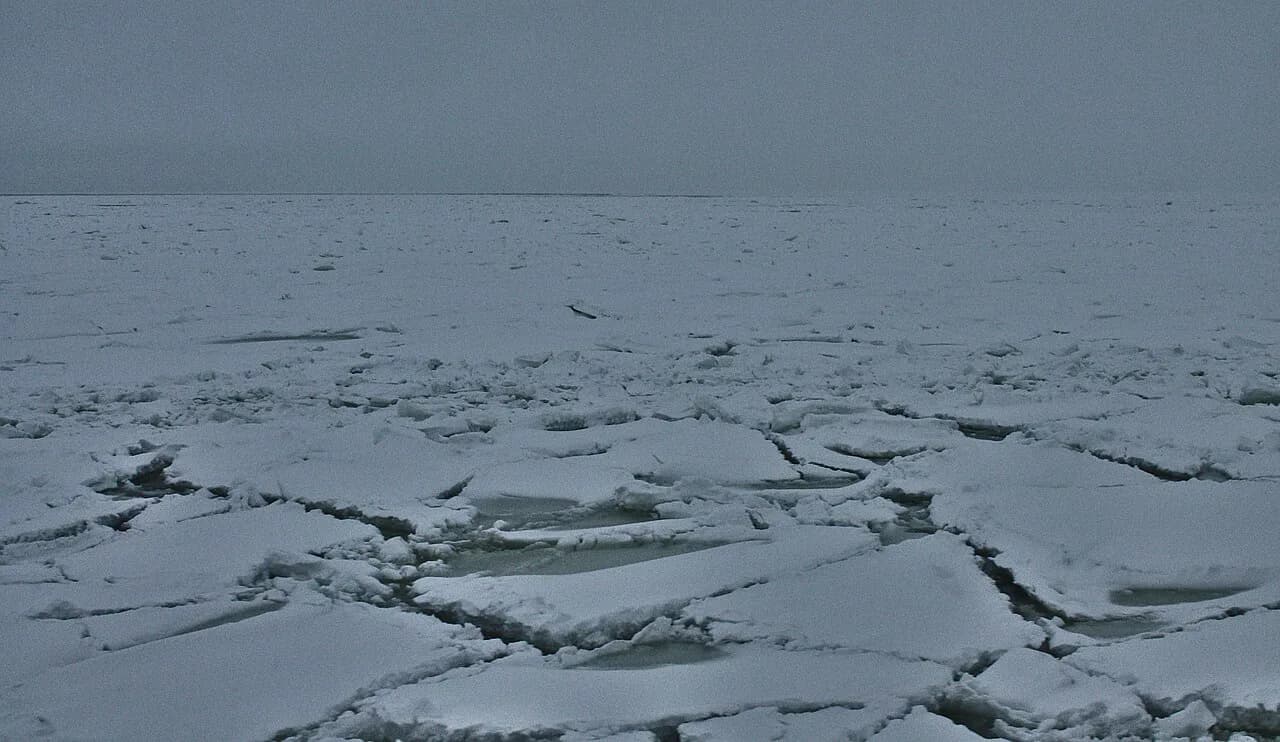
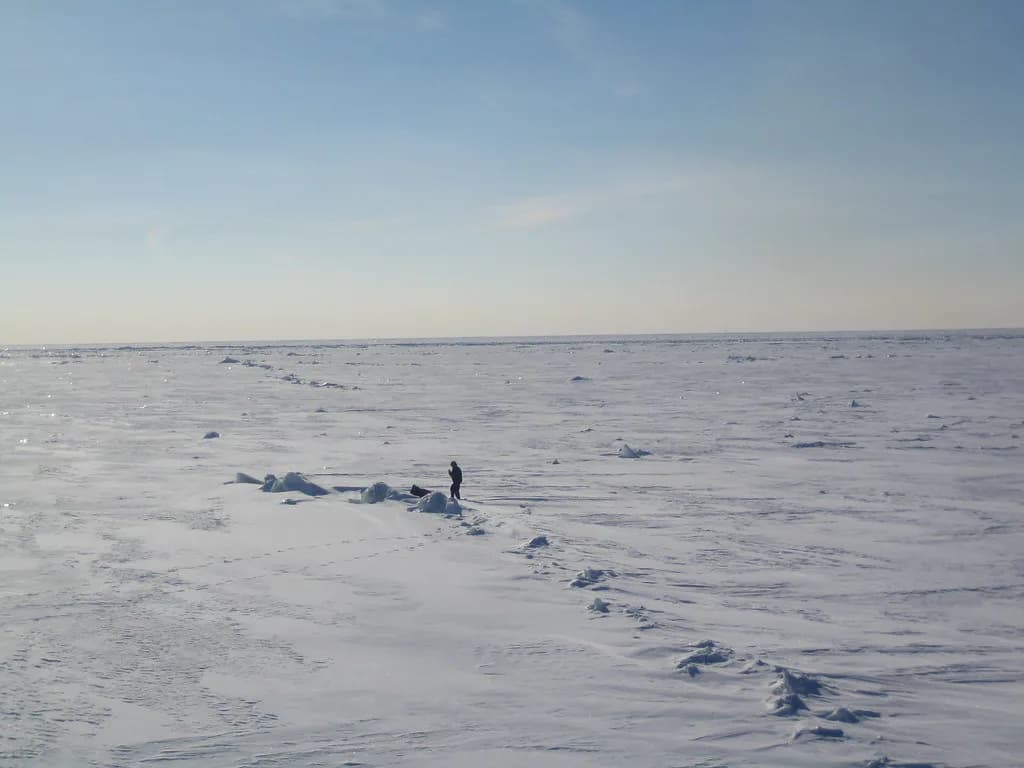
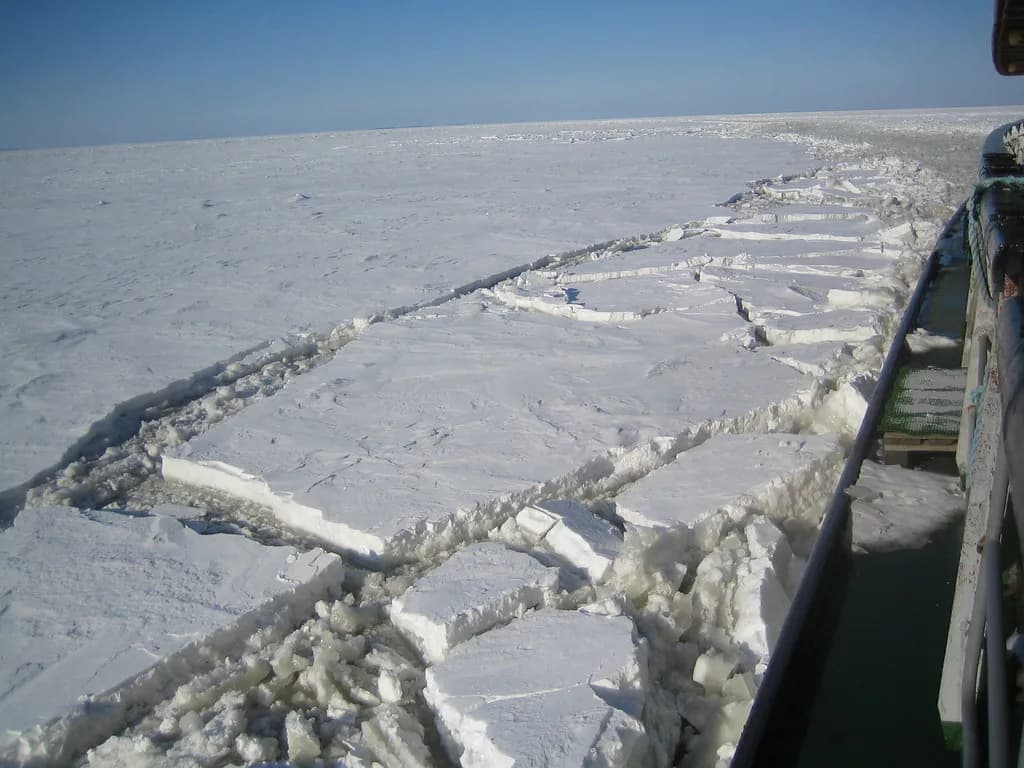
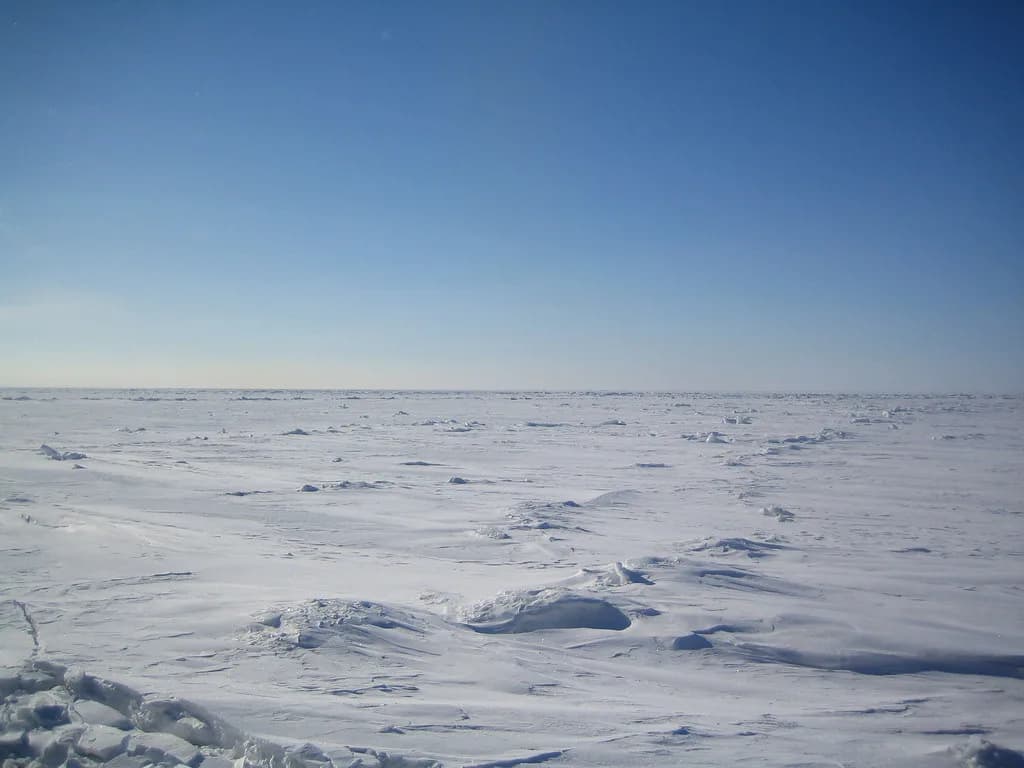
Snow and sea ice shape the experience: Bothnian Bay freezes in a normal winter, and the coast around Kemi is known for its ice. Temperatures can drop well below freezing, and Authentic Scandinavia supplies thermal overalls, boots, wool socks and gloves on its chase, so you do not need to buy expedition gear for one night. That lending matters most on a long campfire stop, where sitting still is colder than walking.
Where the dark sky sits relative to town
Kemi is small enough that street lighting fades quickly outside the center, and the standard chase drives you away from town to a spot with an open view of the dark Arctic sky. The format involves a short walk from the vehicle to the viewing place, so the thermal boots supplied on the tour are doing real work rather than posing for photos. You are not expected to find the spot yourself on a booked chase.
Some tour listings in the region describe viewpoints on higher ground away from settlement, including a location in Kivalo around 100 meters above sea level with a clear, starry sky. Raised ground can help you clear low cloud and local light, but it does not replace a cloud forecast. Ask your tour company where the night's chosen spot is and how long the transfer takes, because a shorter drive means more time under the sky.
If you plan to chase on your own, the roads leading away from Kemi toward the surrounding forest and coast are where the darkness is, and you need a car with winter tires and a driver comfortable on snow. The trade-off is real: self-driving gives you freedom to move when clouds shift, but it also means you carry the navigation, the fuel and the decision-making at night. A booked chase removes those tasks and adds a guide who knows local conditions.
The campfire chase format: what a typical Kemi night includes
The most common Kemi product is a guided chase with hotel pickup, a transfer away from city lights, a campfire, grilled sausage and hot juice, and a guide talking through aurora facts and myths while you wait. The whole outing is short, built around a single viewing location rather than a long multi-stop hunt. That structure suits families and travelers who want a contained evening rather than a late-night expedition.
Inclusions on that format are clearly stated: thermal clothing (overall, boots, wool socks and gloves), an English-speaking guide, the campfire food and drink, and transfer from your hotel in Kemi. A minimum of 2 participants applies, though a solo traveler can still book on nights when others are going. The child rate is a 40 percent discount for ages 4 to 12 when traveling with two full-paying adults.
Authentic Scandinavia is explicit that northern light observations are never guaranteed and depend on solar activity and clear sky. If the group sees nothing, no refund follows, because the tour itself ran as planned. That is the normal structure of aurora tours rather than a hard bargain, and it is why many travelers book more than one night. Read the cancellation line on the Authentic Scandinavia booking page so you know which scenario you are in.
Timing a tour: departure, duration and the aurora hours
One published chase departs at 21:00 and lasts about 2.5 hours, with English guiding throughout. That schedule puts you in the dark window around the middle of the evening and returns you to your hotel before midnight, which keeps the next morning usable for the icebreaker or a snow day. Confirm the pickup time with your hotel when you book, since the transfer starts before the stated departure.
Aurora activity can occur at any hour of darkness, and some nights peak after midnight, so a 2.5-hour window is a sample rather than a sweep of the whole night. If the display is your main reason for the trip, look for longer formats or plan several nights so a short window is not your only chance. A 21:00 start also means you eat dinner before pickup rather than at camp.
Check whether your chase is sold as a standalone booking or bundled with a package, because some operators only sell it in combination with one of their tours. That detail changes how you build a Kemi itinerary: a bundled chase locks the night into the package schedule, while a standalone tour lets you slot it around other plans. Ask at booking whether pickup is from your specific hotel or a nearby meeting point.
Self-guided chasing versus a booked tour from Kemi
Self-guided chasing from Kemi means driving out of town to a dark road or shoreline, watching the sky, and moving when cloud thickens. It costs only fuel and your time, and it gives you the option to stay out until 2 a.m. if the sky opens. The catch is that you need a winter-ready car, a confident night driver and enough local knowledge to avoid ending up on a poor sightline or an unplowed road.
A booked tour buys you the guide's local knowledge, transport, warm clothing and a campfire, and it removes the risk of getting lost on unfamiliar roads in the dark. You also get the guide's explanations of aurora science and folklore, which many travelers value as much as the display itself. Group sizes on the Kemi products are set by each tour company, so ask how many people will share the vehicle and fire if that matters to you.
A sensible compromise is one booked chase early in your stay for orientation, then a self-drive night later if the forecast looks promising and you have a car. That way you learn the dark-sky routes and the local weather patterns without carrying all the risk on your first night. Comparing finnish lapland northern lights tours across the region shows how much variety sits within a few hours of Kemi.
Snowmobile, husky and other tour formats in the area
Beyond the campfire chase, Kemi's tour market includes snowmobile safaris, husky and reindeer experiences and photography-focused outings, listed on the major booking platforms for the town. These formats trade the campfire's stillness for movement and speed, which keeps you warmer on very cold nights but gives you less time standing and watching. Snowmobile tours usually require a driving license for the driver and carry a fuel surcharge or damage excess that appears in the terms.
Animal-based safaris pair an aurora stop with a husky or reindeer ride, and the ride itself usually happens before the sky-watching portion. Photography tours suit travelers with their own camera who want help with exposure settings in the dark, and the guide typically knows a spot with an open northern horizon. None of these formats changes the cloud forecast, so choose the one whose pacing suits your group rather than betting on better odds.
Booking platforms show what is scheduled on your dates and often carry recent traveler reviews, which helps you judge whether a format matches your expectations. GetYourGuide lists northern lights tours for Kemi with live availability, so you can compare durations and inclusions. Use those listings to weigh what each tour says is included, then book directly with the tour company where you can, since direct booking makes weather rearrangements simpler; prices vary by format and date, so compare current listings rather than an old figure.
Thermal clothing, food and photography in the inclusions
On the standard Kemi chase, Authentic Scandinavia lends a thermal overall, boots, wool socks and gloves, and serves grilled sausage and hot juice at the campfire. That combination covers the two things that most often cut a night short: cold feet and low energy. You still want your own warm layers underneath, and a hat is worth bringing because the lent kit focuses on the body and extremities.
Photography is the part travelers most often regret. A phone can capture a bright display but struggles with faint aurora, while a camera with manual exposure and a tripod gives you control. Ask whether the guide will help with camera settings or take photos of the group, because that service varies between listings and it changes what you carry.
If you are staying somewhere with a glass roof, aurora watching from your bed is a different experience from a campfire chase, and it comes with its own trade-offs in heat and glare. Options such as the Seaside Glass Villas in Kemi can be a good second night after a guided introduction, when you know what the sky looks like and can watch from indoors.
Minimum participants, child pricing and group sizes
The published Kemi chase requires a minimum of two participants, and a solo traveler can book on the understanding that others may join. Child pricing is a 40 percent discount for ages 4 to 12 traveling with two full-paying adults, which makes the campfire format attractive for families. There is no stated minimum age for the standard chase, so ask Authentic Scandinavia directly if you are traveling with a very young child.
Group size affects the night more than many travelers expect: a small vehicle means quicker pickup and a quieter campfire, while a full bus means more waiting and less individual attention from the guide. Ask each tour company how many guests it caps the tour at, and whether the campfire is shared with a second vehicle. Those answers tell you more about the experience than the marketing photos.
Families should also check whether the tour returns by midnight, since a 21:00 departure and 2.5-hour duration puts you back at the hotel around 23:30. That is late for small children but manageable if the next morning is free. Build the following day around a late start if you are traveling with kids.
Weather cancellations and refunds
The clearest line in a Kemi aurora booking is between a weather cancellation and a clouded-out night. If the supplier cancels because conditions do not permit the tour to run, the published policy is a full refund; if the tour runs and the aurora does not appear, no refund is made. Knowing that distinction before you pay prevents the most common disappointment at the end of a trip.
In practice, operators cancel when wind, snow or visibility make the outing unsafe or pointless, not simply when the forecast is uncertain. The decision usually comes close to departure, once the guide has a current look at the sky. Keep your phone on and your evening flexible on tour days, and avoid booking a non-refundable dinner at the same hour.
Booking platforms sometimes add their own cancellation terms on top of the supplier's policy, so read both. The platform listing states its own conditions, and they can differ from Authentic Scandinavia's weather clause. If the two conflict, ask before you pay which one applies to your booking.
How many nights to allow for a fair chance of clear skies
No operator can promise aurora, and no itinerary can guarantee clear sky, so the practical answer is to build redundancy. Three or four nights in Kemi gives you several attempts and room for a rest day, while two nights leaves no slack if the first is cloudy. Travelers who make aurora the centerpiece of the trip often book a chase on two separate nights.
Weather in Kemi is coastal and changeable, and a cloudy evening can be followed by a clear one. If your schedule allows, place aurora nights early in the stay so you can rebook later if the first attempt is washed out. Avoid stacking a chase on the same evening as a late-returning daytime activity, because fatigue is the main reason travelers skip a second attempt.
Kp is a global index, not a local forecast, so use it alongside a cloud forecast and the guide's judgment rather than as a booking trigger. A high Kp reading under thick cloud gives you nothing, while a modest reading under a clear sky can produce a fine display. Watch both numbers and trust the guide's call on the night, and check current prices and dates with Authentic Scandinavia before booking.
Booking first or last in a Kemi stay that includes the icebreaker
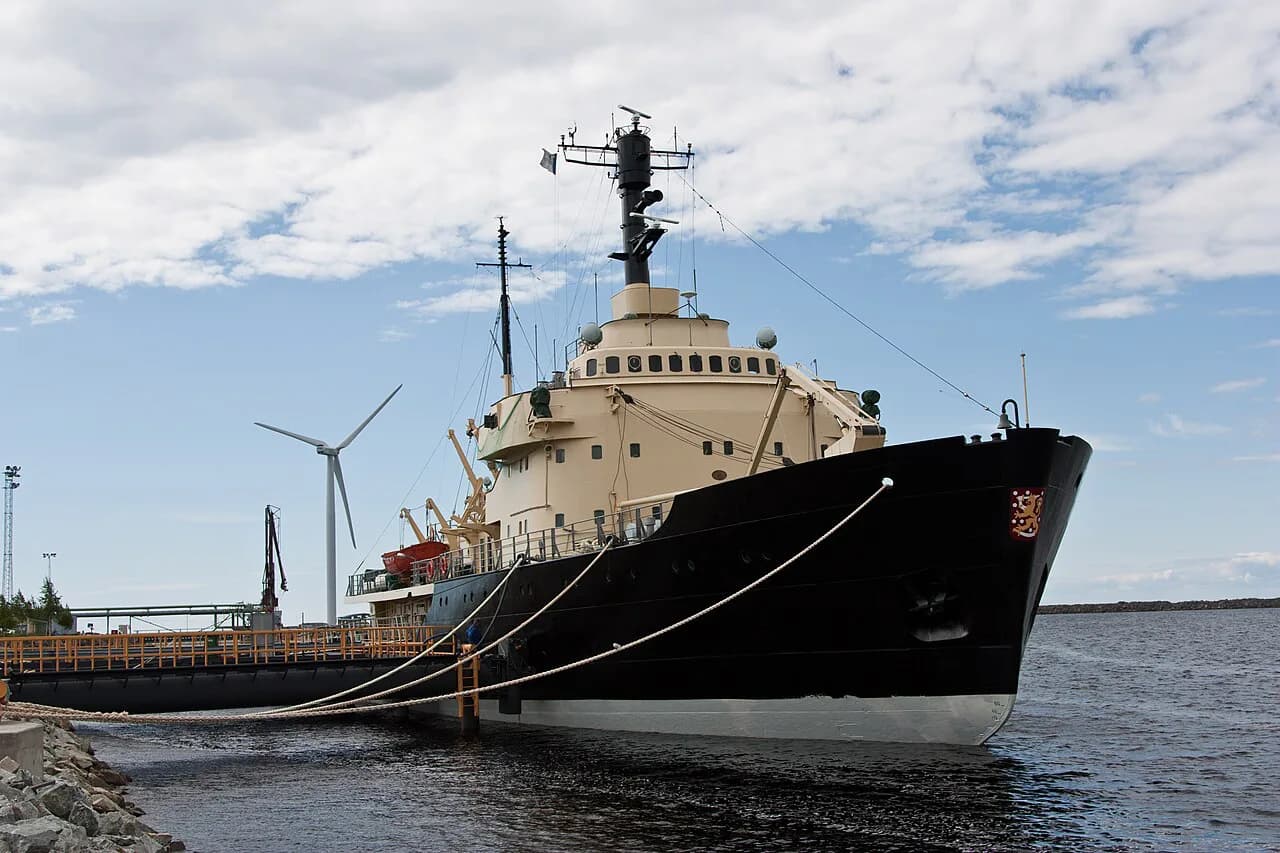
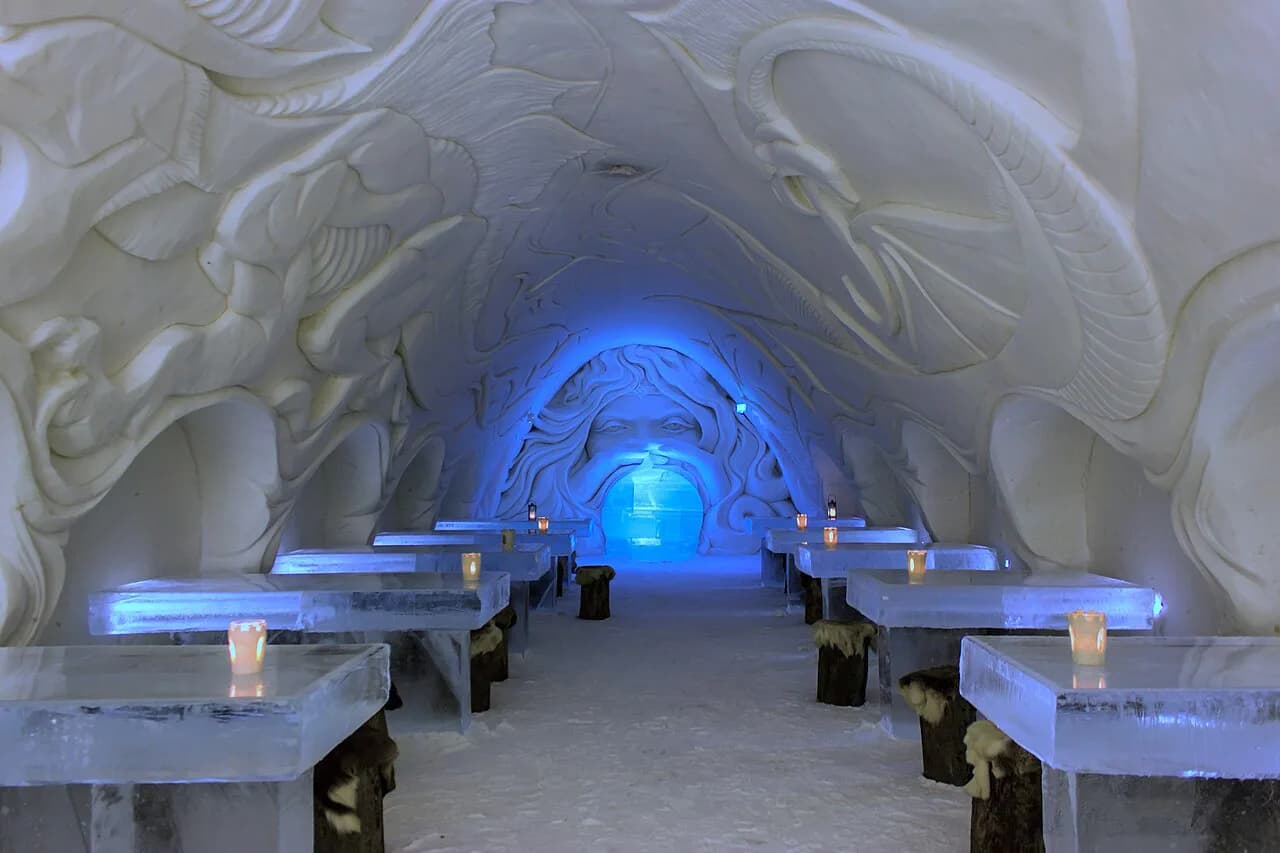
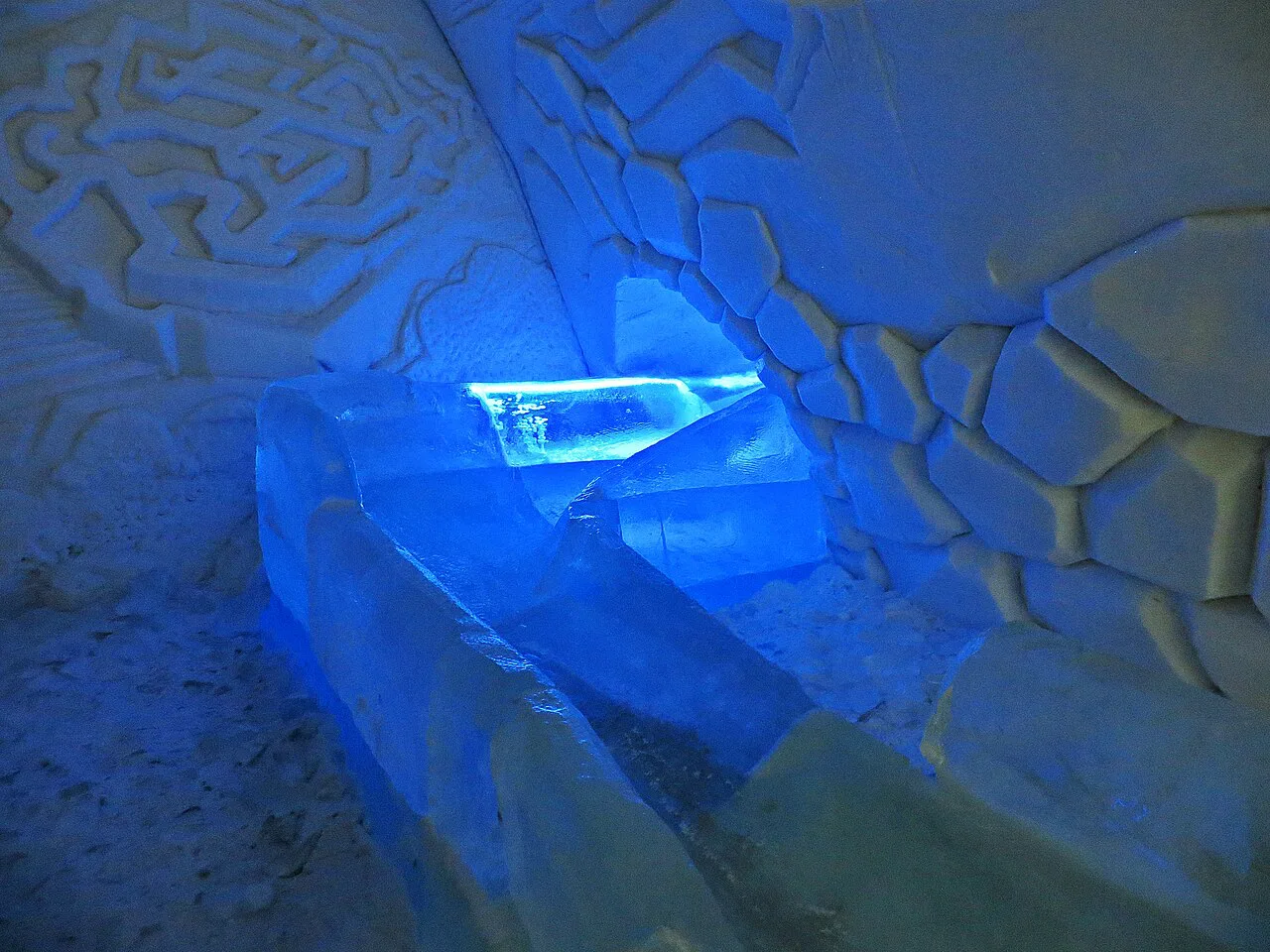
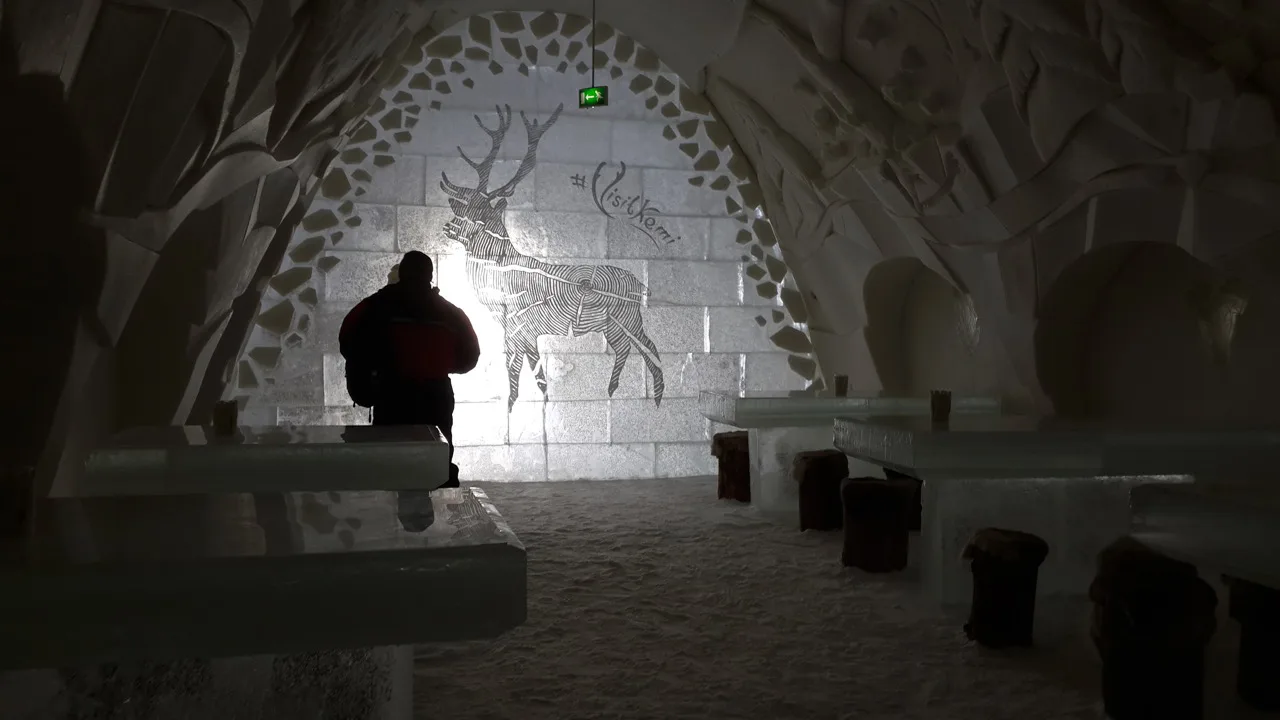
Most Kemi itineraries pair aurora nights with the sampo icebreaker and the snow castle, and the order matters. Put the aurora chase early, when you still have nights left to rebook after a cloudy result, then schedule the icebreaker for a daytime slot that does not leave you exhausted for an evening tour. The snow castle is a daytime stop and works well on the same day as an evening chase.
The icebreaker sailing is a fixed daytime commitment with its own schedule, so check the departure time before you lock in a chase for the same day. A late return from the sea followed by a 21:00 pickup is doable but leaves little margin for a warm meal and a rest.
If your stay is short, book the chase for your first available night and keep the last night free as a backup. That sequence gives you two chances without adding a day to the trip, and it keeps the icebreaker and snow castle in daylight hours where they belong. A calm, warm traveler watches the sky longer than an exhausted one.
Plan Your Kemi Aurora Nights
Kemi's tour scene is small and practical: a 2.5-hour campfire chase with hotel pickup, thermal gear, sausage and hot juice, plus snowmobile, animal and photography formats for travelers who want something different. Book one chase early in your stay, leave a second night free for a retry, and note the difference between a weather cancellation and a clouded-out night before you pay.
The aurora rewards patience rather than planning precision. A clear sky, a dark horizon and a few spare nights matter more than any single forecast, and a guide's local knowledge is the best tool you can buy for one evening. Everything else in Kemi, from the icebreaker to the snow castle, fits around those nights.
Frequently Asked Questions
Are Kemi northern lights tours worth booking?
They are worth booking if you want the logistics handled: hotel pickup, a transfer away from town lights, thermal clothing, a campfire with grilled sausage and hot juice, and a guide who knows the local roads. A tour does not improve the solar activity or the cloud cover, so treat it as a comfortable, well-organised way to spend an evening rather than a guarantee of a display. Travelers with a winter-ready car and confidence on snow may prefer to chase independently.
What time do northern lights tours leave Kemi?
The published Kemi campfire chase departs at 21:00, with hotel pickup before that. Other formats on the booking platforms list their own departure times, and snowmobile or animal safaris may start earlier because the ride comes before the sky-watching stop. Always match the departure to your hotel pickup time, since the transfer begins before the stated start.
How long does a Kemi northern lights tour last?
The standard campfire chase lasts about 2.5 hours and returns you to your hotel before midnight. That window covers the middle of the evening rather than the whole night, so if aurora is your main goal, plan several nights or look for a longer format. Some nights peak after midnight, which a short tour will miss.
What is included in a Kemi northern lights tour?
The published chase includes thermal clothing such as an overall, boots, wool socks and gloves, an English-speaking guide, grilled sausage and hot juice at the campfire, and transfer from your hotel in Kemi. Photography help and group photos vary between listings, so ask before booking if those matter to you. Bring your own warm layers underneath the lent kit.
Do you get a refund if the northern lights do not appear?
No. If the tour runs and the sky stays cloudy, no refund is made, because the service was delivered as planned. A full refund applies only when the supplier cancels the activity for weather or safety reasons. The operator's and the booking platform's cancellation terms can differ, so read both.
Can you see the northern lights from Kemi without a tour?
Yes, in principle: walk or drive a short way out of the centre to escape street lighting and find an open northern horizon. The practical limit is transport and local knowledge, because the darkest spots sit outside town on winter roads. A car with winter tires and a driver comfortable on snow makes self-guided watching realistic; otherwise a tour removes those obstacles.
How many nights should I stay in Kemi for a chance of aurora?
Three or four nights is a sensible buffer, giving you several attempts and room for a rest day between them. Two nights leaves no margin if the first is cloudy, and coastal weather here changes quickly. Book a chase early in the stay so a washed-out night can be replaced later.
Sources
Notes for your Arctic winter trip
Optional updates to our northern lights guides.
You might also like
Continue reading
More guides you'll find useful