Kemi Aurora Forecast: How to Read Kp, Clouds and Alerts
Learn how to read Kp, solar wind and cloud forecasts for Kemi, Finland, which official and local services cover the north, and what decides a sighting.
On this page
Kemi sits on the Bothnian Bay in southern Finnish Lapland, where winter nights are long, the sea ice locks in the harbour and the aurora is a genuine possibility on the right night. It suits travelers who want a compact city base with an icebreaker, a snow castle and northern lights within reach, rather than a deep-wilderness lodge.
A forecast for Kemi is never a single number. Geomagnetic activity decides whether the aurora is there at all, while cloud cover decides whether you can see it, and the two can point in opposite directions on the same evening.
Where Kemi sits and why the aurora shows there
Kemi lies at the head of the Bothnian Bay, roughly 65 degrees north, inside the auroral oval that rings the polar region. That latitude puts the aurora overhead on many disturbed nights, but Kemi is among the more southerly of the Lapland bases and sits below the fell resorts, which raises the activity level needed before a display climbs high in the sky.
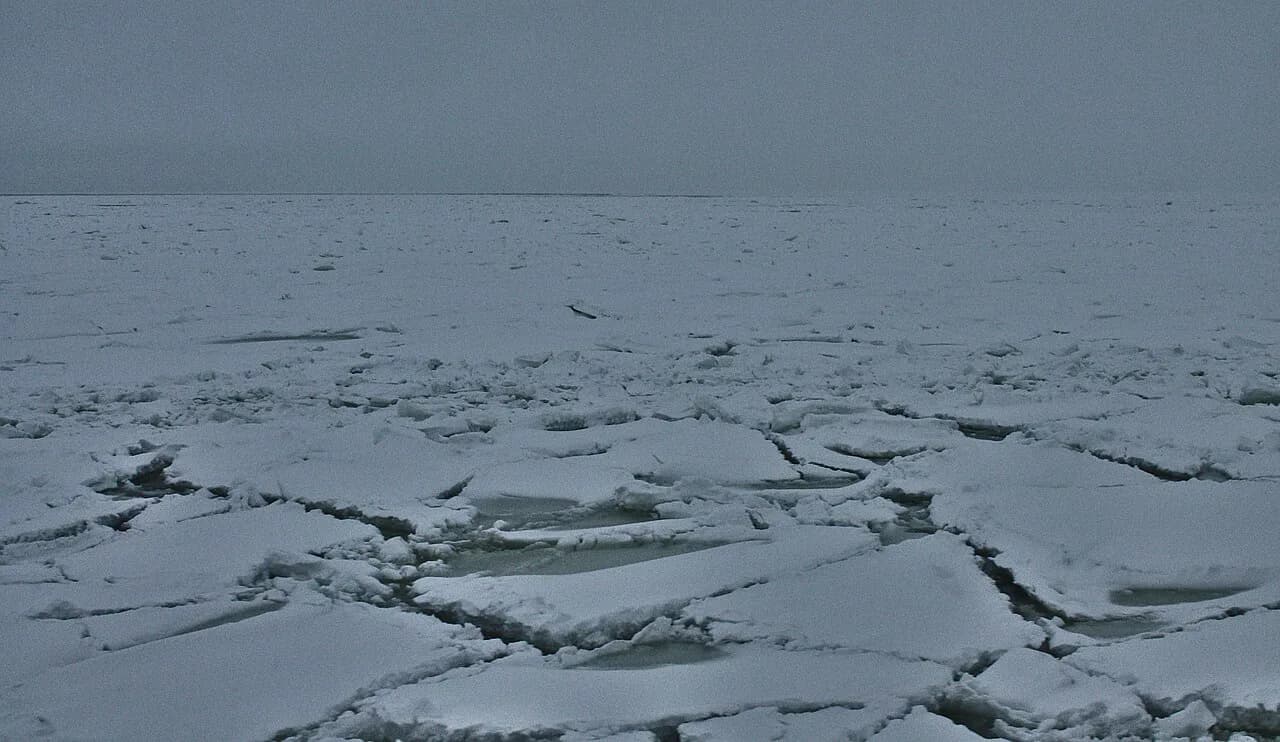
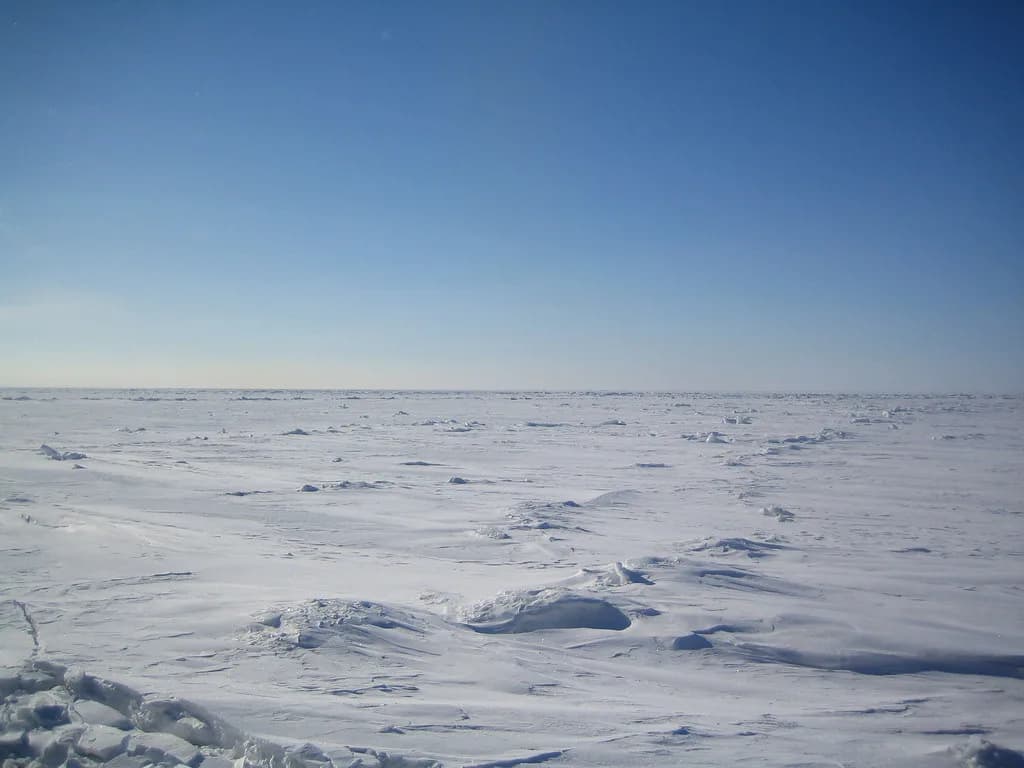
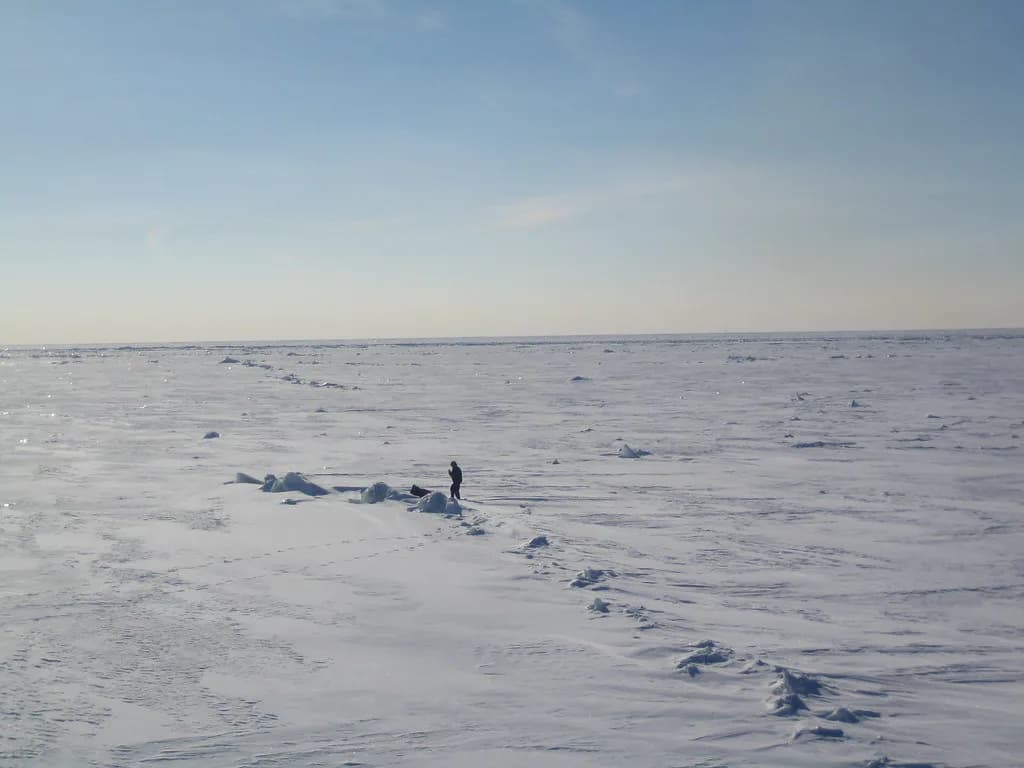
The coastline is an advantage for dark skies: the frozen bay and the islands offshore give you open northern horizons away from street lighting, which matters because faint aurora is easily lost to glare from the town. In practice, a few kilometres out of the centre puts you in a very different sky.
When the aurora season runs in Kemi
Darkness is the first condition and the easiest to plan. Aurora-watching in Lapland runs from late August or September through April, when nights are long enough for the sky to go properly dark, and the deep polar night of midwinter forgoes daylight in exchange for the most viewing hours.
A Lapland alert service runs its cameras and alerts through the season from September to April, which is a good practical marker for when a service is actively watching the sky. Spring and autumn equinox periods are often cited as favourable, but treat that as a tendency rather than a schedule, because a single geomagnetic storm can arrive in any month of the dark season.
Reading the Kp index for this latitude
Kp is a global measure of geomagnetic disturbance on a scale from quiet to storm level. In southern Finnish Lapland you generally want the higher end of ordinary activity before aurora appears overhead; at quiet levels, the lights may only be a low arc on the horizon or absent entirely. Elsewhere in Finland the same rule is applied more bluntly, with a forecast service putting the minimum Kp for a southern lake city at 4 and higher for places further south again.
Use Kp as guidance only. It is a planetary average, not a reading from Kemi, and a substorm can produce a bright burst locally even when the global index is modest. That is why a Kp of 3 is a reason to look outside rather than a reason to give up.
Solar wind and the Bz component that drive activity
The Finnish Meteorological Institute's space weather service, run as the national space weather centre, publishes the underlying drivers: estimated aurora probability from geomagnetic activity, a one-hour activity forecast built on solar wind data with an interval for the next hour, and magnetometer readings from Finland.
The solar wind's speed and the direction of its embedded magnetic field are what turn a dull night into an active one. When the field turns southward, energy couples into the magnetosphere and aurora brightens, which is why a fast solar wind stream arriving from a coronal hole is worth watching even without a big Kp forecast.
The cloud forecast that decides most nights
Cloud is the most common reason people miss the aurora, and in a coastal town like Kemi it changes quickly with onshore flow off the bay. A strong storm behind solid overcast looks exactly like a quiet night, so check the cloud forecast for the hours after dark rather than the daily summary.
The same southern-Finnish forecast service bundles Kp with real-time cloud cover, moon phase and darkness into a single visibility status, which is a useful model for how you should think about Kemi. Clear skies first, activity second, and moonlight last, because a bright moon washes out faint displays.
Official Finnish space weather and all-sky camera tools
The Finnish Meteorological Institute's space weather pages are the most direct official source for this part of Lapland. They include an all-sky camera at Muonio in northern Lapland, which updates outside daylight hours, so you can see whether the sky is actually clear and active further north before deciding to drive out.
The same pages carry the Nurmijärvi local K index from southern Finland and a solar image, which help you judge whether a disturbance is building. Use Muonio as a live northern check, then apply your own local cloud forecast on top, because a clear camera image 300 kilometres north says nothing about conditions over the Bothnian Bay.
Local Lapland aurora cameras and alert apps
Camera-based alert services are the most practical night-time tool for a Kemi stay. The Northern Lights Alert app in Lapland uses its own aurora cameras at resorts across the region, including nearby locations such as Rovaniemi, Ylläs, Pyhä and Levi, and it sends a loud alert when aurora is detected on camera.
A login key is tied to one destination at a time, so pick the resort area closest to where you will be sleeping, and some accommodation providers pass the service to guests. It also carries a short activity and weather forecast and real-time camera images, which lets you look at the sky before pulling on boots.
Combining aurora and cloud data into a nightly routine
Build one repeatable loop for each evening. Around dusk, check the activity forecast and the solar wind trend, then look at the live cameras to see whether aurora is showing in Lapland at all.
Next, check cloud for the next few hours over Kemi and the coast, and only then decide whether to stay in town or drive. If the cameras show aurora and your local sky is clearing, move; if the cameras are blank and the cloud is solid, an early night costs you nothing.
Where to watch near Kemi on a clear night
The simplest dark-sky strategy is to leave the centre and head for the shoreline and the islands, where the frozen bay gives an open northern horizon and street lighting falls away. Ice roads and sea-ice access vary with the winter, so treat the frozen bay as a view rather than a route.
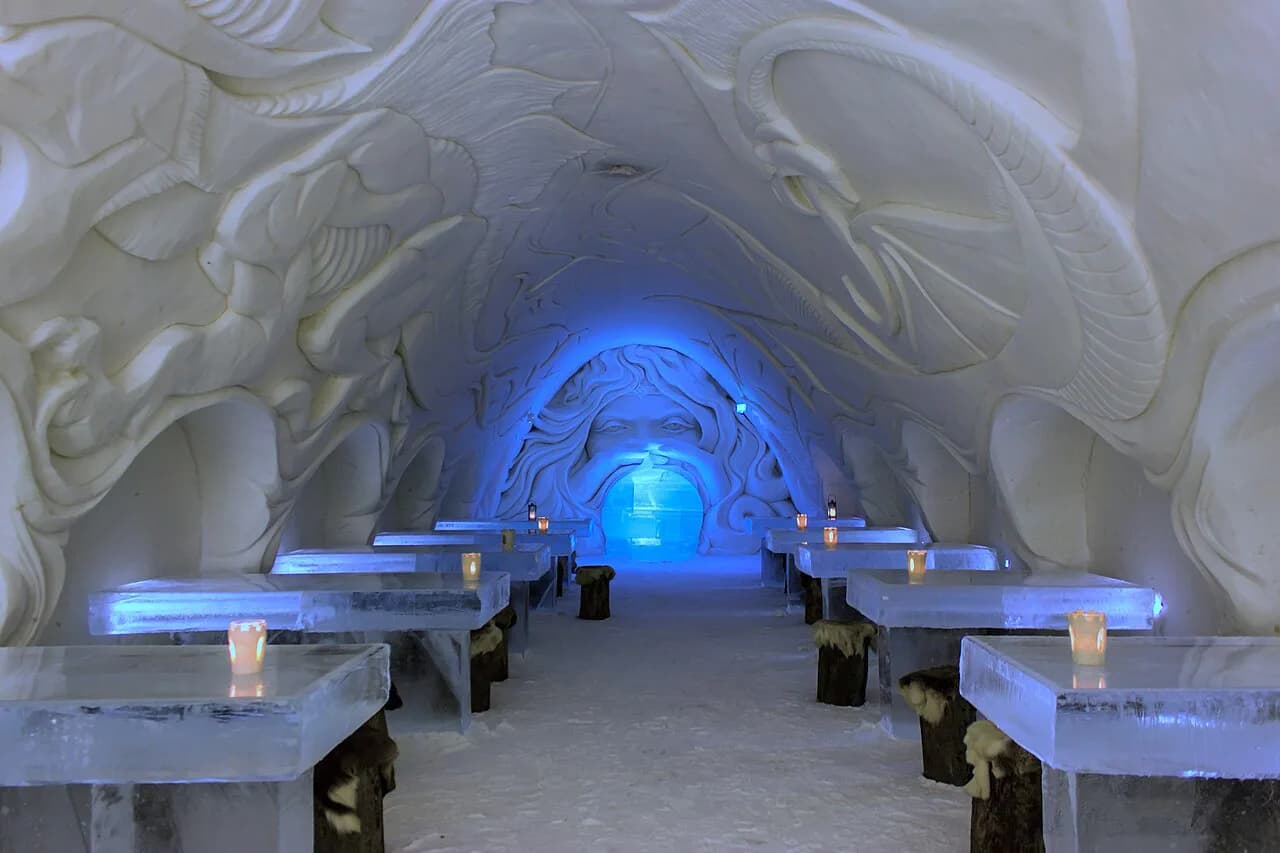
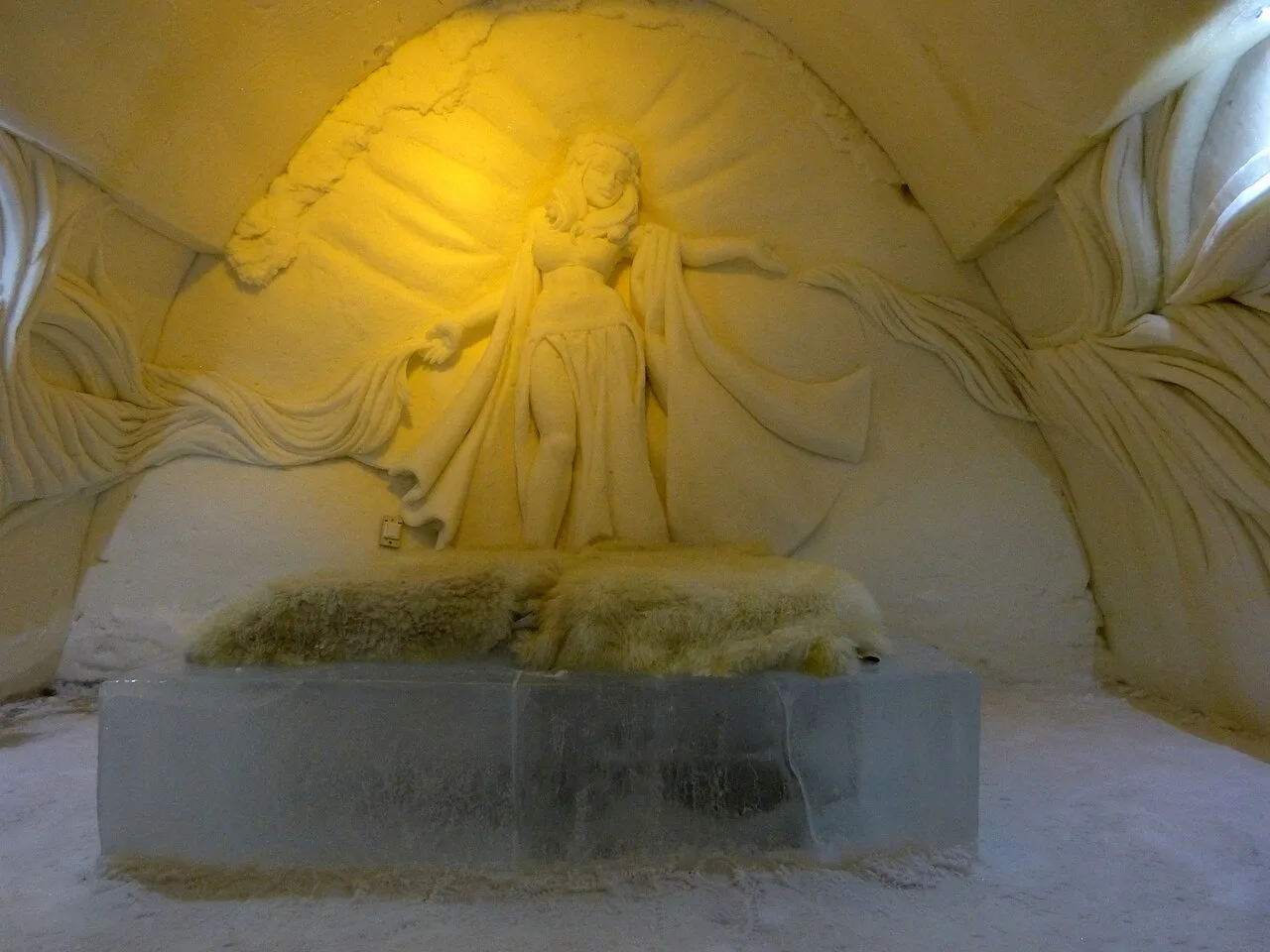
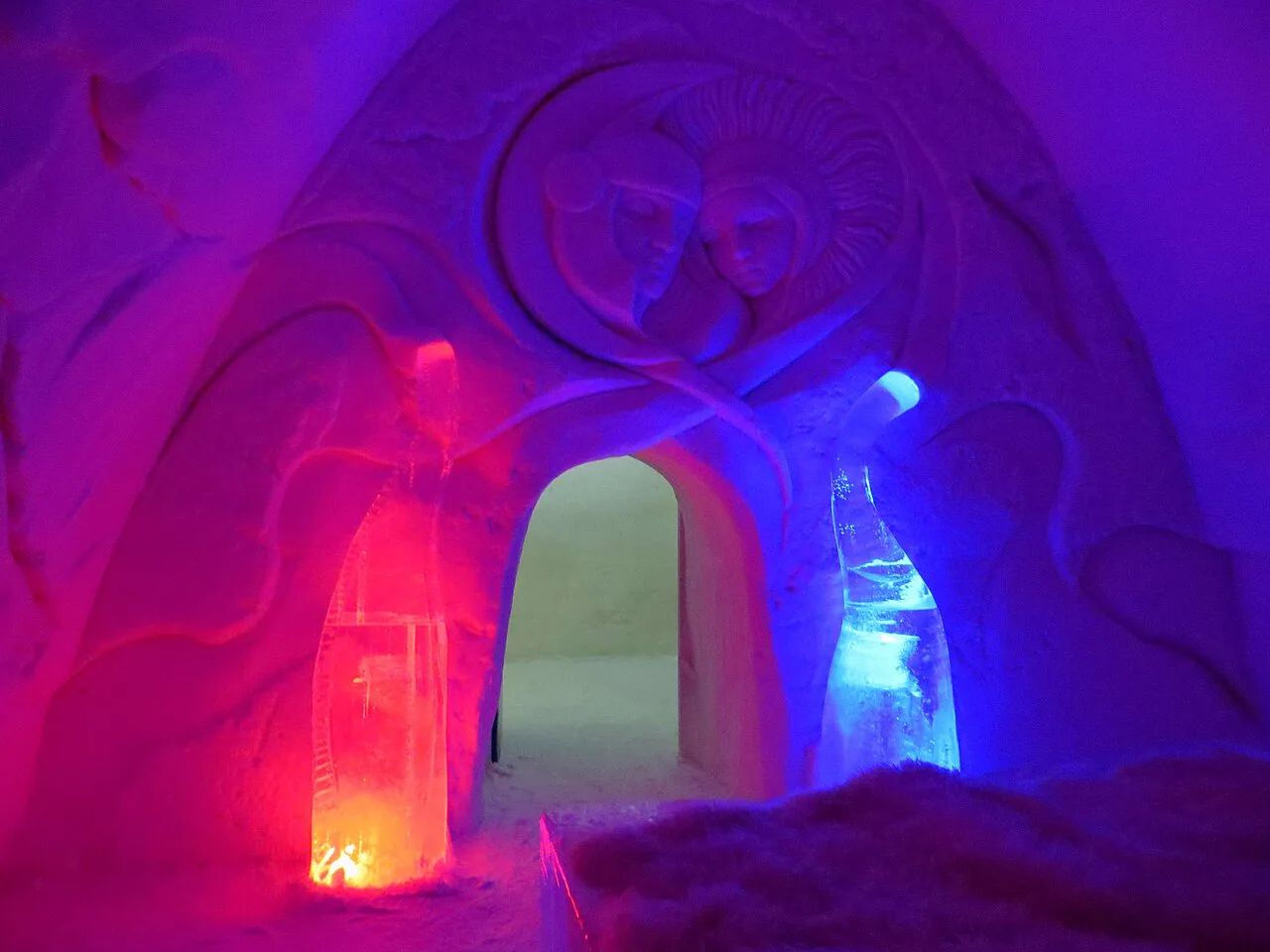
The Snowcastle is the town's winter landmark and is lit at night, so it works as a visit rather than a dark-sky site. Plan it as part of an afternoon or a snow castle evening, and keep your aurora watch separate.
How many nights to plan for a fair chance
A single night in Kemi gives you one roll of the dice on two independent conditions, activity and clear sky. Three or four nights is a sensible minimum for a fair chance, and a week is better if the aurora is the main reason for the trip.
If your accommodation is outside the centre, check the northern outlook before booking; Seaside Glass Villas in Kemi puts you on the shoreline with the bay in front of you, which shortens the drive on a night when the cameras light up.
For a wider regional picture of how forecasts behave across Lapland resorts, the aurora forecast overview for Finnish Lapland sets out season and activity patterns across the north.
Common forecasting mistakes
The first mistake is treating a Kp forecast as a Kemi forecast. The index is planetary, and the local sky can be active during a modest Kp or quiet during a promising one, so the live camera and the magnetometer matter more than the headline number.
The second is checking the weather once in the morning. Cloud over the Bothnian Bay reshuffles through the evening, and a clear window of an hour is enough to see a display, so recheck around the time you plan to go out rather than writing the night off at lunchtime.
What to do on a low-activity night
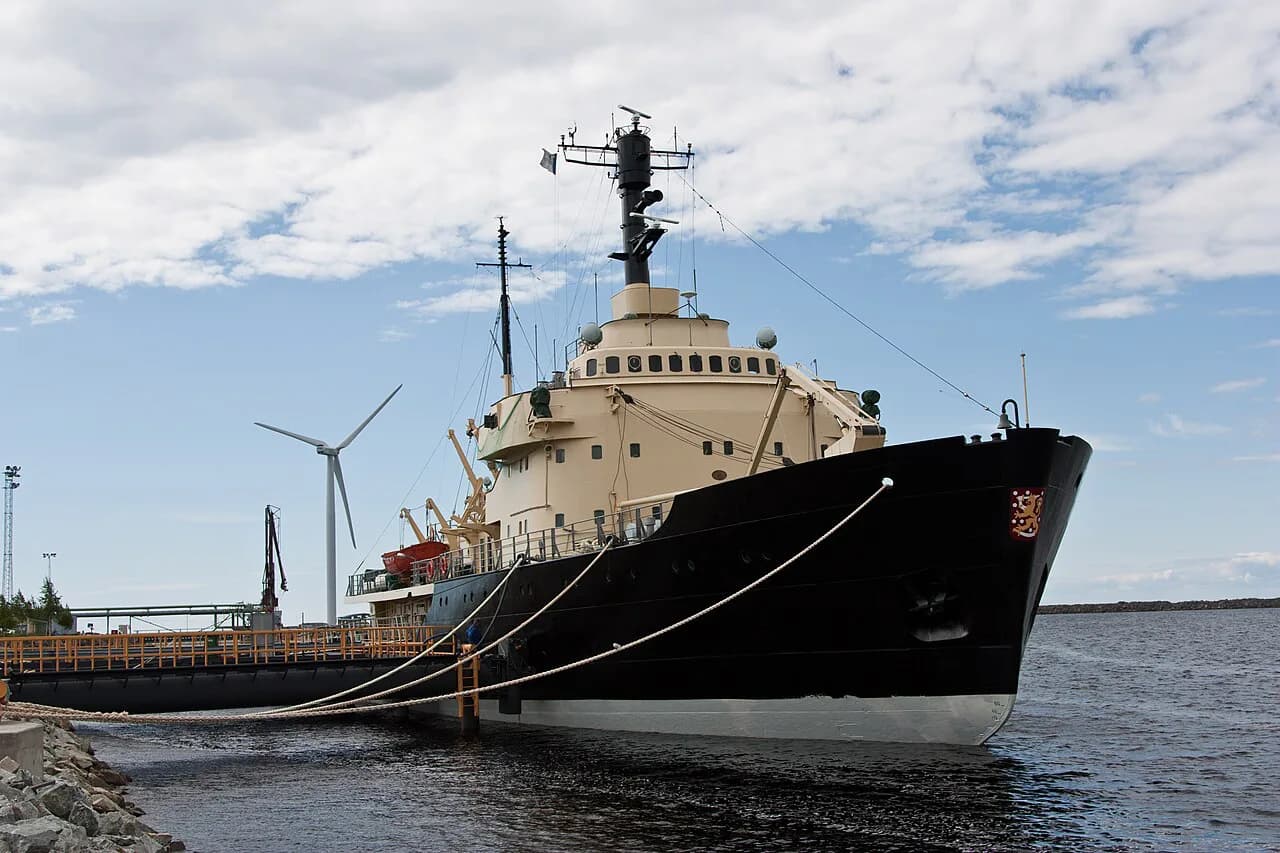
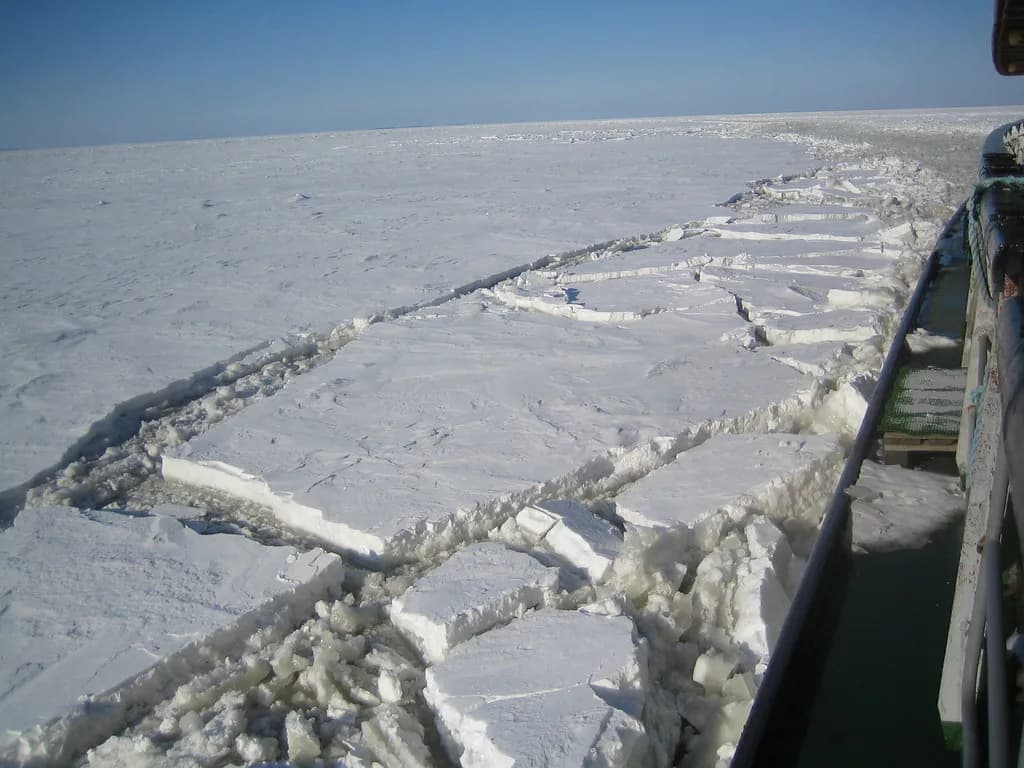
Quiet nights are part of an Arctic winter trip, and Kemi has enough to fill them. Book the Sampo Icebreaker for a day on the frozen bay, or spend an evening in a glass igloo or aurora cabin where you can watch from a warm room instead of standing outside.
Keep one night unbooked and flexible so that a strong activity forecast and a clearing sky can be used when they coincide. A guide-led chase also helps if you would rather not read the data yourself, since operators follow conditions and know the local road network; many lend thermal suits for the night.
Plan Your Kemi Aurora Nights
Treat the forecast as two questions asked every evening: is the aurora active over Lapland, and is the sky over Kemi clear? Answer both with the official space weather pages, a Lapland camera alert service and a local cloud forecast, and you will make better decisions than any single number allows.
Give yourself several nights, keep your plans loose and accept that some evenings end early. Aurora is never guaranteed, but a well-read sky and a flexible schedule put you in the best position to catch it.
Frequently Asked Questions
What Kp index do I need to see the northern lights in Kemi?
There is no fixed threshold for Kemi, because Kp is a planetary average rather than a local reading. Kemi sits in southern Finnish Lapland, so it generally needs more disturbance than the fell resorts further north before aurora climbs overhead, and a forecast service puts the minimum Kp for a southern lake city at 4. Treat Kp 3 or higher as a prompt to look outside, then consult the Finnish Meteorological Institute's activity forecast and live cameras.
How often are the northern lights visible in Kemi?
No reliable count exists for Kemi specifically, and anyone quoting one is guessing. Visibility depends on two things coinciding: geomagnetic activity strong enough for this latitude and a clear sky over the Bothnian Bay. Cloud is the more frequent spoiler on the coast, so a stay of several nights with flexible evening plans matters more than any seasonal average.
Which apps and services give an aurora forecast for Kemi?
Start with the Finnish Meteorological Institute's space weather service, which publishes aurora probability, a one-hour activity forecast from solar wind data, Finnish magnetometer readings and an all-sky camera at Muonio. For night-time alerts, the Northern Lights Alert app uses its own cameras at Lapland resorts including Rovaniemi, Ylläs, Pyhä and Levi, and a login key is tied to one destination. Pair either with a local cloud forecast for Kemi before you decide to go out.
Do I need a tour to see the aurora in Kemi, or can I chase it myself?
You can chase it yourself if you are comfortable reading activity, camera images and cloud forecasts, and the shoreline outside the town centre gives you a dark northern horizon within a short drive. A guided chase suits travelers who would rather not interpret the data, since operators follow conditions and know the local roads. Many lend thermal suits for the night.
How many nights should I stay in Kemi to have a fair chance of clear skies?
Three or four nights is a sensible minimum, because each evening is an independent roll of the dice on both activity and cloud. A week gives you room for a run of overcast nights without losing the trip. Keep at least one evening unbooked so a strong forecast and a clearing sky can be used when they line up.
Sources
Notes for your Arctic winter trip
Optional updates to our northern lights guides.
You might also like
Continue reading
More guides you'll find useful