Levi Northern Lights Tours: How to Choose an Aurora Night
Compare aurora sleigh rides, husky nights and guided chases from Levi, with what is included, typical durations and how to judge a tour before you book.
On this page
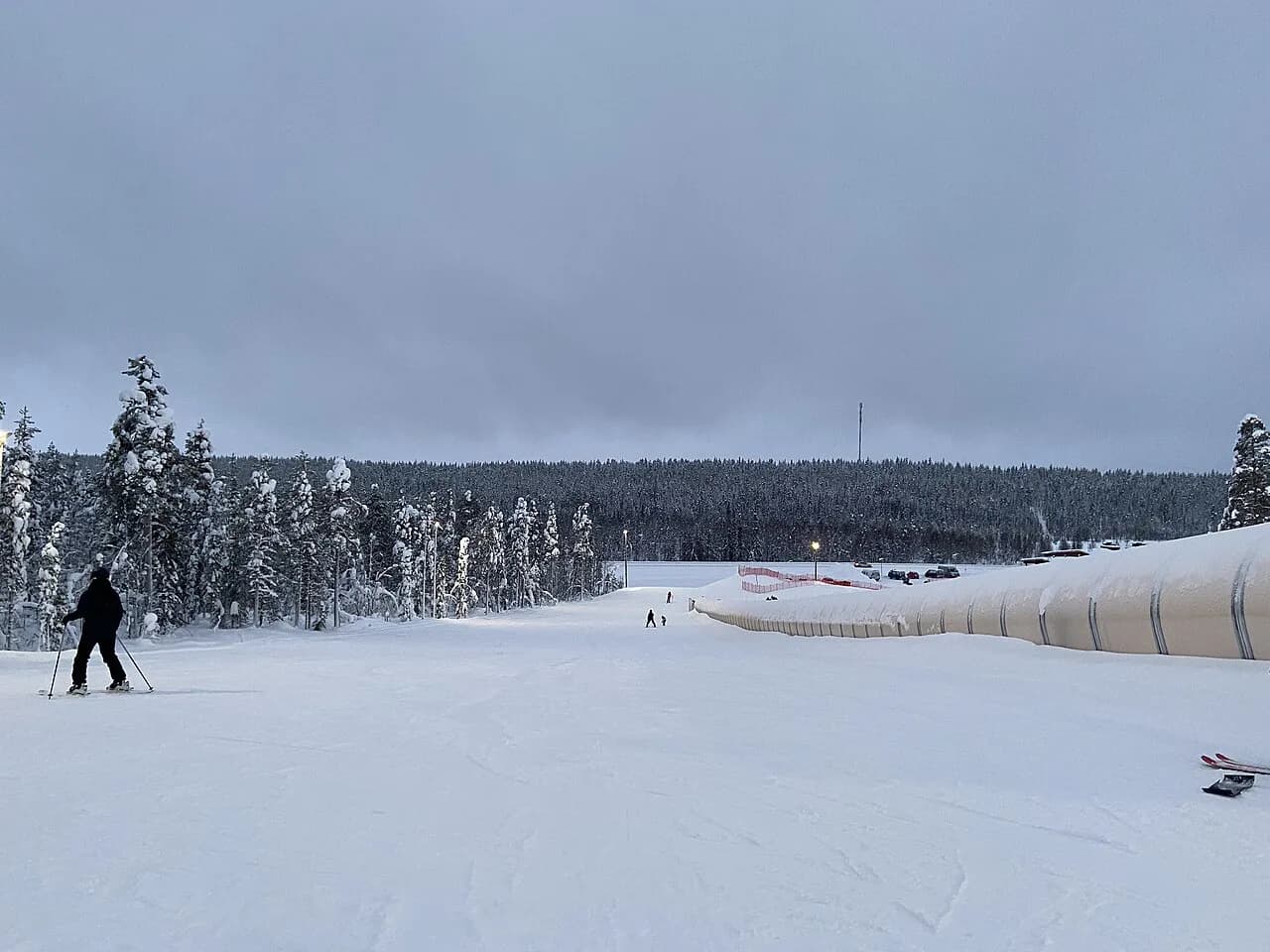
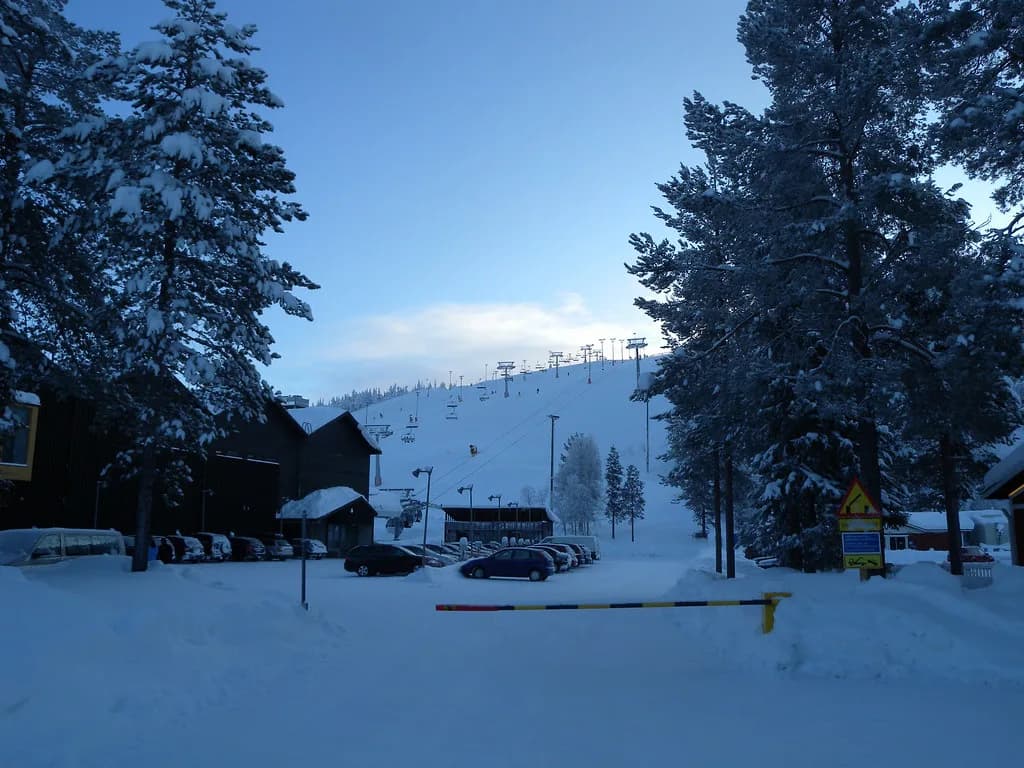
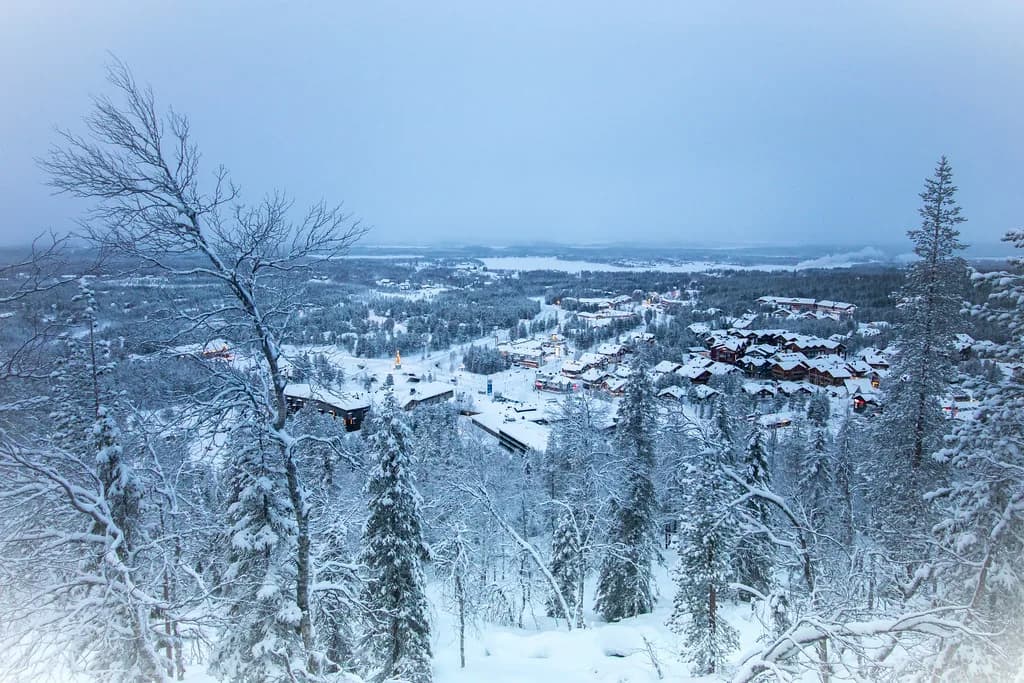
Levi rises above the village of Sirkka in Finnish Lapland, close enough to the Arctic Circle that dark winter nights bring regular chances of aurora overhead. Ski slopes, fell forests and frozen lakes ring the resort, so a tour can leave the lit village and reach darker ground quickly. That compact geography is why so many winter trips base here.
The choice of tour matters more than the brochure language suggests. A towed sleigh, a husky team you drive yourself and a heated minibus chase each give you a different night: different cold exposure, different control over where you stop and different cost. Matching that to your group, and to how many nights you have, is the real booking decision.
Why Levi works for aurora nights
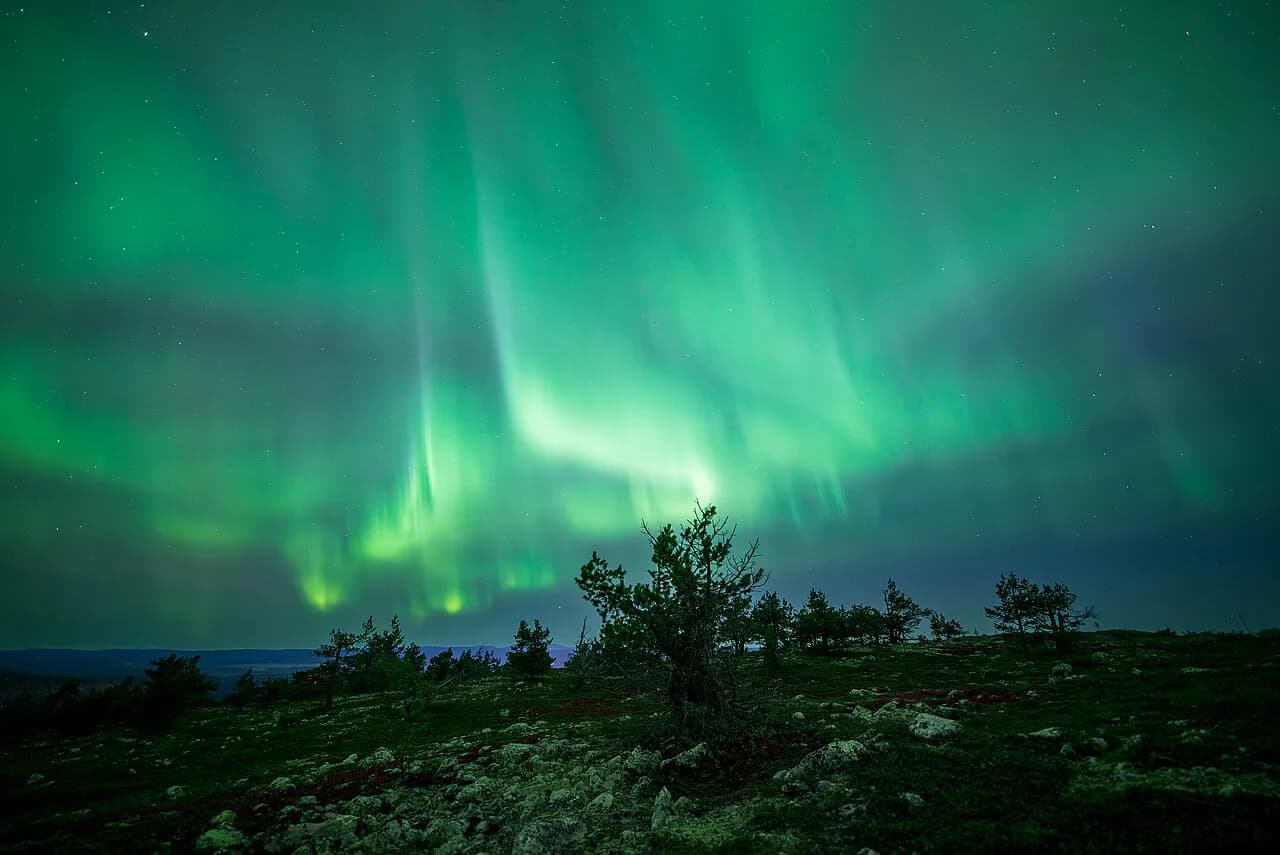
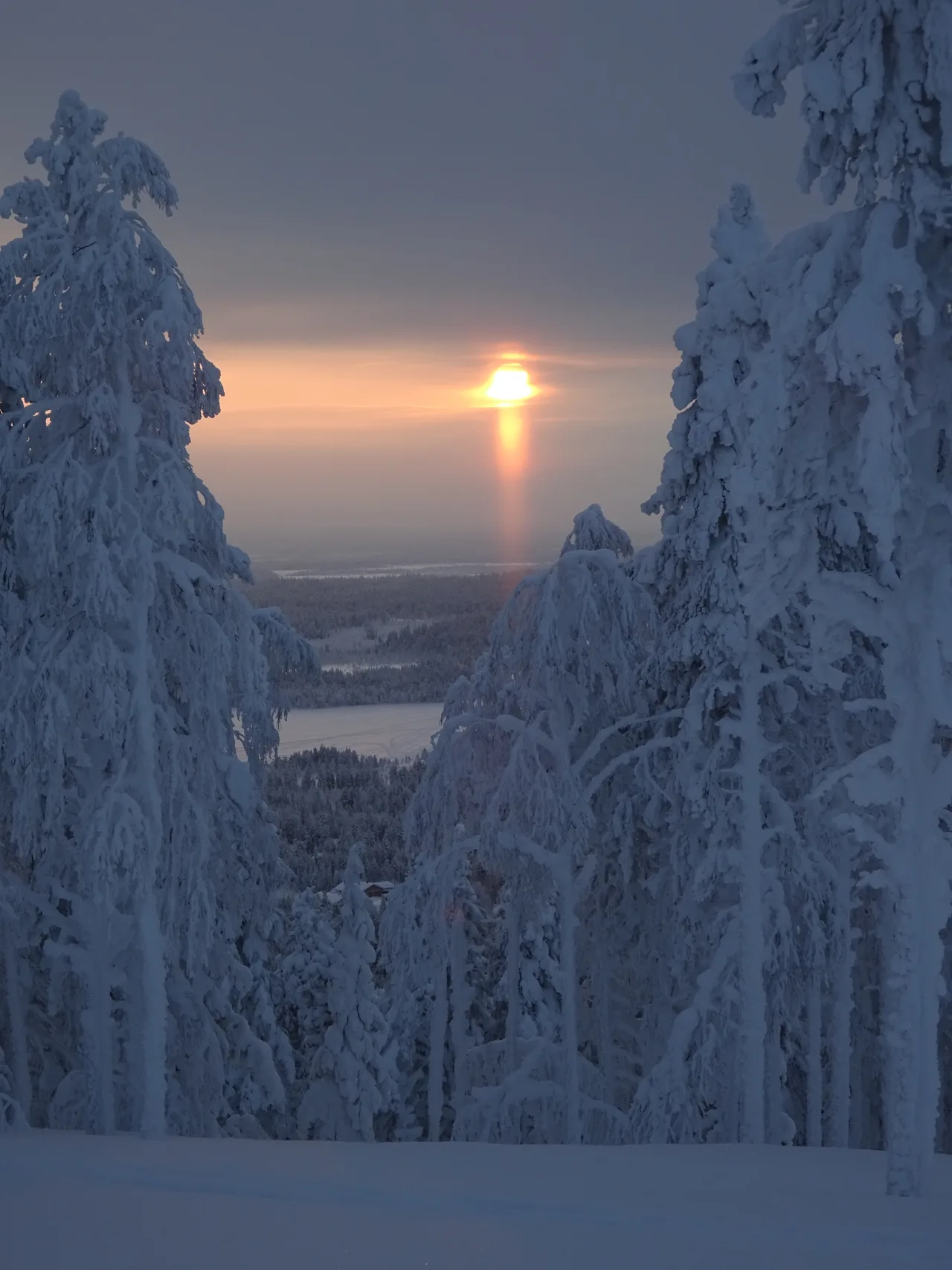
Levi sits in northern Finnish Lapland, well above the Arctic Circle, so midwinter brings long dark nights and a high chance of aurora activity when skies clear. The resort village of Sirkka is small, and the fells and forests around it fall away from the ski-area lighting within a short drive. That combination of latitude and quick access to dark ground is the practical reason tours based here can work.
Aurora visibility depends on solar activity and cloud, not on the resort. Kp values give a rough guide to geomagnetic disturbance, but they describe a planetary index rather than the sky above Levi on a given hour, so treat them as background noise rather than a booking signal. What you can control is being outside the village lights with a guide who watches cloud.
Rovaniemi, a few hours south, sees aurora across a similarly broad dark-night window, so Levi's advantage is not exclusivity but convenience: you sleep, ski and eat in the same small area you tour from. If you want the wider regional picture, the guide to northern lights in Finnish Lapland tours covers format differences across the region, including how Finnish Lapland Northern Lights Tours compare with the Levi formats described here.
When the aurora season runs in Levi
Aurora season in Lapland is set by darkness, not temperature: skies are dark enough for aurora from roughly late August and September through to early April, with the deepest nights from November to February. Around Levi, the autumn weeks bring dark evenings with relatively mild air, while midwinter delivers the longest nights but also the shortest usable daylight for other activities.
Rovaniemi's official tourism pages put aurora visibility there from late August until mid April, a useful benchmark for the same latitude band; Levi sits north of Rovaniemi, so its dark window is at least as generous. Plan around darkness rather than a fixed date, and treat any specific night as one attempt among several.
Spring weeks from March into early April combine longer daylight with still-dark nights, which suits travelers who want to ski or snowshoe by day and chase by night. Deep winter suits travelers who prioritize the aurora itself and accept short days and cold. Neither period guarantees clear sky.
Aurora hunting by heated sleigh
The gentlest format is a snowmobile-towed sleigh: you sit in a heated carriage pulled across the snow to a remote fell, watching the sky rather than steering. Authentic Scandinavia's Levi winter package builds this in as a three-hour aurora hunting excursion by heated sleigh, with warm berry juice, cookies and marshmallows, thermal clothing including overall, boots and gloves, and guiding in English.
That format suits families, older travelers and anyone who would rather not handle a machine in the dark. The trade-off is control: you go where the guide drives, so your chance of escaping a cloud band depends on their local knowledge. Sitting still in a heated sleigh is far warmer than riding a snowmobile, but you are still outside for hours.
Travelers who want the sleigh as part of a longer stay can see how the night fits into a full itinerary in Northern Lights Village Levi, which pairs sleigh nights with cabin accommodation and transfers.
Husky safaris at night
Husky nights put you on the runners behind your own team. In the same Levi package, the dog-sledding excursion runs two hours and includes 60 minutes of self-drive sledding of roughly 10 km, a shared sled for two people, hot drinks, thermal overalls, boots and gloves, plus English guiding. That 10 km figure gives you a realistic sense of pace: this is a steady forest run, not a sprint across open fell.
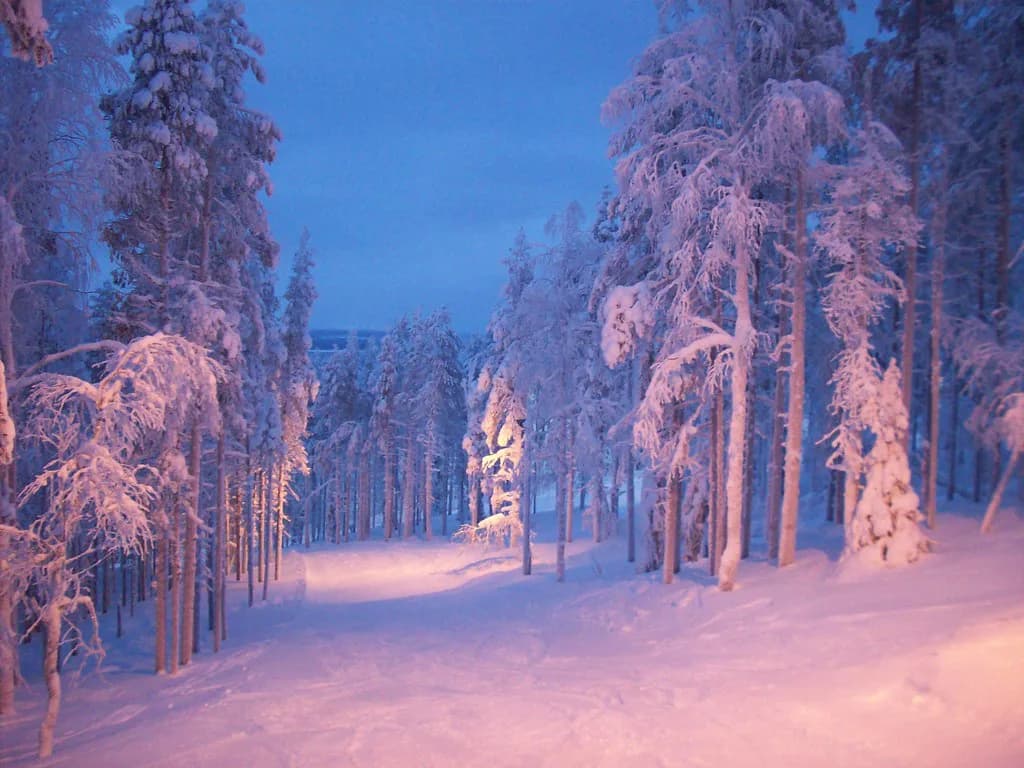
Driving your own team is more physical and more exposed than a sleigh, and you need to follow the guide's instructions closely on dark trails. In exchange you get the quiet of a husky team running through snow-covered forest, with the sky overhead as a second show. It suits travelers who want an active night rather than a seated one.
Travelers comparing sled-dog nights with other kennel-based options around Levi can weigh locations and formats in Northern Lights Ranch Near Levi.
Snowmobile and self-drive options
Snowmobile safaris give you speed and reach: a guide can move the group between cloud gaps, and a self-drive machine puts you in the cold rather than a heated carriage. The trade-off is that you need to handle the machine in the dark and follow a guide's line, and you feel the temperature far more than a sleigh passenger.
Around Rovaniemi, operators run electric snowmobile aurora safaris that show how this format is packaged, with a Northern Lights safari by electric snowmobiles starting from 199 euros. That figure is a regional reference point for the snowmobile format, not a Levi price, and Levi operators set their own.
A minibus or 4x4 chase is the third self-drive-adjacent option: you are a passenger, but the vehicle can cover long distances to find clear sky. Rovaniemi listings illustrate the spread of formats and prices, from a campfire aurora tour starting from 99 euros to a private photographer-led hunt starting from 1275 euros. Those are regional examples of how the market prices chase distance, privacy and photography.
Photography-focused tours and small groups
Photographer-led tours trade comfort for images: the guide knows camera settings, picks foregrounds and often includes professional photos. They usually run in smaller groups, which means less waiting and more individual attention, but they also cost more than a standard campfire or sleigh night.
Levi's own tour market includes stargazing-and-aurora evenings that drive out to a quiet frozen spot to wait for the sky, a format that suits travelers who want a calm, photography-friendly night rather than a machine. Details such as duration and inclusions vary between operators, so compare the specific listing.
Small-group tours are worth the premium if you want to ask questions, adjust camera settings or avoid a crowded fire pit. Larger group tours are cheaper per person but move more slowly and give the guide less flexibility to reposition for cloud.
Glass igloos and aurora cabins at Northern Lights Village
Sleeping under a glass roof is a different proposition from a tour: you stay put and watch from bed, with the sky directly overhead. Authentic Scandinavia's package includes three nights in an Aurora Cabin at Northern Lights Village with private shower and WC and breakfast, plus three dinners at the village. The Gold category upgrades to an Aurora Suite.
The trade-off is heat and glare. A warm cabin can fog or frost the glass, and interior lights reduce what you can see, so most guests turn lights off and watch in darkness. A fell-side camp or sleigh stop gives a wider sky and colder air; a cabin gives warmth and a bed, but a narrower view.
Travelers weighing cabin types across the resort should compare layouts and locations in glass igloos in Levi, Finland before locking in a category.
What a tour usually includes
In Levi's packaged winter trips, the inclusions are concrete: thermal clothing with overall, boots and gloves; hot drinks and snacks; English guiding; and transport to the excursion area. The Authentic Scandinavia package adds private transfers from Kittilä Airport and back, plus electronic travel documents and a 24/7 emergency phone service.
When comparing standalone tours, check three inclusions first: whether thermal suits and boots are lent, whether hotel pickup is included, and whether photos are part of the price. Each of these shifts the real cost, especially if you would otherwise rent gear in the village.
Group size, duration and minimum ages
Duration is the clearest signal of what a night involves. A three-hour sleigh excursion includes travel to the site, time outside and the return; a two-hour husky safari with 60 minutes of self-drive is mostly on the trail. Longer tours cost more but give the guide more time to wait out passing cloud.
Group size affects flexibility. Small groups can reposition faster and give each traveler more attention, while larger groups suit budget-conscious travelers and families who want a fixed, structured evening. Minimum ages are set by operators and often tied to snowmobile or husky participation, so confirm the age rule for the specific tour you book.
Prices and what drives them up
In the Levi package from Authentic Scandinavia, the starting price is 989 euros per adult for a four-day self-guided winter break with three nights in an Aurora Cabin, three dinners, the sleigh excursion, the husky excursion and private airport transfers. That figure bundles accommodation, meals and activities, so it is not comparable to a single evening tour.
For standalone tours, price rises with chase distance, privacy, photography and group size. Regional listings show the range: campfire nights from 99 euros, small-group and vehicle-based hunts from 109 to 212 euros, private photo tours from 700 euros and private 4x4 hunts from 1275 euros. Use these as a scale for what extra money buys, not as Levi rates.
Self-guided chasing versus a booked tour
Self-guided chasing means driving your own rental car to dark spots and watching the sky, which gives you total flexibility and no per-night cost beyond fuel. The trade-off is that you need winter driving confidence, local road knowledge and your own gear, and you lose the guide's cloud reading.
A booked tour shifts the cloud decision to a local guide and usually includes thermal clothing, transport and hot drinks, which matters on a cold night far from the village. For most travelers with two or three nights in Levi, mixing one booked night with one self-guided night gives both structure and freedom.
Dark-sky spots around Levi
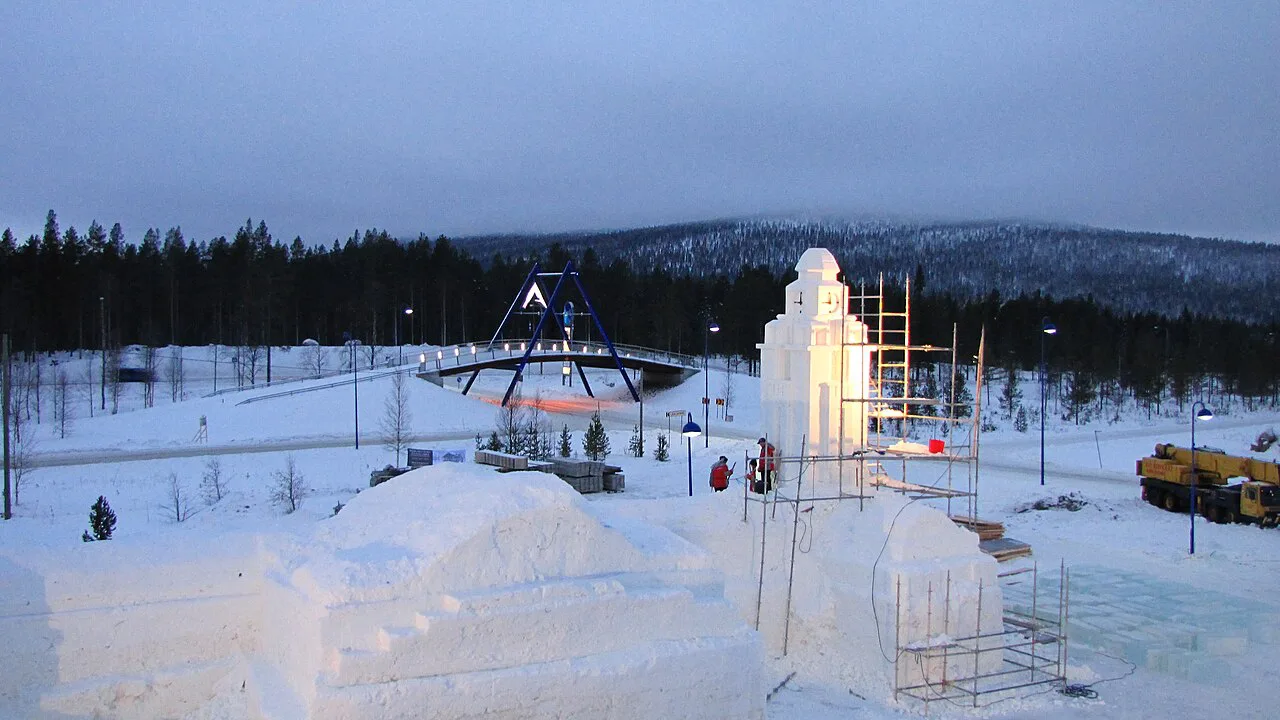
Levi's dark ground lies away from the lit ski village of Sirkka, on the fells and forest tracks that ring the resort. Tours typically drive a short distance to a fell or frozen lake to escape the village glow, and the guides choose the exact spot on the night based on cloud and wind.
Travelers staying in glass igloos or cabins at Northern Lights Village Levi can watch from the accommodation itself, which removes the drive but narrows the view to the sky above the cabin.
Weather, cloud and cancellation terms
Cloud is the main obstacle to an aurora night, and it changes hour by hour, so a guide's ability to move the group is as important as the forecast. Some operators advertise guaranteed hunts with a refund if the aurora does not appear, and the terms vary between companies, so read the cancellation and weather policy on the specific listing before you pay.
Temperature and wind determine how long you can comfortably stay outside, and operators lend thermal overalls, boots and gloves on the excursions described in the Levi package. That gear extends your tolerance, but it does not change the sky.
How many nights to plan
No single night is dependable, so the fair way to plan is by attempts: two nights give one backup, three nights give two, and a midwinter week gives several chances to catch a clear sky. A package that includes a sleigh night and a husky night already gives you two structured attempts, and you can add a self-guided or minibus night for a third.
If aurora is the main goal, place your nights in the darkest part of the season and keep daytime plans flexible so a clear forecast can shift your tour. If skiing or sledding matters equally, spring weeks give better daylight without losing the dark nights.
Getting to Levi and airport transfers
Most travelers fly into Kittilä Airport (KTT) and transfer to Levi, which the Authentic Scandinavia package handles as a private transfer to Northern Lights Village and back. Booking the transfer as part of a package removes the need to arrange a separate ride on arrival night.
Travelers booking standalone tours should check whether hotel pickup is included, since a tour that starts in the village centre may not collect you from a cabin outside it. Transfer arrangements are usually stated on the tour company's booking page.
Plan Your Visit
Levi's aurora nights split cleanly into seated and active formats: a heated sleigh for warmth and ease, a husky self-drive for hands-on trail time, a snowmobile or minibus for reach, and a glass cabin for watching from bed. Pick the format that matches your group's appetite for cold and driving, then add a second night as backup.
For a broader look at the region and how its seasons and dark-sky spots work, see Seeing the Northern Lights in Levi before you book.
Frequently Asked Questions
What months can you see the northern lights in Levi?
Dark enough skies for aurora run from roughly late August and September through early April, with the longest nights from November to February. Rovaniemi's tourism office puts aurora visibility there from late August to mid April, and Levi lies further north, so its dark window is at least as long. Clear sky, not the calendar, decides any individual night.
Is a sleigh or snowmobile aurora tour better in Levi?
A heated sleigh suits travelers who want warmth, family-friendly comfort and no machine handling, while a snowmobile gives more reach and a more exposed, active night. Choose the sleigh if you would rather watch the sky than steer, and the snowmobile if you want the guide to cover more ground between cloud gaps.
What is included in a Levi aurora tour?
On the packaged Levi winter trip, the aurora sleigh excursion includes thermal overalls, boots and gloves, warm berry juice, cookies and marshmallows, and English guiding. The husky excursion includes 60 minutes of self-drive sledding, hot drinks and the same thermal gear. Standalone tours vary, so check whether pickup and photos are part of the price.
How many nights should I stay in Levi for a chance of auroras?
Three nights gives you two backups if the first is cloudy, and a week gives several attempts. A package with both a sleigh night and a husky night already provides two structured attempts, and you can add a minibus chase or a self-guided night for a third.
Do glass igloos in Levi guarantee you see the northern lights?
No accommodation can guarantee an aurora sighting, because cloud and solar activity decide what appears. A glass-roofed cabin lets you watch from bed without driving, but interior lights and warm glass can reduce visibility, so most guests dim the lights and watch in darkness.
Where do Levi aurora tours go to escape the village lights?
Guides drive a short distance from the lit village of Sirkka to fells, frozen lakes and forest tracks where the sky is darker. The exact spot is chosen on the night based on cloud and wind, and glass-igloo guests at Northern Lights Village can watch from the cabin itself instead.
Sources
Notes for your Arctic winter trip
Optional updates to our northern lights guides.
You might also like
Continue reading
More guides you'll find useful