Rovaniemi in March: Longer Days, Snow and Aurora Nights
Rovaniemi in March brings around 12 hours of daylight, milder temperatures and snow-covered trails, with dark nights still good for aurora hunting.
On this page
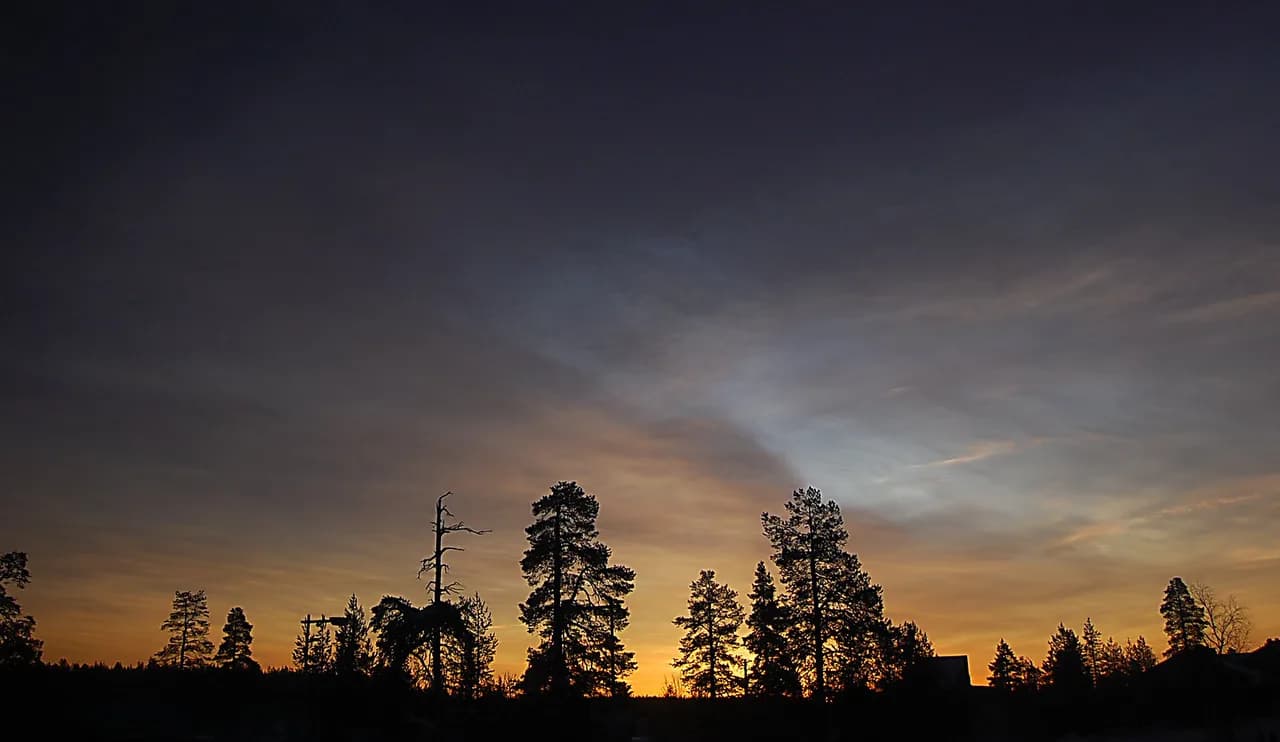
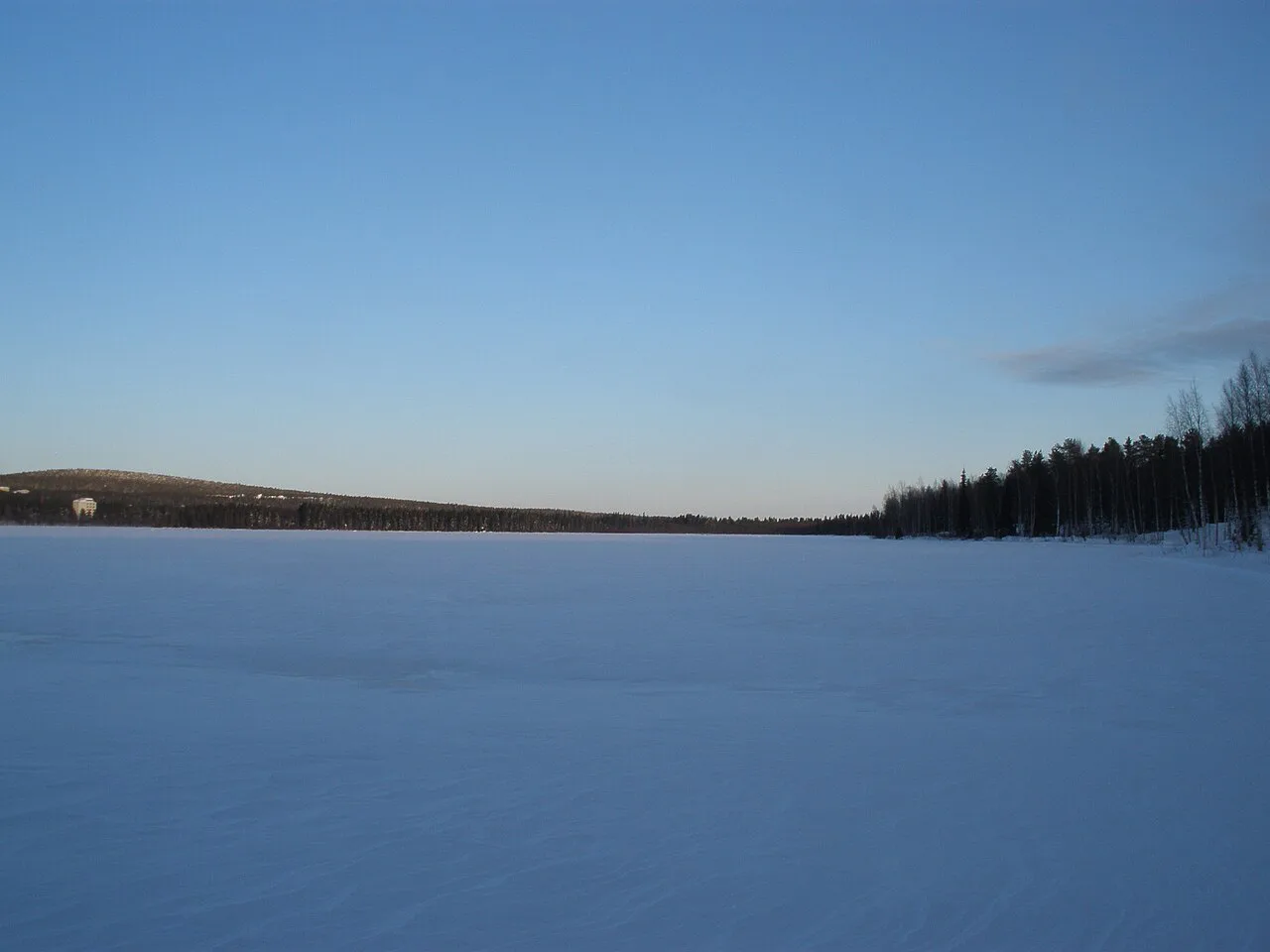
March is the month when Rovaniemi flips: the sun climbs back to roughly twelve hours of daylight, yet the evenings still fall dark early enough to chase the aurora. Snow lies deep after a full winter of build-up, so husky sleds, snowmobiles and reindeer sleighs run on a proper white base rather than a thin early-season crust. It suits travelers who want long, bright days outdoors and a genuine night-sky hunt without January's deeper cold.
Why March suits Rovaniemi
Visit Rovaniemi splits the winter into early winter, mid-winter with the polar night, and a snowy spring that begins once the sun returns in February. March and April sit in that snowy-spring phase: warmer, sunnier days on snow that is still on the ground, and, in the tourism office's own words, often a terrific time for northern lights viewing. That combination is what makes the month attractive, since you are not trading away either daylight or darkness.
The town sits right on the Arctic Circle, which is why the shortest days of the year bring the polar night and the summer brings the midnight sun. By March the light has swung well back toward balance. If you want the wider context on the aurora season, the town's viewing spots and how the polar night works, start with the guide to the northern lights.
How March daylight changes across the month
Visit Rovaniemi puts the average length of day in March at about 12 hours, a big jump from the roughly four hours recorded in January and the eight hours in February. The gain is spread across the month, so early March still has noticeably shorter afternoons than late March. Plan longer excursions such as snowmobile safaris and full-day husky trips for the second half if daylight matters to you.
Longer days do not remove the night. Even at the end of March there is a proper stretch of darkness after dinner, and Visit Rovaniemi notes that April aurora viewing becomes harder as the evenings turn lighter. That makes March something of a last comfortable window where you get real daylight and real night in the same day.
March temperatures and what the snow is like
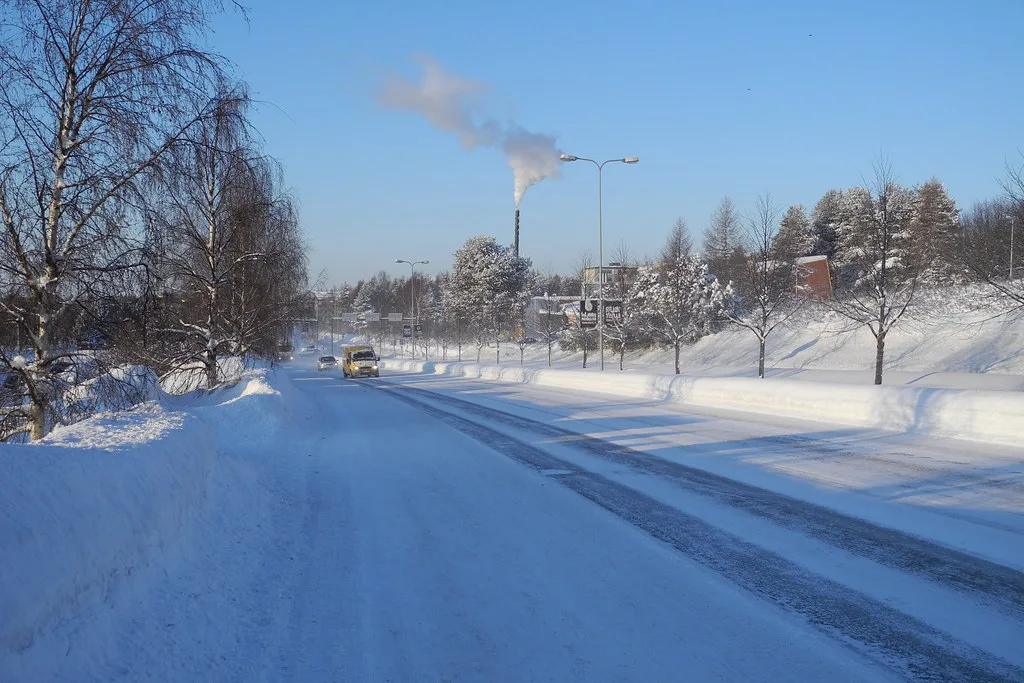
Visit Rovaniemi gives a March average temperature range of about -15 to -5 degrees Celsius, noticeably gentler than the -30 to -15 range it lists for January. That is an average, not a promise, so a cold snap can still arrive. The practical effect is that you can stay outside longer on a campfire stop or a sled ride without the deep-winter rush back to the vehicle.
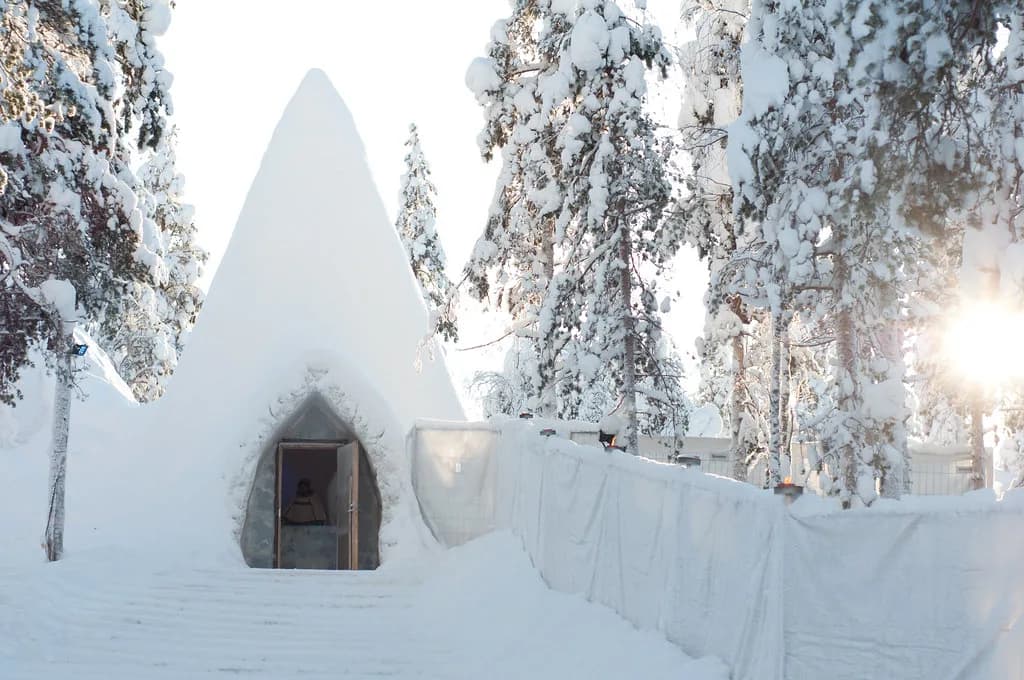
The tourism office describes snow on the ground in Rovaniemi for roughly six months in a snowy year, from late October into early May, usually lasting until April. By March that means an accumulated base rather than fresh cover, which is what safaris and trails are run on. It also means the landscape is at its fullest, with the season's snowfall built up over the winter.
Aurora chances in March near Rovaniemi
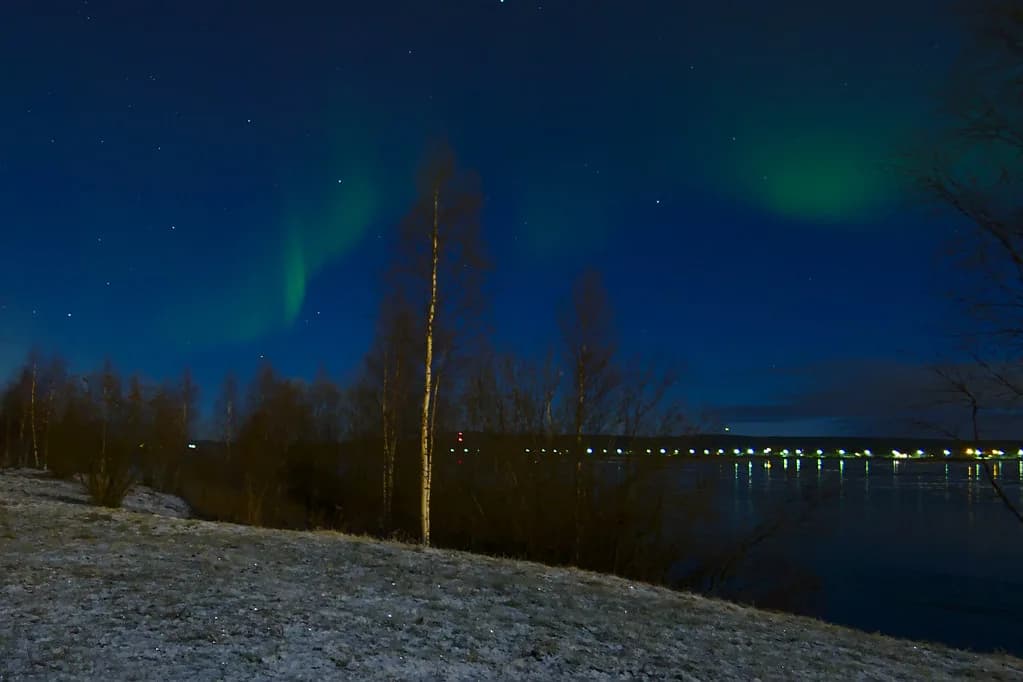
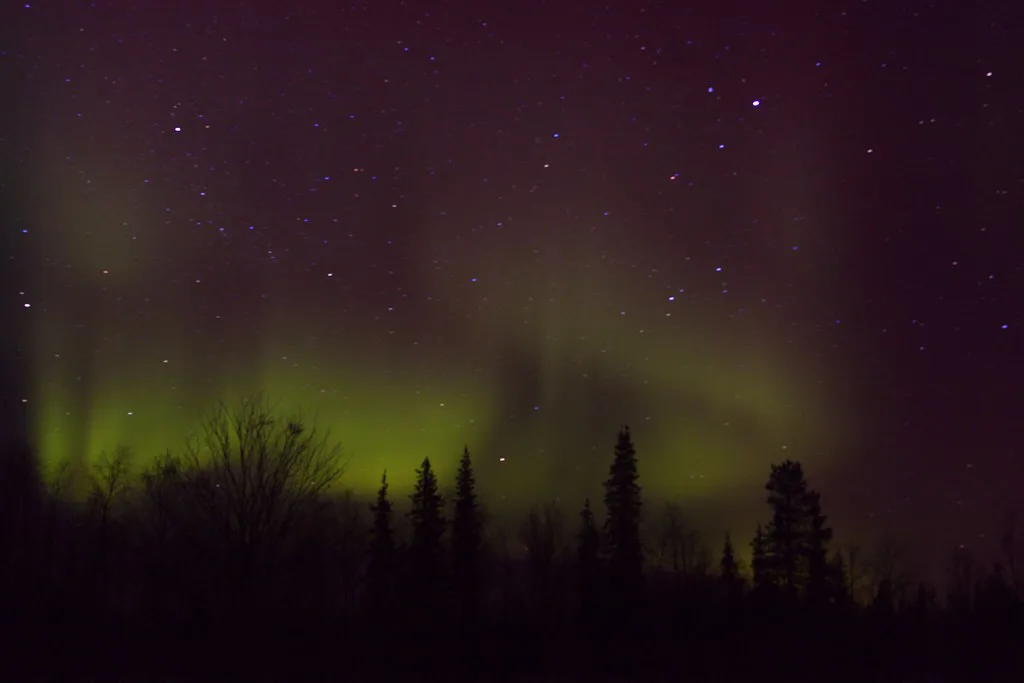
Visit Rovaniemi lists the northern lights as possible to appear in every month from November through April, with March included and April fading after around mid-month. Possible is the operative word: displays depend on solar activity and on the sky being clear, so no month can be booked as a guarantee. What March does offer is a balance, with enough darkness left for a hunt and milder nights that make waiting outdoors more bearable.
Some aurora operators argue that March around the spring equinox brings enhanced geomagnetic activity, and one specialist operator makes that case for late-winter Finland travel. Treat that as operator commentary rather than a rule you can plan around. The reliable factors remain dark skies, distance from town lights and cloud cover on the night.
Where to watch near town and when to go further out
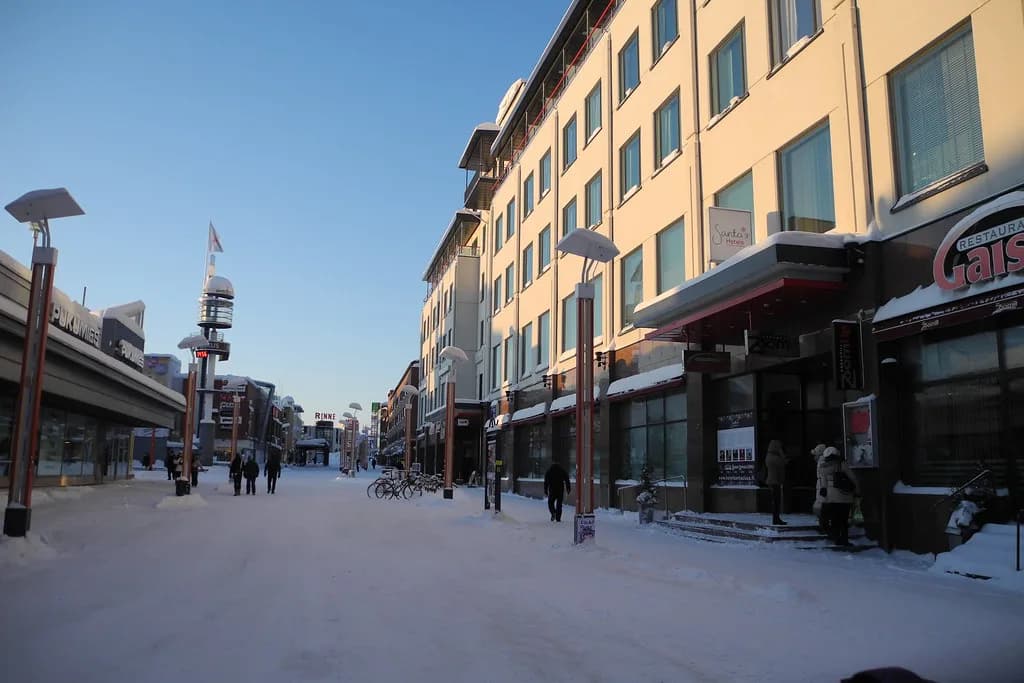
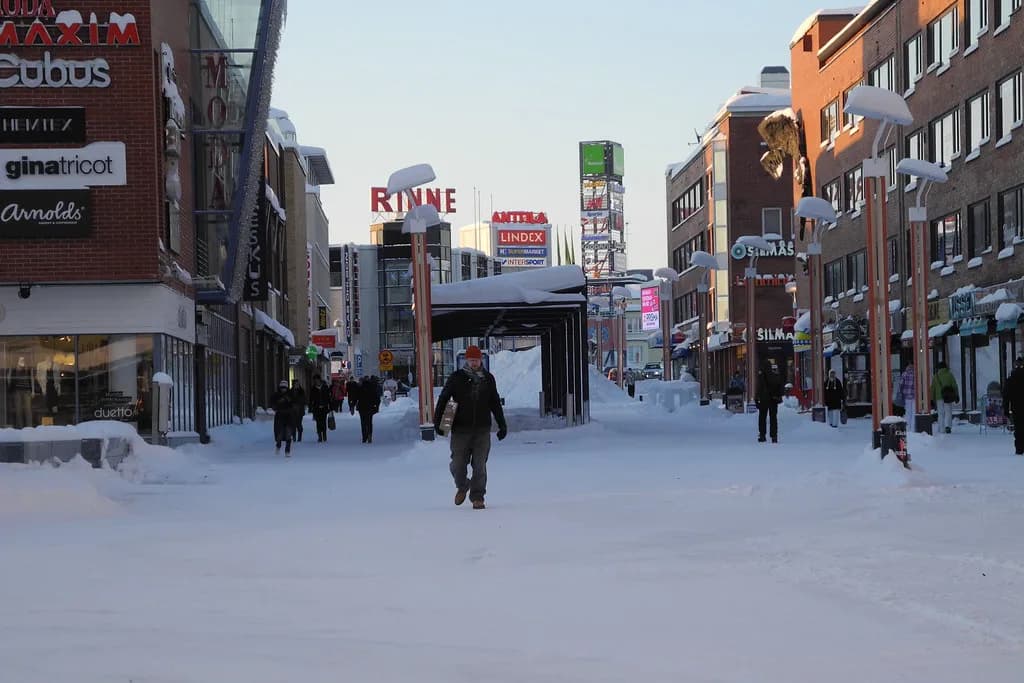
Rovaniemi is a compact town on the Arctic Circle, and the brightest light sits around the center and the shopping streets. For a self-guided night, head away from that core toward the darker roads and forest edges outside town, where the ambient glow drops quickly. Operators running aurora hunts make the same point: the first rule is to get away from city lights, and a clear, starry sky is the cue to watch.
Santa Claus Village, Rovaniemi sits a short drive north of the center right on the Arctic Circle line, which makes it a convenient stop for daytime sightseeing but not a dark-sky site in itself. Use it for the daytime visit and push further out along the quieter roads at night. A car with winter tires lets you chase gaps in the cloud, but only if you are comfortable driving on snow and ice after dark.
Self-guided aurora chasing versus a guided night tour
Self-guided chasing gives you flexibility: you pick the direction, you can wait as long as you like, and you avoid group schedules. The trade-off is that you read the cloud yourself and absorb the driving on winter roads. With a clear forecast and a rental car, a short run out of town can be enough, and many travelers combine it with a cabin or a hotel slightly outside the center.
Husky and reindeer safaris in late-winter conditions
Husky and reindeer operators in and around Rovaniemi list a wide range of late-winter options, and March snow depth means the sleds run on a full base. Visit Rovaniemi's activity listings show, for example, a five-kilometre self-drive husky safari with a hot drink from 140 EUR and a longer 7–10 km self-drive husky ride with farm visit and hot drink from 340 EUR. These are starting prices from the safari companies, so the final cost depends on group size and what is included.
Reindeer experiences range from a short farm visit with feeding to a sleigh ride combined with a husky stop. Some listings state that winter clothing, warm drinks and cookies are included, and operators generally lend thermal suits on safaris where the listing says so. Check the specific listing for age limits and what is provided, since these vary from one operator to the next.
Snowmobiling and ice activities as days lengthen
Snowmobile safaris suit March well because the longer daylight lets you ride scenic forest trails in the afternoon and still be back before dark. Visit Rovaniemi's listings include an evening snowmobile safari with campfire from 149 EUR and a snowmobile photography aurora hunt from 279 EUR, both as starting prices. Snowmobiling in Finland requires a licence for the driver, so ask the safari company about its rules when you book. Ice floating is another late-winter option that pairs well with a March evening: you float in a rescue suit on a frozen lake, often combined with an aurora camp. Visit Rovaniemi lists an aurora ice-floating session from 129 EUR, with the rescue suit covering your whole body so you stay dry. It is a short experience rather than a full night out, so it works well as one evening among several.
Santa Claus Village and the Arctic Circle in March
The Santa Claus Village, Rovaniemi is the town's headline sight and it sits on the Arctic Circle line, so you can cross the marker and visit in the same stop. In March the Christmas rush has passed, which makes the village calmer than in December while the snow is still deep. It is a daytime destination, best paired with a husky or reindeer stop nearby.
If you want to sleep outside the town center, several resorts sit a short drive away with darker skies overhead. The Arctic TreeHouse Hotel, Rovaniemi is one option for a design-led stay close to the village, and Apukka Resort Review covers a further-out base with aurora cabins and activity programs on site.
Saunas, ice floating and evenings indoors
Not every night is a chase night, and March gives you a comfortable middle option: a Finnish sauna followed by a cold dip or an ice-float session. Visit Rovaniemi lists a traditional Lappish sauna evening with a lake dip and a fire-cooked dinner from 157 EUR, and a sauna experience with bathrobe dinner from 150 EUR. These are good choices on a cloudy evening when the aurora is unlikely.
If you would rather stay in town, the Arctic Light Hotel in Rovaniemi is a central base within walking distance of restaurants and the river. Staying central makes it easy to combine a sauna evening with a late check of the sky before bed.
How many nights to plan for a fair shot at clear skies
No month guarantees clear sky, and a single night in Rovaniemi can easily coincide with cloud. A practical approach is to allow at least three or four nights, so a cloudy stretch does not wipe out the whole trip, and to book a tour early in the stay so you can rebook or self-drive later if the first night is overcast. March's longer days mean you lose nothing in daylight by keeping the evenings free for hunting.
If you want a night out with a guide and a campfire, Visit Rovaniemi lists northern-lights tours and a private premium hunt. The top end buys privacy, a photographer and more flexibility. Weigh that against the cost of an extra night's accommodation, which often buys you more chances.
Crowds, cost and comparing March with February and April
March follows the Christmas peak, so the town is quieter than in December and accommodation is easier to find at short notice. Visit Rovaniemi describes March and April as warmer and sunnier snowy months, well suited to sunny winter activities. That makes March a strong compromise between the deeper cold of February and the brightening evenings of April.
April still has snow and long days, but aurora viewing gets harder as the nights brighten after around mid-month. February brings more darkness but harsher temperatures, which shortens the time you want to spend outside. If the aurora is the main goal, late February and March both keep the night, while March's daylight and milder averages make the days easier.
Travelers weighing the wider region can compare Rovaniemi with other bases across Lapland in March, from fell resorts to national-park villages, where trail conditions and daylight are similar but the surroundings differ.
Plan Your March Trip to Rovaniemi
March gives you the best of both halves of an Arctic winter: enough daylight to ride, sled and walk all afternoon, and enough darkness after dinner to look for the aurora. Book a few nights, keep one evening free for a guided hunt, and leave the rest open for a self-drive out of town when the sky clears.
Check current tour prices, inclusions and driver rules directly with Visit Rovaniemi's activity listings before booking, since starting prices shift with group size and season. Then pick your dates around the balance of light and dark that March offers.
Frequently Asked Questions
What is the weather like in Rovaniemi in March?
Visit Rovaniemi gives a March average temperature range of about -15 to -5 degrees Celsius, milder than January's -30 to -15. Snow is normally still deep on the ground, and the month averages roughly 12 hours of daylight. Cold snaps can still arrive, so treat the average as a guide rather than a forecast.
How many hours of daylight does Rovaniemi get in March?
Visit Rovaniemi puts the March average at about 12 hours, up from roughly four in January and eight in February. The gain builds through the month, so late March is noticeably brighter than early March. Even so, nights stay dark enough for aurora watching.
Can you see the northern lights in Rovaniemi in March?
Yes, March is within the aurora season: Visit Rovaniemi lists the northern lights as possible from November through April. Displays depend on solar activity and clear skies, so no one can guarantee a sighting. Getting away from town lights and picking a clear night improves your odds.
Does it snow in Lapland in March?
Snow normally lies on the ground throughout March in Rovaniemi, after a full winter of accumulation. Visit Rovaniemi describes snow cover lasting roughly six months in a snowy year, usually until April. Fresh snowfall can still occur, but the base is typically deep.
Is March a good time to visit Rovaniemi?
March balances long days and milder temperatures with nights still dark enough for the aurora. It is quieter than December and better for daytime activities than the depths of January. If the aurora is your priority, late February and March both keep enough darkness.
How many nights should I plan for an aurora trip?
Allow at least three or four nights so a cloudy stretch does not use up your whole trip. Book a guided hunt early in the stay so you can rebook later if the first night is overcast. Extra nights often cost less than a premium private tour and give you more chances.
Sources
Notes for your Arctic winter trip
Optional updates to our northern lights guides.
You might also like
Continue reading
More guides you'll find useful