Rovaniemi in January: Winter Trip Guide
Plan Rovaniemi in January: sub-zero days, dark aurora-friendly nights, husky and reindeer rides, glass igloos and how many nights to book.
On this page
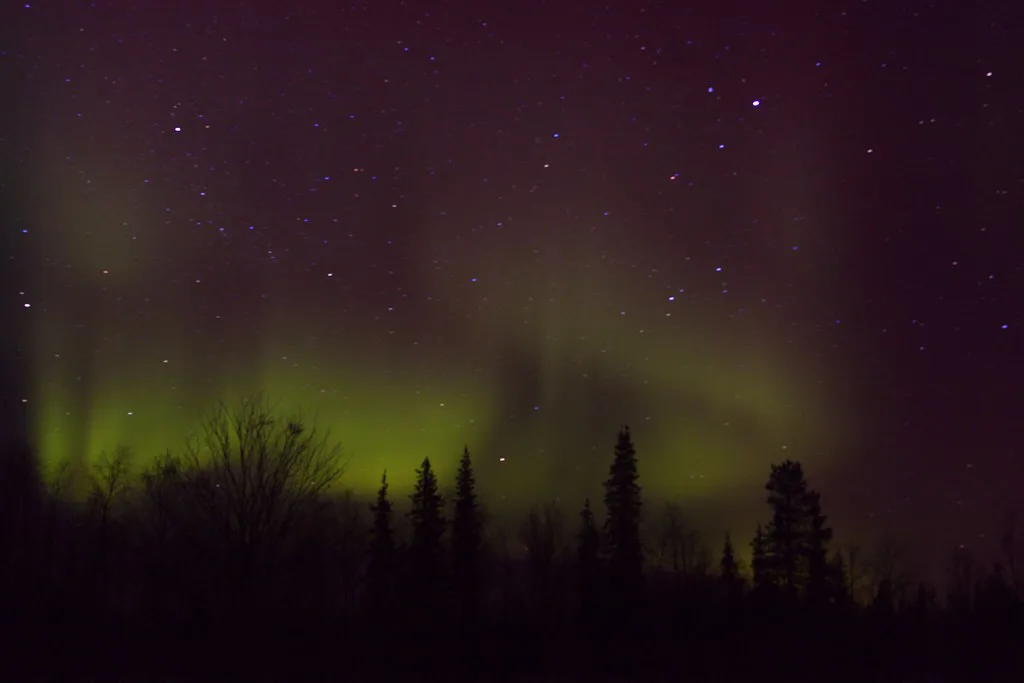
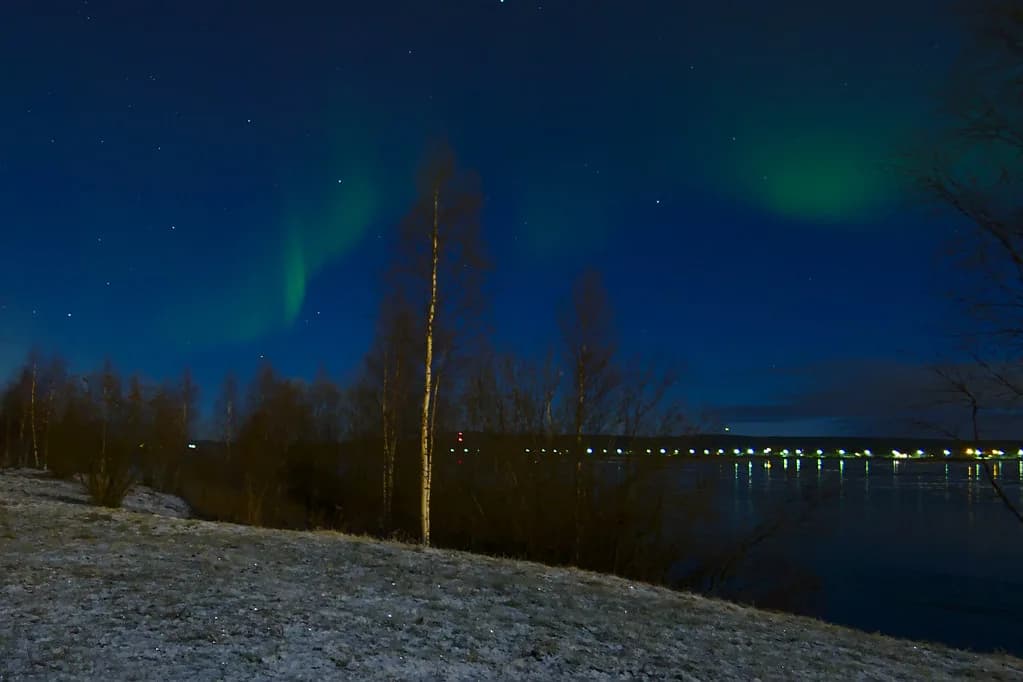
January is Rovaniemi at its most Arctic: snow lies deep, temperatures sit well below freezing, and the sun barely lifts above the treetops for a few hours around midday. It suits travelers who want husky and reindeer safaris, snowmobiling and glass-roofed nights rather than sightseeing in a city. The long nights are the point: they give you a wide window for the northern lights in rovaniemi whenever the cloud breaks.
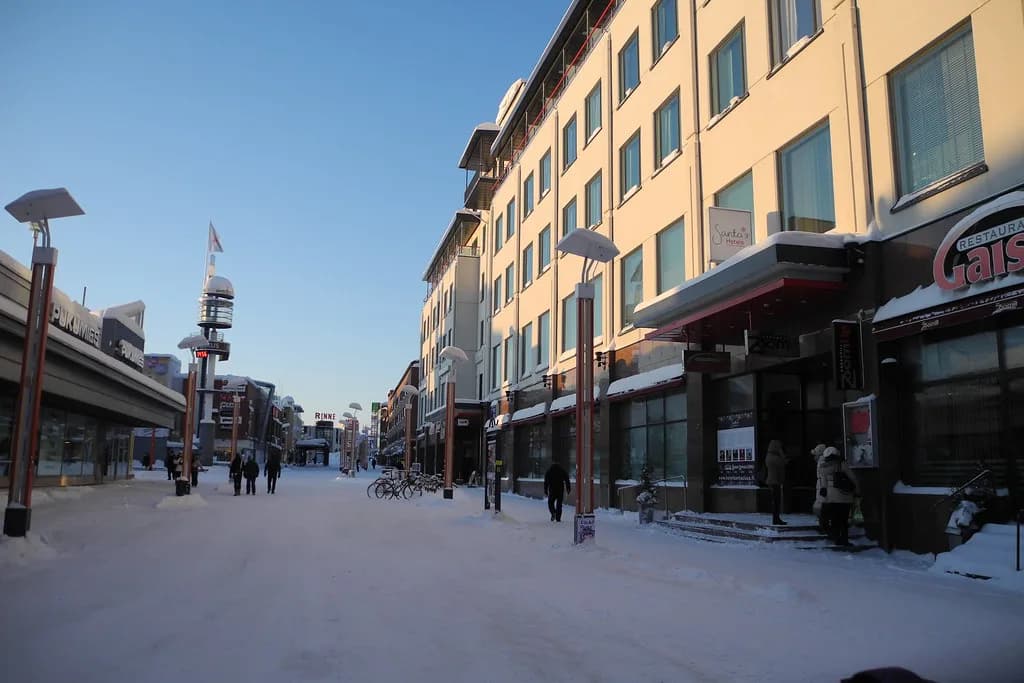
The trade-off is real cold and very short days, so plan one outdoor activity per day rather than three, and treat evenings as aurora time. Santa Claus Village sits on the Arctic Circle just north of town, which makes a convenient base for families but a light-polluted one for skywatching. Rovaniemi spreads out along the Kemijoki and Ounasjoki rivers, with the fell of Ounasvaara rising immediately south of the centre.
Why January works: polar night light, deep snow and long dark nights
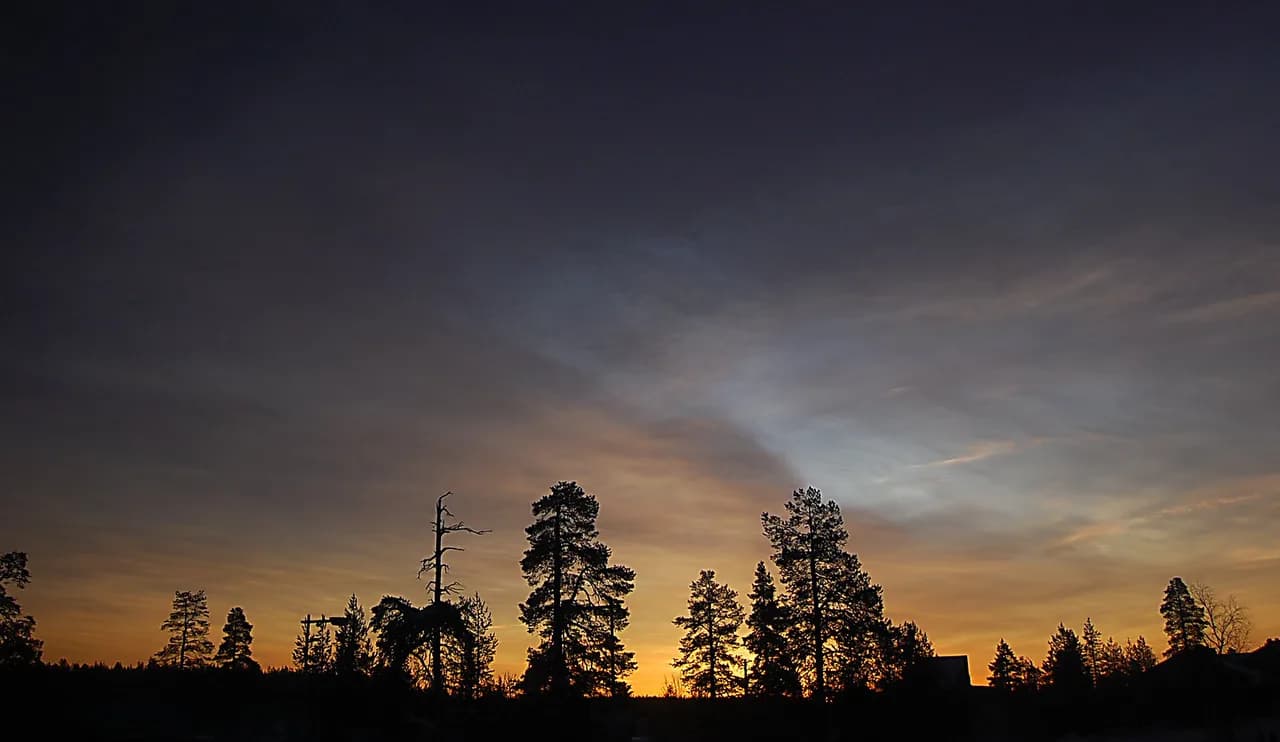
January lies in the polar night period, when the sun stays at or below the horizon around Rovaniemi. Even so, the sky rarely goes fully black at midday: the "blue hour" light lingers for a couple of hours, turning the snow pale blue and then pink. Photographers get soft, low-angle light through the middle of the day, and the sunsets run long.
Because the dark period stretches across most of a January day, you do not have to stay up until midnight to chase the aurora, though the strongest displays usually come later in the evening. Plan your outdoor activities for the brighter hours around midday and leave the rest of the day for rest, sauna and a night out. The cold is cumulative: a long snowmobile run in the morning makes an evening skywatch harder, so keep days light.
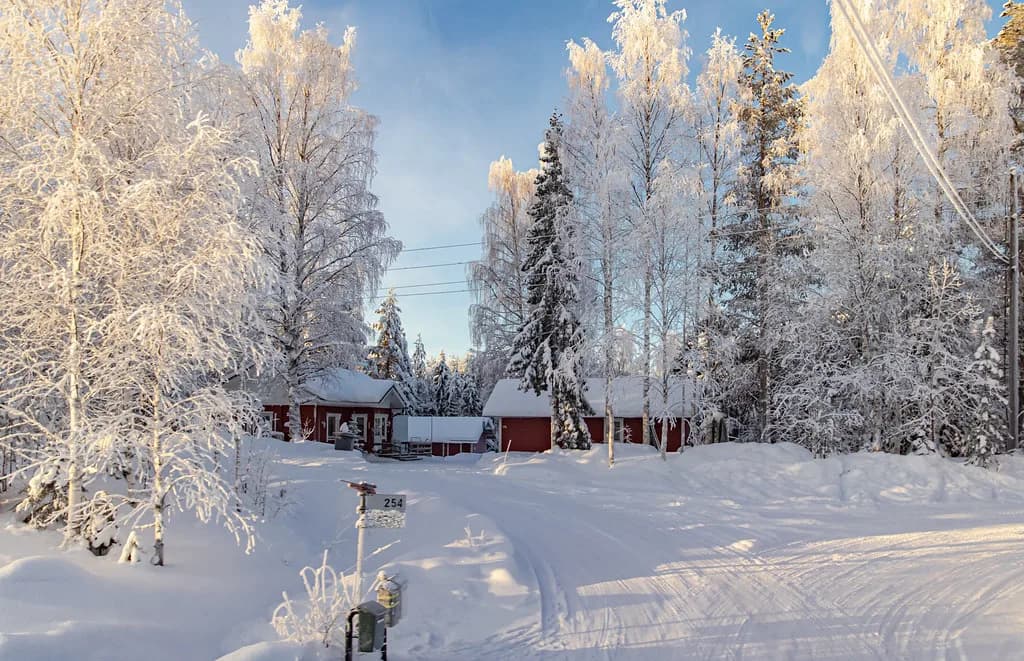
Snow cover is typically at its most reliable in January, which is what makes dog sledding, cross-country skiing and snowshoeing work well. You can read the season as a whole, month by month, in the wider guide to lapland in january if you are weighing Rovaniemi against bases further north.
January daylight hours and temperatures in Rovaniemi
Expect only a few hours of twilight-bright sky around midday in January, with darkness returning by mid-afternoon. The sun does not properly rise, so daylight is really a long dawn that fades back into dusk. That matters for scheduling: a day trip to a national park, a canyon hike or an icebreaker cruise all have to fit into a short window, and most operators run those trips anyway.
January is the coldest month of the Rovaniemi winter in a typical year, and AccuWeather's monthly outlook for January shows daily highs mostly well below freezing with overnight lows far colder, including stretches near minus 30 Celsius. Individual days swing widely, and a mild spell can bring temperatures close to zero. Treat the forecast as a range and expect to spend real time outdoors in serious cold rather than a light jacket.
Operators who run snowmobile and husky safaris in these conditions lend thermal suits and boots, so you do not need expedition-grade gear of your own. A travel account of a late-February trip notes the same pattern of hotel-arranged transfers and taxis covering daily activities without a rental car. If you want a car for self-guided chasing, budget for winter tyres and a cold-start routine.
When the aurora season runs and what January offers
The aurora season in Finnish Lapland runs from late August to early April, defined by dark nights rather than by temperatures. January falls in the middle of that window, with near-continuous darkness at night and a strong chance of snow cover to reflect any light. Solar activity varies from night to night and from year to year, so no date in January can promise a display.
What January gives you is repetition: many dark hours across many nights, which is exactly what a short trip needs. A travel account from a six-night Lapland stay in late February and early March describes seeing the lights on three of those nights, each time from the accommodation rather than on an organised tour, but that reflects one trip's luck rather than a rule. Book enough nights that a cloudy spell does not end your chances.
Aim for a stay of at least four nights in Rovaniemi if the aurora is the main reason for the trip. That gives you several independent chances to catch a clear sky, and you can use a cloudy evening for the sauna or a museum instead of losing the night. Full moon weeks wash out faint displays but leave bright ones readable, so they are not a reason to avoid January.
How to read the cloud forecast and Kp index before a night out
Two numbers decide your evening: how much cloud is forecast and how active the solar wind is. Cloud matters more, because a strong display behind thick cloud is invisible, while a modest one in a clear sky is easy to see. Check the cloud forecast for the exact hours you plan to be outside, not just the daily summary.
The Kp index is a rough global measure of geomagnetic disturbance, not a local guarantee. A high Kp improves your odds across a wider area, but Rovaniemi sits close enough to the auroral oval that even modest activity can produce arcs overhead when the sky is clear. Free apps that combine aurora activity with cloud cover, such as My Aurora Forecast, help you decide whether to go out at all.
In practice, look at the forecast in the late afternoon, choose your spot, and be outside by early evening rather than waiting for confirmation. The lights build and fade over tens of minutes, so give any clear window at least an hour. If the forecast is marginal, a guided tour's drivers know the local roads and can move you toward clearer sky, which is often worth more than a higher Kp reading.
Where to watch near town: Arktikum garden, Ounasvaara, Ounasjoki riverbanks and lakes
The closest dark spot to the centre is the garden behind the Arktikum museum, where the riverbank opens up and streetlight glare drops away quickly. It is a short walk from most central hotels, which makes it the obvious first-night option when the forecast is uncertain. Walk toward the river rather than standing beside the museum's lights.
The summit of Ounasvaara fell gives a wide view over the treetops and is reached by road or trail from the southern side of town, though the ski slopes and resort lights intrude on part of the horizon. The banks of the Ounasjoki river and the frozen lakes outside the city offer flatter, darker horizons. Whichever you choose, get away from the road lights and let your eyes adjust for twenty minutes.
A car widens your radius considerably, letting you drive a few kilometres out on forest roads and stop where the sky opens. Without one, use taxis or a guided tour; a late-February trip report describes taxi transfers arranged through a hotel desk as simple and reasonably priced. Either way, tell someone where you are going and stay on marked ground when walking on ice.
Self-guided chasing versus a guided aurora tour
A guided northern lights tour in Rovaniemi typically runs in the evening and includes transport, a guide who reads the cloud forecast, and often a fire, hot drinks and snacks. Prices reported for these tours generally fall between about 80 and 150 euros per person, depending on duration and extras, and some use snowmobiles or reindeer sleighs to reach darker ground. Choose a tour that can drive a fair distance rather than one that parks at a fixed camp.
Self-guided chasing is cheaper and more flexible, but you need wheels, winter driving confidence and a plan for several backup spots. It suits travelers who are comfortable reading forecasts and driving on snowy roads at night; otherwise a tour removes the stress. Either way, book for more than one night if the aurora is central to the trip, and never treat any single evening as guaranteed.
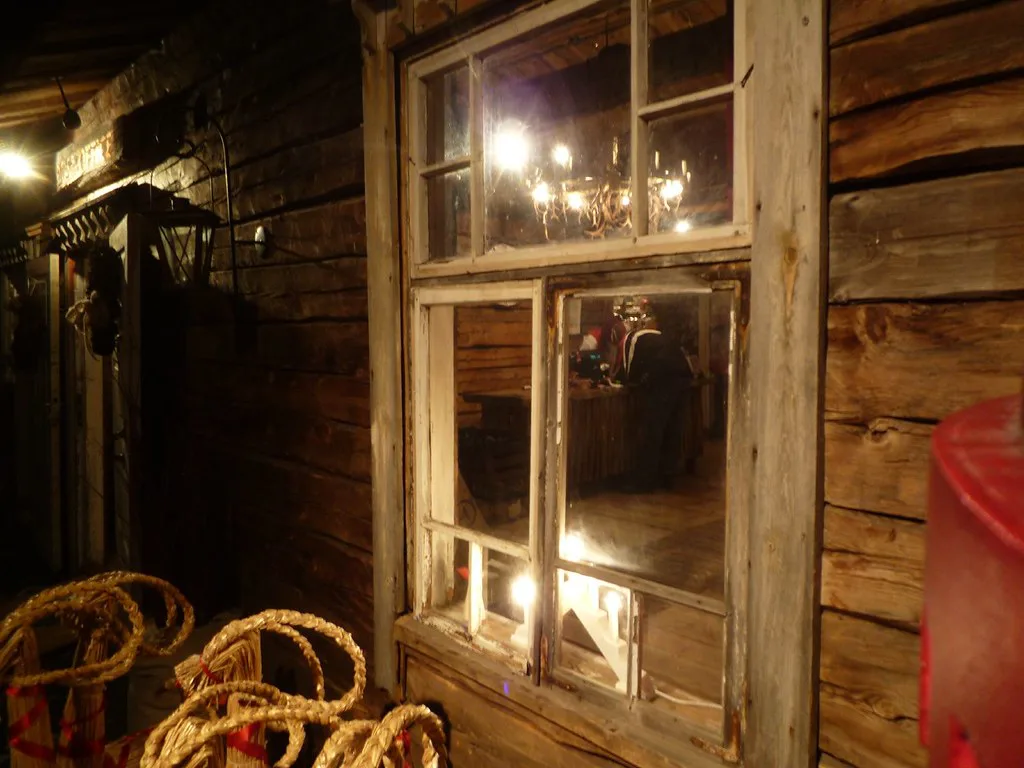
Husky safaris and reindeer sleigh rides in January
Husky safaris are the adrenaline option: guide-led teams, a safety briefing, and a run through snow-covered forest, with self-drive sledges on many tours. Shorter rides run about an hour, while longer expeditions reach two to three hours or more and may include a visit to a husky farm. A reported tour with Apukka Resort lasted around two hours and included pick-up and drop-off in central Rovaniemi. For the practical details, see the apukka resort.
Expect to pay in the region of 150 euros per person for a typical one-hour husky tour, with longer or more elaborate packages reaching toward 300 euros, according to operator pricing reported for Rovaniemi. If you only want to meet the dogs, a farm visit is the cheaper route. Husky rides are also offered at Santa Claus Village through Bearhill Huskies, which suits families who want everything in one place. Reindeer sleigh rides are slower and quieter, usually with a herder who explains reindeer husbandry, and many include a farm visit and feeding. A basic ride of around half an hour is reported at roughly 100 euros per person, with farm visits priced slightly higher. Book a daytime slot in January so you ride in daylight rather than in the dark; the reindeer ride at Santa Claus Village runs about an hour and can be reserved months ahead.
Snowmobiling, ice fishing and snowshoeing on short days
Snowmobile tours range from short one-hour blasts to half-day runs deeper into the forest, and reported prices start at around 120 euros per person for an hour. Most require a driving licence for the driver and pair two people per machine, so ask about the single-rider supplement when booking. Thermal suits and helmets are usually part of the package. Ice fishing is the quiet alternative: an auger, a hole in a frozen lake, and a guide who knows the water, often with a shelter and hot drinks. Tours typically run three to four hours and usually include transport and equipment, with reported prices between 100 and 150 euros per person. Snowshoeing is cheaper and can be self-guided on marked trails near Ounasvaara and Santavaara, with guided walks around two to three hours.
In January, book these activities for the brighter hours around midday and keep the afternoon free. Hotels such as the Arctic TreeHouse Hotel, on the Arctic Circle a short drive from the centre and near Santa Claus Village, keep snowshoes, toboggans and fatbikes for guests to use without booking a tour.
Ice floating under the lights
Ice floating suits you in a thermal flotation suit that keeps you warm and dry while you drift in a frozen lake, which is a strange and memorable experience. Tours usually last about two hours, include the suit and transport, and are reported at around 100 to 150 euros per person. Some operators run evening sessions so you can look up at the sky while you float.
The aurora is a bonus rather than a promise on a float, so book it for the experience itself and treat a display overhead as luck. Choose a session that starts after dark if you want any chance of lights, and check the minimum age for children before booking a family slot. The suits are bulky, so expect a slower, guided experience rather than a swim.
Santa Claus Village in January: crowds, queues and the Arctic Circle line
Santa Claus Village sits right on the Arctic Circle line a short bus ride from the centre, and it stays open all year, though January snow gives it the proper postcard look. Meeting Santa is free, while photos with him cost extra, and his post office sells cards stamped with the Arctic Circle postmark. The village holds shops, restaurants and several winter activities, so half a day there is realistic.
Queues vary: a late-February visit saw roughly a 30-minute wait to see Santa on a busy day, while Mrs Claus had no line at her separate house. Expect similar or lighter crowds in January outside the New Year holidays. The public bus from the centre is the easy way in if you are not on a hotel transfer.
If you want everything within walking distance and don't mind a commercial feel, staying in the village keeps the Arctic Circle, Santa and husky rides close together. For quieter nights and a darker sky, a central or riverside hotel works better. A central hotel such as Arctic Light Hotel, Rovaniemi puts you near the Arktikum garden and the Ounasjoki riverbank.
Glass igloos and aurora cabins around Rovaniemi
Glass igloos and aurora cabins let you watch the sky from bed, which makes a short January trip feel less punishing on cold nights. They are typically built with thermal glass and kept warm inside, but interior light and condensation reduce the view, and the sky visible from a glass roof is only a slice of the sky. Accept that you will still step outside for a proper look.
Popular options in and around Rovaniemi include the Arctic Snow Hotel, Apukka Resort and Santa's Igloos Arctic Circle for glass igloos in peak season. These rooms fill fast in winter, so book well ahead if a glass-roof stay is essential to your trip. At the higher end, the Arctic TreeHouse Hotel, Rovaniemi offers treehouse-style rooms with wide floor-to-ceiling windows and, in many rooms, a private fireplace. Breakfast in its Rakas Restaurant is included in the rate, and the food is a highlight of a stay. It pairs well with a night out at Santa Claus Village a few minutes away.
Sauna and ice bathing after a night out
A Finnish sauna followed by a roll in the snow or a dip in an ice hole is the standard way to end a cold day in Rovaniemi. Many hotels and resorts offer private saunas, and the Arctic Snow Hotel pairs a traditional sauna with an ice bath in a nearby frozen lake. Book a private slot if you want the full ritual without an audience.
Time your sauna after your evening skywatch rather than before it, so you return to warmth when you come in from the cold. It also gives the sky a chance to clear while you sit indoors. Keep the dip short and have dry clothes waiting within arm's reach.
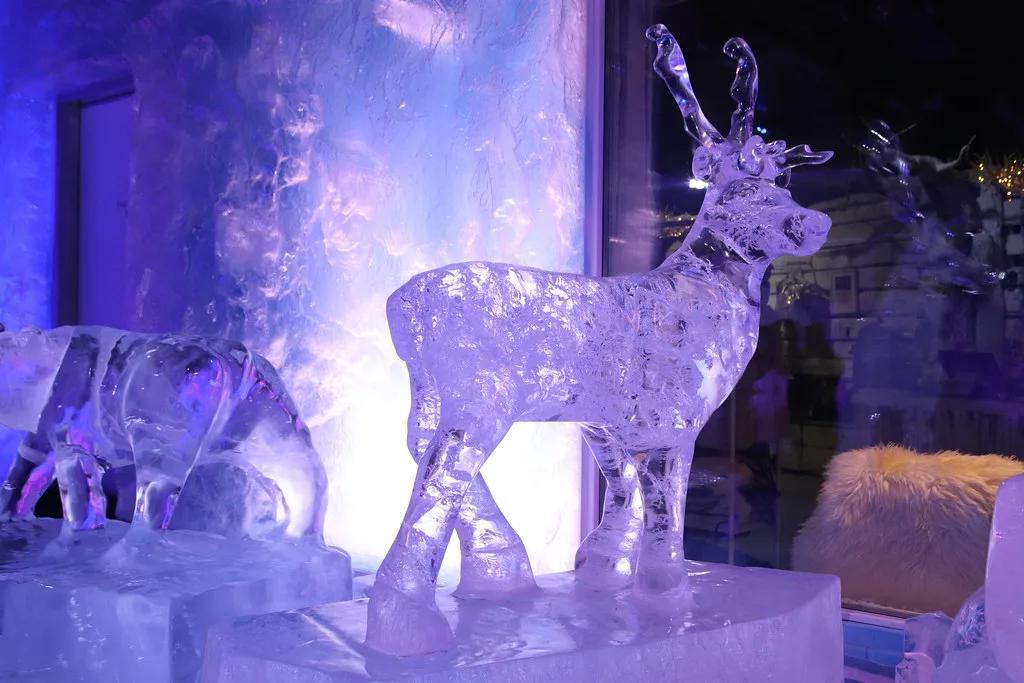
Day trips that fit January daylight: Riisitunturi and the Sampo icebreaker
Riisitunturi National Park, about a 1.5-hour drive from Rovaniemi, is known for snow-laden trees that look sculpted and for quiet snowshoe trails. In January you get only a brief window of light, so leave early and treat the trip as a snowshoe walk and photography outing rather than a long hike. Guided day trips handle the driving and the short daylight.
The icebreaker Sampo cruise from Kemi runs only in winter, from December through the first week of April, so January falls inside its season. The trip includes transport from Rovaniemi and lunch, with a chance to walk on the frozen sea ice and float in a survival suit. Book early because the cruise sells out, and check whether the SnowCastle will be open for your date.
Korouoma Canyon is another popular winter day trip, with frozen waterfalls at the head of the canyon and a trail down to the viewpoints. Distances and guiding are best confirmed with whichever local tour company runs your trip, since trail condition and daylight length govern how far you get.
How many nights to plan in Rovaniemi
Three full days covers the main activities: one day for a husky or reindeer safari, one for snowmobiling or snowshoeing, and one for Santa Claus Village and a museum. A three-day visit spent on activities felt unhurried in one report, though the author had extra days further north in Lapland. If the aurora is the goal, add nights rather than activities.
Four to six nights gives you several chances at a clear sky and a buffer for a cloudy spell, plus a rest day between long tours. Guided northern lights tours generally run in the evening and finish late, so alternate them with daytime activities rather than stacking both on the same day. Book your must-do tours before you travel and leave the rest flexible to match the forecast.
How January compares with December and February
December brings the Christmas atmosphere, the Santa crowds and the shortest days, with the same deep snow and dark nights as January. It is the busiest and most expensive period around the New Year, while January is quieter after the holidays and just as cold, with more reliable snow on the trails.
February lengthens the days noticeably and often brings clearer, colder high-pressure weather, which some travelers prefer for photography and daytime activities. March adds more daylight and milder temperatures but shortens the aurora window at each end of the night. January sits in the middle: maximum darkness and maximum cold, with the best odds of a white landscape for activities.
Whichever month you pick, the same rule applies: give yourself multiple nights, watch the cloud forecast and never assume a display is owed to you. The Arctic Circle rewards patience more than planning precision.
Where to base yourself: centre versus Santa Claus Village versus the outskirts
The city centre puts you within walking distance of restaurants, the Arktikum garden and the Ounasjoki riverbank, and it is well placed for taxis and tours. Light pollution is higher than in the countryside, but the riverbank spots are only minutes away on foot. It suits travelers without a car who want an easy evening routine.
Santa Claus Village is convenient for families who want Santa, husky rides and the Arctic Circle line on the doorstep, and it has its own accommodation and restaurants. It is busier and more commercial, with more lights around, so expect to travel for a darker sky.
Resorts on the outskirts, such as Apukka Resort and the Arctic TreeHouse Hotel, combine a darker setting with activities and transfers, which is a good compromise if you don't want to drive. Apukka operates as a glass-igloo and cabin resort with its own safari programme in Finnish Lapland, while the TreeHouse sits close to Santa Claus Village but with forest around it.
Plan Your January Trip
January in Rovaniemi is a deep-winter trip: plan around short daylight, expect serious cold, and build evenings around the sky rather than around a schedule. Book one or two headline activities, keep the rest flexible and stay at least four nights if you want a fair shot at the northern lights.
Reserve glass igloos and the popular safaris early, since the best-known properties and the icebreaker cruise fill months ahead. Check the forecast each afternoon rather than locking in every night, and treat any clear sky as the main event.
Frequently Asked Questions
How much daylight is there in Rovaniemi in January?
Only a few hours of twilight around midday, with the sun staying at or below the horizon at the darkest part of the month. Daylight comes as a long dawn that fades back to dusk by mid-afternoon, so fit outdoor activities into that window and leave evenings for the sky.
Can I see the northern lights in Rovaniemi in January?
January sits inside the aurora season, with long dark nights and a good chance of snow cover. Whether you see a display depends on solar activity and, above all, clear skies, so plan several nights and check the cloud forecast rather than relying on a single evening.
How cold is Rovaniemi in January?
Expect hard winter cold, with daily highs usually well below freezing and overnight lows much colder, including stretches near minus 30 Celsius in some years. Individual days vary widely, so treat the forecast as a range and plan indoor breaks between outdoor activities.
How many nights should I spend in Rovaniemi in January?
Three full days covers the main activities, but four to six nights gives you several chances at a clear sky and a buffer for cloudy spells. If the aurora is the reason for the trip, add nights rather than adding activities.
Do I need a car in Rovaniemi in January?
Not necessarily. Airport transfers, taxis and hotel-arranged transport cover most activities, and buses link the centre with Santa Claus Village. A car helps if you want to chase clear skies yourself on forest roads, but it means winter driving at night.
What happens if it is cloudy every night of my trip?
The aurora cannot be guaranteed on any date. Guided tours can drive toward clearer sky, and a multi-night stay improves your odds, but if cloud settles in, use the evenings for the sauna, museums or an early night. Treat a display as a bonus rather than a booking.
Sources
Notes for your Arctic winter trip
Optional updates to our northern lights guides.
You might also like
Continue reading
More guides you'll find useful