Polar Night in Rovaniemi: Kaamos, Blue Light & Aurora
Rovaniemi sits just below the Arctic Circle, so its polar night is a long blue twilight rather than total darkness. Here is how kaamos shapes a winter trip.
On this page
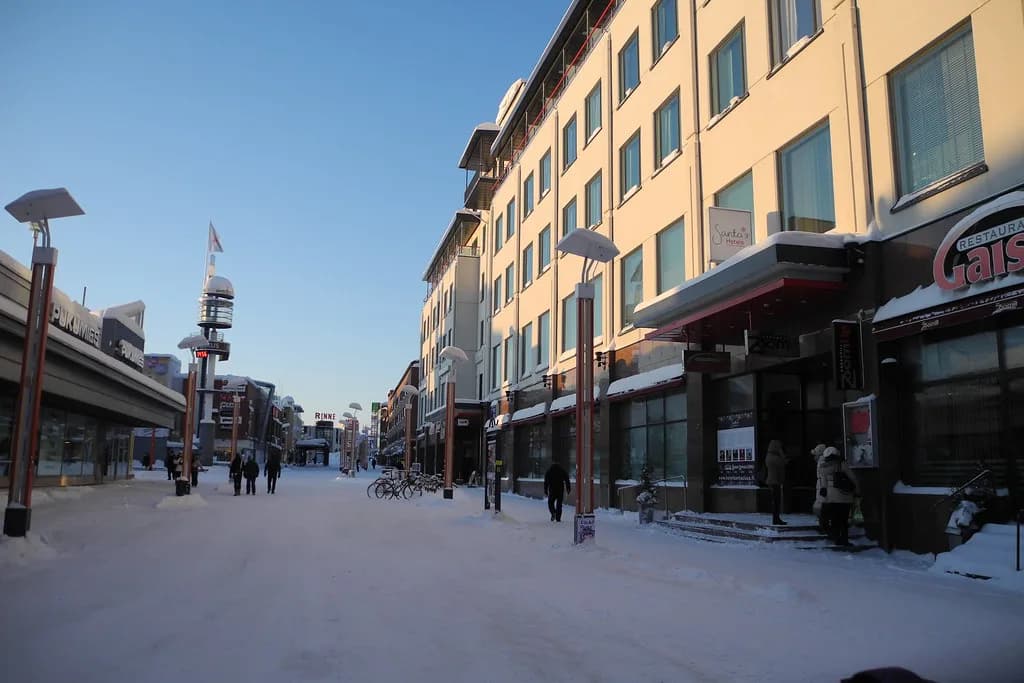
Rovaniemi in midwinter gives you something rarer than darkness: a drawn-out blue twilight that lasts for weeks, with the sun grazing the horizon for a couple of hours and the snow throwing light back into the sky. It suits travelers who want a real Arctic winter base with an airport, restaurants and tour operators on hand, rather than a remote fell village. The trade-off is that you share the dark evenings with a town, so you have to think about light pollution as well as cloud.
What polar night means at Rovaniemi's latitude
Polar night, or kaamos in Finnish, occurs inside the polar circles when the sun stays below the horizon for a full day. How dark it gets depends on latitude: closer to the poles a whole day can pass without sunlight, while places nearer the Arctic Circle get a polar twilight in which the sun may still appear for as little as around two hours.
Rovaniemi sits in that twilight band rather than in the deep polar night of Utsjoki in the far north of Finland. Expect a short, low sun window and long hours of blue and violet light instead of unbroken blackness. If you want the extreme version, you have to travel considerably further north.
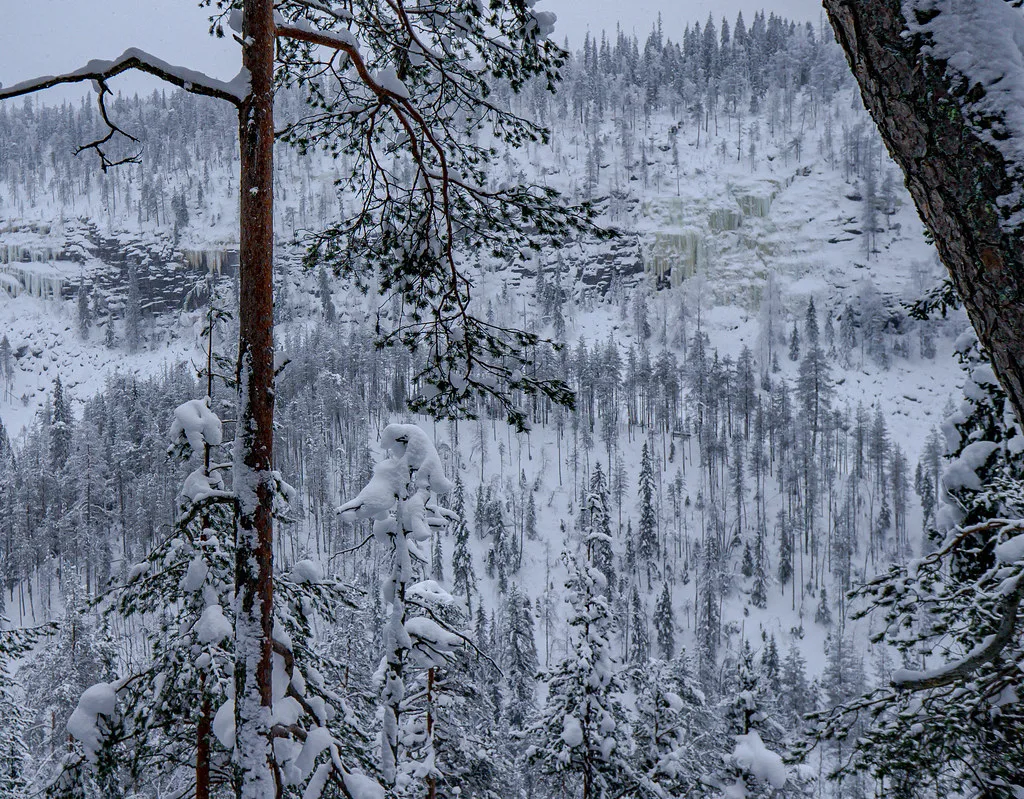
Snow changes the experience more than most visitors expect. In the north, snow-covered ground brightens the surroundings so effectively that the polar night can feel lighter than a snowless southern Finnish winter, where the same season reads as genuinely dark. Rovaniemi's winter usually has that snow cover, so plan for luminous grey-blue days rather than gloom.
Why the dark season lasts weeks, not days
The polar night is not a single dark date but a period around the winter solstice, beginning roughly as December arrives and running into the first weeks of January. Latitude decides how deep it goes: a location near the polar circle experiences polar twilight, while one closer to the pole gets near-total darkness.
For planning, treat the weeks either side of the solstice as one continuous low-light season rather than hunting for precise opening and closing dates. In practice this means a trip in early December and a trip in early January sit inside the same mood of short days, long nights and near-constant twilight. Build your itinerary around evenings and mid-morning light, not around a midday sun that barely clears the trees.
The blue moment: what kaamos light actually looks like
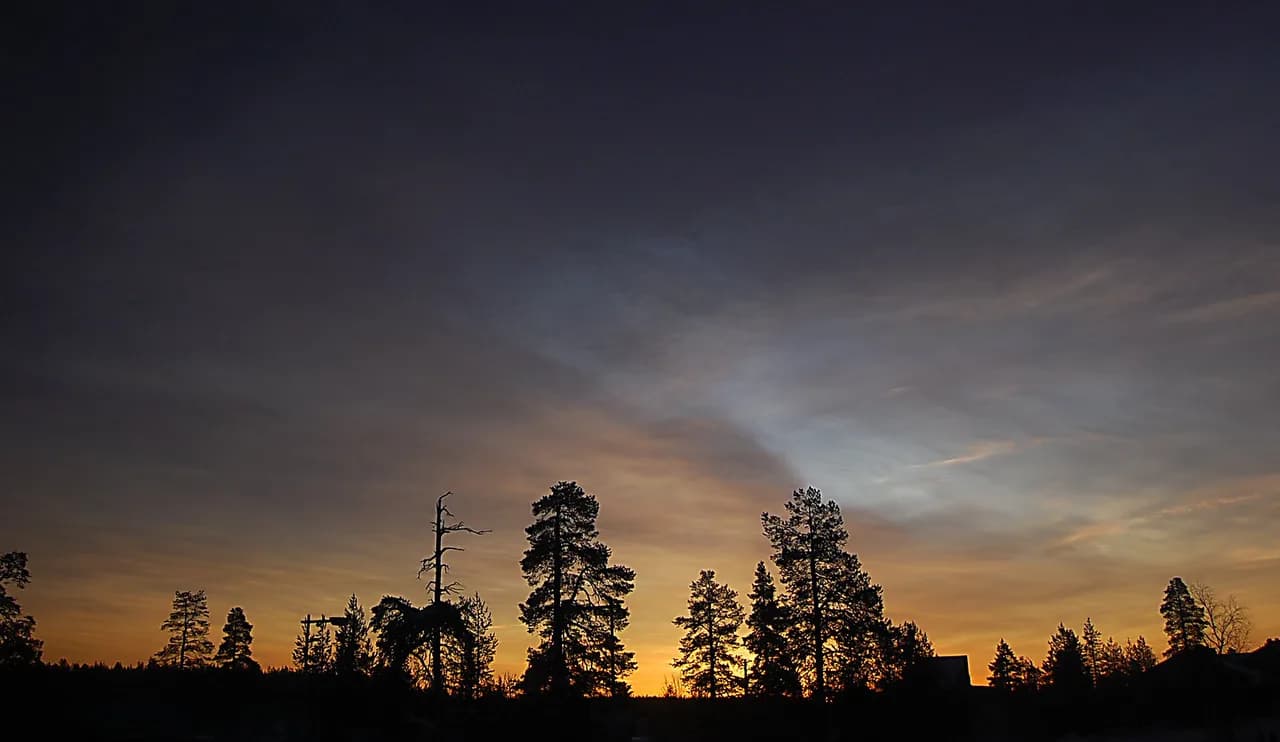
The signature of a Lapland winter day is the blue moment, when the sky turns shades of blue, violet and magenta as the low sun sits near the horizon. These colours often appear in November already, and they are easy to see across Lapland, including around Rovaniemi. It is the best daylight window for photography, so keep your camera ready in the early afternoon.
Even when the sun never properly rises, the noon sky can look like a sunrise dissolving into a sunset, with pink and orange tones above the treeline. Snow, moonlight and, on lucky nights, aurora light the landscape in between. Treat the blue hour as the main daytime event rather than a pause before the evening.
One Finnish light festival makes a feature of this darkness. The Polar Night Light Festival at Ruka in Kuusamo runs from 15 January to 7 February and is billed as the world's northernmost light installation, with entry free and a lift ticket giving access to installations across the slopes. It is a long day trip from Rovaniemi rather than a local event, so weigh the drive against a night you would otherwise spend chasing clear skies.
Daylight in December and January at Rovaniemi's latitude
Around the solstice, daylight at Rovaniemi's latitude shrinks to a brief window of civil twilight rather than a normal day. The sources that describe the polar twilight zone put the sun-above-horizon period at roughly two hours at most near the Arctic Circle, and Rovaniemi is close to that line. Plan outdoor activities such as husky sledding, snowshoeing or a visit to Santa Claus Village for late morning and early afternoon, and leave evenings free for aurora attempts.
The Finnish Meteorological Institute publishes sunrise, sunset and twilight tables for Rovaniemi by date, and those are the figures to trust for your specific travel days rather than rule-of-thumb estimates. Once you have real times, you can slot a daylight activity into the brightest stretch and keep the rest of the day flexible for weather. Day length climbs quickly from late January, so a February trip gives noticeably more usable light.
Snow, temperature and cloud in the polar night weeks
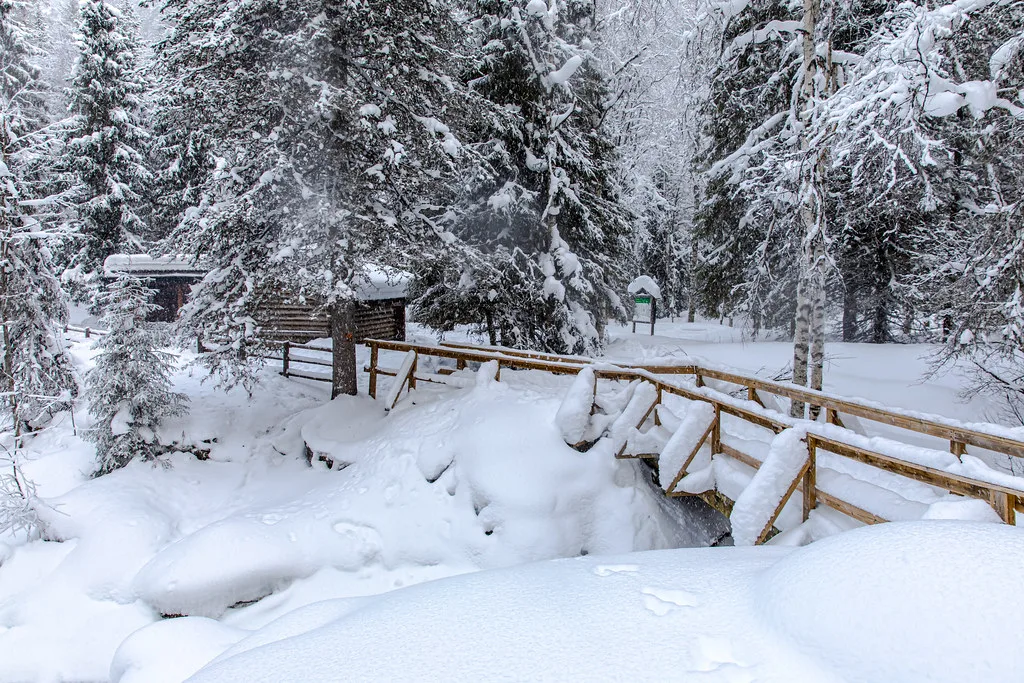
Rovaniemi's polar night is a snow season, and snow cover is what separates a luminous kaamos from a merely grey one. Local climate records give monthly mean temperatures and snow depth for Rovaniemi, which is the sensible way to set expectations before you plan your dates. Cloud is the bigger variable for aurora watching, and day-to-day cloud forecasts matter more than any seasonal average.
Cold, clear nights are the ones you want, and they are also the nights when the aurora can appear overhead if solar activity cooperates. A cloudy week can pass with no sighting at all, which is why flexibility matters more than any single booked tour. Keep a couple of evenings unplanned so you can move when the sky opens.
Rovaniemi and the Arctic Circle: where the line falls
The Arctic Circle passes just north of Rovaniemi's centre, and Santa Claus Village sits on the line itself, which is why so many travelers combine the two. Staying near the village puts you close to the boundary marker and slightly away from the brightest town lights. If the aurora is your priority, it is worth understanding where your accommodation sits relative to the line and to the town centre, which is covered in the guide to the northern lights in rovaniemi.
Being on or just below the Arctic Circle does not change the aurora itself, but it does place you inside the polar twilight zone and deep enough north for frequent overhead displays during active periods. The wider regional picture, including how the dark season differs from Utsjoki and the far north, is set out in the guide to the polar night in finnish lapland
Why the polar night helps aurora watching
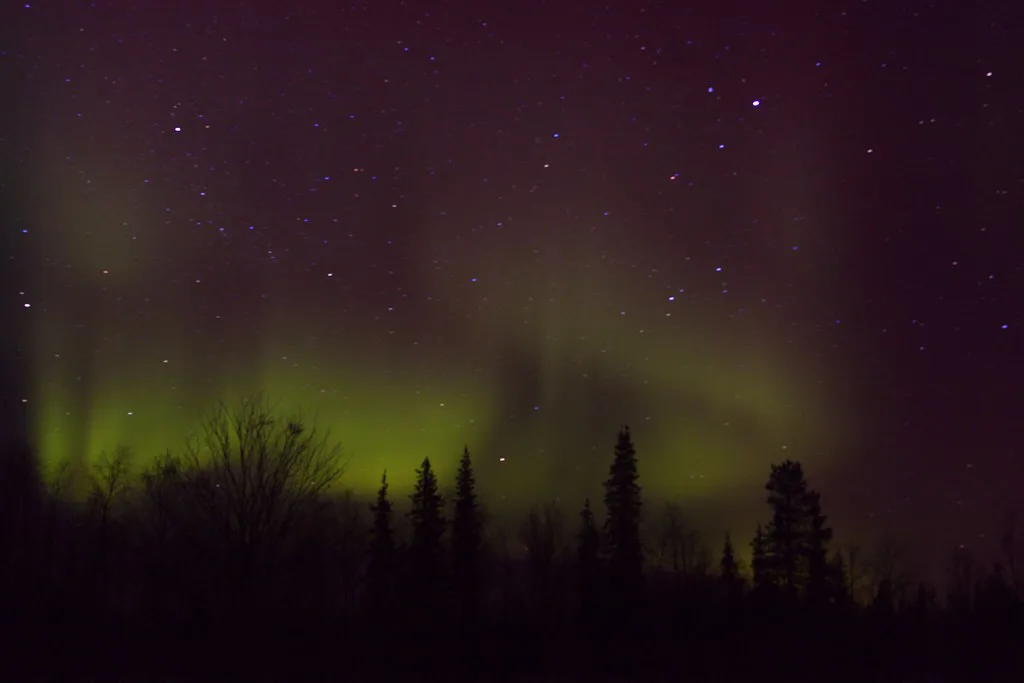
Aurora needs darkness, and the polar night supplies it for most of the day. The further north you go in Finland, the better your chances of catching a display, and the dark weeks around the solstice give you long, usable viewing windows rather than a short window between dusk and bedtime.
That is an advantage, not a promise. Displays depend on solar activity and on clear skies, and a Kp index reading is a rough guide to how far south the auroral oval may reach, not a local forecast. What you can control is being outside, away from lights, with several evenings available and a willingness to move when the cloud breaks. Read the night-sky conditions as a whole rather than chasing a single number.
Where to watch near Rovaniemi: dark spots and distances
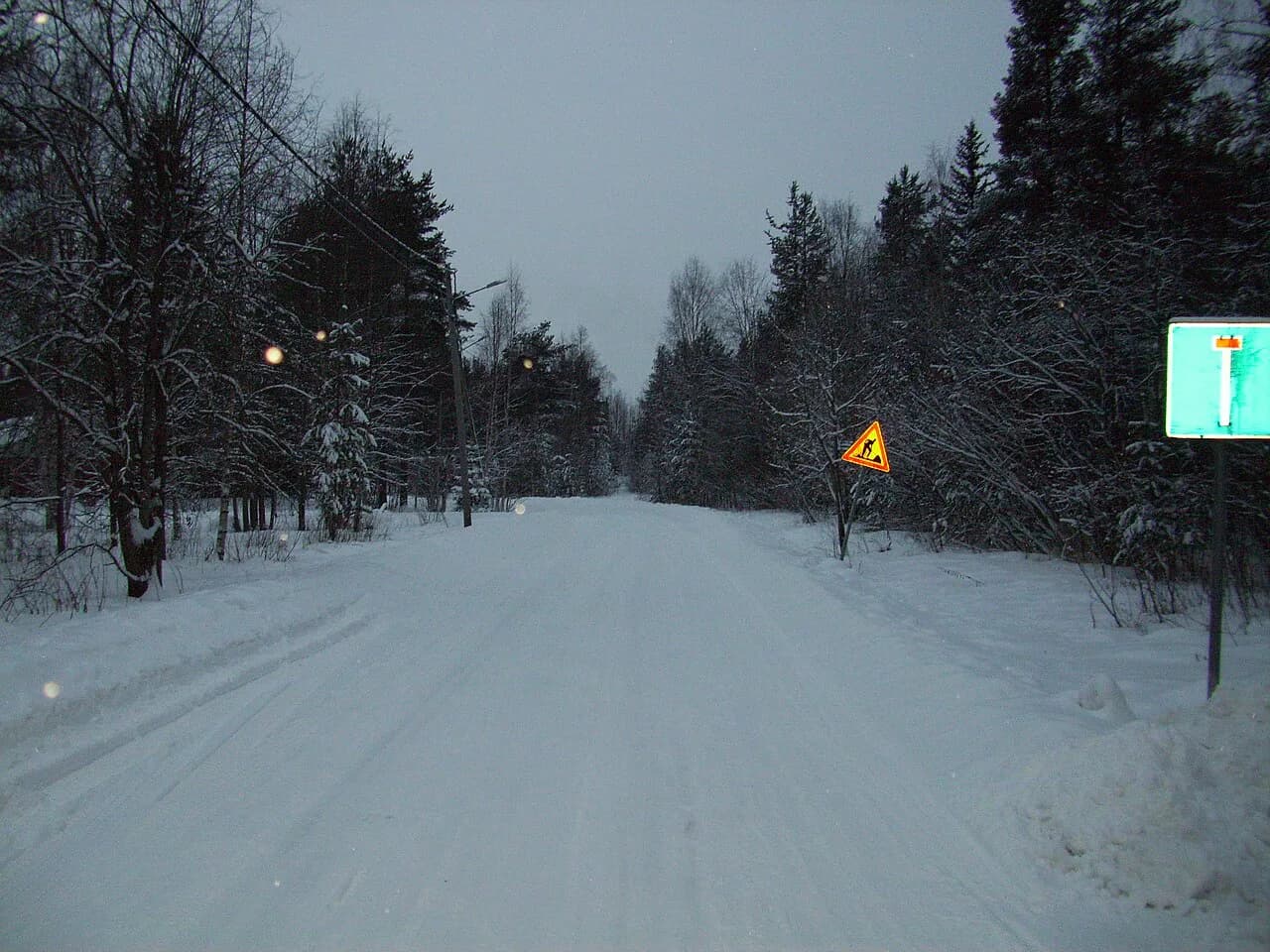
The fastest improvement on town viewing is distance from street lighting. The roads and forest tracks north of the city toward the Arctic Circle and Santa Claus Village give you darker horizons within a short drive, and the fell areas further out offer more open sky. Check road conditions with the Finnish road authority before driving at night, since snow and ice change the plan more than distance does.
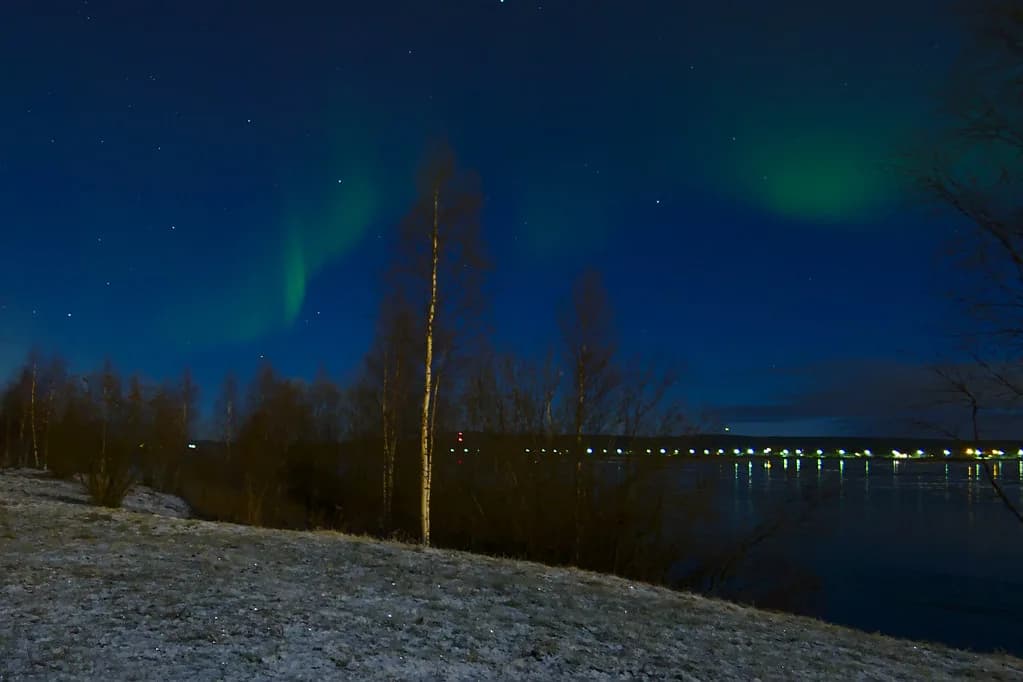
On foot, the quieter edges of town and the river banks away from lit streets are a reasonable start, but expect glow from the centre. A car opens up forest clearings and lakeshores twenty to forty minutes out, where the only light is from the sky. If you are staying at the Arctic TreeHouse Hotel, Rovaniemi, its forest setting gives you a darker base without a long transfer.
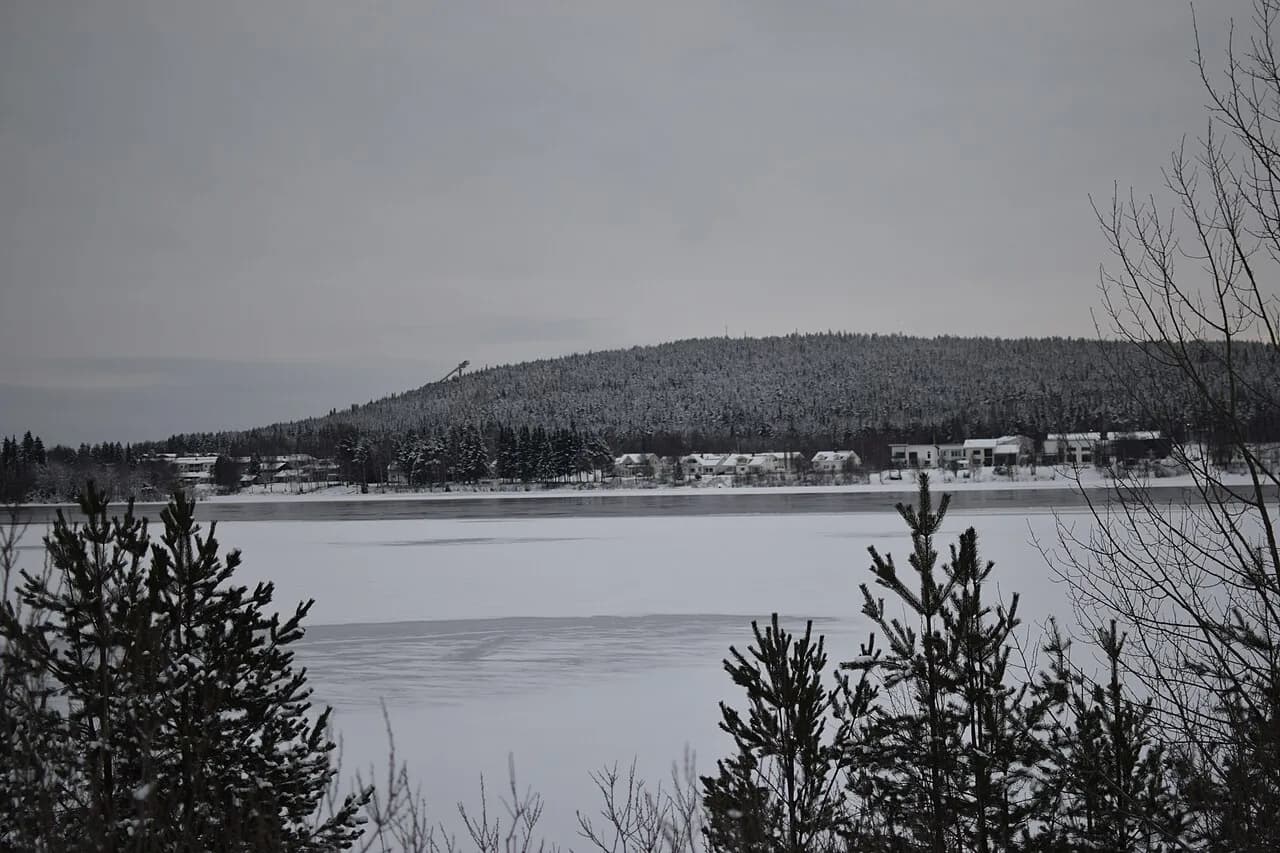
Watch where the open horizon lies. A frozen lake or a cleared fell top gives a wide view of the northern sky, while dense forest can hide low displays. Pick a spot with a clear northern aspect, arrive before any activity starts, and give your eyes twenty minutes to adjust before deciding the sky is quiet.
Self-guided chasing versus a guided aurora tour
Rovaniemi has a deep bench of aurora operators, and a guided tour buys you a driver who knows the road network, a minibus that can relocate when cloud shifts, and often thermal suits and hot drinks on a remote stop. Group sizes and inclusions vary widely between aurora companies, so read what is actually provided before booking. The trade-off is cost and a fixed departure time.
Self-driving gives you freedom to follow a clearing sky and to stay out as long as you like, but it puts the weather reading and the night driving on you. Winter roads, reindeer on the verge and unfamiliar snow banks are real considerations. A middle path works well: book one guided night early in the trip to learn the local terrain, then self-drive later evenings with your own forecast routine.
Glass igloos, aurora cabins and wilderness hotels
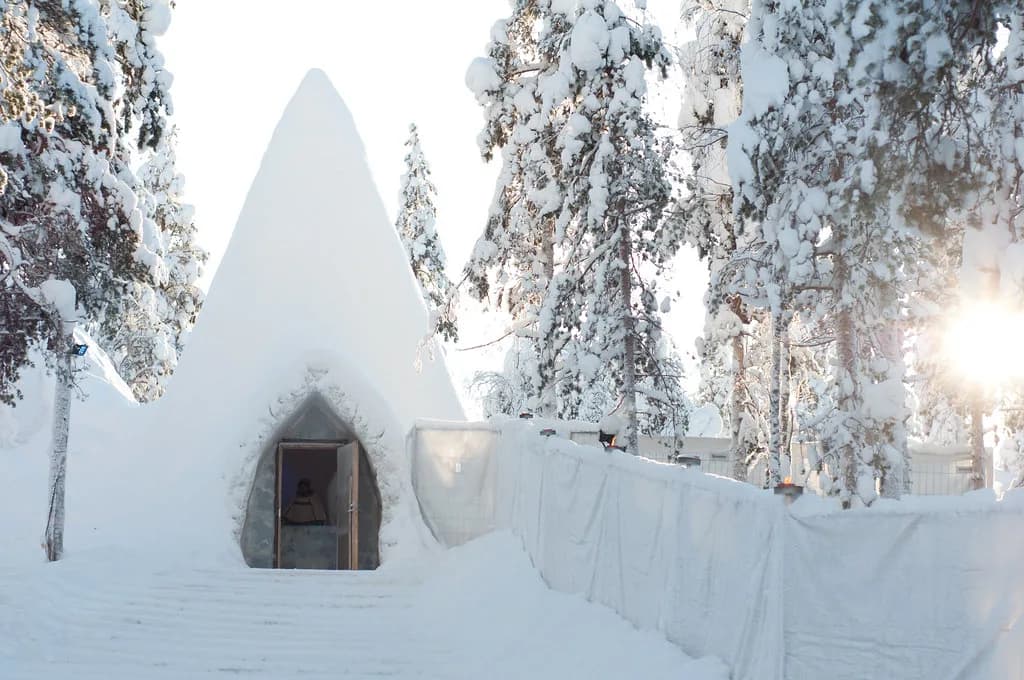
Sleeping under a glass roof is the classic Rovaniemi-area splurge, and the appeal is obvious: you can watch from bed instead of standing in the cold. The trade-offs are real too. Glass panels can frost or fog, interior light reduces what you can see, and a warm cabin is a poor substitute for stepping outside when a display starts. Treat the igloo as comfort plus a partial view, not as a substitute for going out.
Outside the centre, resorts such as Apukka Resort pair cabins with activity programmes and aurora-focused evening outings, which suits travelers who want everything arranged from one base. In town, the Arctic Light Hotel, Rovaniemi keeps you within walking distance of restaurants and the river, at the cost of more ambient light. Match the base to your priority rather than to the photographs.
Day activities that make the short daylight count
With only a short bright window, the daytime plan matters as much as the nights. Husky safaris, snowmobile runs, reindeer visits and snowshoe walks all run through the winter, and most operators provide thermal suits and boots, which lightens what you need to carry. Book the longer outings for the middle of the day so you are not travelling in the only usable light.
Santa Claus Village is the obvious family stop, and its position on the Arctic Circle makes it a convenient half-day outing from the centre. For a quieter counterpoint, the trails and forests around Rovaniemi offer marked routes and groomed tracks without the crowds. Keep a sauna or a long lunch in reserve for the darkest hours, then rest before the evening.
How many nights to allow for a fair chance of clear skies
No itinerary can guarantee an aurora sighting, because both solar activity and cloud cover have to cooperate. What you can do is buy more draws: four to five nights in Rovaniemi gives you several evenings to work with, and a week improves the odds again without promising anything. Short two-night trips are the ones most often defeated by a single cloudy spell.
Build flexibility into the plan rather than stacking every night with a booked tour. Keep one or two evenings free, watch the cloud forecast each afternoon, and be willing to swap a restaurant booking for a drive north. If you are staying a week, consider one night at a darker rural base to increase the variety of skies you see.
Plan Your Winter Nights
Rovaniemi's polar night is best understood as a long blue twilight with a short sun window, plenty of snow and evenings built for aurora watching. Choose a base close enough to dark roads, whether in town or out toward the Arctic Circle, and leave enough nights that a cloudy spell does not end your trip.
The aurora itself stays out of anyone's control, so plan for the experience you can count on: luminous kaamos days, snowy activities and cold, clear evenings with somewhere dark to stand. That way a sighting becomes the bonus rather than the whole holiday.
Frequently Asked Questions
Can I see the northern lights in Rovaniemi during the polar night?
You can, but only when solar activity and clear skies line up. The polar night gives you long hours of darkness and Rovaniemi is far enough north for frequent overhead displays, so several evenings in the region give you more chances. Nothing guarantees a sighting, and a cloudy week can pass without one.
Is the polar night completely dark in Rovaniemi?
No. Rovaniemi sits near the Arctic Circle in the polar twilight zone, so the sun may still appear for a short window each day, and the sky shows blue, violet and pink tones around midday. The near-total darkness of a true polar night lies much further north, in places like Utsjoki.
How many hours of daylight does Rovaniemi get in December?
Around the solstice, daylight shrinks to a brief period of twilight rather than a normal day. The sun-above-horizon window near the Arctic Circle is roughly two hours at most. Check the Finnish Meteorological Institute tables for sunrise and sunset on your exact dates.
Does Rovaniemi lie on the Arctic Circle?
Rovaniemi's centre sits just south of the line, while Santa Claus Village is built on the Arctic Circle itself. That boundary position is why the area experiences polar twilight rather than the deeper darkness found further north.
When does the polar night start and end near Rovaniemi?
The dark season around the winter solstice generally begins around December and runs into the first weeks of January. Exact twilight times vary by date, so use the Finnish Meteorological Institute's tables for Rovaniemi rather than fixed dates.
What is the blue moment in Lapland?
It is the period when the low sun turns the sky shades of blue, violet and magenta, typically in the early afternoon and sometimes from November onward. In Lapland it is the signature light of kaamos and the best window for photography.
What should I do during the short daylight hours in Rovaniemi?
Schedule husky safaris, snowmobile trips, snowshoe walks and visits to Santa Claus Village for late morning and early afternoon, when the light is best. Operators usually lend thermal suits and boots. Keep the darkest hours for saunas, rest and preparing for the evening.
How many nights should I plan for aurora watching in Rovaniemi?
Four to five nights gives you several evenings of chances, and a week improves your odds further without any guarantee. Keep one or two evenings unbooked so you can chase a break in the cloud, and consider one night at a darker rural base.
Sources
Notes for your Arctic winter trip
Optional updates to our northern lights guides.
You might also like
Continue reading
More guides you'll find useful