Snowshoeing in Rovaniemi: Guided Tours, Terrain and Timing
Snowshoeing in Rovaniemi means boreal forest, frozen streams and canyon ice falls. Compare guided tours, snowshoe versus ski, group sizes and daylight.
On this page
Rovaniemi sits right on the Arctic Circle in Finnish Lapland, and by midwinter it offers snowbound spruce forest, frozen lakes and short daylight that turns the woods blue and pink. Snowshoeing suits travelers who want a slow pace and a guided day out rather than speed and mileage, and it works well for photographers and families with older children. The town is small enough that most guided trips collect you from your hotel and return you the same evening.
Why Rovaniemi suits snowshoeing in winter
Rovaniemi sits on the Arctic Circle, so nights are long and dark from late August into early April, and the deepest, most reliable snow usually arrives around December and holds through March. Snowshoes open up ground you cannot walk in boots, from frozen river edges to deep forest where the snow lies soft and unpacked. The trade-off is pace: a snowshoe day covers far less ground than a ski or snowmobile trip, and that is the point.
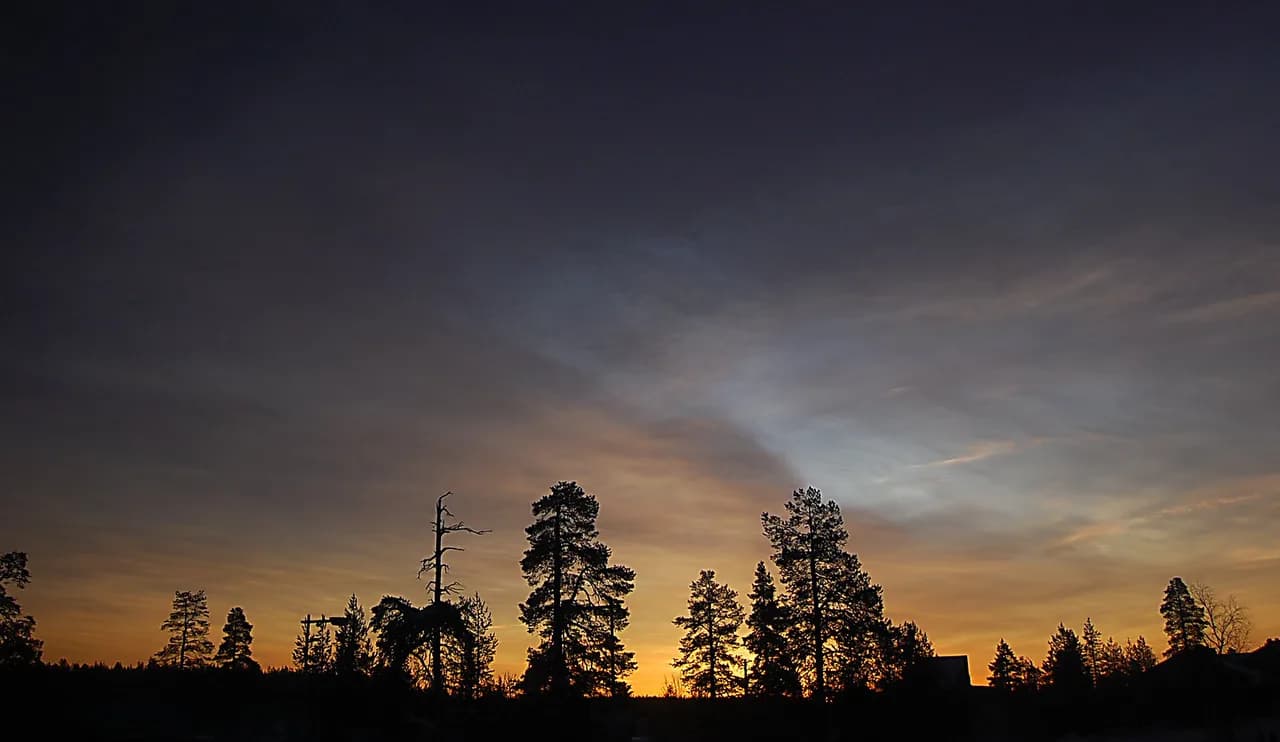
Daylight shapes the experience as much as snow does. Around midwinter the sun barely clears the horizon, giving a few hours of low, golden light that photographers prize but that shrinks the usable walking window. By February and March daylight stretches out and snow depth is at its best. Plan your snowshoe day for the middle of the day in December, but you can push into longer afternoons by March.
When the snowshoe season runs, month by month
The Korouoma canyon snowshoe day trip with Lapland Welcome runs in December, January, February, March and April, and that window is a fair guide to when guided snowshoeing is on offer around Rovaniemi. December brings early snow and very short days, so tours tend to be tight and focused. January and February are the coldest and most reliably snow-covered months.
From March into April the light returns quickly and snow stays deep, which many travelers find the most comfortable snowshoe window. Late April is a shoulder period, with warmer days and melting snow on south-facing slopes. If you want the fullest combination of snow, daylight and a chance of clear aurora nights, aim for February or March rather than the darkest weeks of December.
How a guided half-day actually runs
Lapland Welcome's Korouoma trip lasts six hours and includes English guiding, return hotel transfers, winter adventure gear, a light lunch cooked over an open fire and hot beverages, so you do not need to bring your own snowshoes or stove. Transfers pick up from hotels across Rovaniemi, including the Arctic TreeHouse Hotel and Santa Claus Holiday Village. That structure, a vehicle transfer out of town, a guided walk and a fire lunch, is typical of guided days here.
Small-group forest and frozen-lake snowshoe tours also run from town, and booking pages show the current price and any free-cancellation terms at the time you reserve. Treat the listed figure as a snapshot rather than a fixed cost. Give the tour company your shoe size and any dietary needs when you book, since lunch and boots are arranged in advance.
Operators lend thermal suits and boots on cold days, so you can leave the heaviest outer layers at home. Snowshoeing needs less technique than downhill skiing but more effort than sitting on a sled, so a reasonable level of fitness helps. The Korouoma trip is suitable for children over 12 with good physical condition, which tells you the pace is a real walk rather than a short loop.
Korouoma Canyon snowshoe and ice-fall day trip
Korouoma Canyon is Finland's best-known ice-climbing area, and in winter its streams freeze into tall ice formations and waterfalls that draw photographers. On the guided trip you hike the marked canyon trails on foot or on snowshoes depending on snow depth, so the exact mix changes with conditions, and a scenic drive gets you there from Rovaniemi. The frozen falls are the highlight, but the draw is as much the quiet, enclosed canyon landscape as any single viewpoint.
Because the six-hour trip includes driving, walking and a fire lunch, it takes up most of a day, so do not book it alongside another long excursion. Book early in your stay so you can swap dates if weather turns, and choose your date with daylight in mind: in December the canyon sees only a short bright window. The lunch and hot drinks are included, which makes it a self-contained day rather than a half trip with gaps to fill.
Snowshoeing, cross-country skiing and snowmobile safaris compared
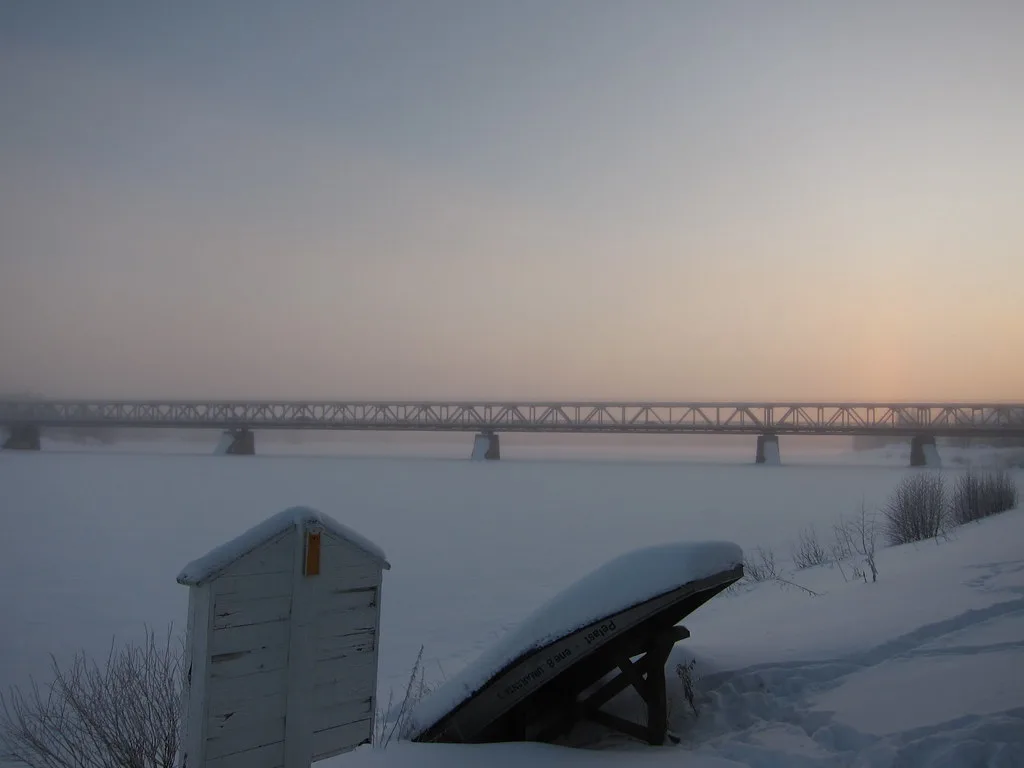
Snowshoeing is the slowest and quietest way to move through the snow. Cross-country skiing covers more ground on prepared tracks and rewards a bit of technique, while snowmobile safaris cover the most distance with the least physical effort but come with noise and engine fumes. If you want wildlife, frozen lakes and forest silence, snowshoes win. If you want miles and speed, take a snowmobile or ski.
A useful way to choose is by what you want to look at. Snowshoe tours wander slowly enough to stop for a frozen stream or a snow-laden spruce, and small groups keep the pace gentle. Snowmobile trips are better for covering a lot of terrain and reaching distant viewpoints in a single evening. Many travelers book one of each and use the snowshoe day as the relaxed, camera-friendly outing.
Snowshoeing under the aurora: what a night trip involves
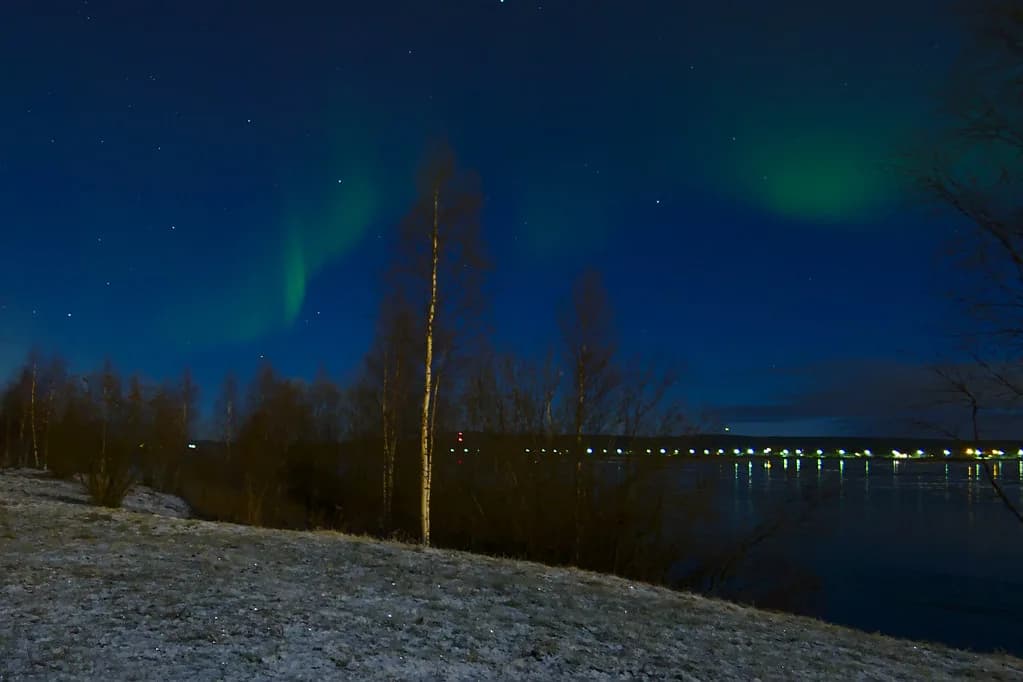
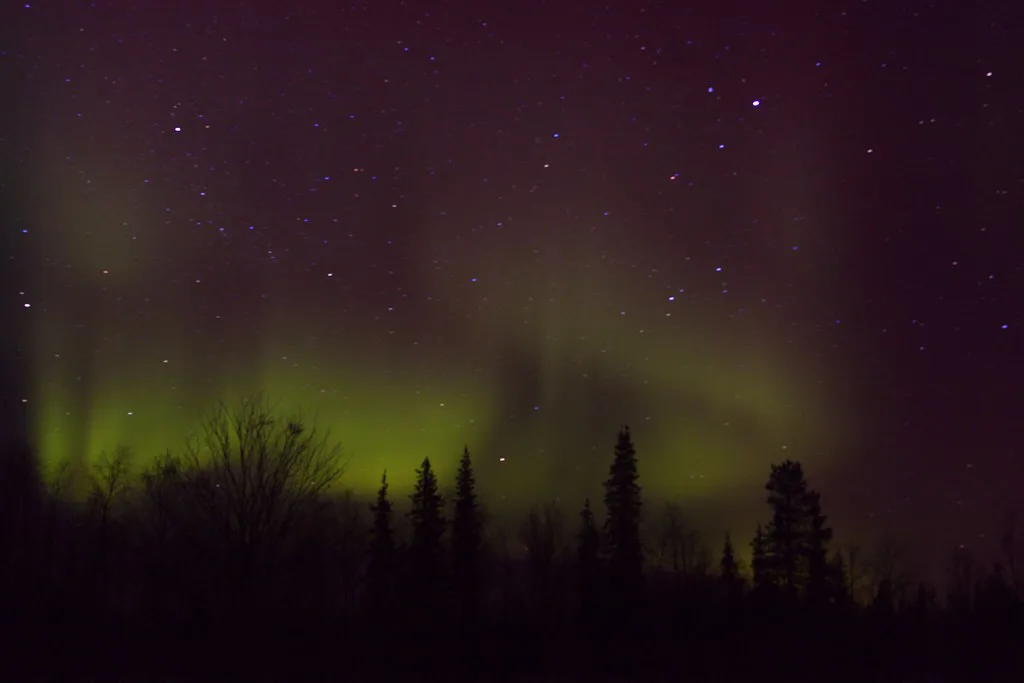
Night snowshoe trips head away from town lights into forest or along frozen lakes, where the darker sky improves viewing. The aurora appears only when solar activity and clear skies line up, so a night trip raises your odds by getting you out and mobile but cannot promise a sighting. Kp values are guidance only; cloud cover is the bigger obstacle in Lapland.
A typical night runs several hours with a guide, headlamps, hot drinks and transport to a dark spot, often flexible on location so the guide can chase gaps in the cloud. Small groups move faster when the sky opens. If the aurora is your priority, book a dedicated night hunt rather than a daytime snowshoe trip.
Where to snowshoe around Rovaniemi
The Ounasvaara hill right beside town has forest trails and ski runs, and you can reach the trailheads on foot or by a short ride from the centre. It is convenient but close to town light, so it is better for a daytime walk than serious aurora watching. For darker skies, the guided trips drive out toward Korouoma and other forest and fell areas away from street lighting.
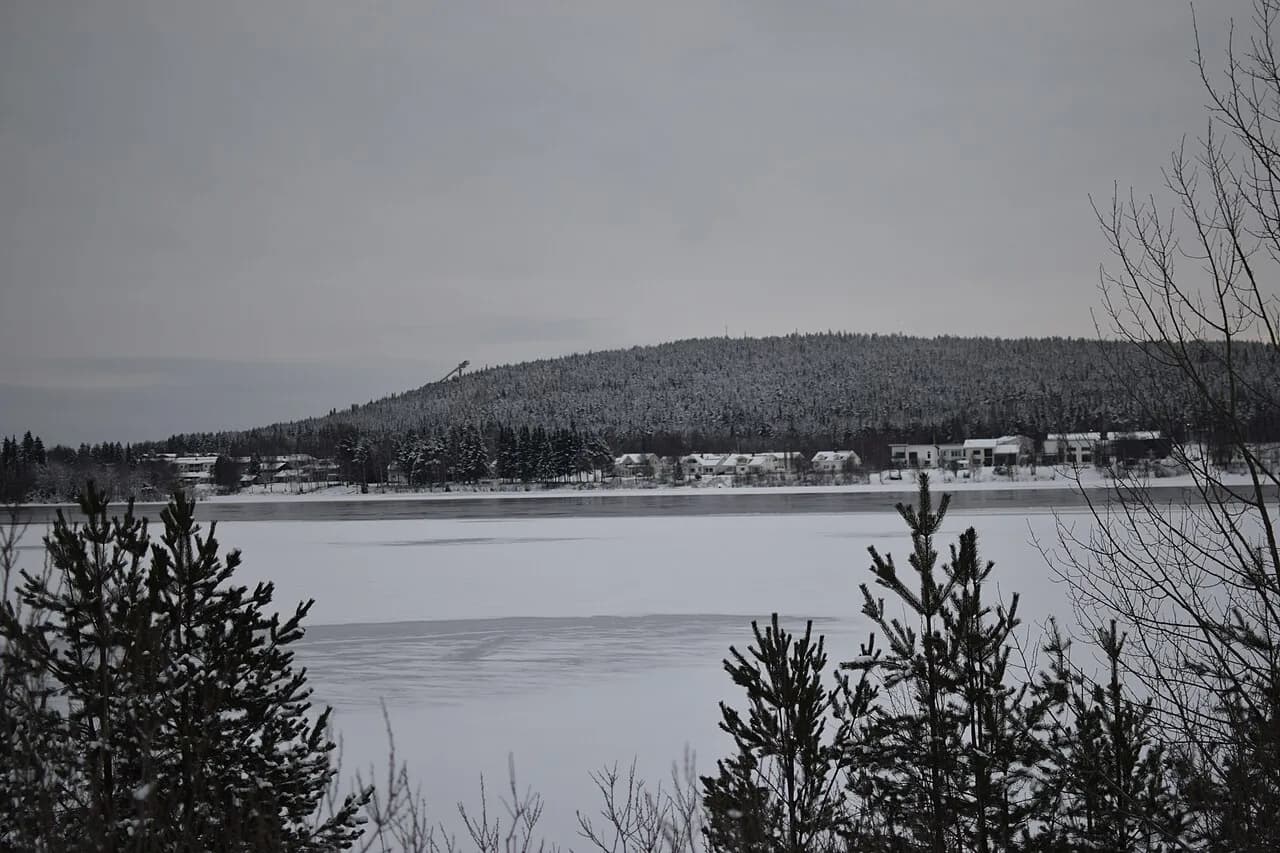
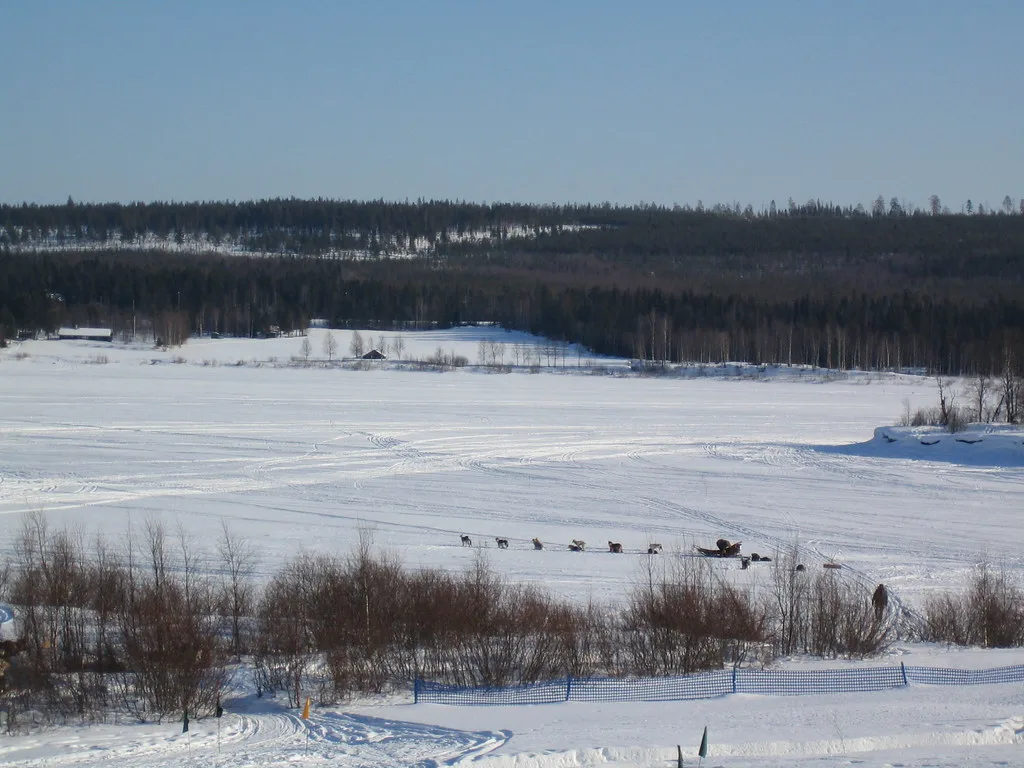
Frozen lakes and rivers around Rovaniemi give flat, open snowshoe routes with big sky, which helps if you are also hoping for a dark night. Forest trails give shelter from wind but close in the sky. If you are staying at Apukka Resort or the Arctic Light Hotel in Rovaniemi, ask the front desk which trails or guided departures leave closest to you.
Booking, minimum ages and what's included
Book guided snowshoe trips online or through your hotel, and read the inclusions before you pay. The Korouoma trip covers guiding, transfers, gear, lunch and hot drinks, while smaller forest tours vary on transport and food. Online booking pages often offer a small discount and let you pay in advance, which helps in peak February and March weeks.
Check the minimum age and fitness note for each tour, because they differ: the Korouoma day run by Lapland Welcome is for children over 12 with good physical condition, while gentler forest loops may take younger children. Tell the tour company about special diets so the fire lunch works for you. Confirm your pickup point and time the day before so you are not waiting at the wrong hotel lobby.
How many nights to plan in Rovaniemi
Allow at least three or four nights if you want both a snowshoe day and a real chance at the northern lights. Clear skies and active aurora rarely coincide on a single night, so extra nights give you room to reschedule a cloudy hunt. Use daylight hours for snowshoeing and keep evenings free for aurora trips.
If your trip is short, prioritise one guided snowshoe day and one dedicated aurora night, and keep a spare evening as a backup. A five-night stay lets you add a Santa Claus Village visit or a second snowshoe outing without crowding your days. Early and late in the season, build in flexibility because snow depth and daylight vary more sharply.
Plan Your Snowshoe Trip
Rovaniemi gives you easy access to guided snowshoeing in real Arctic forest and, on the Korouoma day, to frozen ice falls that are hard to match elsewhere in Finland. Pick February or March for the best mix of snow and daylight, book a small-group trip with transfers included, and keep a couple of evenings for the aurora. With three to five nights you can snowshoe by day, chase clear skies at night, and still have time to spare.
Frequently Asked Questions
How long is a snowshoe tour in Rovaniemi?
Guided snowshoe days vary by route. The Korouoma Canyon trip with Lapland Welcome lasts six hours including the drive from Rovaniemi, the canyon walk and a fire lunch, so it fills most of a day. Shorter forest and frozen-lake snowshoe outings from town typically run a few hours, and each listing states its own duration when you book.
Do snowshoe tours include thermal gear and lunch?
Some do and some do not, so read the inclusions for each trip. The Korouoma day includes winter adventure gear, return hotel transfers, a fire lunch and hot beverages, while smaller forest tours may leave food and transport out. Operators lend thermal suits and boots when it is cold, so you can travel lighter.
What age can children join a snowshoe trip?
Age rules differ between tours. The Korouoma Canyon day trip is suitable for children over 12 with good physical condition, because it involves a real walk over uneven ground. Gentler forest loops may accept younger children, so match the tour to your family's fitness and check the age note on the listing before booking.
When is there enough snow for snowshoeing in Rovaniemi?
Guided snowshoeing runs through the depth of winter, with the Korouoma trip offered in December, January, February, March and April. February and March usually give the best mix of deep snow and longer daylight, while December days are short and April brings melting on south-facing slopes. Trail conditions change with snowfall, and your guide decides whether to walk on foot or in snowshoes on the day.
Can I see the Northern Lights on a snowshoe trip in Rovaniemi?
A night snowshoe trip into dark forest or along frozen lakes improves your chances by taking you away from town lights, but the aurora needs both solar activity and clear sky. Cloud cover is the usual obstacle, so book a dedicated night hunt and keep spare evenings. A sighting cannot be guaranteed on any given night.
Sources
Notes for your Arctic winter trip
Optional updates to our northern lights guides.
You might also like
Continue reading
More guides you'll find useful