Ice Fishing in Ruka: How Guided Trips Work and When to Go
Ice fishing in Ruka pairs a frozen lake with a quiet, simple technique. Learn how guided trips run and how to time a day around short winter light.
On this page
A frozen lake outside Ruka in midwinter offers one of the calmest hours you can spend in Lapland: a drilled hole, a short rod, a small jig and a silence broken only by snow. Ice fishing suits travelers who want a hands-on winter day between husky safaris and evening aurora hunts, and it works well for beginners and mixed-age families. The technique is simple; the decisions that matter are where the ice is safe and who chooses the spot.
Why Ruka suits a first ice-fishing trip
Ruka sits in Finnish Lapland near Kuusamo, with lakes and ponds scattered close to the resort village, so a guided group rarely travels long before it reaches ice. That proximity makes a short outing feasible even in December and January, when daylight is scarce and long transfers eat the usable hours. The same northern position that delivers polar-night twilight and long dark evenings is why Ruka draws aurora travelers in the first place, as covered in the guide to northern lights in Ruka.
For a first-timer the appeal is not the catch but the format: sit or stand on the ice, learn to feel a bite through a light rod, and drink something hot while the guide handles the drilling and the location. It is a low-thrill, high-atmosphere activity, and it pairs naturally with a sauna or a rest afternoon rather than replacing a full activity day.
When the lakes freeze and when trips typically run
Ice fishing depends on safe ice, so tours run in the heart of winter rather than at the shoulders of the season. As a benchmark for how Lapland operators schedule around ice conditions, Apukka Resort near Rovaniemi lists its Ice Fishing Like a Finn tour on Monday, Wednesday, Friday and Sunday at 13:00 between 23 November and 3 January, which shows the early-winter pattern of early-afternoon starts. Treat that as an example of timing, not a Ruka timetable: Ruka operators publish their own departures.
In practice, ice-fishing outings cluster from roughly December through March or early April, depending on how the season's ice forms and holds. Because a 13:00 start is common, the trip fits comfortably inside the short daylight window of midwinter, when the sun barely clears the trees and the light turns blue by early afternoon. Book the slot the guiding company lists rather than counting on a morning departure.
How a guided ice-fishing trip actually works
On a guided trip the guide selects a suitable area, checks conditions, hands out equipment and demonstrates how to drill and how to jig with small, gentle movements. Beginners learn to recognize a bite, bring a fish up through the hole and handle any catch responsibly. Depending on the guiding company, warm drinks, a fire or a shelter form part of the outing, which matters when you are sitting still in sub-zero air.
Transport is often part of the package, sometimes by snowmobile-pulled sled or heated sleigh rather than a minibus. A typical Rovaniemi-area arrangement takes guests about 20 minutes from the city to a frozen lake with an experienced local fisher, which indicates the scale of transfer you can expect on a half-day tour. Confirm the meeting point and transfer method when you book, since some trips start at the lake and others collect you from the resort.
What is included: equipment, instruction, clothing and transport
Expect the basics to be covered: auger, rod, jig, bait and instruction, plus a guide who reads the ice. At Kelo Resort in Raattama, the Discover Ice-Fishing experience includes equipment, instruction, warm winter clothing and transport by heated sleigh, a useful template for what a well-equipped Lapland outing bundles together. Use that as a checklist when comparing Ruka operators, not as a Ruka product; the guide to ice fishing in finnish lapland gives a wider view of how guided trips are run across the region.
Ask whether thermal suits and boots are lent out, whether hot drinks or a snack are served, and whether photos are taken. If your guide lends winter clothing, you can travel lighter and leave the heavy layers for the aurora night. Group size also shapes the day: a small group means more attention on the ice, while a larger one may mean shared rods and a slower rotation.
Self-guided ice fishing and where the rules apply
In Finland, ice fishing with one short rod is generally part of the public fishing right and needs no permit, but the exceptions matter. Some waters, special destinations and areas with migratory fish carry separate rules, and using multiple rods can change what is required. Check the official Fishing Restriction Service and any destination-specific rules before you walk onto a lake near Ruka.
A guided trip removes most of that uncertainty because the guide picks a location where the rules and ice are already known. If you want to fish independently, keep to one simple rod, follow minimum sizes and protection rules, take only fish you will use and release the rest quickly. Never leave line, hooks or other waste on the ice.
Ice safety on unfamiliar lakes
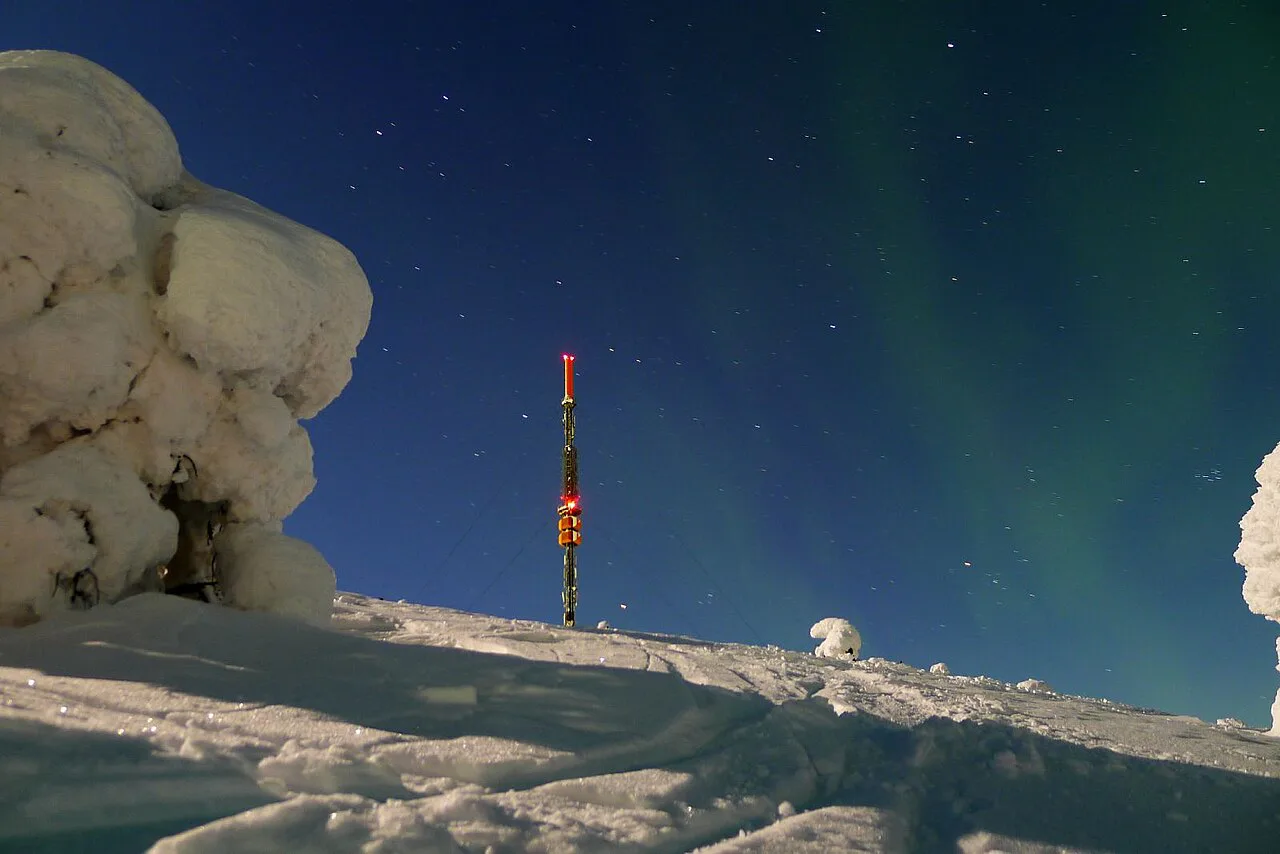
The single most important decision of the day is where you step onto the ice. Do not walk onto unfamiliar natural ice because other people are present or because the surface looks solid, and remember that ice strength varies around currents, inlets, outlets, reeds, bridges and snow-covered weak spots. Use a maintained or guide-approved route and follow the guide's instructions without wandering off.
Weather and season dates do not guarantee safe ice, which is why local knowledge beats guesswork on a first visit. If you plan to go out independently, ask your accommodation for the current local situation and stick to marked or well-used routes near the village. A guided outing is the simplest way to skip that judgment call entirely.
Fish you might catch and how your catch is handled
Perch, pike, whitefish and other local species may bite, but no catch is guaranteed on any given day. That is part of the honesty of the activity: the value is the stillness, the snow and the patient attention to a world hidden below the ice. Go expecting a quiet morning on the lake and treat a fish as a bonus.
When something does bite, the guide shows you how to bring it through the hole and how to handle it properly, including whether it is kept or released. Beginners are usually surprised at how light the take feels through a short rod, and how much of the skill is patience rather than strength.
How long a trip lasts and what a half day looks like
Most guided ice-fishing outings are built as a half-day block, with the schedule shaped around transport, drilling, instruction and time actually fishing. A typical early-afternoon departure means you are back at the resort before the light fades, leaving the evening free for a sauna or an aurora chase. Check the listed duration when you book rather than planning around an assumed length.
Dress for standing still rather than for skiing, because ice fishing involves long stretches of little movement. A lent thermal suit helps, but dry base layers, thick insulation, insulated boots and mittens make the difference on a cold lake. Tell the guide immediately if fingers or toes go numb.
Fitting ice fishing into an aurora-focused Ruka trip
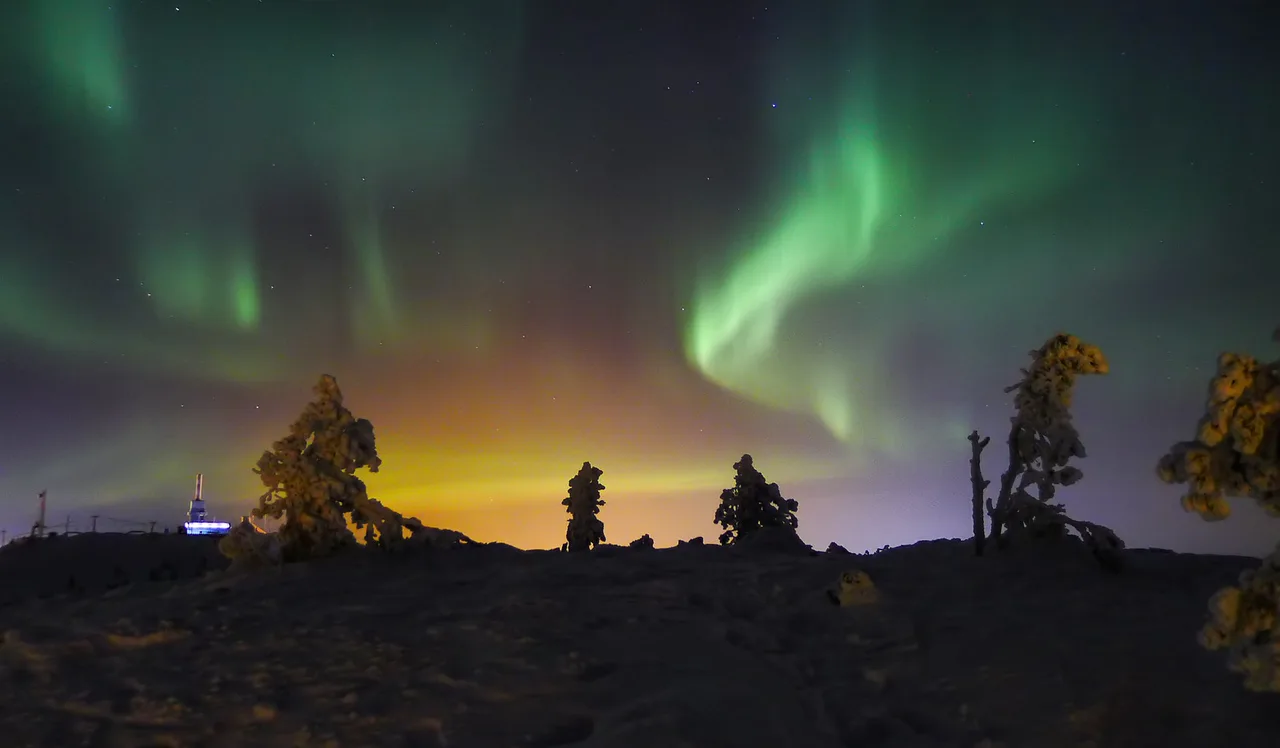
Ice fishing works best as a daytime activity on a trip whose evenings belong to the aurora. The same short daylight hours that limit slope time also push tours toward late-morning or early-afternoon starts, so you can fish in the light and still be out under a dark sky after dinner. A sighting depends on solar activity and clear skies, and Kp values are only guidance; a frozen lake at night is also a fine dark-sky viewpoint in its own right.
Some operators run snowmobile or sled transfers to remote lakes, which is where Ruka Safaris-style winter programs tend to focus: getting guests away from village lights and onto quiet terrain. Booking a day activity and an evening chase through the same operator can simplify logistics and clothing.
Days of daylight and how short winter days shape the schedule
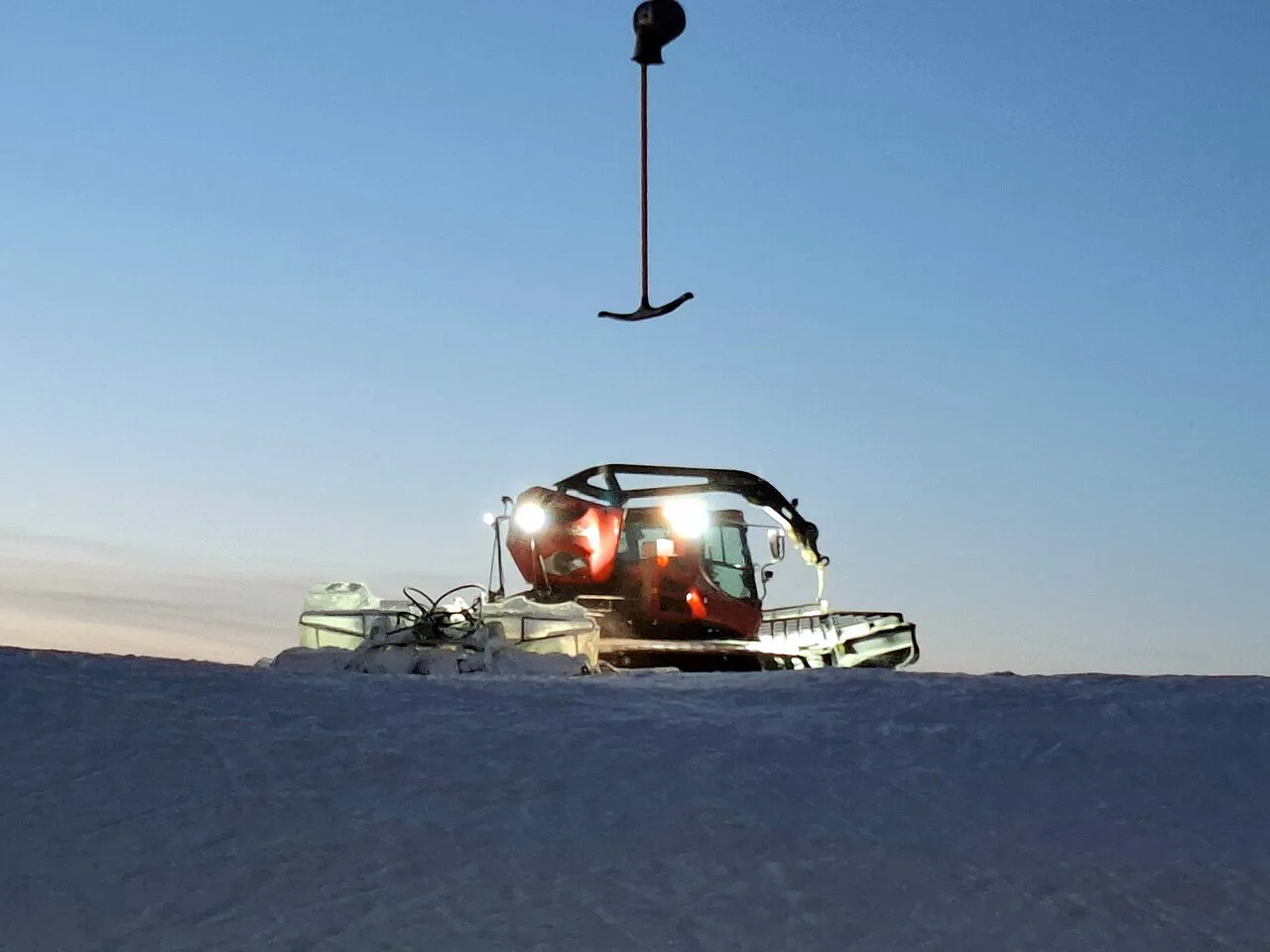
Around midwinter, Ruka has only a few hours of usable light, and much of the day is twilight or full dark. That is exactly why ice-fishing departures favor midday: the lake is at its brightest, the temperature often at its mildest and the return trip happens before the blue hour. In late February and March the days lengthen quickly and afternoon starts become more comfortable.
How many nights to allow in Ruka
Plan at least three or four nights if the aurora is the goal, because cloud cover can wipe out any single evening and clear spells cannot be booked in advance. That window also leaves room for one ice-fishing half day, a husky or reindeer outing and a rest day without cramming the schedule. A longer stay of five to seven nights gives more slack for weather and a better chance of one genuinely clear night.
Combining ice fishing with husky, snowmobile and reindeer days
Ice fishing slots neatly beside the other Ruka winter staples: a husky safari in the morning and fishing in the early afternoon, or a snowmobile day followed by a quieter lake outing. Keep one day deliberately light, because cold and early darkness tire travelers faster than expected.
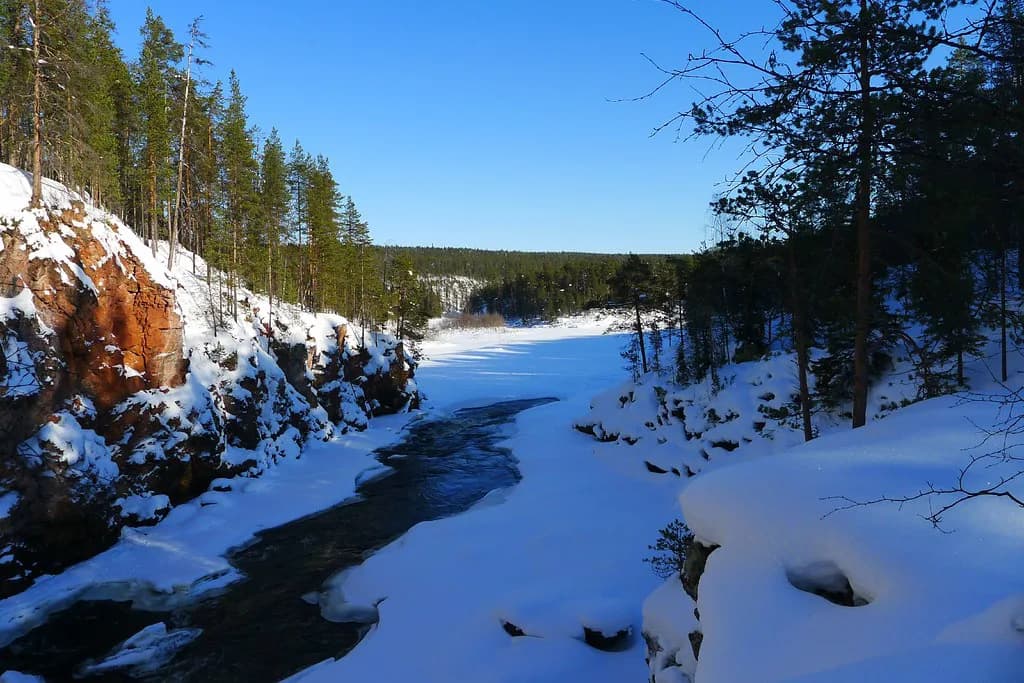
If you want to stretch beyond the resort lakes, Oulanka National Park lies northeast of Ruka toward Kuusamo, with marked winter trails and the Karhunkierros Trail corridor that draw snowshoers and skiers. A national-park day and an ice-fishing half day make a good contrast of activity and stillness.
Where to stay and how Ruka is laid out around the slopes and lake
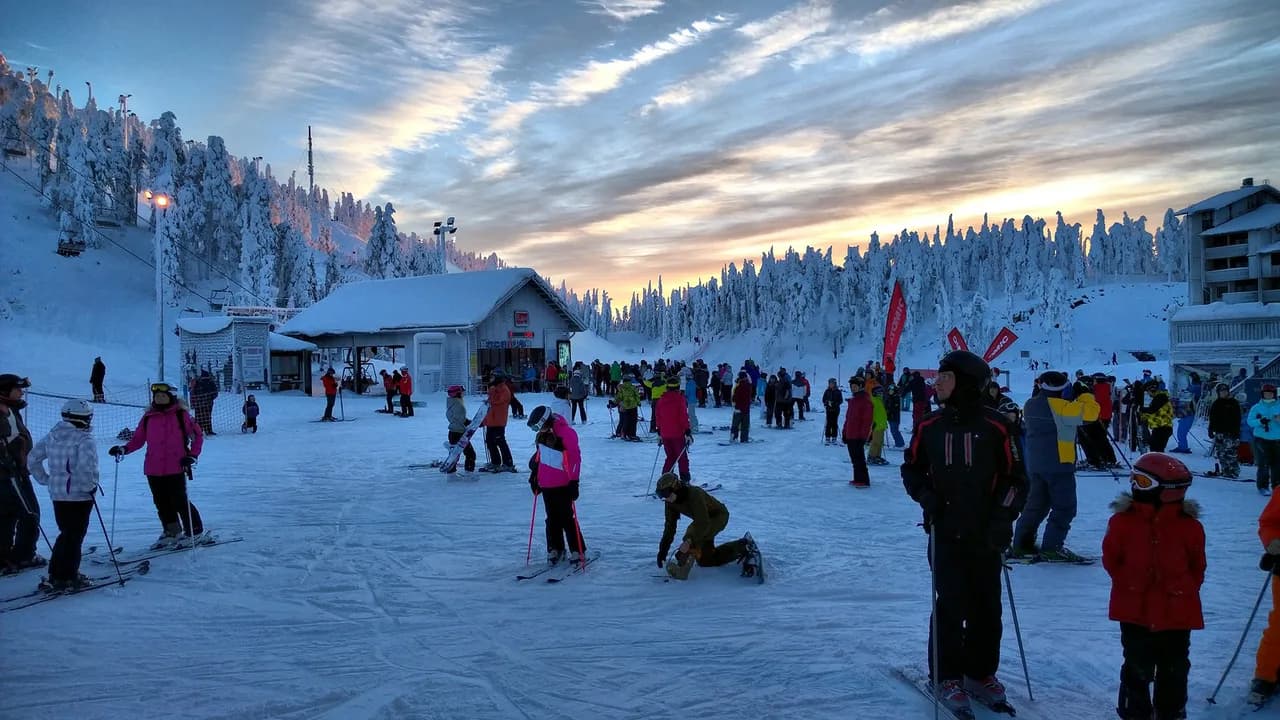
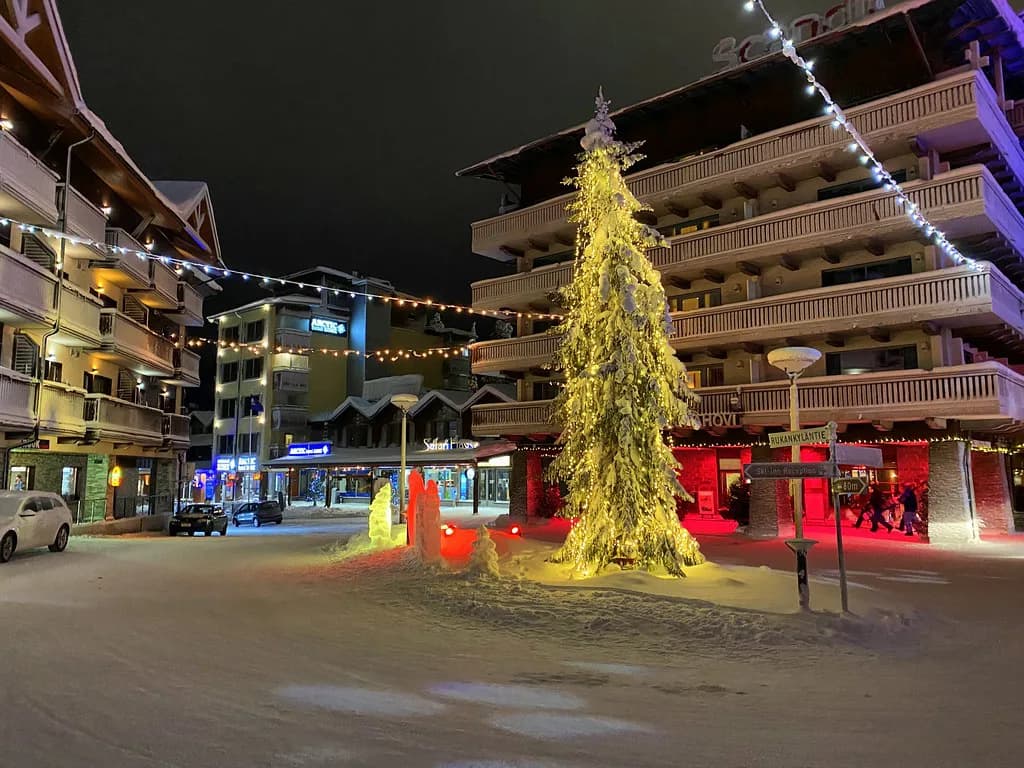
Ruka village is compact, with hotels, cabins and apartments clustered around the ski slopes and a short walk from the lake areas used for winter activities. Staying in the village means you can walk to meeting points and return to warm up between outings, while cabins slightly out of the center offer more space and quiet at the cost of a transfer. Book early for the Christmas and February school-holiday weeks, when beds fill first.
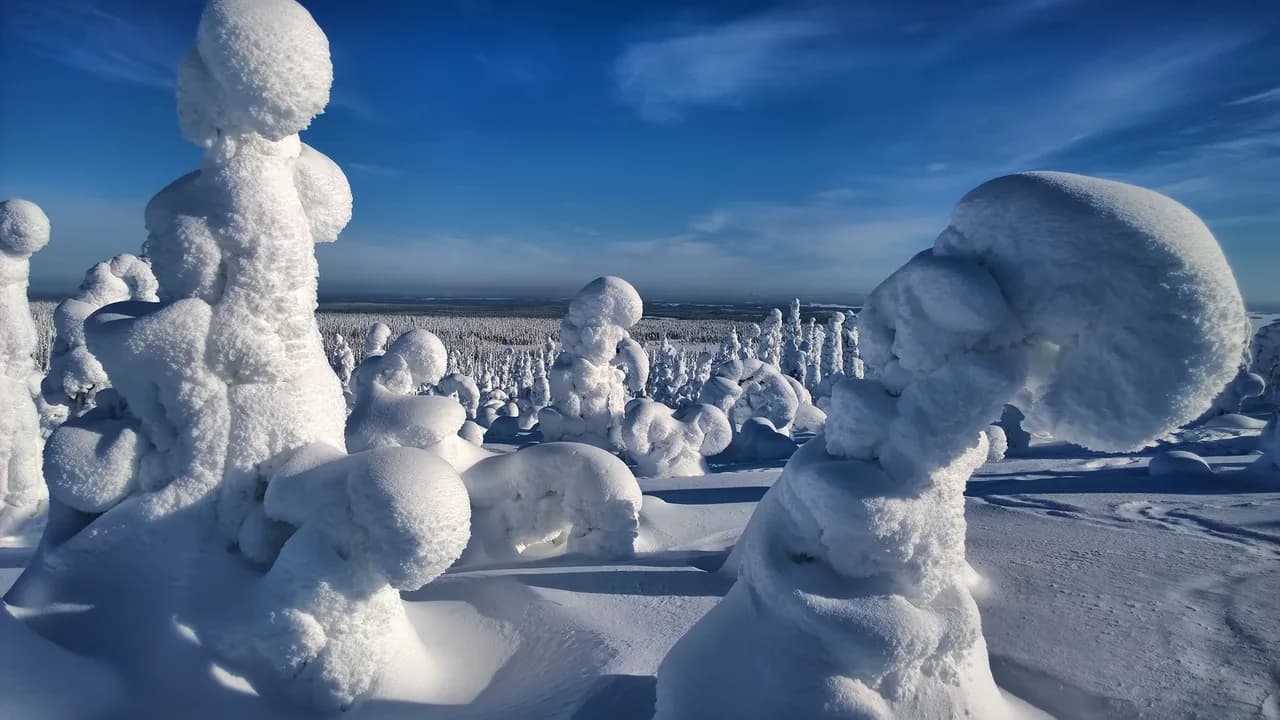
For a longer stay that mixes lakes, fells and forests, bases like Riisitunturi National Park reward a day trip, and properties such as Hotel Kirikeskus give access to some of the region's most photogenic snow scenery. Treat these as add-ons to a Ruka base rather than replacements, since transfers eat into short winter days.
Who ice fishing suits, including families and beginners
Ice fishing is technically simple and calm, and it adjusts well to different ages when conditions and clothing are appropriate, which makes it a strong choice for families and first-timers. A guided trip takes away the uncertainty about ice, equipment and rules, so the day becomes about the experience rather than logistics. Children usually enjoy the drilling and the fire more than the waiting, so a half day is plenty.
Travelers who want constant action may find it slow, and that is the point: time on the ice is quiet by design. Pair it with a more active day and it becomes the memory that lingers, especially if the sky stays clear for the evening.
Plan Your Ruka Winter
Build your Ruka trip around a few nights that give the aurora a real chance, then fill the daylight with one or two guided activities such as ice fishing. Choose operators who include equipment, instruction and transport, ask what clothing is lent, and confirm the meeting point and departure time when you book.
Read the guiding company's own activity page for the season's dates, start times and what the trip includes before you commit, since these vary from one company to the next and from winter to winter.
Frequently Asked Questions
Do you need a permit to ice fish in Finland?
Ice fishing with one short rod is generally part of Finland's public fishing right and needs no permit. Some waters, special destinations and areas with migratory fish have separate rules, and extra rods can change what is required, so check the official Fishing Restriction Service and destination rules before heading out.
Is ice fishing suitable for beginners?
Yes. The method is simple: drill a hole, lower a small jig and move it gently. A guided trip removes uncertainty about ice, equipment and rules, and beginners are shown how to feel a bite and handle any catch.
What is included on a guided ice-fishing tour?
Most trips include an auger, rod, jig, bait and instruction, plus a guide who chooses the location and checks the ice. Some include transport by sled or heated sleigh, warm drinks, a fire or shelter, and loaned winter clothing.
Can you guarantee a fish on an ice-fishing trip?
No. Perch, pike and whitefish may bite, but no catch is guaranteed on any given day. The experience is the stillness and the time on the frozen lake, and a fish is a bonus.
How does ice fishing fit into an aurora trip to Ruka?
Ice fishing runs in the short daylight hours, leaving evenings free for aurora watching. Plan several nights so cloud cover on one evening does not spoil your chances, and remember that sightings depend on solar activity and clear skies.
How many nights should you allow in Ruka in winter?
Three to four nights gives room for a couple of aurora evenings, one ice-fishing half day and a husky or reindeer outing. Five to seven nights adds slack for cloudy weather and a slower pace.
Sources
Notes for your Arctic winter trip
Optional updates to our northern lights guides.
You might also like
Continue reading
More guides you'll find useful