Ruka in March: Spring Snow, Longer Days and Aurora Nights
Plan a March trip to Ruka with longer daylight, good snow cover, milder temperatures and dark nights that still suit aurora watching near Kuusamo in Finnish Lapland.
On this page
Ruka in March gives you two winters in one trip: bright, blue-sky afternoons on groomed slopes and long nights that still turn dark enough to watch the sky above the fells. It suits skiers and snowboarders who want gentler cold than midwinter, photographers chasing Arctic light, and travelers who would rather spend evenings outside than in a queue for a lift.
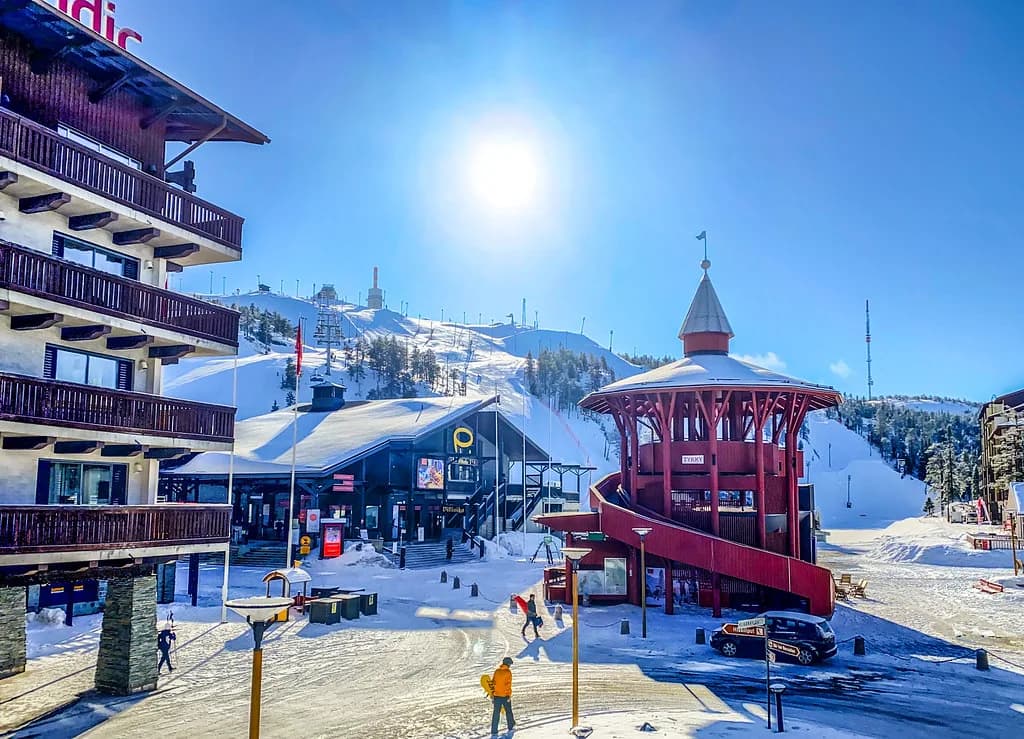
The resort sits above the Arctic Circle in Finland's northeast, close to Kuusamo, with a compact village where lifts, restaurants and activity meeting points are within walking distance. That layout matters in March, because you can ski through the afternoon, eat early and still be on a dark forest road before the aurora window opens.
Why March suits Ruka
March sits between the deep polar night of December and February and the bright, slushy end of the ski year. The Ruka–Kuusamo region's winter season typically runs from late November through April, so a March visit falls in the back half of a long, reliable snow window rather than at its edges. If you are weighing a spring trip further north, Lapland in March follows the same longer-days, shorter-nights pattern.
In practice that means you get the full activity calendar — snowmobile safaris, husky and reindeer visits, ice fishing, snowshoeing and northern lights tours — without the deepest midwinter cold. The trade-off is light: by late March the days are long, so aurora watching shifts to the late evening rather than beginning at mid-afternoon.
Treat March as a photography and skiing month first and an aurora month second. Plan your outdoor days around the brightest hours and keep one or two evenings free for a dark-sky outing; that balance is what makes a March week in Ruka work.
Where Ruka sits and why the aurora shows there
Ruka, or Rukatunturi, is a fell resort in northeastern Finland just above the Arctic Circle, with the summit reaching 492 metres and a vertical drop of about 201 metres over 20 kilometres of pistes. Being that far north puts the village inside the auroral oval, the band where solar particles most often light the sky, so displays are a matter of activity and clear air rather than latitude.
The resort's own travel guidance describes the sky above Ruka–Kuusamo as remarkably clear on calm nights and calls December to February the prime northern lights window, when polar nights keep skies dark for much of the day. March keeps enough darkness after sunset to matter, but you are working with a shorter nightly window, so timing beats endurance.
Kp numbers are only a rough guide: a high reading with cloud overhead shows nothing, while a modest one under a clear hole in the cloud can produce a vivid arc. For the fuller picture of how the season works around Kuusamo, keep the northern lights in Ruka guide open while you plan.
March daylight and temperatures in Ruka-Kuusamo
Expect a different feel from midwinter: March and April bring noticeably longer daylight hours while snow conditions stay excellent, and the light takes on a bright, clear quality as the sun climbs. Temperatures during peak winter can range from around minus five to minus twenty degrees Celsius, and March generally sits at the milder end of that range rather than the coldest.
For aurora planning, the useful rule is that darkness arrives later each week through the month, so late February and early March give you a longer night window than the final days before Easter. If the sky is your priority, aim for the first half of the month and accept brighter, warmer afternoons as the bonus.
Snow on the ground is not in doubt — Ruka's season is built on dependable snowfall and snowmaking that keeps runs in condition — but surface quality changes with sun exposure. South-facing slopes soften first on warm afternoons, while shaded forest runs hold firmer snow, so a flexible daily plan pays off.
Skiing and snowboarding on the fell in March
Ruka's terrain is compact but well suited to a spring week: roughly 40 runs across 20 kilometres of piste, with a large share of easy blues and a smaller set of reds and blacks, plus 22 lifts. Beginners get a dedicated area near the village and forgiving gradients, while stronger skiers head for the steeper pitches and the tree-lined corridors between marked runs.
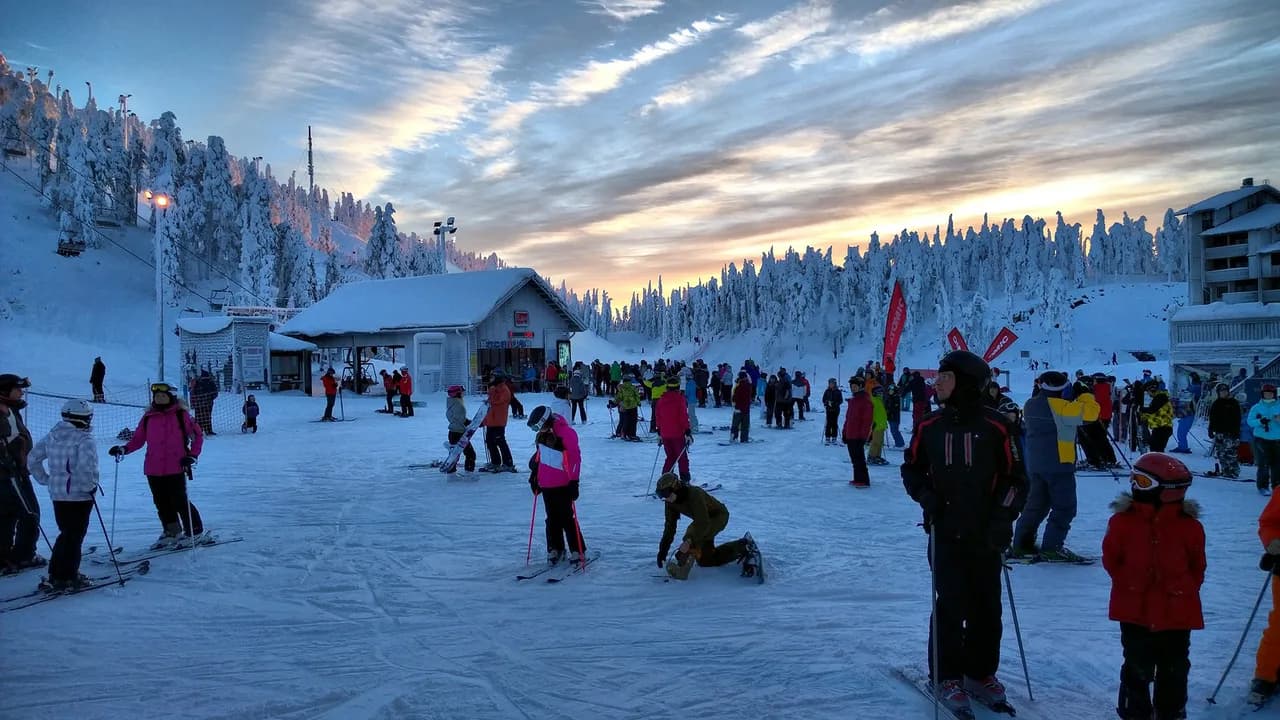
Crowds thin noticeably once the December to February peak passes, and March days let you ski later without losing the light. The Saarua sector offers the most variety for linking turns, while the Vuosseli side tends to stay quieter with north-facing snow that holds its condition longer.
Ruka also runs one of Europe's longer ski seasons, from early October through May, which is why March snow is usually reliable rather than marginal. Rental shops sit close to the lifts in the village, and booking gear ahead helps during Finnish school holidays.
Night skiing and the illuminated slopes
Long winter nights are part of the resort's design: about 30 slopes are floodlit, so skiing continues well after natural light fades. That is a real advantage in March, when you can spend the brightest hours on a national-park outing and still get a sunset run or two in the evening.
Ruka Village has also hosted a Polar Night Light Festival that lights the village in colour for a couple of weeks, with skiing possible through the installations. Treat the festival as a seasonal bonus rather than a fixture of every March, and confirm the current programme with the resort before you build an evening around it.
Husky safaris and reindeer farm visits
Husky and reindeer safaris are the classic half-day add-ons in Ruka–Kuusamo, usually paired with farm visits where you learn about herding rather than simply taking a ride. The area is known for its husky safaris, and operators run them through forests and frozen landscapes around the fell.
Palosaari Reindeer Farm, at Meskusvaarantie 66 in Kuusamo, combines feeding and talking reindeer with a hosted lunch of reindeer soup by the fire, and the hosts answer questions about the animals' place in northern life. Book farm visits early in your trip, because availability tightens in busy weeks and a March booking made on arrival may not fit.
Many guided activities lend thermal suits and gear on top of your own layers, which matters on a long husky run in changeable spring weather. Ask at booking what is included so you know what to carry to the meeting point in the village.
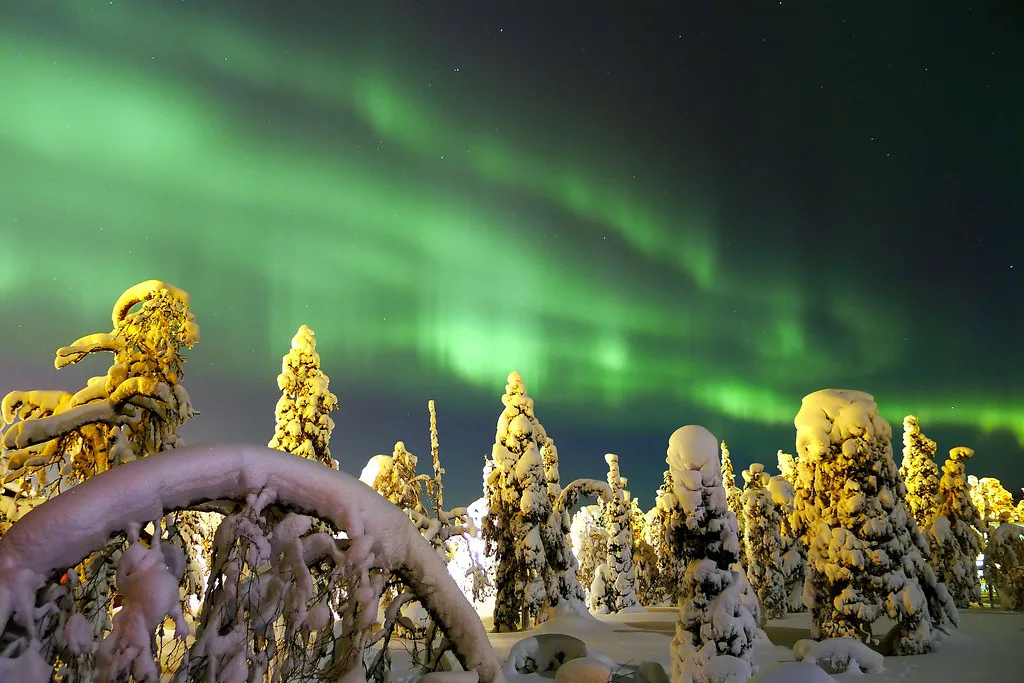
Snowmobile safaris, ice fishing and river floating
Snowmobile safaris run through forests and over frozen landscapes, and the wider area holds more than 500 kilometres of marked trails. March conditions usually mean firm, fast trails in the morning and softer snow where the sun has worked on south-facing sections.
Ice fishing on lakes used by locals and snowshoeing along snowy trails are the slower options, better suited to a rest day between skiing and evening aurora outings. River floating in a thermal suit on icy rapids is the most unusual of the bunch, and it works well in March because you are on the water rather than depending on snowfall.
Operators generally run these as guided programmes with transfers from Ruka included, which removes the need for a rental car on activity days. If you want the freedom to chase clear sky at night, though, a car remains useful for the roads heading out of the village.
Snowshoeing, fat biking and trails around the village
Cross-country skiers have over 500 kilometres of trails winding through forests and open wilderness around Ruka, and fat biking follows groomed snow trails on the same network. In March the longer days make a half-day tour realistic without headlamps, which is not true in December.
The village itself is compact and largely walkable, with free ski buses connecting the main accommodation areas to the lifts during ski hours. That makes a car-free stay practical if you plan to ski, snowshoe and join guided evenings rather than range widely.
Cabins scattered in the forest offer peace and often their own sauna, but you will rely on the ski bus or a car to reach the lifts. Weigh village convenience against forest quiet depending on whether your evenings are about aurora outings or an early sauna.
Where to watch the aurora near Ruka village and the fell
The fell itself gives you the simplest dark-sky option: walk or take the lift up and find a spot away from the floodlit slopes, then look north over the forest. The catch is that illumination for night skiing is exactly what you are trying to escape, so check which slopes are lit on the night you go.
Away from the village, the forest roads toward the surrounding fells and national parks are darker and quieter, and the resort's own guidance describes the sky above Ruka–Kuusamo as clear on calm nights. Distances and road conditions vary with snow, so plan a short drive with a clear turnaround rather than committing to a long night route.
Stay close to the village if you want to walk to a viewpoint and back without driving; choose a cabin with a car if you intend to chase gaps in the cloud. Either way, keep your aurora evenings late rather than all-night, because March mornings come earlier than midwinter ones.
Self-guided aurora chasing versus a guided night tour
Guided northern lights tours leave from Ruka village on foot or by snowmobile, which suits travelers who would rather not drive unfamiliar snow roads in the dark. The guides know the local forest tracks and can move you between spots when cloud shifts, and the same operators run many of the area's snowmobile and husky programmes.
Self-guided chasing is about flexibility, not saving: you pick your own hour, watch the sky from a dark pull-off and go back to a warm cabin without waiting for a group. The trade-off is local knowledge — road conditions, where the cloud sits and which tracks are ploughed are all things you learn the hard way.
A sensible compromise is one guided night early in the trip to learn how the local sky behaves, then a self-guided attempt or two once you know the roads. The northern lights in Ruka guide is a useful reference point for how the season works.
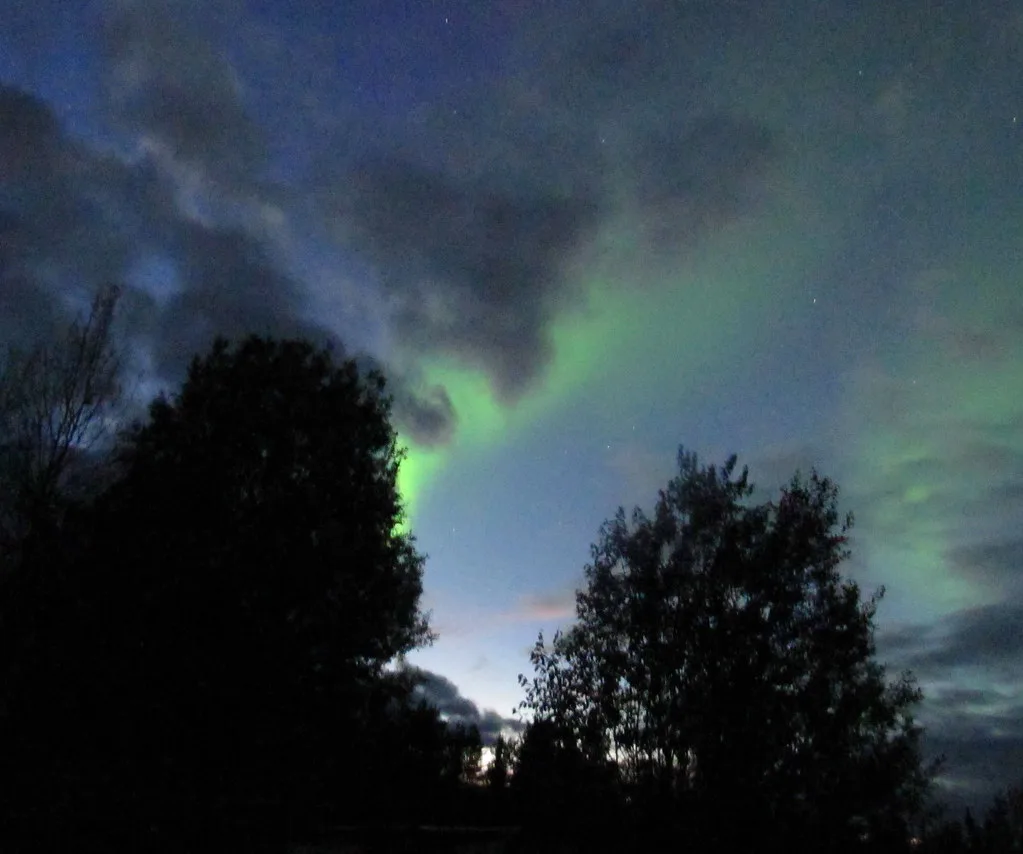
Oulanka and Riisitunturi national parks on a March day out
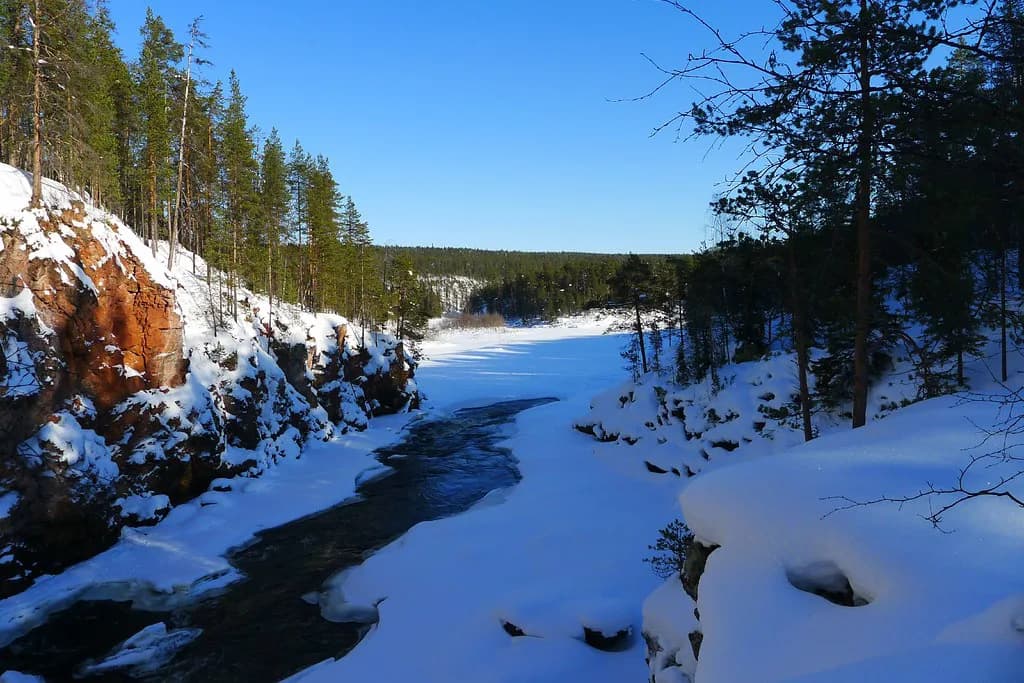
Oulanka National Park covers about 270 square kilometres of forested land with a river running through it, and it is the classic day out from the Kuusamo area. Guided excursions run from Ruka, which keeps the logistics simple if you have no car, though self-drive gives you more time on the trails.
March daylight makes a national-park day genuinely worthwhile, with time for a longer walk and photography before the light goes. Winter routes in Oulanka National Park hold snow into spring, though trail conditions change with thaw and refreeze, so plan the day around marked winter trails rather than summer distances.
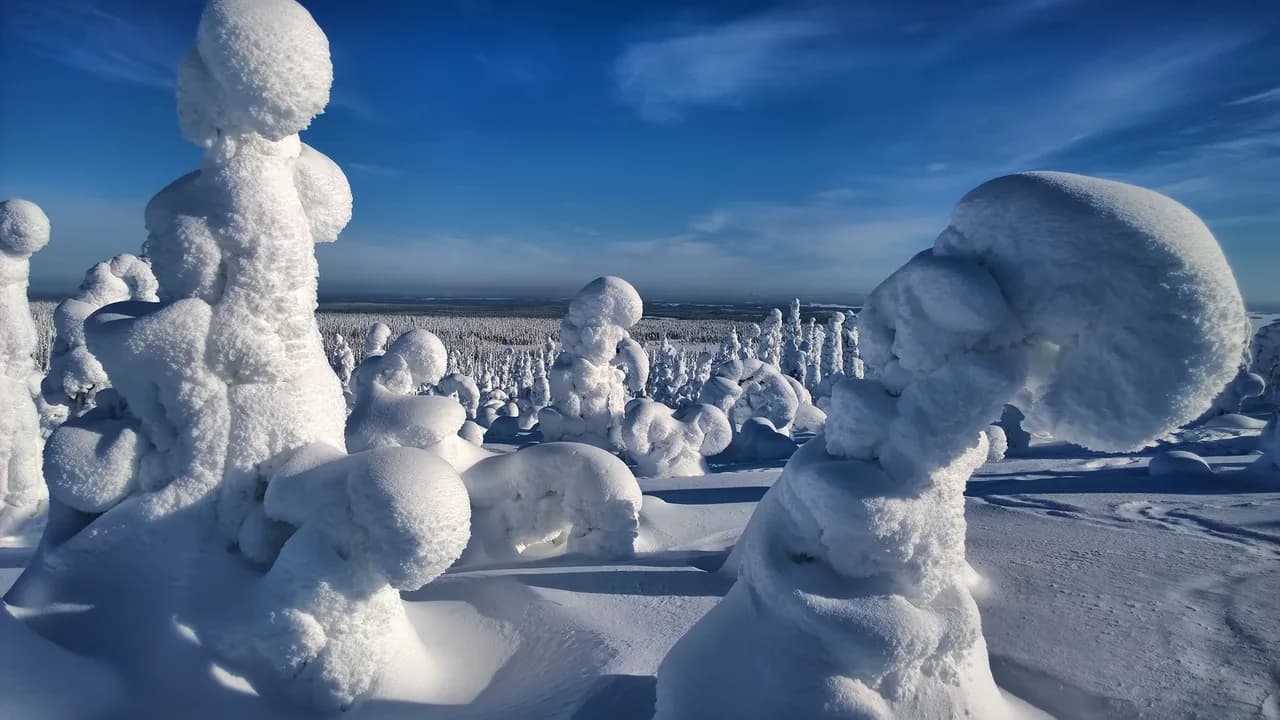
Riisitunturi National Park is the other strong half-day option, known for snow-laden trees that photograph best in soft spring light. Wear or carry proper footwear and expect shorter daylight than you would get in April.
Sauna, forest spa and Ruka Spa after a cold day
Finnish sauna is the natural end to a March day, and Ruka has options from in-apartment saunas to wood-fired and smoke saunas at hotels and wilderness properties. A forest spa sauna experience in the wilderness is the most memorable version, pairing heat with silence and a cold plunge.
Isokenkäisten Klubi, on Lake Heikinjärvi about two kilometres from the Russian border, runs a seven-star smoke sauna alongside home-cooked Finnish meals and cabins in quiet forest. It makes a good overnight if you want darkness and silence of a different order from the village.
Pohjolan Pirtti, also known as Santa's Cottage, pairs a sauna with a historic house from 1891 in the Vuotunki area, and its programme includes traditional baking and a meal of local dishes. Ruka Spa covers indoor pools and waterslides for families who want warmth without the ritual.
Ski school, equipment hire and the Ruka Coaster
Ruka's ski school runs group and private lessons for all ages and abilities, with English-speaking instructors covering skiing, snowboarding and telemark. March is a comfortable month for a first lesson, since you are not battling the deepest cold of January.
The Ruka Coaster adds an over-750-metre track with views across the fell and speeds of up to 40 kilometres an hour. It runs in winter, so March falls inside its operating window, but the coaster depends on snow and weather, so treat the published dates as the season it aims for rather than a promise on any given day.
Equipment hire shops sit close to the main lifts and offer overnight storage, which keeps village stays simple when you are skiing several days in a row. Book gear ahead during Finnish school holidays, when rental demand peaks.
How many nights to plan for a fair chance of clear skies
Give Ruka at least four or five nights in March if the aurora is part of the plan, and treat each night as one independent chance rather than a cumulative guarantee. Cloud is the decider, so a longer stay simply means more draws from the same weather pattern, not a promised sighting.
Mix your evenings: one guided tour, one self-guided drive toward darker forest roads, and one night deliberately spent in the sauna while cloud clears. That spread keeps you from burning out on late nights when the sky is overcast and the morning light is worth skiing.
If you can, stay within walking distance of the village for at least part of the trip so a late aurora check costs you a short walk rather than a drive. Then add a cabin night deeper in the forest for the quiet end of the stay.
Plan Your March Trip to Ruka
March in Ruka rewards travelers who want the full winter programme without the hardest cold: groomed slopes through the afternoon, national-park days in improving light, and late evenings still dark enough for aurora watching. Build the trip around early to mid-March for the longest night window, and keep the last hour of the day flexible.
Book husky safaris, snowmobile tours and any aurora outing before you arrive, since these fill up in busy weeks, and decide in advance whether you will drive yourself toward darker roads or join a guided night. Then let the weather make the final call.
Frequently Asked Questions
Does it snow in Lapland in March?
Yes. Ruka's winter season typically runs from late November through April, and March and April keep excellent snow conditions while daylight lengthens. On the fell, south-facing slopes soften first on warm afternoons while shaded forest runs stay firmer.
Can you see the Northern Lights in Finland in March?
March nights still get dark enough for aurora watching, though the window shortens as the month goes on. Displays depend on solar activity and clear skies, so a guided tour or a short drive toward darker forest roads improves your odds without guaranteeing a sighting.
What are temperatures like in Ruka in March?
March usually sits at the milder end of Ruka's winter range rather than the coldest midwinter weeks. Expect conditions that shift with sun and wind, and plan outdoor time around the brighter, warmer part of the day.
Is Ruka good for skiing in March?
Yes. Ruka has roughly 40 runs across 20 kilometres of piste, a large share of them easy blues, and a season that runs from early October through May. March combines reliable snow with longer daylight and thinner crowds than the December to February peak.
What winter activities run in Ruka in March?
Husky and reindeer safaris, snowmobile tours, ice fishing, snowshoeing, fat biking, river floating and northern lights tours all run through the winter season. Book the popular ones before you arrive, because availability tightens in busy weeks.
How many nights should I plan in Ruka for a chance of aurora?
Allow at least four or five nights in March, treating each one as a separate chance rather than a guarantee. Spreading your evenings across a guided tour, a self-guided drive and a rest night keeps the trip enjoyable when cloud sets in.
Sources
Notes for your Arctic winter trip
Optional updates to our northern lights guides.
You might also like
Continue reading
More guides you'll find useful