Finnish Lapland Husky Safari: How to Pick a Kennel and Tour
Plan a Finnish Lapland husky safari: how tours run near Rovaniemi, Levi and Kittilä, what safari lengths and group sizes mean, and how to judge kennel welfare.
On this page
A husky safari is the most hands-on way to spend a winter morning in Finnish Lapland: you stand on the runners of a sled, the dogs pull, and the forest goes past at a pace you control with a brake. Around Rovaniemi, Levi and Kittilä the kennels run everything from twenty-minute taster loops to expeditions of several days. It suits travelers who want to do something rather than sit in a vehicle, and who are happy to be outdoors in deep cold for a couple of hours.
The choice that matters most is not which kennel has the flashiest website but which format fits your day, your group and your appetite for driving. A 5 km self-drive safari and a seven-day expedition are different products, not points on one price ladder. Get that comparison right and the rest, from transfers to whether you share a sled, falls into place.
Why a husky safari fits a Finnish Lapland winter trip
Sled dogs are a working part of the Lapland winter, and kennels here are family operations as much as tour businesses. All Huskies near Levi states openly that its year-round life revolves around the dogs, with insulated dog houses for cold winters and short-coated dogs kept in a warm kennel house, and it holds the Green Activities sustainable travel certificate plus the Sustainable Travel Finland label. That framing is useful for travelers: you are visiting a working kennel, not a ride at a theme park.
The safari also solves a winter logistics problem. In December and early January the usable daylight is short, so a daytime activity that starts and ends in the same place, with the kennel handling the sleds, suits a tight itinerary. Pair it with a separate evening out under dark skies and you have used the day well without racing between venues. For the night half of that plan, see this guide to the northern lights in finland.
When the sledding season runs and how daylight shapes departures
Husky safaris in Lapland run through the snow season from November to April, and the 2 km and 5 km self-drive formats are the ones most first-time travelers book. Outside those months some kennels keep training dogs with wheeled rigs, and Arctic Adventure lists autumn husky safaris of 2 km and 5 km from its Rovaniemi base, so a snow-free visit is not automatically a dog-free one.
Daylight should shape which departure you book. Midwinter around Rovaniemi and Levi gives only a few hours of pale light, so kennels schedule the day's safaris inside that window and the sledding happens in twilight or full dark by late afternoon. If you want photographs of the dogs running through a bright snowy forest, aim for February, March or early April, when days lengthen quickly. A dark departure is not a disadvantage for aurora watching later, since your evening is still free.
How a husky safari actually runs: dressing, briefing, driving and sharing a sled
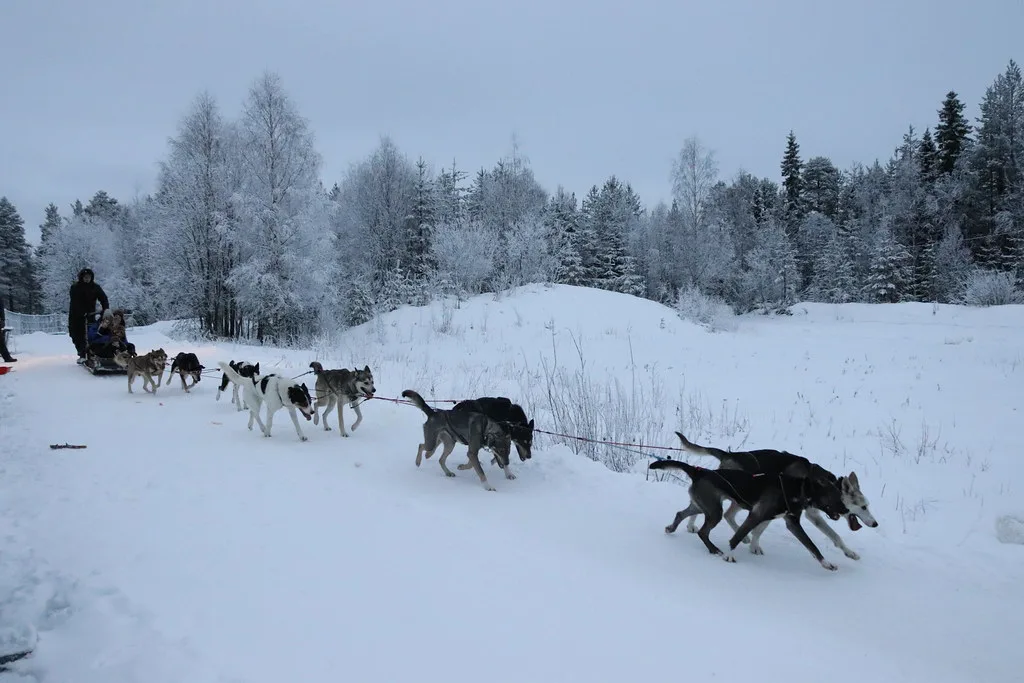
Expect the total time out to exceed the sledding distance. An independent comparison of Lapland kennels puts trips at half an hour to four hours and notes that the total covers getting dressed, the safety briefing and usually a break at a campfire hut, so the kilometres on the trail are fewer than the headline figure suggests. Compare formats on total duration, not just route length, when you are weighing two tours against each other.
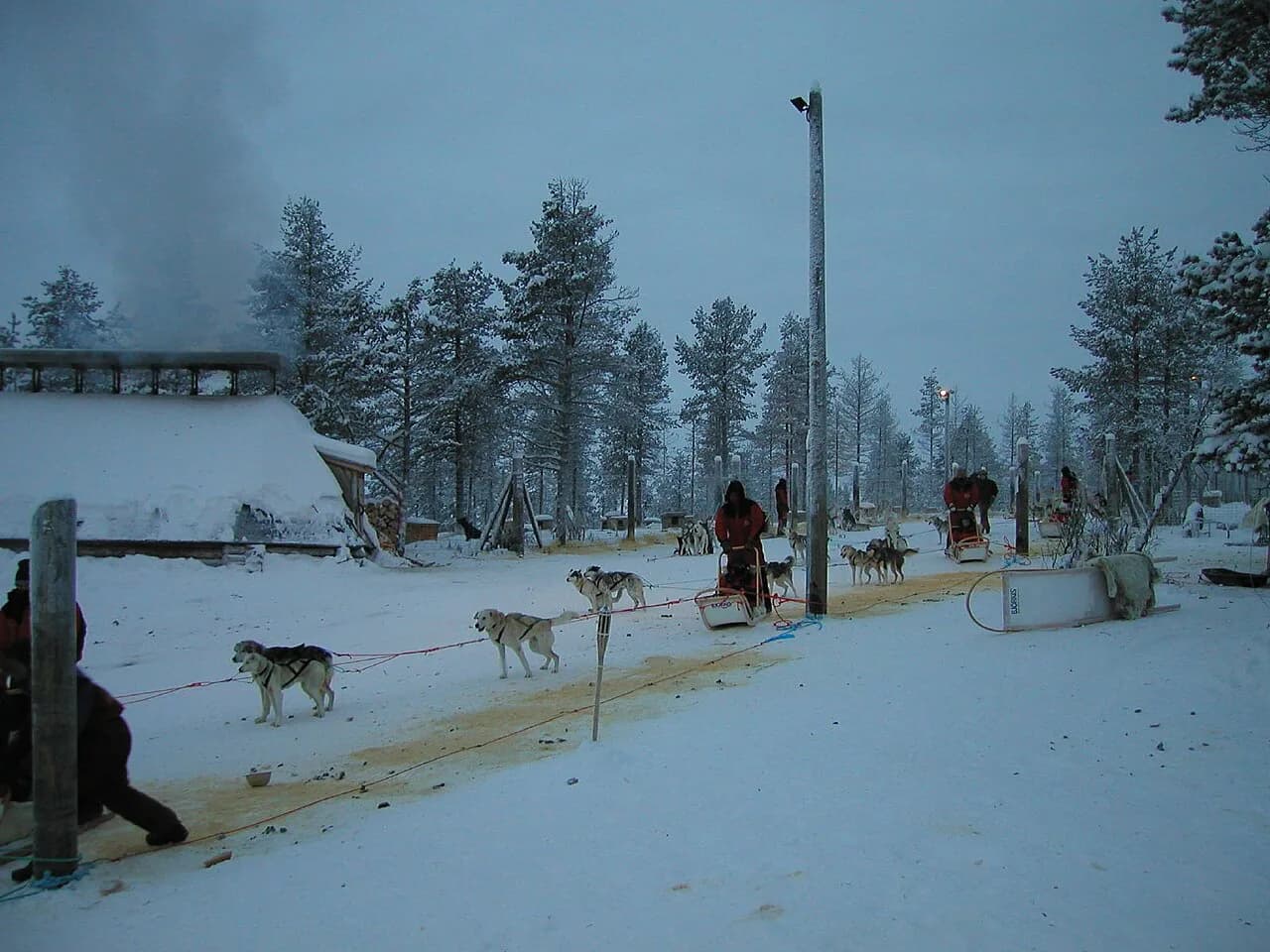
The kennel lends you a thermal overall and boots; bring your own wool socks, hat and gloves. Your guide shows you how to stand on the runners, how the brake works and how to talk to the dogs, and no experience is needed. Two people share a sled, one standing and driving while the other sits in front, and on most trips you swap halfway so both get a turn at the reins.
Safari lengths: 2 km and 5 km tasters versus half-day and multi-day expeditions
The 2 km and 5 km safaris are the entry formats, and they are aimed at different travelers. Arctic Adventure runs a 5 km self-drive safari with a hot drink in a riverside chalet in a small group, and a private version of the same route for travelers who want the guide to themselves. Its 2 km autumn safaris run in small or private groups and suit families with young children or anyone testing whether they enjoy standing on the runners. If you are basing yourself in Rovaniemi, this guide to a Rovaniemi husky safari breaks down the same sled lengths, prices and operators in more detail.
Longer products exist alongside the tasters. The independent kennel comparison covers formats from a 2 km intro ride up to a seven-day wilderness expedition, which tells you the range is genuinely wide. A half-day or multi-day trip is a different commitment: more time on the trail, more weather exposure and a higher bar for fitness. If you are unsure, book a short safari first and treat a longer expedition as a separate trip rather than squeezing both into one holiday.
Drive-yourself versus passenger: which seat suits you
Driving means standing on the runners with both hands on the handlebar, using your body weight to balance and the brake to control speed. It is not difficult on a groomed forest trail, but it asks for reasonable balance and the ability to stay focused for the whole run. If you have back or knee problems, or you are travelling with a small child, the seated position in front is the gentler option.
Because two people share a sled and usually swap halfway, most couples and pairs of friends get both experiences on a single booking. Solo travelers are typically paired with another guest. If being in control matters to you, choose a self-drive safari explicitly rather than a tour that only offers passenger rides, and say so when you book so the kennel can plan the sled pairing.
Small group, private and combined tours
Group size changes the feel of a safari more than distance does. Small-group safaris run with a handful of sleds, so the pace stays steady and the guide can watch every team; a private safari gives you the same trail with undivided attention and the flexibility to stop. Arctic Adventure offers private versions of its 5 km husky safari, and its small-group tours are the standard format for its other routes.
Combined tours stack a husky safari with something else. Arctic Adventure lists a 5 km self-drive safari with a reindeer visit and a hot drink by the river, and a longer day tour that adds a Finnish barbecue, a hike to a lake and ice fishing. These suit travelers who want one full day out rather than several separate bookings, though the sledding portion is naturally shorter than on a dedicated safari. If you mainly want to see the dogs and learn about the kennel, its meet-the-huskies visit at the Sled Dog Discovery Area about 60 km from Rovaniemi is a calmer alternative.
Kennels and operators around Rovaniemi, Levi and Kittilä
Kennels cluster around the main winter bases: Rovaniemi, Levi and Kittilä, plus Muonio and Enontekiö further north and west. All Huskies sits at Kuusseläntie 56 in Kittilä, close to Levi ski resort, which makes it a natural fit if you are staying in Levi rather than Rovaniemi. Arctic Adventure, the booking arm of Wild Of Lapland Forest Oy, runs its small-group safaris from Rovaniemi with its kennel in the wilds about 60 km from town.
Pick the kennel nearest your base rather than the one with the longest route. A 5 km safari at a kennel twenty minutes away beats a spectacular-sounding expedition that eats three hours in transfers each way, especially in midwinter when daylight is scarce. If you are based in Levi, look at Kittilä operators; if you are in Rovaniemi, the local kennels are the sensible default, and a day trip to a more distant kennel only makes sense if you are combining it with something else.
What is included: thermal suits, boots, hot drinks and campfire stops
The standard inclusions are consistent across the kennels here. A thermal overall and boots are lent, the guide gives a briefing and driving instruction, and two people share a sled with a swap on most trips. Many trips stop at a campfire hut for a hot drink, and some include a kennel tour, which the individual listing states. Arctic Adventure's riverside chalet serves the hot drink after the 5 km run.
What is not standard is everything else, so read the listing for the specific safari. A private tour includes the guide's undivided attention; a combined tour includes the reindeer visit, the barbecue or the ice fishing. Transport from your accommodation is worth confirming at booking, since some kennels sit well outside town. The one rule that applies everywhere is that the suit is lent, not given, so you still need your own base layers and gloves.
Age limits, fitness and who should skip driving
Driving a sled is a physical job but not an athletic one: you stand, balance and brake, and the dogs do the pulling. Travelers with a reasonable sense of balance and no recent back or joint trouble usually manage a 2 km or 5 km route comfortably. Anyone who tires easily, or who would rather watch the forest than concentrate on the trail, should take the passenger seat and let a partner drive.
Families with young children should look at the shorter formats and ask the kennel directly about ages, since minimum ages and child seating vary by operator and route. The 2 km autumn safaris run in small or private groups and are the gentlest introduction. For a child who is nervous around large dogs, the meet-the-huskies visit is a lower-pressure way to start, and you can book a sled ride on a later day once they are comfortable.
Animal welfare: certificates and questions to ask before booking
Certification is a practical filter rather than a vague ethical gesture. All Huskies holds the Green Activities sustainable travel certificate, which its site describes as the only Nordic sustainability certificate that includes welfare criteria for tourist animals, along with the Sustainable Travel Finland label from Visit Finland. Checking a kennel's name against the certifiers' own lists, as the independent comparison does, tells you more than a logo on a booking page.
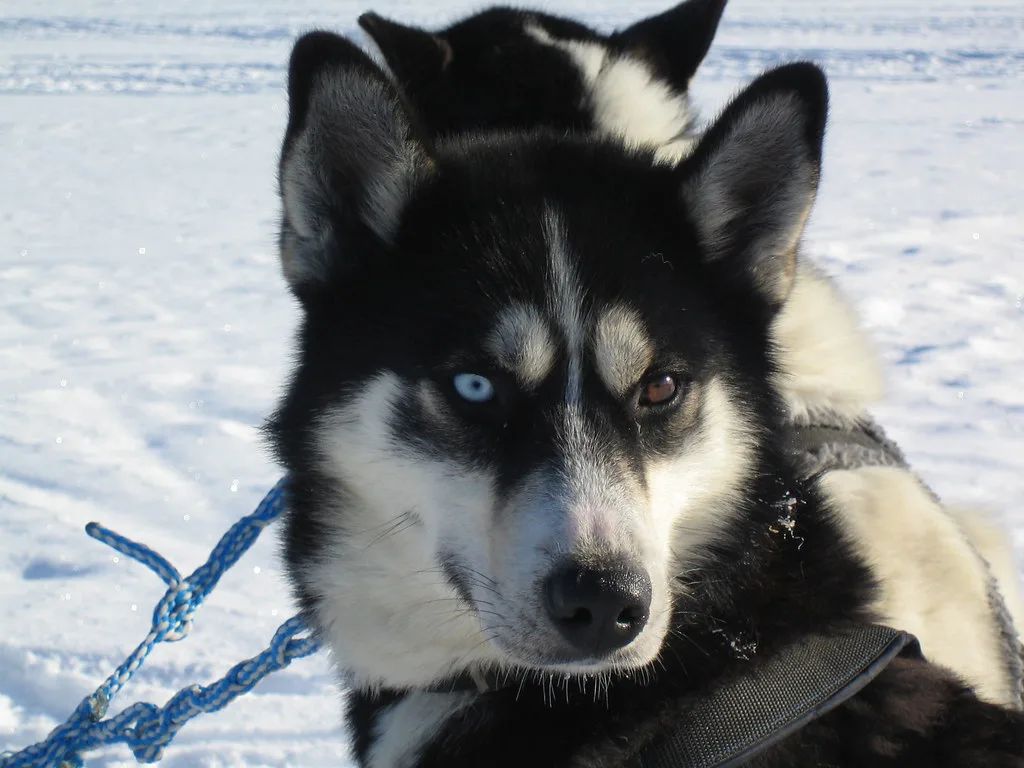
Beyond the certificate, ask two questions when you book. First, how many people share a sled and how far the dogs actually run in a day, since a kennel that rotates its teams has happier animals than one that runs the same dogs repeatedly. Second, what happens to the dogs outside the tourist season; All Huskies describes year-round exercise, free running in summer and autumn training with ATV rigs, which is the pattern you want to hear. A kennel that welcomes a visit to its dog houses before or after the safari is usually a good sign.
Husky safari plus aurora: timing a day trip around dark skies
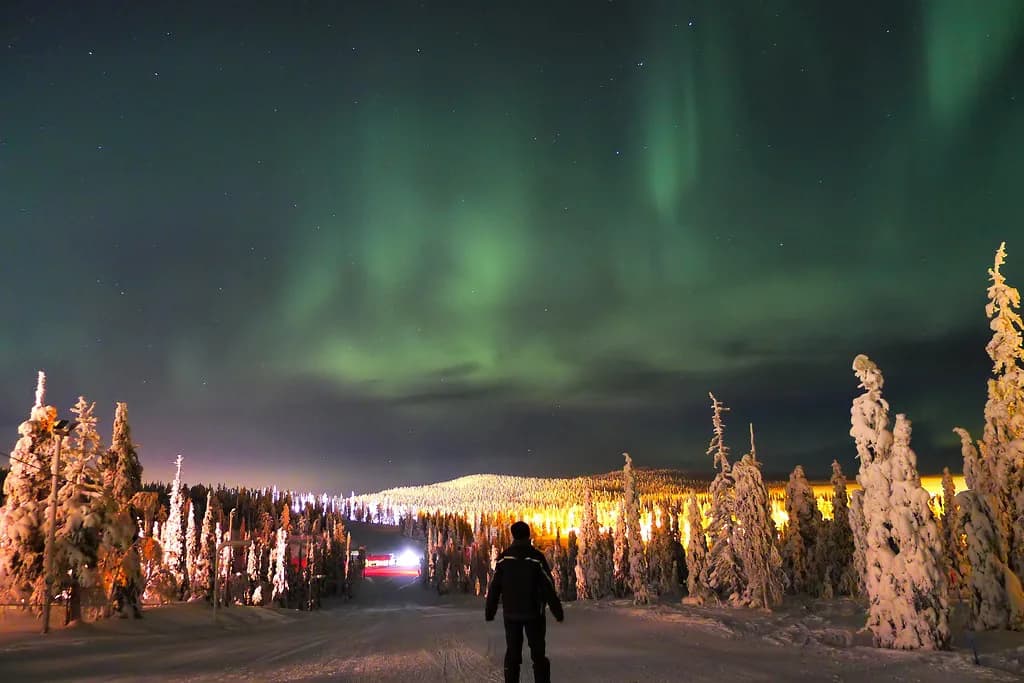
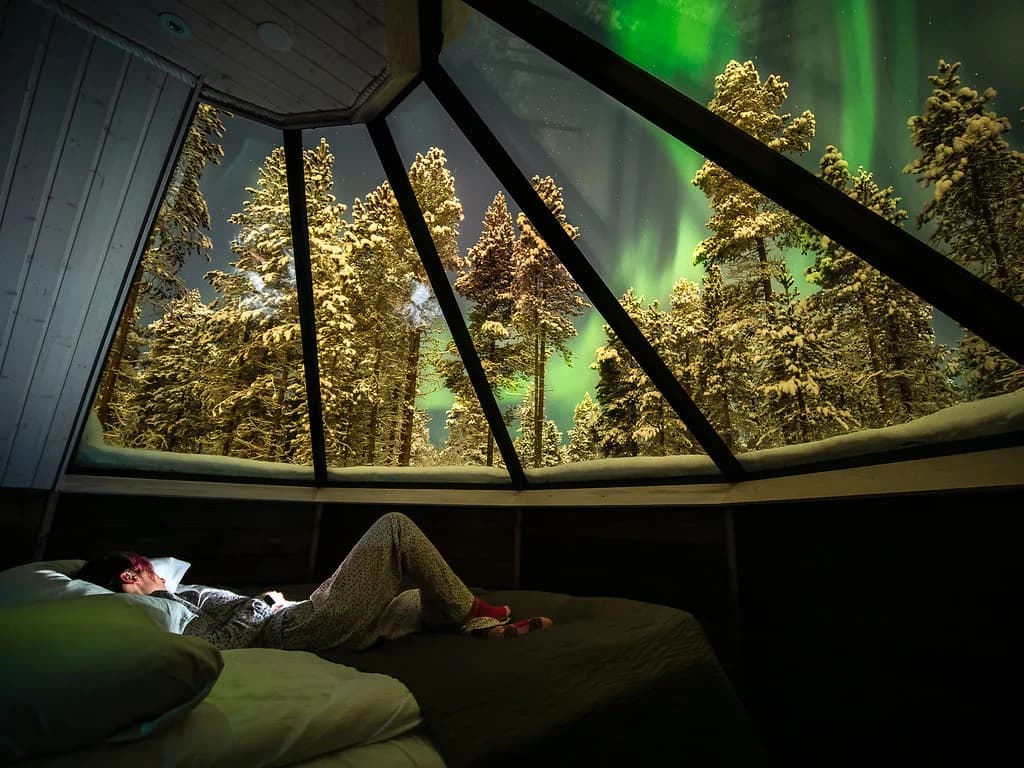
A husky safari is a daytime activity and an aurora hunt is a night one, so the two fit together neatly rather than competing. Book the safari for late morning or early afternoon, when daylight is at its best, then keep the evening free for a chase or a fixed viewing spot. You should not expect to see the aurora from the sled itself; the sledding happens in the hours around daylight, and the northern lights need dark, clear skies to show at all.
What you can do is choose the right night. Check the aurora forecast before you commit your evening, and remember that a clear sky matters more than a high Kp reading. If you have booked a northern lights tours in finnish lapland for the same day, put the husky safari in the morning so you are not tired by the time the chase starts. The two activities together make a full winter day without rushing.
How many nights to base in Lapland around your safari
Allow at least three nights in one place if the aurora is part of the plan, and treat the husky safari as one of the daytime anchors. Cloud cover is the limiting factor on most trips, so several nights give you repeated chances at a clear sky. Three nights also leaves room for a rest day without cutting into the activities, which matters in deep cold.
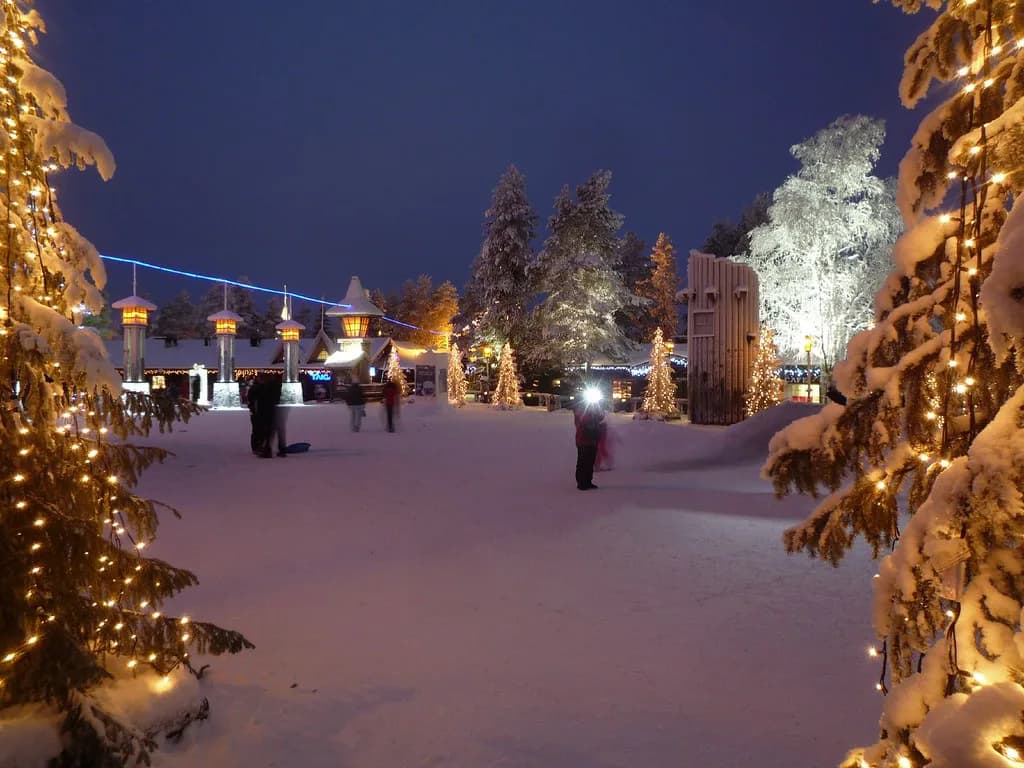
If your only goal is the safari, two nights near the kennel is enough: one arrival day and one full day on the trail. Travelers combining a safari with christmas in finnish lapland should book earlier than they think, because the weeks around Christmas are the busiest of the season in Rovaniemi and around Santa Claus Village. Add a night if you are also visiting the kennel 60 km out of town, since the transfer eats into the day.
Matching a kennel to your base and transfer time
Start with your accommodation and work outwards. If you are staying in Levi, All Huskies in Kittilä is close by; if you are in Rovaniemi, Arctic Adventure and the other local kennels are the sensible choice. The kennel regions of Muonio and Enontekiö suit travelers heading further north, but they are only worth the drive if you are based there or passing through.
Ask about transfers when you book, and be specific about your pickup point. A kennel that is twenty minutes from town is an easy morning out; one that is an hour away turns a 2 km taster into a half-day commitment. Line up the transfer with your other plans, whether that is a snowmobile day, a sauna evening or a night out chasing the aurora, so the safari fits the shape of your trip rather than dictating it.
Plan Your Husky Safari
Book a kennel near your base, choose a format that matches your group's appetite for driving, and read the listing for what is actually included. A 2 km or 5 km self-drive safari is the right first step for most travelers, with a private version if you want the guide to yourself and a combined tour if you would rather build a full day around the sledding.
Check the welfare certificates before you book, keep the evening free for dark skies, and give yourself at least three nights in Lapland if the aurora matters to you. The safari will not guarantee a sighting, but it will give you a winter day you remember.
Frequently Asked Questions
Where is the best place to go husky sledding in Finnish Lapland?
There is no single best place, but the kennels cluster around the main winter bases: Rovaniemi, Levi and Kittilä, with more in Muonio and Enontekiö. All Huskies is in Kittilä close to Levi, and Arctic Adventure runs its safaris from Rovaniemi with a kennel about 60 km out of town. Choose the kennel nearest your accommodation so transfers do not eat your daylight.
Are husky rides in Lapland ethical?
They can be, and certification helps you judge. All Huskies holds the Green Activities sustainable travel certificate, which includes welfare criteria for tourist animals, plus the Sustainable Travel Finland label. Ask how many people share a sled, how far the dogs run in a day and what happens to them outside the tourist season.
How long does a husky safari last?
Trips run from half an hour to four hours, and that total includes dressing, the briefing and usually a campfire break, so the sledding itself is shorter than the headline duration. The 2 km and 5 km safaris are the short formats, while multi-day expeditions run up to seven days. Compare total time, not just route length.
Do you need experience to drive a husky sled?
No experience is needed. Your guide shows you how to stand on the runners, how the brake works and how to talk to the dogs, and two people share a sled, swapping halfway on most trips. A reasonable sense of balance is the main requirement; travelers with back or knee trouble should take the passenger seat.
How much is a husky ride in Lapland?
Prices vary by kennel, route length and whether the tour is private or combined with reindeer, ice fishing or a barbecue, and they are set by each operator. Check the booking page for the specific safari you want, where the current price is listed alongside the duration and inclusions.
Is dog sledding worth the money?
For travelers who want to do something active in the Arctic winter rather than watch from a vehicle, a self-drive safari is usually the highlight of the trip. The value depends on format: a private or combined tour costs more than a small-group taster, so decide whether you want the guide to yourself, extra activities or simply a morning on the trail.
Can you see the northern lights on a husky safari?
Not on the sled, because safaris run in the hours around daylight. Keep the evening free for a chase or a fixed viewing spot, check the aurora forecast, and give yourself several nights in Lapland so a cloudy evening does not end your chances. A clear sky matters more than a high Kp reading.
Sources
Notes for your Arctic winter trip
Optional updates to our northern lights guides.
You might also like

Continue reading
More guides you'll find useful