Best Time to See the Northern Lights in Finnish Lapland
Plan a Finnish Lapland aurora trip month by month: when nights are dark, how long they last, where clear skies are likeliest and how many nights to allow.
On this page
Finnish Lapland sits directly beneath the auroral oval, the ring where solar particles are funnelled into the upper atmosphere, so the northern lights are a realistic prospect on dark, clear nights rather than a rare freak event. The region spans roughly 65.5°N to 70°N, which puts almost all of it inside the Arctic Circle and well north of anywhere in southern Finland. What you are really choosing when you pick dates is darkness, weather and how much you are willing to pay for both.
Your decision comes down to three variables: how many dark hours the night gives you, how likely the sky is to be clear, and whether you want snow underfoot and daylight activities alongside the aurora. Deep winter delivers the longest viewing windows but the coldest temperatures; March trades some darkness for clearer skies and generous daylight, while the season's edges are cheaper and quieter but thinner on both counts.
Why Finnish Lapland sits under the auroral oval
The aurora forms when charged particles from the sun are guided along Earth's magnetic field lines into the upper atmosphere, producing light in an oval centred on the magnetic pole. Finnish Lapland lies close to the centre of that oval, so activity there is far more frequent than in central Europe or even southern Finland. That latitude advantage is why the region has become the default Arctic aurora destination for European travellers.
Latitude alone does not produce a display. The trigger is space weather, and one of the most useful measures is Bz, the north-south orientation of the magnetic field carried by the solar wind: when Bz turns south, energy couples more easily with Earth's field and the aurora has a better chance to brighten and move. Experienced operators watch cloud cover, darkness, solar wind, Kp and Bz together rather than relying on a single number.
Treat Kp as guidance, not a verdict. A low Kp under a bright, clear Lapland sky can still deliver a fine display because you are already under the oval, while a high Kp behind thick cloud gives you nothing. What upgrades your odds is being somewhere dark and north for several nights and stepping outside when the sky clears, not chasing a headline forecast.
When the aurora season runs in Finnish Lapland
The Finnish aurora season runs from late August to early April, framed by the return of true darkness in autumn and its disappearance in spring. September is when the season really gets going, and mid-April is the practical cut-off, after which the lack of true night soon renders the lights invisible even though they remain technically active all year.
The stronger, more dependable window is December through March, when Lapland's nights are longest, the landscape is white, and the aurora has the most darkness to appear in. December to March is also when the forest retreats and lodge operations above the Arctic Circle tend to run at full capacity.
The edges of the season are thin in a specific way. Around late August and again in early April, darkness lasts only a few hours, so you must stay up later for a chance of seeing anything. November, December and January give the longest hours of darkness, but cloud cover remains the deciding factor in every month.
How dark nights and daylight shift from September to March
Darkness is the resource you are buying. In the far north of Finnish Lapland there is no sunrise at all throughout December, yet it is not pitch dark around the clock: an extended twilight with soft, pastel light lasts several hours and provides enough window for outdoor activities. The sun returns in early to mid-January, and daylight hours increase considerably through February and March.
That produces a clear trade-off. December and January hand you enormous viewing windows but short, dim days, which suits travellers who prioritise the aurora and are content with cosy indoor hours. February and March restore proper daylight and blue afternoon light while nights stay long and dark, which is why they suit photographers and anyone who wants daytime activities to matter as much as the night sky.
By early April the balance tips the other way. Nights shorten quickly and the snow gradually melts, so the winter season is winding down even though some snow-based activities may still be possible. If your trip is aurora-first, April is a gamble on darkness rather than a reliable window.
September and October: equinox activity, unfrozen lakes and wet autumn weather
Autumn is the connoisseur's window. Temperatures are still relatively comfortable, the lakes are not yet frozen, and you get the chance of aurora reflected on open water. The period around the autumn equinox is often associated with elevated geomagnetic activity, which is why late September and early October are considered prime time for aurora hunting.
The counterweight is weather. Autumn in Lapland is often wet and cloudy, and the land is dark rather than white, so photographs lack the snow-reflected brightness of midwinter. Early autumn aurora images are real, but they come from the clear nights between long stretches of cloud, which is exactly why a multi-night stay matters more than a single booking.
Snow is unreliable this early and varies sharply by location. The first snowfall tends to arrive in late September or early October and often melts before thicker cover forms through November and December. Ivalo and Levi may already hold substantial snow cover by late October or early November, while Rovaniemi, further south, often waits several more weeks.
November and December: polar night and the longest viewing windows
December is the most atmospheric month of the winter. Fresh snow brightens the land and reflects every light in the sky, and because the sky is dark from mid-afternoon until late morning, the aurora has more hours of darkness to appear in than at any other time of year. For pure night-sky hours per day, nothing else competes.
November is the shoulder month that many travellers overlook. It sits inside the long-darkness bracket, snow cover is forming, and demand has not yet peaked, but conditions are less settled than in deep winter. Consider it if you want dark nights and lower prices and can accept mixed ground conditions.
The cost of a December trip is measured in crowds as much as money. Tourism in Finnish Lapland reaches a crescendo in December, many hotels book out completely, and flights and accommodation are at their highest, especially over Christmas and New Year. Late November or early December is noticeably more favourable on both price and availability, though snow is less reliable then.
January and February: the coldest, crispest nights
January is the coldest month and often the crispest. Deep cold tends to arrive with still, clear air, and a clear January night above the Arctic Circle is about as good as aurora viewing gets, with daylight beginning to return while nights remain very long. Pack for the cold rather than hoping for a mild spell.
Snow cover across Finnish Lapland is generally at its thickest from January to March, with temperatures mostly in the region of -5°C to -20°C. Occasionally temperatures rise just above 0°C or dip to around -30°C, so plan for the full range rather than a single forecast. Activity providers typically lend thermal suits, gloves, headwear and winter boots for husky and snowmobile excursions, which takes the edge off the coldest outings.
February is the photographers' favourite. Light returns in earnest with soft blue afternoons, nights stay long and dark, and clear spells become more frequent as deep-winter weather settles. It gives the strongest balance of daytime experiences and night-sky hours in the whole season.
March: often the clearest skies and a spring equinox lift
March frequently delivers the clearest skies of the winter. Days are bright and generous, nights are still properly dark, and the snowpack is at its deepest. Aurora activity also tends to lift around the spring equinox, mirroring the autumn pattern, which makes March one of the two equinox windows worth targeting.
For most travellers March is the best all-round compromise: you can run a full daytime programme of husky, snowmobile or snowshoe outings and still have a long, dark night ahead. Demand and prices ease compared with December, and the region is noticeably less busy than at Christmas. If you can only take one winter week and want both aurora hours and daylight, this is where to put it.
Best hours of the night, and how the window moves
Aurora activity often peaks around magnetic midnight, usually between 22:30 and 00:30, and the practical viewing window in Lapland runs from roughly 21:00 to 02:00. The exact timing shifts with the season: in December and January darkness arrives earlier and the window opens sooner, while February and March bring shorter but still ample nights.
Clear skies matter more than the precise hour. Be outside rather than watching through glass, give your eyes six to eight minutes to adjust without screens or torches, and look low on the northern horizon first, where the aurora often begins as a faint band before spreading overhead. Those habits cost nothing and consistently outperform waiting for an alert indoors.
Cloud cover versus latitude: why a guided hunt can beat a fixed base
You are already far enough north almost anywhere in Lapland that latitude stops being the limiting factor. Cloud is. A fixed cabin with a dark sky is wonderful on a clear night and useless under a solid overcast, and Arctic weather changes day to day with no two winters alike.
A guided hunt addresses that directly. Guides analyse the latest weather conditions and drive to a location with the clearest sky, which is the single most effective way to rescue a night that looks lost at your hotel. The trade-off is time in a vehicle and a later return, which matters more with young children.
The middle path is a dark fixed base plus one or two booked chases. A retreat with open forest, no light pollution and a position above the Arctic Circle lets you watch from your cabin door on the good nights and spend money on a drive only when the forecast is marginal.
Where to base yourself: Levi, Inari, Nellim, Muotka, Nangu and Rovaniemi
Levi, around 67.9°N, is the most complete resort base in western Lapland, with flights, restaurants and a full activity menu alongside forest cabins that sit away from village light. Sixty Eight North near Levi runs forest cabins and a sauna, welcomes guests from 1 December to 31 March, and gives in-house guests a complimentary aurora alert driven by a live camera so you can rest until the lights appear. It also runs a Northern Lights story evening covering the science and myths, and a hunt by car for nights when the sky is clearer elsewhere.
Inari and Nellim sit in the far north-east, further from airport crowds and deeper into wilderness, with Lake Inari's vast open expanses offering long horizons. Wilderness Hotel Muotka and Wilderness Hotel Nangu serve the same eastern wilderness market from lodge bases with guided programmes. Expect longer transfers and fewer independent dining options in exchange for darker surroundings.
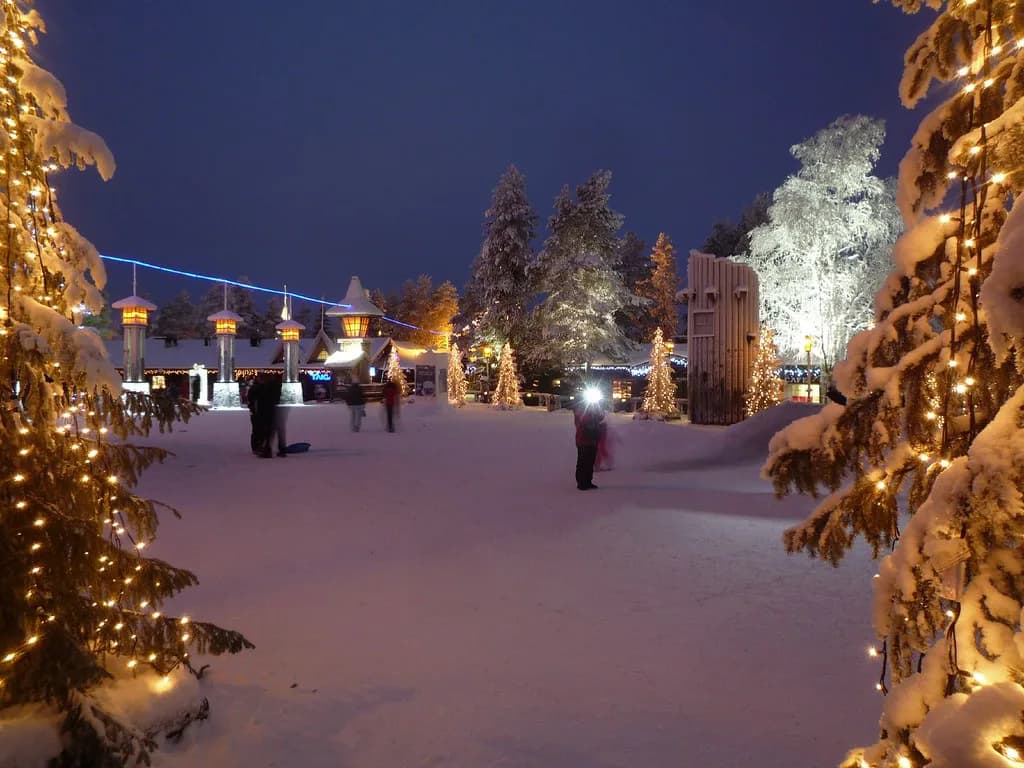
Rovaniemi is the family and transport hub, with the most flights and the easiest logistics, but it lies significantly further south and its heavy snow often arrives weeks after Ivalo or Levi. Santa Claus Village outside Rovaniemi is open every day of the year, which makes it a flexible add-on rather than a reason to pick December. If you are weighing bases, our guide to the best time to see the northern lights in rovaniemi applies the same month-by-month logic to the south of the region.
Glass igloos and aurora cabins: comfort versus heat, light and price
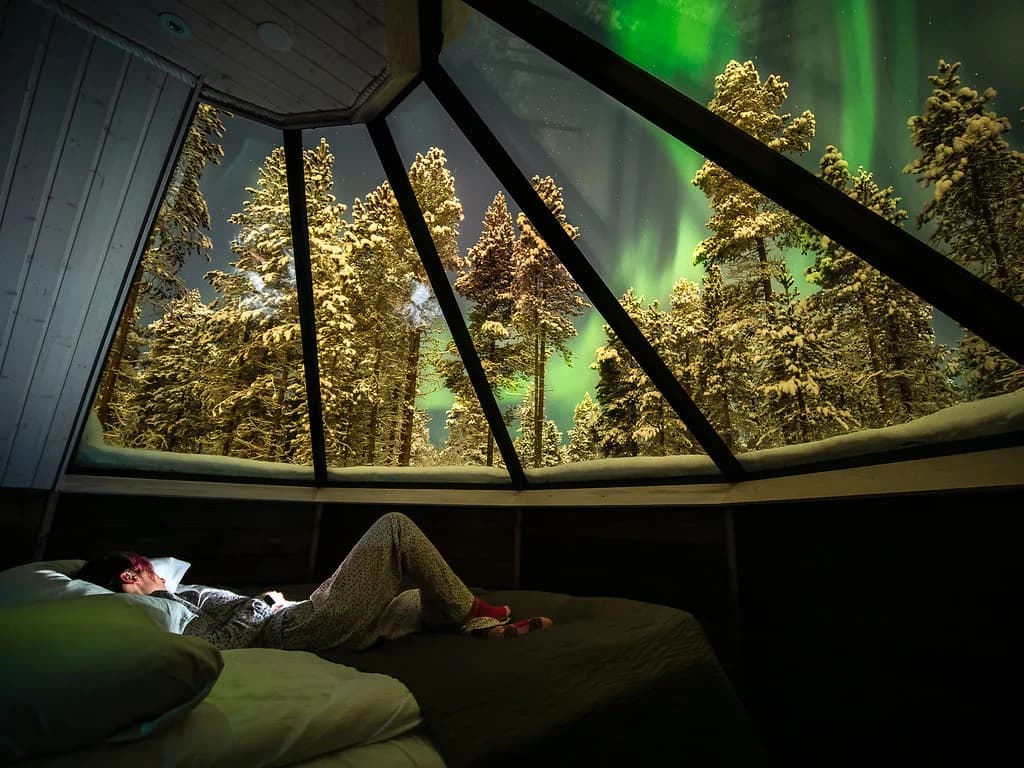
Glass igloos and aurora cabins sell a specific promise: watching the sky without standing in the cold. The trade-offs are real. Heated glass can frost or fog at the edges, interior lighting destroys your night vision unless the room is dark, and lying under a warm roof makes it easy to miss a display that starts low on the horizon. Treat the igloo as a comfortable base, not a substitute for stepping outside.
Cabins with their own sauna and a short walk to open ground often beat glass roofs for serious viewing, and they usually cost less. Wherever you sleep, ask how far the nearest unshielded light is and whether the property runs an aurora alert system; that single detail determines how much of the night you spend awake and waiting.
Package operators bundle igloo nights with ice hotels and husky days, and prices swing widely by month. Compare quotes for the same itinerary in December and March and the difference is usually demand, not comfort. Book directly with the property when you want to know exactly what is included.
Husky, snowmobile and snow-based activities by month
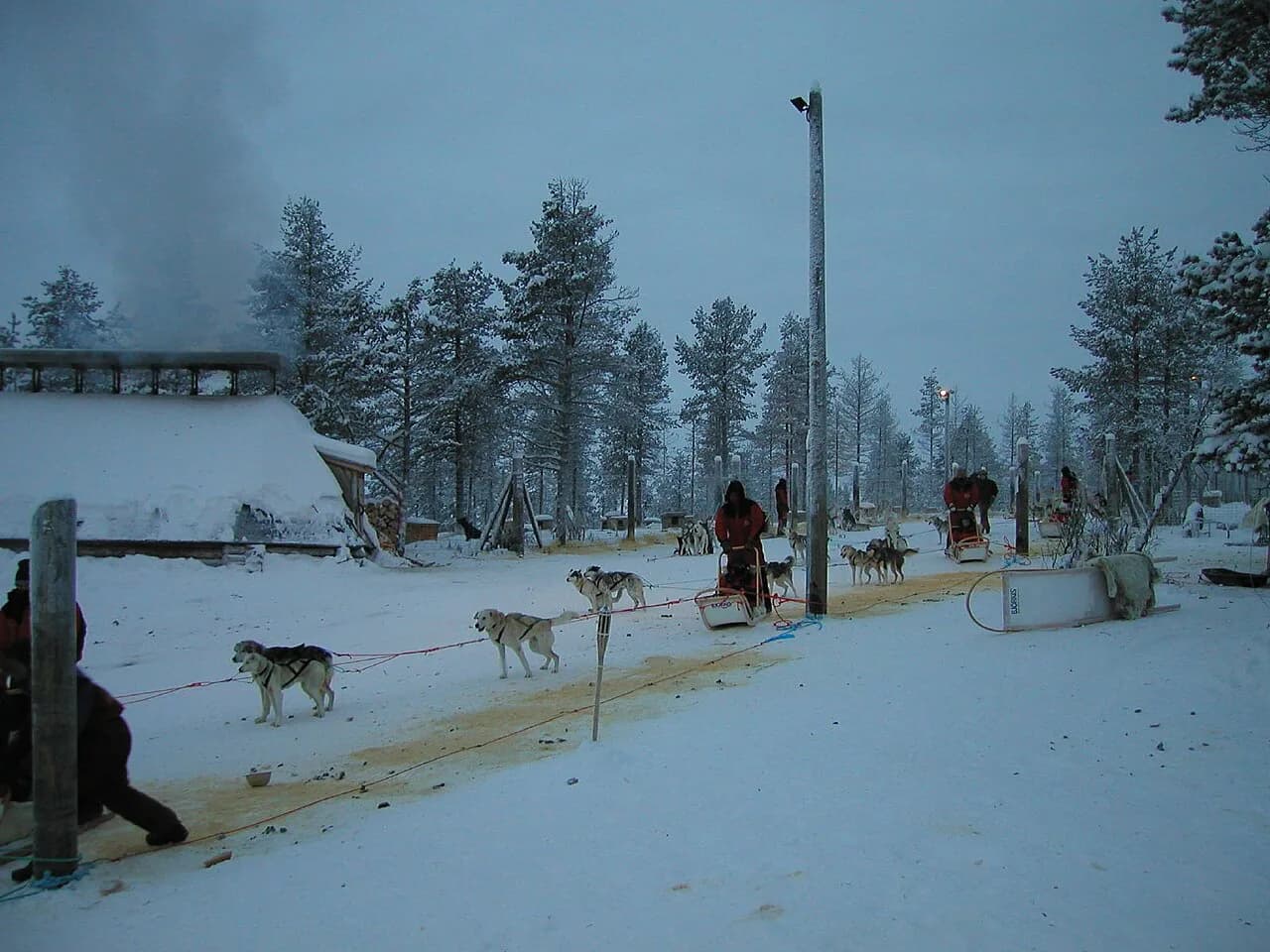
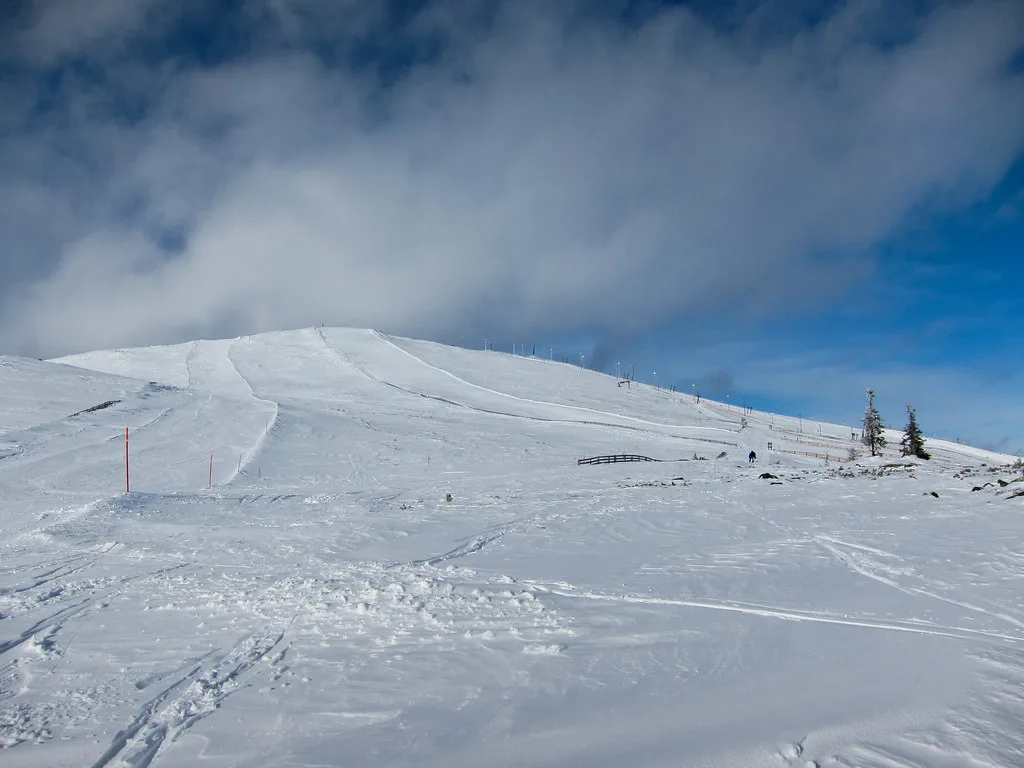
Snow-based activities are usually possible in December, but conditions are less predictable earlier in the month, particularly further south. Reliable cover builds from January to March, when husky sledding, snowmobiling, snowshoeing, ice fishing and cross-country skiing all operate on solid ground.
Your month should follow your priority. If the aurora comes first, book deep winter and accept short days. If you want long days of driving your own sled and still-dark nights, aim for February or March. If you want autumn reflections on open water, accept wet weather and go in September.
Reindeer work and cultural visits add a slower counterpoint to motorised days, and eastern Lapland around Inari is the place to combine them with aurora nights. Sámi culture in the region is a living set of languages and livelihoods rather than a performance, so choose operators who employ local guides and explain the land you are travelling through.
How many nights to allow for a fair chance of clear skies
The single biggest factor in seeing the aurora is the number of dark nights you give yourself. Three or four nights in the auroral oval changes the odds entirely, and one night is a coin toss on cloud regardless of solar activity.
Build the trip around four to five nights on the ground and treat one clear night as the goal rather than a nightly expectation. That framing lets you use a cloudy evening for the sauna or a late dinner and save the driving for the night the forecast improves. Short breaks of two nights are common in packages, but they leave very little margin.
Add a buffer day at the start for delayed flights and transfers. Arctic winter travel includes weather disruption, and a missed connection that costs you a night costs you a third of a four-night trip.
Reading conditions: Kp, Bz and why one clear night outweighs a big forecast
Kp compresses global geomagnetic disturbance into one number and is only guidance for a location already inside the oval. Bz, cloud and local darkness tell you more about what you will actually see. Follow an aurora forecast alongside a cloud forecast and read them together rather than in isolation.
Finland's meteorological expertise is concentrated in the north, and Sodankylä Geophysical Observatory has monitored the aurora and the geomagnetic field from Lapland for decades. Its records underpin much of what forecasters publish, which makes it a useful cross-check when an app shows a spike you do not trust.
Practical reading is simple. A promising night has a south-turning Bz, a cloud forecast with gaps, and darkness at your chosen hour. If any one is missing, use the evening for something else and keep your energy for the night that has all three.
Who each window suits: families, photographers and budget travellers
Families with younger children do best in February or March, when daylight returns and outdoor activity is comfortable, or in December if the Santa element is the point. For older children without Santa on the agenda, January after New Year through March is ideal, with snow-based activities, aurora hours and noticeably lower prices than the festive peak.
Photographers should target February for the light and March for the clear skies, with September and October a strong alternative for reflection shots on open water. Budget travellers get the best value in late November and January to March, when demand drops and availability opens up.
Anyone prioritising the darkest possible nights should take December despite the cost, accepting short days and cold. There is no universally best month: pick the window that matches your priorities, then protect it with enough nights on the ground.
Pulling the plan together
Finnish Lapland gives you a long aurora season, but the dependable core is December through March. Choose December for maximum darkness and atmosphere, February for balance and photography, and March for the clearest skies alongside real daylight. September and October reward travellers who accept autumn cloud for open water and equinox activity.
Match the base to the month. Levi is the easiest full-service resort with forest cabins close by, Inari and Nellim trade convenience for wilderness darkness, and Rovaniemi wins on logistics but sits further south. Book four or five nights, keep one flexible evening for a guided chase, and check the property's exact season dates and current prices before you commit.
Frequently Asked Questions
When is the aurora season in Finnish Lapland?
The season runs from late August to early April, framed by the return of true darkness in autumn and its disappearance in spring. The most dependable window is December through March, when nights are longest and snow has settled. Around the edges of the season, darkness lasts only a few hours, so you need to stay up later for a chance of seeing anything.
What is the best month to visit Lapland for the northern lights?
December delivers the most hours of darkness per day and the most atmosphere, with snow reflecting every light in the sky. February offers the best balance of returning daylight and long dark nights, which suits photographers. March often brings the clearest skies of the winter with generous days and a spring equinox lift in activity. For most travellers, February or March is the best all-round compromise.
Can you see the northern lights in November?
Yes, November sits inside the long-darkness bracket, so nights are long enough for aurora viewing. Snow cover is still forming and conditions are less settled than in deep winter, which means cloud can spoil a given night. Demand has not yet peaked, so it can be a quieter and cheaper choice than December if you accept mixed ground conditions.
How many nights should I plan for an aurora trip?
Build the trip around four to five nights on the ground and treat one clear night as the goal rather than a nightly expectation. Three or four nights in the auroral oval changes the odds considerably compared with a single night. A buffer day at the start protects you against delayed flights and transfers.
Is 2026 a good year to see the aurora in Finnish Lapland?
Aurora visibility depends on solar activity, cloud cover and darkness, not on the calendar year, so no single year can be promised as better than another. Finnish Lapland sits under the auroral oval, where activity is frequent on dark, clear nights. What improves your odds is visiting between December and March, choosing a dark base, and staying for several nights.
Sources
Notes for your Arctic winter trip
Optional updates to our northern lights guides.
You might also like
Continue reading
More guides you'll find useful