Rovaniemi Aurora Forecast: How to Read Kp and Cloud Data
Read the Rovaniemi aurora forecast with confidence: what Kp values mean at this latitude, where to check cloud cover, and how to plan a clear-sky night.
On this page
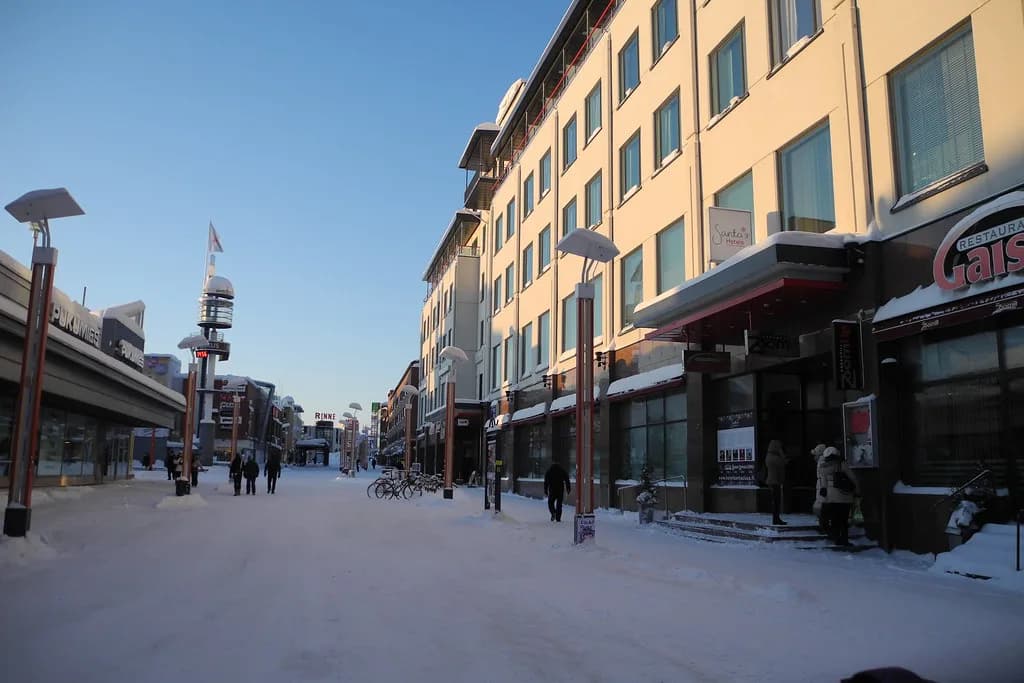
Rovaniemi gives winter travelers something rare: a town with airports, hotels and restaurants sitting almost directly under the northern aurora oval. That position means displays can appear here when the planetary Kp index is low, sometimes as low as Kp 2, because the magnetic latitude does more work than the global figure suggests. The trade-off is that a town also brings streetlights, so the forecast matters less than where you stand when the sky clears.
Treat the aurora forecast as two separate questions you answer each afternoon. First, is there solar activity likely to light the oval over Lapland tonight? Second, will the sky above your chosen spot be clear during the dark hours? A strong Kp reading under thick cloud delivers nothing, while a quiet night with open sky over a frozen lake can be the one you remember.
Why Rovaniemi's latitude makes the forecast worth watching
Rovaniemi lies just south of the Arctic Circle in Finnish Lapland, close enough to the auroral oval that the lights are a realistic winter prospect rather than a rare novelty. Aurora forecast services list the town at a magnetic latitude of about 63.8 degrees, with visibility possible from roughly Kp 3 and often lower when the oval expands. That is the key planning fact: you are not waiting for a once-a-decade storm, you are waiting for a clear night.
The corollary is that Rovaniemi's forecast is less dramatic than forecasts for fell resorts further north such as Saariselkä or Kilpisjärvi, which sit under a more central part of the oval. Those places see activity at lower thresholds, but they are harder to reach and offer fewer fallback activities when cloud sets in. Rovaniemi trades a little auroral advantage for convenience, and for most first-time visitors that is the right trade.
Use the town as a base rather than a viewing platform. Within a short drive or walk you can reach dark shorelines and forest edges, which is what turns a modest forecast into a visible display.
When the aurora season runs and which months stay dark
The Rovaniemi aurora season runs from late August to mid-April, with the strongest window between September and March, when nights are long enough to be properly dark. September and March sit around the equinoxes, periods that aurora watchers watch closely for unsettled geomagnetic conditions, though any winter month can deliver a good night.
Late February and early March are a practical compromise: darkness still lasts long enough for aurora watching, while daylight has returned enough for snow-based activities and touring. December offers the longest nights but short days, and November can be dark and snowy without the deep snow cover of midwinter. Match the month to what you want from the daylight hours, then treat the aurora as the bonus.
What the Kp index measures and what it means at Rovaniemi's latitude
Kp is a 0-to-9 scale of global geomagnetic disturbance, derived from magnetometer readings rather than from what you can see overhead. At Rovaniemi's latitude a Kp of 2 or 3 can be enough for a visible arc, Kp 4 to 5 is a strong night, and Kp 6 or higher is unusual. Reading the number as a pass-or-fail threshold for the town misses how the oval behaves, and the same caution applies when you use a finnish lapland aurora forecast for locations further north.
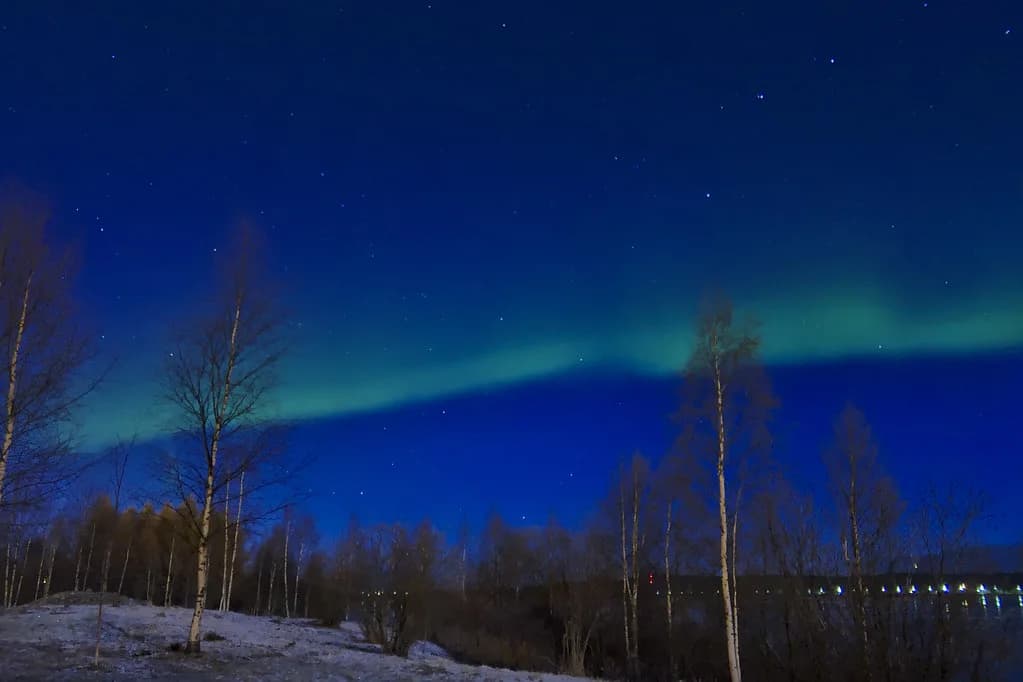
A common mistake is dismissing a Kp 2 evening and staying indoors. Weak activity often shows as a pale grey band to the naked eye and only turns green on a camera screen, which is why patient watchers see more than forecast-chasers. Give a quiet night an hour outdoors before you write it off, and keep checking the sky rather than the app alone.
Solar wind, Bz and substorms: what Kp does not tell you
Kp is a three-hourly summary, so it lags the solar wind that actually drives the lights. When the interplanetary magnetic field turns south, a measure called Bz, energy couples into the magnetosphere more efficiently and auroras can brighten sharply within minutes. That is why a modest Kp forecast can still produce a lively sky, and why checking the solar wind alongside Kp gives a fuller picture.
Substorms add another layer of unpredictability: they can intensify auroras over Lapland even when the global index looks calm, then fade within an hour. Watch the sky and a live camera or alert feed together, and be ready to move outside quickly when activity picks up.
Checking cloud cover hour by hour with FMI and yr.no
Cloud is the factor you can plan around, and it deserves more of your attention than Kp. The Finnish Meteorological Institute publishes aurora and weather forecasts for Finland, and yr.no gives hour-by-hour cloud detail that separates high, middle and low cloud. High cloud may still let auroras through, while low cloud blocks the view completely, so read the layers rather than a single cloud icon.
Check the forecast for your exact viewing spot, not just for the town center, because conditions vary across the region. A cloudy evening in Rovaniemi can sit beside clear sky twenty minutes' drive away, which is precisely the gap that guided hunting tours exploit. For deeper scientific background and regional comparisons, the Sodankylä Geophysical Observatory material is a useful companion read.
Local aurora alerts for Rovaniemi and nearby resorts
Alerts save you from standing in the cold for hours. The Aurora Alert Real Time app sends notifications for specific Lapland locations, including Rovaniemi, Apukka and Arctic SnowHotel, so you can stay warm indoors until activity is detected overhead. My Aurora Forecast & Alerts combines aurora prediction with cloud cover for your position and is widely used across the Arctic.
For solar data, the NOAA Space Weather Prediction Center offers an hour-by-hour Kp forecast and a short-term aurora view that is most accurate on the day itself. Set alerts for the places you might actually reach at night, and keep the phone charged and warm so the battery survives the cold.
Combining aurora and cloud forecasts into a nightly plan
Build a simple routine each afternoon: check Kp and solar wind for the coming night, then look at hour-by-hour cloud for two or three candidate spots. If the aurora looks plausible and the cloud is broken, plan to be outside around the darkest hours with a clear northern horizon. If cloud is solid everywhere nearby, book a hunting tour or accept a night off and save your energy for a better forecast.
Keep the plan flexible. Aurora activity often arrives in bursts rather than across a whole evening, so a warm base with a short walk to darkness beats a long drive to a single viewpoint. Repeat the check each morning and evening of your trip; forecasts improve sharply inside 24 hours.
Using the Kp forecast to choose which night to book a tour
Tours sell out once a promising night appears in the forecast, so book a cancellable option early and decide later. A three-day forecast is accurate enough to rank nights, and a cancelable booking lets you switch if cloud shifts. If you are committing to one date, a modest Kp with clear skies is a better bet than a storm warning under overcast.
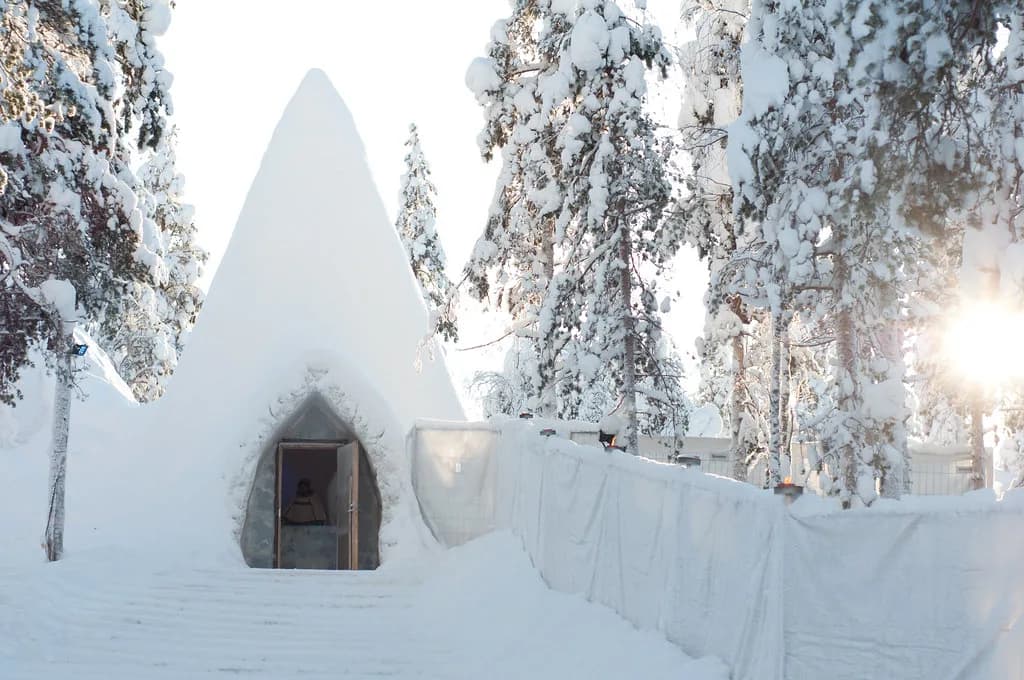
Staying outside the town center reduces the drive and often improves the view. Cabins and glass igloos around Santa Claus Village, Apukka and the Arctic TreeHouse Hotel put you in darker surroundings with the sky overhead, so a marginal forecast becomes worth watching from your own doorstep.
Location-based tours versus aurora hunting tours when the forecast looks poor
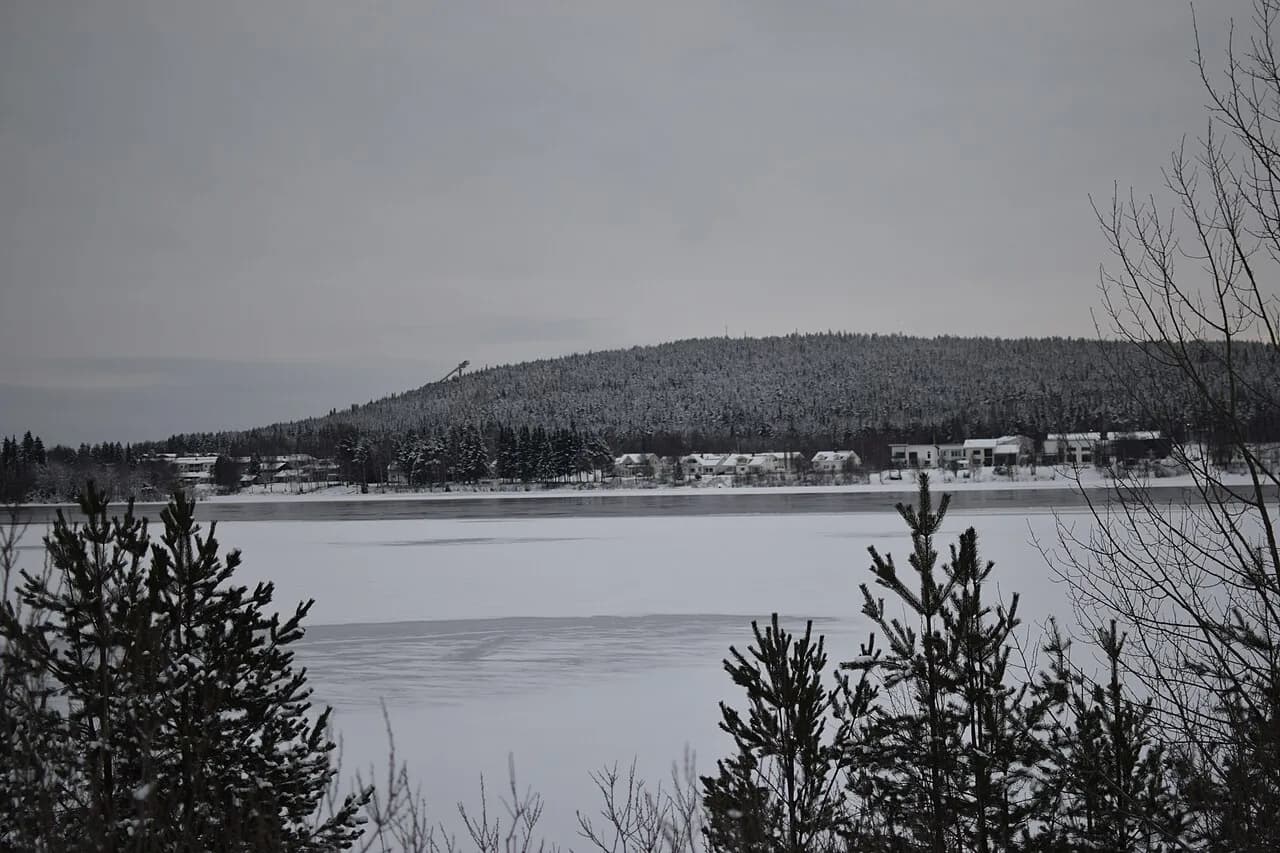
Rovaniemi's operators run two distinct products, and the forecast decides which suits you. Location-based tours take you to a scenic dark spot, often by a lake, with a fire, snacks and a guide, which is a fine evening when the sky is clear but does nothing about cloud. Hunting tours have guides monitoring conditions in real time who drive as far as needed, sometimes across the Swedish border, to find clear sky.
The trade-off is time in a vehicle. A hunting tour can mean hours on the road if the weather refuses to cooperate, which is hard on young children and tired travelers. Pick a fixed camp for a relaxed family night under a good forecast, and a hunt when the town itself is forecast to be cloudy.
Reputable operators cancel on the day when conditions are clearly hopeless and refund the booking, so a cancellation is a sign of honesty rather than bad luck.
Reading the sky yourself: stars, green camera glows and grey arcs
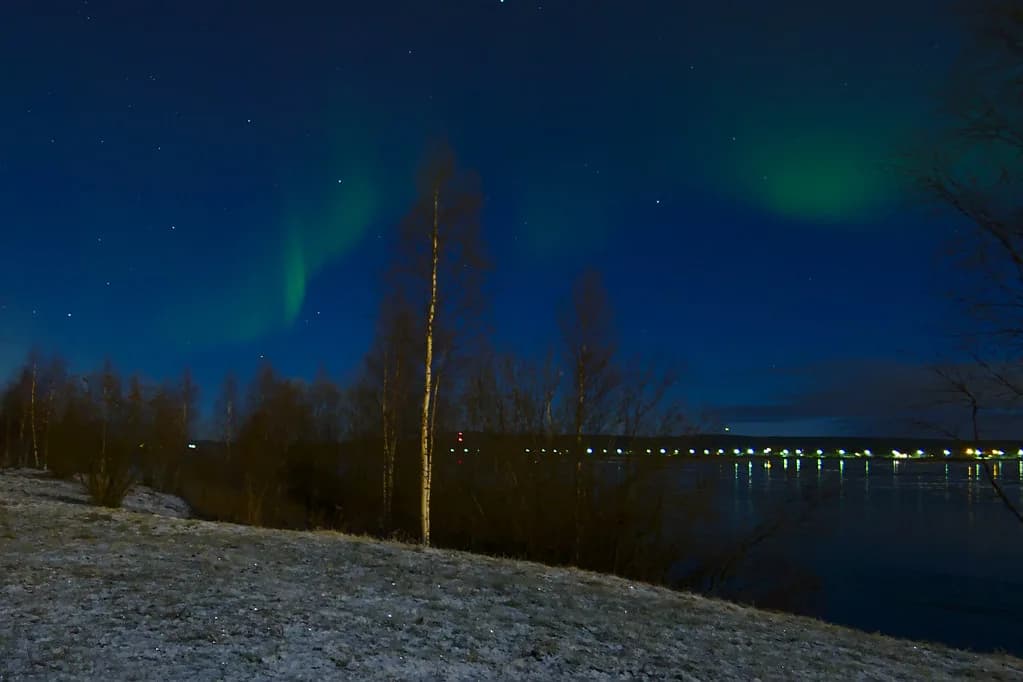
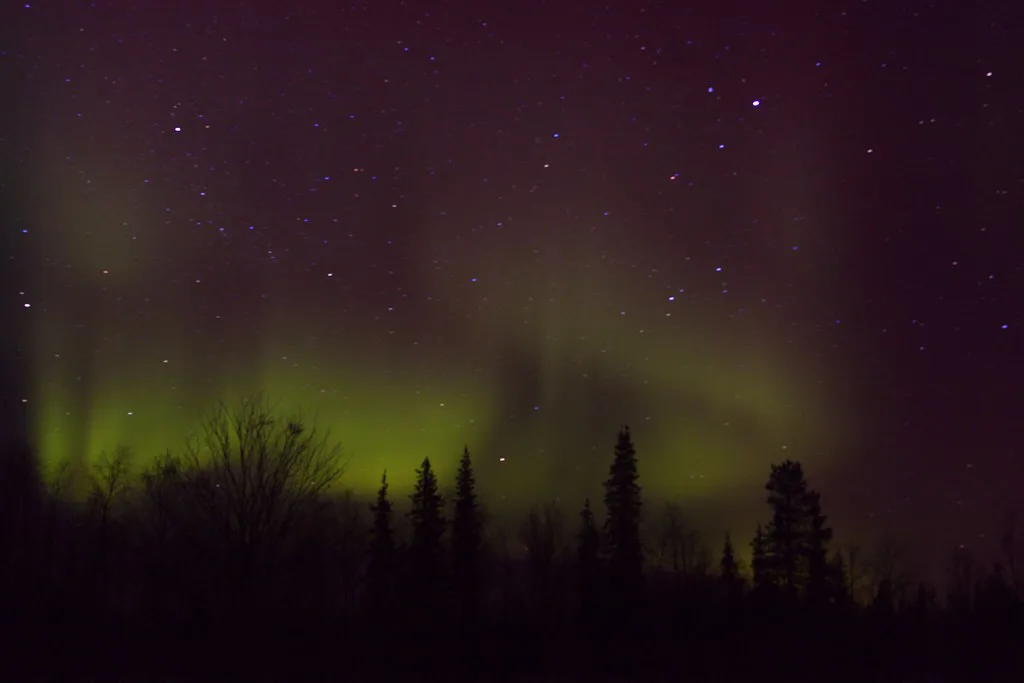
If you can see stars, you have a reasonable chance of spotting auroras when activity arrives, and if the sky is solid overcast nothing will show through. Learn to recognize the auroral arc: a faint grey or whitish band that may brighten and develop vertical rays. Weak displays often look unimpressive to the eye but turn green in a photograph.
Use your phone as a detector. Take a few-second exposure in different directions and look for a green cast on the screen; if it appears, get outside to a darker spot and watch for the naked-eye display to develop. Avoid walking onto frozen rivers, and stick to safe, open ground with a clear view north.
Where to go in and near Rovaniemi when the forecast improves
Arktikum Park, behind the museum, is a short walk from the center and gives open views toward the north, making it the easiest town option when activity starts. Ounasvaara Observation Tower is a five- to ten-minute walk from Santasport Resort and draws locals around bonfires, though trees limit the view. Santa Claus Village is about ten minutes' drive from the center, and darker corners near the resorts there work better than the brightly lit main square.
For darker skies, Olkkajärvi Lake is about fifteen minutes' drive from the center with a rest stop beside the water, and Vikaköngäs Nature Reserve lies a further five minutes east, with a suspension bridge and a fire pit for waiting out a slow start. These spots get busy when the forecast looks promising, so arrive early and park safely off the road.
If ice and darkness on unfamiliar roads make self-driving unappealing, a cabin outside town or a hotel with an aurora-facing view removes the drive entirely. The Arctic Light Hotel in Rovaniemi keeps you central for restaurants and other winter activities while you watch the forecast.
How many nights to allow for a fair chance of clear skies
No forecast can promise auroras, because solar activity and cloud cover both have to cooperate on the same night. Plan at least three to five nights in Rovaniemi during the season so a cloudy stretch does not use up your whole trip. A week gives you real slack and lets you chase a better forecast to another part of Lapland.
Fill the daylight hours with husky sledding, reindeer visits, snowmobiling or a snowtrain evening so a cloudy night does not feel wasted. A relaxed multi-night stay under a dark sky beats a single high-pressure evening every time.
Plan Your Visit
Rovaniemi rewards travelers who treat the aurora as a nightly decision rather than a fixed booking. Check Kp and solar wind, then cloud by the hour, pick a dark spot you can reach safely, and keep several nights in reserve so one cloudy evening does not define the trip.
Genuine sightings depend on solar activity and clear skies, so no honest forecast can promise a display. What you can control is position, patience and flexibility, and those three things are what turn a modest forecast into a night worth remembering.
Frequently Asked Questions
Can I see the Northern Lights in Rovaniemi?
Yes, Rovaniemi sits close to the auroral oval in Finnish Lapland, and displays can appear from late August to mid-April when the sky is dark and clear. Whether you see them on a given night depends on solar activity and cloud cover, so plan several nights and keep checking the forecast.
What Kp index do I need to see auroras in Rovaniemi?
There is no fixed threshold. At Rovaniemi's magnetic latitude, activity can be visible at Kp 2 or 3, and stronger values improve the odds, but cloud cover and timing matter just as much as the index. Treat Kp as guidance and combine it with a cloud forecast.
When is the best time to see northern lights in Rovaniemi?
The season runs from late August to mid-April, with September to March offering dark nights. Late February and early March balance long darkness with usable daylight, while December has the longest nights but very short days.
How many nights should I plan for an aurora trip to Rovaniemi?
Allow at least three to five nights in season, and more if you can, so a cloudy spell does not take up your entire stay. Aurora activity and clear skies rarely align on demand, and extra nights are the single biggest factor you can control.
Can you see northern lights in Rovaniemi in December?
December has very long, dark nights, so there is plenty of aurora-watching time, though daylight is brief for other activities. Cloud is common in early winter, so use hour-by-hour forecasts and keep a cancellable tour or a dark-sky cabin as a backup.
Where should I check the Rovaniemi aurora forecast?
Use the Finnish Meteorological Institute for aurora and weather forecasts for Finland, yr.no for hour-by-hour cloud layers, and NOAA's Space Weather Prediction Center for solar wind and Kp timing. Local alert apps add notifications for Rovaniemi and nearby resorts.
Sources
Notes for your Arctic winter trip
Optional updates to our northern lights guides.
You might also like
Continue reading
More guides you'll find useful