Saariselkä in Winter: Aurora, Activities & Trip Length
Plan a winter trip to Saariselkä, Finnish Lapland: dark-season timing, snow activities, aurora viewing spots, glass igloos and how many nights to allow.
On this page
Saariselkä is a compact fell village in eastern Finnish Lapland where winter means deep snow, short blue-light days and a trail network that starts at the edge of the hotel car park. It suits travelers who want real Arctic conditions with village comforts — restaurants, a ski hill and guided safaris — rather than a remote expedition.
The draw is the combination: aurora country overhead, Urho Kekkonen National Park next door and enough operators that you can fill a week without repeating yourself. This guide walks through the winter months, the activities worth booking and how to judge your odds of a clear night.
What Saariselkä offers in winter and who it suits
Saariselkä sits above the Arctic Circle and grew around its fells rather than a large town, so the wilderness begins within walking distance of most beds. Winter here is built around snow: husky sleds, reindeer sleighs, snowmobiles, cross-country trails and a downhill hill that is Finland's northernmost ski resort.
The village has roughly 300 residents and a compact centre with restaurants, a shopping centre and equipment hire, which keeps logistics simple for families and first-time Arctic travelers. It gets busier over winter, so the atmosphere shifts from quiet autumn dark to a working snow-sports village once the season is fully running.
It suits travelers who want a mix of guided adventures and self-directed wandering, and who accept that a short winter day is part of the deal. If you want a bigger town with nightlife, Rovaniemi is the alternative; if you want a single remote lodge, look at smaller fell centres instead.
Where Saariselkä sits and why the aurora shows there
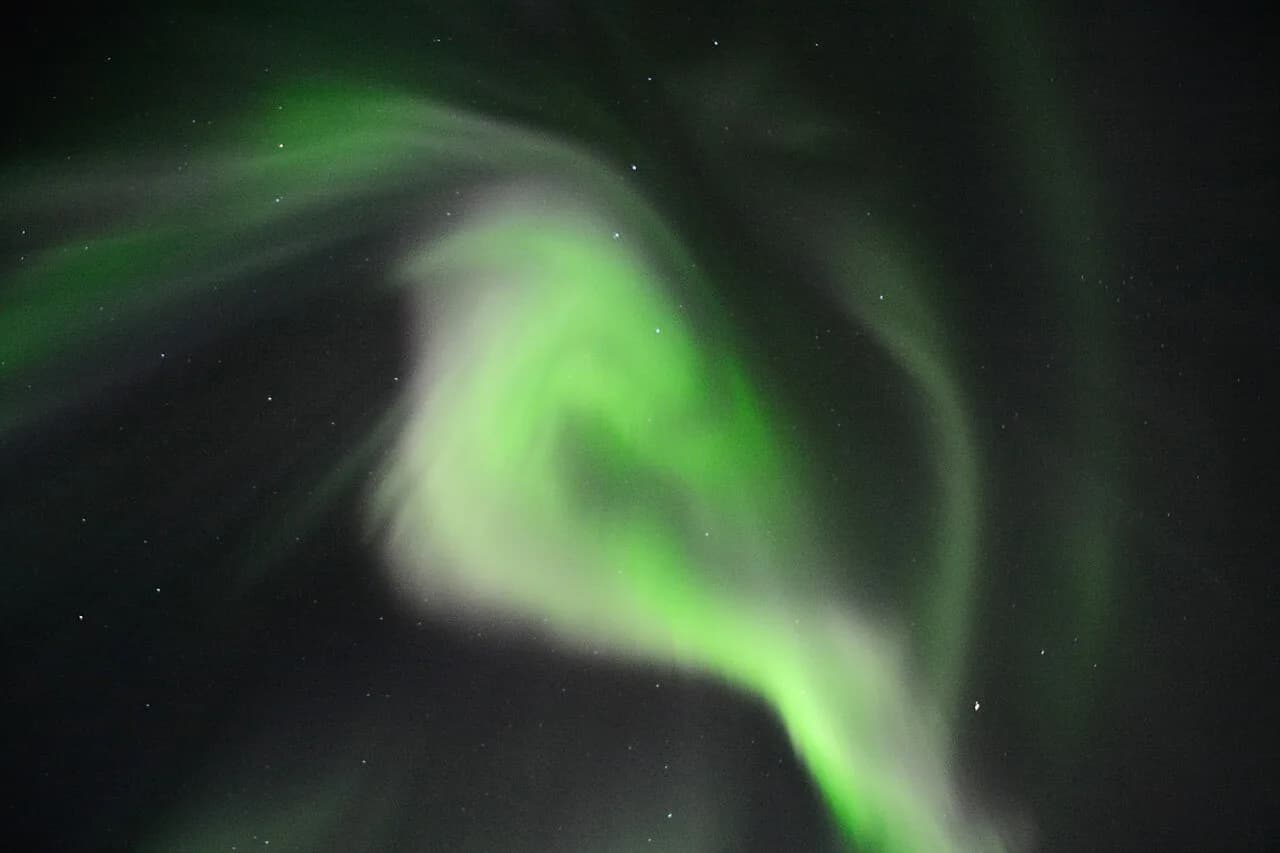
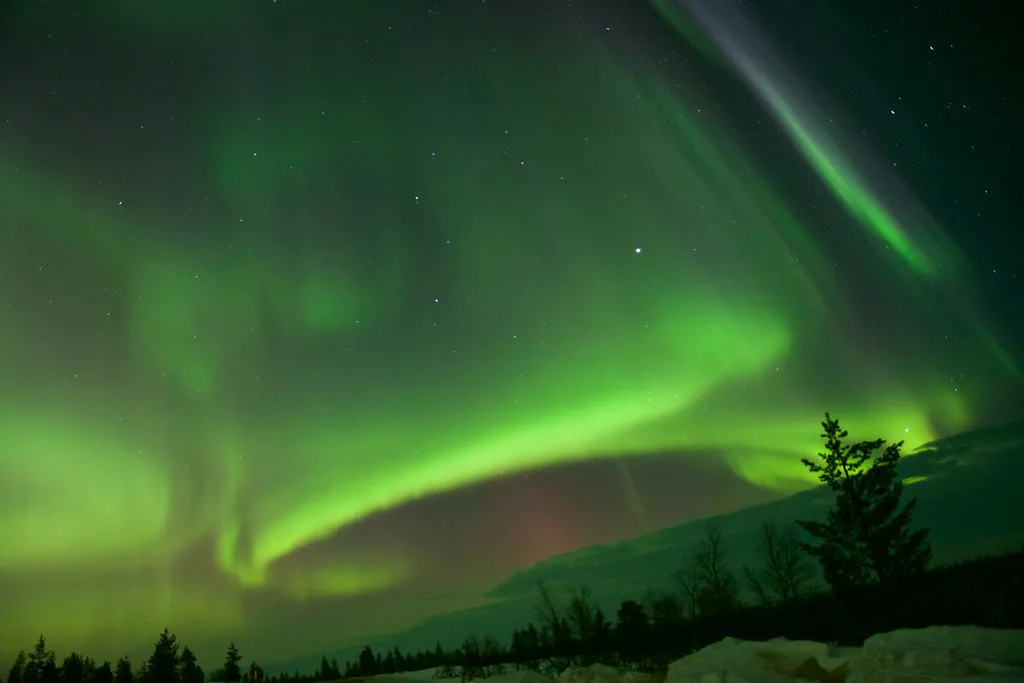
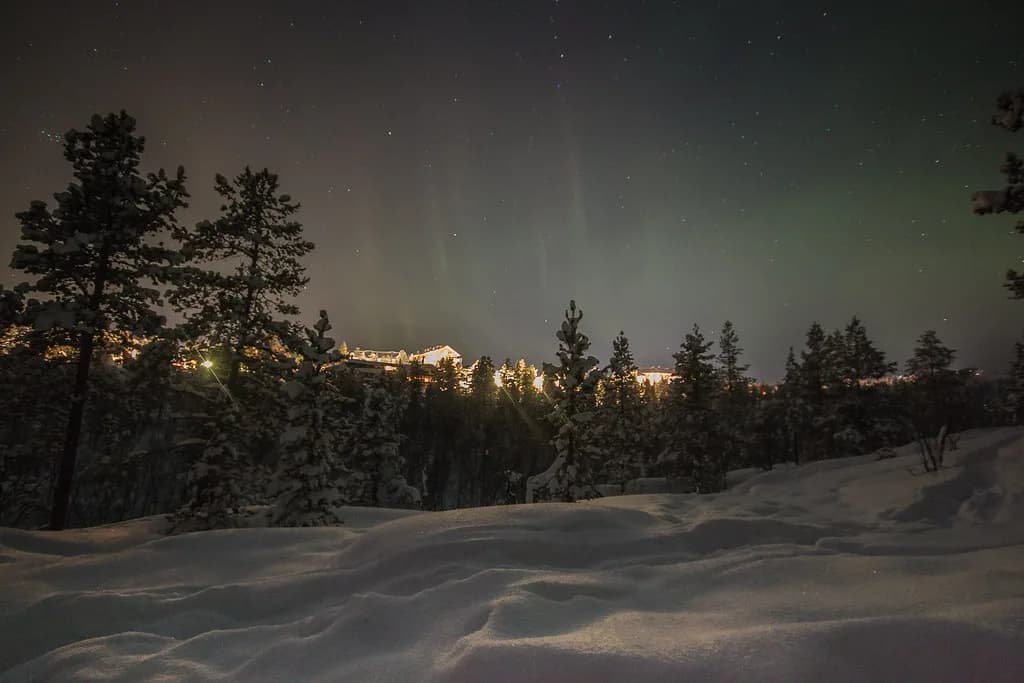
The auroral oval — the ring of sky where aurora most often appears — passes over northern Fennoscandia, and Saariselkä lies under it. That geography, plus very little light pollution away from the village centre, is why the fells around Saariselkä are productive places to watch on a clear night, and the same mechanics drive the northern lights in saariselka throughout the dark season.
A sighting still needs two things at once: solar activity pushing aurora overhead and a gap in the cloud. Kp forecasts are guidance only and say nothing about cloud, so a clear-sky forecast matters as much as an aurora index when you decide whether to stay out.
When the aurora season runs and which months are darkest
Aurora viewing in Saariselkä runs from September through April, with the strongest window generally from October to March when nights are long and dark. September and early October can deliver clear, frosty evenings before the snow arrives; late autumn weather is a mixture of cloud, rain, frost and snow, so a single clear night is never guaranteed.
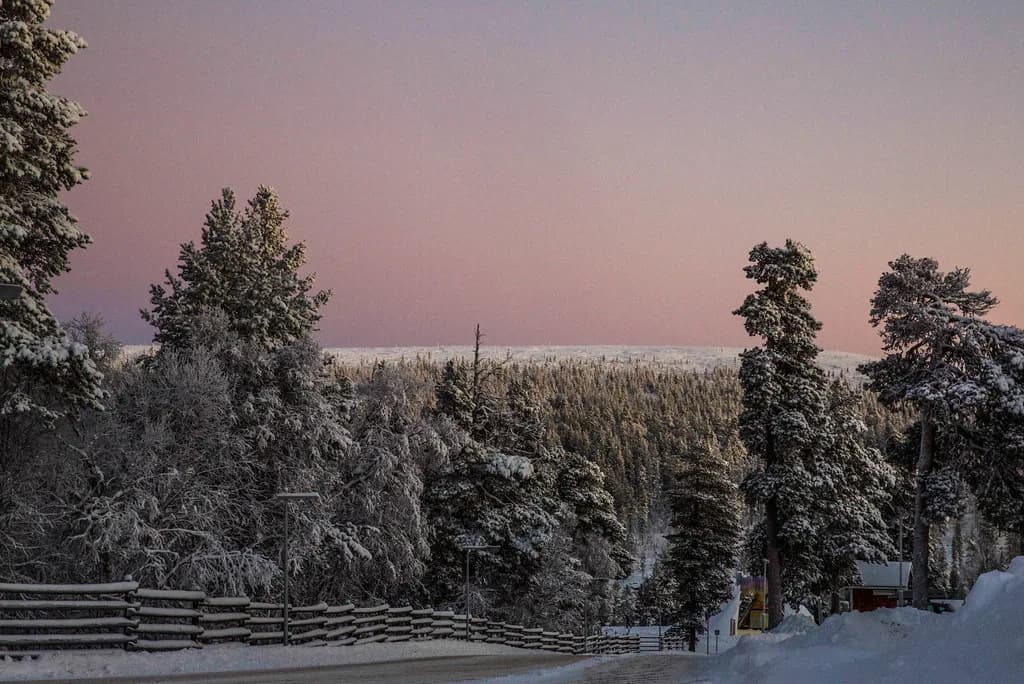
December brings polar night, when the sun does not rise and days are short but bathed in blue light, which means long aurora-friendly darkness around the clock. By March and April the days lengthen and the light returns, but nights are still dark enough for aurora well into April.
Winter weather: polar night, daylight and temperatures
Temperatures can plunge to around -20°C in December, and deep snow builds through the winter into March, when snow is usually deepest. Snow typically starts to thaw from late April and disappears by the end of May, so late-winter trips combine long daylight with full snow cover rather than bare ground.
Short winter days change how you plan: you fit active excursions into a few hours of light and leave evenings free for aurora watching or a sauna. Cold snaps can also pause activities, so building a spare day into the itinerary is more useful than a packed schedule.
Snow and trail conditions by month
Husky safaris usually run from late November to April, but the snow must be compacted to at least 30 cm deep before sleds go out. Early in the season, before deep snow settles, dogs are trained by pulling buggies and visitors can join those rides when temperatures are low enough.
Snowmobile safaris usually start from mid-November to December depending on snow depth, and ice karting operates from December to April on a proper ice track. Reindeer sleigh rides run late November to April when snow allows, while farm visits are possible year round.
Cross-country skiing is the local strength, with over 200 km of maintained trails alongside a handful of downhill slopes, beginner areas and a snow park. Snowshoeing replaces hiking in deep winter, and guided walks often follow gentle family routes that look for wildlife tracks.
Husky safaris and reindeer sleigh rides
A husky safari is the classic Saariselkä excursion: you drive your own team, or ride as a passenger, through snow-covered forest, then warm up with hot berry juice and time with the dogs. Guests usually get a short lesson first, and operators explain how the dogs are cared for and trained.
Reindeer sledding is the slower, quieter counterpart and connects visitors with Sámi herding traditions, often with stories from local guides along the route. Choose a farm visit if you want to feed the animals; choose a sleigh ride if you want the traditional travel experience.
Husky and reindeer operations usually keep bases 2 to 3 km from central Saariselkä, and most providers include minibus pickup from your accommodation. That door-to-door service matters on the coldest days, when waiting outside for a transfer is the least pleasant part of the trip.
Snowmobile safaris and ice karting
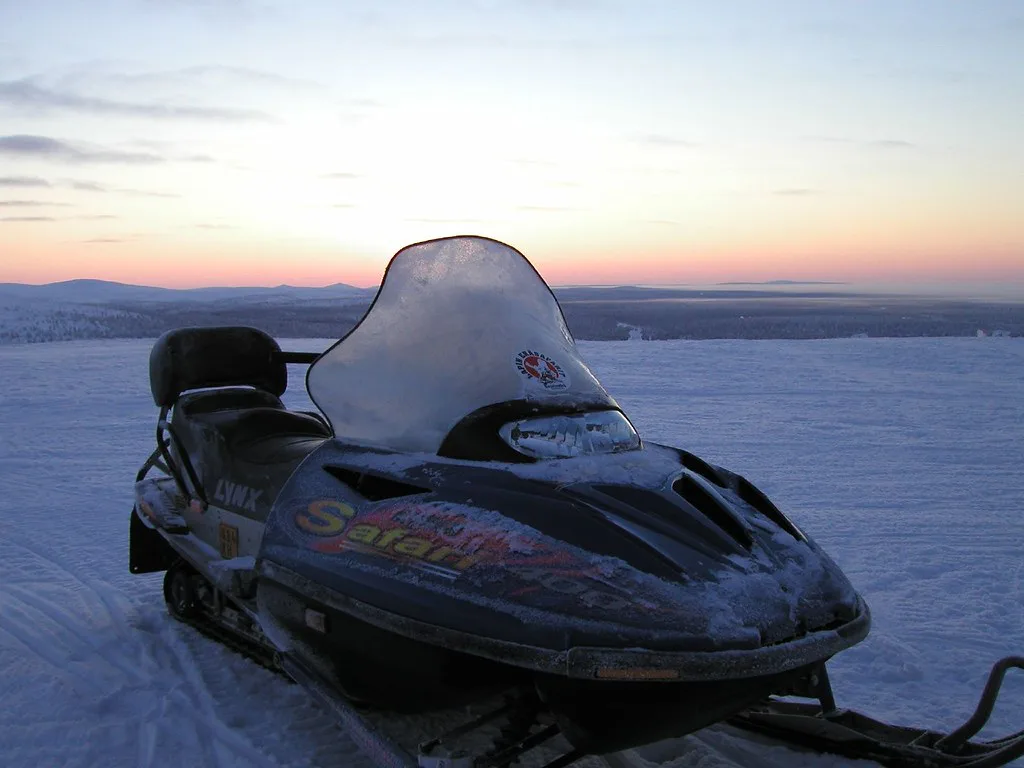
Snowmobile tours range from one- to two-hour safaris to full-day wilderness trips and evening aurora rides, leaving from safari houses in the village. The snowmobile centres are within about a kilometre of most lodgings, usually a five- to ten-minute walk, with equipment fitting and safety briefings indoors before you set off.
Driving a snowmobile requires a full driving licence, while children ride in a heated sled pulled behind the guide. Ice karting, open from December to April, is the playful option for adults and teens, typically from age 15 or 16 to drive.
Skiing, tobogganing and the 1.2 km sled run
Saariselkä's ski hill usually opens from late November to early December depending on snow, with six or seven downhill slopes, beginner terrain and ski schools. Snowmaking helps the upper runs, but the season is at the mercy of the weather, so a late-November trip is more about cross-country than downhill.
Finland's longest toboggan run stretches 1.2 km from Kaunispää Fell down into the village and usually opens in December once the snow base is thick and safe. It is fast, suitable for most ages and one of the cheapest ways to spend an afternoon in Saariselkä.
Sauna, ice plunge and the Kiilopää fell centre
A short drive from Saariselkä, Kiilopää Fell Centre offers hiking trails into Urho Kekkonen National Park and a traditional Finnish smoke sauna with an ice-river plunge. Sessions run either 1.5 or 2.5 hours, and the cold water followed by sauna heat is the authentic Lapland circuit many travelers come for.
Many hotels and resorts also run their own sauna facilities, which is useful on an evening when the aurora forecast is quiet. Pairing a sauna with a short walk outside to watch the sky is the simplest way to spend a dark December night.
Where to watch the aurora near the village
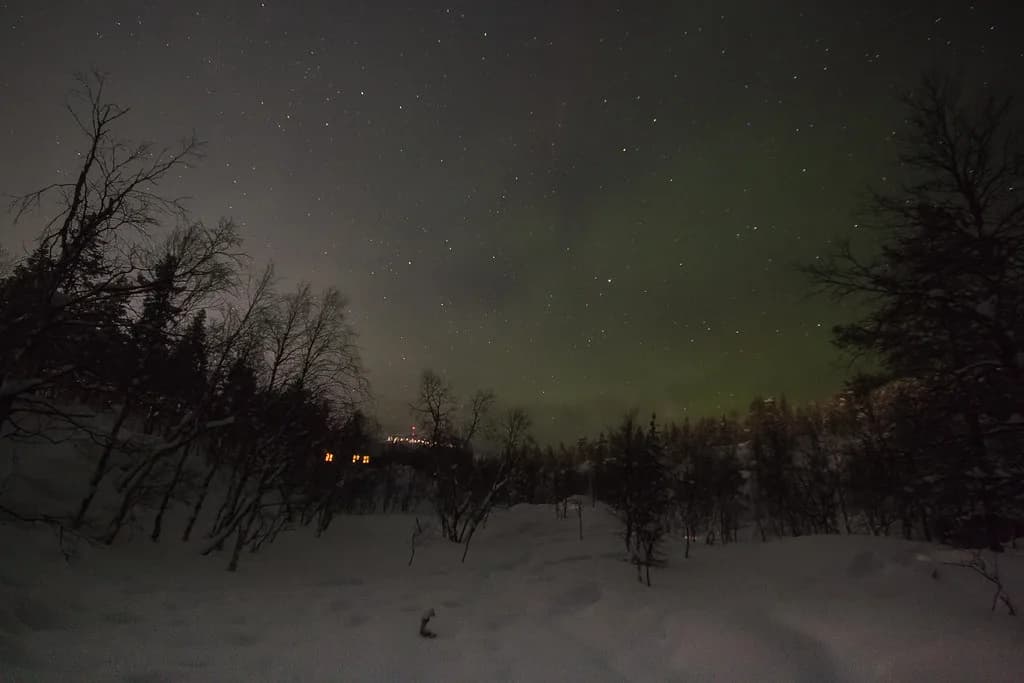
Kaunispää Fell is the obvious dark spot, a hill above the village with road access and wide views of the northern sky. If you have a car, drive up in the evening, switch off the lights and wait with the engine off — the Kp index on an aurora app helps you decide whether it is worth the trip.
On foot, aurora viewpoints are reachable within 1 to 2 km of most lodgings, and the fell tops near the village work well when you do not want to drive. Many accommodations also offer aurora alerts that notify guests when the lights appear, which is handy if you would rather wait indoors.
Glass igloos and aurora cabins
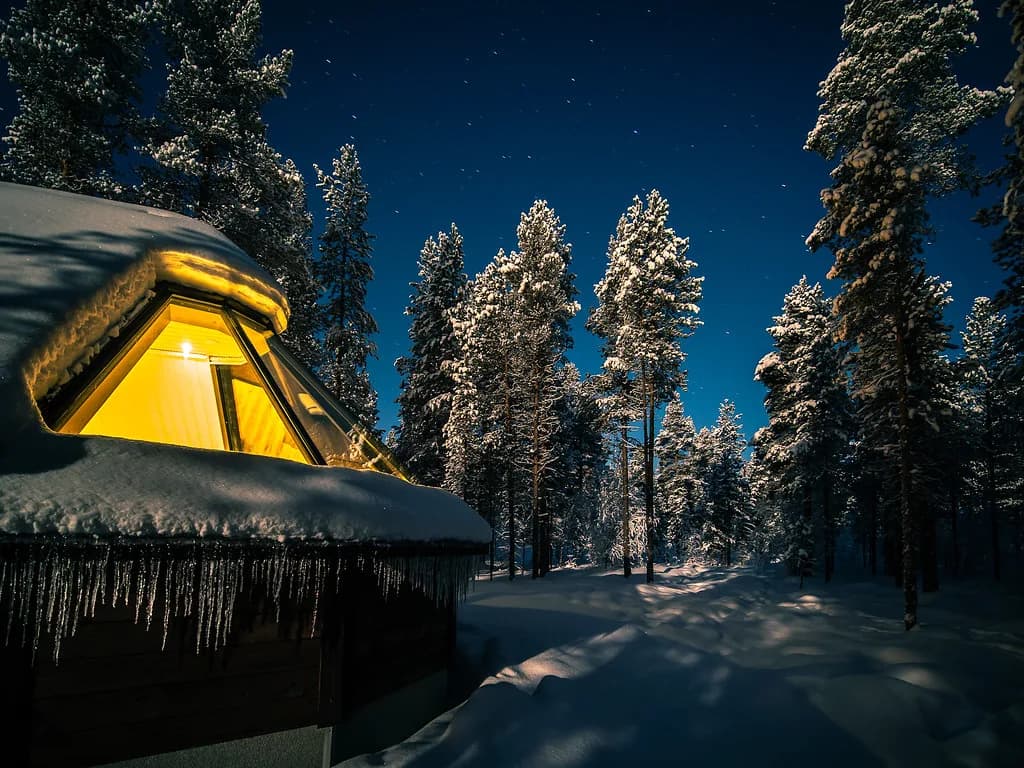
Glass igloos with transparent ceilings let you watch the night sky from bed, and some properties combine them with panorama suites, private bathrooms and on-site restaurants. The trade-off is warmth and glare: a heated glass room is comfortable, but interior light and condensation can dull the view, so keep lights off and expect to step outside for the best look.
Heated aurora cabins are the alternative, with large north-facing windows in areas of low light pollution, and some include private saunas or outdoor hot tubs. For a family or a group, a cabin usually gives more space and a better base for stepping out repeatedly through the night.
The Northern Lights Village, just outside the village, runs its own activities and is one of the well-known glass-roof stays in the area. Compare its package inclusions — activities, transfers and meals — against a plain cabin plus separately booked tours before deciding, and the northern lights village saariselka breakdown sets out what each stay type actually gives you.
Guided aurora hunting versus self-guided chasing
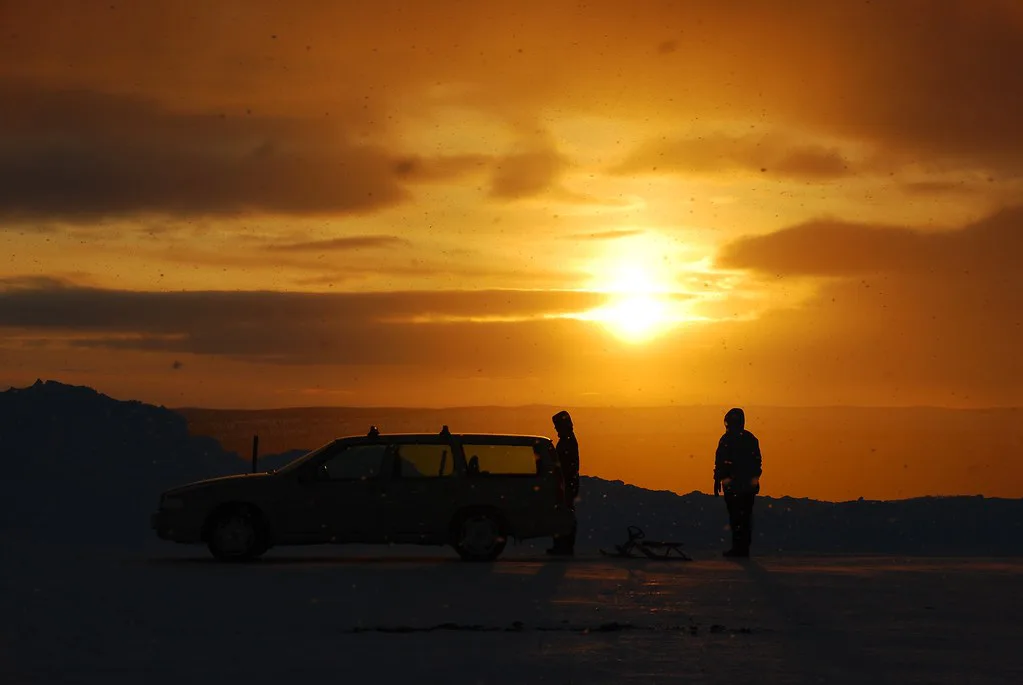
Guided aurora tours do the work for you: local guides watch the cloud and aurora forecasts, drive away from village lights, lend warm clothing where needed, and provide hot drinks and photography advice. Some photography excursions supply tripods and basic camera guidance for guests without professional gear.
Self-guided chasing gives you mobility on a clear night at the cost of certainty: you need a car, a dark spot and the patience to wait, and you accept that a cloudy night is simply a cloudy night. The guided option costs more but is far better on a marginal forecast, when a guide may drive far from the village to find a gap in the cloud.
Either way, do not treat a tour as a guarantee. Guides maximize the odds, but cloud and solar activity decide the result, so plan aurora viewing across several nights rather than a single booked excursion.
How many nights to plan for a fair chance of clear skies
Allow at least three to four nights in Saariselkä if the aurora is your main goal, and a week if you also want to ski, snowmobile and visit the fells without rushing. Cloud is the limiting factor, not darkness, and consecutive nights give you repeated chances when one evening closes in.
In practice, travelers who treat the aurora as one part of a winter trip enjoy Saariselkä more than those who pack every evening with a chase. Book the activities you care about early in the stay, keep one or two evenings flexible for a clear-sky window, and use an aurora app for the Kp index while watching the cloud forecast separately.
Day trips: Inari and Urho Kekkonen National Park
Inari is around an hour's drive from Saariselkä and worth the trip for the Siida Museum, Finland's major Sámi culture and Arctic nature museum, plus the village and lake. Add the handicraft shops and a walk to Pielpajärvi Wilderness Church if you want a full day of culture between snow activities.
Urho Kekkonen National Park surrounds the village, with trails such as Iisakkipää Fell, Kiilopää Fell and the River Trail to Laanila. Snowshoeing replaces hiking in deep winter, so pick shorter marked routes when snow is heavy and save the longer trails for spring; the wider finnish lapland in winter picture shows how the same pattern plays out at other fell resorts.
Who Saariselkä suits and who should look elsewhere
Saariselkä fits families, couples and first-time Arctic travelers who want a walkable village, reliable operators and a genuine shot at the aurora without a long expedition. It also suits cross-country skiers who value a 200 km trail network over steep downhill terrain.
Travelers wanting big-city amenities or a single luxury wilderness lodge may prefer Rovaniemi or a dedicated resort elsewhere in Finnish Lapland. And anyone who cannot accept a cloudy night as part of the deal should look at a longer multi-base trip rather than betting everything on one village.
Plan Your Visit
Build your Saariselkä winter trip around the season that matches your priorities: October to March for the darkest nights, late winter for the deepest snow and longer days. Book the activities you care about early, keep evenings flexible for a clear sky and treat every aurora attempt as one chance among several.
Choose glass igloo comfort or a cabin with space, guided chasing or a rental car, and allow at least three or four nights if the aurora matters. The village is small enough that you can walk to most things and still be on a dark fell within minutes.
Frequently Asked Questions
How cold does Saariselkä get in winter?
December temperatures can drop to around -20°C, and deep cold is a normal part of the winter season. Expect activities to be adjusted when conditions are extreme, and note that operators lend thermal gear on many excursions.
When is the best time to see the northern lights in Saariselkä?
The aurora season runs from September to April, with the best window generally October to March when nights are long and dark. December polar night offers the most darkness, while late winter brings longer days and deep snow.
How many days should you spend in Saariselkä in winter?
Plan at least three to four nights if the aurora is your main goal, and a week if you want skiing, snowmobiling and day trips too. Cloud, not darkness, is the limiting factor, so consecutive nights raise your chances.
Can you see the northern lights from Saariselkä without a tour?
Yes, if the sky is clear. Walk to the fell tops within 1 to 2 km of the village, or drive to Kaunispää Fell, and watch the Kp index alongside the cloud forecast. Many accommodations offer aurora alerts when the lights appear.
What winter activities can you do in Saariselkä?
Husky safaris, reindeer sleigh rides, snowmobiling, ice karting, cross-country and downhill skiing, tobogganing, ice fishing, snowshoeing and sauna with an ice plunge are all available. Several run from late November or December through April.
Is Saariselkä dark enough for aurora viewing in December?
Yes. December brings polar night, when the sun does not rise, so darkness lasts around the clock and aurora can appear in the early evening. The cold is more challenging than the light, so plan around short outdoor sessions.
Sources
Notes for your Arctic winter trip
Optional updates to our northern lights guides.
You might also like
Continue reading
More guides you'll find useful