Finnish Lapland in Winter: When to Go & How to Plan
Plan a Finnish Lapland winter trip with realistic aurora odds, daylight and snow by month, named activities and honest advice on how many nights to book.
On this page
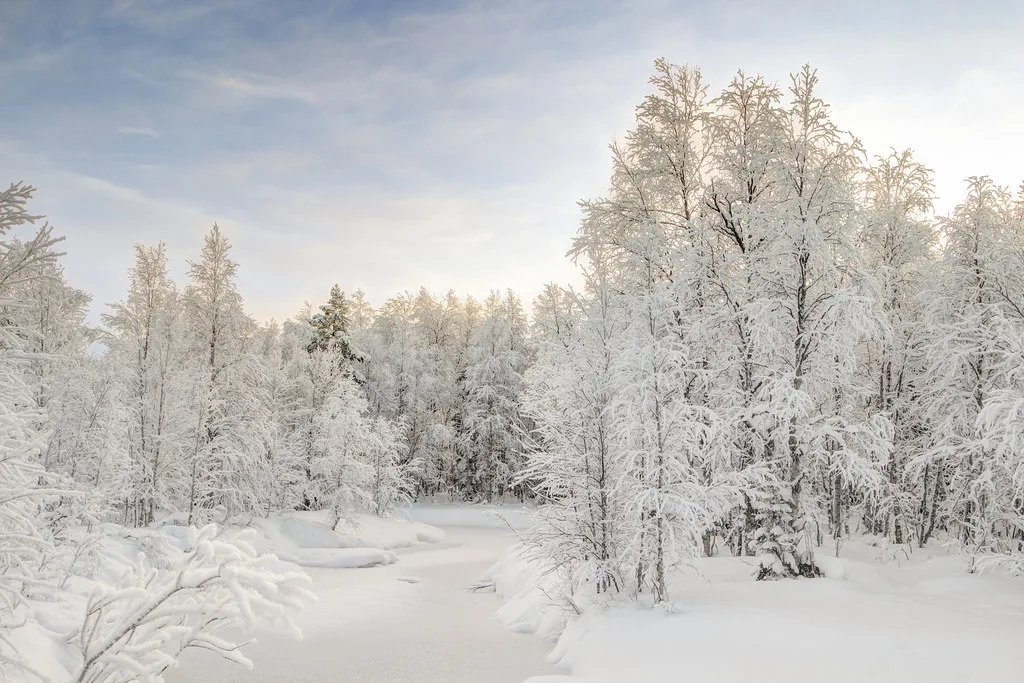
Finnish Lapland in winter is a compact Arctic destination where the day's plan revolves around darkness and snow rather than clock time. You can ride a husky sled through silent forest in the morning, snowshoe over a fell in the afternoon light and sit by a kota fire after dark, all within a short drive of your cabin. It suits travelers who want active days and quiet nights more than city sightseeing.
The region sits inside the Arctic Circle, so midwinter days are short and nights are long and dark, which is exactly what aurora watching needs. Light pollution is low once you leave the main towns, and resorts like Luosto sit far enough from Rovaniemi that the sky reads black rather than grey. The trade-off is that you will spend a lot of time outdoors in deep cold, so choosing the right base and the right number of nights matters more than squeezing in every activity.
Why Finnish Lapland works for winter aurora trips
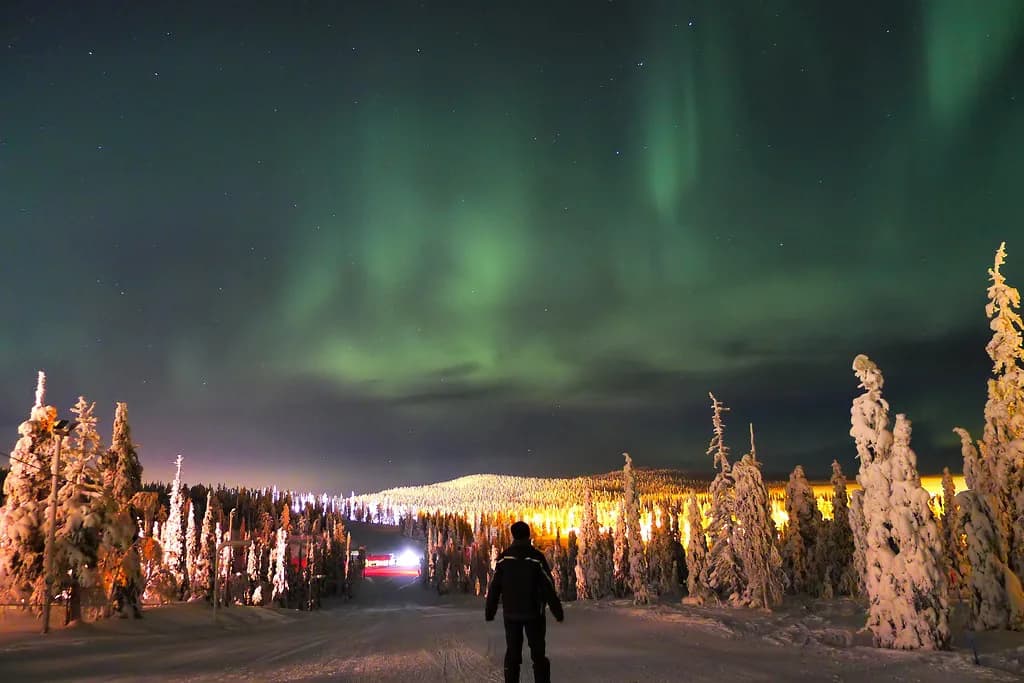
Finland's northernmost region lies within the aurora belt, the band around the pole where displays are most frequent, and the flat, forested terrain leaves wide patches of open sky. Visit Finland describes Lapland as one of the best places to see the aurora and notes that the season runs from autumn well into spring, with glass-covered cabins built for watching from bed. Near-total darkness away from towns is the practical advantage: you do not need a mountain summit, just a clear sky and a short walk from the village lights. For the full picture of how the aurora works across the region, the northern lights in finland explain the belt, the season and what drives display frequency.
Nordic Visitor points out that the lights never appear on demand, since they depend on solar wind and charged particles in the upper atmosphere, but that Lapland's position by the aurora belt and the long dark evenings of October to March give you more usable hours than most of Europe. That framing is the honest one: you are buying dark skies and time, not a guaranteed show.
When the aurora season runs and which months give dark enough skies
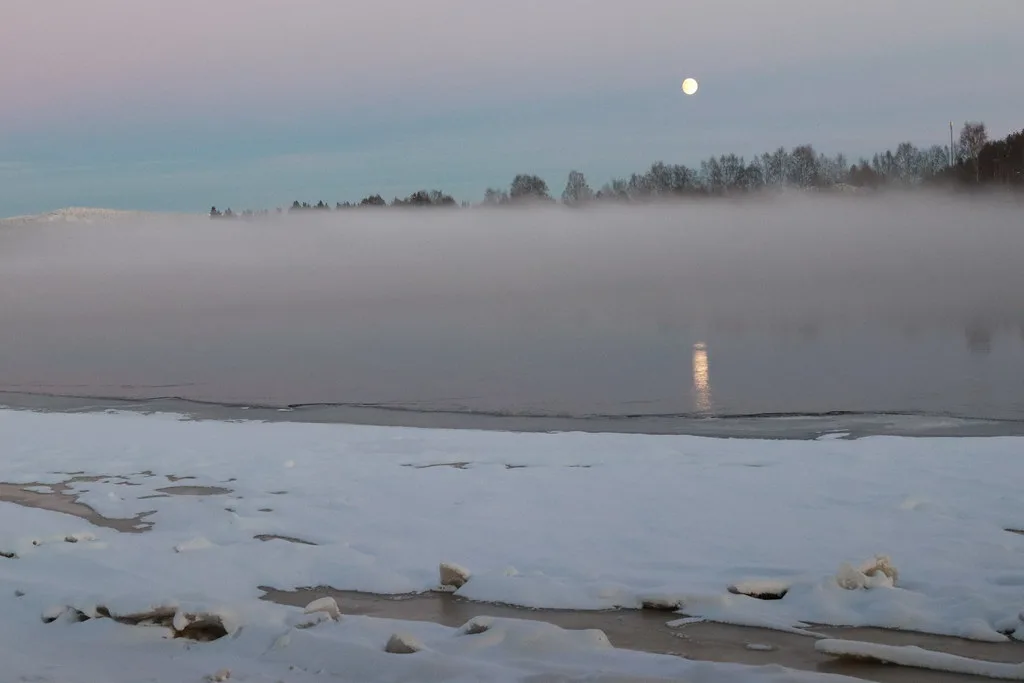
Visit Finland gives the aurora season as late August to April and points to spring and autumn as the best times to spot the lights. The logic is simple: you need darkness, and around the equinoxes the nights are long without the deep midwinter cold that can bring stubborn cloud. September, October, February and March are the sweet spots for travelers who want a balance of dark nights and manageable conditions.
Solar activity varies across an eleven-year cycle, and a stronger cycle means more frequent displays rather than a schedule you can plan around. Kp values published in forecasts are guidance only and describe geomagnetic disturbance, not what you will see above your cabin; local cloud is usually the deciding factor. Track both, and treat a high Kp reading as a reason to stay up rather than a promise.
Daylight, temperature and snow through the winter
Nordic Visitor describes Lapland's winter as a true snow season running through the cold months, with sauna temperatures typically between 80 and 110 degrees Celsius inside and deep cold outside. Snow cover is reliable across the region in midwinter, which is what makes husky sledding, snowmobiling and fell hikes work from December into March.
Daylight shrinks to a few hours around the turn of the year, so winter days are best planned around a single long activity and a late lunch rather than two outings. One January schedule in Luosto had sunset just before 2:30 in the afternoon, with snowmobile tours timed to catch the golden light. That short day makes early starts worthwhile if you want photographs before dusk.
Cold and snow vary by week and by fell, so treat temperatures from any single trip as illustrative rather than a forecast. Operators plan around conditions and lend thermal suits when the day is harsh, which is often the difference between a comfortable two hours and a cold one. If you travel in December, expect short days and festive dark evenings rather than long sightseeing hours; christmas in finnish lapland covers how the festive weeks are scheduled around that darkness.
Luosto and Pyhä-Luosto National Park: a nature-first base
Luosto is a small fell village inside Pyhä-Luosto National Park, about 90 minutes' drive from Rovaniemi Airport, with chalets clustered near the slopes and dark forest within walking distance. Being further north than Rovaniemi and away from city lights makes it a strong base if aurora watching from your own doorstep matters more than restaurant choice. The village is compact: you can walk to trailheads and ski lifts rather than driving to them.
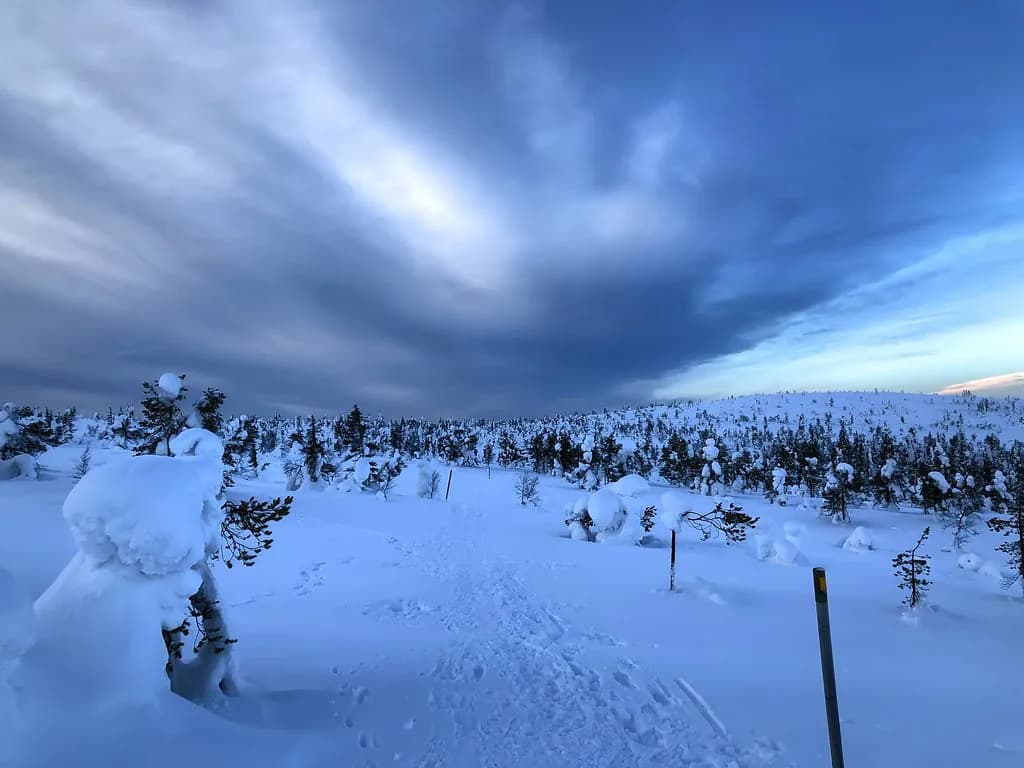
Ukko-Luosto, at 514 metres the highest peak of the Luosto fells, is reachable on a six-kilometre snowshoe route that takes roughly three hours with breaks and gives panoramic views over the national park. A guided version suits anyone unsure of route-finding in winter; the same terrain is what makes Luosto feel wilder than a resort town. Plan the hike for the brightest part of the day and keep the evening free for the sky.
Rovaniemi: airport access, Santa Claus Village and aurora nights
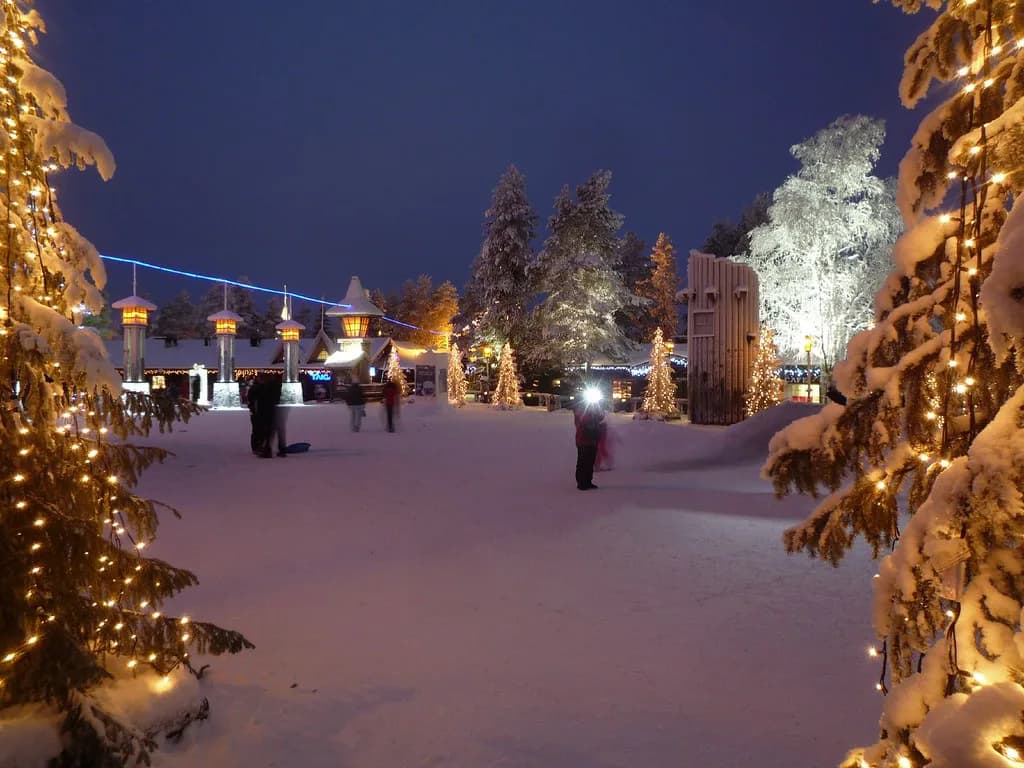
Rovaniemi is the region's main airport and rail hub, which makes it the easiest place to start or finish a trip, and Santa Claus Village sits across the Arctic Circle just outside town. Visit Finland notes that Santa Claus can be met in Rovaniemi every day of the year, and the village is open year-round, which matters if your dates fall outside the peak festive weeks. The trade-off is light: town glow reduces contrast on faint auroras, so plan aurora nights away from the centre.
Use Rovaniemi for arrival nights, gear shopping and a Santa visit, then move north to Luosto, Pyhä or Saariselkä for the dark hours. Travelbase runs one Lapland trip based in Rovaniemi and a more nature-focused one in Luosto, which reflects the difference between a city base and a fell base. If your flight lands late, a first night in town beats a midnight drive on an unfamiliar winter road.
Snowmobile safaris: durations, group format and what operators lend
Snowmobile tours run from short two-hour loops around a village to full-day rides, and Lapland Safaris in Luosto prices them from about 120 euros per person depending on length, with children riding as passengers in guide-pulled sleds. Tours go out in pairs, one driving and one behind, and switch roles halfway so both get a turn. No prior experience is needed because you follow a guide in convoy.
Seats are not heated and you sit still for long stretches, so the full thermal suit Lapland Safaris lends is doing real work; heated handles help on the cold stretches. Afternoon departures in midwinter catch the low sun across the fells, while night tours trade scenery for a chance at the aurora. Ask about licence requirements and excess when you book, since those rules sit with Lapland Safaris.
Husky safaris and farm visits: ride lengths, minimum ages and kennel visits
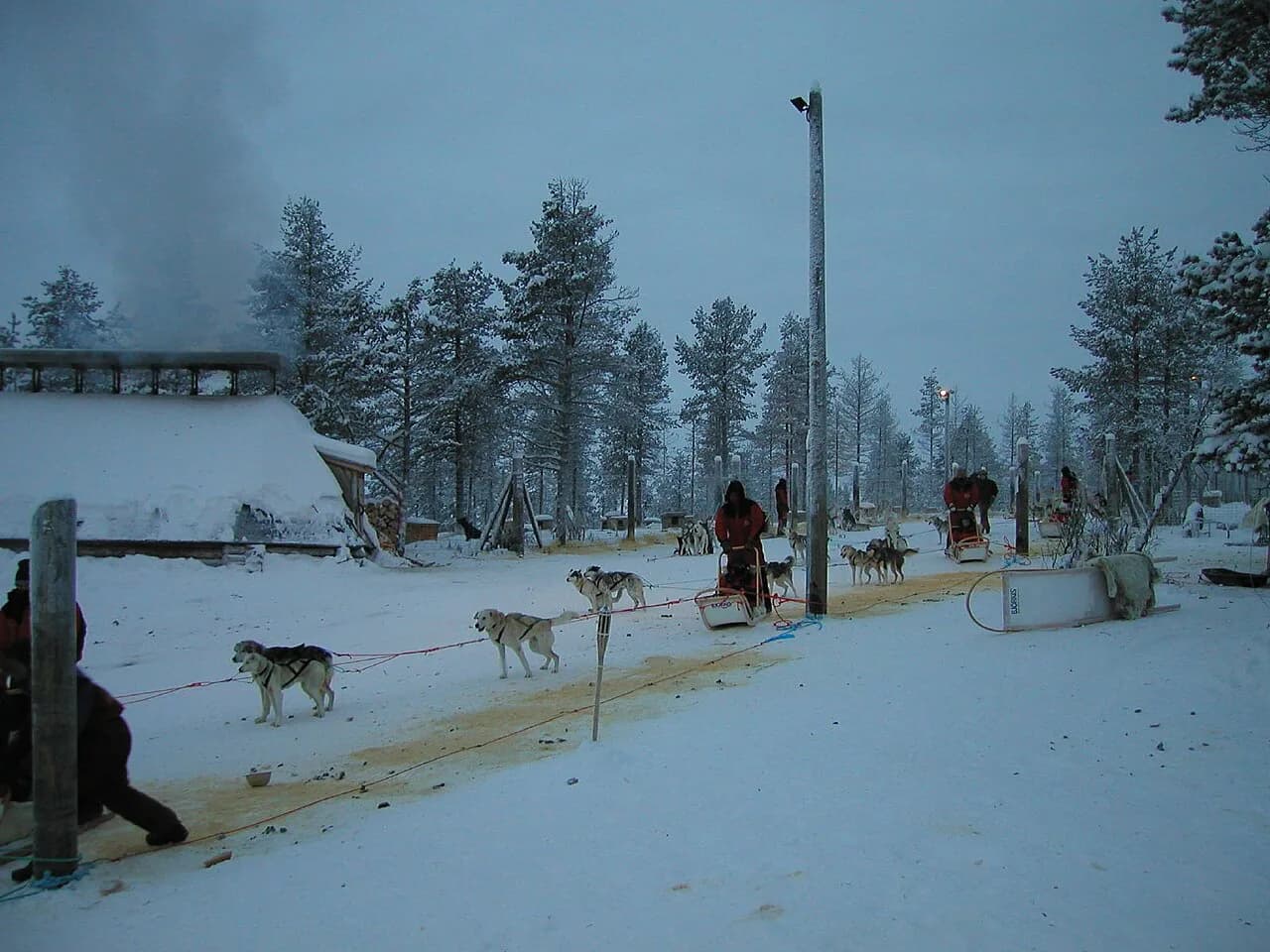
Husky safaris usually combine a kennel visit with a forest loop, and Lapland Safaris sells them from roughly 170 euros per person with rides of 10 to 15 kilometres, longer 30-kilometre adventures or overnight options at higher cost. Minimum ages commonly fall around four to six years old, with younger children riding as passengers. A ten-kilometre loop takes about an hour on the trail once the safety briefing is done.
Format is two guests per sled, one seated and one working the brake, with a team of six dogs arranged in three pairs: leaders in front, the strongest pair at the back and enthusiastic runners in the middle. After the run you get time with the dogs and a warm hut with hot drinks while handlers explain the kennel. The husky season runs from November to March.
Reindeer farm visits and sleigh rides: what the hosts explain
A reindeer farm visit pairs a short sleigh ride through forest with an indoor session on reindeer herding and Sámi culture, and Lapland Safaris prices the outing at about 128 to 160 euros per person for roughly two hours. You ride in pairs behind a single reindeer, which is slower and quieter than a husky sled. Many guests find the feeding afterwards the highlight, handing lichen to animals that take it gently from the palm.
Hosts explain that Finnish Lapland holds around 200,000 reindeer, more than its human population, and that every animal is privately owned and identified by registered ear markings even when it roams free. That context turns a photo stop into a lesson in how the north is actually worked. Reading up on Sámi culture before you go puts the farm visit in a wider frame.
Snowshoeing and fell hikes: Ukko-Luosto and self-guided trail options
Snowshoes and poles rent in Luosto for three hours or for a day, which makes self-guided walking the cheapest way to reach quiet forest and open sky. Guided snowshoe tours cost more but add route-finding, transport and a guide who knows where the snow is stable. For most travelers, one rented afternoon plus one guided hike covers both moods.
The Ukko-Luosto route climbs steadily rather than steeply, and the summit viewpoint opens the sky in every direction, which is why it doubles as a dusk aurora spot on a clear night. Carry a headlamp for the descent and tell someone your route if you go alone. Trails in the national park are marked, but winter wayfinding still depends on visibility.
Skiing and snowboarding: Luosto versus Pyhä slopes
Luosto has ten slopes and three drag lifts, while Pyhä, about 30 minutes away, offers 15 slopes, nine lifts including three seated chairs, and 13 kilometres of pistes with a fun park. Pyhä suits riders who want variety and a chairlift; Luosto wins on convenience.
January lift hours in Luosto ran from 10am to 5pm, lining up sunrise with the last light, and Pyhä offered night skiing on Fridays from 5 to 8pm on certain days. Floodlit evening slopes are easier to read than you might expect, and the pistes are often nearly empty midweek. Confirm current lift hours and night-skiing days with Pyhä Ski Resort before you build a day around them.
Sauna and cold dip: how cabins and hotels build it into the day
Many Finnish cabins and hotels include a private sauna, and using it daily becomes the natural end to a cold afternoon. The routine is heat first, then a short roll in the snow or a quick plunge, then back inside to warm up slowly. Nordic Visitor puts sauna temperatures at 80 to 110 degrees Celsius, hot enough that a minute is plenty for most people.
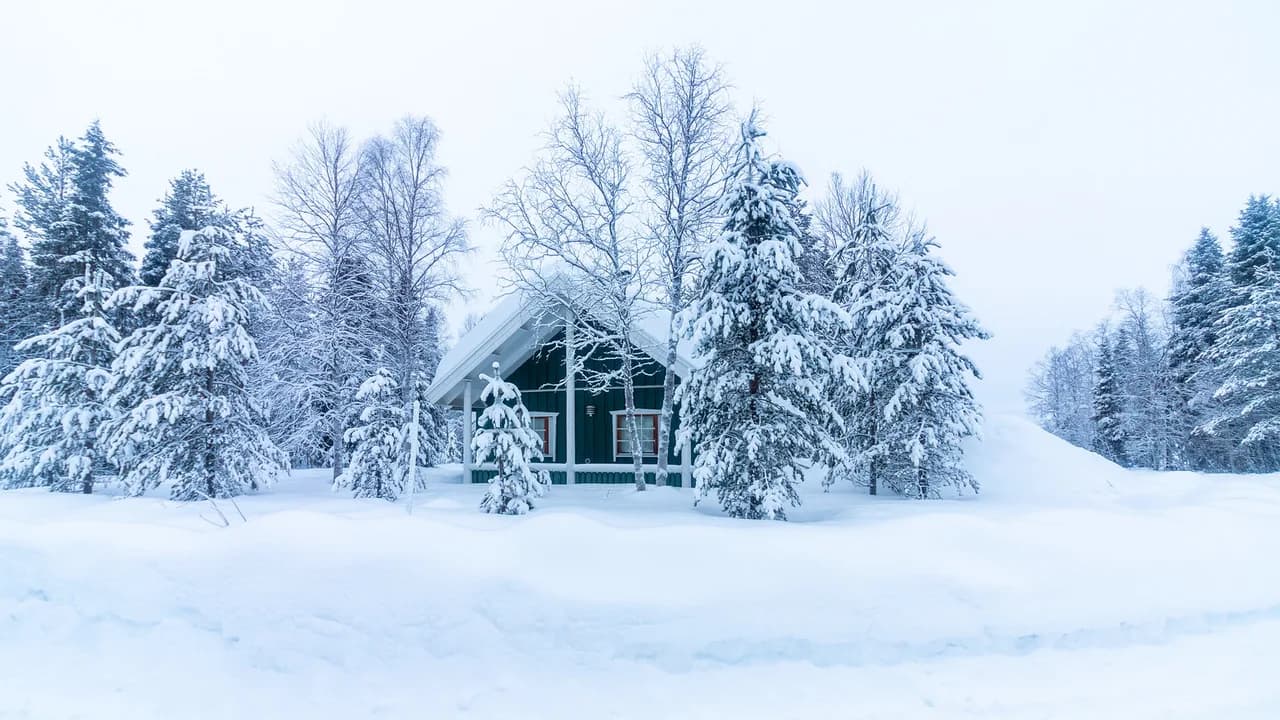
Book accommodation with a sauna if the ritual matters to you, because shared resort saunas run on set hours while a cabin sauna is yours whenever you come in from the snow. It also gives you a warm place to dry gear between activities. Keep the cold dip brief and supervised, especially with children.
Wilderness dinners in a kota: menu, group size and dietary options
A wilderness dinner takes place in a kota, a round wooden hut with an open fire at the centre, and Lapland Safaris offers it for two to three hours. The group in one Luosto dinner numbered around 20 people, which felt social rather than crowded, and the menu leaned on local ingredients with reindeer usually featuring. Vegetarian and vegan versions were catered for.
Expect a starter of bread, cheese, smoked salmon and reindeer with house sauces, a flame-grilled main and a dessert such as flambéed apple with crumble. The fire does the cooking and the heating at once, so dress for a hut that is warm near the flames and cool at the edges. Private dinners can be arranged for groups.
Glass igloos, aurora cabins and ice or snow hotels
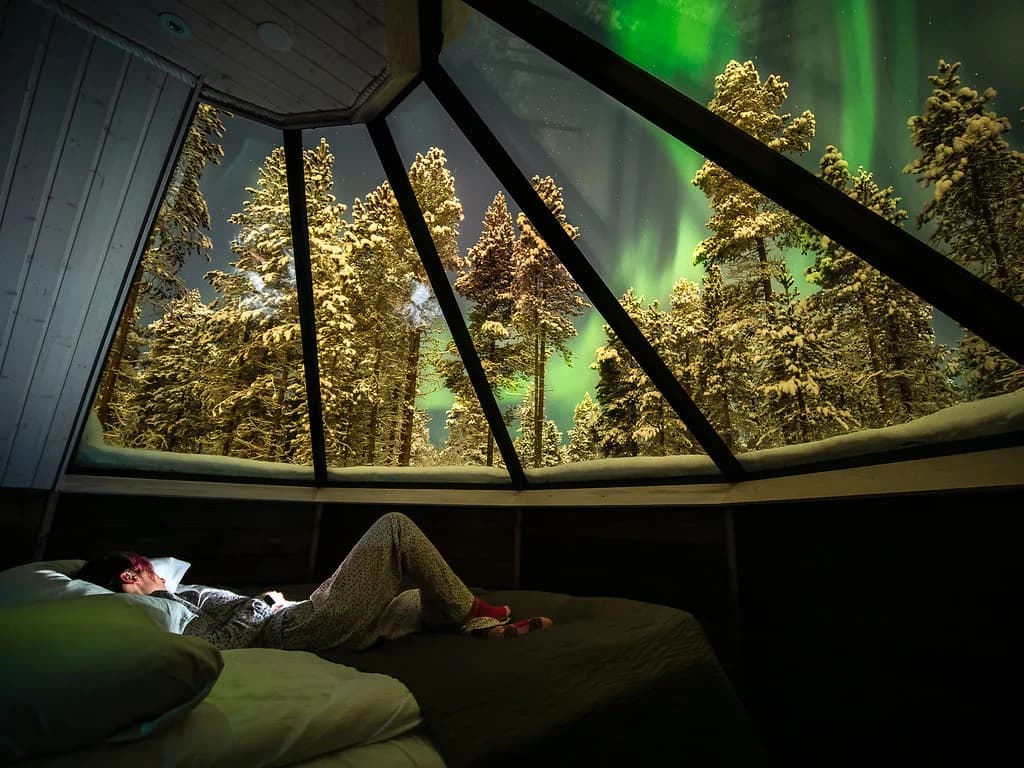
Visit Finland highlights glass-covered cabins as a way to stargaze from bed, and they are the most direct aurora accommodation on offer, though glass roofs mean heat loss, condensation and light spill from the room itself. An aurora cabin with a large window and a heated floor is often the more comfortable compromise. Weigh the view against sleep quality before you pay a premium.
Nordic Visitor also points to ice and snow hotels as one of the reasons to visit Lapland in winter, usually as a single night alongside warmer lodging rather than a full week. Sleeping in a snow room is an experience, not a base for daily safaris. Many travelers book one ice night and spend the rest of the trip in a cabin with a sauna.
Self-guided aurora chasing versus a booked tour
In Luosto you can watch from outside your chalet and walk a short distance to open ground away from village lights, which costs nothing and lets you go out whenever the sky clears. A booked aurora tour adds a guide, transport and often a fire with sausages and hot drinks, and Lapland Safaris offers these in different formats, including free options. The catch is fixed timing: a cloudy tour night stays cloudy.
The strongest approach is to combine both: keep your evenings flexible and use an alert app to catch a break in the cloud, then book one tour for the night you want company and a fire. If you want the guided side laid out, compare Finnish Lapland northern lights tours by format and duration before booking. Cross-check the aurora forecast and the local cloud picture on the day.
How many nights to allow for a fair chance of clear skies
Cloud is the variable you cannot book around, so the answer is nights, not luck: three nights gives you a handful of dark windows, five to seven nights is a realistic cushion for a winter trip, and a week lets you absorb two or three cloudy evenings without losing the trip. Travelbase's Luosto week includes seven nights with four activities built in, which leaves room for spontaneous aurora nights.
Build the schedule so the aurora is never the only plan: put snowmobiling and husky safaris early, keep one or two evenings deliberately empty, and leave the last night free in case the forecast improves. A week also lets you move between Luosto and Pyhä or spend a night in Rovaniemi without rushing. Short trips work, but they ask you to accept more risk.
What a week in Finnish Lapland costs in winter
A packaged week in Luosto from Travelbase starts at about 1,140 pounds per person for December to March, covering return flights, transfers, seven nights in local cabins and four activities: husky safari with farm visit, aurora safari, snowmobile tour and snowshoe hike. Extras such as skiing or a wilderness dinner are added separately. Self-drive travelers pay for accommodation, car hire and each activity individually, so totals vary widely.
On the ground, individual activities range from snowshoe rental to a husky safari, with ski passes, rentals and dinners stacking up across a week. With skiing for two including full rental and a day pass, a family can spend as much on add-ons as on lodging. Budget for two or three paid activities and leave the rest self-guided.
Plan Your Winter in Finnish Lapland
Choose your base by what you want from the dark hours: Luosto and the Pyhä-Luosto fells for quiet skies and short walks to open ground, Rovaniemi for flights, Santa Claus Village and easy logistics. If Rovaniemi is your starting point, rovaniemi in winter covers how the short days and aurora nights shape a stay there. Book five to seven nights if the aurora is the point of the trip, and fill the days with one substantial activity each so the evenings stay free.
Then treat every price, season date and lift hour as something set by Lapland Safaris, the ski resorts and your accommodation page carry the current figures, and they change between seasons. What stays constant is the shape of a good winter trip here: short bright days outdoors, long dark evenings by a fire, and a sky worth stepping outside to look at.
Frequently Asked Questions
When can you see the northern lights in Finnish Lapland?
The aurora season runs from late August to April, with spring and autumn offering the best balance of long dark nights and clearer weather. You need darkness above all, so midwinter nights are dark enough but often shorter on clear spells. Sightings always depend on solar activity and cloud, so plan several nights rather than one.
How many days in Lapland is enough?
Five to seven nights gives you a realistic cushion against cloudy evenings and room for two or three paid activities. Three nights can work if you accept more risk and keep at least one evening free for a spontaneous aurora walk. A week also lets you split time between a fell village like Luosto and Rovaniemi.
Is Lapland too cold in December?
December is genuinely cold and the days are very short, but operators lend thermal suits for snowmobile and safari tours, which makes the outdoor hours manageable. The bigger practical constraint is daylight: plan one main activity per day and save the dark hours for the aurora. Check temperatures with the Finnish Meteorological Institute before you travel.
Do you need a tour to see the aurora in Luosto?
No. Luosto is small and dark enough that you can often watch from outside your chalet and walk a short distance to open ground away from village lights. A tour adds a guide, transport and a fire, but it locks you to a fixed night, so keep some evenings flexible and use an aurora alert app alongside the forecast.
What winter activities run in Finnish Lapland from November to March?
Snowmobiling, husky safaris, reindeer farm visits, snowshoeing, downhill skiing, snowboarding and wilderness dinners all run through the winter, with the husky season listed as November to March. Many cabins and hotels include a private sauna for the evening. Availability and prices are set by each operator and resort, so confirm dates when you book.
How much do three nights in Lapland cost?
There is no fixed figure, because packages, flights, lodging and activities are priced separately. Compare the Lapland Safaris activity price list with the Travelbase package page, then add accommodation, transfers and two or three activities to build your own three-night estimate.
Where should I stay for the best aurora views?
A fell village like Luosto beats a city centre for dark skies, and glass cabins or aurora cabins let you watch from bed at the cost of some heat and light spill. A cabin with a sauna just outside the village is often the best compromise between comfort and darkness. Book Rovaniemi for arrival nights and move north for the rest.
Sources
Notes for your Arctic winter trip
Optional updates to our northern lights guides.
You might also like

Continue reading
More guides you'll find useful