Best Time to See the Northern Lights in Swedish Lapland
Swedish Lapland's aurora season runs from late August to March, with the darkest, clearest nights from December to February. Here's how to choose your dates.
On this page
Swedish Lapland puts you deep inside the auroral oval, the band where charged particles funnel toward the poles and the northern lights appear most often overhead. Within the region, Abisko National Park stands out: its mountain setting and dry climate keep skies unusually clear, and it offers one of the world's strongest combinations of aurora latitude and dark sky. That makes the region a serious destination for travelers who want long, dark nights and a real range of places to stay, from national-park bases to ice hotels.
Timing is the single biggest decision you control. The aurora itself depends on solar activity, which no one can schedule, so your aim is to be outside on a dark, clear night in a place with minimal light pollution. This guide separates the two conditions that actually decide a trip, darkness and cloud cover, and matches each month to the kind of winter you want.
Why Swedish Lapland sits under the auroral oval
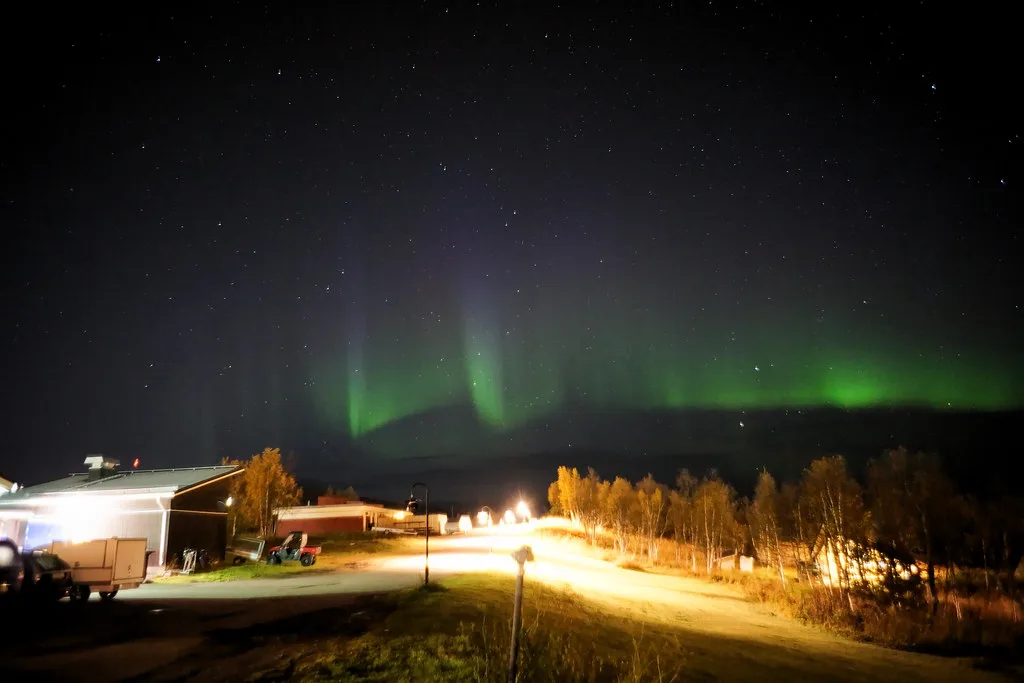
The auroral oval is a ring around the magnetic North Pole, and locations inside it see the aurora overhead rather than low on the northern horizon. Swedish Lapland lies well within that ring, which is why the lights are a routine part of winter here rather than a rare event. The phenomenon occurs around the clock, but it only becomes visible when the sky is dark and clear, as the regional tourism board explains.
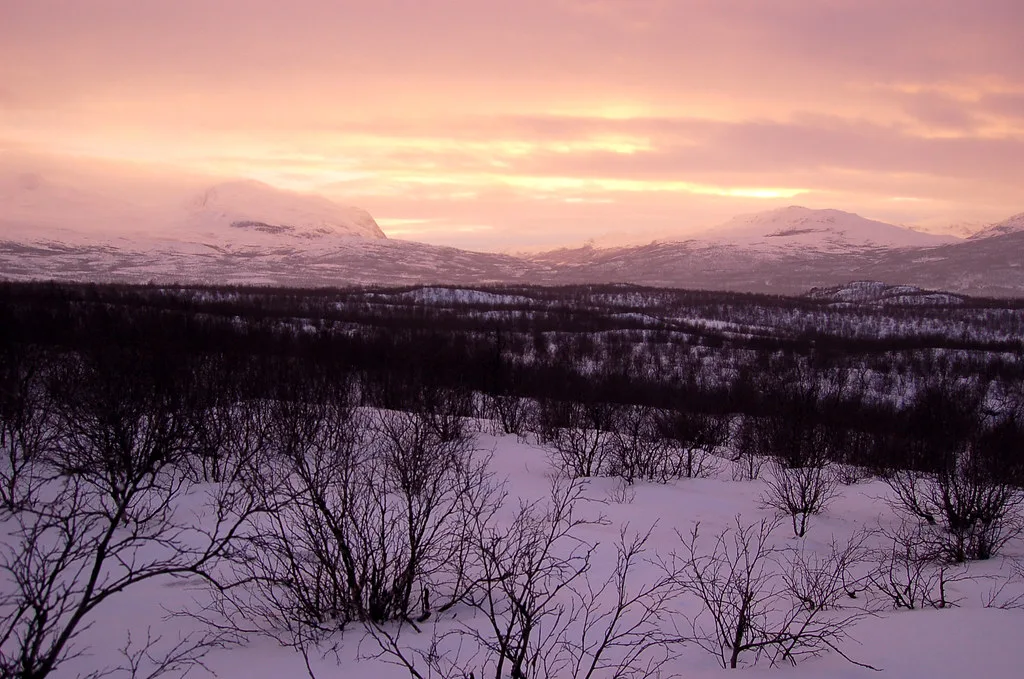
Abisko National Park is the standout location. Its position east of the mountains places it in a rain shadow, giving it one of the driest climates in the Nordic area and therefore clearer nights than much of the surrounding region. The park also has almost no light pollution, so even faint displays read clearly against the sky. Both factors matter more than temperature, despite the common belief that cold nights bring the lights. If you are weighing this side of the border against the neighbouring option, our Abisko northern lights guide compares the same darkness-and-cloud trade-off.
When the aurora season runs in Swedish Lapland
The aurora season in Swedish Lapland runs from September through March, though displays have been reported as early as late August. The season is set by darkness, not by snow: once nights are long enough, the lights can appear whenever solar activity sends particles Earth's way. Two days typically pass between a solar event and the particles reaching us, which is why forecasts improve a couple of days out.
ICEHOTEL in Jukkasjärvi describes the season as starting in August and ending in March, and notes that the darkest, clearest hours cluster around 9 to 11 pm. Its home village sits inside the auroral oval and is remote enough that light pollution stays low. That combination of dark skies and easy access from Kiruna makes it a practical base for travelers who want comfort between viewing sessions.
September, October and November: long evenings before the snow settles
Autumn is a genuine aurora season, not a consolation prize. ICEHOTEL notes that September to November is an excellent window thanks to longer evenings and milder conditions, and you get the first real darkness after the bright summer. The trade-off is ground cover: you may not have snow underfoot yet, so the landscape is darker and scenes look different from the classic winter postcard.
September and October also suit travelers who want more daylight for hiking and other activities alongside evening aurora watching. Nights lengthen quickly through this period, so late September and October offer substantial dark hours without the deep cold of midwinter. If you care most about comfortable temperatures and long evenings, this stretch is worth serious consideration.
December and January: the longest nights and the easiest timing
December and January bring the deepest darkness of the year, and that length of night is what makes this window so forgiving for aurora hunting. For those dreaming of a dramatic white, snowy backdrop with the lights dancing overhead, these months are the best time, since the long nights add to the experience. You have many hours of dark sky each evening, so a single clear break can be enough.
The trade-off is daylight. Around midwinter the sun barely rises above the horizon, which means short days for other activities and cold temperatures to dress for. Many travelers use the days for dog sledding, visits to the ice hotel, or simply resting before a long night out. If your priority is maximum dark hours and classic snow, book this window early.
February and March: settled snow with returning daylight
By February the nights are still long but daylight is returning, giving you more usable hours for other activities without losing dark skies. Snow is typically well settled by this point, and conditions often feel more stable than the changeable autumn. March marks the tail of the season, so the nights shorten noticeably as the month progresses; go earlier in March rather than later if aurora viewing is the priority.
This window suits travelers who want a balance: enough darkness for aurora viewing plus enough daylight for longer excursions. It is also worth noting that the aurora remains active around the equinox in late March, so late-season travelers are not shut out, though you should plan around shorter viewing windows. Book early in the season if you want the most darkness.
What time of night to be outside
Across Swedish Lapland, the most productive viewing window runs roughly from 9 pm to 2 am, when the sky is darkest and aurora activity tends to be visible from Earth. Visitsweden puts the window broadly between 6 pm and 2 am, with the most intense activity usually in the middle of that range. These are typical windows rather than fixed timetables, so plan to be outside for several hours rather than for a precise moment.
The practical rule is simple: the sky must be dark, so the middle of the night is better than dusk or late morning. In deep winter, darkness lasts most of the day, so the constraint is cloud far more than clock time. In autumn and late March, the window tightens and you should plan for the hours around midnight.
Clear skies versus cloud: why Abisko has an edge
Cloud cover is the bottleneck that decides most aurora trips. Abisko sits in a rain shadow that gives it one of the lowest rainfall climates in the Nordic area, which translates into clearer nights and sometimes stretches of consecutive aurora nights. That does not guarantee a display, but it improves your odds of having clear sky when the lights are active.
Guides work around overcast nights by driving to clearer areas or waiting for gaps, and the region's weather varies enough that a short drive can make a difference. The cold-night myth has a grain of truth: clear weather often coincides with colder temperatures, since clouds have an insulating effect. If you can be flexible about where you sleep, staying a short drive from a cloud-prone spot helps.
Where to base yourself for the best nights
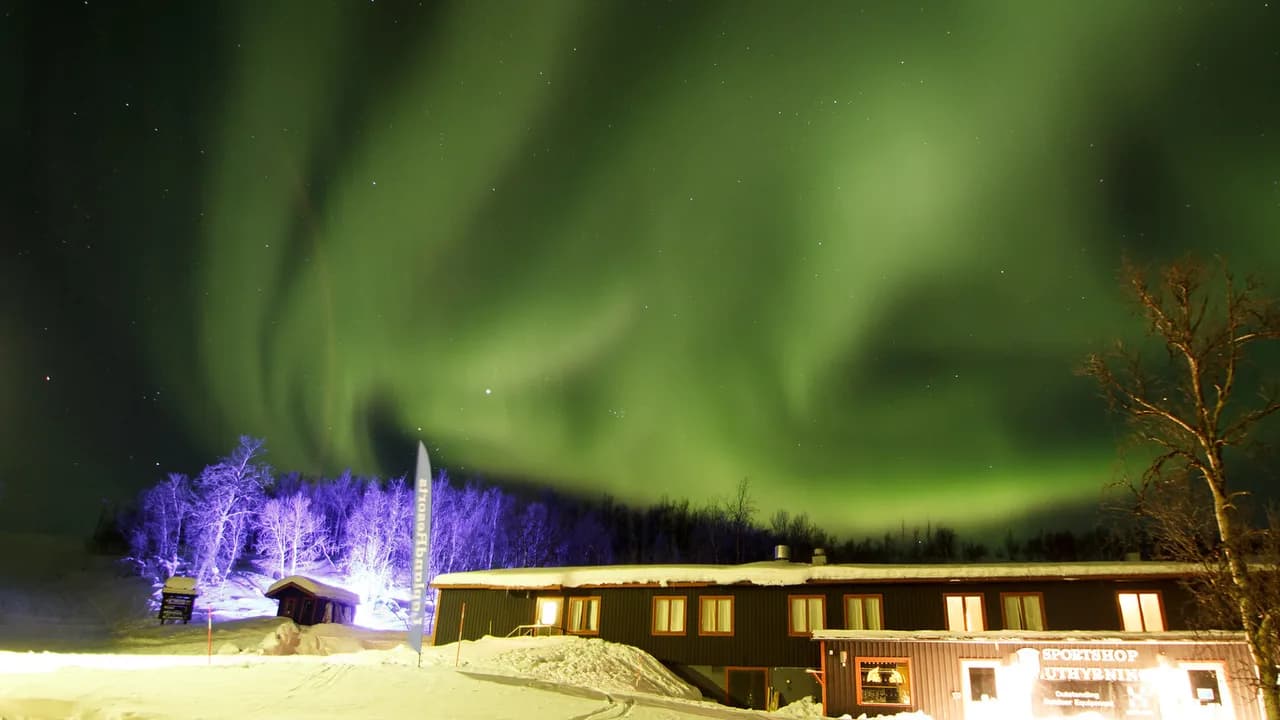
Abisko is the classic base for serious aurora watching, with the national park on its doorstep and the Aurora Sky Station nearby for elevated views. Kiruna and Jukkasjärvi suit travelers who want more infrastructure: ICEHOTEL, Camp Ripan, Treehotel and Pinebay Lodge all sit within reach, and each offers a different balance of comfort and remoteness. The tourism board lists these as venues worth considering for aurora trips.
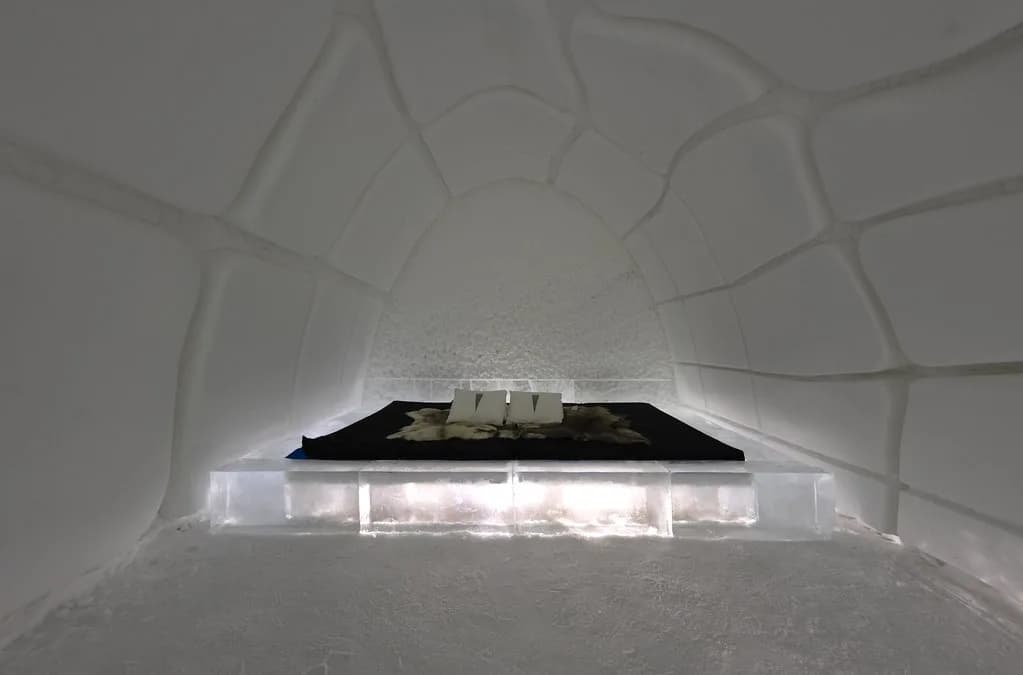
ICEHOTEL recommends Jukkasjärvi, Abisko, Puoltsa and Kaalasjärvi as viewing locations, and advises getting away from light pollution for the best odds. If you stay at the ice hotel, you can join its photography tours and step outside the village for darker skies. Choosing between the national-park quiet of Abisko and the hotel-based comfort of Jukkasjärvi is the main decision.
Self-guided watching versus a guided chase
Self-guided watching is straightforward in Swedish Lapland: find a dark spot away from village lights, check the aurora forecast, and wait. The regional tourism board points travelers to named photographers and guides such as Peter Rosén, Chad and Linnea Blakley in Abisko, and Sámi photographers Ylva Sarri and Anette Niia around Kiruna, who run photography tours and courses. A guide helps most when cloud is uncertain, because they can move.
ICEHOTEL runs a northern lights photography tour for guests who want help capturing the aurora, and the tourism board notes that guides rarely give up before the lights appear. Operators typically lend thermal suits on night tours, which matters when you are standing still for hours. Weigh the cost against the value of local weather knowledge and transport.
How many nights to plan for a fair chance
Plan for at least three nights, and four or five if your trip is built around the aurora. It is said that if you stay in Abisko for three days, you have an 88% chance of seeing the lights, as long as the sky is clear. Treat that as a well-worn rule of thumb rather than a promise, because activity and cloud still vary night to night.
The logic behind longer stays is simple: the more nights you have, the more chances you get to catch a clear gap. Travelers who book only one or two nights risk going home without a display even in a good location. If your schedule allows, build in a buffer at the end so a cloudy start does not end your chances.
Early-season versus late-season trade-offs
Early season, roughly September to November, trades snow cover for milder temperatures and longer evenings. Late season, February and March, offers settled snow and more daylight but shorter nights as spring approaches. December and January sit in the middle with the darkest nights but the coldest conditions and least daylight. There is no single best month; it depends on whether you prioritize comfort, snow, or hours of darkness.
If you are combining aurora watching with other winter activities, the shoulder months may suit you better: late September for hiking, or March for longer days on the snow. If the lights are the main event, aim for December and January for the most dark hours. Budget and crowds also shift by month, so compare packages across your preferred window.
Reading forecasts and Kp values for what they are worth
The Kp index measures geomagnetic activity, not whether you will see anything from a specific spot. A high Kp value raises the chance of a display, but cloud cover can still hide it, and a low value does not mean nothing will appear, especially inside the auroral oval. Use Kp as a rough guide and check cloud forecasts alongside it.
ICEHOTEL recommends checking the IRF Aurora Alert for Kiruna, the GI Institute at the University of Alaska, and Spaceweather.com. Look at the forecast a couple of days ahead, since particles from solar events take about two days to arrive. Then confirm local cloud cover on the night itself before committing to a viewing spot.
Choosing Your Dates
If you want the longest nights and the classic snowy backdrop, book December or January. If you prefer milder evenings and do not need snow underfoot, September and October give you long dark nights with more comfort. February and March reward travelers who want daylight for other activities while keeping a real chance of aurora viewing.
Whichever month you choose, build in at least three nights and favor Abisko or the Jukkasjärvi area for dark skies and low light pollution. Check forecasts on the day, and remember that no operator can promise a display. The best you can do is be in the right place, for long enough, on a clear night.
Frequently Asked Questions
What month is best for the northern lights in Swedish Lapland?
There is no single best month, but December and January offer the most dark hours, while September to November bring milder conditions and February to March combine settled snow with returning daylight. Pick by whether you value darkness, comfort, or daytime activities most.
When does the northern lights season start and end in Swedish Lapland?
The season runs from September through March, with displays reported as early as late August. It is set by darkness rather than temperature, so once nights are long enough the lights can appear whenever solar activity is strong.
What time of night are the northern lights visible?
Plan for roughly 9 pm to 2 am, when the sky is darkest. Some sources give a wider window from 6 pm to 2 am, with the most intense activity usually in the middle of the night. In deep winter, darkness is long enough that cloud matters more than the clock.
Is autumn or deep winter better for aurora watching in Swedish Lapland?
Autumn offers milder temperatures and longer evenings but less snow cover. Deep winter brings the longest nights and classic snowy scenes but colder conditions and short daylight. Choose autumn for comfort and winter for maximum darkness.
How many nights should I stay to have a good chance of clear skies?
Aim for at least three nights, and four or five if the aurora is your main reason for traveling. More nights mean more chances to catch a clear gap, and a buffer at the end protects you against a cloudy start.
Is Abisko really clearer than the rest of Swedish Lapland?
Abisko sits in a rain shadow that gives it one of the driest climates in the Nordic area, so its nights are often clearer than elsewhere. That improves your odds of clear sky, but it does not guarantee a display on any given night.
Do Kp values tell me whether I will see the aurora?
Kp measures geomagnetic activity, which is only half the equation. A high value raises the chance of a display, but cloud cover can still hide it, so check local cloud forecasts alongside the Kp reading before heading out.
Sources
Notes for your Arctic winter trip
Optional updates to our northern lights guides.
You might also like
Continue reading
More guides you'll find useful