Swedish Lapland in Winter: Aurora, Ice and Wilderness Bases
Plan Swedish Lapland in winter: ice hotels and aurora bases from Abisko to Luleå, husky and snowmobile tours, season timing and how many nights to allow.
On this page
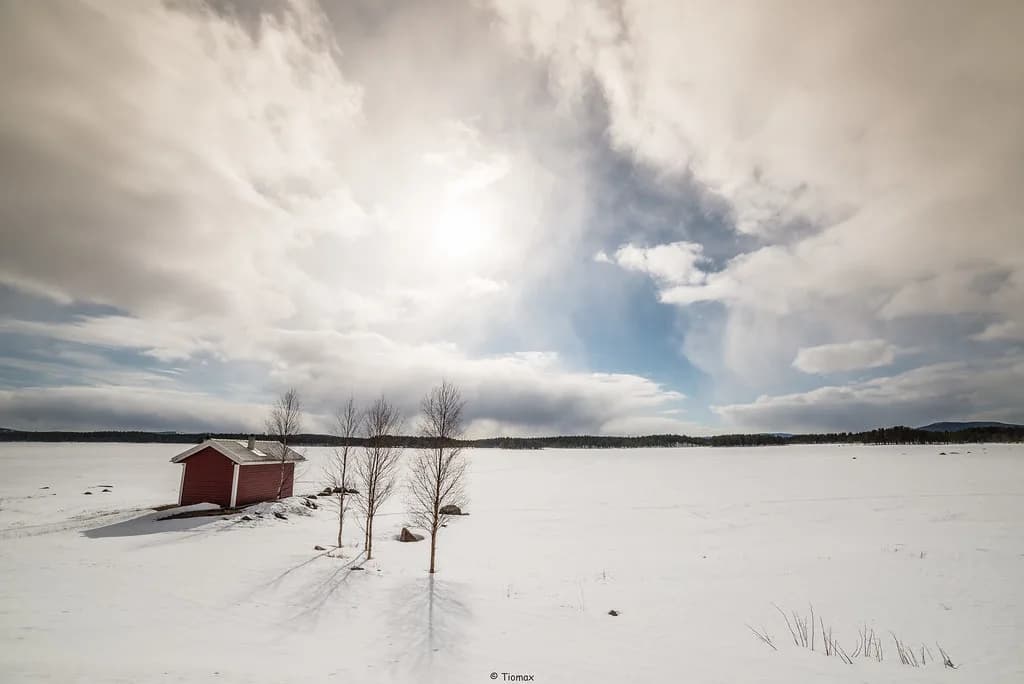
Swedish Lapland fills the top of Sweden with frozen lakes, snow-heavy forests and long, dark winter nights, and it suits travellers who want aurora hunting paired with something concrete to do each day. You can sleep in sculpted ice at Jukkasjärvi, ride a sled across a frozen sea in the Luleå archipelago, or bed down in a national-park station beneath some of the darkest skies in the country. The region is vast, so the base you choose shapes the trip far more than any single activity.
This is a comparison of the four winter bases travellers actually use: Abisko for dark-sky national-park wilderness, Jukkasjärvi for ice art and a short airport transfer, the Luleå archipelago for coast and sea-ice activities, and Harads for design-led forest stays. Each has a different trade-off between darkness, comfort and how much time you spend in transit, and knowing which one fits your priorities makes planning much simpler.
What Swedish Lapland offers in winter and who each base suits
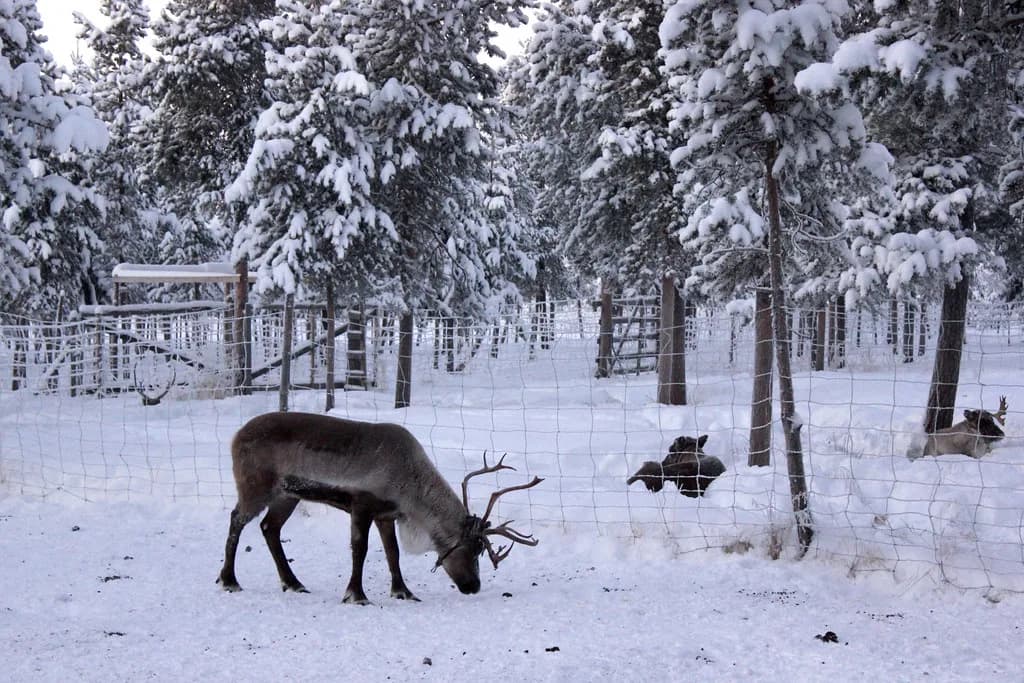
Sweden's northernmost region is Arctic in character, with pristine landscapes of frozen lakes and snow-covered forests, and the country's winter brochure highlights a choice of wilderness activities in the heart of the region. Winter experiences there include hovercraft across a frozen sea, snowmobiling, dog-sledding, ice sculpting, cross-country skiing and snowshoeing, plus visits to local reindeer herders. That spread means a winter trip can be as active or as slow as you like.
Pick Abisko if the aurora is the main event and you accept simple mountain-station comfort for the sake of dark skies. Pick Jukkasjärvi if you want the ice hotel experience and an easy transfer from Kiruna airport. Pick the Luleå archipelago if you like the idea of activities on frozen sea ice and a lodge as a base, and Harads if architecture and forest quiet matter more than either. If you are still weighing Abisko against the ice hotel, the comparison of abisko in winter and Jukkasjärvi sets out the same darkness-versus-comfort decision.
Most travellers fly into Kiruna or Luleå and work outward, so pairing two bases is realistic on a week-long trip. Trying to cover all four in a few days means long transfers and less time outdoors, which is the opposite of what short winter daylight rewards.
How far north it sits and why the aurora shows here
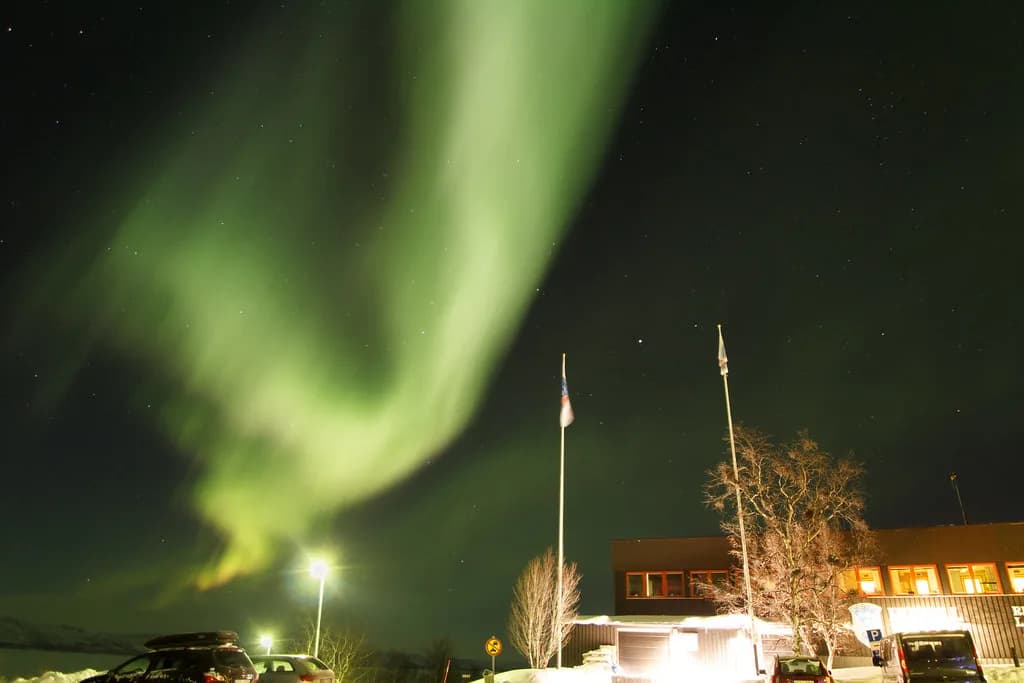
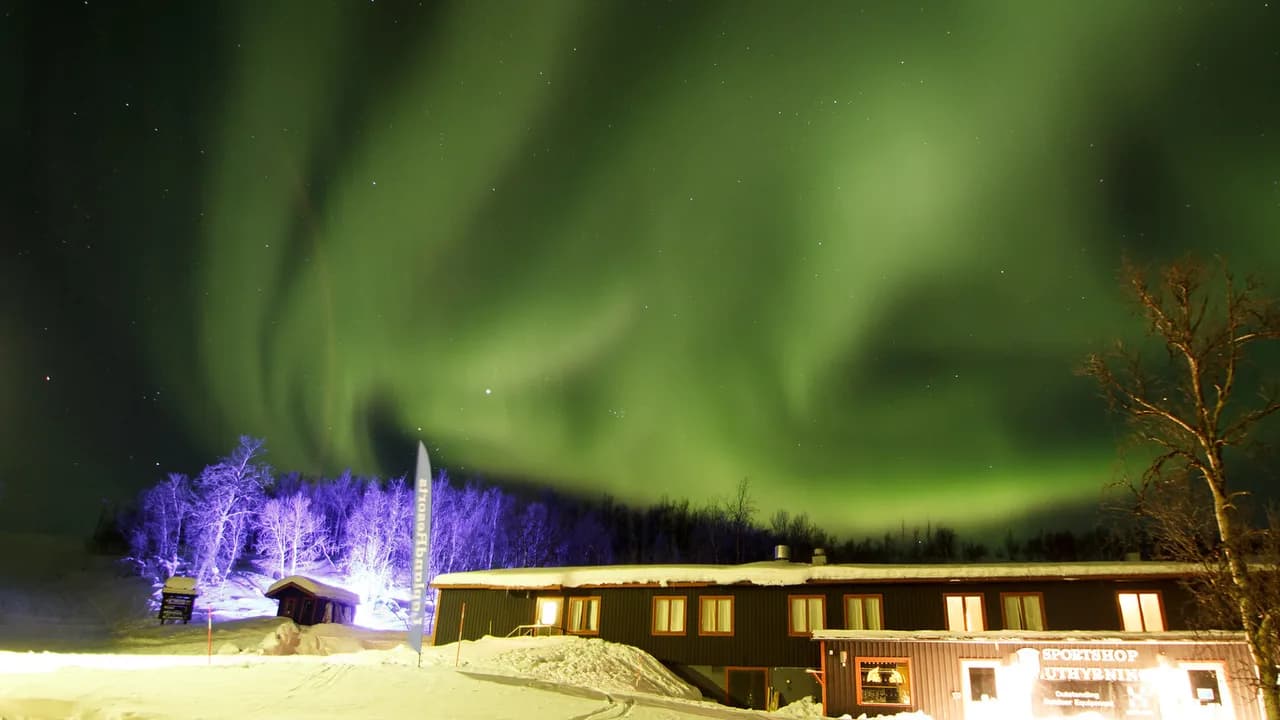
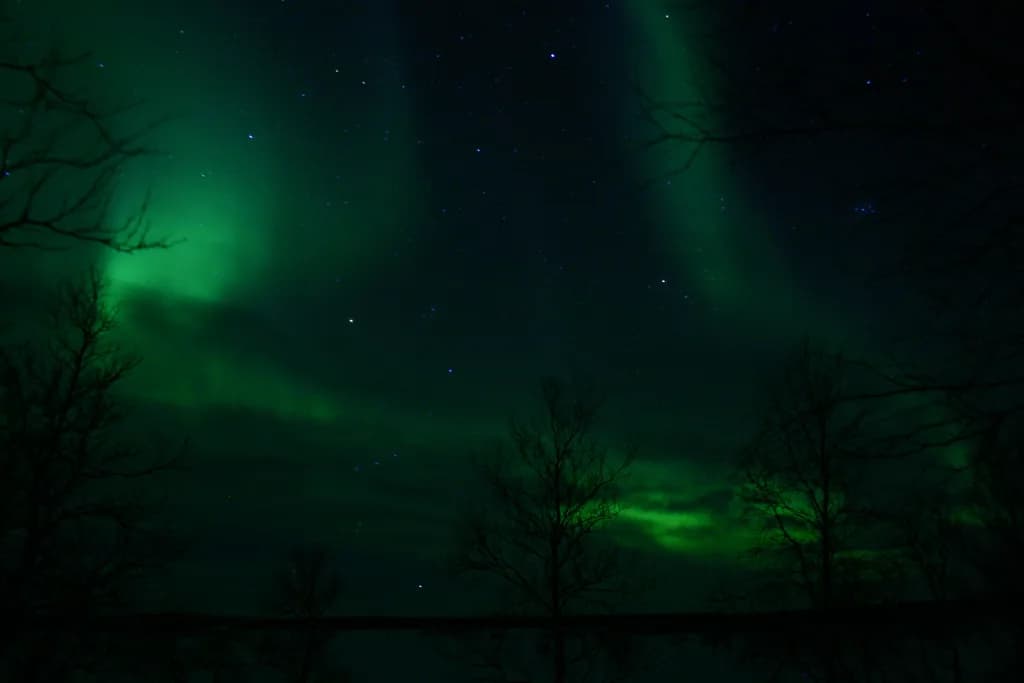
Swedish Lapland lies inside the Arctic Circle, and its clear night skies and lack of light pollution are the conditions that make aurora sightings plausible on dark, cloud-free nights. Abisko National Park in particular is a mountain wilderness with no light pollution and frequent cloudless skies. Aurora activity itself depends on solar activity, and Kp forecasts are guidance only, so no operator can promise a display.
Aurora viewing rewards patience over planning precision: keep several nights in the same dark place, watch the sky after the evening's activities end, and treat a cloudy night as a reason to stay up the following one. For a wider look at how the season and locations compare across the region, the northern lights in Sweden guide breaks it down by base and month.
When the winter and aurora season run
Winter touring in Swedish Lapland runs roughly from December into April, and several of the headline packages are sold for January to March and December. The Icehotel Break is offered at three nights for those months, the Northern Lights, Abisko and Icehotel short break runs three nights in January to March and December, and Winter's Dream at Brandon Lodge is a four-night stay in the same window. Booking inside those months keeps you aligned with when sea ice, snow and dark nights come together.
Some activities stretch beyond midwinter. Aurora Hideaway Dinner, the Northern Lights Sled Tour and the drive-your-own-dogsled session all run in January to April and December, while the Icehotel excursions run January to April and December. September and October, by contrast, are sold for autumn programs such as a northern lights walk and a wilderness skills session rather than deep-winter snow activities.
Autumn is also when the region markets its first chance of northern lights alongside red and gold forest colour. If you want guaranteed snow underfoot rather than a chance of early displays, aim for the main winter months instead of the shoulder season.
Daylight, cold and snow through the winter months
Expect genuine Arctic cold in midwinter, with temperatures the region's own travel material describes as 20 to 30 degrees below freezing. That cold is manageable with the right layers and the right pace, but it shapes how you plan a day: shorter outdoor blocks, warm indoor stops between activities, and no long waits outside without a plan. Snow cover is a given in the winter months around the northern bases.
Daylight is short in December and January and grows noticeably through February and March, which is why late-winter trips often feel more comfortable for daytime activities. Dark evenings are exactly what aurora watching needs, so the trade-off is simple: the deepest darkness comes with the shortest usable days, and later in the season you gain daylight but lose some night hours.
Abisko: the national-park aurora base
Abisko is the classic Swedish aurora base because it combines a national park setting with no light pollution, frequent cloudless skies and views across Lake Torneträsk and the surrounding fells. Abisko Mountain Station is the only hotel inside the park, which puts you within walking distance of trailheads and viewpoints rather than a drive away. The Aurora Sky Station sits above the valley, reached by chairlift, and serves dinner at the summit.
Abisko also pairs naturally with the Icehotel on a single package: the Northern Lights, Abisko and Icehotel break is a three-night trip running in January to March and December, and Discover the World markets Abisko as a strong partner to an ice-hotel stay. The practical reason is distance and contrast: one base gives you mountain darkness, the other gives you ice architecture near an airport, so you get two very different nights without crossing the whole region.
Treat the park's darkness as the asset and keep your evenings free rather than filling every night with a booked tour. A short walk from the station into the park gets you away from building lights, and cloud is the variable that decides the night, not your itinerary. For a fuller picture of Abisko and the wider region, see northern lights tours in Swedish Lapland.
Icehotel and Jukkasjärvi near Kiruna
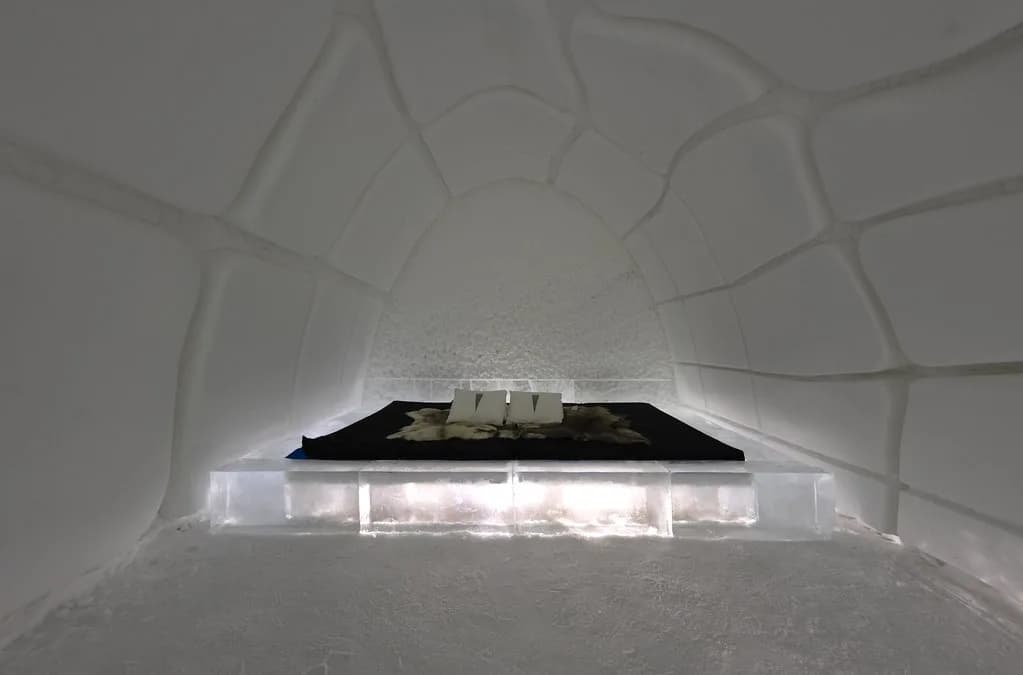
The Icehotel at Jukkasjärvi sits about 20 minutes from Kiruna airport, which makes it the easiest ice stay to slot into a short trip. It is rebuilt each winter using thousands of tonnes of ice from the frozen River Torne, with sculptors turning the interior into ice art before the seasonal build melts back into the river. That seasonal life cycle is part of the appeal and part of the planning: you are booking the winter build, not a permanent building.
The Icehotel Break is sold as three nights in January to March and December, and excursions from the hotel run in January to April and December. Because the ice hotel is a village-scale operation with warm rooms, cold rooms and dining on site, it works well as a single-base trip where you book activities around your nights. The Icehotel Sweden Guide covers room types and how to weigh a cold night against a warm one.
Ice art is the draw here rather than dark-sky isolation, so think of Jukkasjärvi as a comfort-and-culture base that also gives you access to tours. If you want both a sculpted ice suite and a genuine wilderness night, pair it with Abisko rather than trying to make Jukkasjärvi do both jobs.
Luleå archipelago and Brandon Lodge
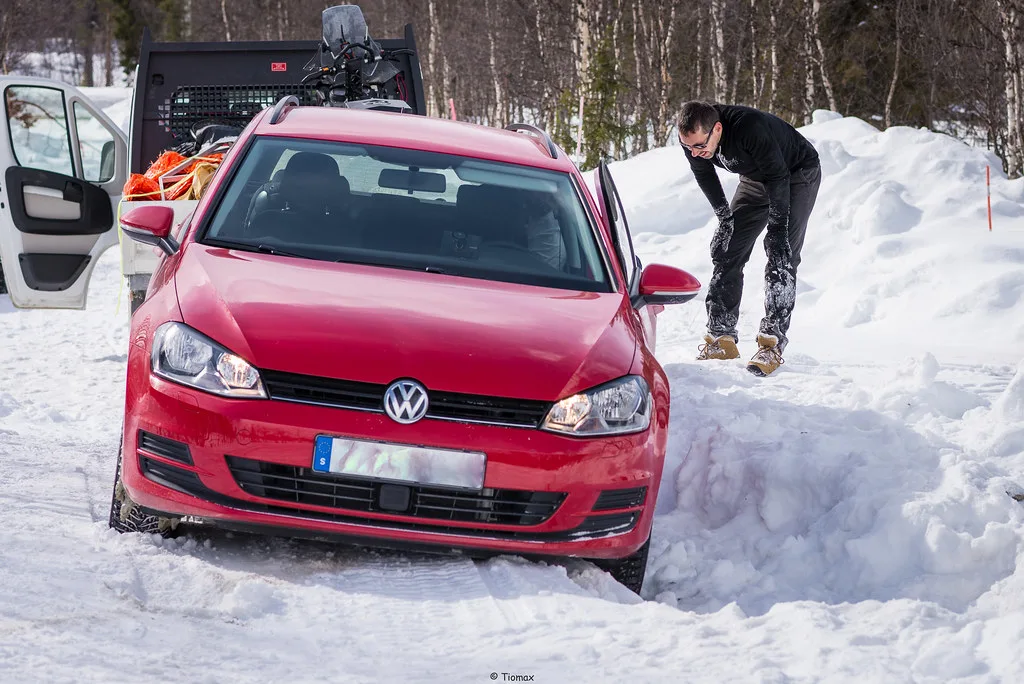
When the Gulf of Bothnia freezes over, the Luleå archipelago becomes icebound and Brandon Lodge turns into a wilderness retreat built around winter activity. Snowmobiling is the standout there, alongside husky safaris and a northern lights sled tour that takes you out to the frozen sea away from artificial light. Pine Bay Lodge, its smaller sister property, has just ten guest rooms if you want a quieter stay.
The signature break here is Winter's Dream at Brandon Lodge, four nights in January to March and December. Four nights is a sensible minimum in a coastal archipelago, because cloud coming off open water is the main risk to a clear aurora night and more nights give you more attempts. For a full list of northern lights tours available across the region, see swedish lapland northern lights tours.
This is the base to choose if you want activity-heavy days with a lodge rhythm: snowmobile, dogsled, then a warm room and a guided sled trip after dark. The trade-off against Abisko is that you swap guaranteed deep-inland darkness for sea-ice scenery and a broader activity menu, and you accept that coastal cloud can block the sky on any given night.
Harads: Treehotel and Arctic Bath
Harads, northwest of Luleå, is where the design stays cluster: Treehotel's eight treehouses seem to float through the forest and include the Bird's Nest, the capsule-shaped Cabin and the Mirror Cube, whose reflective walls camouflage it among the trees. Activities there range from husky sledding to a soak in a wood-fired outdoor bathtub at the Forest Spa. The property sits about 90 km from Luleå, so it is a destination in its own right rather than a quick stopover.
Arctic Bath, a floating hotel and spa on the Lule River near Harads, opened in late 2019 and holds one MICHELIN Key. A spa break there is sold as three nights and is available year round, which makes it the one base in this list that is not tied to the winter-only season. A three-night Brandon Lodge and Treehotel combination pairs the frozen archipelago with the forest, running four nights in January to March and December.
Harads suits travellers who care about architecture, food and quiet more than a schedule of guided excursions, and who are happy to spend evenings around a forest clearing rather than a groomed trail. Keep in mind that treehouse glass and design lighting cut both ways: they frame the view, but you still want to step outside and away from the cabin to see the sky properly.
Named winter tours: husky, snowmobile and sled aurora trips
The tour formats in Swedish Lapland are short and specific, which makes them easy to compare. A drive-your-own-dogsled session lasts 1.5 hours, a snowmobile forest tour takes 2 hours, a northern lights sled tour takes 2 hours with a longer three-hour version including dinner, and an aurora hideaway dinner on the frozen archipelago runs 2.5 hours. All of those run in January to April and December.
A two-hour snowmobile tour is enough for a first taste of the terrain but is not a substitute for an aurora night, so book the sled or dinner format if the sky is the point. A 1.5-hour dogsled session is similarly an introduction rather than a full expedition, which matters if you have romantic ideas about long-distance mushing. Shorter tours also work better in the cold, because time outside is the limiting factor as much as the itinerary.
Aurora hides and dinners on the ice
The aurora dinner format is where Swedish operators have been most inventive: a candle-lit dinner on the frozen archipelago while you wait for the sky to clear. It is a low-effort way to spend an evening outside without standing in the cold for hours, and it suits mixed groups where not everyone wants to chase. Book it on a night when the forecast is reasonable rather than pinning a whole trip on one booking.
If you are staying at the Icehotel, the January-to-April and December excursion programme gives you options that start from the village, so you are not driving yourself back on dark roads afterward. Outside those windows, evening programmes shift toward autumn offerings such as the northern lights walk, which runs in September and October for three hours.
Saunas, cold dips and spa time
Sauna and a cold dip are part of the winter rhythm in northern Sweden, and staying somewhere with a private or shared sauna lets you warm up after a day outdoors. Arctic Bath's spa earns a MICHELIN Key and brings the same idea to a design setting on the Lule River, while Forest Spa at Treehotel offers a wood-fired outdoor bathtub. These are the options to build a rest day around rather than treating every day as an activity day.
Self-guided aurora watching versus guided tours
Self-guided watching works best where you already sleep in a dark place, which is the case in Abisko National Park and, to a lesser extent, at the forest stays around Harads. You watch the sky after dinner, walk a few minutes from the lights of the buildings, and accept that a cloudy evening is simply a rest. This costs nothing beyond your accommodation and suits travellers who do not want a schedule.
Guided tours earn their place when you need transport to a darker location, when you want the guide to read the cloud and terrain, or when you want the evening to include food and a fire. A two-hour sled tour to the frozen sea does something self-guided watching cannot, which is put you on a surface you would not safely navigate alone at night. The choice is really about access, not about whether one method sees more.
How many nights to plan for a fair chance of clear skies
Three nights is the entry point offered on the main short breaks: three nights for the Icehotel Break and three for the combined Abisko and Icehotel trip. That is enough for a taste and gives you a few dark evenings, but a single cloudy stretch can cover all three. If the aurora is the reason for the trip, four nights at Brandon Lodge or a similar stay improves your odds simply by giving you more evenings under the sky.
Rather than splitting four nights across four bases, pair two places with real contrast: Abisko for dark-sky nights and Jukkasjärvi for ice art and comfort. That gives you two different weather regimes and two different evening experiences, and it keeps transfers manageable. For a detailed base-by-base comparison of dark-sky options, the icehotel winter pages and the Abisko material cover the practical differences.
Getting between bases and airports
Kiruna is the airport for Jukkasjärvi and Abisko, and the Icehotel is 20 minutes from it, which makes a first or last night there straightforward. Luleå serves the archipelago and Harads, with Treehotel roughly 90 km away and Brandon Lodge on an island in the archipelago. Building a trip around one arrival airport and one departure airport keeps the middle of the trip simple.
Distances in the north are real, and winter driving in the dark should not be underestimated, so many travellers let the accommodation arrange transfers between bases. Check transfer inclusions with whichever lodge or package you book, since airport collection varies. If you plan to rent a car, confirm winter tyres and the road conditions with the relevant authorities before you set out.
Plan Your Visit
Choose one base for darkness and one for comfort: Abisko for national-park skies and the Aurora Sky Station, Jukkasjärvi for the ice hotel and its easy Kiruna transfer. Add the Luleå archipelago if frozen-sea activities appeal, or Harads if design and spa time matter more than a tour schedule. The region rewards fewer bases and more nights over the same ground.
Book inside the winter windows that Swedish Lapland's tour companies actually sell, keep a spare evening free for a clear sky, and treat every aurora forecast as guidance rather than a promise. Four nights gives a fair chance; more nights give a better one. For the season overview and the full list of bases, start with the northern lights in Sweden guide and build your trip from there.
Frequently Asked Questions
Does Swedish Lapland have snow in December?
Yes. December falls inside the main winter season for the region's tour packages, including the Icehotel Break and the Abisko and Icehotel short break, and the travel material describes the region as a snow-covered arctic landscape in winter. Snow cover around the northern bases is normal in midwinter, though exact conditions vary by location and year.
How cold is Swedish Lapland in winter?
Winter temperatures in Swedish Lapland can drop to around 20 to 30 degrees below freezing, according to the region's travel material. That is serious cold, so plan shorter outdoor blocks, build in warm indoor stops, and choose accommodations that offer saunas or warm communal spaces.
When is the best time to see the northern lights in Swedish Lapland?
The aurora season coincides with the dark winter months, and the main tour packages are sold for January to March and December, with activities running into April. Clear skies matter more than any single month, so plan several nights in a dark location and treat Kp forecasts as guidance only.
Where should you stay to see the aurora in Swedish Lapland?
Abisko is the strongest choice for dark skies: Abisko National Park has no light pollution and the mountain station is the only hotel inside the park. Jukkasjärvi offers the ice hotel with a short transfer from Kiruna airport, while the Luleå archipelago and Harads offer lodge and design stays with guided evening tours.
Is Abisko better than the Icehotel for northern lights?
For aurora watching, Abisko is better placed because of the national park's dark skies and frequent clear nights. The Icehotel is stronger for ice art, dining and comfort with a 20-minute airport transfer. Many travellers combine the two rather than choosing, which gives you a dark-sky base and a comfortable one on the same trip.
How many nights do you need in Swedish Lapland in winter?
Three nights is the minimum offered on the main short breaks, and four nights is sold for Winter's Dream at Brandon Lodge. If the aurora is the priority, four or more nights in one dark location gives you more evenings and a better chance of catching a clear sky. Avoid splitting a short trip across several bases.
Sources
Notes for your Arctic winter trip
Optional updates to our northern lights guides.
You might also like

Continue reading
More guides you'll find useful