Icehotel Sweden Guide: Swedish Lapland Stays
Plan a stay at Icehotel in Jukkasjärvi, 17 km from Kiruna: the winter season, art suites, aurora nights and how to combine it with chasing clear skies.
On this page
Icehotel in Jukkasjärvi is one of the few places where you can sleep inside an art exhibition carved from a frozen river. Every winter, creators gather in this village in Swedish Lapland to build a new version of the hotel from ice harvested from the Torne River, so no two seasons look the same. It suits travellers who want a distinctive one-night Arctic experience and are happy to pair it with warm, comfortable nights either side.
The village sits about 17 km from Kiruna, which makes it an easy add-on to a wider northern lights in sweden trip rather than a stand-alone destination. You come here for the architecture, the cold-room novelty and the surrounding wilderness, with dark winter nights that give the aurora a real chance whenever the sky clears.
What Icehotel Jukkasjärvi actually is
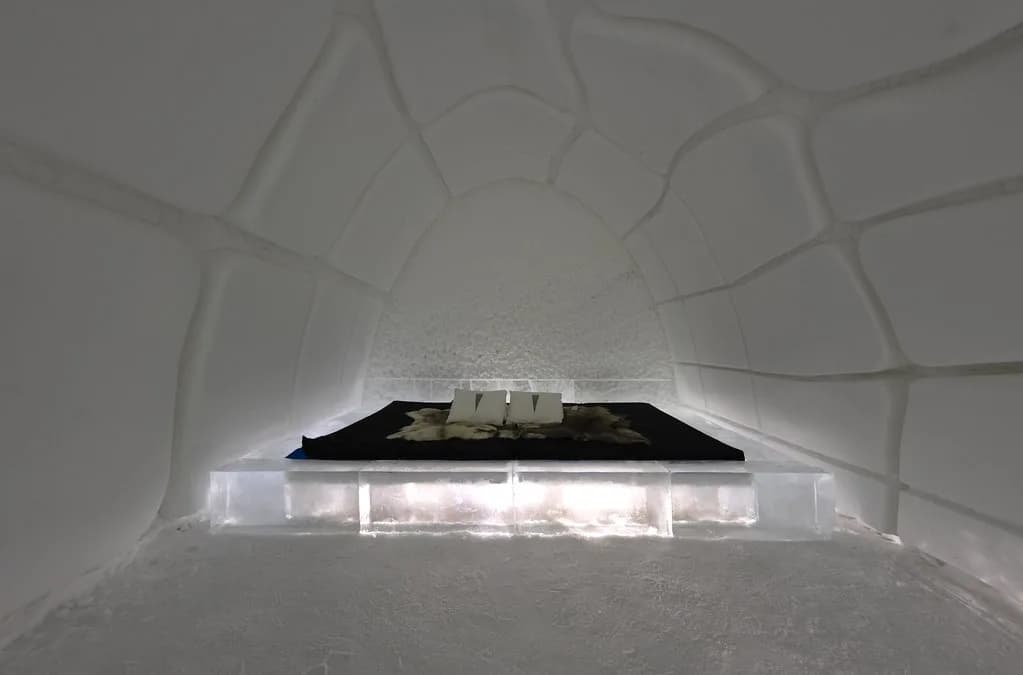
Icehotel is both a hotel and an art exhibition. Its winter rooms and suites are sculpted anew each season from ice taken out of the Torne River, and the result is a walk-through gallery you can also book for the night. The official Icehotel page describes a hotel that appears in new shapes every year and pairs Arctic adventure with art and quiet.
Because the cold structure is rebuilt annually, a stay is tied to one particular winter's design. Return visitors see different corridors, different art suites and a different bar, which is the point rather than a drawback. Treat the visit as a seasonal exhibition with beds in it, not a fixed building you can tour at any time of year.
Where it sits: Jukkasjärvi, Kiruna and the Arctic Circle
The hotel stands in Jukkasjärvi, a small village on the Torne River roughly 17 km from Kiruna, according to the Icehotel reference on Wikipedia. Icehotel's own site puts the location about 200 km north of the Arctic Circle, well inside the aurora zone and deep enough into the continent for genuinely dark winter nights.
That distance shapes your logistics. Kiruna is the transport hub, with the airport and rail links, and Jukkasjärvi is a short transfer beyond it. Icehotel publishes a transfer booking page, so arrange the ride through the hotel instead of relying on a bus meeting your flight.
Why the aurora shows here
Jukkasjärvi lies under the auroral oval, the band where charged particles from the sun most often reach the upper atmosphere. In practice that means aurora is possible on many clear nights from roughly late August through early April, when the sky is dark enough. Solar activity controls how active those displays are, so a quiet week can pass with nothing visible and a strong one can light up the river.
The other half of the equation is cloud. No location guarantees clear skies, and a booking built entirely around one night is a gamble. Building in several nights, and being willing to travel away from the village lights, is what improves your odds. Kp forecasts are useful guidance rather than a promise.
When the winter ice hotel is open
The cold winter rooms and art suites are available from December through April, while the winter packages the hotel advertises start from December 1. Warm year-round accommodation operates outside those months too, including summer packages built around the midnight sun. If you specifically want to sleep in an ice room, book within the winter window.
Season construction happens after the river freezes and creators arrive to build the new hotel each winter. Early December stays can overlap with the opening period, which the hotel sells as its own package, while late-season stays run as spring light returns. Exact nightly availability and any opening events are published on the booking calendar.
Rooms compared: cold suites and warm cabins
Icehotel splits its accommodation clearly. Cold options include Art Suites and Ice Rooms, available December to April, where the room is part of the exhibition. Warm options include Arctic Cabins, Kaamos hotel rooms and the year-round Art Suite 365, which stay comfortable and let you sleep normally.
A common and sensible pattern is one night cold plus one or two nights warm. You get the ice-room experience without gambling your whole holiday on it, and you have a warm base for aurora nights and daytime activities. Decide which night matters most and book that one first, since the cold rooms are the limited inventory.
What a night in a cold room involves
Sleeping in an ice room is a managed experience rather than rough camping. Guests are equipped for the cold and the stay is brief by design, with a warm building available for washing and changing. The hotel publishes how a night works on its own guidance page, which is worth reading before you commit, since it explains the routine and what the room provides.
The trade-off is real: you swap a warm, private bed and normal bathroom for an art environment and a sleeping bag. Some travellers love it and repeat it; others prefer to tour the art suites and sleep warm. Be honest about which you are before booking the cold night.
Splitting a stay between ice and comfort
Beyond the ice rooms, the region offers plenty of warm alternatives, from hotel rooms in Kiruna to cabins and lodges across Swedish Lapland. Icehotel itself provides warm rooms on site, so you can stay in one place and switch room type mid-trip. That saves transfer time and keeps you close to the riverbank dark spots.
Glass igloos and aurora cabins elsewhere in the region trade the ice-art experience for sky views from bed. They are a different product, often with their own price and comfort trade-offs, and glare and heat can affect viewing. Choose based on whether you want the art hotel or a dedicated aurora-watching room.
Where to watch the aurora near Jukkasjärvi
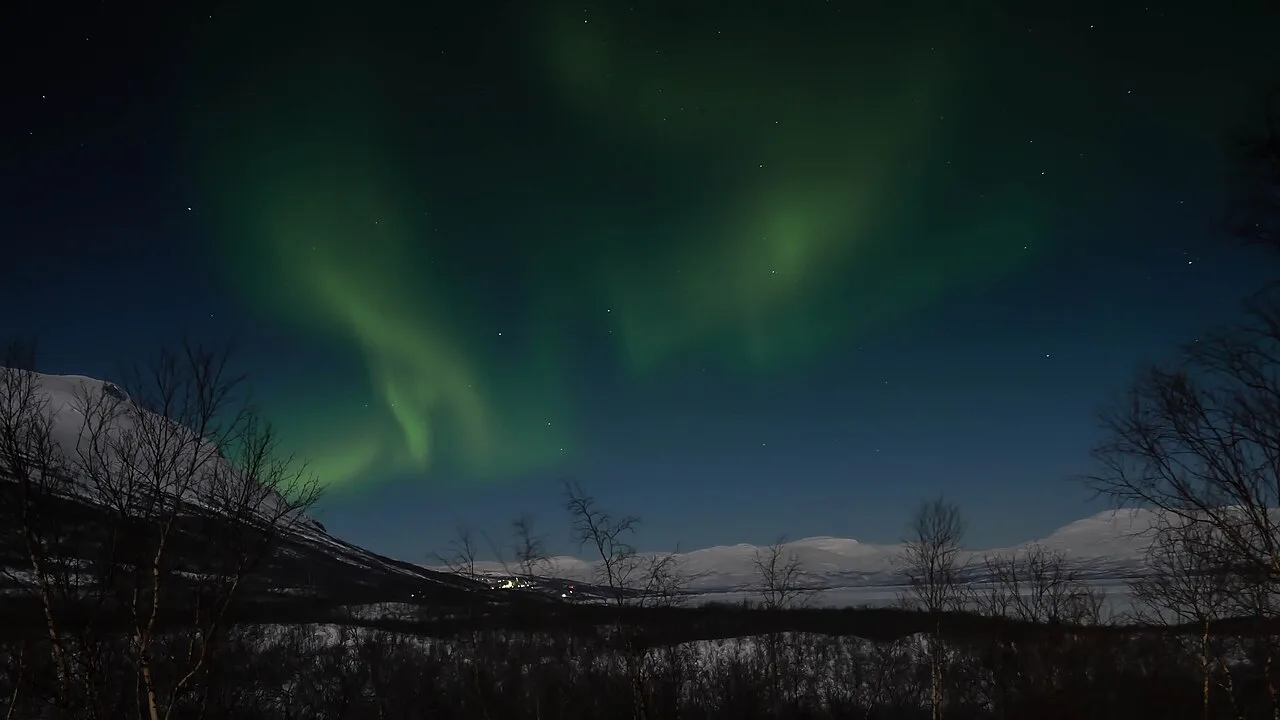
The village sits beside the Torne River, and open riverbank and forest edges outside the built-up area give you darker sky than the lit hotel grounds. On a clear, active night, walking a short way from the buildings is often enough to see structure in the aurora. Bring a headlamp for the path back and let someone at the hotel know where you are going if you head out alone.
Kiruna is the nearest larger town, and its lights wash out the low northern sky, so staying in the village rather than town helps. If the forecast is poor locally, guides sometimes drive toward clearer gaps, which is why a tour can beat standing still. Weigh a self-guided walk against a booked chase depending on how mobile you are and how many nights you have.
Self-guided chasing versus an aurora tour
Self-guided watching from Jukkasjärvi suits travellers with a car, patience and a few nights to spare. You watch the cloud forecast, step outside, and accept that some nights produce nothing. It costs nothing beyond your time, but it depends on you being awake and willing to go out in the cold.
A guided tour adds local weather judgement and transport to clearer spots, often by minibus or snowmobile-drawn sled, with the guide handling the driving. Icehotel lists activities and aurora experiences among its bookable options, and packages can bundle them. Check what a tour includes, such as transport and warm clothing, before you count on it.
Husky sledding and other winter activities
Icehotel runs and books a broad activity programme: dog sledding, snowmobiling, ice sculpting and wilderness meals among them, depending on the season. The hotel advertises activities for everyone whether you want to hike, go dog sledding or experience rafting in summer. Book popular slots early in your stay so a weather cancellation leaves room to reschedule.
For a wider winter context beyond the hotel grounds, Swedish Lapland in winter covers snow conditions, daylight and other bases. If your trip coincides with events elsewhere, the Jokkmokk winter market is a well-known Sámi gathering worth planning around.
Food, drink and the ICEBAR
Meals at Icehotel are part of the experience, with the hotel describing quietly savoured, locally sourced dishes rather than fast food. There is a restaurant and the ICEBAR by Icehotel, where drinks are served in an ice setting. Packages such as the Food Experience bundle dining with Arctic adventures for travellers who want the culinary side.
If you are staying only one night cold, plan meals around the warm building and normal mealtimes rather than the ice room. Dinner reservations in peak season fill up, so book with your room rather than arriving and hoping. The summer and winter menus differ, so check what is running during your dates.
Packages versus room-only bookings
Icehotel sells several winter packages: the Northern Lights Winter package, available from December 1, the Winter Package, also from December 1, the Winter Deluxe version, and the Arctic Reset New Year's Eve package. The Food Experience starts from December 12 and combines dining with a full Arctic holiday. These bundles typically include accommodation, breakfast and activities, which can be simpler than assembling parts yourself.
Room-only suits travellers who already have a vehicle, a plan and their own activity bookings. Packages make more sense if you want the logistics handled and are happy with the set inclusions. Compare what each package covers before deciding, since the price differences reflect activities and room categories, not just nights.
The summer and midnight-sun side
Icehotel operates year-round and markets summer stays built around the midnight sun, which shines above Jukkasjärvi for 47 days each summer according to the hotel. The warm rooms and Art Suite 365 remain available, and activities shift to hiking and rafting on the Torne River. Summer visitors get long light and a very different landscape, but not aurora.
If you want both the ice hotel and the northern lights, winter is the season to choose. Summer is for those who value endless daylight and mild outdoor activity over dark skies. Decide which experience matters more before you book.
How many nights to plan
A fair aurora trip needs several nights, not one. With a three- or four-night stay you give yourself repeated chances at clear skies, and you can absorb a cloudy night without losing the whole trip. If you are adding Icehotel to a longer Lapland itinerary, treat the cold room as one night within that buffer rather than the centrepiece of a short break.
Pairing Jukkasjärvi with another base, such as Abisko National Park, spreads your bets across different weather patterns. That said, two bases mean more transfers and less time outdoors, so weigh the flexibility against the logistics. For a first trip, a compact stay with three or four nights is usually the better balance.
Who Icehotel suits
Icehotel suits travellers who want a design-led, memorable Arctic experience and are comfortable with cold rooms for a night. It is also a good fit for couples and small groups combining art, food and activities in one place. Families should confirm which rooms and activities accept children before booking, since cold-room stays are not for everyone.
Those who prioritise comfort, low cost or maximum aurora-watching time might prefer a warm base in Kiruna or a dedicated aurora lodge elsewhere. Travellers wanting the ice hotel primarily for photos can visit as day guests and sleep warm. There is no single right answer, only the trade-off that fits your trip.
Booking and what to arrange direct
Book rooms and packages through the official Icehotel site and its calendar, and confirm transfers through the hotel's transfer booking page. Volatile details such as rates, package contents and exact opening events are published there.
The hotel's published packages, including the Northern Lights Winter and Winter Deluxe options, show what is included and when each starts. Compare those inclusions against your own plan before committing. If you are booking independently, arrange activities and airport transfers separately so nothing is left to the last minute.
Alternatives near Kiruna and across Swedish Lapland
Swedish Lapland has several bases worth considering alongside Jukkasjärvi. Abisko National Park is known for clear, dry skies and a mountain setting, and you can weigh it against the hotel with this Abisko northern lights guide, while Kiruna offers town amenities and transport links. Smaller lodges across the region trade scale for quiet and personal service.
If your dates overlap with the Jokkmokk winter market, that region adds a cultural dimension to a Lapland trip. Otherwise, choose between an Icehotel-centred stay and a broader route through the region. Each option has different weather, comfort and cost implications, so match it to what you most want from the trip.
Plan Your Winter Stay
Icehotel is a distinctive, art-driven Arctic experience rather than a guaranteed aurora machine. Book one cold night if the idea appeals, add warm nights either side, and give yourself several nights in the region to raise your chances of clear skies. Arrange transfers and popular activities early, and watch the forecast rather than relying on any single night.
When you book, use the official Icehotel site for rooms, packages and transfers, and keep your dates flexible enough to shift an aurora night if the weather turns. That combination of a memorable stay and a realistic plan is what makes a winter trip to Jukkasjärvi worth it.
Frequently Asked Questions
Is the Icehotel in Sweden real?
Yes. Icehotel is a working hotel and art exhibition in Jukkasjärvi, built each winter from ice harvested from the Torne River. The cold Art Suites and Ice Rooms are available from December through April, while warm cabins, Kaamos rooms and Art Suite 365 stay open year-round, so you can sleep in ice or in a normal warm room depending on what you book.
How cold is it in the Icehotel in Sweden?
Cold rooms and suites are built from ice and snow for the winter season, so they are kept at sub-zero temperatures by design. Guests sleep in supplied sleeping bags rather than ordinary bedding, and the hotel publishes how a night in a cold room works, including the routine and what the room provides. Warm cabins and hotel rooms on the same site are heated normally.
How far is Icehotel from Kiruna?
Icehotel stands in Jukkasjärvi, roughly 17 km from Kiruna, the nearest town and the region's transport hub for flights and rail. Book your transfer through Icehotel's transfer booking page; check current details before travelling. Staying in the village also puts you closer to dark riverbank and forest spots for aurora watching.
When is the Icehotel open?
The winter ice rooms and art suites run from December through April, and the winter packages the hotel advertises start from December 1. Warm year-round accommodation, including Art Suite 365 and the Kaamos rooms, operates outside those months as well, with summer stays built around the midnight sun. Exact nightly availability is shown on the official booking calendar.
Can you see the northern lights from Icehotel?
Jukkasjärvi sits inside the auroral zone, so displays are possible on clear nights from roughly late August through early April, but cloud and solar activity decide what you actually see. Walking a short way from the lit hotel grounds toward the open riverbank and forest edges improves your view. Staying several nights, or booking a guided chase that can drive to clearer sky, gives you more chances.
Do you sleep in the ice rooms for a whole night?
Yes, but as a managed experience rather than rough camping. You are equipped for the cold, sleep in a sleeping bag in the art suite or ice room, and have access to a warm building for washing and changing. Many travellers book a single cold night and add one or two warm nights at the same site, so the ice room is the highlight rather than the whole stay.
Sources
Notes for your Arctic winter trip
Optional updates to our northern lights guides.
You might also like

Continue reading
More guides you'll find useful