Jokkmokk Winter Market: Swedish Lapland Sámi Guide
Jokkmokk Winter Market fills the town each February with Sámi craft, food and joik. Here is what happens, when it runs and how to plan around it.
On this page
Jokkmokk Winter Market is the rare Arctic event that rewards culture travelers and aurora watchers at once. For three days the town fills with outdoor stalls, indoor craft markets, lectures, concerts and the crowded square where Sámi families from across Sápmi meet, while the nights outside stay long and dark. It suits travelers who want deep Sámi culture in genuinely cold conditions over those hunting comfort or guaranteed skies.
What the Jokkmokk winter market is
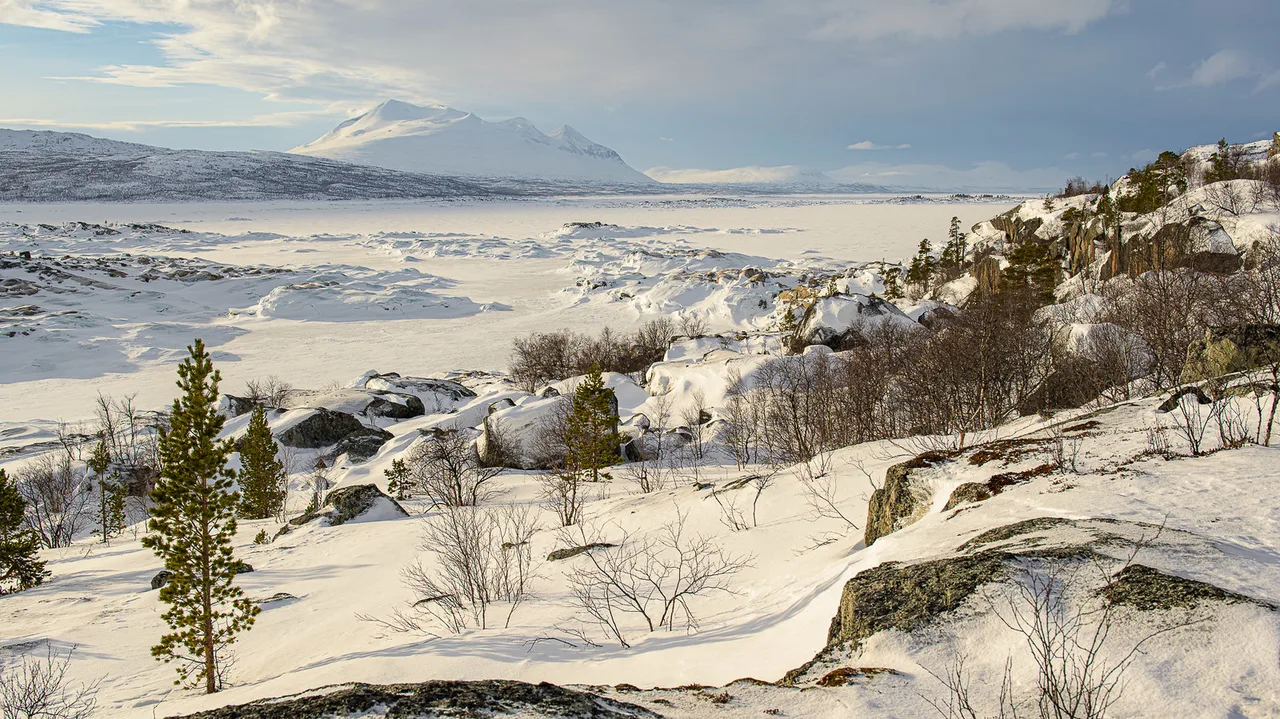
Jokkmokk Market is a Sámi trading gathering with a documented history stretching back more than four centuries, held every year on the first Thursday of February. The town itself has a population of just over 2,000 and sits just north of the Polar Circle, on the edge of Laponia, Scandinavia's only combined nature and cultural heritage site. That puts you in genuine Arctic winter rather than a southern approximation of it, with the cold that such a position implies.
The 2027 edition runs from Thursday 4 February to Saturday 6 February and is billed as the 422nd market. The open-air market area operates Thursday to Saturday between 10:00 and 18:00, but events continue around town through the week and into the evenings, which is why arriving before Thursday is worth considering.
Be ready for hard cold rather than picturesque cold: temperatures below minus 30°C are not unusual during market week. That single fact shapes the itinerary, pushing most people to a few intense hours outdoors each day and a warm base to return to.
Where Jokkmokk is and how far north
Jokkmokk lies inland in Swedish Norrbotten, north of the Arctic Circle and close to the Laponia World Heritage area. Inland position and distance from the coast are what give the region its dry, clear winter weather much of the time, though cloud can settle in for days. Treat clear skies as a possibility to plan around, not a fixture.
In February, daylight is limited to a few hours and the sun stays low even at midday. That short window is best used for the museum, the indoor craft venues and the colder walks, saving the long dark for the square, concerts and any aurora attempt.
When the market runs and when the program appears
Plan your travel around the official dates and confirm the market-area hours before booking transport. The program for each year's market is usually ready in December, so event tickets and lectures are better arranged later than your accommodation.
The town's tourist office answers practical questions about visiting during market week, and the market organisers run a page on package trips by bus and flight for those who prefer a structured arrival.
What happens around the market square
Expect hundreds of vendors spread across the outdoor market and several indoor markets, from sweets and novelty shirts to serious Sámi craft. Giant Sámi tents turn part of the central square into a gathering zone, and there is a snow stage for performances. The atmosphere is busy and sociable rather than serene, so pick your hours: mornings are calmer than mid-afternoon.
Much of the best of the market happens off the square and in the evenings. Local organisers fill the week with seminars, exhibitions, concerts and theatre, and wandering beyond the main market area is often how visitors find the events they remember most.
Sámi art, craft and design
Sámi Duodji, the Sámi handicraft foundation, is a natural first stop: it opens new temporary exhibitions each market and stocks traditional pieces alongside modern Sámi design. Because the foundation is non-profit, a large share of each price tag goes directly to the artisan who made the item, which makes it a straightforward place to buy a knife, a reindeer-leather bag or Sámi silver.
The Sámi Education Centre runs a handicraft market where you buy directly from makers, and its second-year students stage an exhibition during the market week. In town, Stoorstålka sells leather work, woven bands and patterns at Lars Piraks Torg, while Systrarna Viltok and Anneli Kråik's Fjällriket are worth the walk for modern design and rotating exhibitions by local artists.
Ájtte Sámi Museum, lectures and concerts
Ájtte Sámi Museum in the centre of town is the obvious anchor for a cold-weather afternoon. Its exhibitions on duodji, the region's seasonal life and Sámi drums repay slow viewing, and the museum runs lectures and concerts during market week; the market program lists the year's lineup.
Joik performances are the evening highlight for many visitors, staged in venues across town and often at several time slots on the same day. Pick one or two concerts rather than trying to cover everything, and leave the rest of the night open in case the sky clears.
Food at the market
Jokkmokk is a serious place to eat during market week. Street food made from reindeer and elk, smoked reindeer sausage and Sápmi Ren och Vilt's reindeer delicacies are all part of the experience, and Souvaskungen's suovas on handmade bread has a following. Try gahkku warm so the butter melts into it.
Food here leans on what the region produces, which is part of the appeal for travelers who want more than market snacks. Treat a market lunch as a destination meal rather than fuel between stalls.
Aurora chances during market week
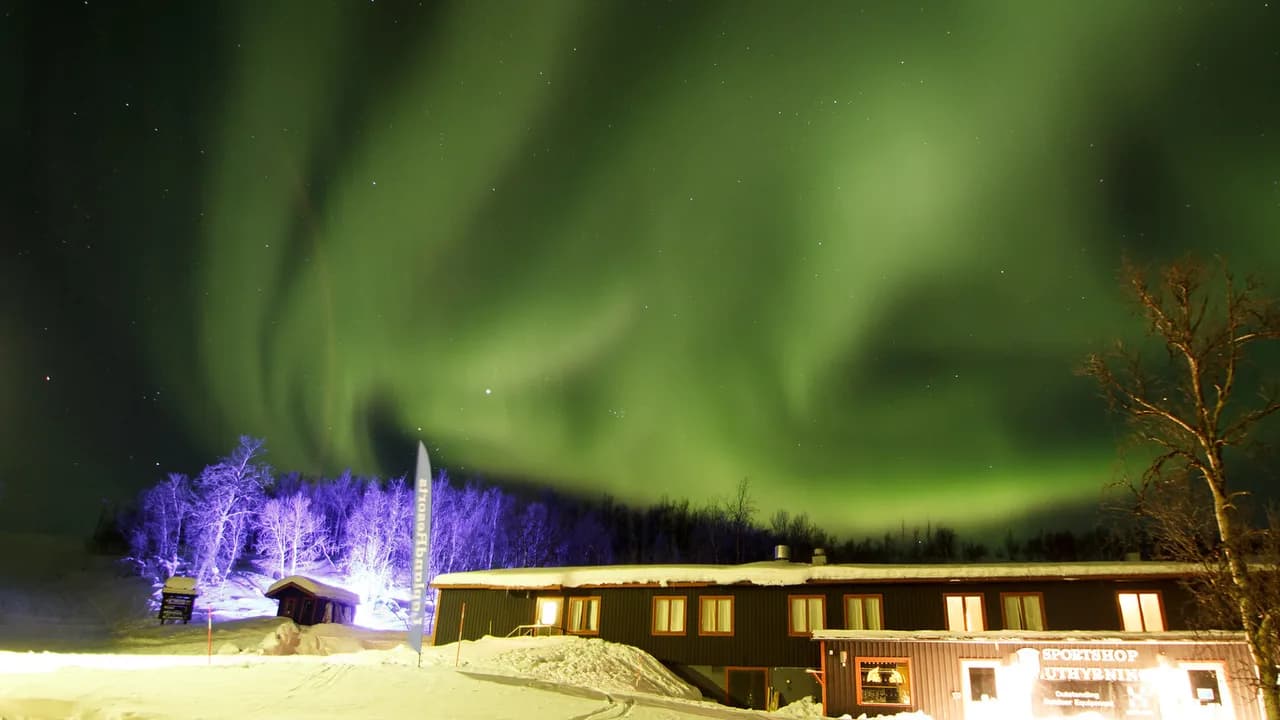
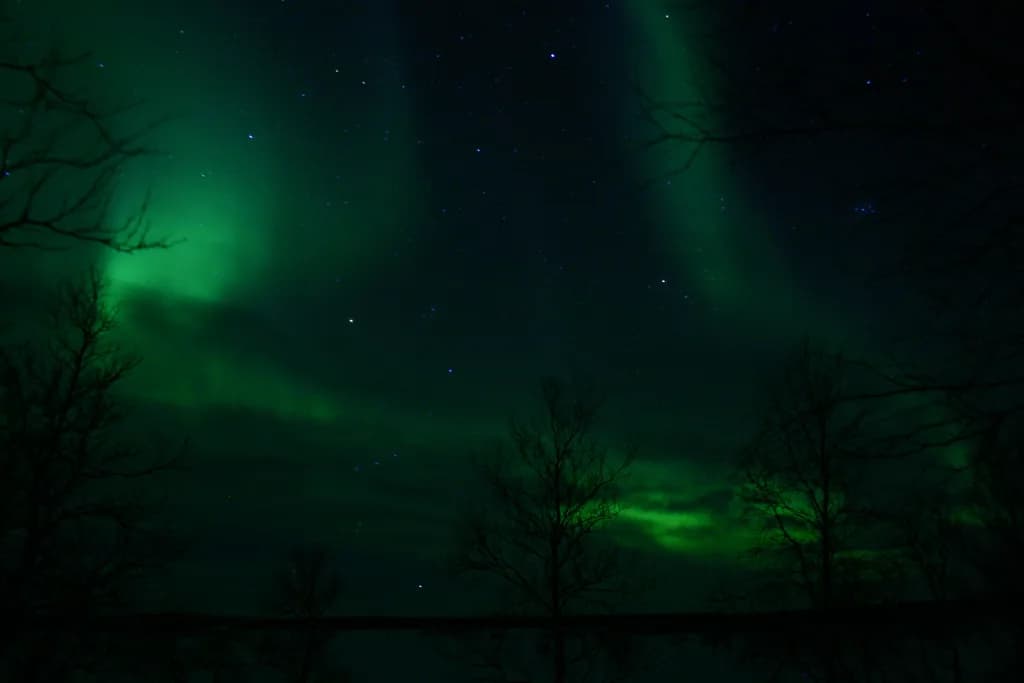
February gives Jokkmokk long, dark nights inside the aurora season, and the town's inland position is a real advantage when the sky is clear. The aurora shows here whenever solar activity and cloud cover cooperate; no operator can promise a sighting, and Kp forecasts are guidance only. Book dark-sky time, not a guaranteed result.
For the best odds, step away from the lit square toward the darker edges of town, keeping in mind the cold. If you want a guided night with transport and interpretation, see what operators offer on northern lights tours in Swedish Lapland; comparing the northern lights in Sweden more broadly is useful if you plan to extend your trip to Abisko National Park or another base with famously dark surroundings.
How many nights to plan
Three nights is a fair minimum: one full market day, one for museums, craft venues and a concert, and one kept flexible for a dark-sky evening. Add a fourth night if you want to travel outside town by day. Because February daylight is brief, splitting days into a daytime outing and an evening plan works better than trying to do both at once.
Getting there, accommodation and booking
Most travelers reach Jokkmokk by road from Luleå, with bus and rental car the usual options for the final leg. If you plan to break the journey there, our Luleå northern lights guide covers the season and viewing spots worth a night. Accommodation during market week is limited in a town this small, so book early and confirm your dates against the official 2027 market schedule before committing.
If you would rather not piece together the journey, the organisers publish package trips by bus and flight for the market. The program is usually ready in December, which is the right moment to add lectures and concert tickets.
Who the market suits
It suits culture-first travelers who can handle severe cold and enjoy crowded, lively streets, and it rewards anyone curious about Sámi craft, food and joik. It suits aurora hunters who want dark skies without giving up a cultural itinerary. It does not suit anyone seeking guaranteed aurora shows, comfort-first travel or a quiet winter retreat.
If you want to combine the market with a glass-igloo stay, add nights elsewhere in Swedish Lapland; the Icehotel Jukkasjärvi guide covers the Icehotel Sweden options, including the year-round Icehotel 365 and what to expect in winter along the Torne River.
Attending the market with a dog
The published material about Jokkmokk Market does not set out a dog policy for the market area, so the practical answer for anyone travelling with a dog rests on what is described rather than on rules that are not stated. What the sources do make clear is the shape of the event: the dates for Jokkmokk Market 2027 are from Thursday, February 4th to Saturday, February 6th, it is the 422st market, and the market area is open Thursday to Saturday between 10:00 and 18:00, with activities going on all week long, even in the evenings.
That timetable matters for planning dog care. Jokkmokk Market begins on the first Thursday of February every year, and visitors are usually greeted by proper, cold winter weather. Combining a winter market day with a dog means choosing how much of the ten-to-six window you spend among the stands and events, and remembering that the evenings also carry activities if you intend to attend them.
For the parts of the market that are indoors, the sources describe places rather than animal rules. At market time, the Sámi folk high school (Samernas Utbildningscentrum) becomes a focal point for art and handicraft, with exhibitions by a number of artists, and its handcraft market lets visitors purchase items directly from artisans. Sámi Duodji, the Sámi Handicrafts Foundation, has a building filled with Sámi crafts, opens new temporary exhibitions every market, and fills its store to the brim. The Ájtte museum in the centre of town covers the history and traditions of Sámi culture, and during the winter market you can rest your weary legs at an informative lecture or visit one of the temporary exhibitions. These are described as indoor, building-based stops, which is the detail worth weighing when you decide where a dog can reasonably accompany you and where it cannot.
The market also spreads beyond the square: hundreds of vendors are in place and hundreds of events take place all over Jokkmokk during the market days and nights, and a local guide's best recommendation is to dare to wander outside the market area. If your dog is with you for those wanderings, the gathering itself is described as the time when all of Jokkmokk comes together to create meeting places and open homes, so the quiet moments away from the crowd are likely to be found out in the town rather than in the middle of it.
Plan Your February Visit
Build your Jokkmokk trip around the market's Thursday-to-Saturday core and leave the evenings open for concerts, food and whatever the sky does. Book accommodation early, add program events when they are released, and treat the aurora as a possibility you have given yourself a fair chance at rather than a promise.
Frequently Asked Questions
When is the Jokkmokk winter market held?
Jokkmokk Market is held on the first Thursday of February each year, so the core market days always fall in the same week. The 2027 edition runs from Thursday 4 February to Saturday 6 February and is counted as the 422nd market. The market area is open Thursday to Saturday between 10:00 and 18:00, with events continuing around town during the week and in the evenings.
Can you see the northern lights during market week?
February nights in Jokkmokk are long and dark, which places the market inside the aurora season, and the town's inland setting helps when the sky is clear. Whether the aurora appears depends on solar activity and cloud cover, so no operator can guarantee it and Kp values are only a guide. Giving yourself several nights and stepping away from the lit square toward the darker edges of town improves your odds.
How cold is Jokkmokk in February?
Market week is properly cold, and temperatures below minus 30°C are not unusual in Jokkmokk in winter. That shapes how you plan the day: a few focused hours outdoors, with indoor stops at the museum and craft venues between them, works better than a long continuous stretch on the square.
How many days do you need for Jokkmokk Market?
Three nights is a sensible minimum, covering one full market day, one for the museum, craft venues and an evening concert, and one kept flexible for a dark-sky evening. A fourth night gives you room to travel outside town by day. Because February daylight is brief, plan a daytime outing and an evening separately rather than trying to fit both together.
How do you get to Jokkmokk for the market?
Most travelers reach Jokkmokk by road from Luleå, using either a bus or a rental car for the final leg, and the market organisers publish package trips by bus and flight for those who prefer a structured arrival. Accommodation is limited in a town of just over 2,000 people, so reserve early through Jokkmokk's Infocenter. The market program is usually ready in December, which is the point to add concerts and lectures.
Sources
Notes for your Arctic winter trip
Optional updates to our northern lights guides.
You might also like

Continue reading
More guides you'll find useful