Jökulsárlón Hotel, Iceland: Where to Stay Near the Lagoon
Weigh Hotel Jökulsárlón against Fosshotel Glacier Lagoon, with dark-sky spots, hot tub and sauna hours, restaurant times and southeast Iceland winter planning.
On this page
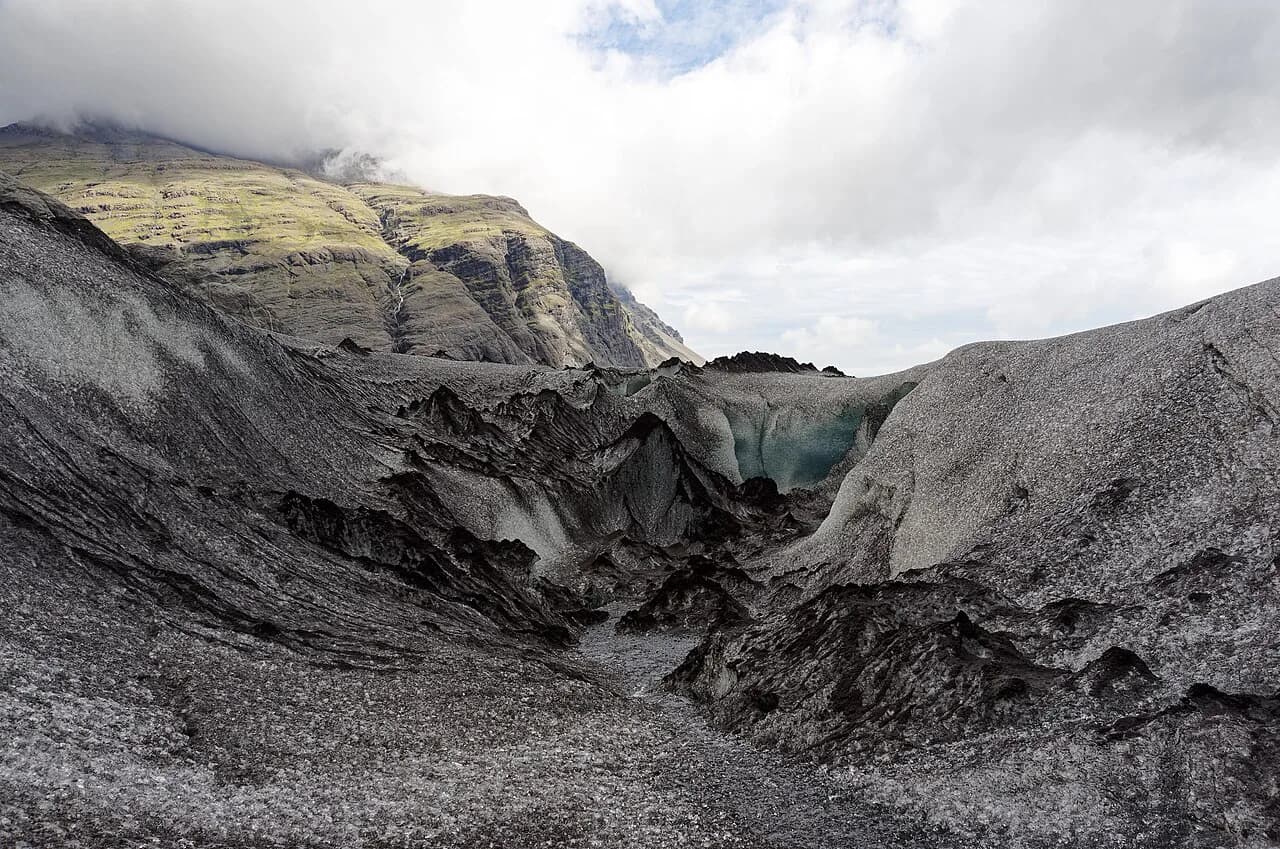
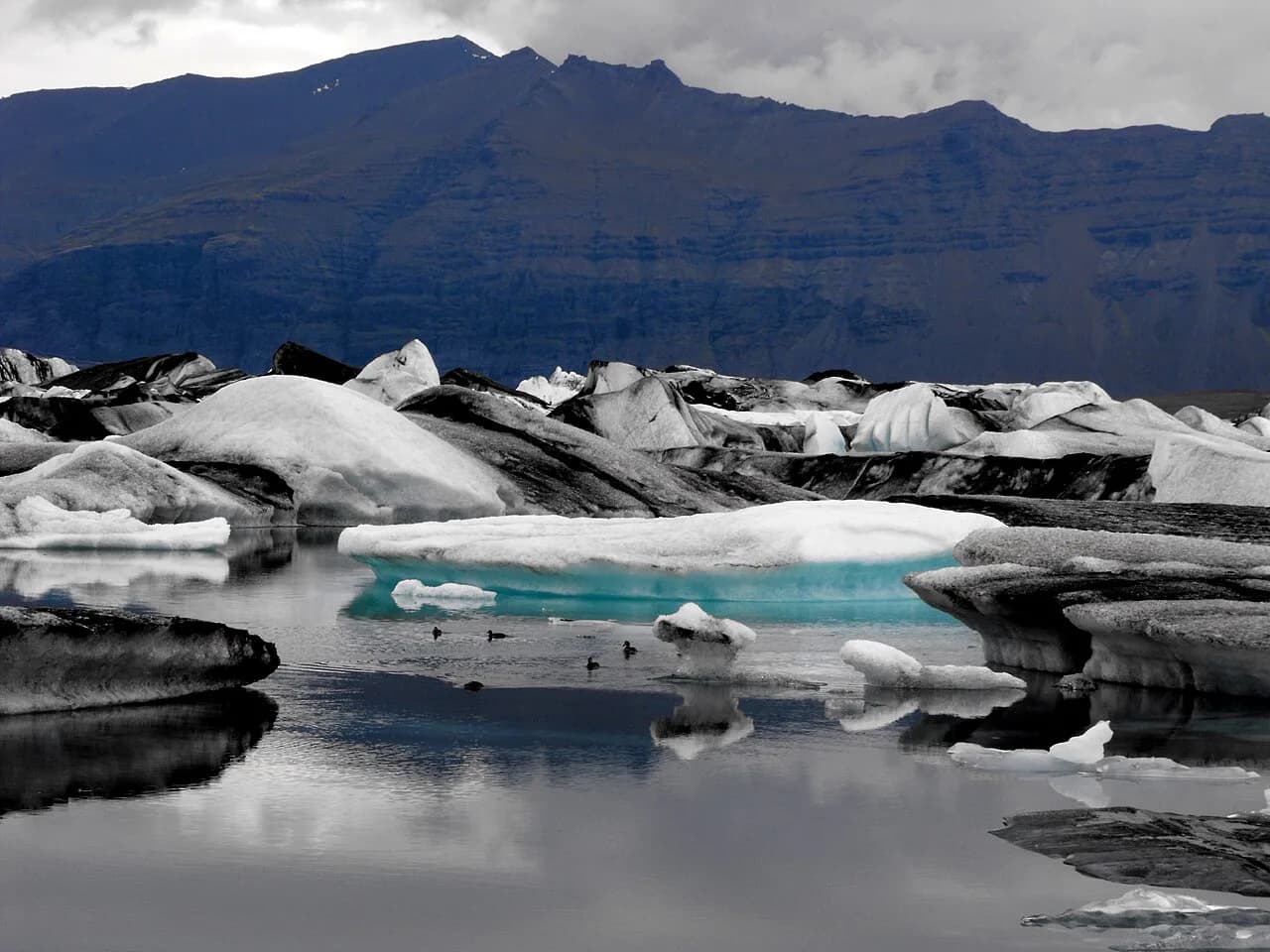
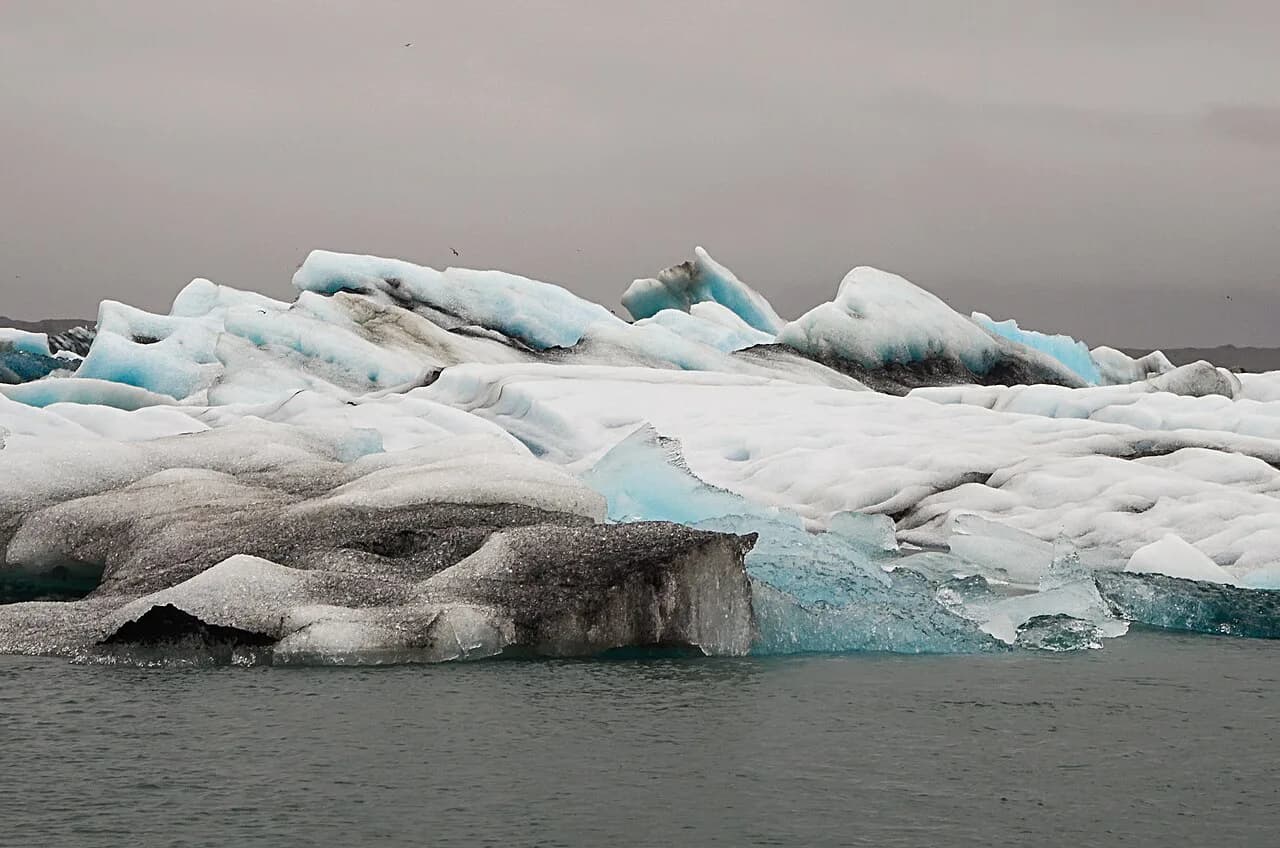
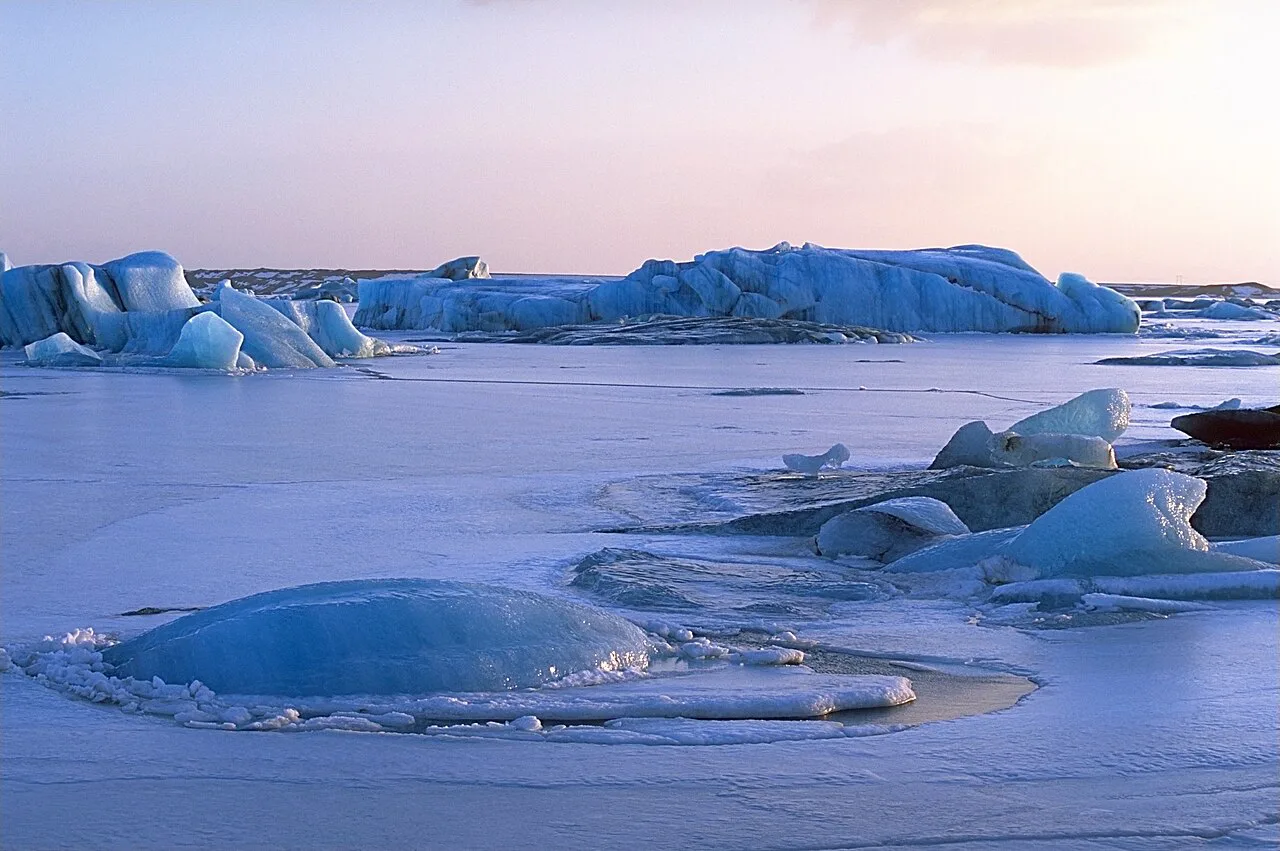
Jökulsárlón is the glacier lagoon on Iceland's southeast coast where icebergs calve off Breiðamerkurjökull and drift toward the sea, and staying overnight here puts you beside the water rather than on a long day return from Reykjavík. The base suits travellers driving Route 1 who want the lagoon and Diamond Beach at quieter hours, and who accept that this stretch of coast is remote, exposed and often cloudy. Hotel Jökulsárlón sits in Suðursveit and combines rooms, a restaurant, outdoor hot tubs and a sauna in one property.
Why Jökulsárlón works as an aurora base in southeast Iceland
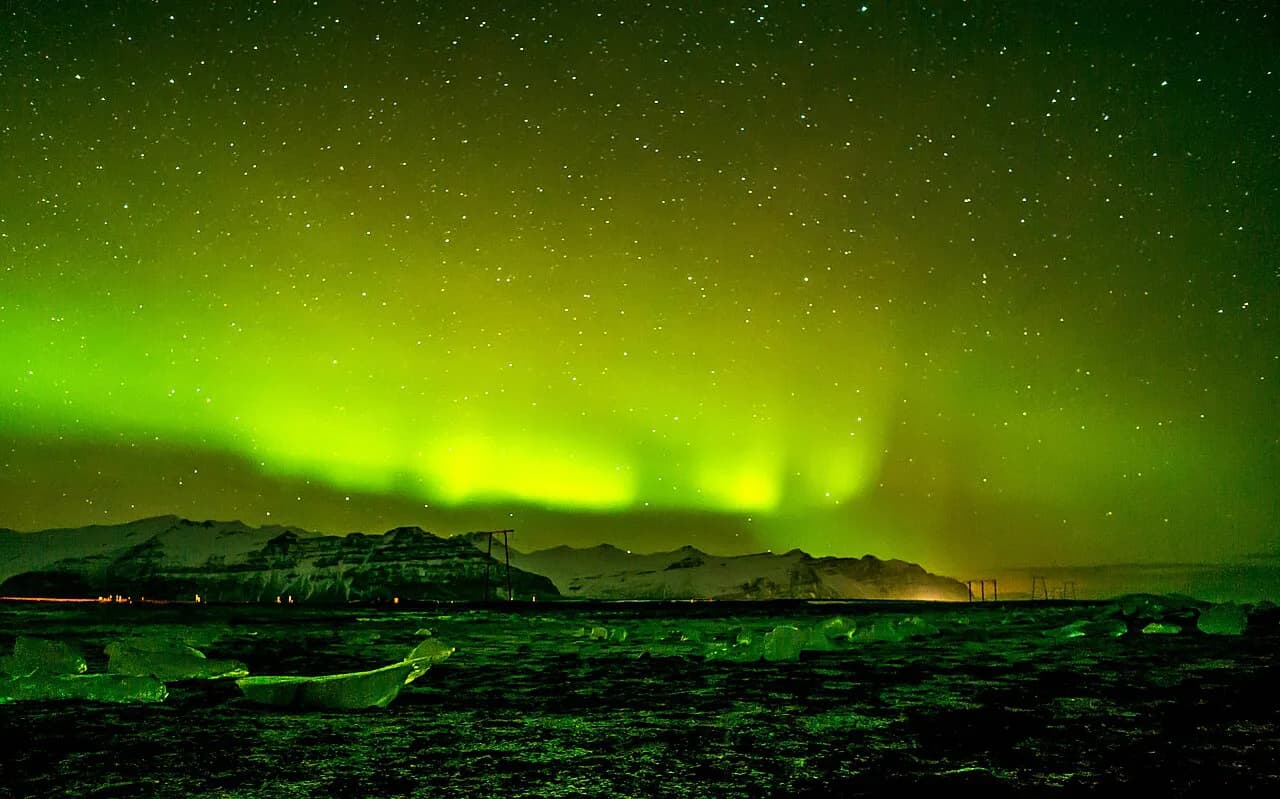
The lagoon lies well south of the Arctic Circle, so the aurora has to be pulled down to the northern horizon rather than appearing overhead, and the long winter nights are what make watching realistic. Between roughly late August and early April the darkness is deep enough for aurora displays, provided the sky clears and solar activity cooperates. Kp forecasts are guidance only; they describe expected geomagnetic disturbance, not what you will see from a specific car park.
What makes this base work is the absence of a town. There is no street lighting to wash out the sky, so once you step away from the hotel windows and vehicle lights, the southern sky is genuinely dark. The trade-off is exposure: this coast catches Atlantic weather systems, and cloud is the single biggest obstacle to a sighting here. Planning more than one night is the most reliable way to improve your odds, because a clear window on any one date cannot be assumed.
How the area is laid out: lagoon, Diamond Beach and the ring-road spur
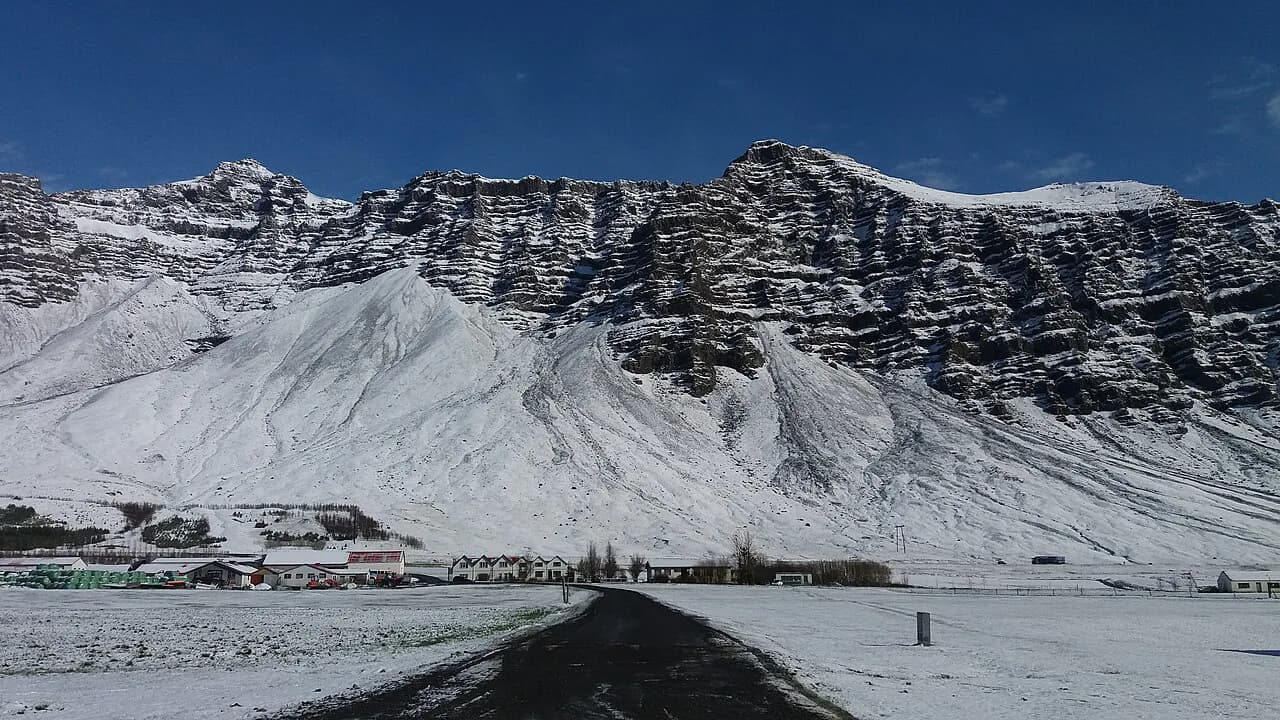
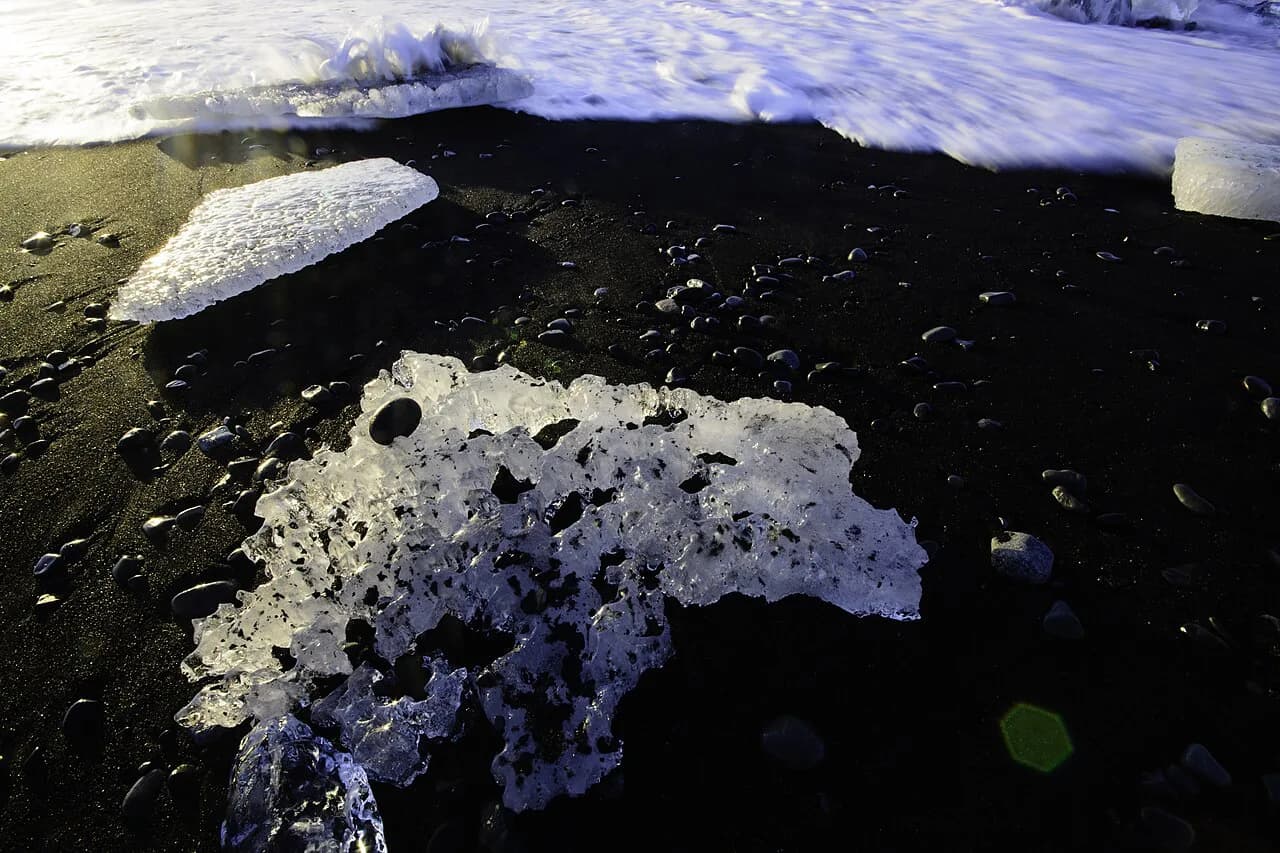
Route 1 runs inland of the lagoon, and a short paved spur turns off the ring road to reach the Jökulsárlón car park and viewing area. Across the road bridge, a separate car park serves Diamond Beach, where ice that has washed ashore glints on the black sand. Hotel Jökulsárlón stands in Suðursveit, a rural district on this same stretch of coast, so the lagoon and the beach are reached by a short drive rather than a walk from the door.
That layout matters after dark. The spur road, the lagoon car park and the Diamond Beach car park are all unlit, and each gives you a place to stand away from the hotel building's glow. Drive slowly and keep vehicle lights off once parked, and stay on marked ground rather than wandering onto ice or toward the water's edge in the dark. The glacier lagoon itself borders Vatnajökull National Park, so normal park rules on access and safety apply around the shoreline.
Hotel Jökulsárlón: rooms, restaurant and opening hours
Hotel Jökulsárlón offers double standard, standard triple, family suite and suite rooms, all non-smoking, with a restaurant on the second floor seating around 180 guests at one sitting. Breakfast runs daily from 07:00 to 10:00, a bar menu is served 12:00 to 18:00, and dinner service runs 18:00 to 22:00. Those fixed windows matter in winter, when you may want an early dinner before a night of aurora watching.
The property is a full-service stop rather than a simple guesthouse: a restaurant, a bar and an outdoor bathing area mean you can eat and unwind without driving further along the coast after dark. Table bookings go through reception by email or phone, and the restaurant sits on the upper floor with views over the surrounding glacier and mountain landscape. For a remote stretch of the south coast, that combination removes a lot of evening logistics.
The outdoor hot tubs and sauna: access rules and timing
The hot tubs and sauna are open from 07:00 to 22:00 and are complimentary for guests staying at the hotel, allocated on a first-come, first-served basis rather than by booking. A bathing suit is required, guests under 18 must be accompanied by an adult, and you need to dry off completely before going back inside. Bringing your own drinks is not allowed; drinks in suitable vessels can be bought at the bar.
Treat the 22:00 closing as a hard boundary when you plan an aurora night. A late soak and a late drive out to the lagoon car park compete for the same hours, so either bathe early and head out afterward, or watch the sky first and save the hot tub for your return if time allows. The outdoor area is a comfort feature, not a viewing platform with any guarantee of clear sky.
Fosshotel Glacier Lagoon and other nearby alternatives
Fosshotel Glacier Lagoon is the other large hotel serving this stretch of coast, and it is the usual comparison for travellers deciding where to base themselves. The main difference in character is scale: Hotel Jökulsárlón's own site presents a property with a 180-seat restaurant, complimentary hot tubs and sauna for guests, and a rural setting in Suðursveit, while Fosshotel Glacier Lagoon is the larger chain-style option nearby with its own bar and restaurant. Neither eliminates cloud, and both sit within reach of the same unlit viewing spots.
A third-party hotel listing describes the Jökulsárlón property as having 120 guestrooms with espresso makers, LED televisions and complimentary Wi-Fi, which gives a sense of its size relative to a small guesthouse. Smaller farm stays and guesthouses are scattered along the coast toward Höfn and back toward Vík, but they add driving distance to the lagoon and put you further from the dark car parks; if you are weighing that western option, our Vík northern lights guide covers where to watch from there. Choose Hotel Jökulsárlón if you want the facilities on site; choose a smaller guesthouse if you prefer quiet and lower cost over convenience.
Where to watch the aurora around the lagoon
The strongest local option is the lagoon's own car park and the shoreline paths around it: unlit, close to the hotel, and facing a broad sweep of sky over the water. Diamond Beach, just across the ring road, gives an open view toward the sea and works well when the aurora sits low in the north. Both are short drives from the hotel, which means you can move between them quickly if cloud builds in one direction.
Keep the car park and beach walks simple: park facing your exit, keep headlights off while others are watching, and use a red torch rather than a phone screen to protect night vision. Avalanche and ice conditions around the lagoon shoreline and the beach change through the winter, so follow any closures or signs and avoid walking onto ice shelves. If the sky stays overcast, accept it and use the night for sleep; a second or third night gives you another chance.
Self-guided chasing versus a guided night tour
Driving yourself gives you flexibility: you can leave when the forecast improves, switch between the lagoon and Diamond Beach, and stay out as long as you like. The catch is that you take on winter road conditions on an exposed coast, and you need to read the Icelandic Met Office cloud and aurora forecasts yourself. Hotel Jökulsárlón is a fixed base, so self-guided watching here means working the short local drives rather than chasing far along Route 1.
Guided night tours from this part of the south coast typically run in small groups with a driver-guide who reads the forecast and moves to clearer ground, and many operators run them from the Höfn and Skaftafell areas. The trade-off is cost and a fixed departure time against local knowledge and someone else doing the driving on icy roads. Book a tour if you are not confident on winter roads; otherwise, use your own car for the short hop to the lagoon car park.
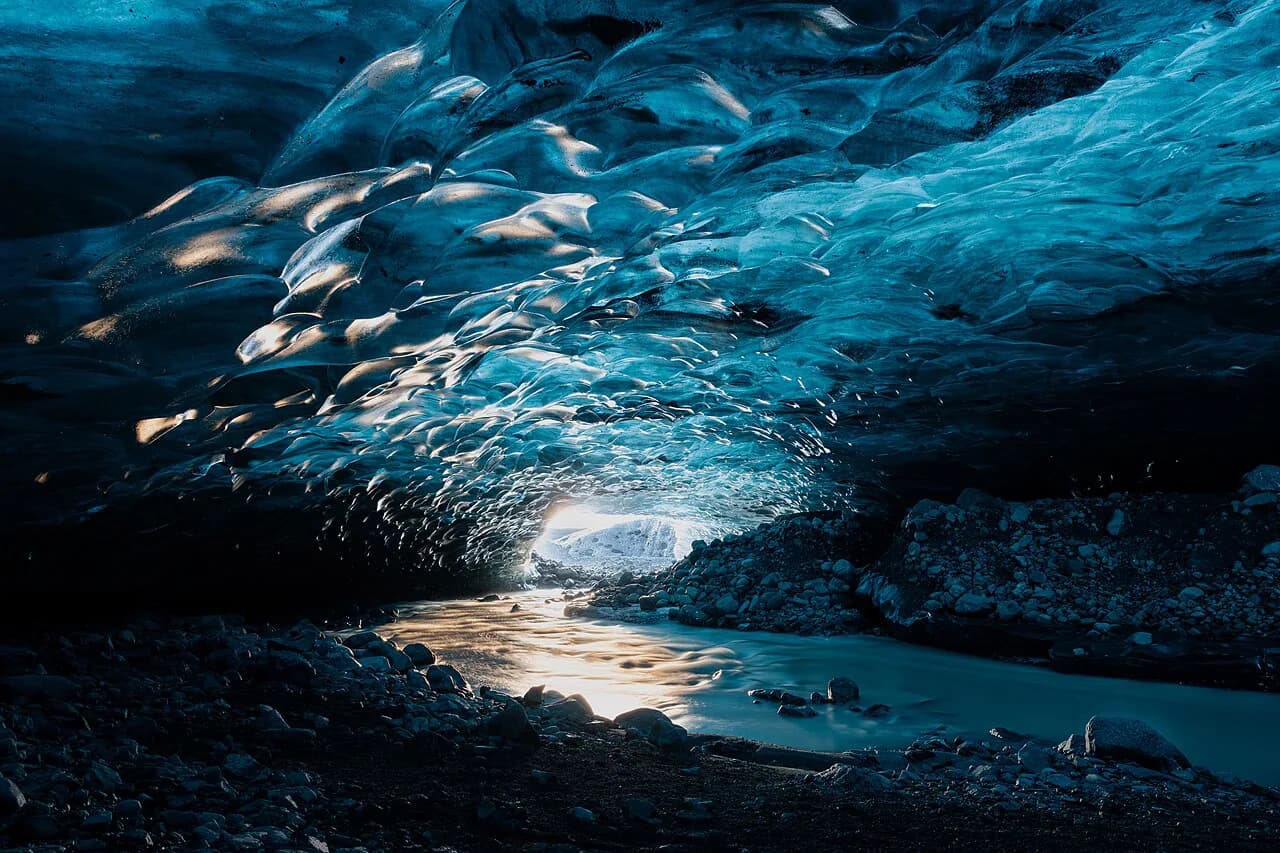
Winter daylight here is short, which shapes the day. December brings only a few hours of usable light, so ice-cave and glacier walks are usually booked for the middle of the day, leaving the evening free for aurora watching. That combination of a daytime ice tour and an evening at the lagoon is the classic reason to stay overnight rather than pass through.
Snow, cloud and daylight in southeast Iceland by month
Southeast Iceland sits under the path of Atlantic depressions, so cloud is frequent year-round and clear winter nights come in windows rather than as a reliable pattern. Snow can lie on the ground from late autumn into spring, and Route 1 in this area is exposed to wind, drifting snow and sudden ice. The Icelandic Met Office publishes cloud, wind and aurora forecasts, and road conditions are tracked by the road authority; both are worth reading on the morning of a viewing night.
Daylight follows the usual northern pattern: very short days around the winter solstice in late December, lengthening quickly through February and March, when the aurora season is still running but evenings are brighter and later. October and early March often balance reasonable darkness with workable driving conditions. No month removes the cloud risk, so build in at least one spare night whatever your dates.
How many nights to plan for a fair chance of clear skies
Three nights at Jökulsárlón gives you a reasonable run at a clear sky without overcommitting to a remote, weather-exposed coast. Two nights is the minimum most aurora-focused travellers should consider, and even then you may leave without a display. Adding nights is the single most effective step, because each extra night is another chance at a break in the cloud rather than a guarantee.
Balance those nights against the rest of your route. If you are driving the full south coast, a two-night stop here lets you see the lagoon, Diamond Beach and an ice cave without rushing, while a third night is a buffer for bad weather. Book rooms and any guided tours early, since this is a small cluster of accommodation on a long, thinly served stretch of coast.
Getting there in winter: roads, driving times and tour transport
Jökulsárlón is reached by Route 1, and the hotel sits in Suðursveit along this coast, so the practical approach is a self-drive along the ring road or a seat on a south-coast tour that stops at the lagoon. Winter driving here means checking road conditions before setting out and allowing extra time for ice, wind and short daylight. Fill the tank where you can; services are sparse between the larger south-coast settlements.
If you would rather not drive in winter, coach tours from Reykjavík pass the lagoon, and multi-day south-coast tours often overnight in this area, which lets you see the lagoon in evening light rather than at midday. The trade-off is less freedom to move between the lagoon and Diamond Beach when the aurora forecast improves. For an aurora-focused trip, a self-drive base at the hotel is usually the more flexible arrangement.
Who each option suits and how to book
Hotel Jökulsárlón suits travellers who want the lagoon on their doorstep, a full dinner service and the option of a hot tub or sauna after a cold evening outside. Fosshotel Glacier Lagoon suits those who prefer a larger chain property with its own bar and restaurant further along the same coast. A small guesthouse near Höfn or Vík suits budget-conscious travellers willing to add driving time.
Book directly with Hotel Jökulsárlón through its own site for rooms and restaurant tables, and book Fosshotel Glacier Lagoon through its own channels. Reserve any guided ice-cave or glacier tour for the middle of a winter day and keep your evenings free for the sky. Two names to keep on hand for planning are the Icelandic Met Office forecast and the hotel reception for table times and local road advice.
Plan Your Jökulsárlón Stay
Staying overnight at Jökulsárlón turns a quick photo stop into a genuine aurora base: dark car parks minutes from the door, hot tubs and a sauna with fixed hours, and a restaurant that serves dinner until 22:00. The trade-off is an exposed, often cloudy coast, which is why multiple nights matter more than any single forecast. Frame your trip around three nights if you can, with the lagoon and Diamond Beach as your local dark-sky spots.
Frequently Asked Questions
Is Jökulsárlón worth staying overnight for the northern lights?
Yes, if you want a dark, unlit base close to the lagoon rather than a long day return from Reykjavík. The lagoon car park and Diamond Beach across the ring road give you open sky within a short drive, and Hotel Jökulsárlón adds a restaurant, hot tubs and a sauna for the hours when the sky stays cloudy. No stay guarantees a display, so plan at least two or three nights to give clear skies a fair chance.
How much does breakfast cost at Hotel Jökulsárlón?
The restaurant serves breakfast daily from 07:00 to 10:00, but a breakfast price is not listed on the hotel's pages. Ask the hotel directly when you book, or check the room rate you are offered, since breakfast is sometimes bundled with certain bookings.
Which is better, Fjallsárlón or Jökulsárlón?
The two lagoons sit close together on the same stretch of Route 1, and Jökulsárlón is the larger and busier of the pair, with Diamond Beach across the road. Fjallsárlón is smaller and often quieter, and works well as a second stop on the same day. If your goal is an overnight aurora base, Jökulsárlón has the nearby hotels, car parks and facilities.
Which hotel is better, Fosshotel Glacier Lagoon or Hotel Jökulsárlón?
Hotel Jökulsárlón combines a restaurant, complimentary guest hot tubs and a sauna, and sits in Suðursveit close to the lagoon, while Fosshotel Glacier Lagoon is the larger chain-style alternative on the same coast. Choose Jökulsárlón for on-site bathing and dinner, and Fosshotel for a bigger branded property. Both are within reach of the same unlit viewing spots.
Can you see the northern lights from the Jökulsárlón car park?
The lagoon car park and the Diamond Beach car park are unlit, so they give you a genuinely dark place to watch the sky without driving far from the hotel. Whether the aurora appears depends on solar activity and, above all, on cloud. Check the Icelandic Met Office aurora and cloud forecast and use the car parks as your local fallback when the sky clears.
Sources
Notes for your Arctic winter trip
Optional updates to our northern lights guides.
You might also like
Continue reading
More guides you'll find useful