Jökulsárlón Aurora Forecast: How to Read the Night Sky
Learn how to read aurora forecasts for Jökulsárlón and Höfn, when the season runs, where the dark spots are and how many nights to allow for clear skies.
On this page
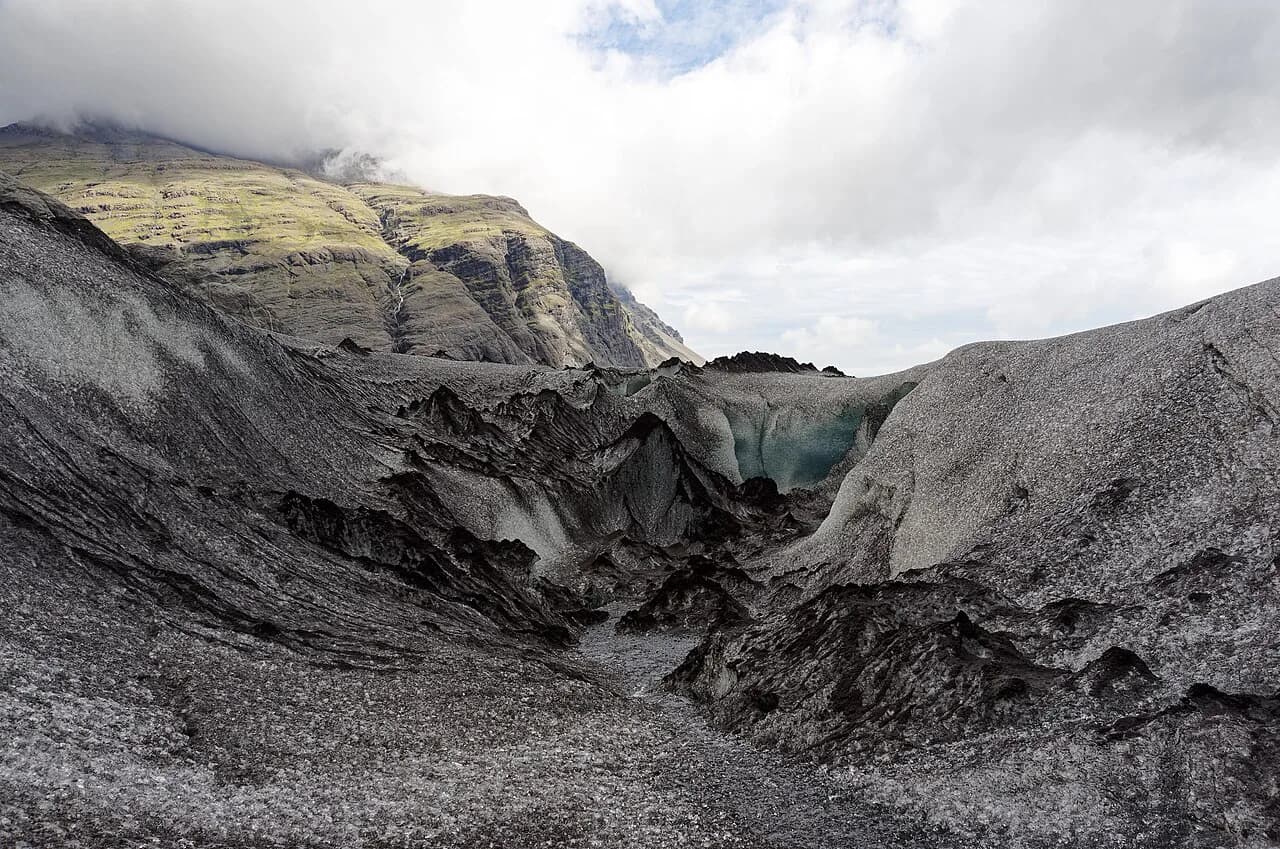
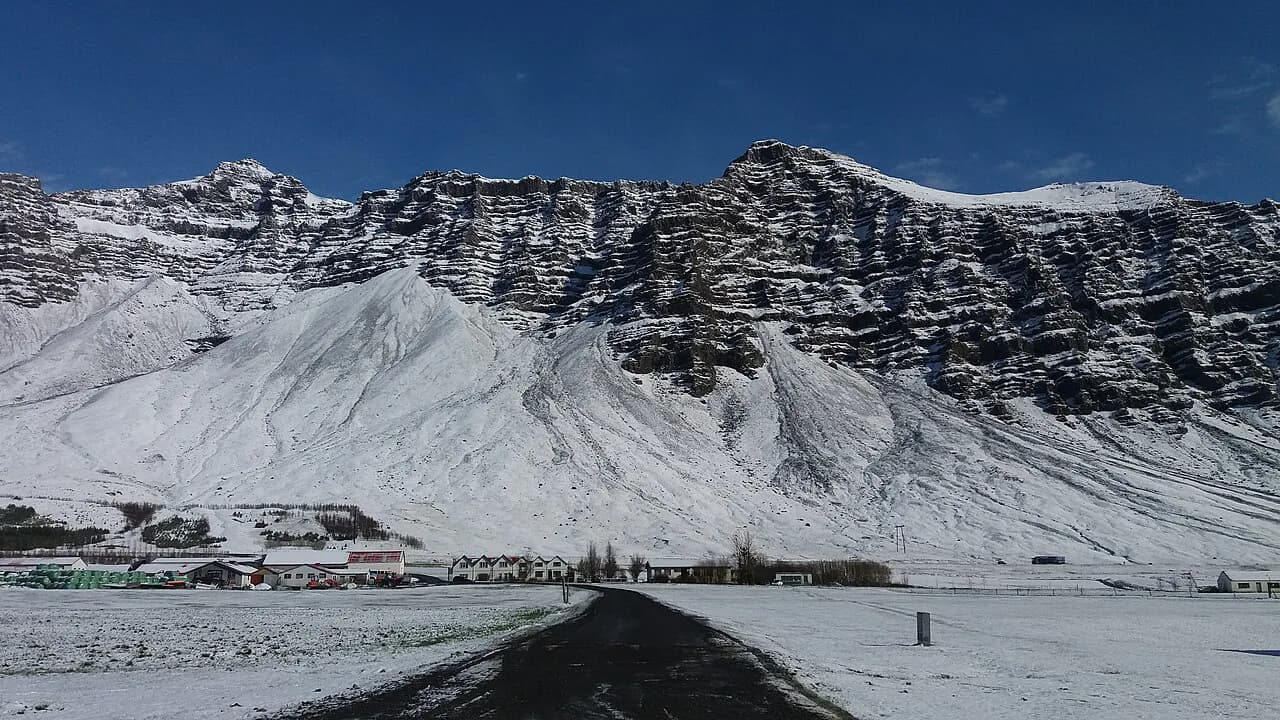
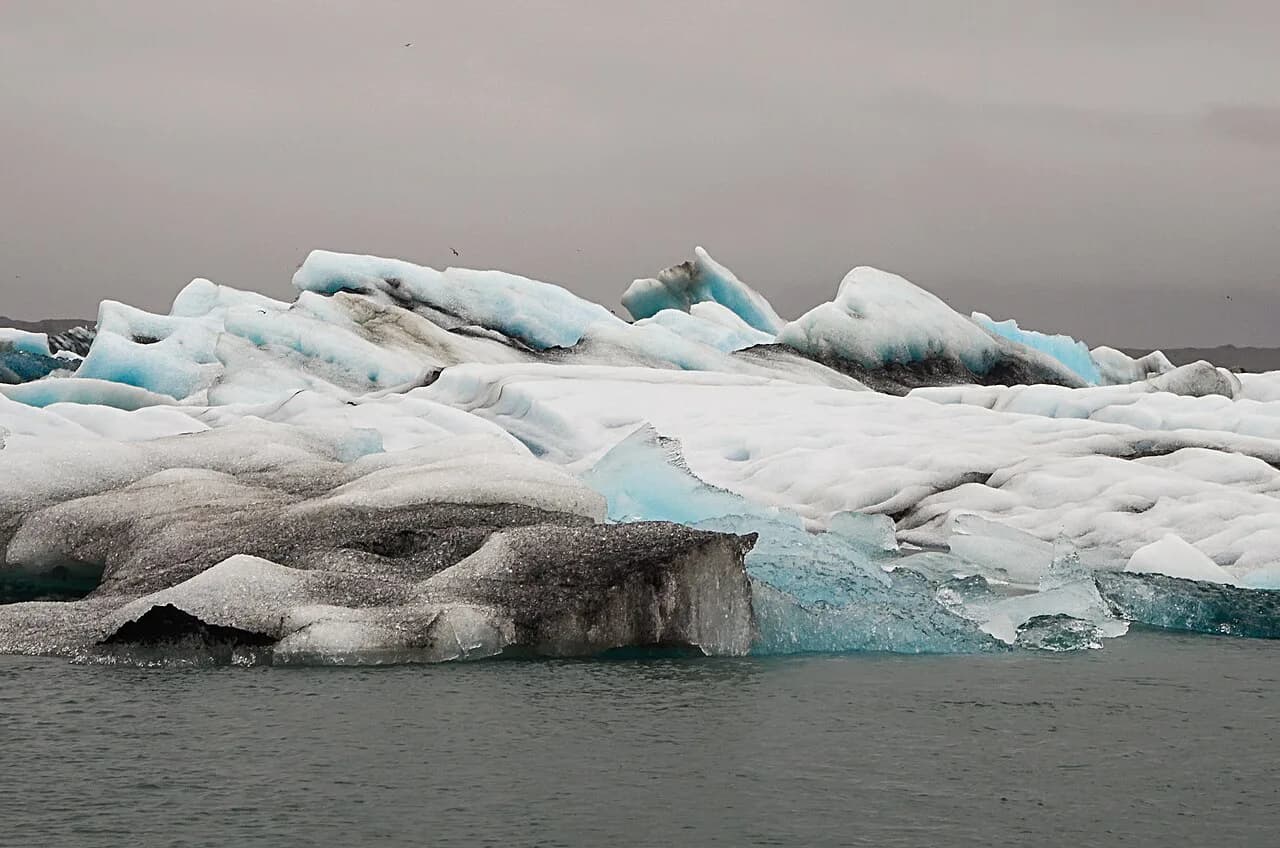
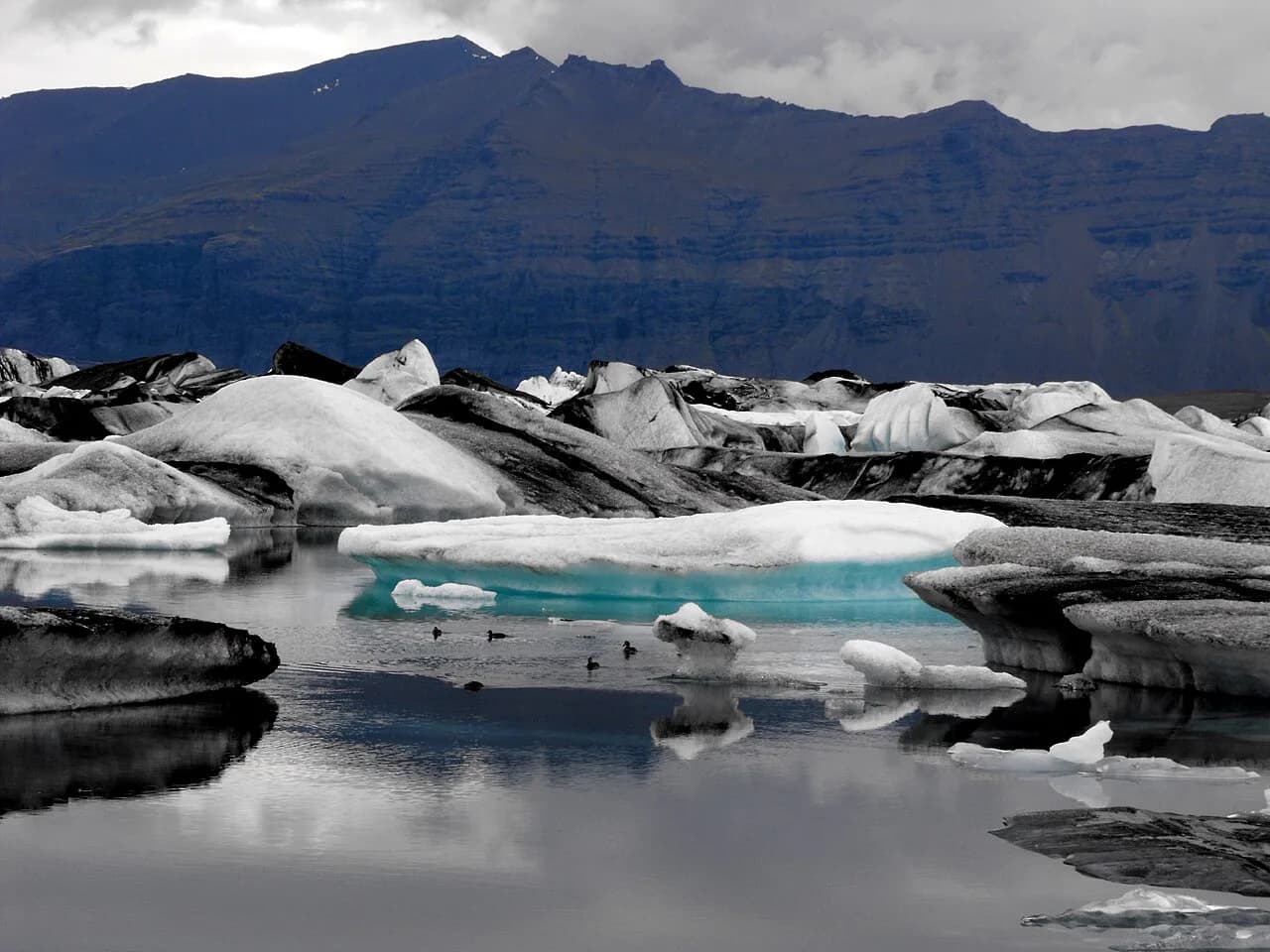
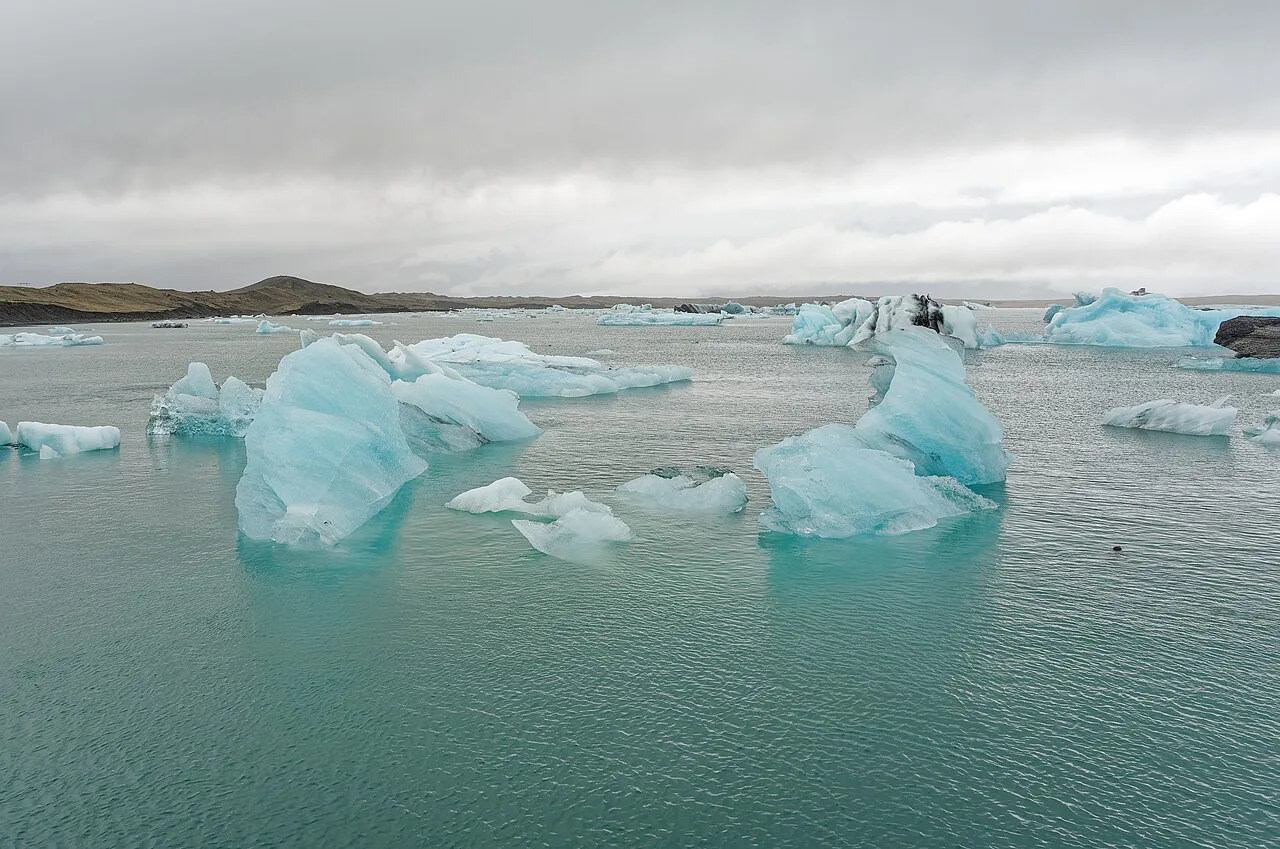
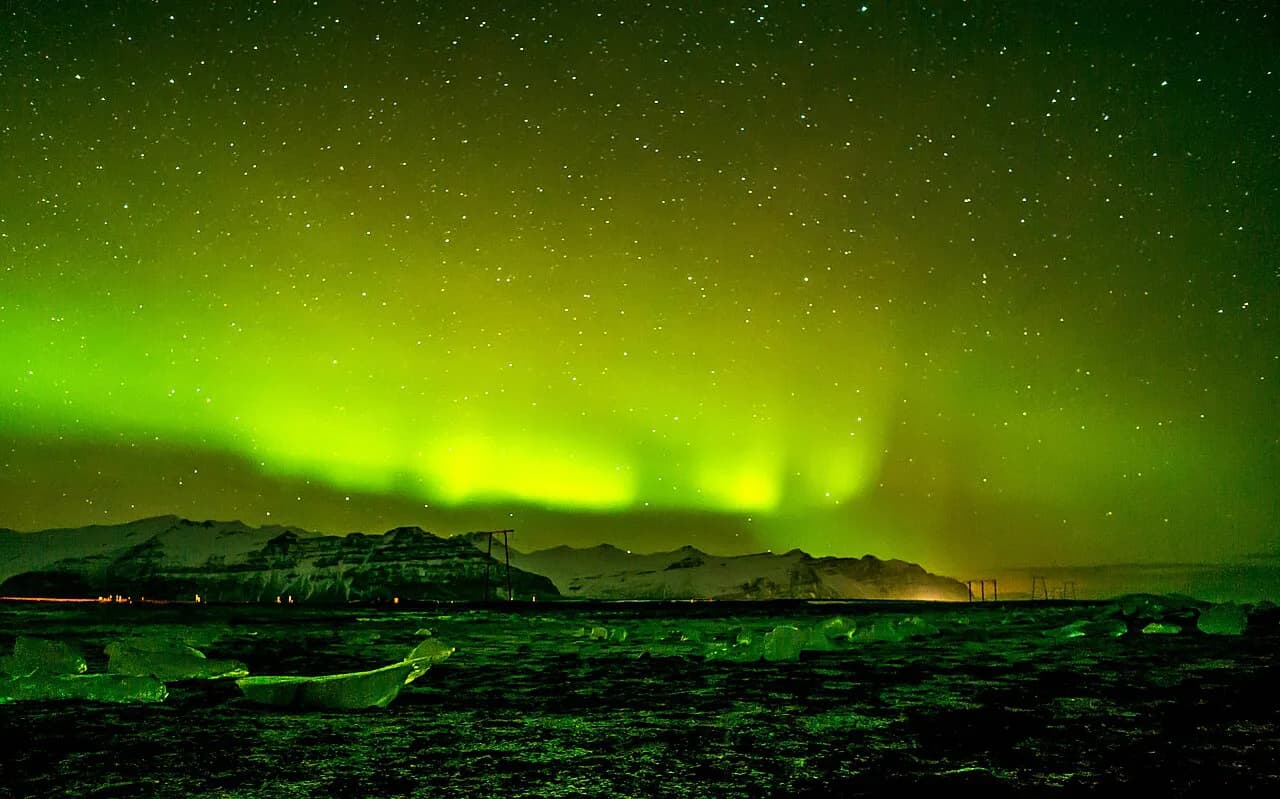
Jökulsárlón puts you on the edge of Vatnajökull, where icebergs calve into a glacial lagoon and drift onto the black sand of Breiðamerkursandur. In winter the surrounding roads, glacier outlets and coastline go dark for long hours, which makes this stretch of southeast Iceland a serious place to watch for the aurora. It suits travelers who are already driving the South Coast and want to build a night or two of sky-watching into the route.
An aurora forecast for Jökulsárlón is never a yes-or-no answer. It is a pairing of geomagnetic activity above Iceland with a cloud forecast for the exact strip of coast you are standing on, and the weaker of the two decides your night.
Why the aurora shows over Jökulsárlón
Iceland sits under the auroral oval, the ring of sky where solar particles funnelled by Earth's magnetic field most often light up. Forecast services put the country's main viewing locations at magnetic latitudes in the mid-60s, with Reykjavík around 64.2° and Selfoss around 63.8°, and displays can appear across Iceland even when the global Kp index reads low.
Jökulsárlón lies east of those towns, near the coast below Vatnajökull, roughly on the same magnetic band. That position means you do not need a major geomagnetic storm for aurora to appear overhead; modest activity can be enough when the sky is open.
What the latitude does not do is clear the clouds. Southeast Iceland collects weather coming off the Atlantic, and the lagoon sits close to the sea, so a promising activity reading can still end under overcast.
When the aurora season runs
The aurora season in Iceland is generally described as running from late August to late April, when nights are dark enough for the lights to show against the sky. Outside that window the nights are too bright at this latitude for anything but faint displays.
Within the season, the equinox months of September and March are often cited as a peak, and a trip planned around a new moon keeps moonlight from washing out faint arcs.
Book your nights around Jökulsárlón with darkness in mind rather than a single date: an October or February visit gives you long nights and a working road network, while a late-April visit trades darkness for longer days on the glacier.
Reading the Kp index for this latitude
The Kp index is a three-hour global average of geomagnetic disturbance, and forecasters warn that it updates slowly and can understate short, localised substorms breaking out right over Iceland. A Kp of 2 on the chart does not mean a quiet sky at the lagoon.
Treat Kp as a rough guide rather than a threshold. Services list the minimum Kp at which their tracked locations may become visible, with northern Icelandic towns placed around Kp 2.0 and southern towns like Selfoss around Kp 3.0, but those figures describe when a location might see something, not when it will.
For planning, a modest reading paired with a clear sky is worth more than a high number behind cloud. Check the iceland aurora forecast alongside the cloud map each afternoon and decide your night from there.
Watching Bz and local magnetic readings
The Bz value tracks the direction of the interplanetary magnetic field, and when it turns negative (southward) it couples with Earth's field and opens the way for particles to reach the upper atmosphere over Iceland. Chasers watch for that flip rather than a single activity score.
Local magnetic observatories, including the Leirvogur station in southwest Iceland, feed live ground readings into aurora apps. Rapid swings on those sensors hint at activity overhead before a wider forecast catches up, which is useful when you are standing at the lagoon with no screen between you and the sky.
None of these readings promise a display. They tell you when it is worth stepping outside and looking north, which is the only real test.
Cloud first, then activity
Icelandic weather shifts constantly, and heavy cloud over Reykjavík does not mean the whole island is blocked. Low cloud is the biggest practical blocker because thick layers of water droplets scatter and absorb the aurora's light before it reaches you.
Read the cloud forecast by region and look for gaps rather than a perfect clear sky. On the South Coast that may mean driving east or west along Route 1 until you find open sky, then waiting.
Real-time sighting reports from other travelers are the ground proof a satellite image cannot give: if someone posts a photo through a break in the cloud a few kilometres away, the sky is opening where you are.
Where to watch near Jökulsárlón
The lagoon shoreline itself gives you open northern horizon over the water, with icebergs catching whatever light appears; park in the marked area and walk only where the ground is clearly firm. The Diamond Beach end, where ice washes onto Breiðamerkursandur, puts you on black sand with the sea behind you and dark sky ahead, though surf makes the waterline unsafe at night.
Between the lagoon and Höfn, the ring road crosses wide open sand plains with few buildings and little light pollution. Pull-offs along that stretch are the simplest dark-sky stops if the coast itself is clouded in.
Höfn, about an hour east, is the practical base for this area, with guesthouses, fuel and food close to the lagoon. Staying there lets you check the sky, drive out to a dark spot and return without committing to a long night on the road.
Bases west along the coast, including Vík and the Skaftafell area, put you within reach of the lagoon for a day but leave a longer night drive if the forecast improves after dark.
Self-driving versus a guided night
Driving yourself gives you the freedom to move with the cloud and stay out as long as you like, but it also means navigating unlit roads and judging ice at night on your own. The South Coast ring road is fast and exposed, and conditions between the lagoon and Höfn change quickly.
Guided departures solve the navigation and the cloud reading, and operators lend thermal suits when the night is cold. Elding's northern lights cruise runs from Reykjavík's old harbour with a 21:00 departure and cancels on nights of unfavourable weather, showing how operators treat a no-go forecast.
From a Reykjavík base, a boat removes road decisions entirely and the harbour is central. From Jökulsárlón, a guided minibus night does the same job for the southeast coast, letting someone else watch for ice while you watch the sky.
The Diamond Beach and lagoon at night
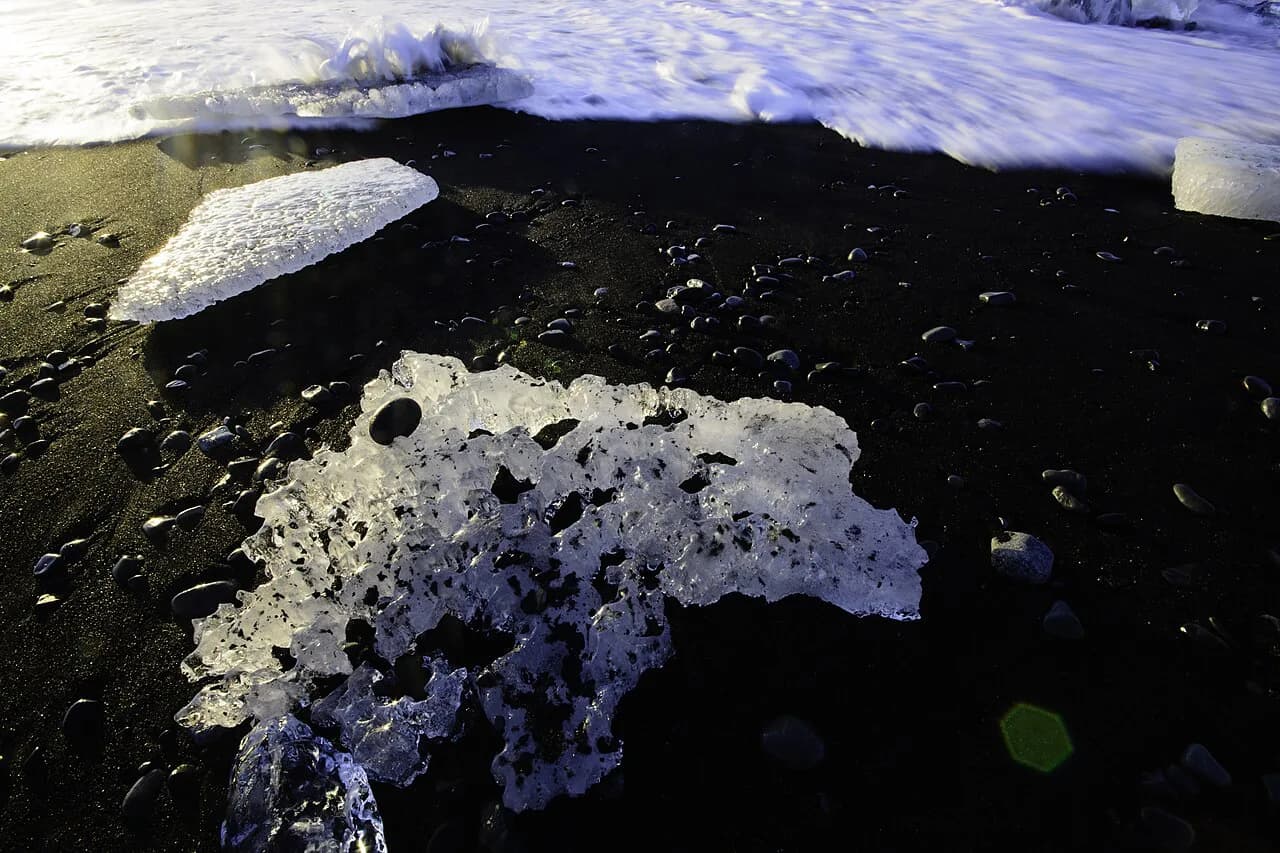
The icebergs stranded on Breiðamerkursandur are striking by day, and at night they read as pale shapes against black sand when the aurora brightens behind them. Photographers favour this end of the lagoon for that foreground, but the surf here has caused fatal accidents, so keep well back from the waterline after dark.
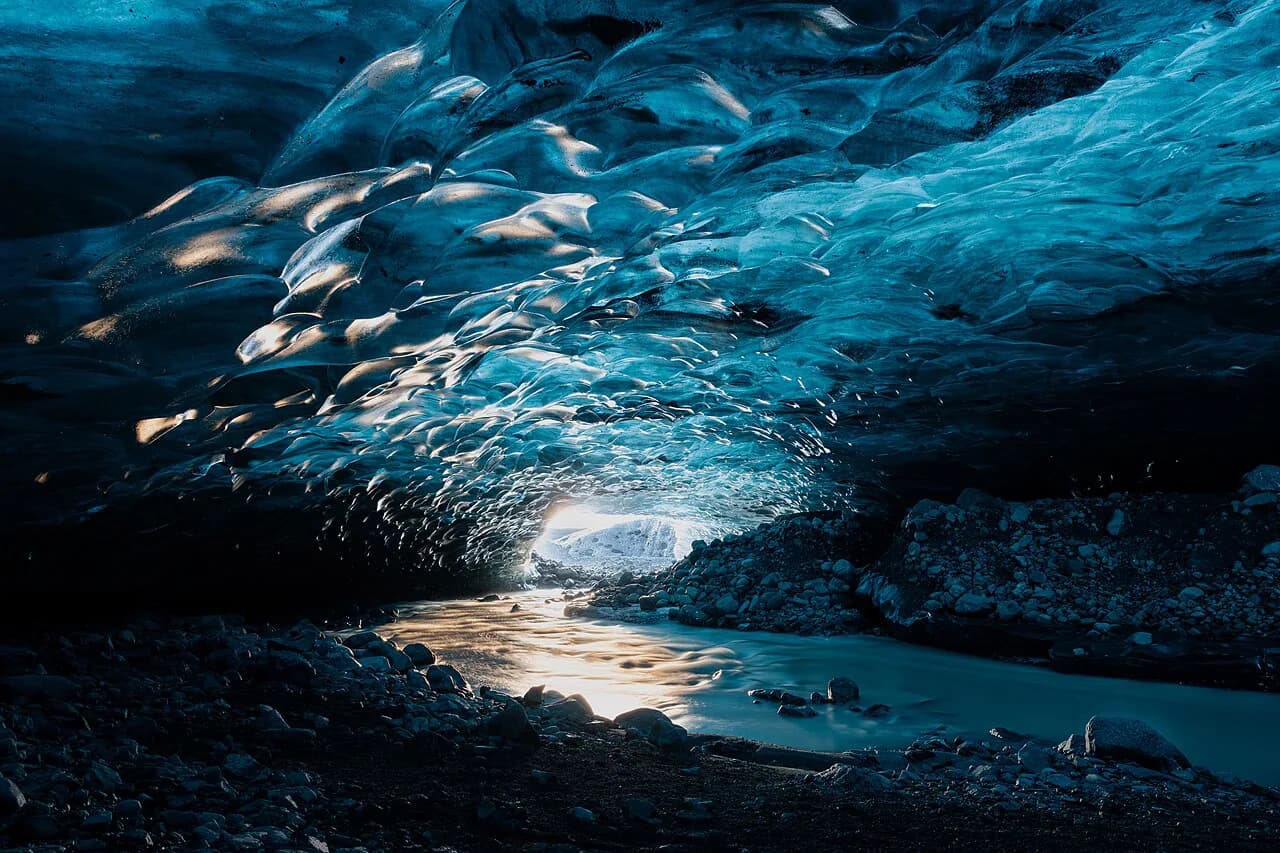
Tours combining the lagoon with the crystal ice cave run through the winter, and pairing a cave visit with an evening of sky-watching lets you use the short daylight hours on the ice and keep the dark for the aurora.
How many nights to plan
A single night at the lagoon is a gamble on both activity and cloud, and Iceland's weather can stay overcast for days at a time. Plan at least three to five nights in the country so one clear evening is enough to make the trip, as forecast guidance for Iceland suggests.
If the lagoon is the centrepiece, give it two nights and keep the rest of the stay flexible along the South Coast. A night in Höfn and a night further west lets you chase whichever stretch of coast clears.
Fosshotel Glacier Lagoon, between the lagoon and Skaftafell, shortens the drive back after a late night and keeps you close to open sky.
Alerts and tools for each evening
Location-based alerts pair space-weather data with the local cloud forecast and notify you when the two line up, which saves sitting in a car park on a blank night. Community reports add photo proof when someone nearby sees the lights, so you know whether it is worth going outside.
Set the alert before dinner, then check the sky yourself once it fires; forecasts describe conditions, not guarantees, and the aurora can appear and fade within minutes.
Safety on the coast at night
Reynisfjara's waves are dangerous at any hour and the beach should be avoided after dark, so choose safer viewpoints nearby when you are chasing a gap in the cloud west of Vík.
Unlit roads, black ice and single-lane bridges make night driving on the South Coast its own task. Check road conditions before setting out, keep the fuel tank full between towns, and be ready to abandon a drive if the surface looks doubtful.
Plan Your Visit
Build your Jökulsárlón nights around two checks: geomagnetic activity over Iceland and cloud along the southeast coast. If the sky is clear and the readings are modest, get outside and look north; if cloud wins, drive along Route 1 toward Höfn and try again.
Allow several nights, keep the itinerary movable, and treat every forecast as a nudge rather than a verdict. Read the latest activity and cloud picture on Hello Aurora before you head out for the evening, and use the wider jokulsarlon northern lights guide to line up viewing spots with your route.
Frequently Asked Questions
How do I check the aurora forecast for Jökulsárlón tonight?
Each evening, compare geomagnetic activity above Iceland with the cloud forecast for the southeast coast, and treat the weaker of the two as your answer. Aurora apps combine local magnetic readings, cloud maps and traveller sighting reports, which together are more useful than a single global number. If the sky over the lagoon is closed in, look for gaps along Route 1 toward Höfn before giving up on the night.
What Kp index do I need to see the northern lights in Iceland?
Iceland's main viewing locations sit at magnetic latitudes in the mid-60s, and forecast services list visibility thresholds that vary by town, so a modest reading can still produce a display overhead. The Kp index is a three-hour global average, so it can miss short substorms breaking out right over the country. Use it as a rough guide and let the actual sky at the lagoon settle the question.
Can you see the northern lights from Jökulsárlón?
The lagoon sits on open coastal ground below Vatnajökull with little light pollution, which gives you a wide northern horizon over the water and the black sand of Breiðamerkursandur. Whether anything appears depends on geomagnetic activity and cloud on the night, and no forecast can promise a display. Keep well back from the surf at the Diamond Beach end after dark.
What time of night are the northern lights visible in Iceland?
Displays can break out at any point during the dark hours, and exact timing depends on solar activity and weather, so there is no fixed window to plan around. Aurora apps publish historical sighting charts and likely peak periods, which help you decide when to set an alert rather than stay awake all night. Step outside whenever an alert fires and look north.
How many nights should I plan for an aurora trip to Iceland?
Forecast guidance for Iceland recommends planning at least three to five nights so that one clear evening is enough to make the trip. Cloud can sit over the South Coast for days at a time, so a flexible itinerary with a night in Höfn and a night further west gives you room to move with the weather. Treat every extra night as an additional chance at clear sky.
Is a guided northern lights tour better than self-driving in Iceland?
A guided night removes the navigation and the cloud reading, which matters on unlit South Coast roads where ice forms quickly, and operators lend thermal suits when it is cold. Driving yourself gives you the freedom to move between the lagoon, the Diamond Beach end and pull-offs toward Höfn as the sky changes. Many travelers combine the two, using a tour from Reykjavík and self-driving nights near the lagoon.
Sources
Notes for your Arctic winter trip
Optional updates to our northern lights guides.
You might also like
Continue reading
More guides you'll find useful