Swedish Lapland Northern Lights Tours: How to Pick One
Compare Swedish Lapland northern lights tours: small-group chases from Abisko, private guides, multi-day escapes and what each format includes.
On this page
Swedish Lapland puts you deep inside the auroral oval, with long dark nights from autumn through early April and tour bases at Abisko and Kiruna that sit well north of the Arctic Circle. The choice that shapes your trip is not really the destination but the format: a nightly minibus chase, a one-off private evening, or a multi-day escape with one guide throughout. This guide walks through how each one actually runs, what is included, and where the trade-offs lie.
Why Swedish Lapland works for aurora tours
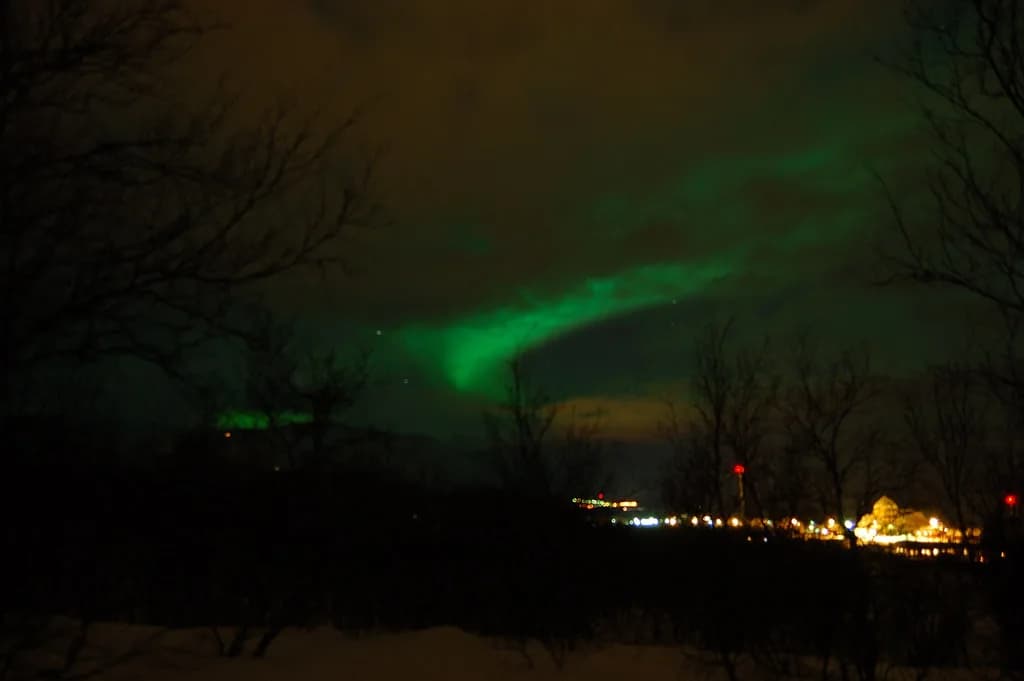
The inland north of Sweden sits under the auroral oval, so activity overhead is common on dark, clear nights. Darkness is the practical constraint: late autumn and winter bring very long nights, while September and early April still deliver enough dark hours for a tour without the deepest cold.
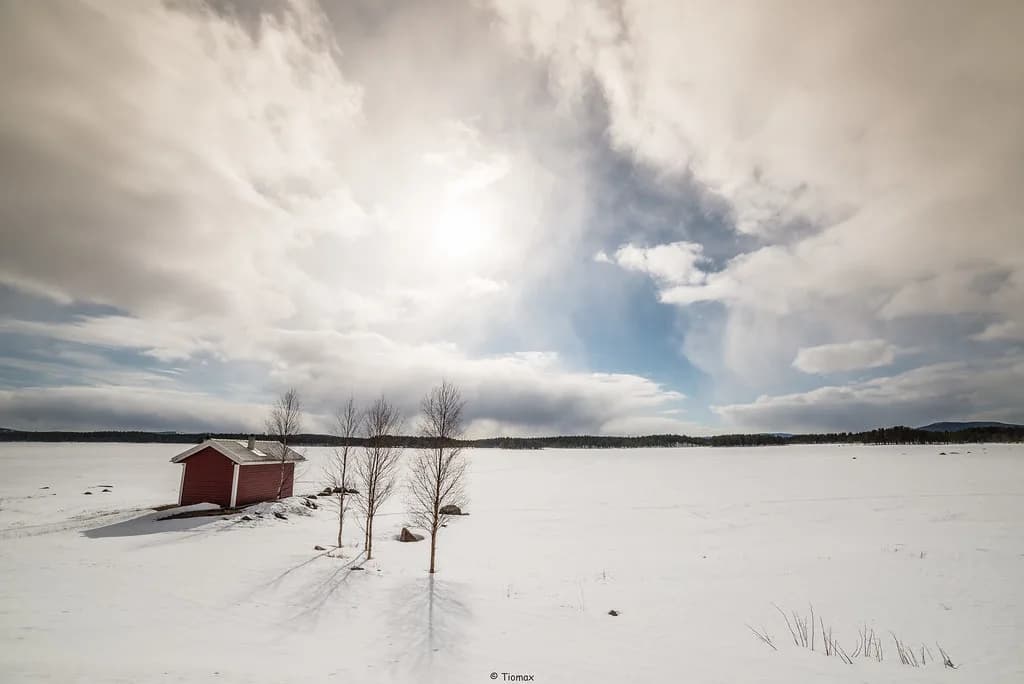
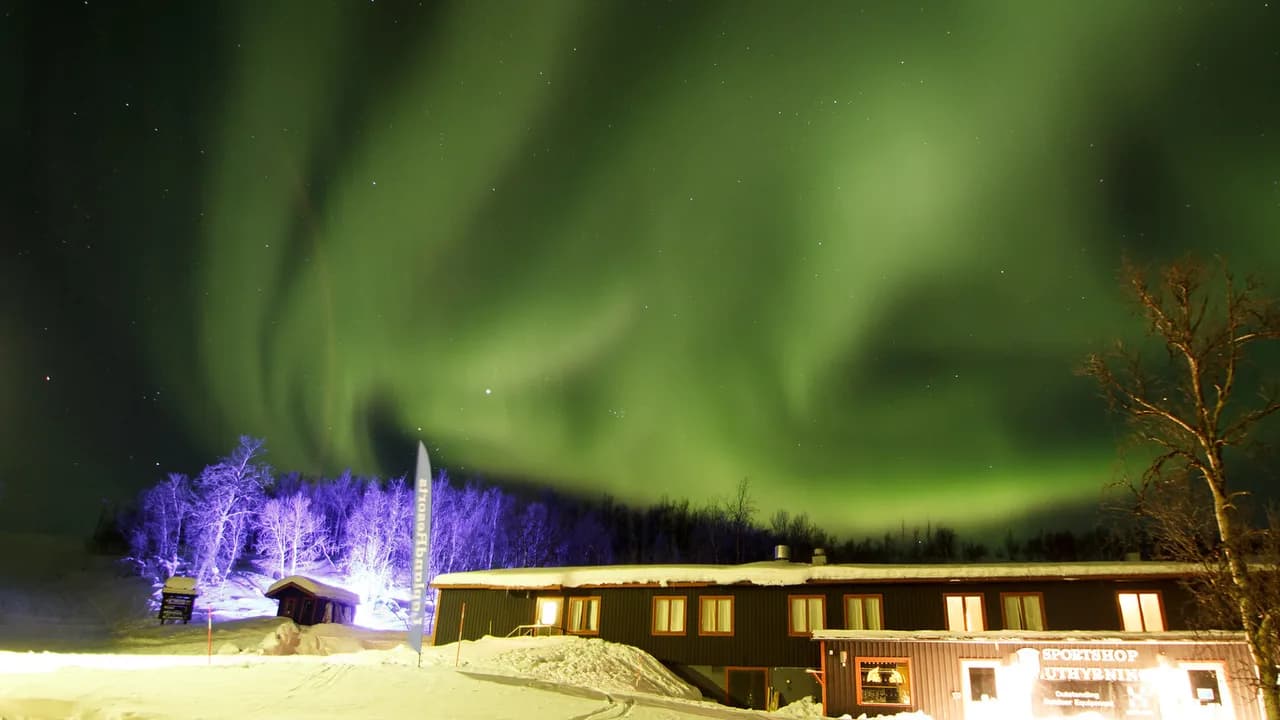
Tours cluster around Abisko National Park and Kiruna because both have airport access, accommodation and quick escape routes to darker ground. Abisko sits beside Lake Torneträsk with mountains that shape local weather, a feature operators lean on when choosing where to drive. Cloud remains the deciding factor on any given night, so treat location as an advantage rather than a promise.
The tour formats you will actually be choosing between
Most bookings fall into four shapes: a shared evening chase by minibus, a private evening tour for your own group, a multi-day private package with accommodation and meals, and an activity-led night combining aurora watching with snowmobiling, dogsledding or photography. Shared chases are the cheapest way to cover ground and meet other travelers; private and multi-day formats cost more but remove the group negotiation over when to stop.
Activity-led nights suit travelers who want the aurora as one part of a fuller evening rather than the sole objective. If your priority is maximizing time under clear sky, a dedicated chase with unlimited mileage is the more focused product; if you want a memorable night regardless of solar activity, pair the aurora with a sled or snowmobile run.
Small-group aurora chases by minibus: how a night runs
A typical chase begins with pickup from your accommodation, then a forecast briefing before the guide decides which direction to drive. Operators monitor satellite forecasts, local weather and reports from field teams, and relocate when cloud shifts. Arctic GM, for example, runs its small-group product with a maximum of eight guests, unlimited mileage and time typically stretching six to ten hours, thermal overalls, hot drinks, snacks and DSLR photos delivered online.
Group size matters more than vehicle branding. A cap of eight means quicker decisions and fewer people crowding a tripod, while larger coach-style products trade flexibility for lower cost. Ask how long the operator is willing to stay out and whether cross-border driving is part of the plan, since those choices determine how much ground your night covers.
Private aurora tours: cost, group size and what you get
A private evening tour gives your party the guide and vehicle to yourselves, usually with capacity for up to eight or nine people in total. Lights over Lapland runs private single-evening tours in Abisko based on its Nightly Aurora Photo Tour, with the guide choosing between fixed locations near the park, a drive northwest toward Norway or a run southeast along the Torne River valley depending on weather and aurora forecasts.
The trade-off is straightforward: you pay for exclusivity and flexibility, and in return the guide can make a last-minute call to chase rather than stick to a fixed camp. For families or friend groups who would rather not share a vehicle, that flexibility often justifies the higher headline cost.
Multi-day private aurora escapes as an alternative to nightly tours
Instead of booking several separate evenings, you can base yourself in one house with a dedicated guide for the whole stay. Lights over Lapland's four-night, five-day Private Aurora Escape covers accommodation, all meals, private transfers, a guide who stays with the group from Kiruna airport onward, one daytime activity per day and an evening aurora hunt, priced from 14,165 SEK per person based on six travelers, excluding flights.
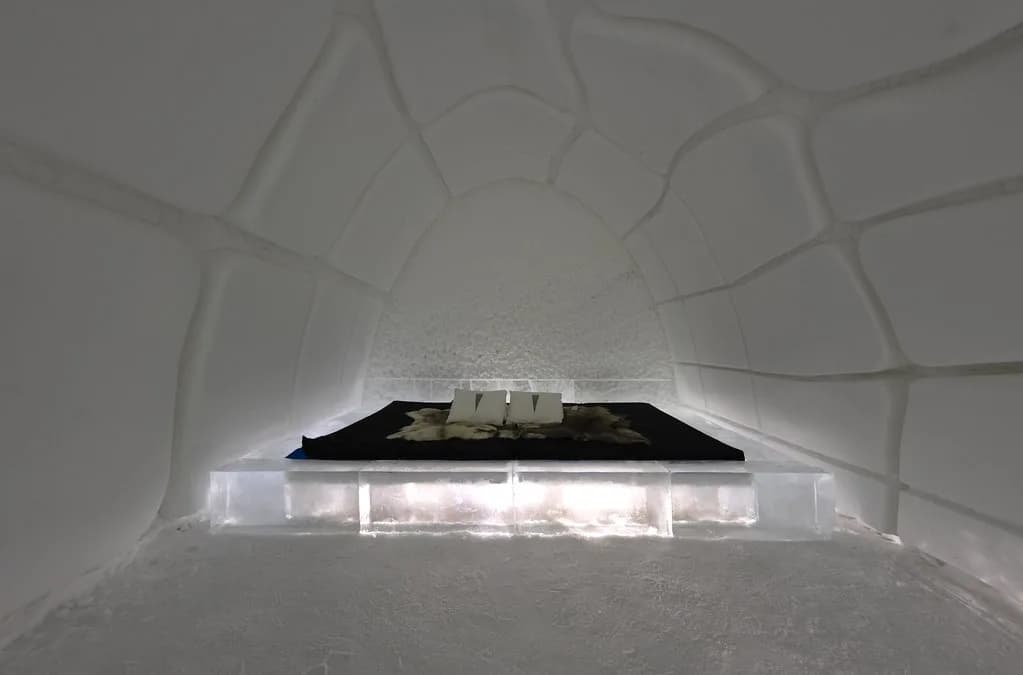
Daytime options on that format include a guided trip to Icehotel with lunch, ice fishing, a morning hike, a wildlife photography drive or a snowshoe walk, with snowmobiling and dogsledding available as supplements. Evenings rotate between a Sami tepee, a lake-shore harbor, a wilderness cabin or a fire in the open, chosen according to the forecast. That structure suits groups who want one coherent trip rather than a series of bookings to coordinate.
Photography-focused tours and camera equipment
Photography is built into many Swedish Lapland products rather than sold as an add-on. Arctic GM's guides act as photographers, capture DSLR images and deliver them securely online afterward, which saves you hauling a tripod and learning night settings in the cold. Lights over Lapland equips private guests with camera gear and instruction, so you leave with your own frames.
If you already shoot, ask whether the guide will help with your own camera settings and whether tripods are provided. A photographer-guide also tends to choose locations with clean foregrounds, which matters as much as a dark sky when the aurora appears.
Snowmobile, husky and other active aurora combinations
Active combinations trade some sky-watching time for a different kind of night out. Multi-day operators can add snowmobiling or dogsledding to a private escape for a supplement, which lets a group split the trip between driving, sledding and aurora hunting without booking separate outfitters. Daytime husky and snowmobile outings also fill the short winter daylight hours before the evening chase begins.
Consider how much of the evening you want on a sled or a snowmobile versus standing still with a camera. Motorized nights cover distance but limit long exposures at a single spot; dogsledding is slower and quieter, often finishing at a camp where the aurora watch takes over.
Where tours operate from: Abisko, Kiruna and the Torneträsk corridor
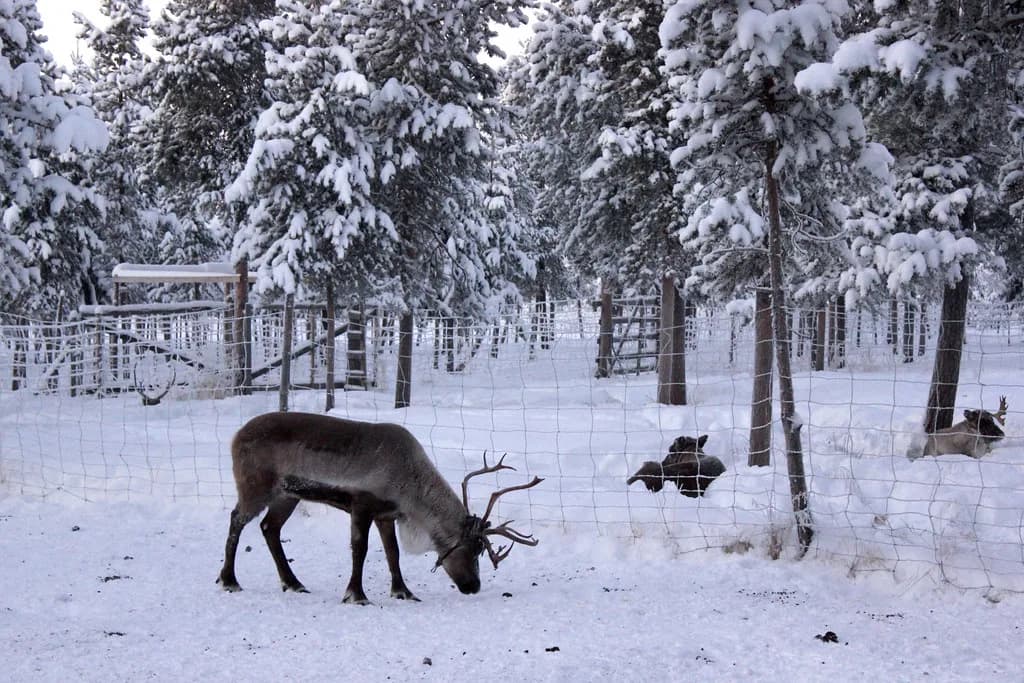
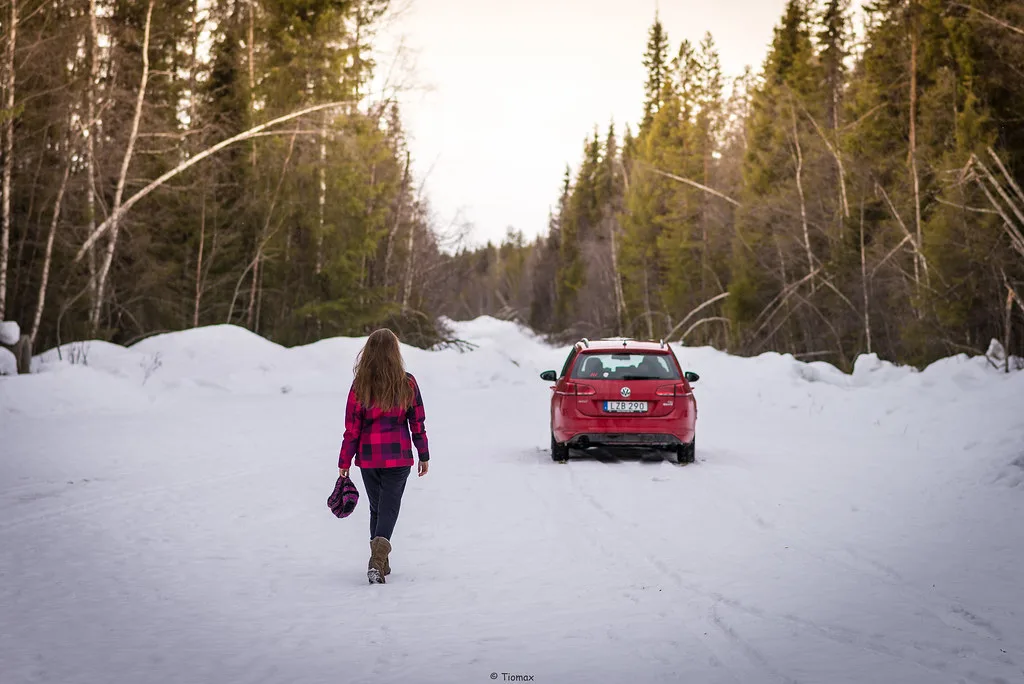
Abisko and Kiruna are the two practical bases, linked by road along Lake Torneträsk and served by Kiruna Airport. A private escape typically begins with a guide meeting you at the airport and a scenic drive along the lake toward the park, watching for reindeer and moose on the way. Staying in Abisko removes the nightly transfer; staying in Kiruna gives you a larger town and shorter airport hops. For a base-by-base breakdown of chases, Sky Station visits and photo trips, compare these Abisko northern lights tours before fixing your base.
Farther afield, ICEHOTEL in Jukkasjärvi and the Luleå coast appear in multi-day Swedish Lapland itineraries, including aurora safaris running from Jukkasjärvi to Luleå and glamping journeys from Luleå to Harads. These work best when you want to combine aurora nights with ice-hotel stays or design-led accommodation rather than spend every night chasing.
Dark-sky bases versus town bases: light pollution and travel time
Town accommodation saves transfer time and gives you restaurants and shops, but street lighting reduces contrast in the sky. Park and wilderness bases cut that light pollution and put you closer to viewing spots, at the cost of longer drives to meals and services. A reasonable compromise is sleeping in town and booking a chase that drives out to darker ground each evening.
If you are weighing a cabin or glass-roofed stay against a standard hotel, decide what you want from the room. A roof that opens the sky to you removes the nightly drive, while a conventional base plus a guided chase gives you a professional photographer and local weather judgment. Either way, plan the aurora watch around the darkest hours rather than the whole night.
Weather, cloud and the Abisko 'blue hole' advantage
Abisko has a reputation for clearer skies than surrounding areas, sometimes described as a blue hole, and operators use it to justify basing tours there. It is a weather pattern, not a guarantee, and cloud can still close in for days. Guides respond by driving: Lights over Lapland may head northwest toward Norway or southeast down the Torne River valley when conditions favor a chase over a fixed location.
Because cloud is the limiting factor on most nights, a tour that can move is worth more than a fixed camp in a good location. Ask what radius Arctic GM covers when it heads out with unlimited mileage, and whether cross-border driving is included; that determines how far you can escape a stubborn cloud layer.
What is included: thermal overalls, transfers, hot drinks, photos
Inclusions vary enough that they should shape your comparison. Arctic GM's chase covers accommodation pickup and drop-off, thermal overalls, hot drinks and light snacks, and professional DSLR photos sent online. The multi-day Private Aurora Escape adds accommodation, all meals, airport transfers, a dedicated guide and camera equipment, so the nightly price buys a very different package.
Check three things before booking: whether warm overalls and boots are supplied, whether transport from your accommodation is included, and whether photographs are part of the price or sold separately. Those items change the effective cost of a tour more than a small difference in the headline rate.
Prices and how to read them
Published rates vary widely by format. The four-night private escape from Lights over Lapland starts at 14,165 SEK per person based on six travelers and excludes flights, which reflects meals, accommodation and a dedicated guide for the stay. Nightly chases and private evenings are quoted separately by each operator, so compare what is bundled rather than the raw number.
Multi-day packages from tour specialists also fold in accommodation and transfers: 50 Degrees North lists an Ice & Auroras trip in Swedish Lapland from Kiruna in the winter months and an Aurora Safari running from Jukkasjärvi to Luleå. Read each itinerary for the number of guided aurora nights included, since some packages leave evenings free for self-guided watching.
Cancellation and weather policies
Weather policy deserves a place in your decision. Lights over Lapland revised its booking and cancellation terms to protect guests who need to change plans late, and long-running operators increasingly offer rebooking or refund options when a night is cancelled.
Read the policy for what happens when the company cancels because of cloud: a free rebooking onto another night is more useful than a partial refund if you are staying several days. Check whether a chase that runs but sees no aurora is treated as a completed tour, because most companies only guarantee the trip, not the lights.
How many nights to plan for a fair chance of clear skies
Clear skies, not solar activity, are usually the limiting factor, so give yourself several nights. Three to four evenings on the ground gives the weather room to shift and lets you rebook if one night is cancelled; a single night leaves everything to chance. Multi-day escapes build this in by design, with an aurora hunt scheduled every evening of the stay.
If you are visiting in late autumn or early spring, nights are shorter but temperatures are milder; midwinter offers the longest darkness but deeper cold. Kp readings are guidance only and describe global activity, not whether your patch of sky is clear, so plan around cloud forecasts instead.
Self-guided chasing versus booking a tour
Driving yourself gives you freedom to follow the cloud radar and stay out as long as you like, but it means rental cars equipped for snow, unfamiliar roads and no local field network. A guided chase puts the routing, forecasts and photography in someone else's hands, and operators often have team members across the region reporting conditions on the ground.
A practical compromise is one guided night to learn the local geography and camera basics, then self-guided evenings from your base if conditions look promising. If you are traveling for a milestone or with family, the private format removes the stress of navigating unfamiliar roads after midnight.
Choosing an operator: group size, guide experience, vehicle comfort
Weight three things: group size, guide experience and vehicle. Small caps keep the night flexible, experienced guides read the forecast better, and a heated four-wheel-drive van makes long drives in deep cold far more bearable. Arctic GM emphasizes a maximum of eight guests, heated 2025 four-by-four vans and first-aid-trained guides, while Lights over Lapland points to a family-run operation with senior guides who stay with private groups throughout.
Ask how the guide handles a cloudy forecast and whether they have backup locations within reach. A short, honest answer signals real local experience; vague promises of guaranteed sightings should raise doubts, since no operator can control the sky.
Family and group bookings
Private formats work well for families and friend groups because the vehicle, schedule and pace are yours. Lights over Lapland's private evening tours allow you and up to eight others to spend the evening with your own guide, and the multi-day escape is designed for one to six travelers with meals and activities arranged around the group. That structure lets you split daytime activities while keeping the evening aurora hunt together.
Long chases can run six to ten hours, the typical range on Arctic GM's Rovaniemi departures, so consider whether younger children will manage a late return or a midwinter cold snap. A single private evening with a flexible itinerary is often a better fit than a nightly schedule, and the thermal overalls Arctic GM supplies remove one more thing to pack.
Plan Your Swedish Lapland Aurora Nights
Choose the format before the company: a shared chase for value and ground coverage, a private evening for flexibility, or a multi-day escape for a trip with accommodation and meals arranged around aurora watching. Base yourself at Abisko or Kiruna, allow several nights and treat clear skies, not solar activity, as the variable you plan around.
Book early for midwinter dates, read the weather and cancellation terms closely, and ask each operator how long they stay out and how far they will drive. Icehotel stays and other Swedish Lapland add-ons pair naturally with a multi-day itinerary if you want variety beyond the nightly chase.
Frequently Asked Questions
What is included in a Swedish Lapland northern lights tour?
Shared chases typically cover pickup and drop-off from your accommodation, a guide, transport, thermal overalls, hot drinks and snacks, and often photographs delivered online. Multi-day private packages add accommodation, all meals, airport transfers and a dedicated guide for the whole stay. Check whether boots and camera equipment are supplied, since inclusions differ between operators.
How long do northern lights tours last in Abisko?
Single-evening tours usually run for a few hours, while small-group chases with unlimited time and mileage typically stretch to six to ten hours depending on conditions. Multi-day escapes include an aurora hunt every evening of the stay. Confirm the planned duration when you book, as it varies by operator and chasing approach.
Is a private aurora tour worth it in Swedish Lapland?
A private tour buys exclusivity and flexibility: the guide can change location at short notice and your group sets the pace. It suits families, friend groups and photographers who want a vehicle to themselves. Shared chases cost less per person but involve group decisions, so weigh convenience against budget.
Where do northern lights tours depart from in Swedish Lapland?
Most operate from Abisko and Kiruna, with pickup from accommodation and airport transfers available on multi-day packages. Tours often drive along Lake Torneträsk and may head toward Norway or down the Torne River valley when cloud shifts. Staying closer to Abisko shortens the nightly transfer.
How many nights should I book to see the aurora in Swedish Lapland?
Plan at least three to four nights. Cloud is the main limiting factor, and several evenings give you room to rebook a cancelled night or wait out a poor forecast. No operator can guarantee a sighting, but more nights improve the odds of a clear sky.
Do aurora tours include thermal clothing and photos?
Many do. Several operators supply thermal overalls, and photography-focused chases include DSLR images delivered online afterward. Others sell photographs separately or expect you to bring your own camera, so read the inclusions list carefully.
Sources
Notes for your Arctic winter trip
Optional updates to our northern lights guides.
You might also like

Continue reading
More guides you'll find useful