Jökulsárlón Northern Lights Tours: How to Choose and Book
Compare Jökulsárlón northern lights tours, from Reykjavík minibus and boat chases to South Coast multi-day trips that sleep near the lagoon after dark.
On this page
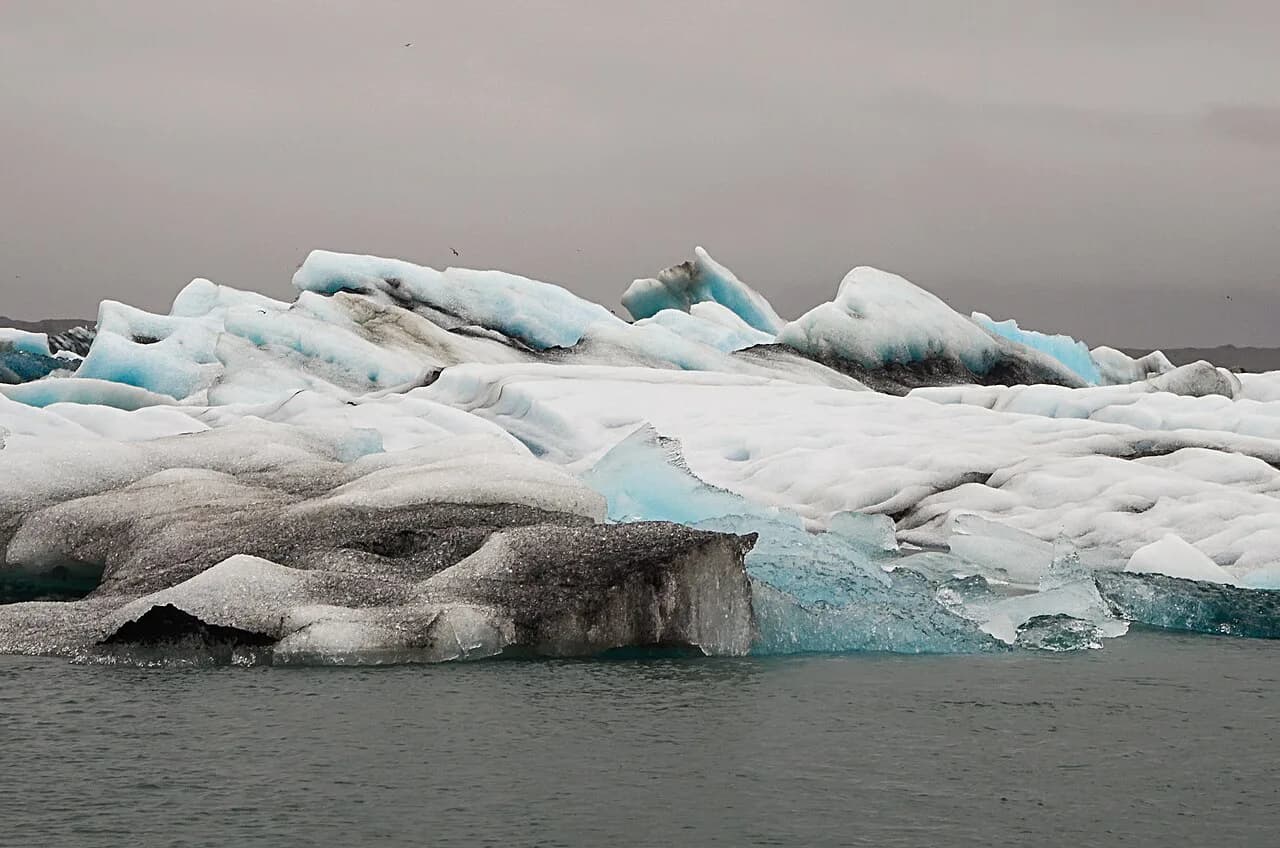
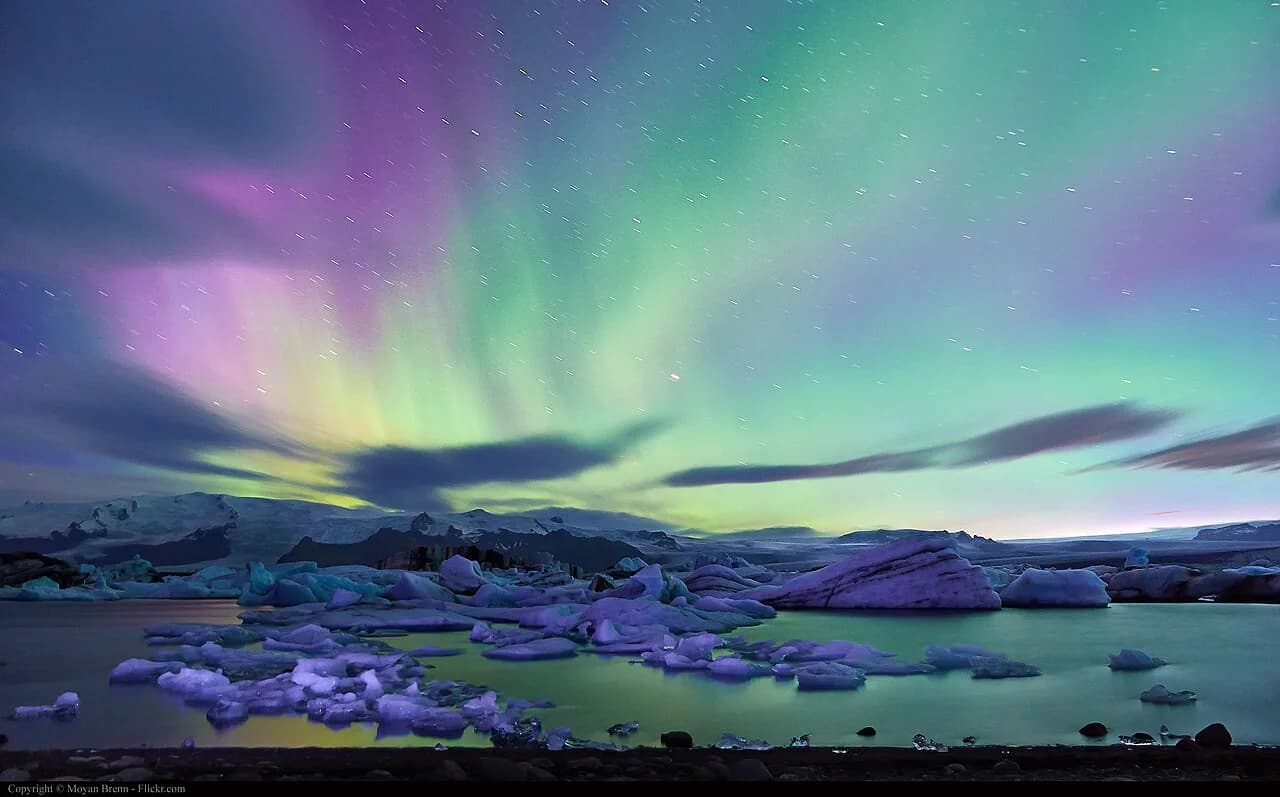
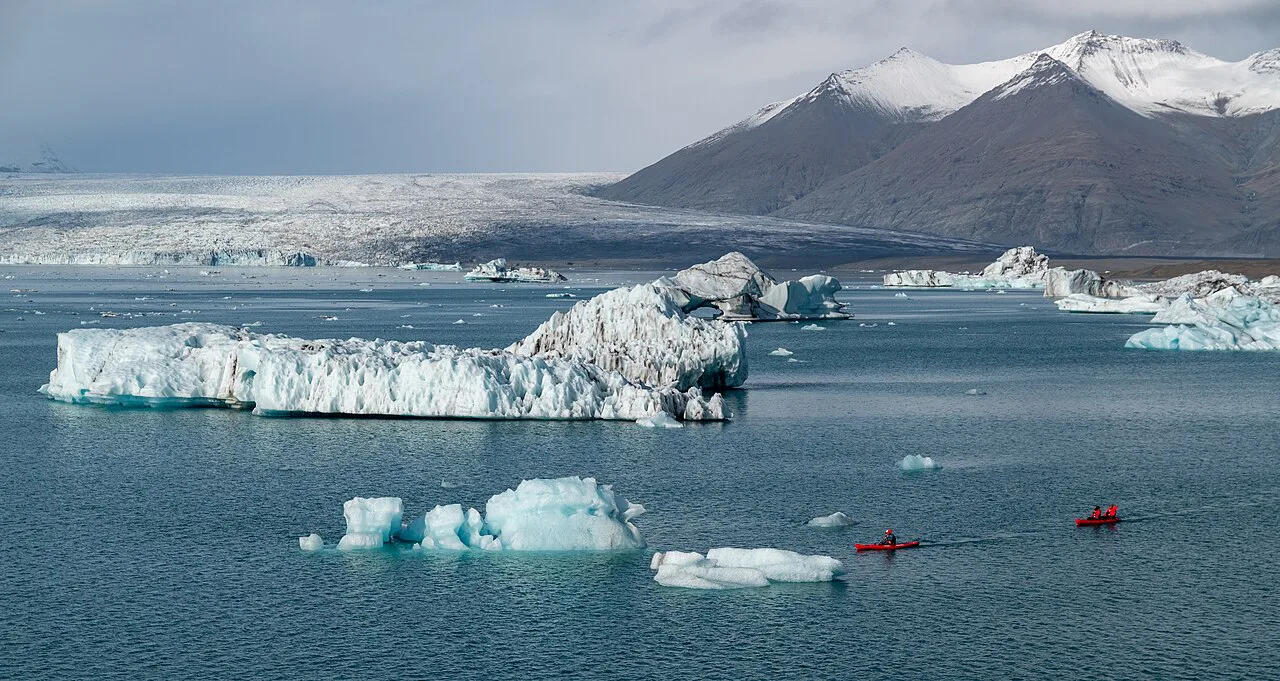
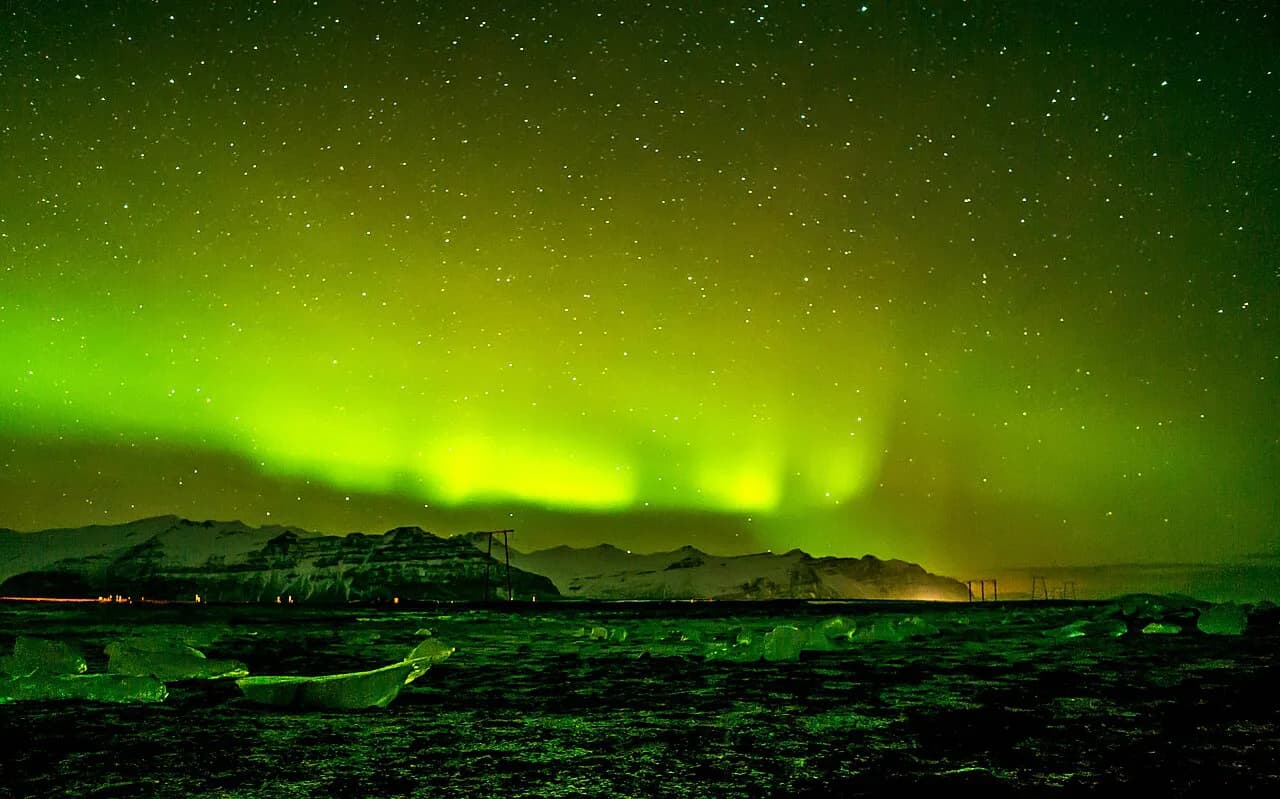
Jökulsárlón is the glacier lagoon on Iceland's southeast coast where icebergs calve off Vatnajökull and drift slowly toward the sea, and in winter it doubles as one of the country's most dramatic aurora stages. If you want icebergs in the foreground, dark skies overhead and a real chance of a Greenland-style light show, this is the base to plan around. The choice you face is not whether to go, but whether to chase from Reykjavík on a single evening or sleep out here and give the sky several nights.
The lagoon sits inside a stretch of the southeast coast that sees comparatively little cloud, running from Kirkjubæjarklaustur through Skaftafell and Höfn toward Djúpivogur, which is why operators treat it as a stronger aurora base than the capital. Light pollution is minimal, the water reflects the aurora when it is calm, and the black sand of Diamond Beach across Route 1 gives you a second, very different foreground within walking distance.
When the aurora season runs at Jökulsárlón
Nights are dark enough for aurora watching from late September to mid-April, and the darkest window falls between October and March. Aurora activity is often strongest in October to November and again in February to March, and February and March also bring the most floating ice to the lagoon, so your photographs can include bergs lit from above. Aim for a new moon or a thin crescent, since a full moon washes out faint displays over the water.
Displays most often build between roughly 10 PM and 1 AM, though the timing shifts from night to night. That late window is the single biggest argument for sleeping near the lagoon rather than driving back to Reykjavík after midnight. If your trip is short, treat the darkest months as your target and accept that cloud, not daylight, is the variable you cannot control.
Hunting from Reykjavík: minibus, Super Jeep and boat
Most travelers who book a single aurora night do it from Reykjavík, where operators run small-group minibus hunts into the countryside from August to April. The standard minibus trip lasts four to five hours, includes hotel or bus-stop pickup, hot chocolate and blankets, and guides take free photos of you under the lights. It is the budget-friendly, family-friendly format, with group sizes kept low so guides can adjust the route as conditions change.
The Super Jeep version puts you in a modified 4x4 with fewer seats and more room for cameras and tripods, so guides can take rougher roads to darker, more remote viewpoints. It also runs four to five hours and costs more than the minibus because of the smaller group and added flexibility. For photographers who want space and a route that can change on the spot, that trade-off is usually worth it.
The boat option leaves Reykjavík harbor for two to two and a half hours, running from September to April, with indoor lounges and open decks so you can warm up between viewing spells. You skip the long drive and watch from a stable platform on calm water, which suits couples and anyone who would rather not spend the night in a vehicle. It is the shortest format and the least likely to reach genuinely remote dark skies, so weigh comfort against distance from city light.
What a free retry means when the sky stays clouded
On the main small-group tours, if your trip runs but no aurora appears, you get a free retry valid for up to three years. That turns a single cloudy night into a postponed one rather than a lost booking, and it is the clearest reason to book with an operator that publishes the policy than to improvise. The retry covers the aurora hunt only, so daytime add-ons such as a Golden Circle loop are not re-run.
One-night hunts versus South Coast multi-day tours
A single Reykjavík evening gives you one roll of the dice. Multi-day trips put you in the countryside for several nights and let the guide re-route around cloud instead of gambling everything on one forecast, which is why they offer the strongest overall chance without any guarantee. If your dates are fixed and short, one well-run minibus night is a reasonable bet; if you have three or more nights to give, the multi-day format changes the arithmetic.
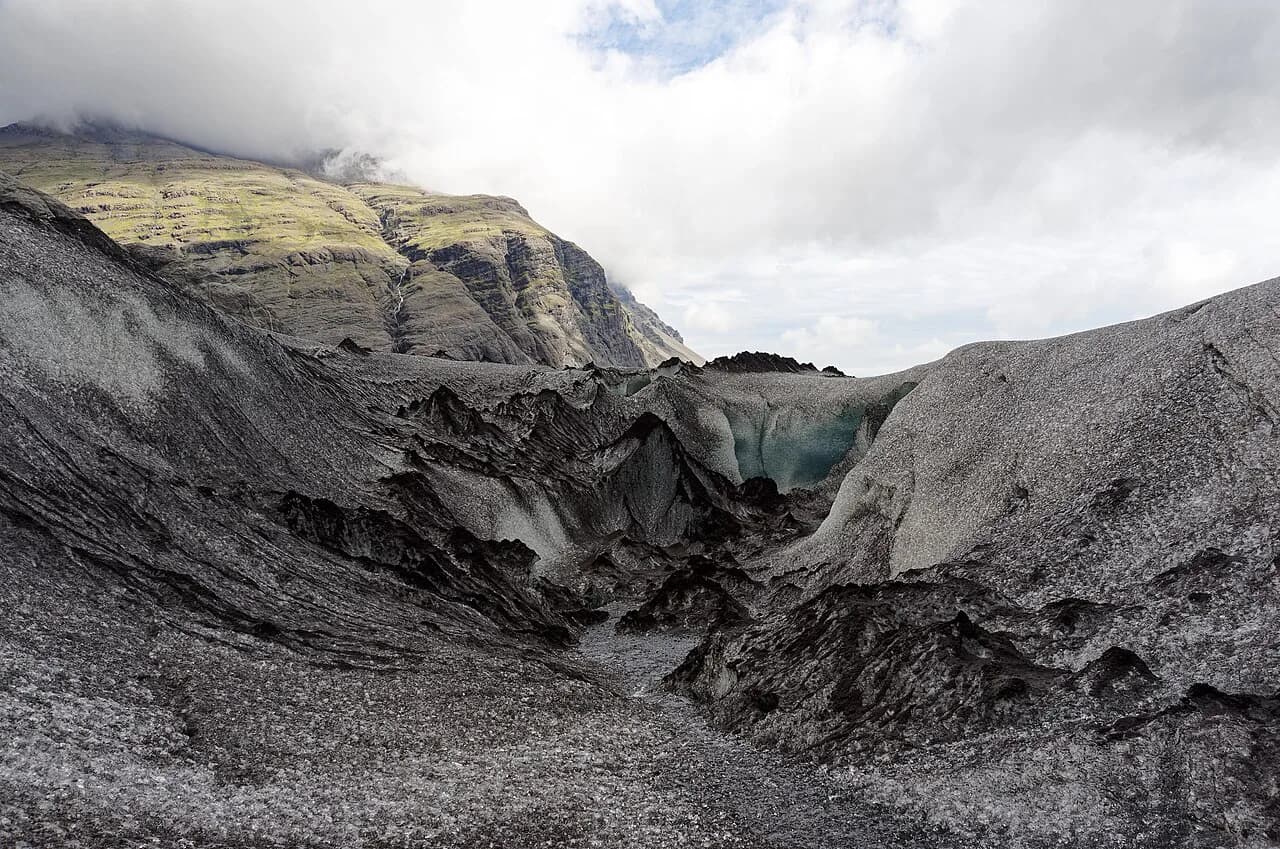
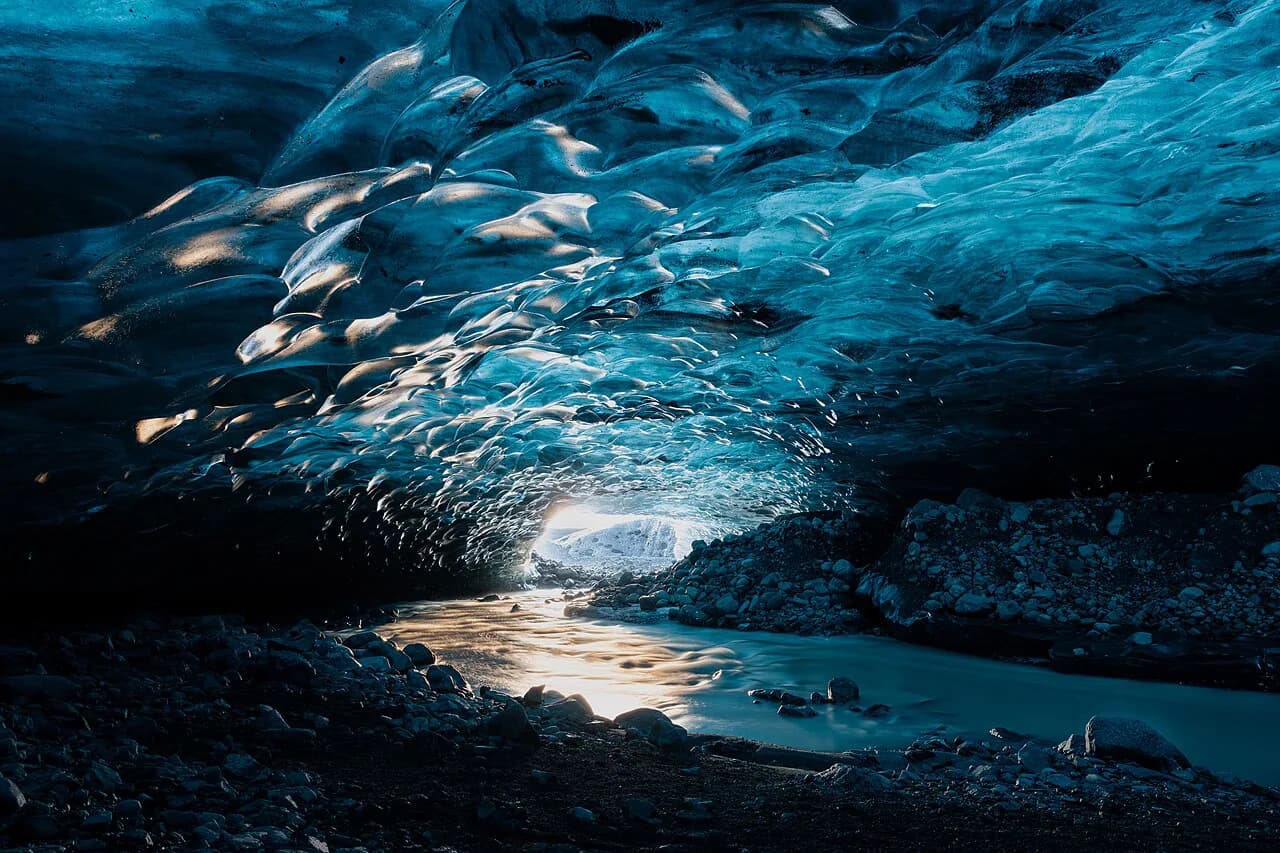
Icelandic Mountain Guides runs a two-day South Coast trip that combines a glacier walk and an ice cave under Vatnajökull with an overnight at a four-star countryside hotel in the region, positioned for evening aurora watching. Groups are capped at 16 with a minimum age of 10, pickup in Reykjavík is included, and the tour covers the guide, accommodation with breakfast and 4x4 minibus transport, while lunch and dinner are extra. Because the itinerary can be reversed or adjusted for winter weather, ice cave and glacier elements may be swapped for alternatives.
Icelandic Mountain Guides also sells a three-hour blue ice cave tour and glacier hike from Skaftafell at 147 EUR, which pairs neatly with a self-arranged night at the lagoon rather than a package. It suits travelers who want the ice cave experience on their own schedule and are happy to handle the drive and the aurora watch themselves.
Multi-day options compared
Arctic Adventures lists a five-day South Coast and northern lights tour from 1,649 USD with an ice cave included, an eight-day northern lights tour from 3,214 USD with a lagoon option, and a four-day Snæfellsnes, South Coast and ice cave trip from 1,401 USD that runs year-round. Each includes at least one dedicated aurora evening and is covered by the free retry promise on the aurora portion. Longer trips cost more but buy you more dark-sky nights and more room to move with the weather.
Combo tours bundle a daytime sightseeing route with an evening aurora hunt in a single booking. The South Coast Wonders and northern lights combo runs 16 hours from 223 USD, the Golden Circle and boat combo runs 13 hours from 198 USD, and the ice cave and northern lights combo runs 13 to 15 hours from 388 USD. These work well if your time in Iceland is tight and you would rather see the waterfalls, the rift valley or an ice cave by day than book separate departures.
The blue ice cave day tour from Skaftafell at 147 EUR is the cheapest way to add a glacier experience to a lagoon-based aurora trip, though it is a daylight activity rather than an aurora product. For a wider comparison of departure formats and operators across the country, the Iceland northern lights tours overview sets out the options by region.
Jökulsárlón self-drive aurora nights
Jökulsárlón lies about 380 km, or 240 miles, from Reykjavík on the southeast coast, a drive of roughly five to six hours along Route 1. Renting a car is the most popular way to reach the lagoon and gives you the freedom to wait out a display and drive a short distance to clear sky. Winter roads are generally maintained but can be icy and unpredictable, so an all-wheel-drive vehicle with studless winter tires is strongly recommended.
Self-driving makes sense if you are comfortable on winter roads, want to photograph at your own pace and plan to sleep at or near the lagoon. A guided tour makes more sense if you would rather not drive after dark, want a guide reading the cloud and aurora forecasts, or are visiting on a short trip where a wasted night matters. The five-to-six-hour drive each way is the real cost of treating Jökulsárlón as a day trip from the capital.
Where to watch near the lagoon
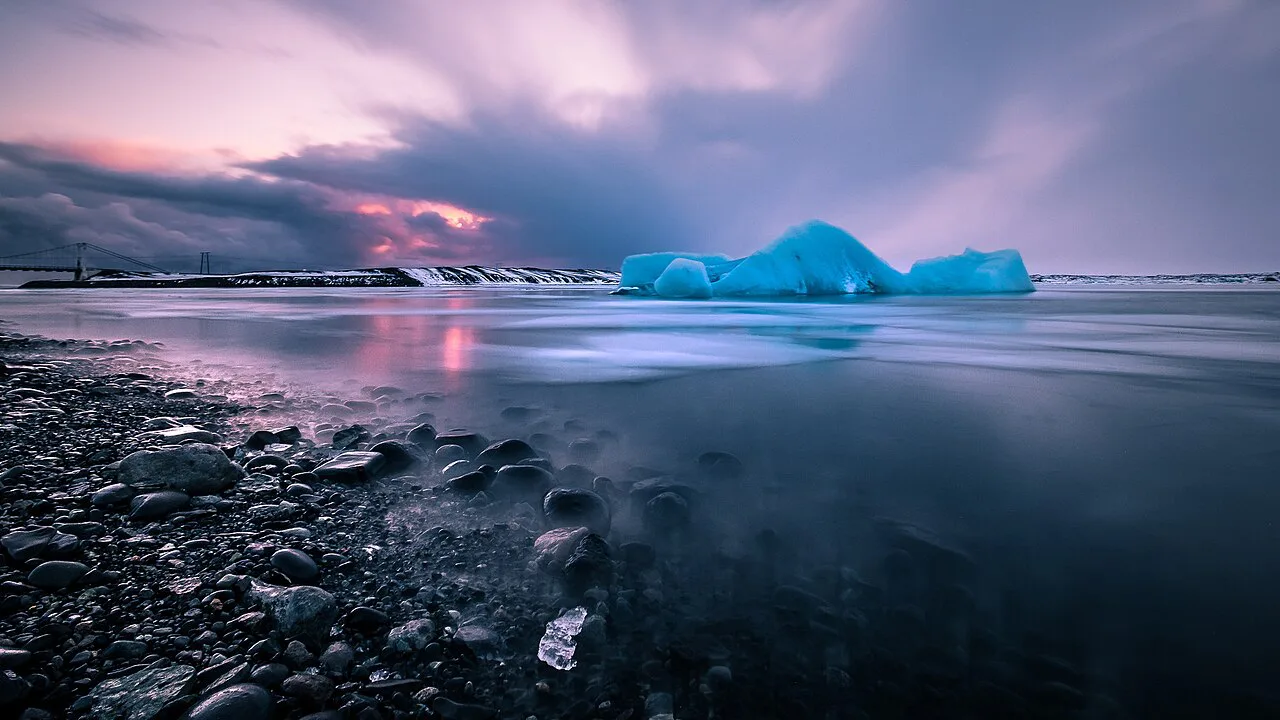
The main lagoon shore is the classic viewpoint: on calm nights the water mirrors both the icebergs and the aurora, doubling the drama in a photograph. Arrive early enough to walk the shoreline in daylight so you know the footing before it gets dark, and keep back from the water's edge because bergs can shift without warning. The bridge over Route 1, a short walk from the main parking area, gives you panoramic views north over the lagoon and south toward the Atlantic.
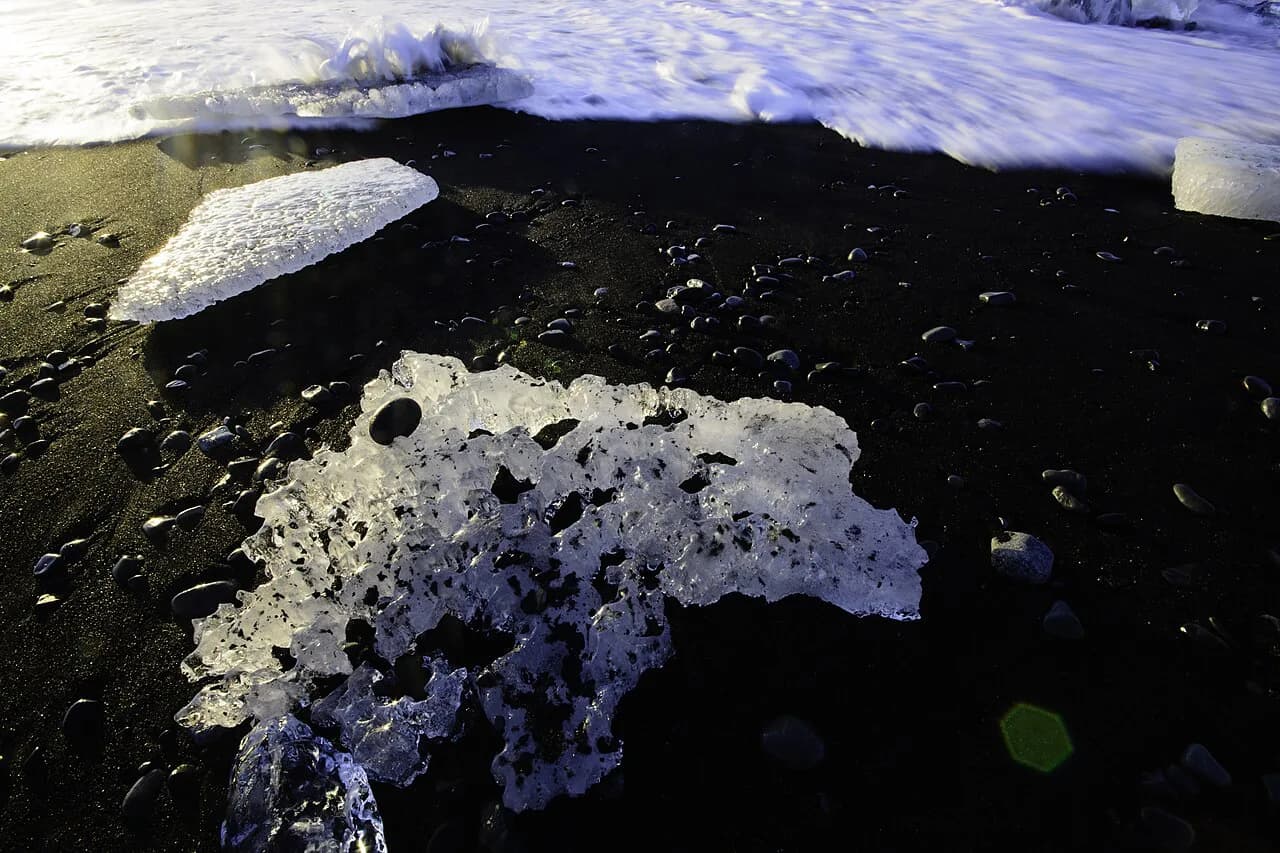
Diamond Beach, across the road from the lagoon, is black sand scattered with ice chunks that catch aurora colors and moonlight, making it one of the most surreal foregrounds in Iceland. It sits within the Vatnajökull National Park area, and the short drive between the two viewpoints means you can shift position as the display moves. Facilities are limited at night, so plan food, water and a headlamp before you leave your accommodation.
Bases for a night hunt
Fosshotel Glacier Lagoon sits between Skaftafell and Jökulsárlón with mountain or ocean views, a spa and gym, and a restaurant, which makes it a comfortable base for waiting out a forecast. Hotel Jökulsárlón is closer to the lagoon, with Nordic design, large windows, outdoor hot tubs and a sauna, so you can watch from the property if the sky clears. Near Höfn, Seljavellir Guesthouse offers simple, quiet rooms and low light pollution for travelers on a tighter budget.
Staying close to the lagoon costs more but puts you minutes from the shore when a display starts, while guesthouses in Höfn or near Skaftafell trade a short drive for better value. Accommodation in the area is limited and fills quickly during the aurora season, so book early if your dates fall between September and March. Ask whether the property offers aurora wake-up calls or real-time forecast updates, since that can decide whether you see a display at all.
Kp, cloud cover and moonlight
Aurora viewing needs three things at once: solar activity, clear skies and darkness, and you only control the second by choosing where you sleep and how you move. The Icelandic Met Office publishes a forecast showing cloud cover and activity levels across the country, so check it on the afternoon before your night out rather than relying on a Kp number alone. Kp readings are a rough guide to geomagnetic disturbance, not a local prediction of what you will see above the lagoon.
How many nights to plan
Three nights based near the lagoon gives you a fair shot at one clear, active night even allowing for a passage of cloud, and five or more lets you work around a stubborn forecast. A single night from Reykjavík is a gamble on both cloud and solar activity, which is why the retry policy matters more than the marketing description of the tour. Build in a spare evening at the start or end of the trip rather than scheduling your aurora night immediately before an early flight.
Minimum ages, family suitability and winter safety
Standard small-group minibus tours suit families, but age limits vary by tour and some Super Jeep or late-night departures set higher minimums because of vehicle type and the hours involved. Icelandic Mountain Guides sets a minimum age of 10 on its two-day South Coast trip, which gives you a sense of how the more active formats are pitched. Check the age limit on the individual tour page before booking, since the rules differ from one format to the next.
The lagoon edge is icy, dark and unpredictable, so stay on marked paths, wear cleats if you plan to walk, and never climb onto bergs. Keep your distance from the water and let someone know your plan if you are self-driving. Evenings can be long and cold, and a headlamp plus a charged phone are more useful than a heavier camera.
Choosing between a Reykjavík departure and a lagoon base
If you are based in Reykjavík, want a single evening out and prefer a guide to handle the driving, book a small-group minibus or Super Jeep hunt and accept the four-to-five-hour round trip. If you want icebergs under the aurora and several attempts, stay near the lagoon and take a two-day or multi-day South Coast tour, or self-drive and book a blue ice cave day separately. Matching the format to your number of nights is the single decision that most affects your odds.
Plan Your Aurora Nights at Jökulsárlón
Decide first whether you are chasing from Reykjavík for one night or sleeping near the lagoon for several, then match the tour format to your comfort with winter driving and the size of your group. Book accommodation early for September to March and treat the retry policy as part of the value, not a bonus. No operator can promise a display, but the lagoon's dark skies and the clear-sky corridor running through Skaftafell and Höfn give you a strong base to work from.
Frequently Asked Questions
Which tour gives the best chance of seeing the northern lights at Jökulsárlón?
Multi-day trips give the strongest overall chance because they put you in the countryside for several nights and let the guide re-route around cloud, while a single small-group Super Jeep night improves flexibility if you only have one evening free. No format guarantees a display, since success depends on solar activity and clear skies.
How far is Jökulsárlón from Reykjavík?
The lagoon lies about 380 km, or 240 miles, from Reykjavík on the southeast coast, a drive of roughly five to six hours along Route 1. Winter conditions can make it slower, and driving back after a late aurora watch is the main reason many travelers sleep near the lagoon instead.
Is it better to book a tour from Reykjavík or stay near the lagoon?
Staying near the lagoon puts you minutes from the shore during the late-evening window when displays most often build, and lets you try several nights. A Reykjavík departure suits a short trip or travelers who would rather not drive, but it concentrates your chances into a single evening and a long return drive.
What happens if the northern lights don't appear on my tour?
On the main small-group tours from Reykjavík, if the trip runs but no aurora appears you receive a free retry valid for up to three years. The retry covers the aurora hunt, not daytime add-ons such as a Golden Circle loop, so read the policy terms in your tour confirmation.
How long do northern lights tours last?
Most evening aurora tours from Reykjavík last two to five hours including pickup and driving, combos run 13 to 16 hours, and the boat option runs two to two and a half hours. Multi-day tours run from two to ten days depending on the itinerary.
Can children join northern lights tours in Iceland?
Many standard small-group minibus tours suit families, though age limits vary by tour and some Super Jeep or late-night departures set higher minimums. Icelandic Mountain Guides sets a minimum age of 10 on its two-day South Coast trip, so check the individual tour page before booking.
Is the Jökulsárlón boat tour worth it for aurora viewing?
The boat tour departs from Reykjavík harbor, not from the lagoon, and runs two to two and a half hours on calm water with indoor lounges. It suits couples and travelers who want comfort without a long drive, but it stays closer to city light than a Super Jeep or a night spent at the lagoon.
What is included in a Jökulsárlón northern lights tour?
Most small-group aurora tours include pickup, a guide, transport to dark countryside viewpoints, and often hot chocolate, blankets and free photos. The two-day South Coast trip includes accommodation with breakfast, a glacier walk, an ice cave visit and 4x4 minibus transport, while lunch and dinner are extra.
Sources
Notes for your Arctic winter trip
Optional updates to our northern lights guides.
You might also like
Continue reading
More guides you'll find useful