Luleå in Winter: Ice Roads, Auroras and Where to Stay
Plan a winter trip to Luleå with ice roads, dog sledding, aurora chases and stays from city hotels to Treehotel and Arctic Bath.
On this page
Luleå sits at 65.6°N on the Gulf of Bothnia, just south of the Arctic Circle, where the Lule River meets the sea. In winter that geography gives you two trips in one: a compact city with restaurants, hotels and a waterfront, and a frozen archipelago you can cross on skates, skis or a sled. It suits travelers who want a real town as their base rather than a remote lodge only, and who are happy to layer up for temperatures that sit well below freezing.
Why Luleå works as a winter base
The city is the largest in Norrbotten but stays small enough to walk, with hotels, shops and the North Harbour within a short stroll of each other. That matters in February, when a day of dog sledding or snowmobiling ends early and you want a warm room, a sauna and a good dinner without a long transfer. From the centre you are about ten minutes' drive from the airport, so arrival day does not eat into your aurora nights.
The trade-off is light pollution. Downtown street lighting washes out faint aurora, so a serious night out means heading to the coast, the islands or a dark road inland. The advantage of basing in town is that you can take a guided chase, return to a proper bed and still have the next morning for Gammelstad or the ice track. If you want the whole spectrum of Swedish Lapland options, from city breaks to lodge stays, start with the Luleå Northern Lights planning page.
When the aurora season runs
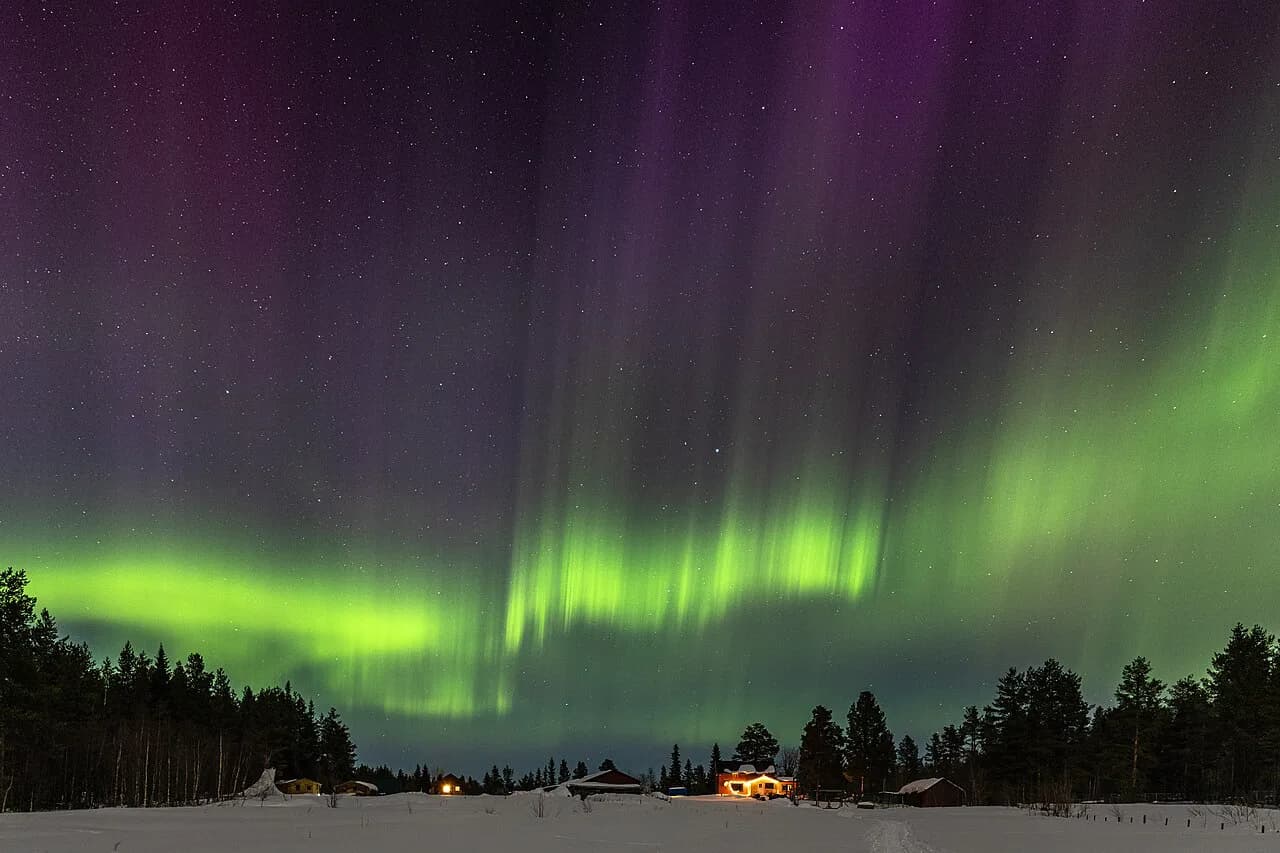
The aurora season in Luleå runs from September to March, when nights are long and dark enough for the sky to show structure. September has the bonus of unfrozen lakes and sea, so a display can reflect on open water, an effect you lose once everything turns to ice. Late March and early April still bring dark nights alongside brighter days, which suits travelers who want winter conditions without the deepest cold.
Sightings depend on solar activity and, above all, clear skies. No operator can promise a display, and Kp forecasts are guidance rather than a guarantee. What improves your odds is simple: several nights on the ground, a willingness to travel away from town lights, and a guide who reads cloud cover and road conditions on the night. Inland and coastal weather can differ sharply, so a chase that drives away from the Bothnian coast often pays off when sea cloud sits over the city.
Winter weather and daylight month by month
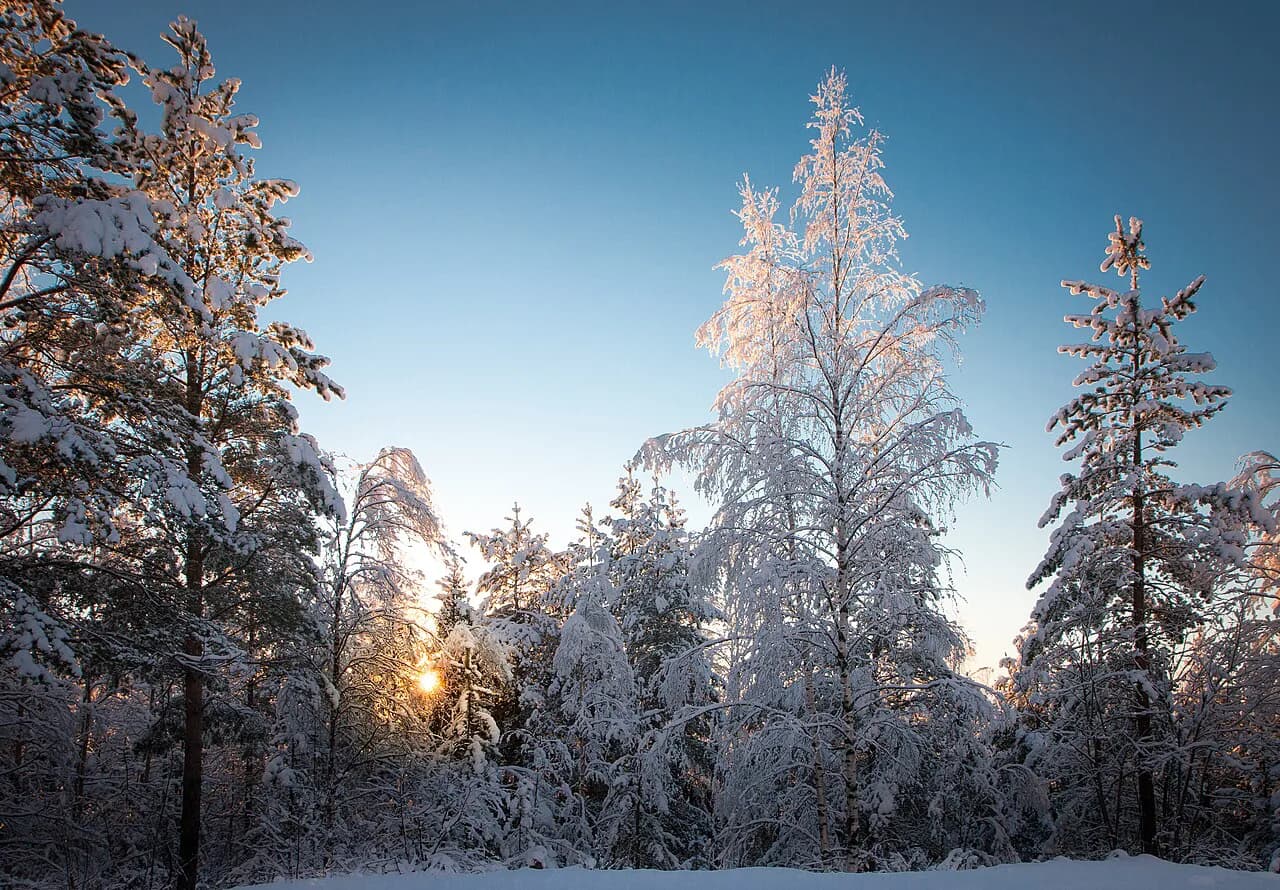
Winter temperatures in Luleå typically range from about -4°C to -15°C, with the city and archipelago under snow for the core months. Early autumn hovers around 10-12°C before the first snow, which usually arrives in late October or November. March and early April bring increasing daylight and warmer sunshine while snow remains on the ground, making them a strong choice for snowshoeing and a final stretch of winter sports.
Daylight shifts enormously across the season. December offers only a few pale hours around midday, which is good for aurora but short for sightseeing; February gives you enough light for a full day outdoors and still a long dark evening; March balances the two. Build your days around that: outdoor excursions in the light, a rest in the afternoon and aurora hunting after dinner. Luleå Travel notes that conditions close to the Arctic Circle can change quickly, so a flexible plan beats a rigid one.
The ice road and frozen archipelago
When the Gulf of Bothnia freezes hard enough, Luleå clears ice roads across the sea to the nearby islands, and the archipelago becomes a winter playground. You can skate, ski, snowshoe or walk the marked routes, or join a snowmobile or hovercraft crossing. The main ice track is a long loop over the frozen sea, and it is the single most distinctive thing to do here in winter.
Treat the ice road as a seasonal window, not a fixture. It opens once the ice is thick enough and typically closes sometime in mid-April, varying from year to year. Check the official Luleå municipality ice status before setting out on foot or skates, and stay on marked routes; the cleared tracks are maintained precisely because the ice beyond them is not. For a guided first taste, an operator will supply the equipment and local knowledge.
Dog sledding, snowmobiling and ice fishing
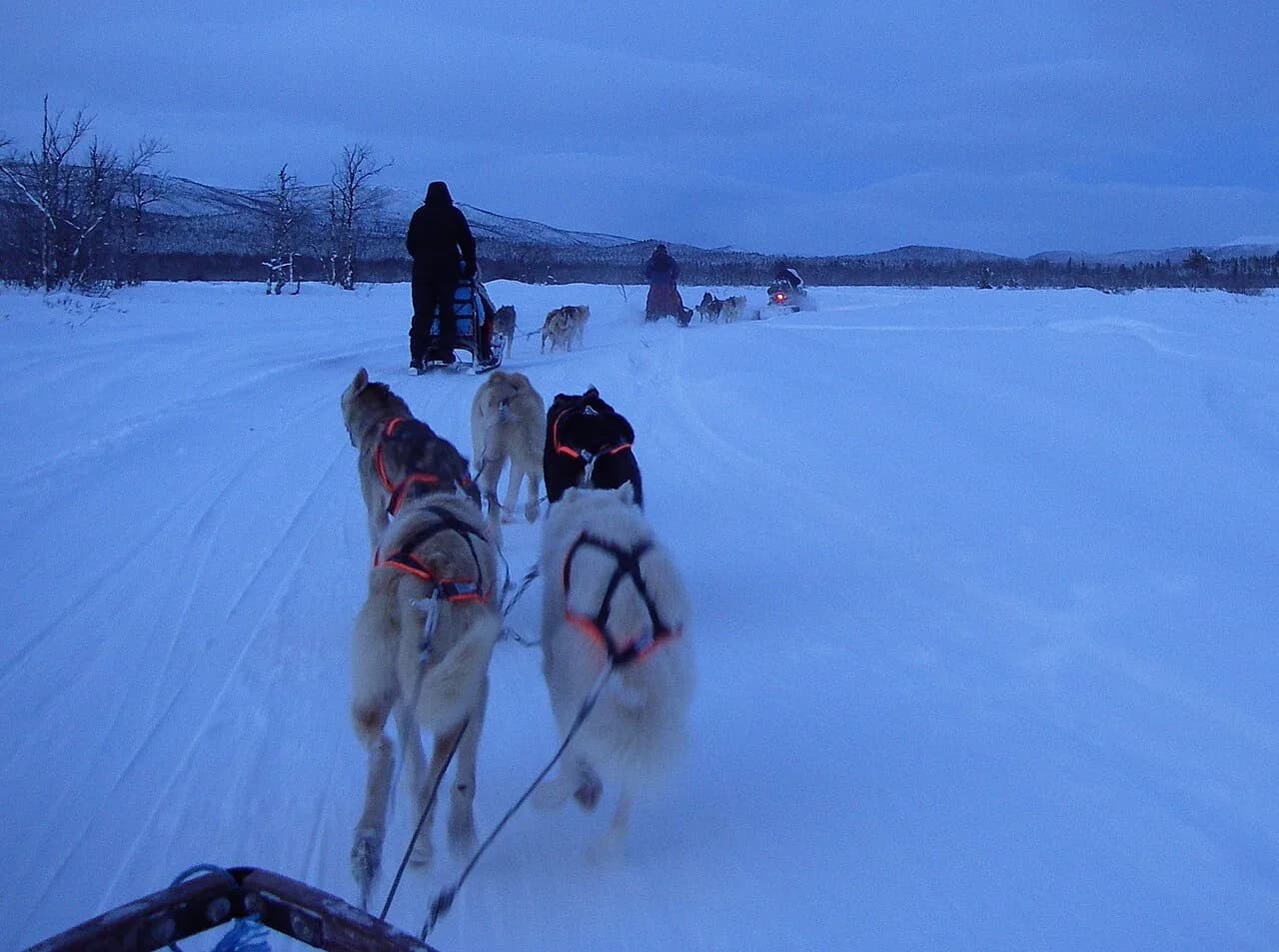
Husky sledding and snowmobiling are the headline winter activities around Luleå, and most run as half-day or full-day safaris from the city or from lodges on the archipelago edge. Ice fishing trips, snowshoe walks and guided northern lights hunts fill out the options, from gentle family outings to faster, more physical adventures. Operators typically bundle transport, guiding and hot drinks, and many lend thermal suits and boots for the duration.
Book the activity that matches your appetite for cold. A two-hour husky ride is enough for most first-timers; a full snowmobile day covers more ground but exposes you to wind chill on open ice. If you are traveling with children, ask about ages and whether a child rides in the sled or drives a smaller machine. Prices and inclusions vary by operator, so compare what is bundled before booking.
Where to watch the aurora near Luleå
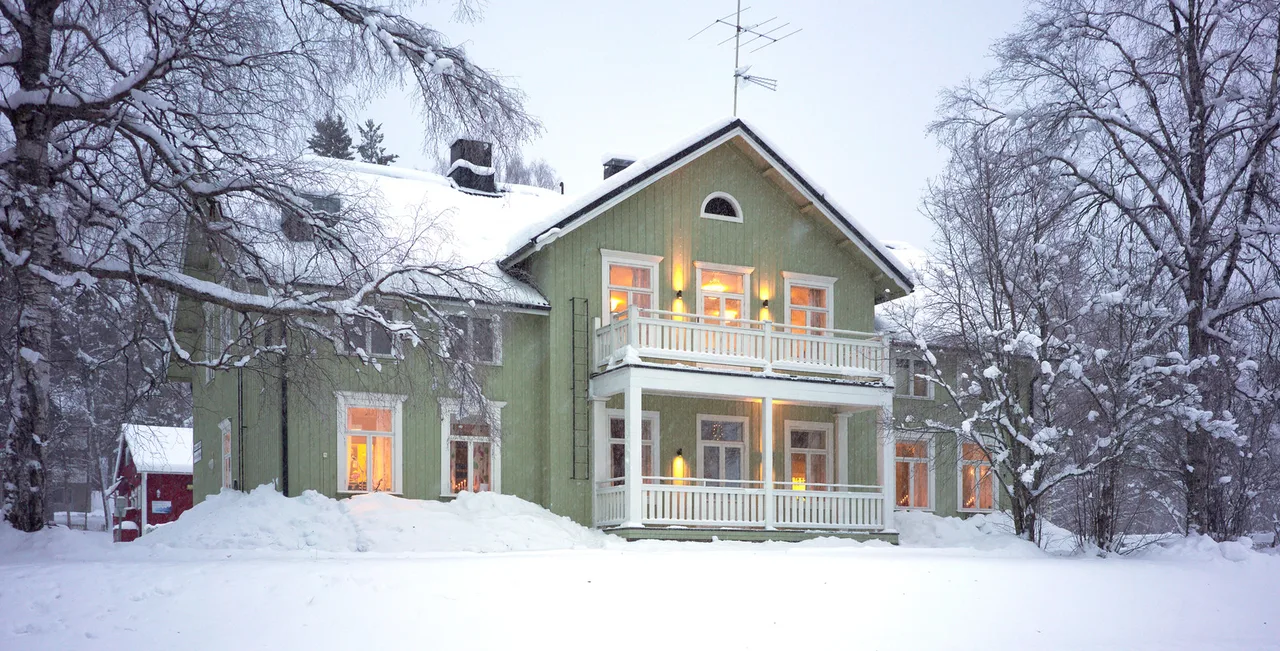
Dark-sky spots sit close to the city: the coastline and islands just outside town, the frozen sea itself once it is safe, and quiet roads inland toward the forests. Guided chases from September to March take you into the wilderness with someone who watches the cloud radar and knows where the gaps are likely to open. That is the simplest route for a first visit, especially if you have only one or two nights.
Self-guided chasing works if you have a car and patience. Drive a short way out of the centre, away from street lighting, and give your eyes time to adapt; a faint arc may only appear after twenty minutes in the dark. The wilderness lodges beyond the city have minimal light pollution, which makes them excellent aurora bases in their own right. Compare conditions across the region with the broader guide to the Luleå Northern Lights.
City hotels: Clarion Hotel Sense and Elite Stadshotellet
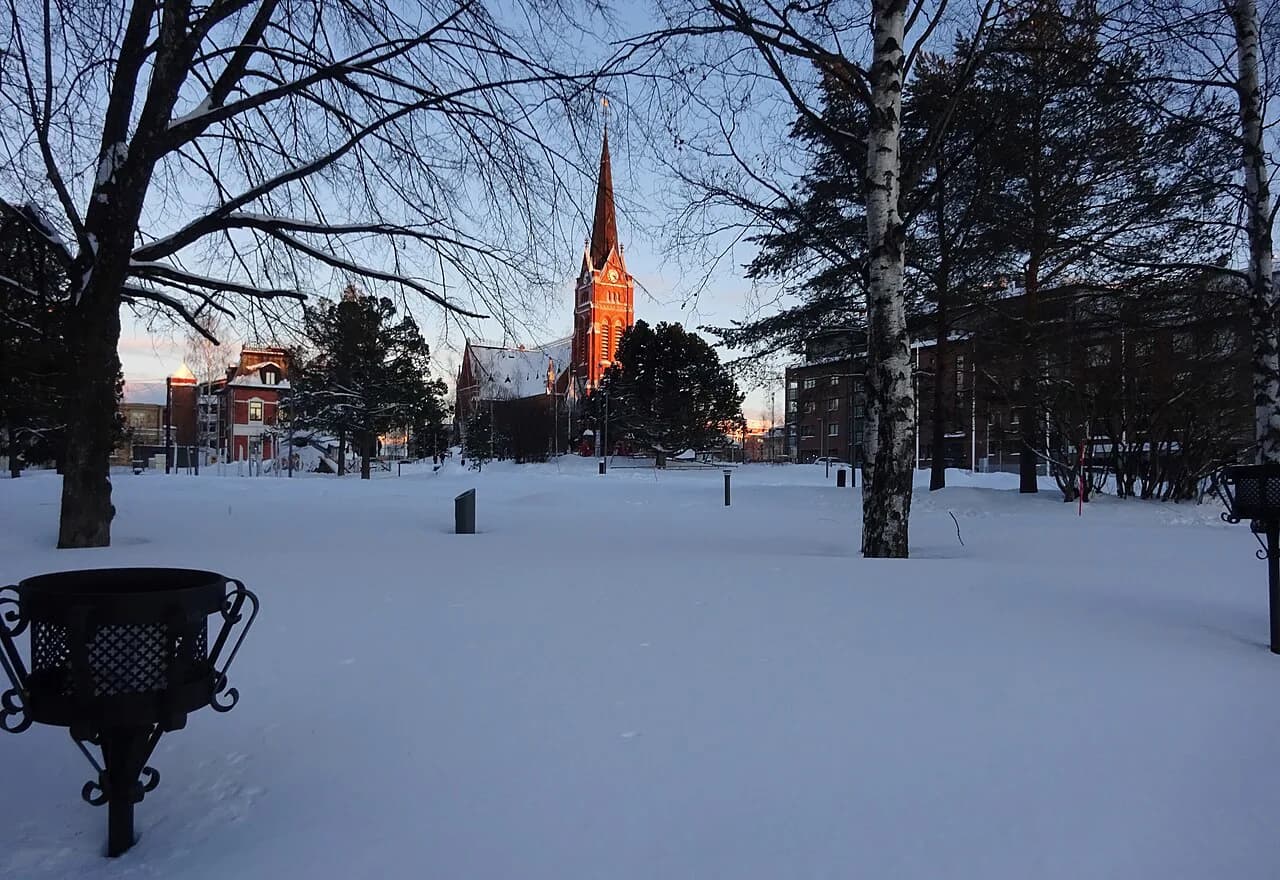
In the centre, Clarion Hotel Sense pairs modern rooms with a spa, a pool and panoramic views, and its Restaurant Nine serves seasonal Swedish dishes; it puts you within walking distance of restaurants, shops and the waterfront. For something older, Elite Stadshotellet occupies a historic building on the main street overlooking Stadsparken and the North Harbour, with high ceilings and large windows. The Bishops Arms pub next door is a handy spot for an evening drink without crossing town.
Both make practical bases for a trip built around excursions. You get reliable heating, a proper breakfast and a short walk to pickup points, which matters when a chase returns at one in the morning. A hotel room will not give you the black skies of the archipelago, but it gives you comfort and a central location from which to reach them. If you want the romance of a glass or mirror cabin, that is a separate decision covered below.
Wilderness stays: Brändön Lodge, Arctic Retreat, Treehotel and Arctic Bath
Just beyond the city, Brändön Lodge sits on the edge of the frozen archipelago, so guests can step straight onto the ice in winter and join excursions from the door. Arctic Retreat offers secluded riverside luxury with private hot tubs and tailor-made wilderness outings, while the Treehotel near Harads puts you in architect-designed cabins among the treetops. The floating Arctic Bath on the Lule River adds a wellness stay with a striking design. Each trades city conveniences for quieter skies.
The mirrorcube is the most photographed cabin at the Treehotel in Harads, Sweden, but the draw for aurora travelers is the dark forest setting and the silence. Cabins like these take you out of town lighting, though you should expect to share the best viewing spots with other guests and to walk a little from your door to open sky. Weigh the design against the practicalities: a smaller cabin means fewer amenities but more time outside.
Gammelstad Church Town in winter
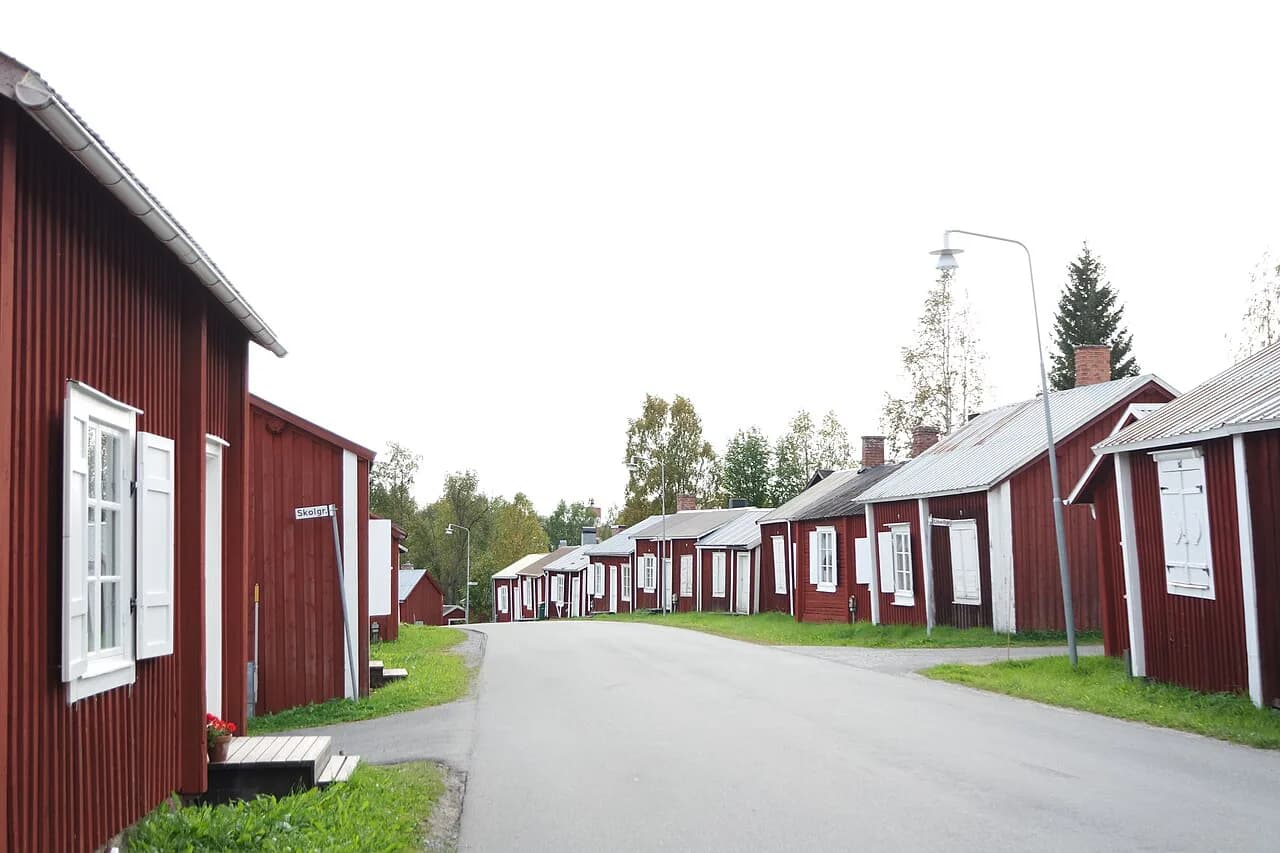
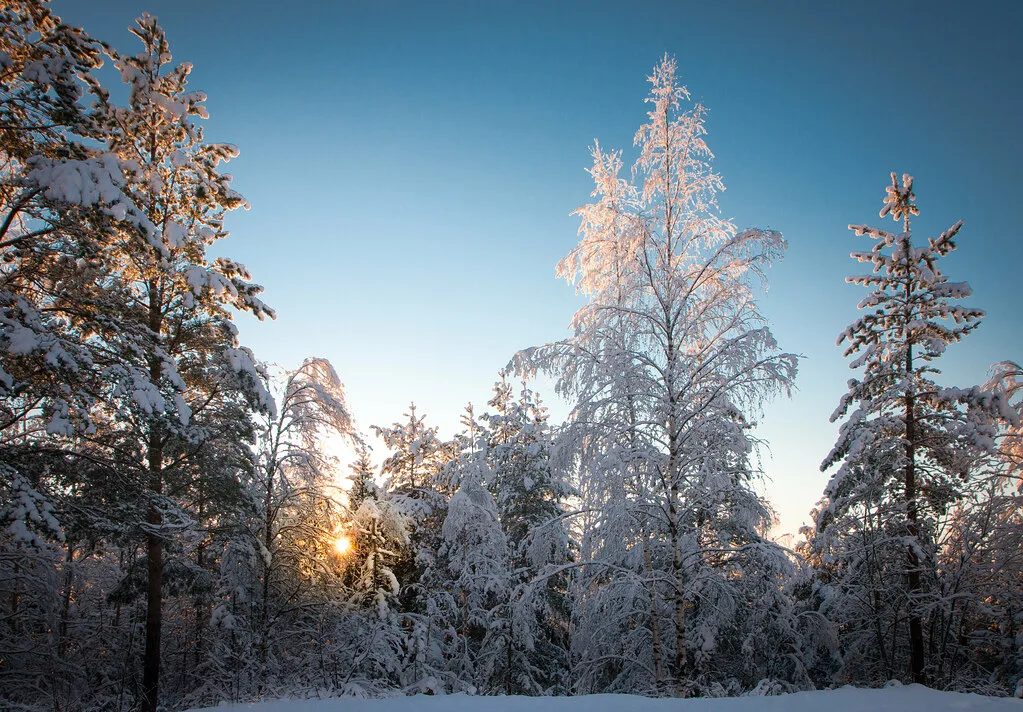
A short trip outside the city, Gammelstad is a UNESCO-listed church town and the best-preserved example of its kind in Scandinavia, with around 400 red-painted wooden cottages clustered around a medieval stone church. In winter the snow on the roofs and the quiet lanes give it a different character from summer, and it is close enough to visit in a morning. Allow time for the church and a walk through the cottages.
Combine it with the rest of your day rather than making a separate journey. From the city you can reach Gammelstad easily, and the waterfront and harbour are on the way back. If church interiors and open-air museums interest you, the Gammelstad Church Town and Nederluleå Church page covers what is open and how the site is laid out.
How many nights to plan
Plan three to five nights to see the city and its cultural sights while leaving room for excursions into the surrounding wilderness. That is enough for a night or two of aurora chasing, a husky safari, an ice-road day and a visit to Gammelstad without rushing. If you extend into a remote lodge, add a few more nights; the journey and the slower pace eat time.
For aurora odds specifically, more nights beat more activities. A single clear night in a week is common, and two or three chases spread across a stay give you a fair chance without pinning everything on one forecast. Book the activities for the daytime and keep evenings flexible for a chase. If a display doesn't happen, you still have the ice road, the archipelago and the food to fill the trip.
Getting there and getting around
From the UK, the quickest route is a flight to Stockholm followed by an internal connection to Luleå, usually just under four hours in the air and around six hours door to door with the stopover. Luleå city centre is about ten minutes' drive from the airport. An overnight train from Stockholm is the other option if you prefer to travel on the ground.
Once in the city, most of the centre is walkable and tours collect from central hotels. For the archipelago and the lodges you need wheels or a transfer, especially at night when chasing aurora. Winter driving is manageable on main roads, but check conditions and drive to the surface. If you are going further afield across the region, the guide to Swedish Lapland in winter sets out how the destinations compare.
Plan Your Luleå Winter
Luleå's strength is that it lets you combine a genuine city stay with a frozen sea and dark skies within a short drive. Choose your dates for the darkness you want, from the reflective lakes of September to the bright, snowy days of March, and make the ice road and a guided chase the core of the trip rather than an afterthought. Three to five nights gives you enough room to see the place and to give the aurora a fair chance.
Frequently Asked Questions
Is Luleå good for seeing the northern lights?
At 65.6°N, Luleå has long dark nights from September to March, and dark coastline and islands are a short drive from the city. Sightings still depend on solar activity and clear skies, so plan several nights and book a guided chase rather than relying on a single evening.
What is there to do in Luleå in winter?
You can cross the frozen archipelago on the ice road and ice track, join husky sledding, snowmobile or ice fishing trips, and visit Gammelstad Church Town. In the evening, guided aurora chases head into the wilderness away from city lights.
Can you walk on the frozen sea in Luleå?
Yes, once the ice roads are cleared and marked safe. The tracks typically close sometime in mid-April, varying by year, so check the official ice status before setting out and stay on marked routes.
How cold is Luleå in winter?
Temperatures typically range from about -4°C to -15°C through the core winter months, with snow on the ground and the sea frozen. Operators often lend thermal suits for activities.
How many nights should I spend in Luleå in winter?
Three to five nights covers the city sights, a visit to Gammelstad and a couple of excursions, with evenings left free for aurora chases. Add more nights if you combine the city with a remote lodge.
Sources
Notes for your Arctic winter trip
Optional updates to our northern lights guides.
You might also like
Continue reading
More guides you'll find useful