Finnish Lapland in November: Snow, Darkness and the Aurora
November in Finnish Lapland brings short daylight, early snow and long dark nights for aurora watching. Plan activities, tours and a realistic number of nights.
On this page
November in Finnish Lapland is winter arriving in stages. Days shrink to a pale blue twilight, the first snow settles on some ground and not others, and the long evenings are properly dark for the first time since spring. Travelers who value quiet over guaranteed postcard conditions tend to enjoy it; those who need deep snow underfoot should look later in the season.
The month sits before the December Christmas rush, so resort villages feel calmer and the aurora season is already open. What November cannot promise is a clear sky or a full snowpack, which is why the sensible plan is to build a stay around darkness and flexibility rather than a single booked night.
What November looks and feels like in Finnish Lapland
November is a transition month rather than a settled winter one. Early on, autumn is still giving way, so the weather can swing between rain and snow before the landscape locks into white, and the weeks before the snow settles are the least attractive of the season. Once that shift completes, the reward is the clean winter scene that follows, with snowshoeing and everyday outdoor life picking up in the local communities toward the end of the month.
Temperatures sit well below freezing but rarely reach the deep cold of midwinter. Regional climate data for the Finnish and Swedish border country puts November at roughly minus 9°C minimum and minus 3°C maximum, with about 43 mm of precipitation across the month, which can fall as rain, wet snow or dry snow depending on the day. Treat those figures as a regional average, not a forecast for Rovaniemi or any single village.
How dark the nights are and what that means for the aurora
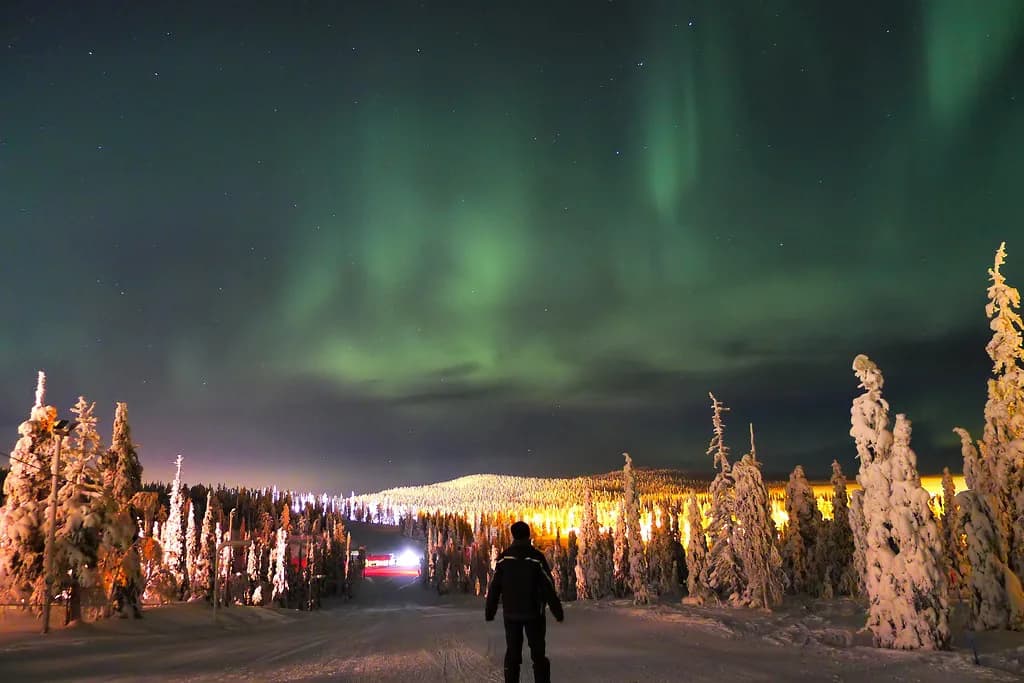
Finnish Lapland lies under the auroral oval, the northern band where charged particles from solar wind most often reach the upper atmosphere, and that geography is why the region is one of Europe's stronger aurora destinations. Between October and March the near-total darkness gives the lights far more hours of dark sky to appear in, though they still depend on solar activity and, above all, on cloud cover on the night. The northern lights in finland are never guaranteed, so treat any tour as a chance rather than a promise.
November's darkness is an advantage that travelers often overlook. Because the sun stays so low, the sky is usable for aurora watching from late afternoon into the following morning, which gives you several windows per night instead of one. Pair that with a glance at the aurora forecast for geomagnetic activity and a look outside for stars, and you have a workable routine without leaving your cabin.
Daylight hours and temperatures in November
Daylight shrinks sharply through the month. By late November the sun barely clears the horizon in far northern Finnish Lapland, leaving a few hours of low, blue light around midday, while Rovaniemi and the southern edge of the region hold on to slightly longer days. Plan outdoor activities for the middle of the day and keep the mornings and afternoons free for saunas, museums or driving between bases.
The regional border-country data of about minus 9°C to minus 3°C in November is a useful planning anchor, but clear nights are colder than cloudy ones and inland valleys colder than hilltops. Packing is its own subject, so the practical point here is simply to expect ice underfoot and to rent or borrow gear locally where an operator offers it rather than buying for a single trip.
Snow cover in early November and why it varies
Snow in November is common but not dependable, and that distinction matters when you are choosing activities. Late November usually brings enough snow for snowshoeing and forest trails, while the first week or two can still be a mix of bare ground, slush and fresh falls. If a sledding or snowmobile trip is the centrepiece of your trip, booking later in the month gives you a better base.
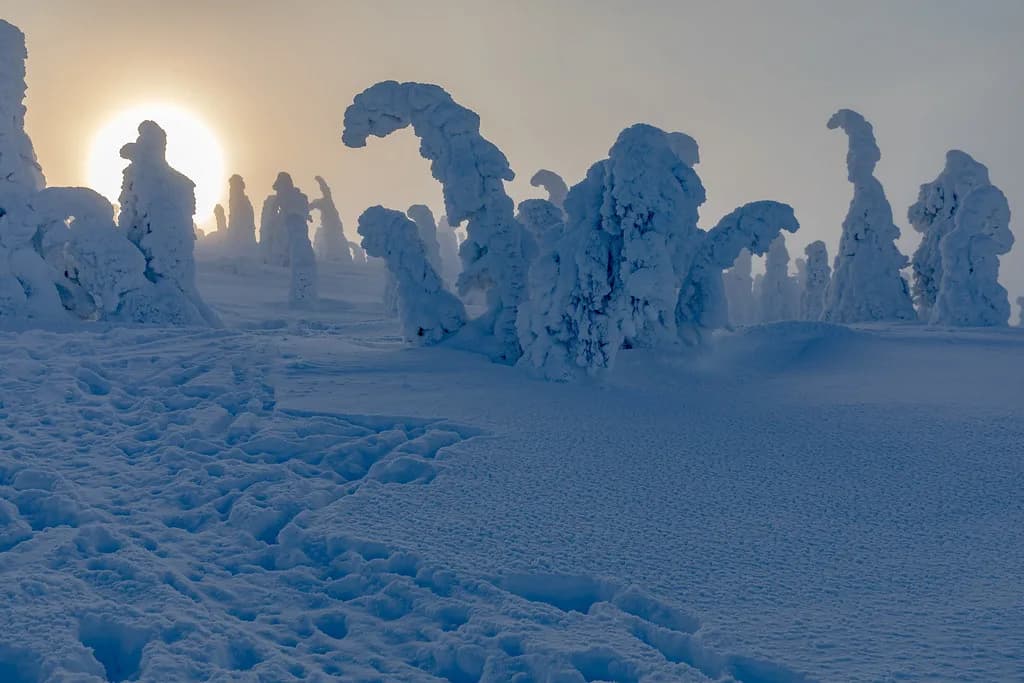
The variation is geographic as well as seasonal. Higher ground and fell country around the national parks hold snow earlier than the river valleys around Rovaniemi, and a short drive can take you from brown roadsides to a white forest. Ask your accommodation which activities are actually running in the week you arrive, and build a spare day into the plan so a snow-dependent trip can move.
When the aurora season starts and how November fits
The aurora season in Finnish Lapland is generally treated as running from late August or September through to early April, because those are the months with dark enough nights. November falls comfortably inside that window, and its near-total darkness gives it an edge over September evenings for late-night viewing. What it lacks compared with February and March is often the frequency of crisp, clear nights.
Think of November as an early-season bet: darkness is abundant, but cloud is the uncertainty. Travelers who can stay several nights and who are content to watch from a cabin or a dark roadside stand a fair chance of catching a display, while a single overnight stop is a gamble whatever month you choose.
Where to watch: leaving town lights behind
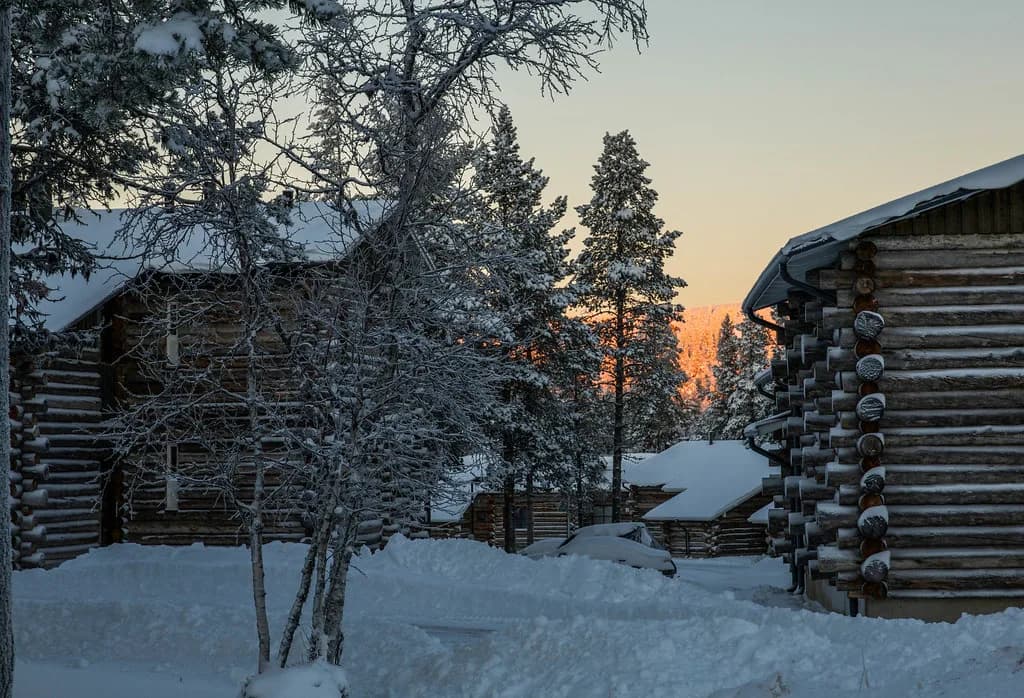
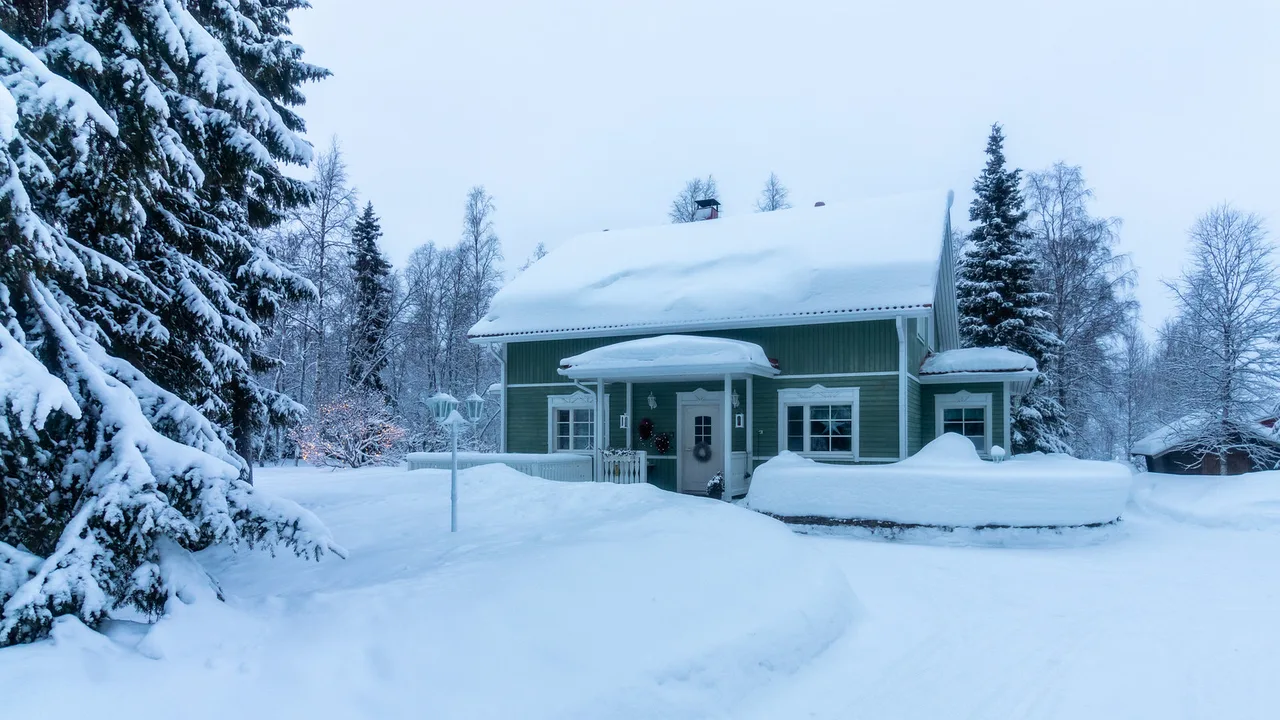
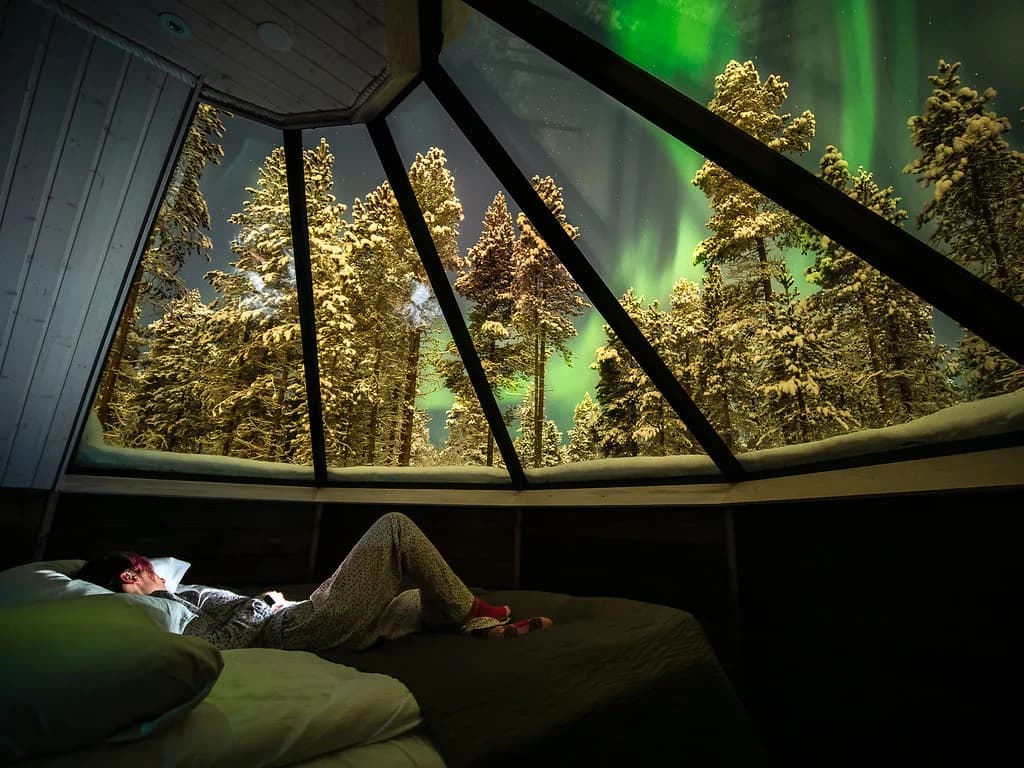
Aurora watching is largely a matter of getting away from artificial light. In Rovaniemi, the town centre and the illuminated Santa Claus Village area are bright, so the practical move is to head a short drive out along the river or into the surrounding forest, where the sky opens up. Resort villages outside the city, with cabins set among trees and lake shores, often do the dark-sky work for you.
Darkness alone is not enough, because a clear horizon in every direction matters as much as a dark one. Lakeshores and frozen bogs give you open sky to the north, whereas a cabin deep in spruce forest can hide a low display. Ask at your accommodation where guests usually walk or drive to watch, and use the aurora forecast to judge whether a display is likely before you commit to a night out.
Self-guided chasing versus a booked aurora tour
A booked northern lights tour is mainly a transport and local-knowledge service. Operators drive you out of town to more remote, darker areas where the chance of a sighting improves, and they lend thermal suits and boots for the night. For a first visit, or for anyone without a car and winter-driving confidence, that combination is usually worth the cost, and finnish lapland northern lights tours come in small-group and private formats.
Self-guided chasing works well if you have a rental car with winter tyres and some experience on icy roads. You choose when to go, you can turn back when cloud rolls in, and you keep your own schedule. The trade-off is that you take on the driving, the route-finding and the weather decisions, which is a poor fit for a short trip or a first encounter with Arctic winter roads.
Husky and reindeer safaris in early winter
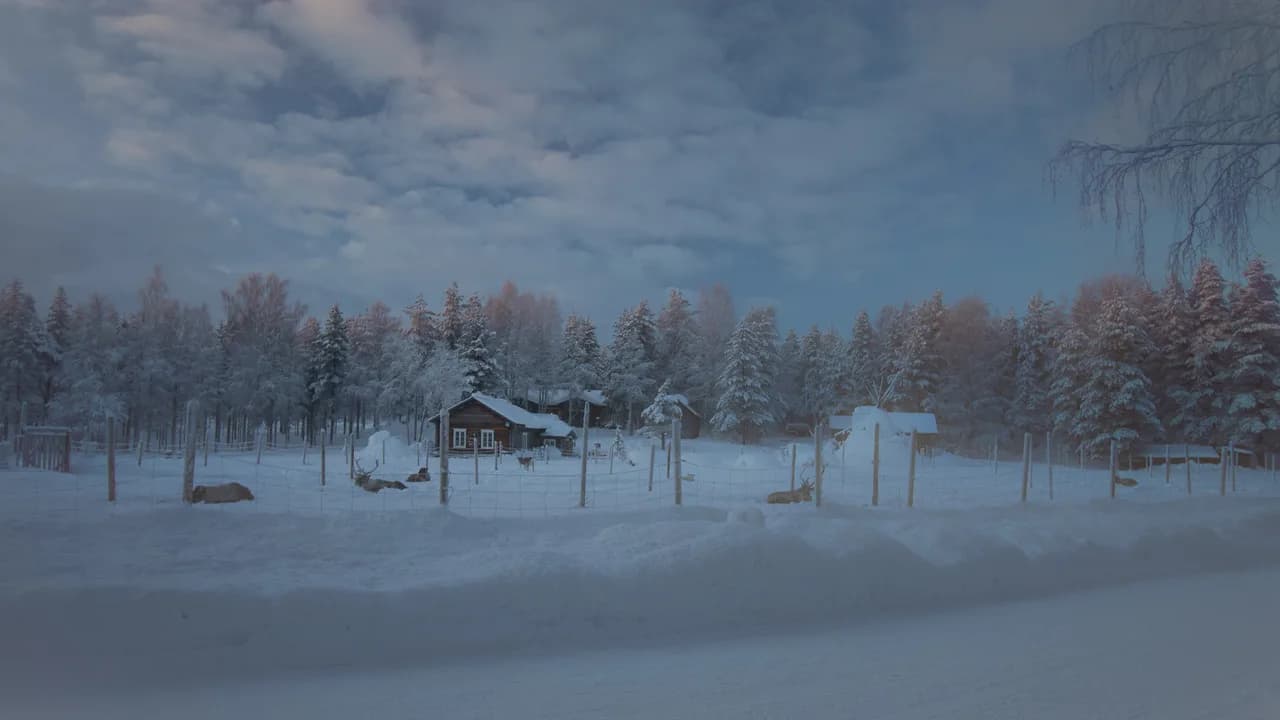
Husky safaris and reindeer sledding run in November where snow allows, and they are the most family-friendly way to spend a short daylight window. Reindeer herding is far more than a Christmas attraction: for the Sámi, the animals have provided transport, warmth and food in this climate for centuries. If you want to understand that side of the trip rather than just ride, sami culture experiences around Inari and the villages give it context.
Sledding and snowmobile trips in November depend on sufficient snow, so a mild start can push them back or reroute them. Sauna traditions are not weather-dependent at all, which makes an evening sauna a reliable anchor when an activity is cancelled. Finnish saunas are typically wood-heated huts kept at roughly 80 to 110°C, hot enough to make the walk back into the snow feel like part of the ritual.
Snowmobiles, snowshoeing and cross-country skiing as the snow arrives
Snowmobiling is the fastest way to cover distance in early winter, and it suits travelers who want to reach frozen lakes and forest tracks without long walks. You need a driving licence to take the wheel on a guided safari, and the operator leads the route so you are not navigating in the dark. Cross-country skiing and snowshoeing are slower, cheaper and less dependent on deep snow, which makes them the safer picks for early November.
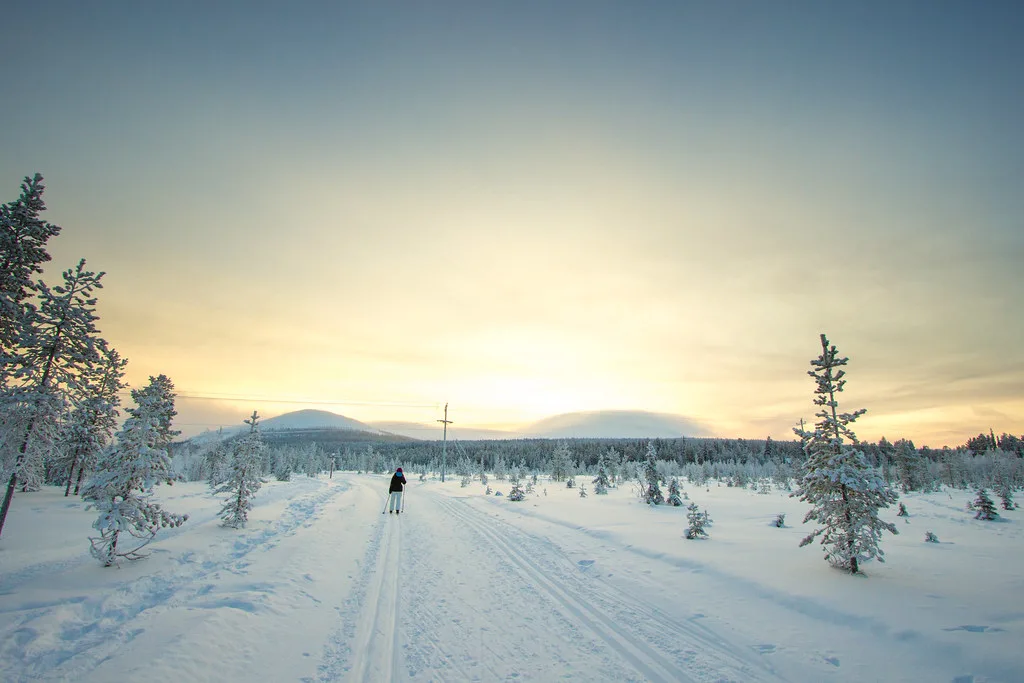
As snow builds through the month, maintained ski trails and snowshoe routes open up around the larger resorts and national park gateways. Check locally which trails are groomed before you set out, since an ungroomed forest track can mean breaking trail through knee-deep snow. A short guided introduction is a reasonable investment if you have never used the equipment.
Sauna and the slower side of November
November rewards travelers who build in downtime. With only a few hours of usable daylight, an itinerary packed with activities leaves no room for the aurora later, whereas a pattern of one daytime outing and a free evening keeps you rested for a night watch. Hotel and campsite saunas, museums and craft workshops fill the dark afternoons comfortably.
This is also a good month for slowing down in a cabin. Cooking, reading and waiting for a gap in the cloud is part of the experience, and a sauna in the evening sets up a late check of the sky before bed. Travelers who need constant activity should aim for February or March instead.
Rovaniemi and Santa Claus Village in November
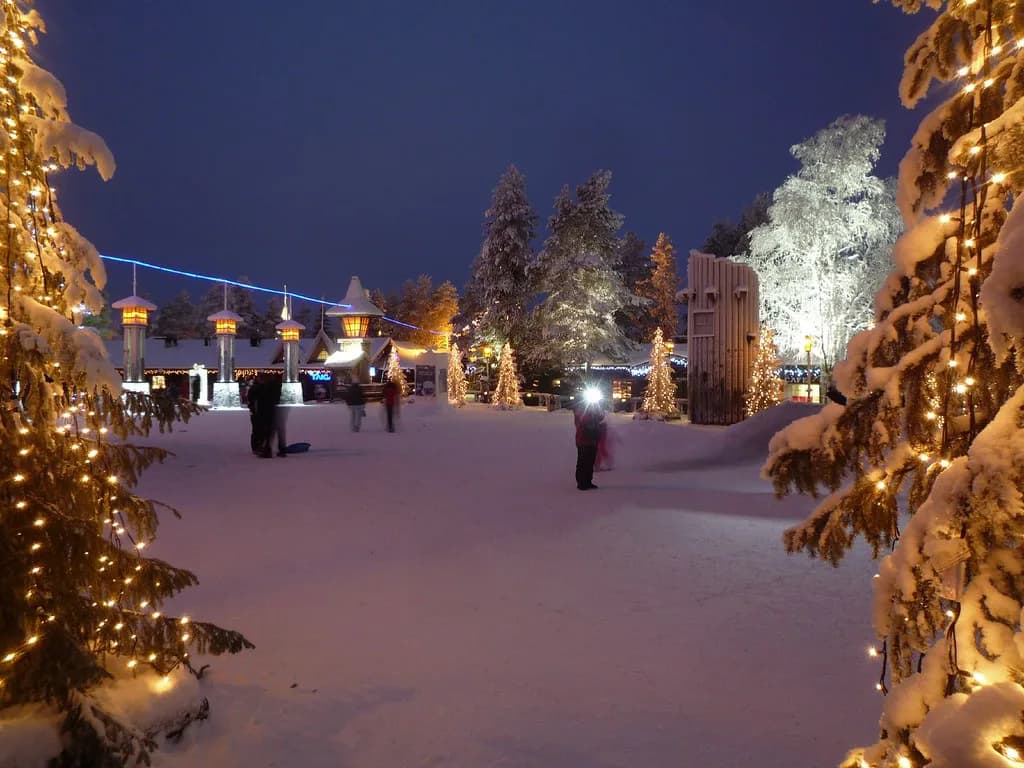
Rovaniemi is the main gateway for most November arrivals, with the airport, winter gear rental and tour operators in one place. Santa Claus Village, a short ride from the centre and sitting on the Arctic Circle line, is open year-round, so you can meet Santa and send postcards with a special postmark even in November. The same area is heavily lit, which is worth remembering if you plan to watch the sky from your accommodation. For the city-specific detail on daylight, snow and aurora odds, see this guide to rovaniemi in november.
Across the road, Santa Park offers a Christmas-themed underground cavern with elf performances and the chance to cross the Arctic Circle indoors, which is a workable option when the weather turns. For travelers weighing a December visit, reading up on christmas in finnish lapland helps you see how much busier the same sites become once the festive season peaks.
How many nights to allow for a fair chance of clear skies
Cloud is the limiting factor in November, so nights matter more than any other booking decision. Three nights is the practical minimum for a fair chance of one clear evening, and four or five gives you room for a cancelled activity and a rest day. A single night in Lapland is a lottery in any month, and no operator can change the weather.
If your trip is short, put the aurora first: choose a base outside town lights, keep evenings free and book a tour early in the stay so it can be rebooked if the first attempt is clouded out. If your trip is longer, split the stay between Rovaniemi and a quieter resort village to increase the range of skies you can reach.
Crowds, prices and the pre-Christmas window
November is the quiet before the December surge, when short fly-in Christmas trips fill the region. That makes it a calmer and generally less pressured month for accommodation and tours, with the caveat that some seasonal businesses open later in the month. Book the aurora night early in your stay rather than at the end, so a cloudy first attempt leaves room for another.
Rates vary by property and date, so compare your exact week directly with the hotels and operators rather than relying on a general figure. Late November, once snow has settled and the Christmas season starts to build, tends to be busier and dearer than the first half of the month.
Practical Timing for a November Trip
November in Finnish Lapland suits travelers who want real darkness, quiet resorts and a genuine shot at the aurora without the December crowds. It does not suit anyone who needs guaranteed snow underfoot or a packed activity schedule, and the honest way to plan is to expect a mix of rain, slush and fresh snow early in the month and a whiter landscape later.
Aim for late November if snow matters, allow at least three nights, keep your evenings flexible and put the aurora tour early in the stay. That combination gives you the best odds the season can offer without pretending the sky is under anyone's control.
Frequently Asked Questions
Does Lapland have snow in November?
Often, but not reliably, and the timing varies by year and location. Late November usually brings enough snow for snowshoeing and forest trails, while the first part of the month can still be a mix of bare ground, slush and fresh falls. Higher ground and fell country tend to hold snow earlier than the river valleys around Rovaniemi, so ask your accommodation which activities are running in your week.
Is November a good time to see the northern lights in Finnish Lapland?
November falls inside the dark season, which generally runs from late August or September to early April, so the nights are long enough for aurora watching. Whether you see a display depends on solar activity and, above all, on cloud. Staying several nights and getting away from town lights improves your chances, but no month guarantees a sighting.
How cold is Finnish Lapland in November?
Regional climate data for the Finnish and Swedish border country puts November at roughly minus 9°C minimum and minus 3°C maximum, with about 43 mm of precipitation across the month. Those are averages rather than a forecast for a specific town, and clear nights are usually colder than cloudy ones. Expect ice underfoot and variable conditions.
How many hours of daylight are there in Lapland in November?
Daylight shrinks quickly through the month. By late November the sun barely clears the horizon in far northern Finnish Lapland, leaving only a few hours of low, blue light around midday, while Rovaniemi and the southern edge of the region keep slightly longer days. Plan outdoor activities for the middle of the day.
What can you do in Rovaniemi in November?
Rovaniemi works as a base for aurora tours, husky and reindeer safaris and snowshoeing as snow allows, plus saunas and museums for the dark afternoons. Santa Claus Village is open year-round, so you can meet Santa and send postcards with a special postmark, and Santa Park offers an underground Christmas-themed cavern across the road. Activities that need snow depend on conditions in your week.
How many nights should I plan for an aurora trip in November?
Three nights is a practical minimum for a fair chance of one clear evening, and four or five lets you absorb a cancelled activity or a rest day. Book your aurora night early in the stay so it can be rebooked if cloud intervenes. Cloud, not darkness, is the limiting factor in November.
Sources
Notes for your Arctic winter trip
Optional updates to our northern lights guides.
You might also like
Continue reading
More guides you'll find useful