Jökulsárlón Glacier Lagoon: Winter Tours & Aurora Guide
Plan a winter visit to Jökulsárlón glacier lagoon: where it sits on the Ring Road, short daylight, the summer boat season, Diamond Beach and dark-sky viewing.
On this page
Jökulsárlón is the glacier lagoon most travelers picture when they imagine Iceland: icebergs calving off Breiðamerkurjökull, drifting across grey-blue water and washing up as chunks of ice on black sand. In winter it suits self-drivers on the south coast who want big ice scenery, short daylight and a genuinely dark sky after dinner, rather than a quick summer photo stop.
Winter changes the visit in one important way. Licensed boat operators run on the lagoon between May and October, so a winter trip is a shoreline and dark-sky visit rather than a boat ride among the bergs. That trade-off is worth accepting: the lagoon is free to walk, the car park sits directly on Route 1, and the long nights are exactly what aurora watchers want.
Why Jökulsárlón draws winter travelers
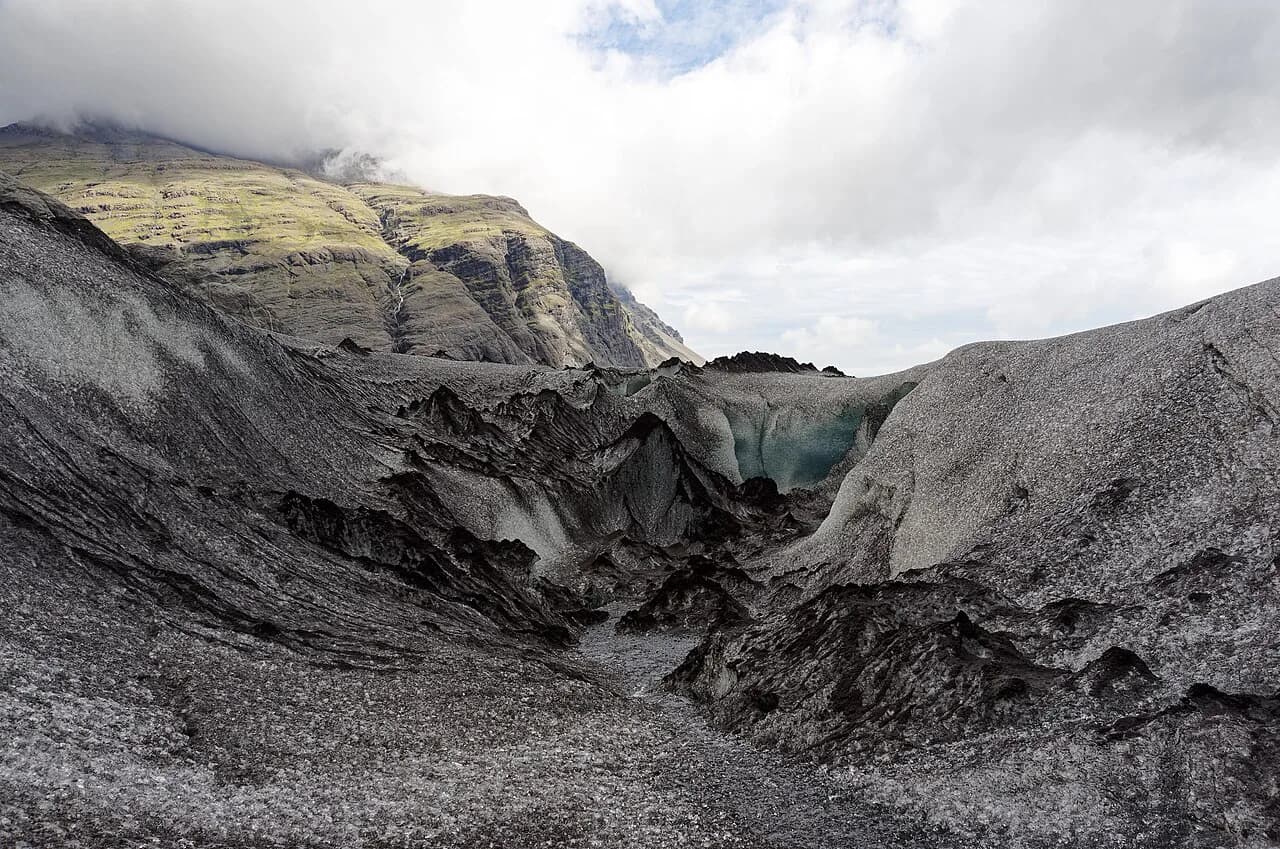
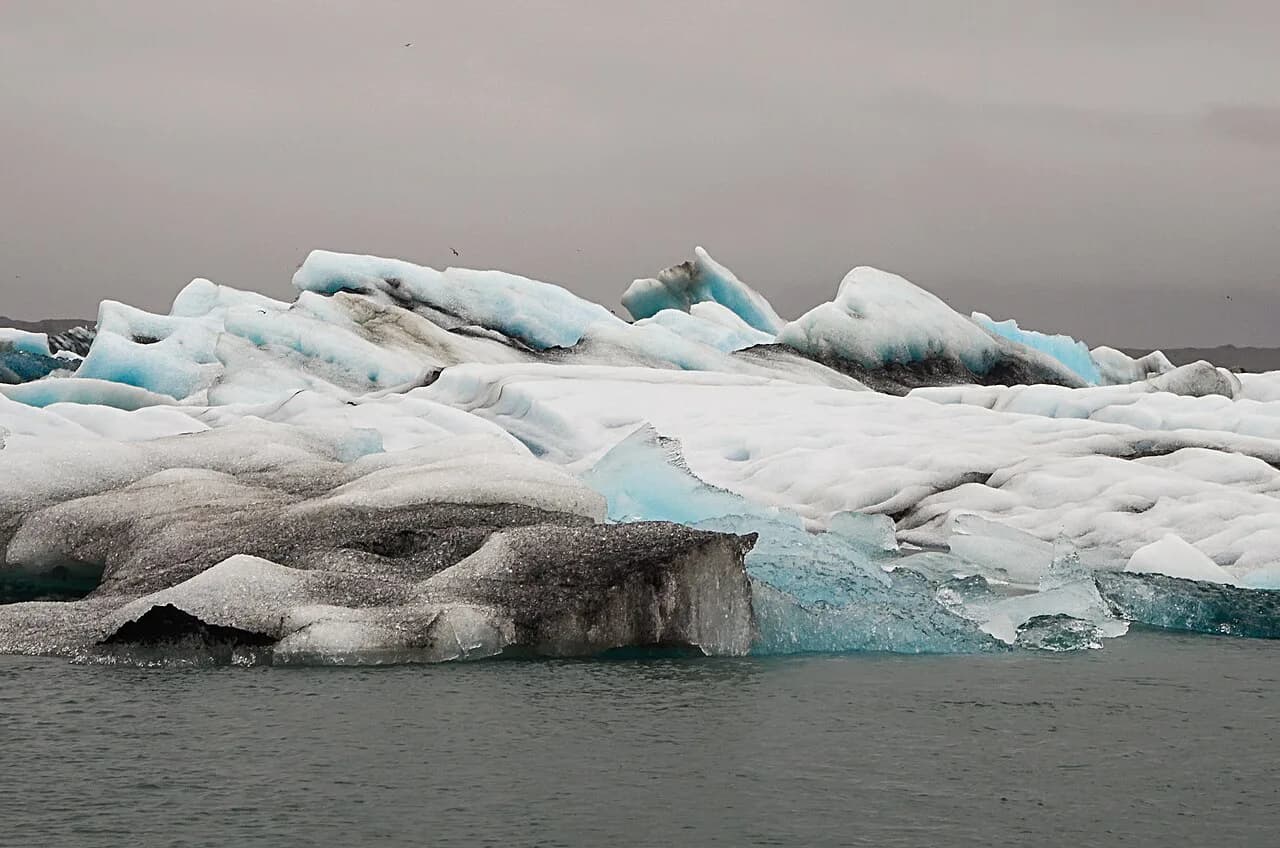
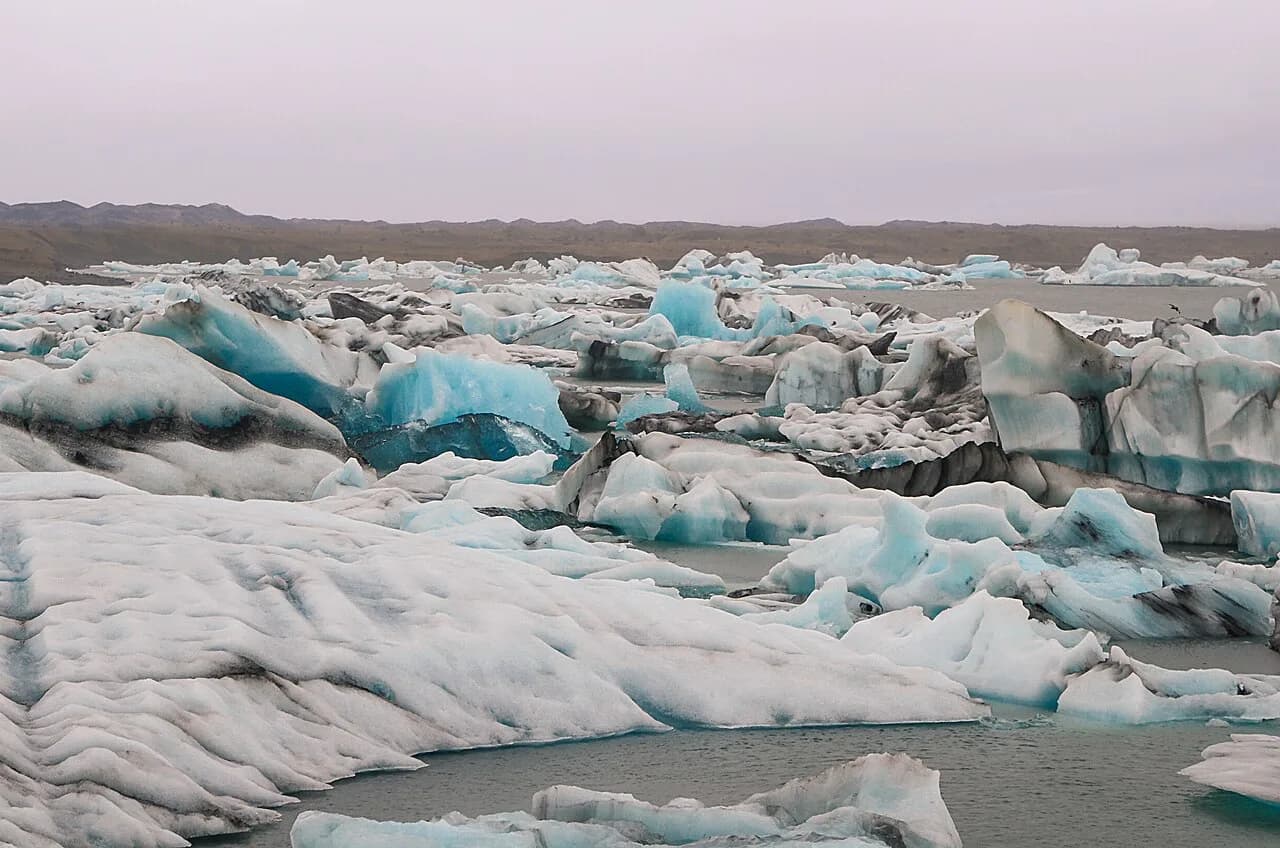
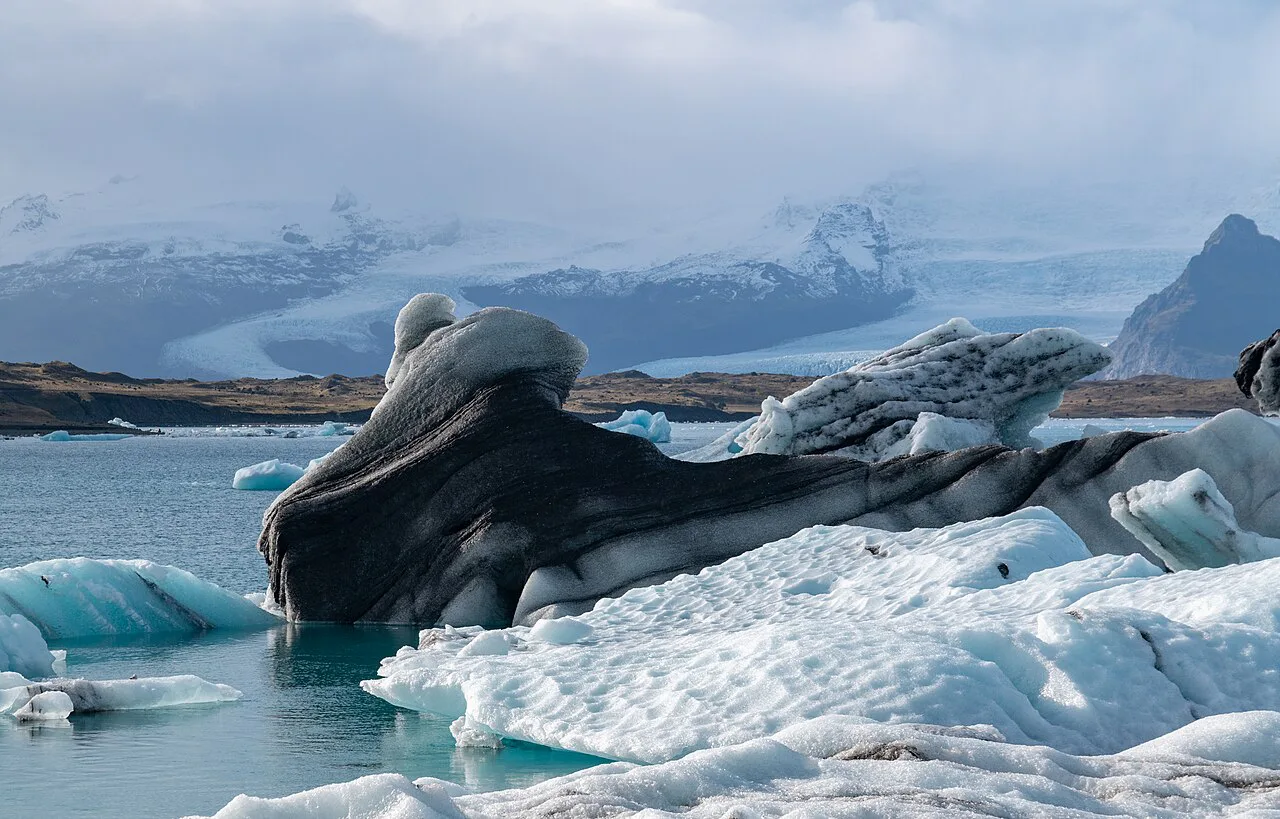
The lagoon formed where Breiðamerkurjökull, an outlet of the Vatnajökull ice cap, meets the sea, and it has grown steadily as the glacier retreats. Icebergs range from car-sized fragments to formations several storeys high, some streaked with dark volcanic ash compressed into the ice over centuries. The water shifts between blue and grey with the light and the amount of glacial sediment suspended in it.
In winter the appeal is the combination rather than any single sight: the ice face, the stranded bergs, the black sand opposite and hours of darkness over an open horizon. Photographers get low, long light in the middle of the day and deep blue twilight by mid-afternoon, which is when the ice reads best against the water.
This is a place to slow down rather than tick off. Most people walk the shoreline, watch bergs drift and look for the harbour seals that rest on the ice or swim between them, with Arctic terns diving over the water in summer. A short stop of half an hour covers the view; two to three hours covers the lagoon, the beach and a proper look.
Where the lagoon sits on the Ring Road
Jökulsárlón lies on Iceland's south coast inside Vatnajökull National Park, on Route 1 and well signposted. A large free car park sits on the north side of the road, with Diamond Beach a short walk across the highway on the south side. The road is paved and maintained year-round, though winter conditions on the approach are their own story.
Services thin out on the eastern stretch, so fuel up in Vík or Kirkjubæjarklaustur before pushing further east. The lagoon is not a place to arrive on an empty tank in the dark with the next station far behind you. If you are still weighing up where to spend your dark hours, our northern lights in Vík guide covers the same decision from the other end of this stretch of coast.
How far it is from Reykjavík, Vík and Höfn
The lagoon sits roughly 380 km east of Reykjavík along Route 1, a drive of about five hours in good conditions, which makes a same-day round trip from the capital a long haul with little time on site. Most self-drive itineraries that include it build in at least one overnight nearby.
Höfn í Hornafirði, a fishing town of around 2,500 people, is the nearest service town of any size, about 80 km east along the Ring Road and a 45-minute drive from the lagoon. Staying there lets you see the lagoon in evening light or early morning, when visitor numbers are lowest.
West of the lagoon, Skaftafell sits about 60 km away at the south-western edge of the national park, with a trail network and year-round glacier access. Fjallsárlón is only about 10 km west, close enough to pair both lagoons in a single morning.
Vatnajökull National Park and the retreating glacier
The lagoon is a young feature. In the early 20th century this was a narrow coastal strip; today it is one of Iceland's largest glacier lagoons and still growing as Breiðamerkurjökull calves into it. Seeing that scale in winter, with snow on the surrounding slopes and ice packed along the shore, makes the retreat legible in a way summer crowds can obscure.
Because the lagoon lies inside the national park, park rules apply to how you move around the ice and shoreline. Swimming is not permitted: the water is extremely cold and bergs can shift or calve without warning, so keep to the shore and watch from a safe distance.
What the lagoon and icebergs look like in winter
Winter strips the visit back to ice, water, light and weather. Fresh calving can leave bergs packed against the outlet channel, and wind and current rearrange the view almost daily, so no two visits look the same. Snow on the bergs dulls the famous blue until the ice turns over or a fresh face is exposed.
Daylight is the constraint. Around midwinter the sun stays low and the usable window for photography and walking is short, so plan the lagoon for late morning through early afternoon and leave the dark hours for the beach and the sky. Build slack into the day for snow, wind and slow driving rather than a tight schedule.
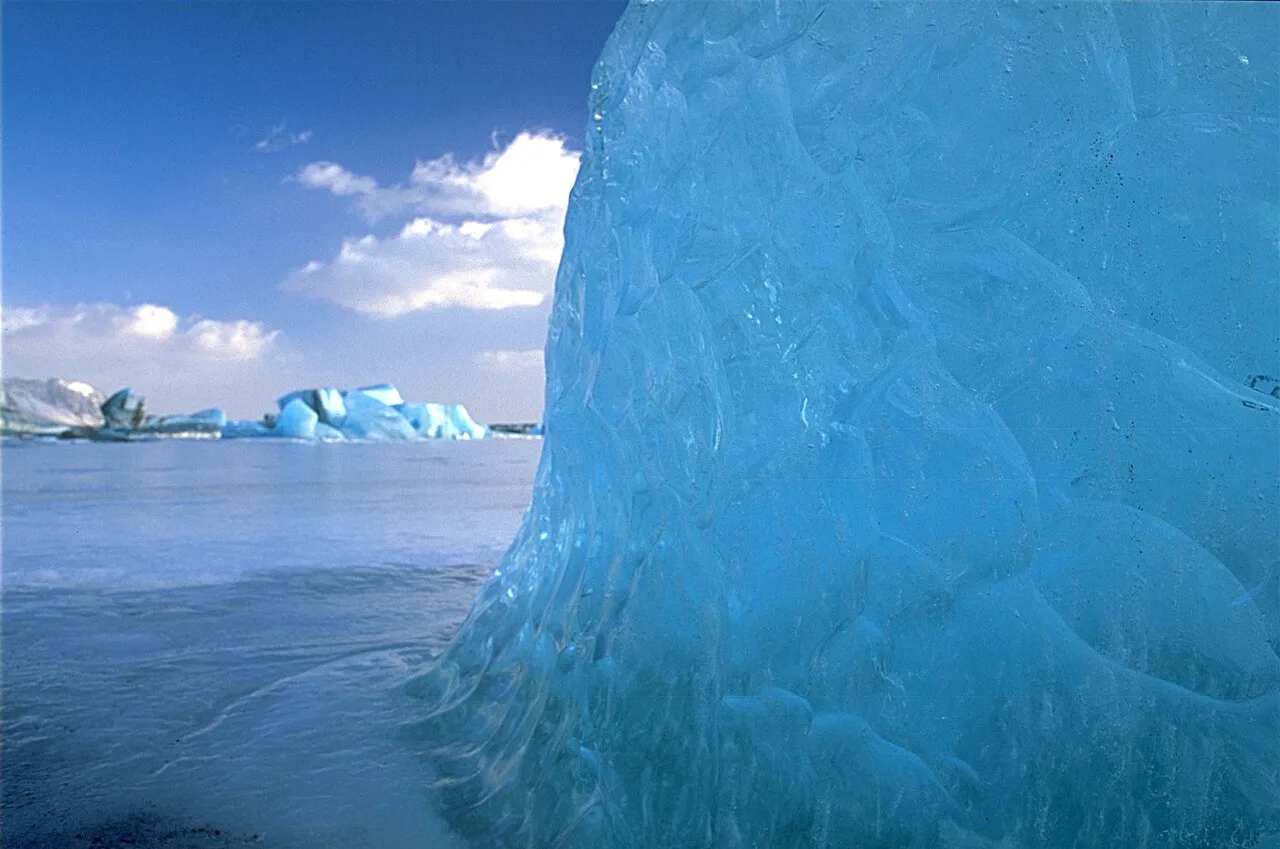
Diamond Beach across Route 1
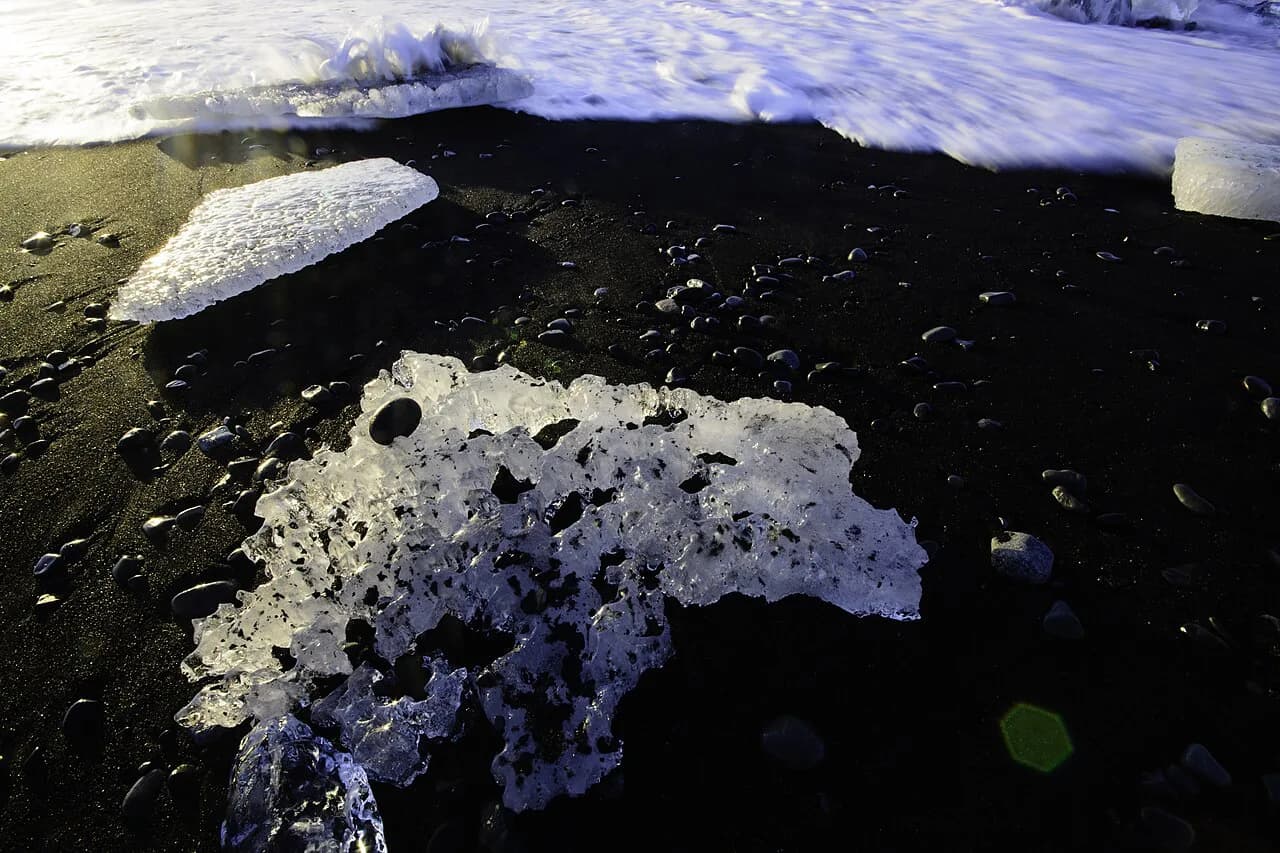
Icebergs that slip through the lagoon's outlet are carried out to sea and many wash back onto Breiðamerkursandur, the black volcanic beach known as Diamond Beach, directly across Route 1. The contrast of white and blue ice on dark sand is the most photographed scene in the area, and it is a short walk from the road, accessible year-round.
The catch is that the ice on the sand changes with every tide, so what you see is luck and timing rather than a fixed display. The drive from Fjallsárlón to the beach takes about ten minutes, which makes it an easy add-on before or after a lagoon visit.
Boat tours on the lagoon: season and boat types
Licensed local operators run boat tours from May to October, and in winter they stop. When they do run, two types dominate: amphibian boats that carry larger groups in a stable, partly enclosed vessel for around 30 to 40 minutes, and zodiac boats with smaller groups on open inflatables that get closer to the ice faces and further into the lagoon.
A zodiac ride is the longer and more expensive option and puts you near the glacier edge; the amphibian boat is the shorter and cheaper way onto the water. Decide which matters more, proximity or budget, and book the season you are actually travelling in: boat tours at Jökulsárlón generally run from May to October, and winter visitors will find them not running at all, so a winter slot is unlikely to exist.
Fjallsárlón ten minutes west: a quieter neighbour
Fjallsárlón is the smaller lagoon about 10 km west, where the glacier tongue of Fjallsjökull drops from Öræfajökull into a compact lake framed by high mountains. Because it cannot be seen from the Ring Road, it draws fewer people, and the ice face feels closer than at the bigger lagoon.
One local operator handles the lagoon, running small-group zodiac tours up to the glacier edge, with private and luxury boats for travelers who want exclusivity. On site there is free parking and the Frost restaurant for hot food and drinks after time on the water.
Fjallsárlón also sells its own winter products that Jökulsárlón does not. An iceberg boat tour runs 75 minutes from April to November at 11,300 ISK, ice floating lasts about 1.5 hours year-round at 15,900 ISK, and the Vatnajökull Premium Ice Cave Tour runs 3 to 3.5 hours from November to March at 19,425 ISK. A glacier hike and boat combo covers 4 hours from June to September at 29,900 ISK.
For aurora chasers there is a second option: floating Aurora Huts offered as an overnight stay at 105,000 ISK in October and November, sleeping on the lagoon with uninterrupted views of the ice and sky. That puts you on the water for the dark hours rather than driving back to a hotel.
Aurora viewing around the lagoon and Diamond Beach
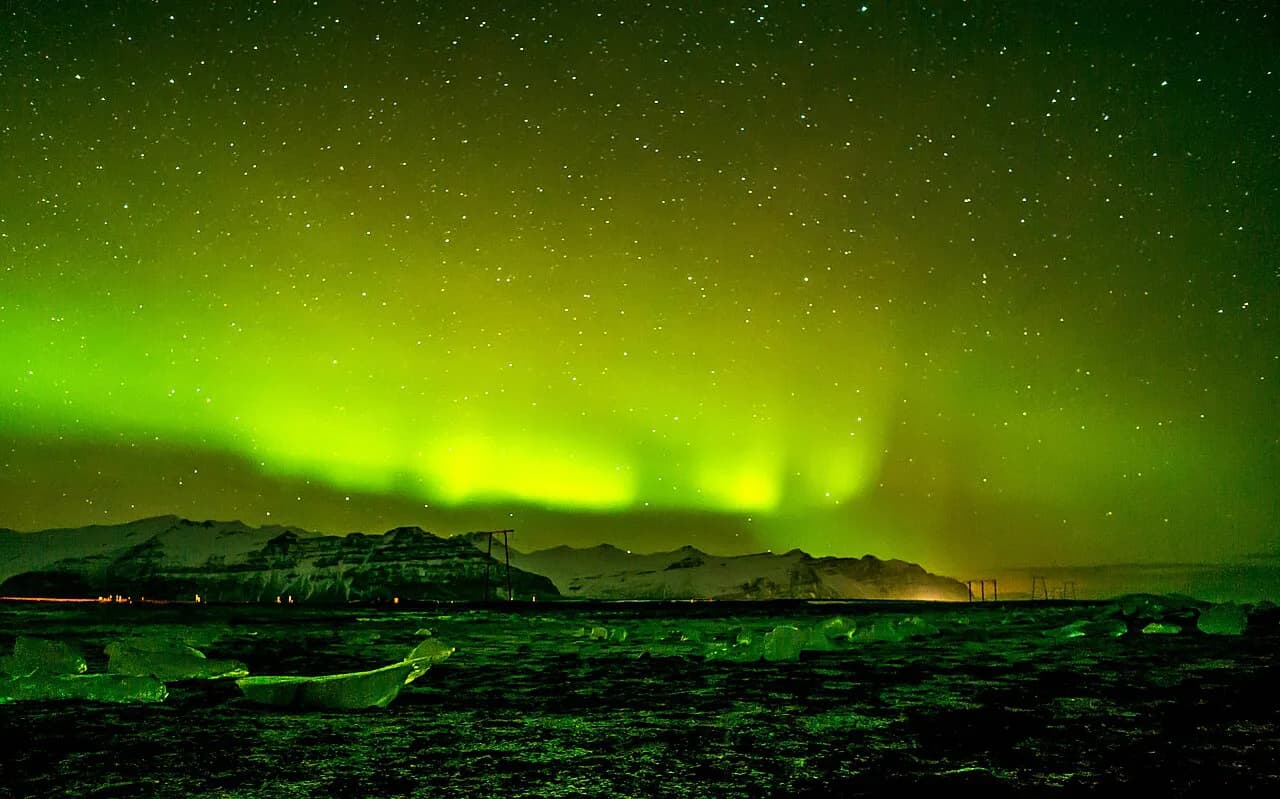
Jökulsárlón is not a dark-sky park, but it is far from city light, and in winter it sits under long hours of darkness. The lagoon shore and the black sand opposite give open horizons toward the north and reflected light off water and ice, which is the pairing photographers come for.
A sighting depends on solar activity and, above all, clear skies; the lagoon is on a coast where cloud can close in fast. Watch the Icelandic Met Office cloud and aurora forecasts through the afternoon and be ready to move a short distance for a gap rather than committing to one spot. Kp values are guidance only, not a promise.
Practical viewing means parking, walking a short distance from the road, and giving your eyes time to adapt. Keep your headlights off around other watchers, and treat the beach as a dark place where ice can hide in shadow.
How many nights to allow near the lagoon
Two nights based near Höfn is a fair minimum for a winter visit: one full day for the lagoon, Diamond Beach and Fjallsárlón, and a second night as a weather buffer or a second dark-sky attempt. One night works if the forecast is settled and you are travelling through rather than chasing.
Remember that the daylight window in midwinter is short, so a two-night stay is less about cramming in sights than giving yourself two chances at clear skies. Add a night if you want the ice cave tours near Fjallsárlón as well, since those run in the morning and eat into the light.
Where to sleep: Höfn, the south coast and the wider area
Höfn has the widest choice of accommodation and services within easy reach of the lagoon, which is why most itineraries anchor there. Closer options along the south coast shorten the drive but narrow your choice, and booking early matters in winter when many places run reduced hours.
Fosshotel Glacier Lagoon sits between the lagoons and Skaftafell, a practical base for a two-night winter stay without the drive back to town. Confirm winter opening and dinner service with the hotel directly before you build an itinerary around it.
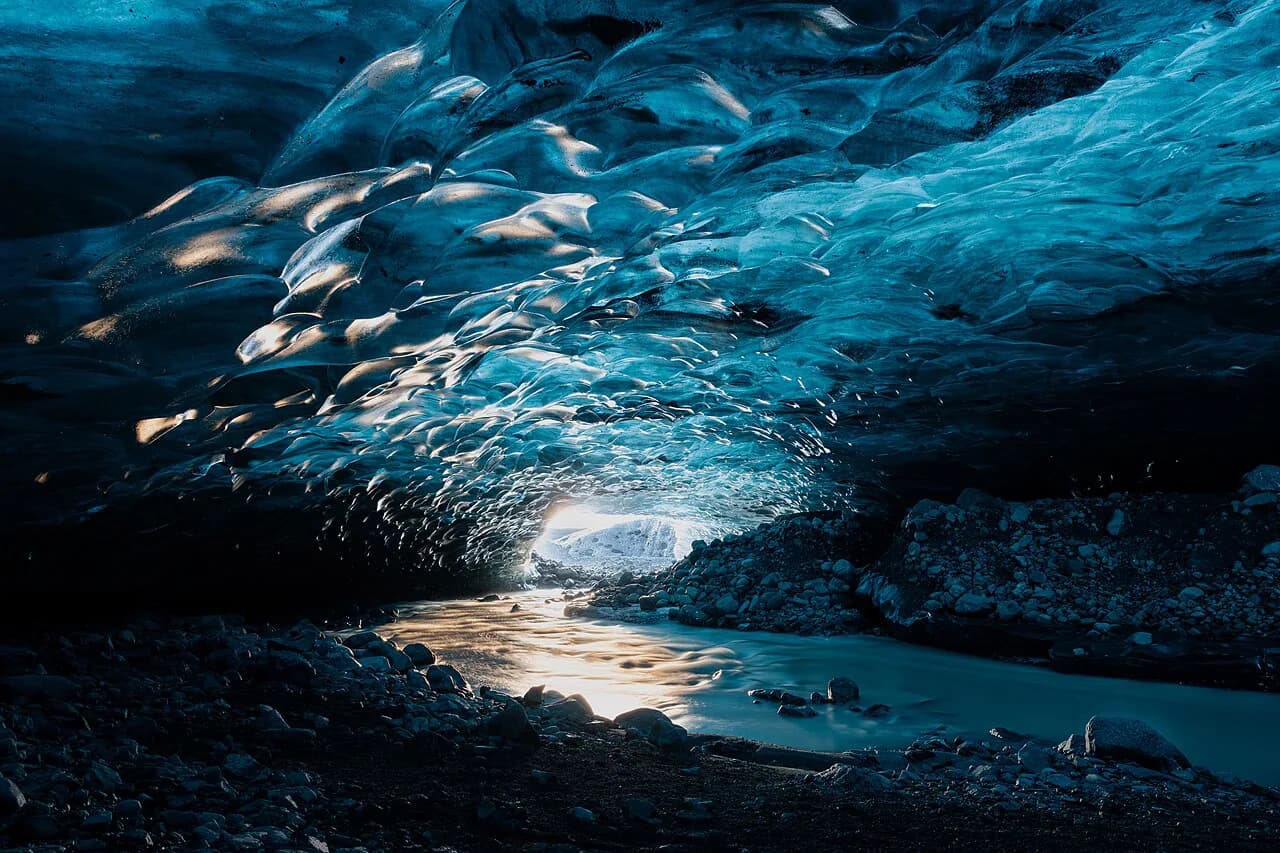
For a combined ice-cave and lagoon trip, base yourself within reach of the cave operators and treat the lagoon as one morning of the stay. The crystal ice cave season runs through the winter months, which pairs naturally with a Fjallsárlón cave tour or a guided glacier walk.
Driving and road conditions on the south coast in winter
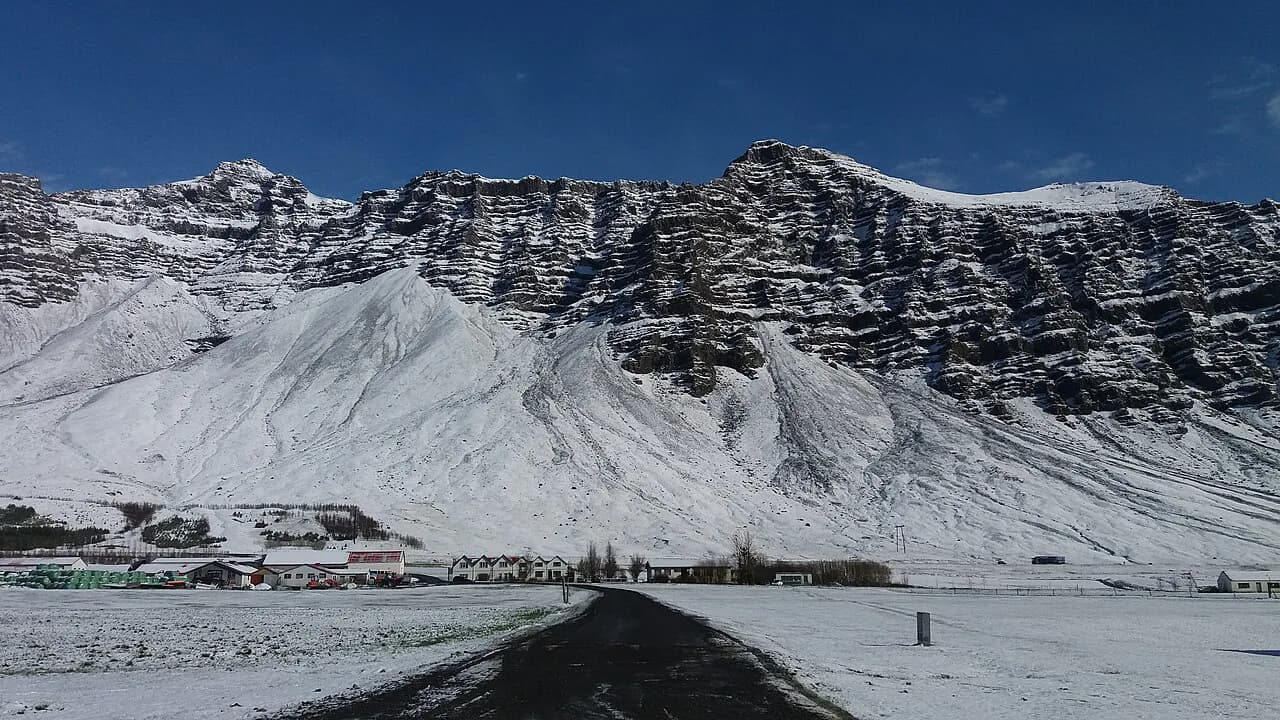
Route 1 to the lagoon is paved and maintained year-round, but the eastern stretch is exposed and conditions can change within a few kilometres. Snow, wind and ice on the road are normal in winter, and the drive from Reykjavík takes around five hours in good conditions, not the time to cut fine in bad weather.
Plan your day around the light, not the clock: leave early enough to arrive at the lagoon in daylight and be off the road before the worst of the evening. Fuel up at Vík or Kirkjubæjarklaustur, and check the road authority's conditions page and the Met Office forecast on the morning you drive.
Who Jökulsárlón suits and who should choose differently
It suits self-drivers on a south coast itinerary who want the classic iceberg scene, are happy to walk a shoreline in winter, and value dark skies over activities on the water. It also suits photographers willing to plan around a short daylight window and return on a second day.
Choose differently if a boat ride among icebergs is the reason for your trip, since the lagoon's boats only run from May to October and a winter visit will not deliver that. If you want intimacy and a closer glacier face, Fjallsárlón ten minutes west gives you a quieter lagoon, its own boat and ice-cave season, and restaurant on site.
Plan Your Winter Visit
Build your Jökulsárlón day around a late-morning arrival, a walk of the lagoon shore, a crossing to Diamond Beach and a short hop to Fjallsárlón, then keep the evening free for dark skies. Book accommodation near Höfn or between the lagoons early, and hold a second night as your weather buffer rather than packing the schedule tight.
Check boat season, cave tour dates and current prices before booking, and check road and weather forecasts on the day you drive. The lagoon rewards patience and clear skies, not a checklist.
Frequently Asked Questions
Is Jökulsárlón worth visiting in winter?
Yes, if you want ice scenery and dark skies rather than a boat tour. The lagoon is free to walk, the car park sits on Route 1, and the long winter nights suit aurora watchers. Daylight is short, so plan your visit for late morning to early afternoon and keep the dark hours for Diamond Beach.
Can you take a boat tour on Jökulsárlón in winter?
No. Licensed operators run boat tours on the lagoon between May and October, so winter visits are shoreline and dark-sky trips. The lagoon itself remains accessible year-round, and you can still walk the shore and cross to Diamond Beach.
How far is Jökulsárlón from Reykjavík?
The lagoon is roughly 380 km east of Reykjavík along Route 1, a drive of about five hours in good conditions. That makes a same-day return from the capital a long haul, so most winter itineraries build in at least one overnight stop near Höfn or along the south coast.
Which is better, Fjallsárlón or Jökulsárlón?
They serve different moods rather than one being better. Jökulsárlón is larger and busier, with more icebergs and the famous Diamond Beach opposite. Fjallsárlón is smaller, quieter and closer to its glacier face, with its own boat tours, ice cave trips and on-site restaurant. Many travelers do both in one morning.
Is there a glacier beach in Iceland?
Yes. Diamond Beach, or Breiðamerkursandur, sits directly across Route 1 from Jökulsárlón, where icebergs carried out through the lagoon outlet wash back onto black volcanic sand. The pieces of ice change with every tide, and the beach is accessible year-round.
Can you see the northern lights at Jökulsárlón?
You can try. The lagoon sits far from city light under long winter darkness, and the shore and Diamond Beach give open horizons and reflections off the ice. A sighting depends on solar activity and, above all, clear skies, so watch the cloud forecast and be ready to move for a gap.
How many nights should I allow near Jökulsárlón?
Two nights based near Höfn is a fair winter minimum: one full day for the lagoon, Diamond Beach and Fjallsárlón, and a second night as a weather buffer or second dark-sky attempt. One night works if the forecast is settled and you are passing through.
Do I need to book the lagoon in advance?
Walking the lagoon shore needs no booking, and the car park is free. Boat tours, ice cave trips and overnight stays such as the Aurora Huts are separate products that sell out in season, so check dates, durations and prices in advance and book ahead for the months you are travelling.
Sources
Notes for your Arctic winter trip
Optional updates to our northern lights guides.
You might also like
Continue reading
More guides you'll find useful