Sámi National Day in Finnish Lapland: Travel Guide
Sámi National Day falls on 6 February across the Sámi homeland. Here is what the date marks and how winter travelers in Finnish Lapland can plan around it.
On this page
Early February is the deep middle of the Finnish Lapland winter, when daylight lasts only a few hours and the long nights are thick with snow and darkness. Sámi National Day on 6 February lands right in that window, giving winter travelers a cultural date to build an aurora trip around rather than a generic festival. It suits travelers who want reindeer herding, joik and gákti alongside the northern lights, not only the lights.
The day marks the anniversary of the first Sámi national meeting in Trondheim in 1917 and is celebrated across the northern stretches of Sweden, Norway and Finland as well as on the Kola Peninsula in Russia. About 20,000 Sámi live in Sweden alone, and the Sámi are recognised there as one of the country's five official national minorities. In Finnish Lapland the date falls inside the Sámi homeland, where reindeer herding and Sámi culture are part of everyday life.
Why 6 February is the Sámi National Day
The date is not an ancient festival but a modern commemoration. It marks the anniversary of the first Sámi national meeting, held in Trondheim in 1917, and the day is now observed in northern Sweden, Norway and Finland as well as on the Kola Peninsula in Russia. Treat it as a date of cultural and political significance rather than a midsummer-style celebration.
The Arctic Council notes that 6 February is the Sámi National Day celebrated in the four countries where the Sámi live. That cross-border character is the point: the Sámi homeland, Sápmi, is not confined to one nation, and events in Finnish Lapland sit within a wider Sámi calendar. If you are travelling in early February, the day is a natural anchor for a longer winter trip.
Who the Sámi are and where the Sámi homeland reaches into Finnish Lapland
The Sámi are an indigenous people with their own languages, flag, cultural heritage and political institutions. Sharing Sweden describes the Sámi as one of the world's indigenous peoples and one of Sweden's five official national minorities, with about 20,000 Sámi living in Sweden. In Finnish Lapland the Sámi homeland covers the northern municipalities, where reindeer herding remains central to the economy and culture.
For travellers, that means Sámi culture is not a performance staged for visitors but a living tradition. Reindeer herding, joik singing, gákti dress and Sámi cuisine are all parts of the culture you may encounter near Inari and the surrounding villages. The Sámi flag's blue, red, yellow and green, and its circle that stands for the sun and moon, are the most visible symbols of the day. For more on where to encounter Sámi culture around the region, see the guide to Sámi Culture in Finnish Lapland.
A useful way to frame 6 February is as a day when Sámi identity is publicly celebrated rather than explained for tourists. The flag is raised, joik and gákti feature in events, and Sámi cuisine and craft traditions are brought forward. Travelling with that context makes a reindeer or culture visit feel less like a show and more like a window into a community that is at home in the winter landscape.
How the day sits inside the aurora season
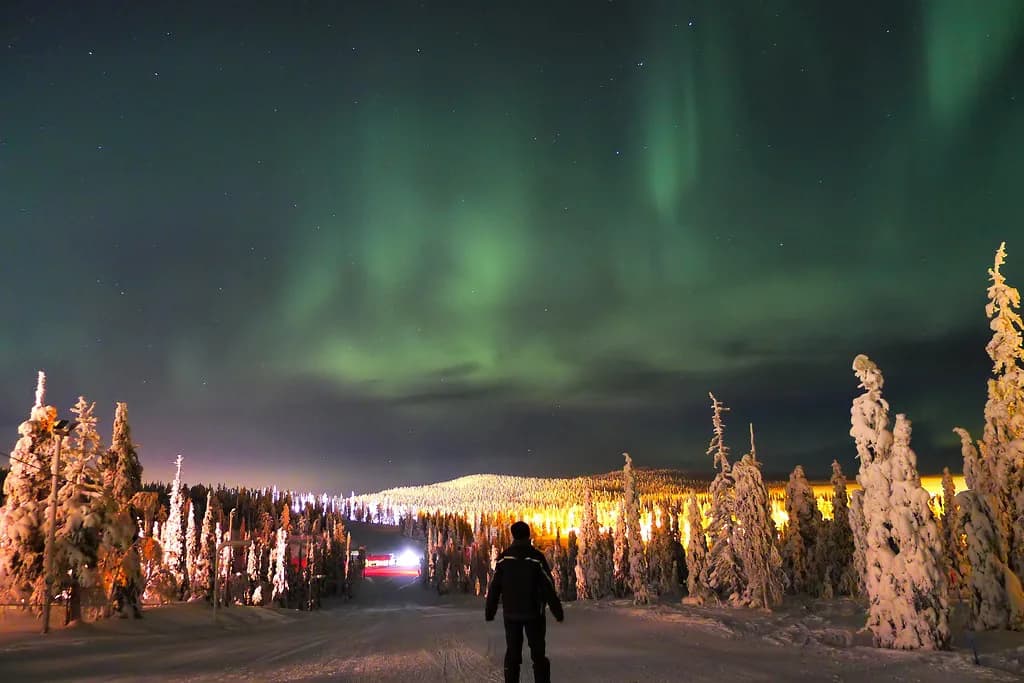
The aurora season in Finnish Lapland runs roughly from late August or September to early April, and early February is squarely inside it. At that latitude the nights are long and dark, so the hours dark enough for the northern lights are plentiful even if the days are short. What you are really buying with a February trip is dark sky time, not day time.
Solar activity drives whether the aurora appears at all, and cloud cover decides whether you can see it. A Kp index reading is guidance only and never a guarantee: a modest forecast under clear skies can deliver more than a strong forecast under cloud. Plan the culture of 6 February as your fixed point and let the aurora be the variable part of each night. For how the aurora works across the region, read the overview of northern lights in Finland.
What the day looks like in the north
Across the Sámi homeland, 6 February is marked with the symbols of Sámi identity: the flag, joik, gákti and Sámi cuisine. Sharing Sweden describes the flag's blue, red, yellow and green as the colours most often found on traditional Sámi garbs, with a circle that represents the sun and moon. Expect events to feel community-led rather than commercial, and some may be in Sámi languages or Finnish.
Because the day is a national day rather than a single festival, what is on offer depends on the municipality and the year. Programme details, venues and any ticketing are announced by local Sámi organisations, museums and tourism offices closer to the date, so build your itinerary around a base and ask your accommodation what is happening nearby. Do not plan around a specific concert or market until it is announced.
Sámi culture and reindeer experiences around the date
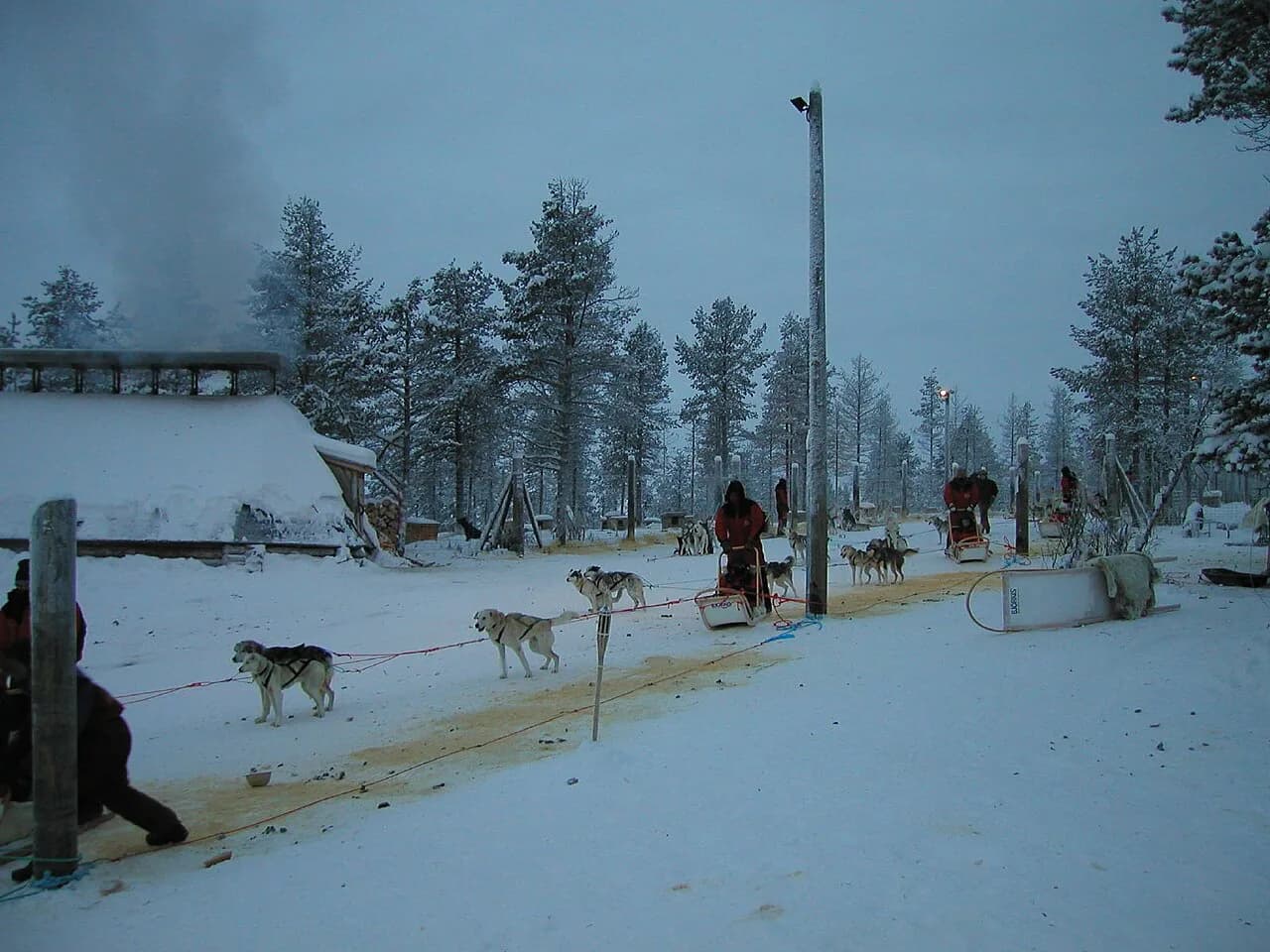
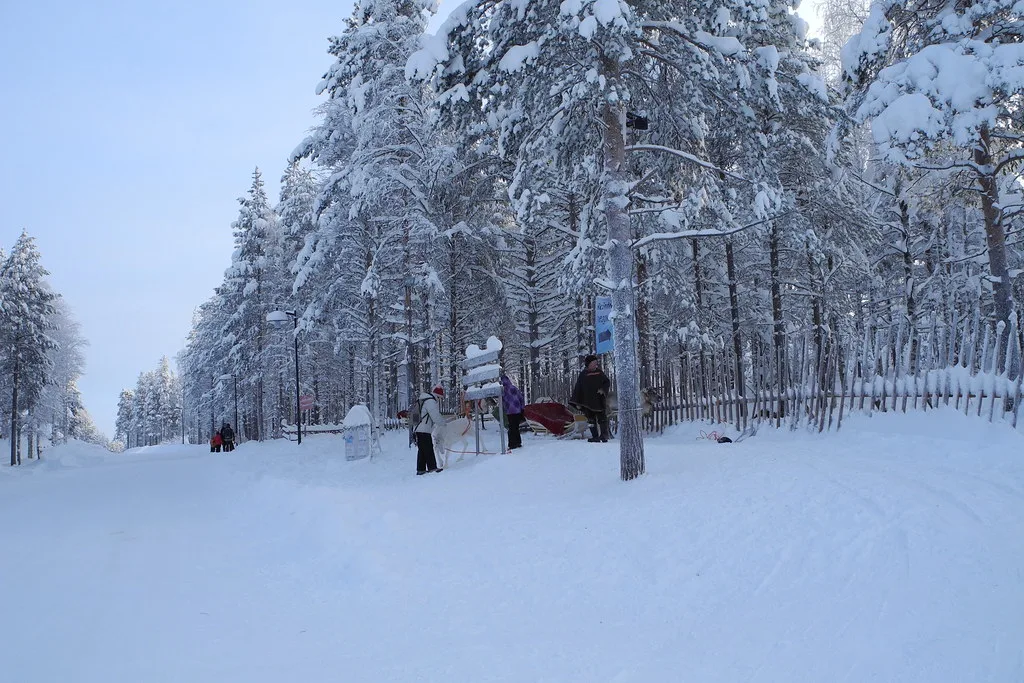
Sámi-run reindeer experiences are the most direct way to combine culture with the winter landscape. Many reindeer herding families offer feeding, sledding or herding visits in small groups, often with a fire, hot drinks and a conversation about herding life. Operators typically lend thermal suits and boots when the trip runs in deep snow, but confirm what is included, group size and minimum age when you book.
For a culture-first itinerary, look for visits that include joik, storytelling or Sámi food rather than only a reindeer ride. Sámi cuisine draws on reindeer, fish and berries, and a meal with a herding family is often the most memorable part of the day. A visit to Inari, the cultural centre of the Finnish Sámi, pairs well with a night out chasing the aurora, and the guide to Sámi Culture in Finnish Lapland covers more of the options. Prices and availability vary by operator and season, so ask directly when you book. For a broader menu of winter activities, the round-up of Finnish Lapland Northern Lights Tours sets out how nights out are typically organised.
Deep-winter cold and short daylight against long aurora hours
The real trade-off in early February is daylight. The sun stays low and the days are short, so daytime activities fit into a narrow window and many tours run in the dark. That is also the advantage: the long nights mean hours of dark sky for aurora watching. Plan daytime culture and short excursions, then keep your evenings free for the lights.
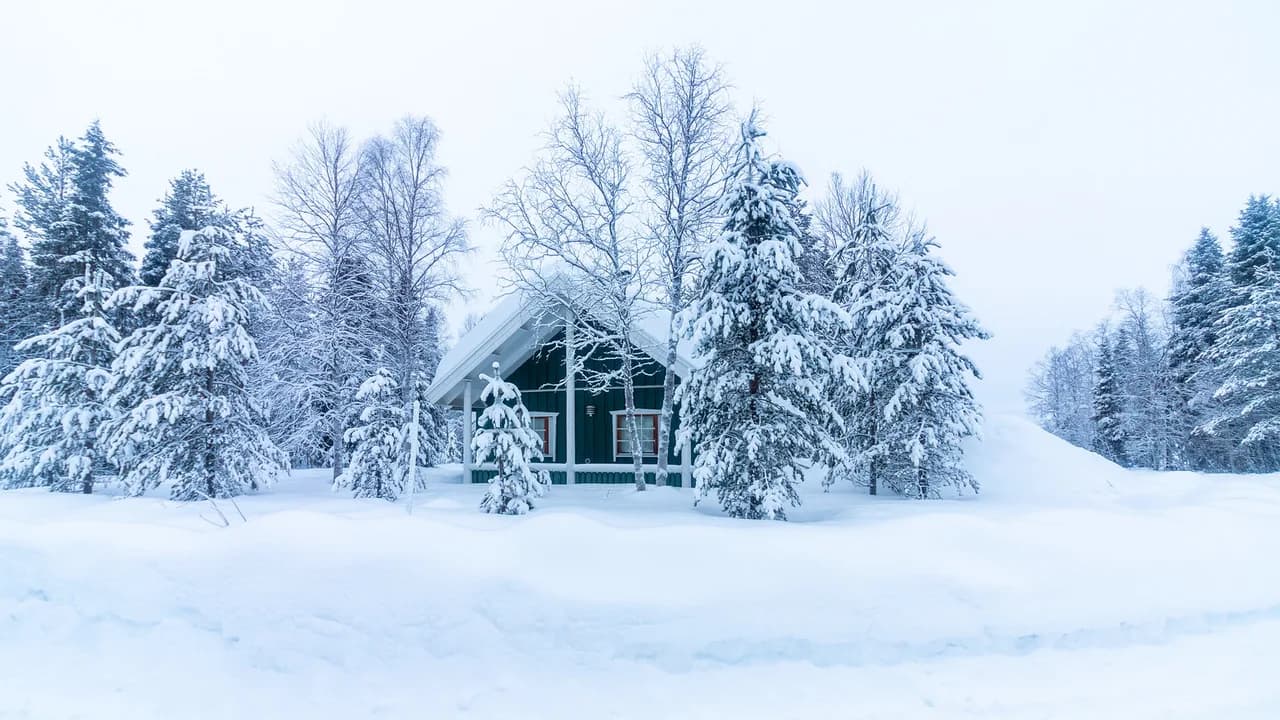
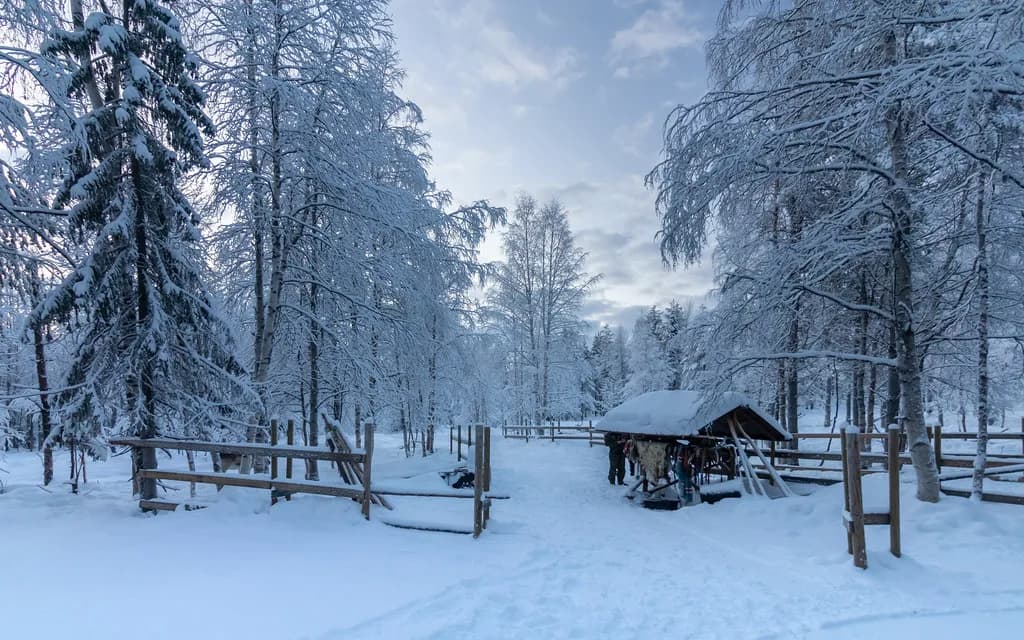
Snow and cold are part of the deal in the deep-winter north, and tour operators plan around them with transport, warm shelters and thermal suits. Rather than trying to fill every daylight hour, pair one cultural visit or short snow activity with a quiet afternoon and an evening out. That rhythm suits the season and leaves you rested for a late night under the aurora.
Where to watch the aurora near your base
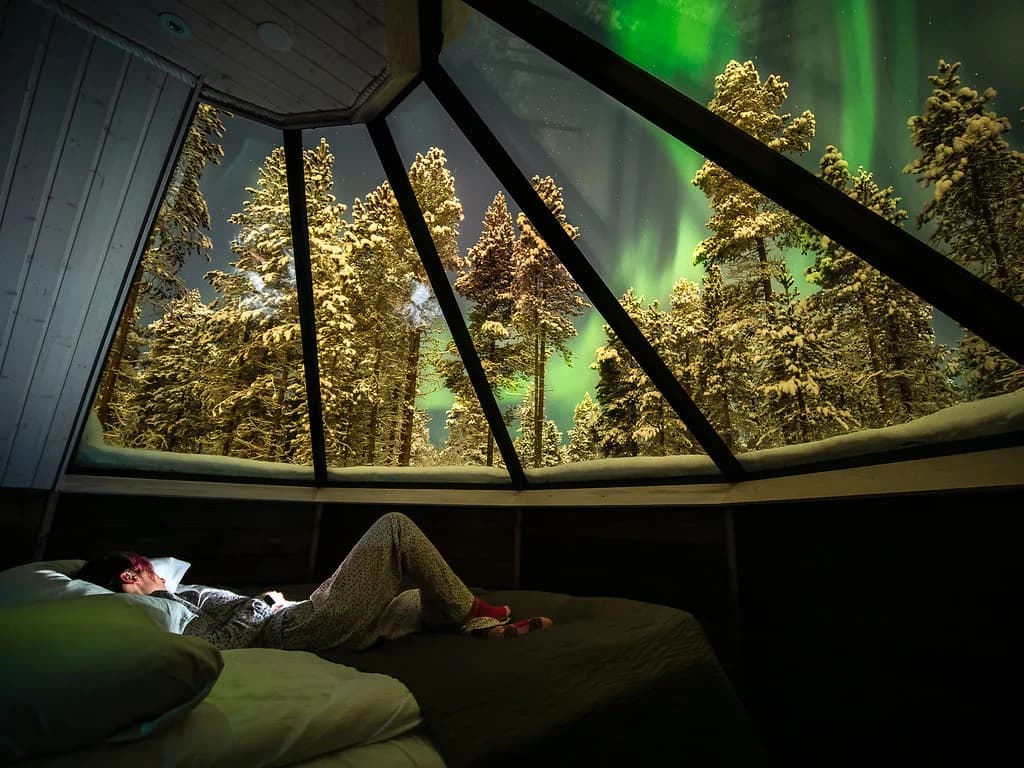
Finnish Lapland is thinly populated, so stepping away from village lights often means stepping into decent dark sky. Near Inari, the frozen lake itself is a broad, open and famously dark viewing area, and the surrounding forests and fells offer roadside pull-offs for self-guided chasing. A short drive away from accommodation is usually enough to escape the worst of the light pollution.
Self-guided chasing gives you flexibility but puts route, timing and cloud reading on you. A guided northern lights tour in Finnish Lapland offers transport, a driver used to snow and ice, and local knowledge of where the cloud may break. For either approach, check the aurora forecast and cloud cover from the Finnish Lapland aurora forecast before you head out. The Sodankylä Geophysical Observatory is the local scientific source for aurora activity in the region.
How many nights to plan around the date
Give yourself several nights rather than one. If culture is the main purpose, two or three nights around 6 February cover the day and a Sámi experience without rushing. If a fair chance at clear skies matters, extend to four or more nights: cloud can settle in for days, and a longer stay spreads the odds. The same math of dark nights applies when comparing bases, so it is worth weighing the northern lights in Saariselkä against a stay further south before you book.
Plan the fixed cultural elements first and leave the rest of the evenings open to chase gaps in the cloud. Building in a buffer also means a cancelled or rescheduled tour does not end your chances. February days are short but the nights are long, so a week in the region gives you several dark windows without exhausting you. Pair the trip with a general Northern Lights in Finnish Lapland overview to calibrate expectations for the season.
Who this date suits
Sámi National Day suits culture-first travelers who want a meaningful date in the winter calendar and are happy to build a trip around reindeer herding, joik and Sámi food. It also works well for travelers who want the aurora but would rather have a reason to be in Lapland than a single-purpose chase. If you need guaranteed resort nightlife or want to fill long daylight hours, early February is not the best fit.
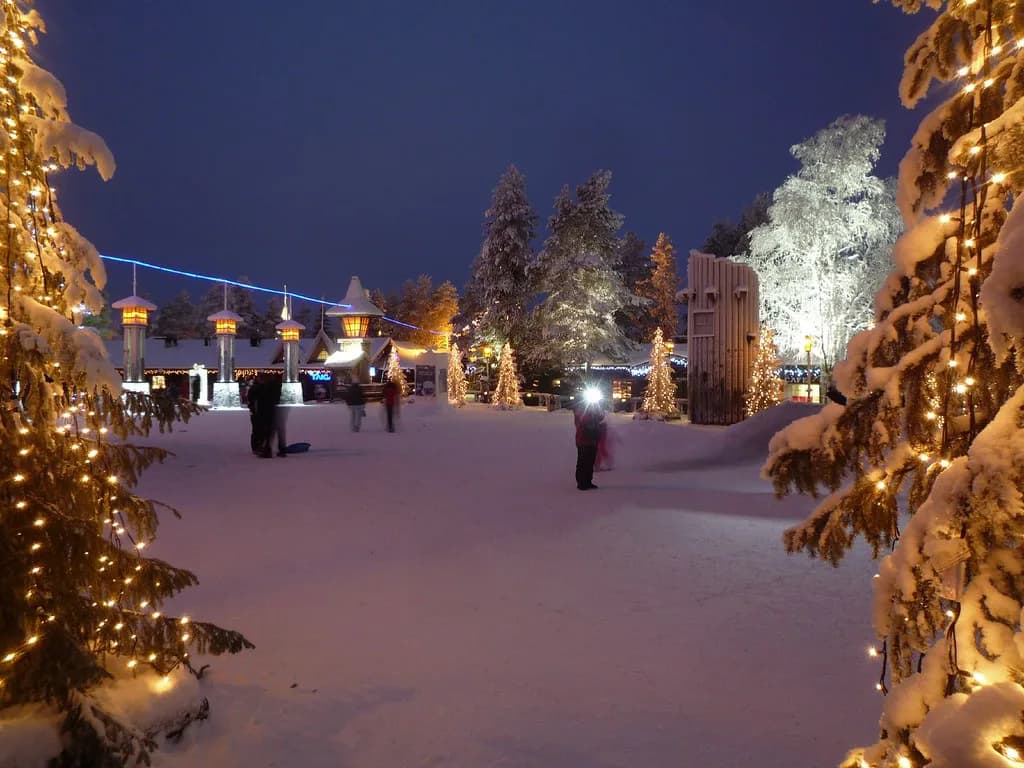
Pure aurora chasers may prefer a longer stay in a darker, more remote base and treat 6 February as one evening among many. Families and slower travelers should weigh the short daylight and cold against the reward of long, dark evenings, and pick accommodation with easy access to a dark viewing spot. Travellers on a Christmas trip should note that the festive season at Santa Claus Village is long over by early February.
Plan Your Visit
Use 6 February as your fixed cultural anchor and design the rest of the trip around dark-sky time. Book reindeer or culture experiences directly with Sámi operators, ask what is included and how large the group is, and keep at least a couple of evenings free for clear skies. Check the aurora forecast and cloud before heading out, and never treat a forecast as a promise.
Travelers who want a longer winter build-up can look at Christmas in Finnish Lapland for how the season changes from December into February. For the wider region, the Northern Lights in Finnish Lapland guide covers seasons, bases and how nights out work. With several nights in the north and a flexible plan, you give yourself the best realistic chance of both the culture and the lights.
Frequently Asked Questions
When is Sámi National Day?
Sámi National Day is celebrated on 6 February each year in the northern parts of Sweden, Norway and Finland as well as on the Kola Peninsula in Russia. It is an ethnic national day for the Sámi people rather than a public holiday in one country.
Why is Sámi National Day on 6 February?
The date marks the anniversary of the first Sámi national meeting, held in Trondheim in 1917. It commemorates that cross-border gathering rather than a single local festival, which is why the day is observed across the Sámi homeland.
Can you see the northern lights in Finnish Lapland in early February?
Early February falls inside the aurora season, with long dark nights that give plenty of viewing hours. Whether the aurora shows depends on solar activity and clear skies, so plan several nights and check the forecast and cloud cover rather than counting on a single date.
What is celebrated on Sámi National Day?
The day celebrates Sámi identity and culture, including the flag, joik, gákti dress and Sámi cuisine. The Sámi are an indigenous people with their own languages and institutions, and the day is observed across the northern countries where the Sámi live.
Should I book a tour or chase the aurora myself on 6 February?
Self-guided chasing around Inari and other villages gives flexibility, while a guided tour provides transport, a snow-experienced driver and local cloud knowledge. Many travelers mix both, using a tour for the longer night and keeping a short drive to a dark lake or forest as a backup.
Sources
Notes for your Arctic winter trip
Optional updates to our northern lights guides.
You might also like

Continue reading
More guides you'll find useful