Snæfellsnes in March: What to Expect and Decide
Plan Snæfellsnes in March with realistic daylight, temperatures and road conditions, plus where to watch for the aurora and how many nights to allow.
On this page
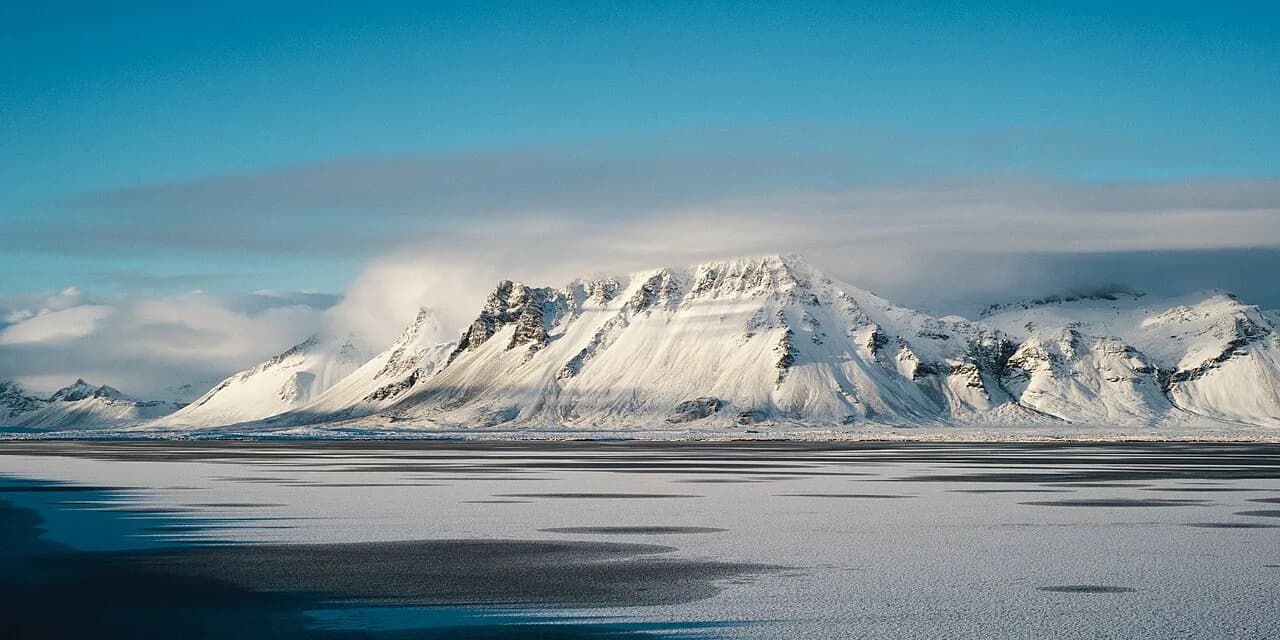
March on the Snæfellsnes Peninsula gives you a compact Icelandic landscape — glacier-topped volcano, black beaches, basalt stacks and fishing villages — under nights that are still long enough for aurora watching. The peninsula suits travelers who want to drive themselves, stay a couple of nights near the national park, and use the evenings for dark-sky viewing rather than squeezing everything into a day tour from Reykjavík.
Why March works for aurora hunting on Snæfellsnes
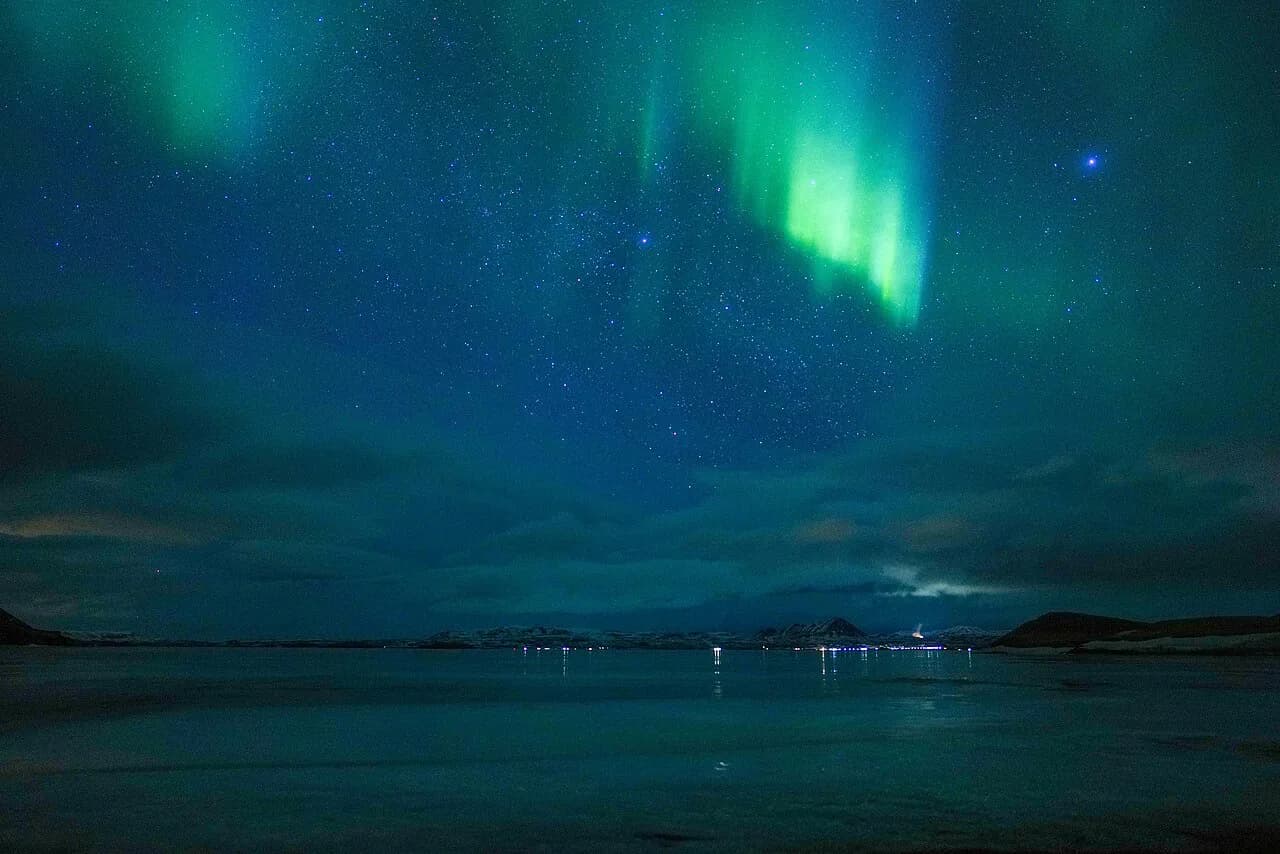
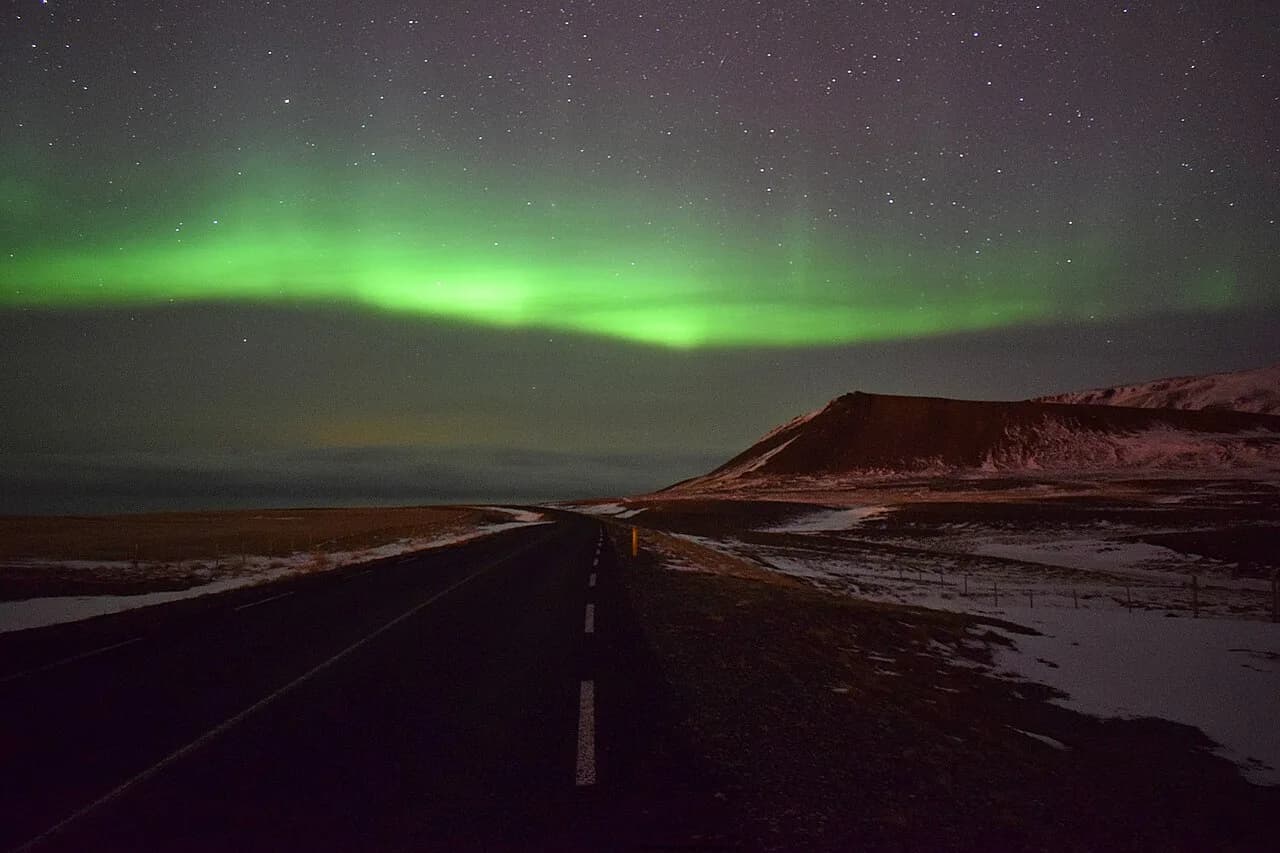
Iceland's aurora window runs from around mid-August to late April, with September through March giving the strongest combination of darkness and viewing opportunity. March sits late in that window, so you still get proper night skies while the days lengthen.
The peninsula is one of the better places in Iceland for this because light pollution is low once you leave the villages. Aurora-season guides place the best viewing here between late September and early April, which puts March comfortably inside it.
What March does not give you is certainty. Clear skies and enough solar activity still decide the night, which is why the practical approach is to plan several evenings on the peninsula and treat any one of them as a bonus. For the full picture of routes, spots and timing, see Northern Lights on the Snæfellsnes Peninsula.
How much darkness and daylight you get in March
The northern lights need dark or deep twilight, and in Iceland the search happens after sunset. Reykjavík's sunset on March 5 falls at 6:59 pm, so evening darkness on Snæfellsnes arrives around the same point in the day.
Viewing in April and September tends to concentrate between 9 pm and 2 am, with displays most often around 11 pm to midnight. March behaves similarly: late evening into the small hours is the productive slot, while the middle of the day is far too bright.
Daylight is stretching quickly by late March, which shortens the night window but makes daytime exploring easier than in midwinter. The trade-off is real: earlier in the month you get more darkness, later in the month you get more usable daylight for glacier walks and coastal hikes.
March temperatures, snow and driving conditions on Route 54
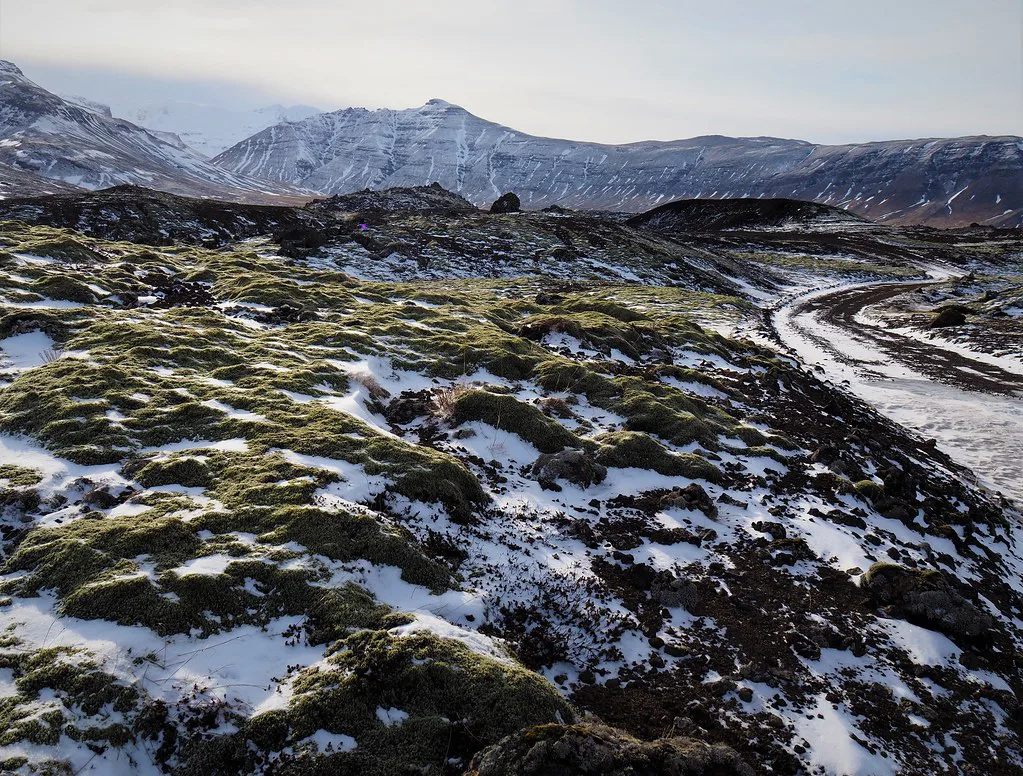
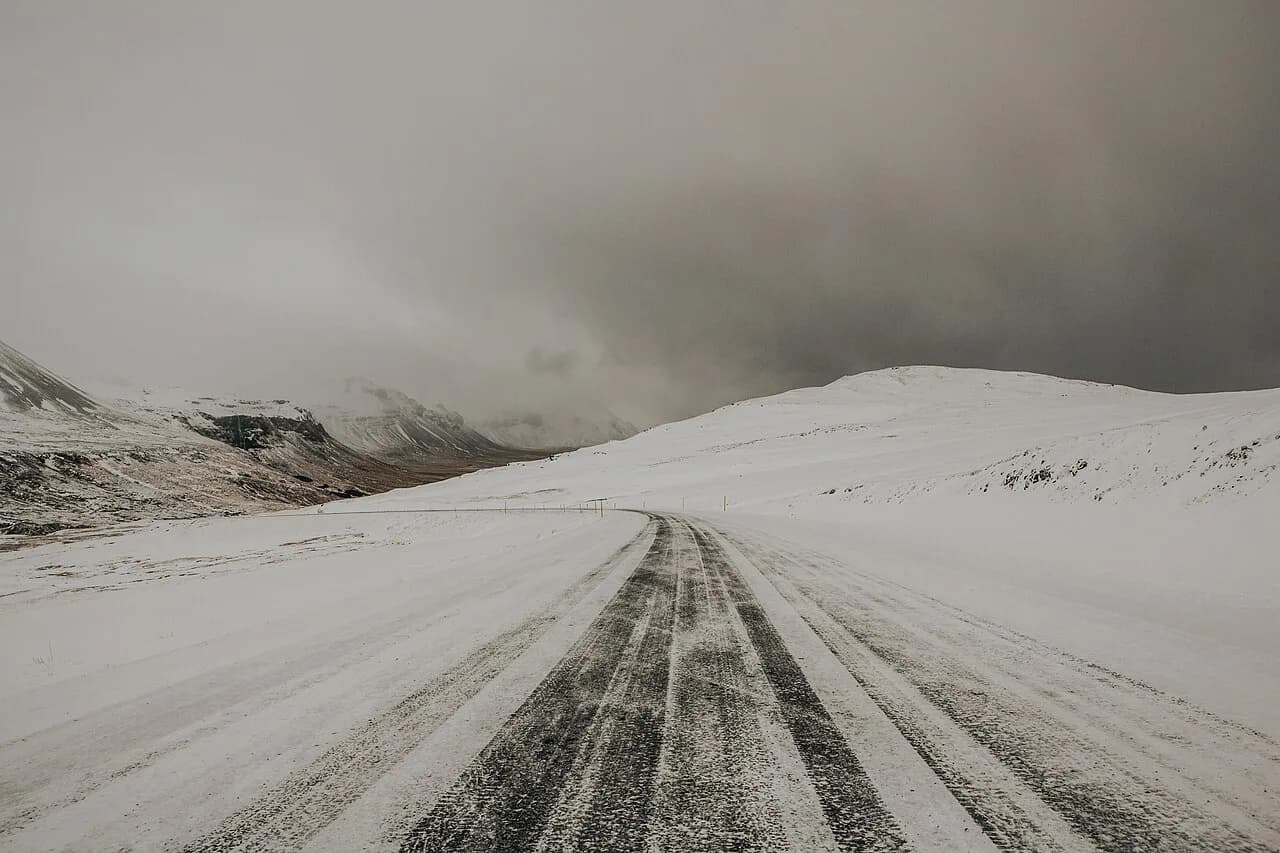
Spring on the peninsula brings temperatures that climb gradually, with a seasonal range of roughly -1°C to 8°C as the weeks progress. Treat that as spring guidance rather than a promise for any given March day, and expect snow, ice and wind to remain part of the picture.
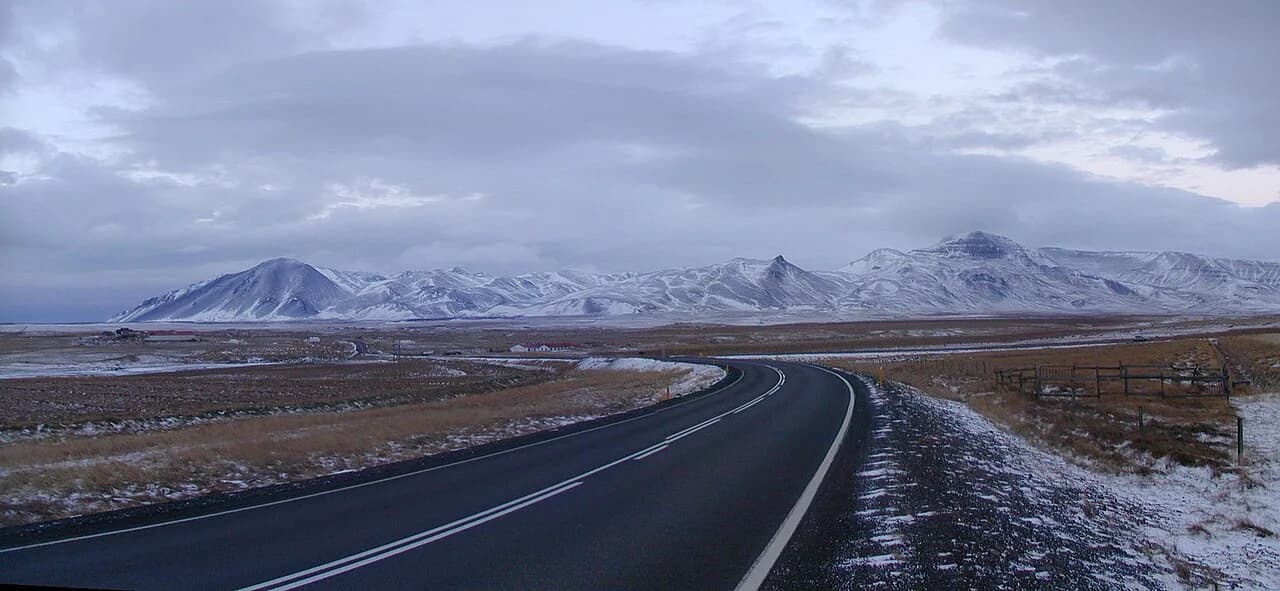
Route 54, the road that loops the peninsula through the fishing villages, is generally accessible through winter, but the interior mountain roads that cut across the spine typically close from October to May because of snow and avalanche risk. That makes the coastal ring your practical March route rather than a shortcut over the middle.
A four-wheel-drive vehicle is the sensible choice for a winter self-drive on the peninsula, and conditions can change quickly enough that you build slack into the day. Check current road status with the Icelandic Road and Coastal Administration before you set out and the Icelandic Met Office cloud forecast before an evening drive.
Where to base yourself: Stykkishólmur, Grundarfjörður, Ólafsvík, Arnarstapi or Hellissandur
Stykkishólmur is the largest town on the peninsula, with restaurants, grocery stores, fuel and the widest choice of accommodation, which makes it the easiest base if you want services around you. It sits on the north coast and works well as a first or last night on a loop of Route 54.
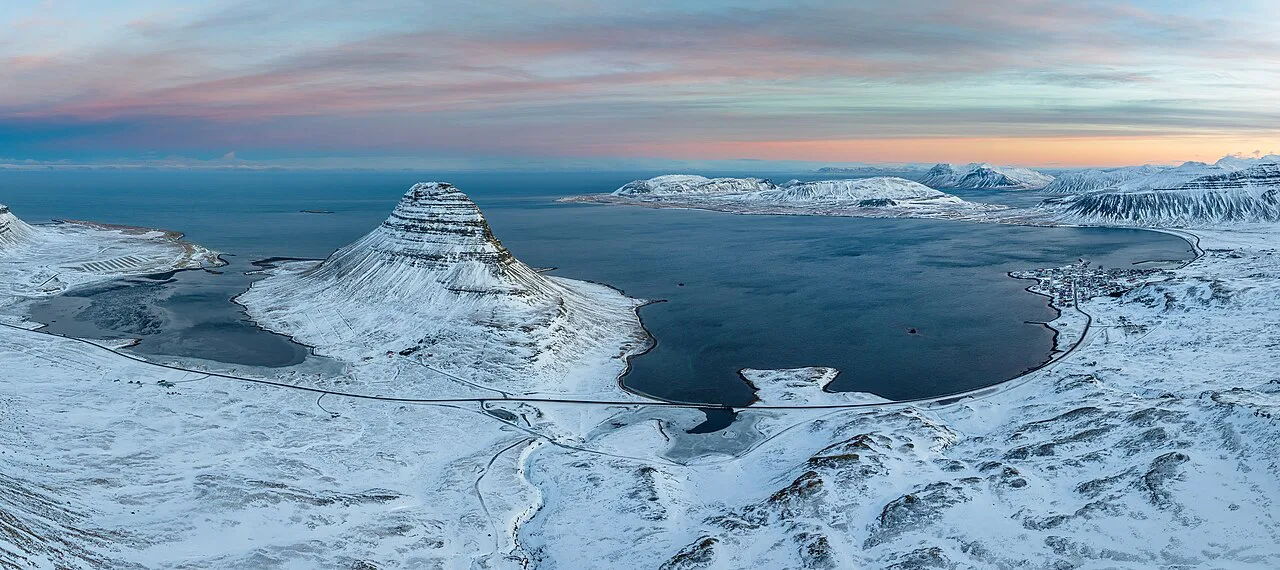
Grundarfjörður puts Kirkjufell at the end of the street, which suits photographers who want to walk or drive a few minutes to a viewpoint after dark. Ólafsvík is a working fishing harbour close to the national park and the usual departure point for whale-watching boats, so it pairs a daytime activity with an evening sky watch.
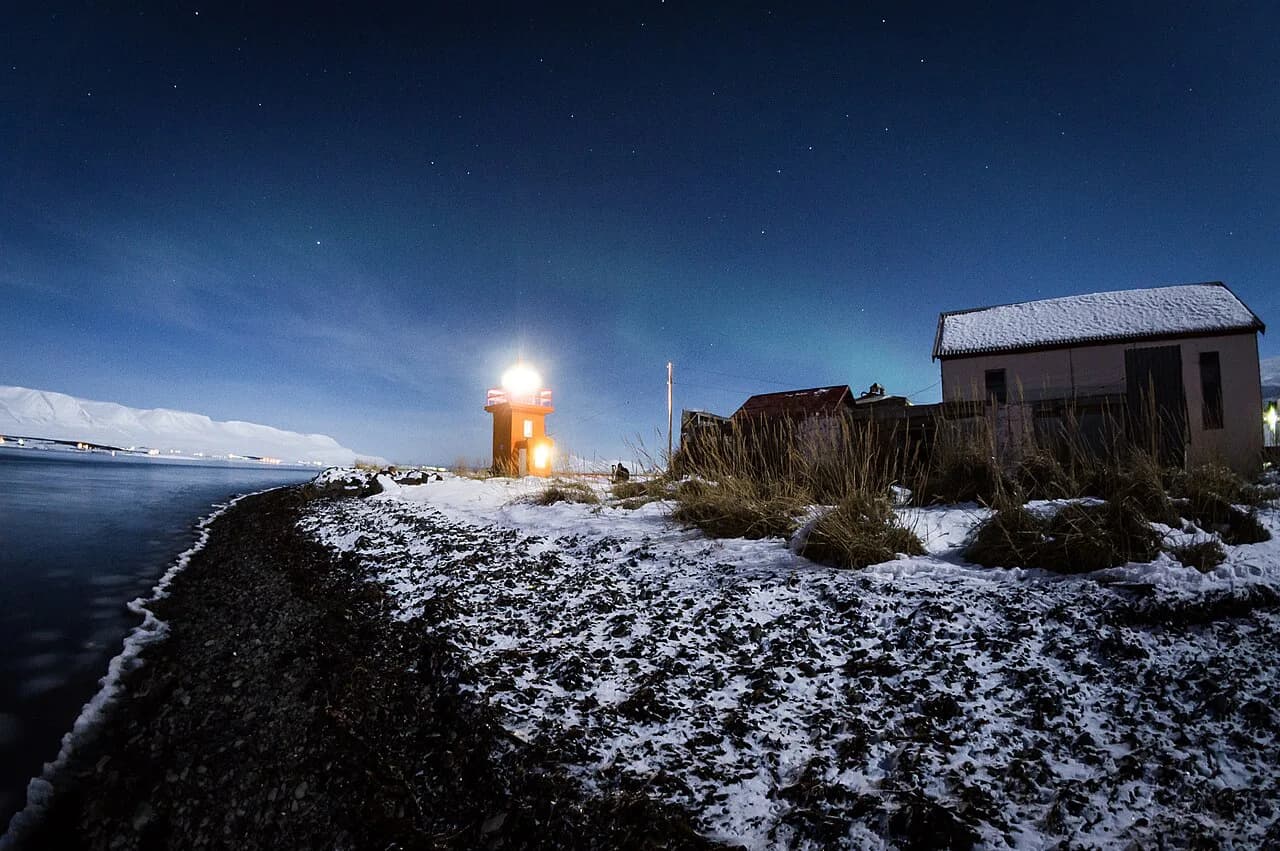
Arnarstapi, on the south coast, is a good overnight stop if you are driving up from Reykjavík and want to be near the coastal cliffs and the national park boundary. Hellissandur, near the tip, puts you closest to the park's dark coastal stretches and its murals, with fewer facilities than Stykkishólmur.
For a broader comparison of the villages under snow and ice, including how quiet they get, read Snæfellsnes in Winter.
Kirkjufell and Kirkjufellsfoss after dark
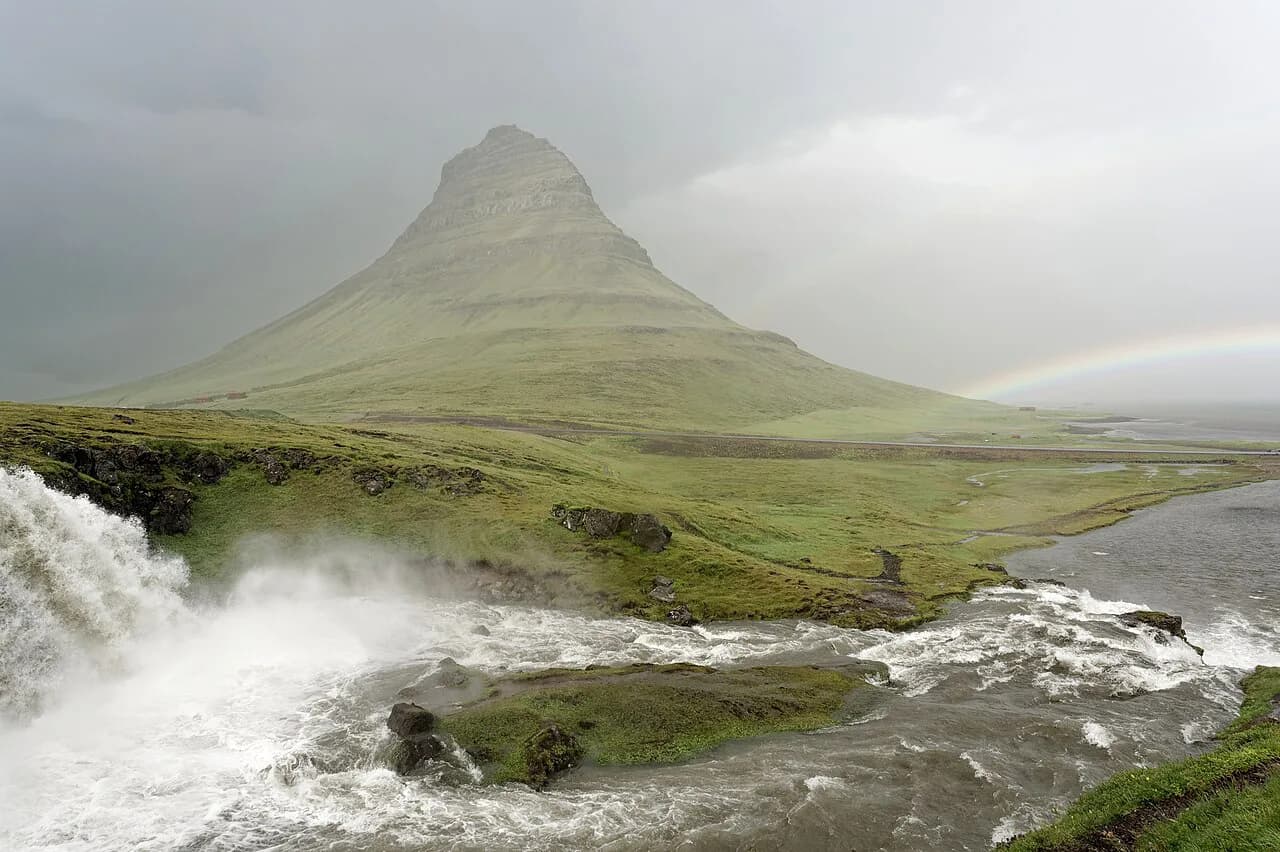
Kirkjufell is the peninsula's signature foreground: an arrowhead-shaped peak above Grundarfjörður with the small Kirkjufellsfoss waterfall in front of it. Parking areas along the road give you several angles without a long hike in the dark, which matters on an icy March night.
Its fame makes it the busiest aurora spot on the peninsula when forecasts look promising, so arriving later in the evening or going on a weekday can thin the crowd. Bring a headlamp and watch your footing on the paths around the falls, which stay icy well into spring. For composition ideas and timing, see Kirkjufell and the Northern Lights.
Snæfellsjökull National Park: Malarrif, Lóndrangar and Saxhóll
The national park wraps the western tip of the peninsula around the Snæfellsjökull glacier, and its parking areas give safe access to dark viewpoints without long night hikes. The coastal area near Malarrif lighthouse combines seascapes with room for aurora reflections, while the glacier itself can catch moonlight as a bright backdrop.
Saxhóll is an easy volcanic cone with a metal staircase to the rim, and from the top you get a wide view across lava fields toward the ocean, useful for tracking activity across the whole sky. Lóndrangar's basalt stacks rise straight from the coast and are a short walk from the car park, so they work as a quick stop between cloud checks.
Most national park stops, including Lóndrangar and Djúpalónssandur, stay reachable in winter because they sit a short walk from a parking area. That is what makes a night route through the park realistic in March rather than an expedition.
Djúpalónssandur and the south-coast dark spots
Djúpalónssandur is a black pebble beach on the southwest shore reached by a short path through lava formations, with shipwreck remains on the sand and the old lifting stones fishermen used to test their strength. The car park to beach walk is brief, which makes it a practical night stop rather than a hike.
The longer southern coastline has undeveloped stretches of black sand and open horizon, though navigating them after dark takes more care with footing and surf. Ytri Tunga, further east on the south coast, is a convenient leg-stretch stop by day and a dark-enough location away from town lights at night.
Self-driving versus a guided aurora tour from Reykjavík
Driving yourself is the more flexible option on the peninsula: you can shift between the north and south coasts when clouds close in, and you are not tied to a departure timetable. The drive from Reykjavík to the eastern entrance of the peninsula takes roughly two hours, and two to three hours to Stykkishólmur depending on the route.
The catch with a day trip is timing. Tours from Reykjavík typically leave in the morning and return in the evening, which collides with prime aurora hours; the peninsula's own tour operators instead monitor cloud and activity forecasts and adjust routes during the night. If you would rather not drive, compare options in Snæfellsnes Northern Lights Tours.
There is a public bus from Reykjavík to Stykkishólmur, but nothing runs between the attractions themselves, so you would be stranded in town without a car or a tour. Some operators lend thermal suits for the night, which helps on a cold March evening.
How many nights to allow for a fair chance of clear skies
Two nights on the peninsula is a reasonable minimum: one full day for the south shore and the national park edge, a second for the park interior and the north-coast villages. Three nights gives you a spare evening if cloud wipes out the first attempt.
Keep your itinerary loose by day rather than by night: decide where to sleep in advance, but choose the evening viewing spot after checking the cloud forecast. The Icelandic Meteorological Office publishes regional cloud coverage in three-hour intervals, which is enough to choose between the north and south coasts on the day.
March weather on the peninsula shifts quickly because it sits between ocean currents and prevailing winds, so patience and a flexible route do more for your odds than any single location. Cross-check activity forecasts, but treat Kp values as guidance only, since local sky conditions matter just as much.
March days: glacier walks, Vatnshellir cave and coastal hikes
Daytime on the peninsula gives you plenty to fill the hours before dark. The Arnarstapi to Hellnar coastal path runs about 2.5 km along basalt cliffs and seabird colonies, and takes roughly an hour at an easy pace.
Vatnshellir is an 8,000-year-old lava tube that can only be visited on a guided 50-minute tour, which slots neatly into a day around the national park. Glacier hikes on Snæfellsjökull and snowcat trips onto the ice cap run with experienced guides and depend on conditions, so ask locally about availability before relying on a set departure.
Crater climbs are short here too: Eldborg crater is about a 2.5 km round trip with a steep final section assisted by chains, and Saxhóll takes about five minutes to the rim. Both are good daylight stops that leave you fresh for an evening sky watch.
Crowds, prices and seasonal openings in March
March is quieter than summer, and some peninsula accommodation closes seasonally, so availability narrows even as demand for aurora-ready rooms holds up. Booking ahead matters most around promising forecast windows, when photographers converge on the prime spots.
For costs, check current rates with the individual hotels, guesthouses and tour operators rather than relying on a general figure, since winter pricing and openings change by property. Day tours from Reykjavík are priced per departure by each operator, and those prices do not reflect the cost of staying out on the peninsula overnight.
Plan Your March Visit
March on Snæfellsnes rewards travelers who treat the aurora as one part of a winter trip rather than the whole point: dark nights, an open ring road, short walks to dramatic viewpoints and quiet villages. If you are weighing a second base for aurora nights, the northern lights in Akureyri are worth comparing before you commit. Base yourself for two or three nights, plan daytime stops around the national park, and keep evenings flexible for whichever coast has the clearer sky.
Before you drive, confirm road status and the cloud forecast for the day, and book accommodation early if your dates hinge on a forecast window. That combination — sensible logistics and a loose evening plan — is what gives you a fair shot at a clear, dark sky over the lava fields.
Frequently Asked Questions
What is the weather like on Snæfellsnes in March?
March behaves like spring on the peninsula, with temperatures climbing through a seasonal range of roughly -1°C to 8°C across the spring weeks and snow, ice and wind still likely. The peninsula sits between ocean currents and prevailing winds, so weather changes quickly and a given day can feel more like winter than spring. Build slack into driving days and expect icy paths at viewpoints.
Can you see the northern lights on Snæfellsnes in March?
March falls inside Iceland's aurora window, which runs from around mid-August to late April, and the peninsula has low light pollution once you leave the villages. Whether the aurora appears on your night still depends on clear skies and enough solar activity, so plan several evenings rather than one. Reykjavík's sunset on March 5 falls at 6:59 pm, giving you a long evening of darkness to work with.
Is it worth visiting Snæfellsnes in March?
Yes, if you want dark nights and a quieter peninsula with winter scenery still in place. The trade-off is that interior mountain roads are typically closed from October to May, so you loop the coast on Route 54 rather than cutting across the spine, and daylight is still short early in the month. Later in March you gain daylight for coastal hikes, cave tours and crater climbs.
How do you get to Snæfellsnes from Reykjavík in March?
Driving is the practical option: the eastern entrance of the peninsula is roughly two hours from Reykjavík, and Stykkishólmur about two to three hours depending on route. A four-wheel-drive vehicle suits winter conditions on Route 54. Public buses run from Reykjavík to Stykkishólmur but do not connect the attractions, so without a car you need a guided tour.
How many nights should you stay on Snæfellsnes for the aurora?
Two nights is a sensible minimum, giving one day for the south shore and national park edge and another for the park interior and north-coast villages. A third night adds a spare evening if cloud blocks your first attempt. Choose your sleeping base in advance but pick the evening viewing spot after checking the regional cloud forecast.
Sources
Notes for your Arctic winter trip
Optional updates to our northern lights guides.
You might also like
Continue reading
More guides you'll find useful