Snæfellsnes in Winter: Daylight, Roads and Aurora Nights
Plan Snæfellsnes in winter with realistic daylight, temperatures and road advice, plus where to base yourself and how to spend dark nights under the aurora.
On this page
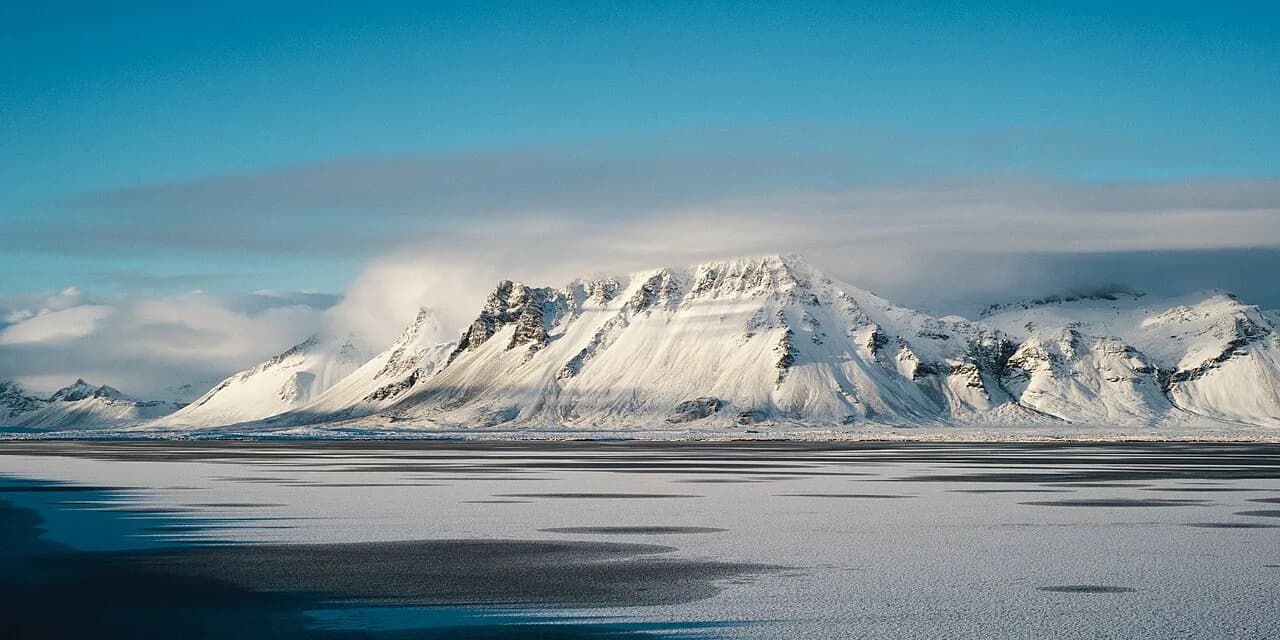
The Snæfellsnes Peninsula packs a glacier-capped volcano, black-sand beaches, basalt sea stacks and fishing villages into a single arm of land reaching about 90 kilometres into the Atlantic from Iceland's west coast. In winter the crowds thin out and the landscapes turn frosty, with snow on the mountains and low, rosy light when the weather clears. It suits travellers who are happy to drive themselves, plan around a short window of daylight and treat the long dark evenings as the main event.
What Snæfellsnes offers in winter and who it suits
The peninsula is often called Iceland in miniature because it holds lava fields, a rugged coastline, waterfalls and a glacier within a relatively short drive. In winter the same sights come with snow-laden slopes, dramatic skies and almost no queue at the main viewpoints, which is why the local advice is to come in any season when the roads are open. This is a trip for self-drivers and photographers rather than coach-tour passengers, since the appeal lies in stopping where you like along a quiet coast.
Two days is the sensible minimum. That gives you one day for the southern shore and the edge of the national park, with a night in Arnarstapi or nearby, and a second day to finish the park before following the northern coast through the villages to Stykkishólmur. Trying to circle the whole peninsula in a day from Reykjavik leaves you driving rather than looking.
How far north the peninsula sits and why the aurora shows here
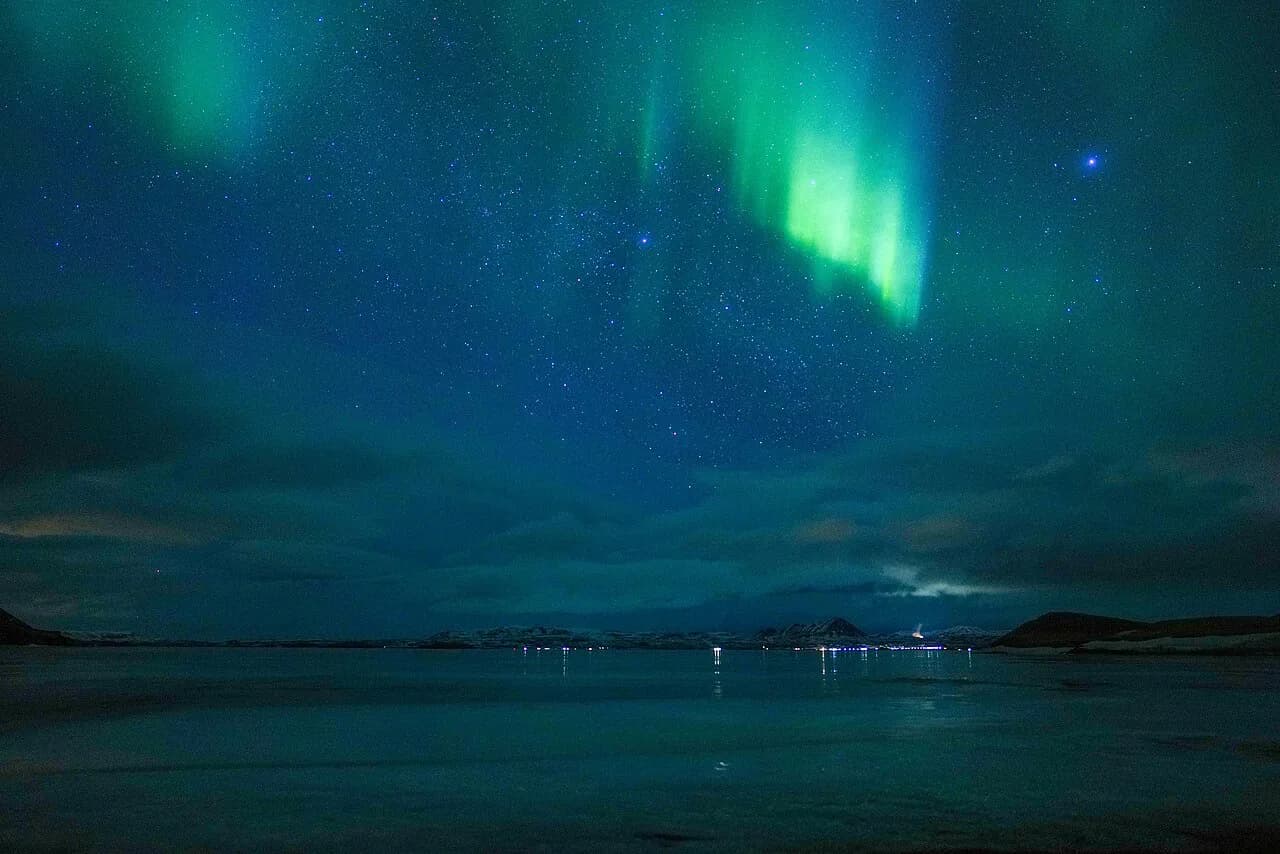
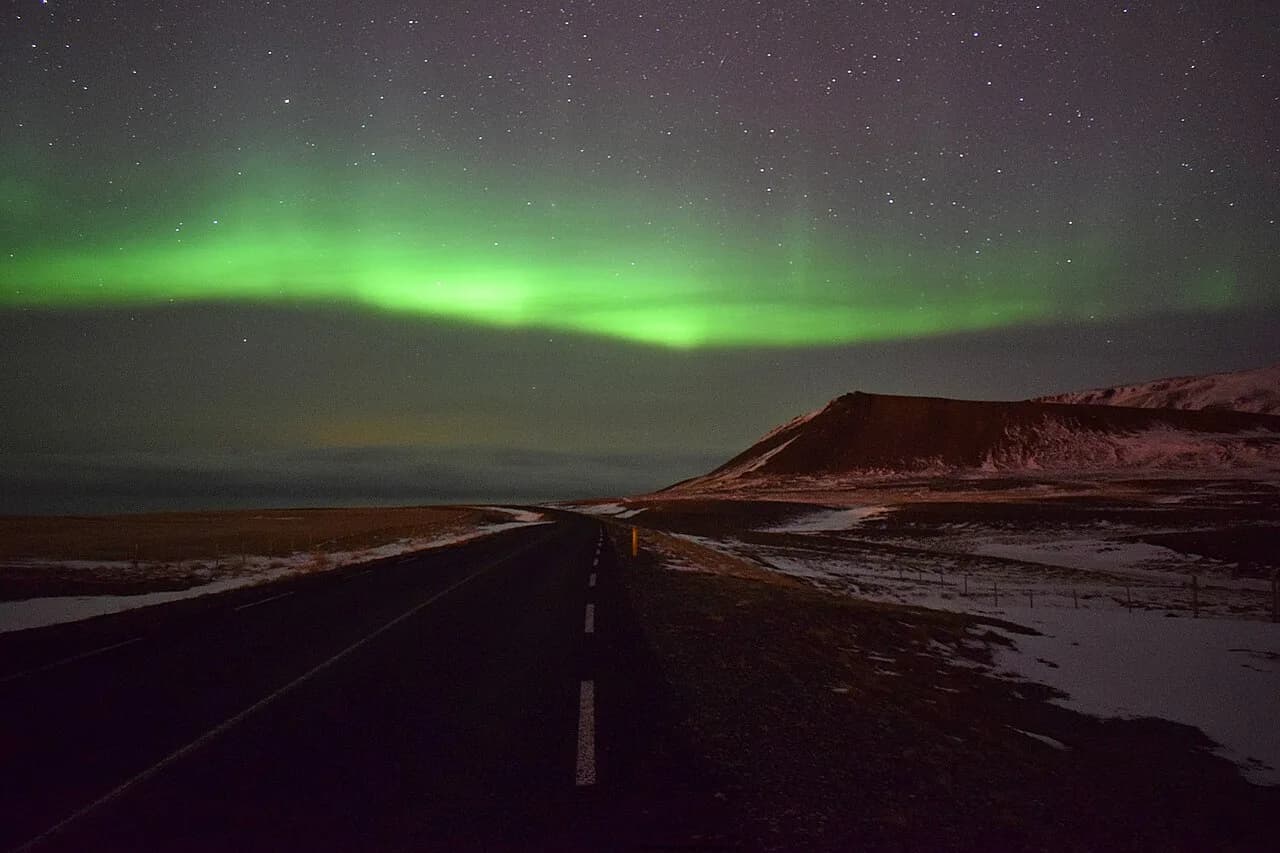
Snæfellsnes juts west from Iceland into the Atlantic north of Faxaflói Bay, the water that laps at Reykjavik, with the Breiðafjörður bay separating it from the Westfjords. Its position puts it under the auroral oval on many nights, and the sparse population means genuinely dark skies once you leave the villages. The catch is cloud: the coast catches Atlantic weather, so clear nights are a matter of luck and persistence rather than a fixed schedule. For a fuller picture of how the season works on the peninsula, see the guide to the northern lights snaefellsnes.
Aurora forecasts give you a probability based on solar activity and cloud cover; they do not guarantee a display. Treat the Kp number as guidance only and pay more attention to the local cloud forecast, then keep your evenings flexible so you can move to a dark spot when the sky clears.
When the aurora season runs and how dark nights get
The northern lights need dark skies, and on Snæfellsnes that means the months around midwinter. Autumn is also a good time to see the northern lights, and the advice from a winter driving guide to the peninsula is to base yourself at a countryside guesthouse and hope for clear skies and an active aurora. Spring brings longer days and a mix of rain and sun, so the dark hours shorten quickly.
Outside the deepest winter, September and March still give you long nights with more usable daylight for sightseeing, which is why Snaefellsnes in March is a popular compromise for travellers who want both. Check the date of your trip against sunset times rather than assuming darkness arrives early in the shoulder season.
Winter weather month by month: temperatures and daylight
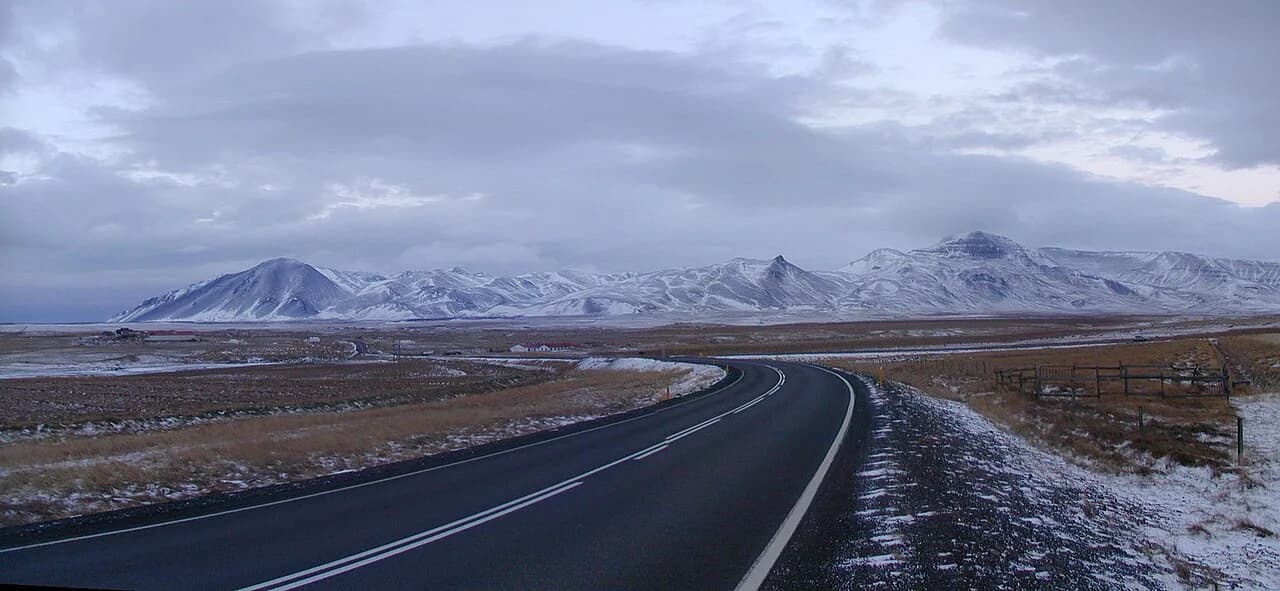
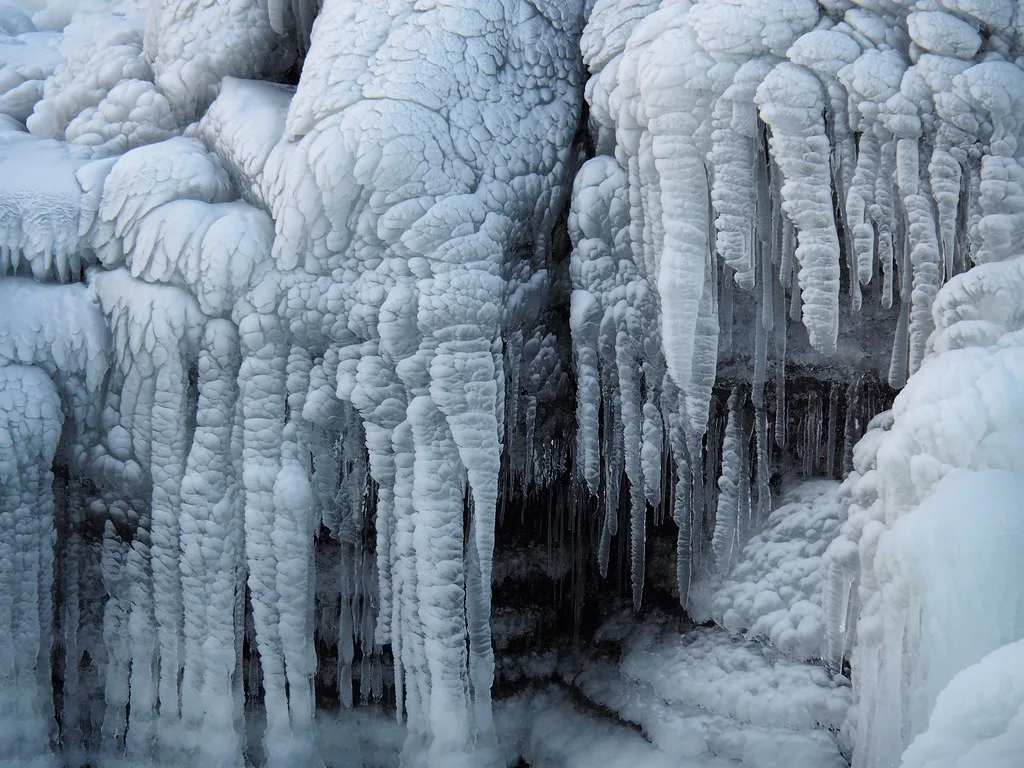
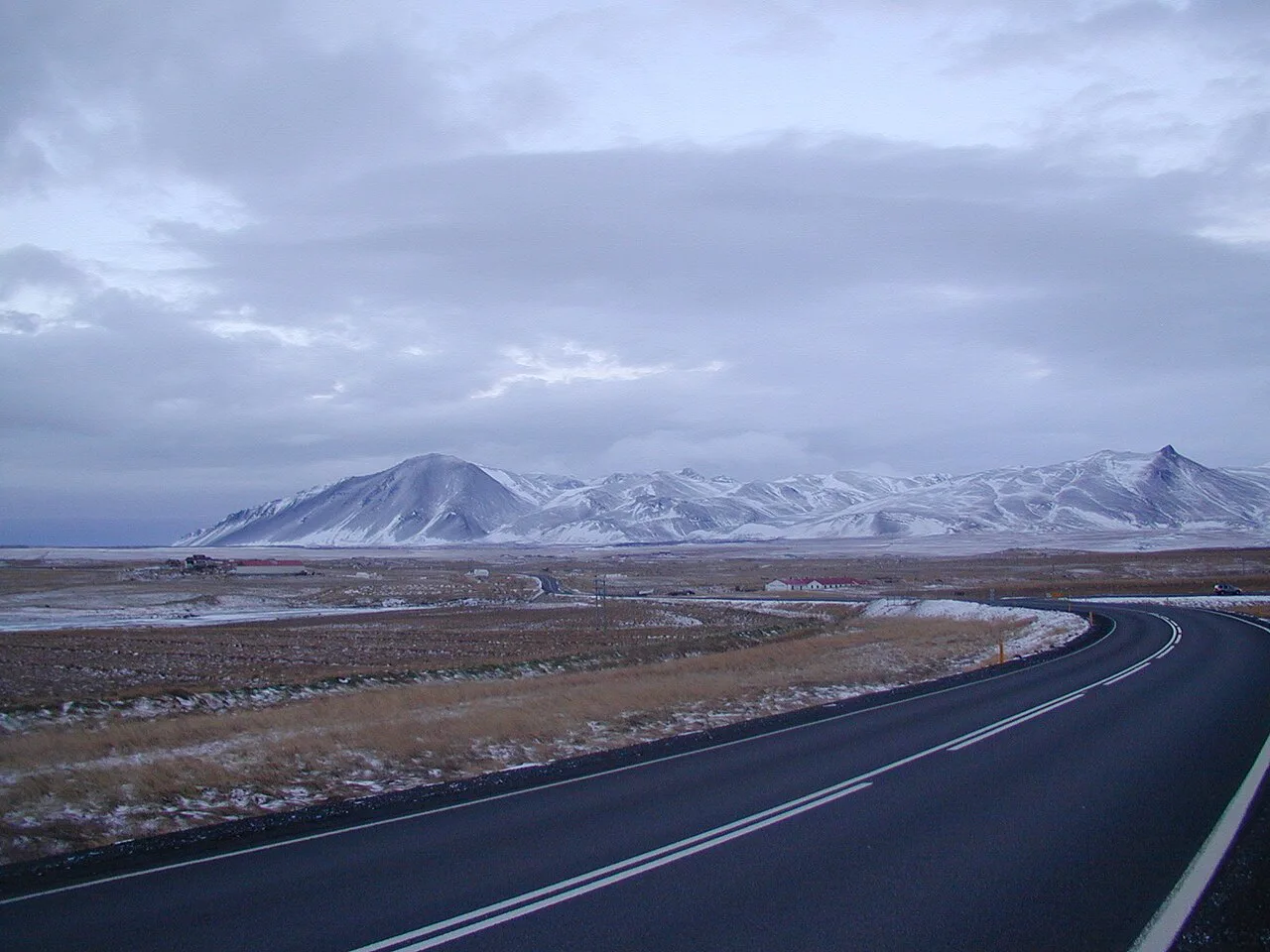
Winter temperatures on the peninsula typically sit between about -2°C and 3°C, with snow, ice and strong winds making the weather unpredictable. Daylight is limited to a few hours of twilight, so plan one or two stops a day rather than a full circuit of sights. On calmer days the snow-laden landscapes and pink-gold sunsets are ideal for photography.
Conditions change fast, and a calm morning can turn into a squall by afternoon. Build slack into each day so you can wait out wind and snow rather than driving through them, and keep an eye on road and weather updates from the Icelandic authorities before setting out.
Getting there from Reykjavik and driving Route 54 in winter
Stykkishólmur, the regional hub on the north coast, is roughly 170 kilometres from Reykjavik, a drive of about 2.5 hours via Route 1 and then Route 54. The peninsula extends about 90 kilometres into the Atlantic, so once you leave the main road you are on rural routes with few services. A rental car or campervan is the practical way to explore, since buses do not serve the natural attractions.
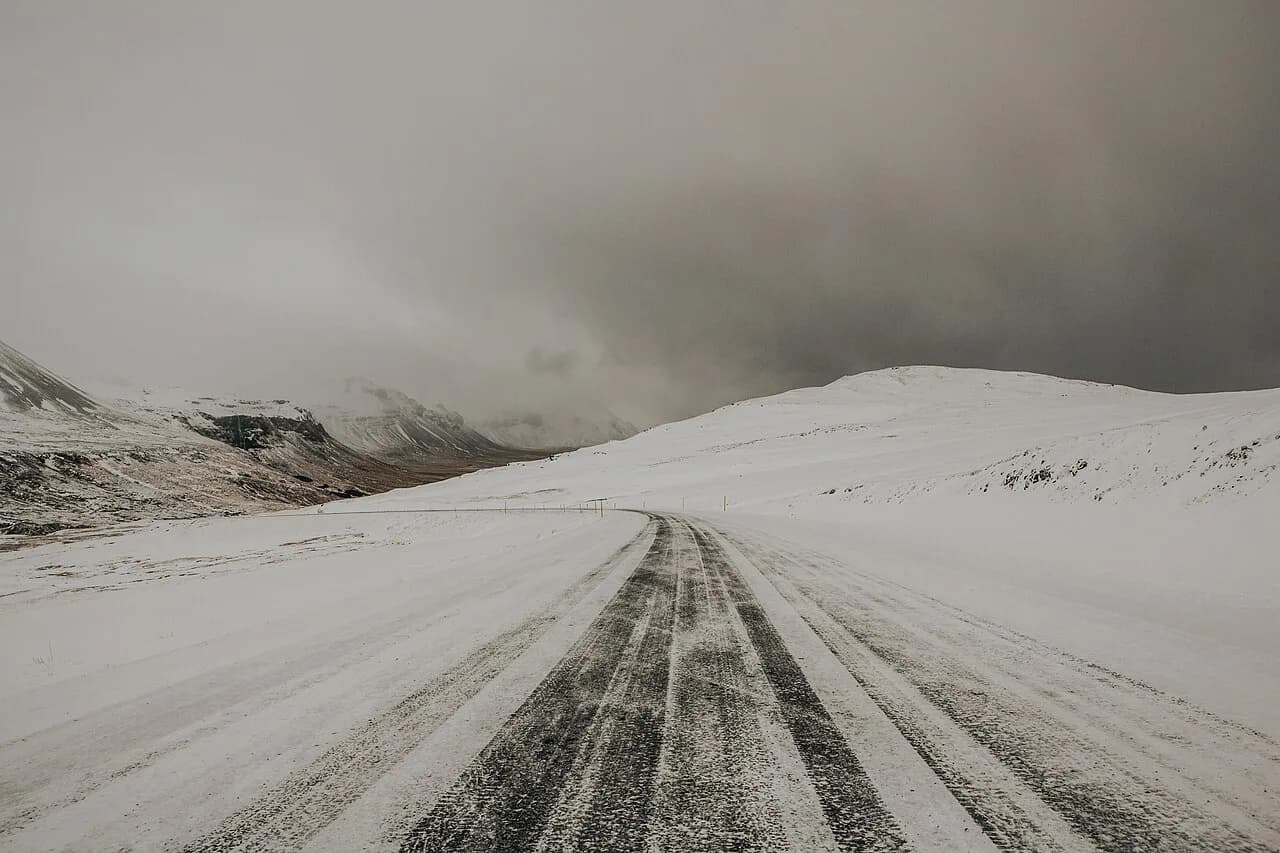
In winter, snow, ice and wind can close or slow roads, so check the road authority's route status and the weather forecast each morning before committing to a long drive. Studded tyres and a confident approach to icy gravel help, but the real skill is knowing when to turn back. Allow more time than the summer drive times suggest.
Where to base yourself: Arnarstapi, Hellissandur, Stykkishólmur and Grundarfjörður
Coming from Reykjavik, Arnarstapi on the southern shore is the natural first base, close to the cliffs and the national park's southern edge. If you are driving anticlockwise around the Ring Road, base yourself just outside the park near Hellissandur or the tiny village of Rif. Stykkishólmur on the north coast is the regional capital, with colourful houses, a working harbour and the ferry to the Westfjords.
Grundarfjörður, beneath Kirkjufell, is one of the busier towns on the peninsula, with a handful of cafés, restaurants and hiking trails heading towards the mountains. Ólafsvík is a working fishing town where you can watch the harbour and, in season, join whale-watching tours. Choose your base by which side of the peninsula you plan to drive on each day rather than by hotel reviews alone.
Winter-accessible sights: Djúpalónssandur, Lóndrangar and Arnarstapi cliffs
Most stops in the national park remain open in winter, including Lóndrangar and Djúpalónssandur, because they are short walks from a parking area. At Djúpalónssandur a dirt road descends to a black-sand beach where you can find the remains of a shipwreck and the old fishing station, plus the four lifting stones used to test a fisherman's strength. Lóndrangar's sea stacks and lava cliffs have a viewing platform, and a trail continues to the Malarrif Lighthouse visitor centre.
At Arnarstapi, paths run along the basalt cliffs in both directions, including an hour-long walk to the neighbouring village of Hellnar, where a café serves hot coffee and cakes. The giant stone statue of Bárður Snæfellsás stands near the village. These short cliff walks work well in a winter afternoon, but stay back from the edge when the ground is icy and waves are running.
Kirkjufell in winter and the Grundarfjörður waterfront
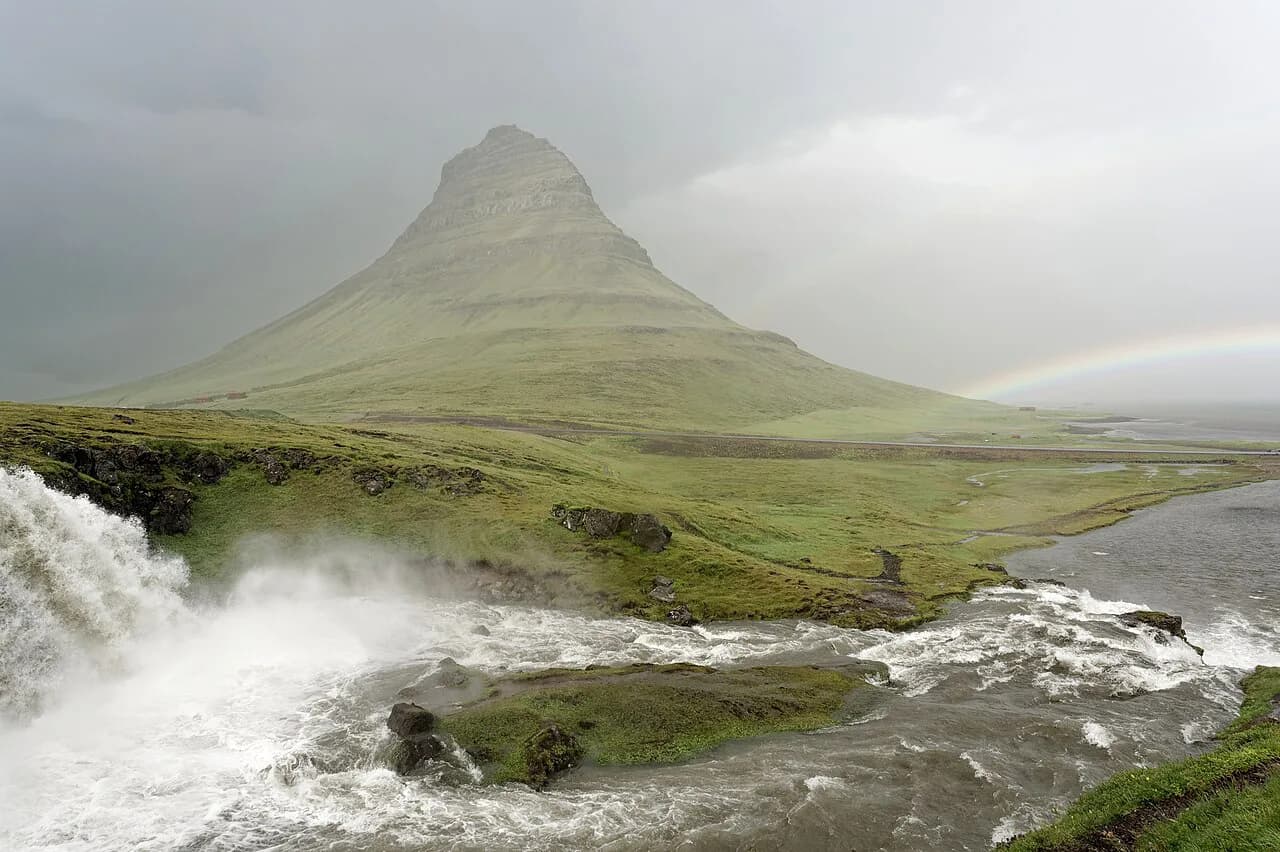
Kirkjufell rises from the bay at the edge of Grundarfjörður and is Iceland's most photographed mountain, familiar from Game of Thrones as Arrowhead Mountain. The main parking area gives the classic composition, with the waterfall Kirkjufellsfoss rushing down in the foreground. In winter a dusting of snow on the peak and a low sun make it worth waiting for a break in the cloud. The guide to Kirkjufell and the Northern Lights explains how the mountain performs as an aurora subject after dark.
For a different angle, kayaking tours leave from the harbour in Grundarfjörður and also visit the local seals, though winter conditions will limit when these run. The short walk to Grundarfoss waterfall, reached by a marked path across farmland from a roadside parking area, is often overlooked because everyone's eyes are on Kirkjufell.
Snæfellsjökull and the glacier road in winter
Snæfellsjökull is the glacier-topped volcano at the tip of the peninsula, the setting for Jules Verne's Journey to the Centre of the Earth and the focus of more than a few local legends. The road up to the glacier is closed over winter, but the mountain remains stunning to see from a distance. Plan to admire it from the park's viewpoints rather than driving onto the ice cap.
If you want to get onto the ice itself, glacier hiking tours run onto the cap in the warmer months. In winter the safer and more rewarding option is the national park's short walks among lava fields, craters and beaches, with the glacier as a backdrop.
Snow, ice and wind: how winter shapes a day on the peninsula
Winter weather on Snæfellsnes mixes snow, ice and strong winds, and the daylight is confined to a few hours of twilight. That combination means a realistic day holds one or two sights, not a full ring of stops. Build in a buffer for waiting out squalls and keep fuel and food in mind, since rural services are sparse.
Travellers heading out in winter should dress for wind and wet as well as cold, since jeans and ordinary shoes leave you miserable on a clifftop in a gale. Waterproof, windproof layers and warm footwear make the difference between enjoying the coast and retreating to the car.
Where to watch for aurora near the villages
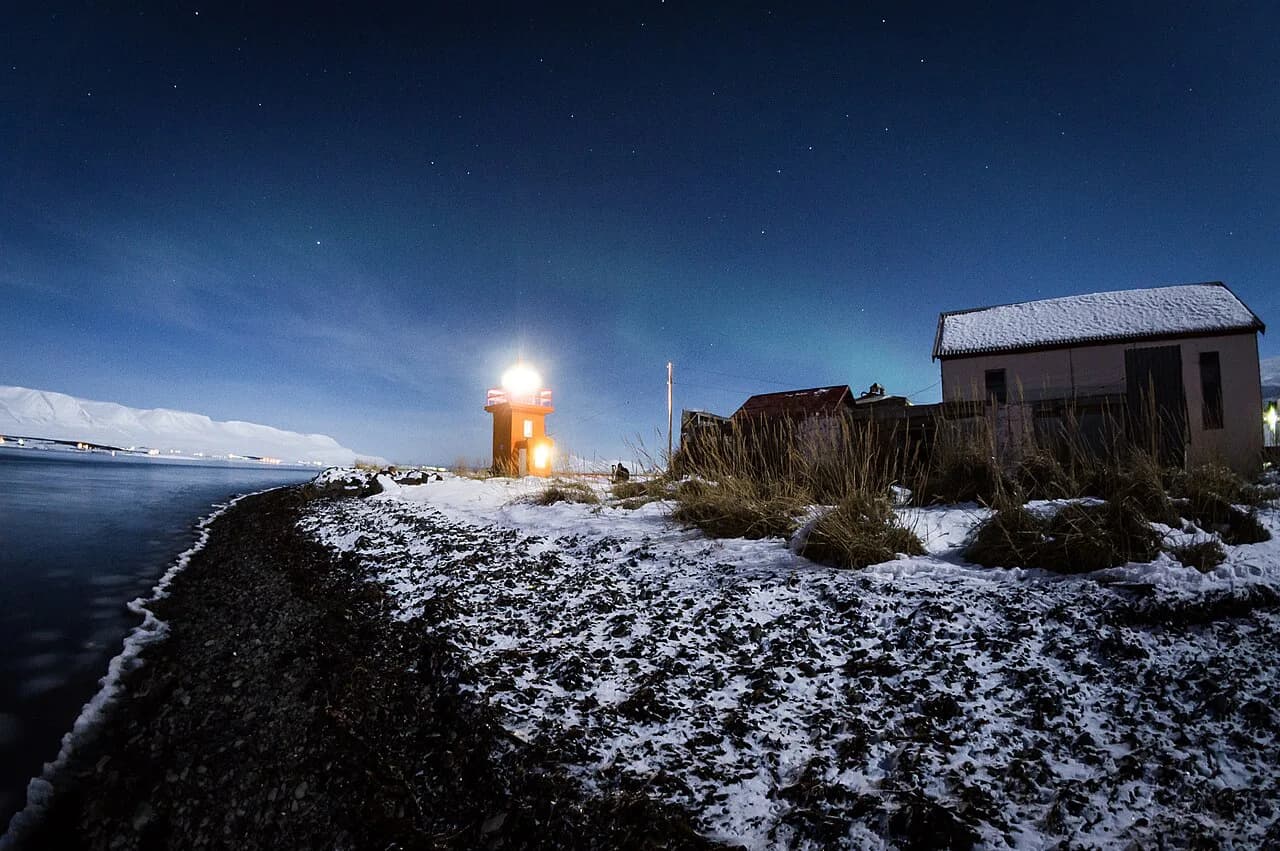
The villages themselves have enough light to spoil a faint display, so the best strategy is to drive a short way into the countryside and find a dark pull-off with an open view to the north. The coast around Arnarstapi and Hellnar, the lava fields inside the national park and the shoreline near Hellissandur all offer dark skies within a short drive of a bed. Avoid standing on the road, and park well clear of traffic.
Countryside guesthouses are a sensible base for aurora nights, since you can step outside when the sky clears rather than driving back to town. The local advice for autumn is exactly that: stay somewhere rural and hope for clear skies and an active aurora.
Self-guided chasing versus a guided northern lights tour
Self-driving gives you the freedom to move when the cloud breaks, but it puts the forecast reading, the route choice and the night driving on you. A guided Snaefellsnes Northern Lights Tours departure removes that burden and usually knows the local back roads, though it commits you to a fixed departure and a group's pace. Weighing a city base instead? The northern lights in Akureyri work on much the same self-drive versus tour logic. If you are staying only a night or two, compare the two carefully before deciding.
Whichever route you take, treat any aurora outing as a gamble on weather. Clear skies matter more than a high Kp number, and a patient wait at a dark spot often beats a rushed drive between viewpoints.
Hot springs and indoor pauses: Landbrotalaug and the towns
Landbrotalaug is one of the smallest hot springs in the country, barely fitting two people, so it is best visited early in the morning or late at night to avoid a queue. When you do get it to yourself, it is a warm spot to sit and look out over the surrounding landscape. Bring a towel and change of clothes, and leave no trace.
The towns offer indoor pauses when the weather turns: cafés and restaurants in Grundarfjörður, the harbour at Stykkishólmur with its ferry to the Westfjords, and the street art scattered across Hellissandur and Rif. More than 30 murals cover warehouses and houses around Hellissandur, a good reason to stop in a town most drivers pass through.
How many nights to plan for a fair chance of clear skies
Two nights on the peninsula is a reasonable minimum, split between the southern and northern shores, with a third night if aurora watching is a priority. Cloud is the limiting factor, so more nights simply buy you more chances at a clear sky rather than a guarantee. A week-long trip that includes a few nights here gives you the best odds without pinning everything on one evening.
If your dates are fixed, look at the moon phase and the forecast as the trip approaches and be ready to swap a sightseeing day for a clear night. Flexibility is worth more than any single viewpoint.
Winter trade-offs: short days, cloud and cost versus quiet
The trade-off is straightforward: you get empty roads, frosted landscapes and long dark evenings in exchange for a few hours of twilight and a real chance of cancelled plans. Winter driving is slower and the weather can close in without warning, so a short itinerary can lose a day. Against that, the peninsula in winter is quiet in a way summer never is.
Spring offers a middle ground, with snow still on the mountains, clearer lowland roads and temperatures gradually rising. If you want both photography conditions and easier driving, that shoulder season is worth considering.
Day-trip versus overnight: why one day undersells the peninsula
Day tours from Reykjavik sell the peninsula as a single day out, but that means hours in a vehicle for a handful of photo stops. Staying overnight lets you see the southern shore and the national park at an unhurried pace, then follow the northern coast the next day. In winter the short daylight makes the difference even sharper.
If you only have one day, choose either the southern shore and national park or the northern villages and Kirkjufell rather than attempting both. That way you spend your limited twilight looking at the landscape instead of the dashboard.
Plan Your Winter Trip
Snæfellsnes in winter rewards a slow, flexible approach: base yourself on the side of the peninsula you plan to drive, keep one or two sights a day, and treat the dark evenings as the reason you came. The glacier road closes for the season, but the beaches, cliffs and sea stacks remain short walks from the car park.
Book two or three nights and watch the cloud forecast rather than a Kp number. Check the road authority's route status on the morning of each drive, with the operator's own page as your second stop.
Frequently Asked Questions
Is Snæfellsnes worth visiting in winter?
Yes, if you want empty roads, snow on the mountains and dark evenings suited to aurora watching. The cost is a very short window of daylight, so you cover one or two sights a day rather than the full circuit. Travellers who need long sightseeing days are better served by spring or autumn.
How much daylight is there on Snæfellsnes in winter?
Winter daylight on the peninsula comes down to a few hours of twilight, which is why a realistic itinerary holds one or two stops rather than a ring of viewpoints. Plan each day around that short window and leave the long evenings free for aurora watching. Daylight lengthens quickly by March.
Can you see the northern lights on Snæfellsnes?
You can, as the peninsula sits under the auroral oval with genuinely dark skies once you leave the villages. Cloud is the limiting factor, so the odds depend on how many nights you spend and how flexible your evenings are. No forecast can guarantee a display, and the Kp number is only guidance.
Can you drive to Snæfellsjökull in winter?
The road up to the glacier is closed over winter, though the mountain remains a striking sight from the national park's viewpoints and the coast. Plan to admire Snæfellsjökull from a distance rather than driving onto the ice cap, and keep your walking to the short trails near the car parks.
How many days do you need for Snæfellsnes in winter?
Allow at least two days: one for the southern shore and the edge of the national park, and one to finish the park before driving the northern coast to Stykkishólmur. Add a third night if aurora watching matters, since more nights mean more chances at a clear sky.
Where should you stay on Snæfellsnes in winter?
From Reykjavik, Arnarstapi is the natural first base on the southern shore. Driving anticlockwise, base yourself near Hellissandur or Rif at the park tip, while Stykkishólmur and Grundarfjörður serve the northern coast. Rural guesthouses make aurora nights easier because you can step outside when the sky clears.
Sources
Notes for your Arctic winter trip
Optional updates to our northern lights guides.
You might also like
Continue reading
More guides you'll find useful