Ice Fishing in Swedish Lapland: Which Winter Tour to Book
Plan ice fishing in Swedish Lapland: how guided days on frozen lakes work, what safety gear and guidance come with them, and how to pair ice with aurora nights.
On this page
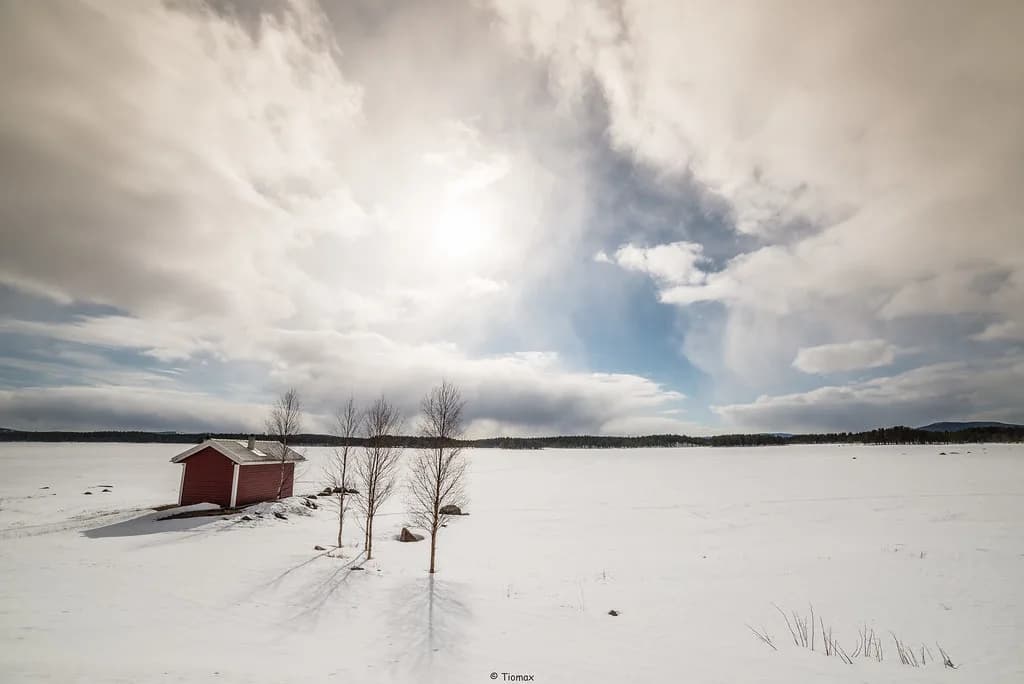
Swedish Lapland in winter pairs two very different kinds of darkness: the long polar night in which the aurora appears, and the bright, low daylight you spend drilling holes and jigging over a frozen lake. Ice fishing here is a daylight activity, so it slots naturally into a trip whose evenings are reserved for the northern lights. It suits travelers who want a slow, hands-on morning on the ice and are happy to let a guide make the call on conditions.
The appeal is the quiet. You are out on a frozen lake with a short rod, a jig and a hole you drilled yourself, watching for the tap of a pike or perch. Guided operators build the day around that, handling the equipment and the safety questions so beginners can concentrate on learning the technique.
Why Swedish Lapland suits a winter day on the ice
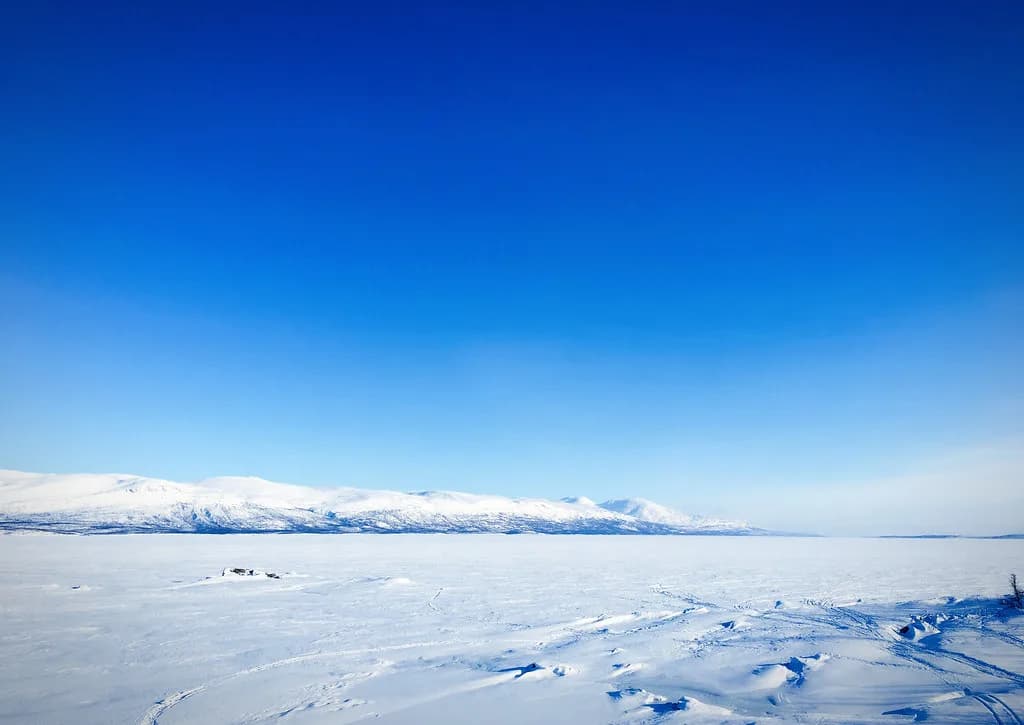
The far north of Sweden has long, cold winters and thousands of lakes, and the region has a well-established fishing culture that carries over from summer open water to the winter ice. The inland lakes around Kiruna and the wider Norrbotten interior are the classic ground for guided days, while the coast offers its own ice-fishing opportunities in a hard winter. For a broader picture of where the dark-sky nights fall across the region, see the guide to northern lights in sweden.
The trade-off is latitude. Swedish Lapland sits far enough north that the winter sun stays low, and in midwinter the usable daylight for being out on the ice shrinks to a few hours. Plan your fishing day around the brightest part of the day and keep the rest of the schedule flexible. That is also what makes the region such a strong base for aurora watching: the same long nights that shorten your fishing day give you hours of darkness for the sky.
When the lakes freeze and the season runs
Ice fishing is entirely dependent on safe ice, and the season follows the freeze. Operators make the decision on a given lake only once the ice is thick enough to support a group, and they will not lead clients onto ice they are unsure of. The Swedish operator Fishing-in-Sweden.com, for example, has halted its guided ice fishing tours entirely because the ice situation has become increasingly unpredictable with climate change, and states it will only resume once conditions allow.
That is the honest frame for planning: freeze-up and break-up dates vary from lake to lake and year to year, so no fixed calendar applies. Build your trip around a window in the deep winter rather than a specific date, and let the guide decide which lake is fishable on the day you are there.
How a guided ice-fishing day usually works
On a guided trip the guide selects the lake, drills the holes and teaches the technique. On the Swedish model, an experienced angler introduces you to the right methods alone or in small groups of up to five people, and supplies all the fishing equipment you need. That small-group format keeps the pace unhurried and means beginners get hands-on coaching rather than being left to figure it out alone.
Trips generally run as a single day out or as a longer package. Fishing-in-Sweden.com describes offering either an ice fishing weekend or a full week of fishing on the ice, which lets you match the trip to how much time you want to spend on the lake rather than in the warm. Whatever the format, the fishing happens in daylight, leaving your evenings free for the aurora.
What a guided trip includes: gear, safety and instruction
Two things matter more than anything else on the ice: the equipment and the safety. A guided operator supplies the rods, jigs, and safety gear and shows you how to use it, so you can safely carry on fishing on your own afterwards. In the Swedish model, the guide brings a range of safety equipment and instructs you in its use alongside the tackle.
Some operators also run a free cancellation policy if the ice or weather should make a trip unsafe, so a booking does not have to be a gamble when the ice is marginal. Ask at the time of booking how clothing and boots are handled, as guides often lend thermal gear, and let the guide set the safety rules once on the lake.
Fish you can target: pike, zander, perch and Arctic char
Swedish winter fishing is above all a big-pike pursuit. The long winter season offers excellent conditions for catching large numbers of big pike in a short period, and zander and perch are the other two species to target through the ice. When the conditions are right, the odds of a big zander are good as well.
In Lapland specifically, Arctic char is the prized cold-water catch, known for its bright colours and good eating. That gives you a realistic spread of possibilities across the north: pike and perch in the broader Swedish lakes, char in the northern waters. A guided day is the practical way to learn which lake offers which fish, because the guide knows what each water holds in winter.
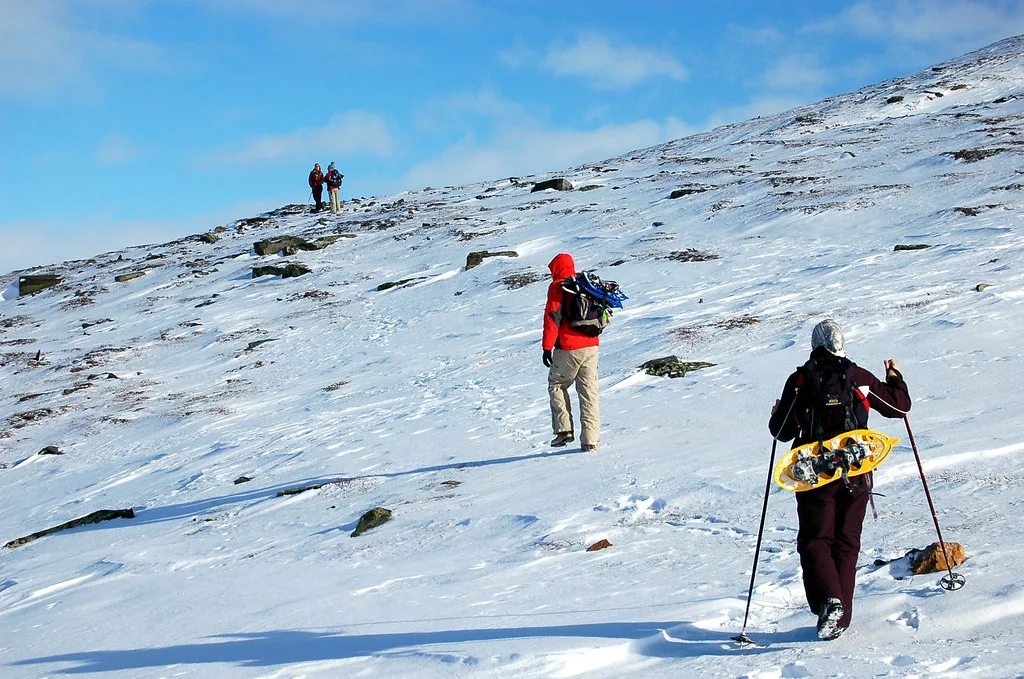
Ice fishing around Kiruna and the inland lakes
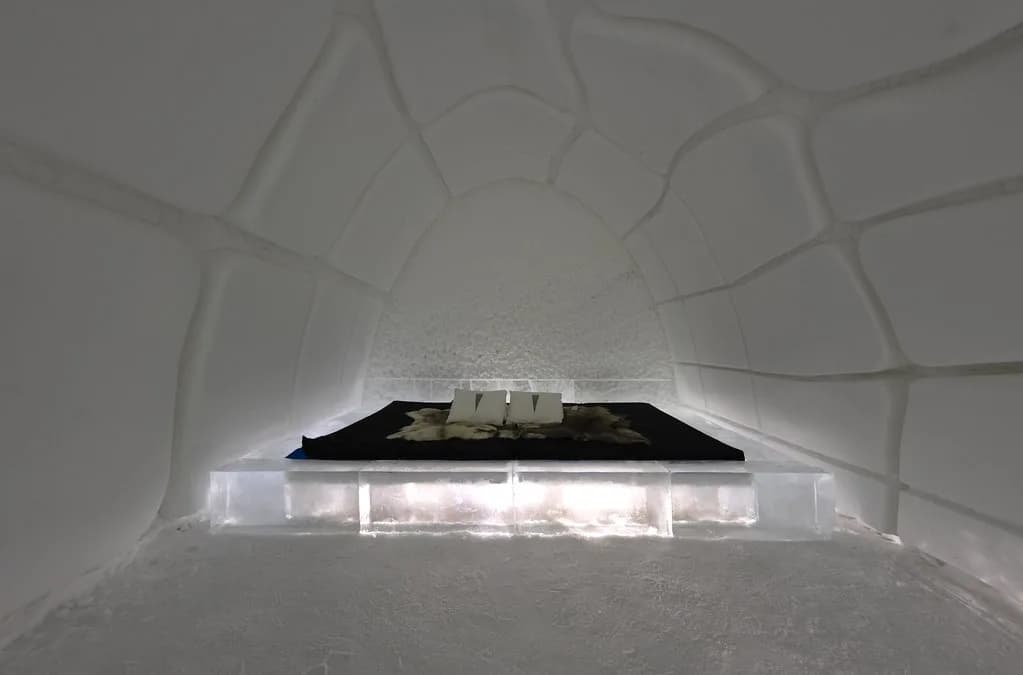
Kiruna is the natural base for inland ice fishing in Swedish Lapland, with lakes scattered across the surrounding country and easy access to the region's winter infrastructure. It also sits within reach of Icehotel Jukkasjärvi, where the Torne River provides the setting, making a combined stay a practical option if you want an ice experience without crossing the whole region. The icehotel sweden guide explains how the seasonal hotel works and what an overnight on ice involves.
For a wider view of how the inland lakes and the mountain stations differ in winter conditions, the guide to swedish lapland in winter sets out the seasonal pattern across the region. Use it to match your base to your priorities, whether that is a fishing lake close by or a mountain station with deeper snow.
Self-guided fishing versus booking a guide
Going out alone on the ice is possible for experienced anglers, but it puts the whole burden of judgement on you: which lake, how thick the ice, where the fish sit in winter. A guided day buys you that local knowledge, the tackle, and the safety equipment, and the guide takes responsibility for the call on whether the ice is sound. For a first winter trip in Lapland, that is a sensible trade against the cost of a guide.
If you do go self-guided, plan around the shallow bays and known fishing lakes near your base rather than remote water, and treat any doubt about ice as a reason to stay off it. Ask locally about current ice conditions on the specific lake you have in mind, since they change with each cold snap and thaw.
Licences and local rules for fishing on ice
Fishing rules in Sweden depend on the water, the species and whether you are fishing with a rod and line or with hand-held tackle, and the rules differ between private waters and the great lakes. Rules and licence requirements apply to ice fishing as well. Ask the guide or the local fishing-rights holder which permit applies to the lake you will fish, and carry it with you on the ice.
Because the rules are water-specific, the cleanest route is to book with a guide who holds the rights to the lake and includes the permit in the arrangement. If you plan to fish independently, deal with the local rights holder before the trip and keep the paperwork with you on the ice.
Pairing a day on the ice with aurora nights
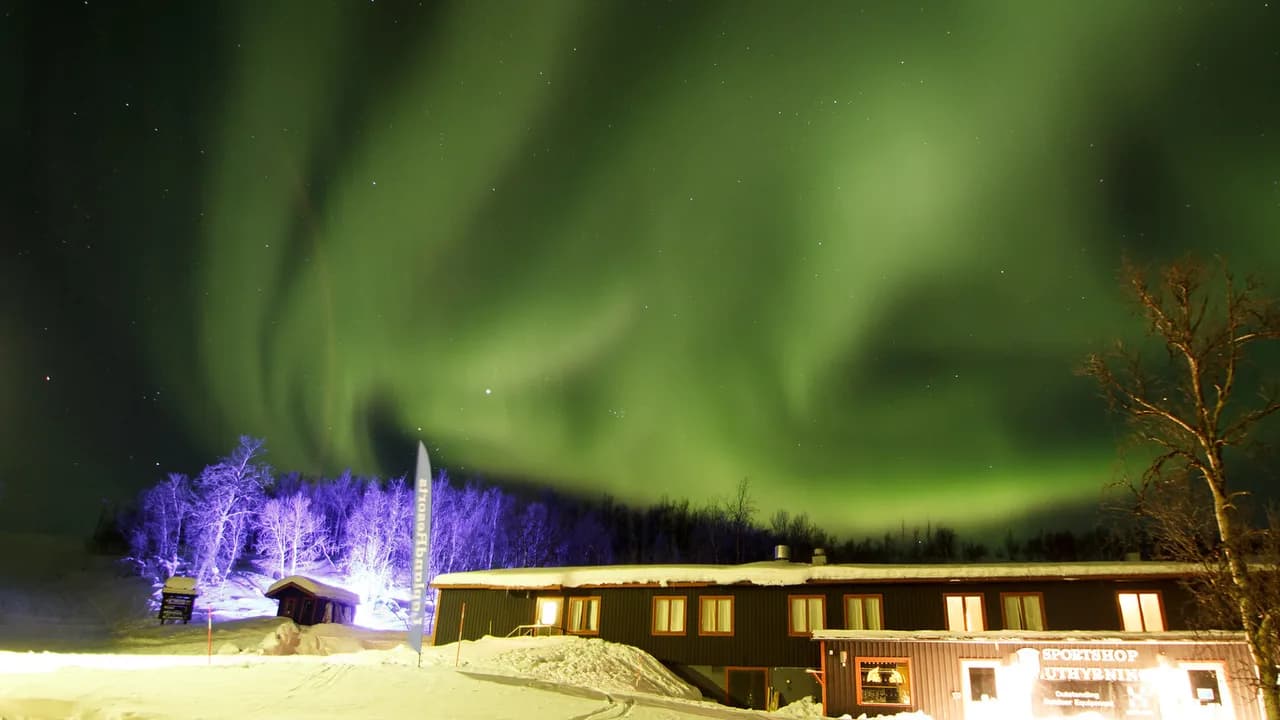
Ice fishing is a daylight activity, and the aurora is a night one, so a winter day in Swedish Lapland can hold both without any conflict. Finish on the ice in the afternoon, warm up, and head out again after dark to a dark-sky spot such as Abisko National Park or a lakeshore away from town lights. The same clear, cold weather that firms up the ice often brings the crisp skies you want, although cloud can equally settle in for days. Faint aurora can appear in the sky, but no operator can promise a display.
Aurora viewing depends on solar activity and clear skies. Kp values are guidance only, and the best way to improve your odds is to allow several nights rather than pinning everything on one. Treat a good display as a bonus on top of a day well spent on the ice.
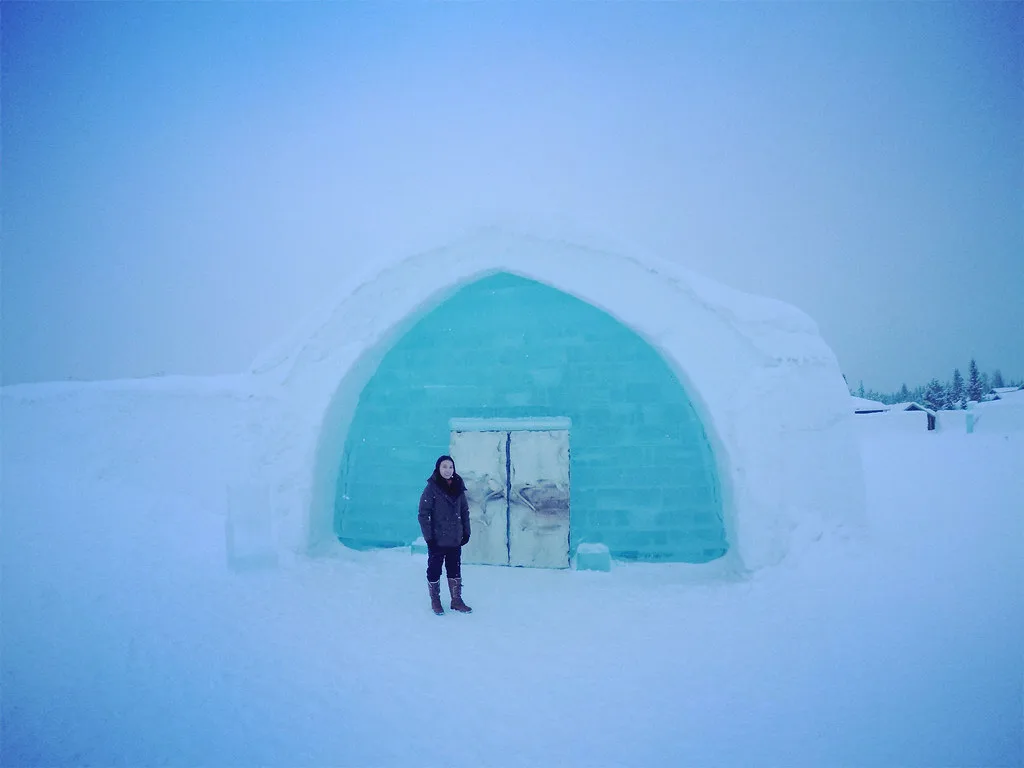
How many nights to plan around ice and weather
Give the trip at least three or four nights if you want a fair chance of clear skies for aurora viewing and a workable window for the ice. Cold snaps, thaws and cloud all move the plan, and a longer stay lets you take the fishing day when the lake is at its best and wait out a cloudy night. A week is comfortable and allows a multi-day fishing package if you want to spend real time on the lake.
If your priority is a specific fishing package, build the trip around that rather than the other way round, and leave the aurora nights as flexible as you can. That way weather changes cost you less.
Where to base yourself and how to reach the lakes
Kiruna is the practical hub for inland fishing and winter travel in Swedish Lapland, with road and air access into the region. From there, guides drive you to the day's lake, and you do not need your own vehicle to reach the water. Staying near town also means easier access to the shops and warm shelter you want between trips. For the mountain-side version of the same guided day, including tours and season timing, see the guide to ice fishing in abisko.
For an ice-hotel stay, Jukkasjärvi is a short transfer from Kiruna and puts you on the Torne River, where the winter hotel and its cold rooms are built each season. The Icehotel Sweden Guide covers the layout and what the different room types offer, so you can decide whether to spend a night on ice or just visit for the day.
Practical trade-offs: short daylight, cold snaps and thin ice
The main constraint is daylight. In the depths of winter the sun barely clears the horizon, so the window for being on the ice is short and you should expect to start early and finish in the afternoon gloom. Plan your fishing for the brightest part of the day and leave the long dark evenings for the sky or for warming up indoors.
The second constraint is the ice itself. Cold snaps can make conditions overnight, and a thaw can undo them just as quickly, which is why a guided operator makes the call to go or cancel rather than a fixed calendar. Some operators apply a free cancellation policy when the ice or weather is unsuitable, which protects you from paying for a day that cannot safely happen.
For anyone wanting a Finnish comparison, ice-fishing products are also sold in Rovaniemi in Finnish Lapland, which offers a sense of how a guided day is packaged elsewhere in the north. The basics are similar, but Swedish Lapland's own season and conditions are what should shape your booking.
Plan Your Ice Fishing Trip
Swedish Lapland works best for ice fishing when you treat the fishing as one part of a winter trip built around long, dark nights. Book a guided day for the tackle, the instruction and the local judgement on ice, base yourself in Kiruna for inland lakes, and hold a window of several nights for clear skies.
Keep an eye on Fishing-in-Sweden's own announcements on whether tours are currently running, and let the ice decide which lake you fish on the day. Finish on the ice before the light fades, then give the aurora the rest of the evening.
Frequently Asked Questions
Is there good ice fishing in Swedish Lapland?
Yes. The region has long, cold winters and strong pike fishing, with zander, perch and Arctic char also targeted through the ice. Guided operators handle the equipment and safety gear and teach you the technique.
When is the ice-fishing season in Swedish Lapland?
The season follows the freeze, and operators only lead clients onto ice once it is thick enough to support a group. Freeze-up and break-up dates vary from lake to lake and year to year, so plan a window in deep winter rather than a fixed date and let the guide decide which lake is fishable.
Do I need a licence to ice fish in Sweden?
Fishing rules in Sweden depend on the water and the species, so requirements vary between lakes and private waters. Ask the local fishing-rights holder which permit applies to the lake you will fish, and carry it with you on the ice.
Is ice fishing in Swedish Lapland safe?
With a guide, yes. Operators decide whether the ice will hold before leading a group out, and they supply safety equipment and show you how to use it. A free cancellation policy may apply when the ice or weather is unsuitable.
Can you combine ice fishing with northern lights watching?
Yes. Fishing happens in daylight and the aurora at night, so the two fit into the same winter day. Choose a base with dark-sky spots nearby and stay several nights to improve your chances of a clear night.
How long does a guided ice-fishing trip last?
Trips are commonly run as a single guided day, with longer packages such as a fishing weekend or a full week available from some operators. Ask about the schedule when you book.
Sources
Notes for your Arctic winter trip
Optional updates to our northern lights guides.
You might also like

Continue reading
More guides you'll find useful