Vatnajökull Ice Cave Guide: Crystal Cave, Skaftafell & Tours
Vatnajökull ice caves run roughly October to April near Jökulsárlón and Skaftafell. Compare the Crystal and Skaftafell caves, tour lengths and what's included.
On this page
Vatnajökull delivers the blue ice that most travelers picture when they imagine an Icelandic ice cave: dense, bubble-free glacier ice that glows from within and shifts shape every season. Two areas do most of the work for visitors, the Breiðamerkurjökull outlet near Jökulsárlón and the Falljökull outlet beside Skaftafell, and both sit on Route 1 in the southeast. It suits travelers who want a half-day underground experience folded into a South Coast road trip and who accept that the cave itself is chosen by guides on the day.
Why Vatnajökull produces Iceland's bluest ice caves
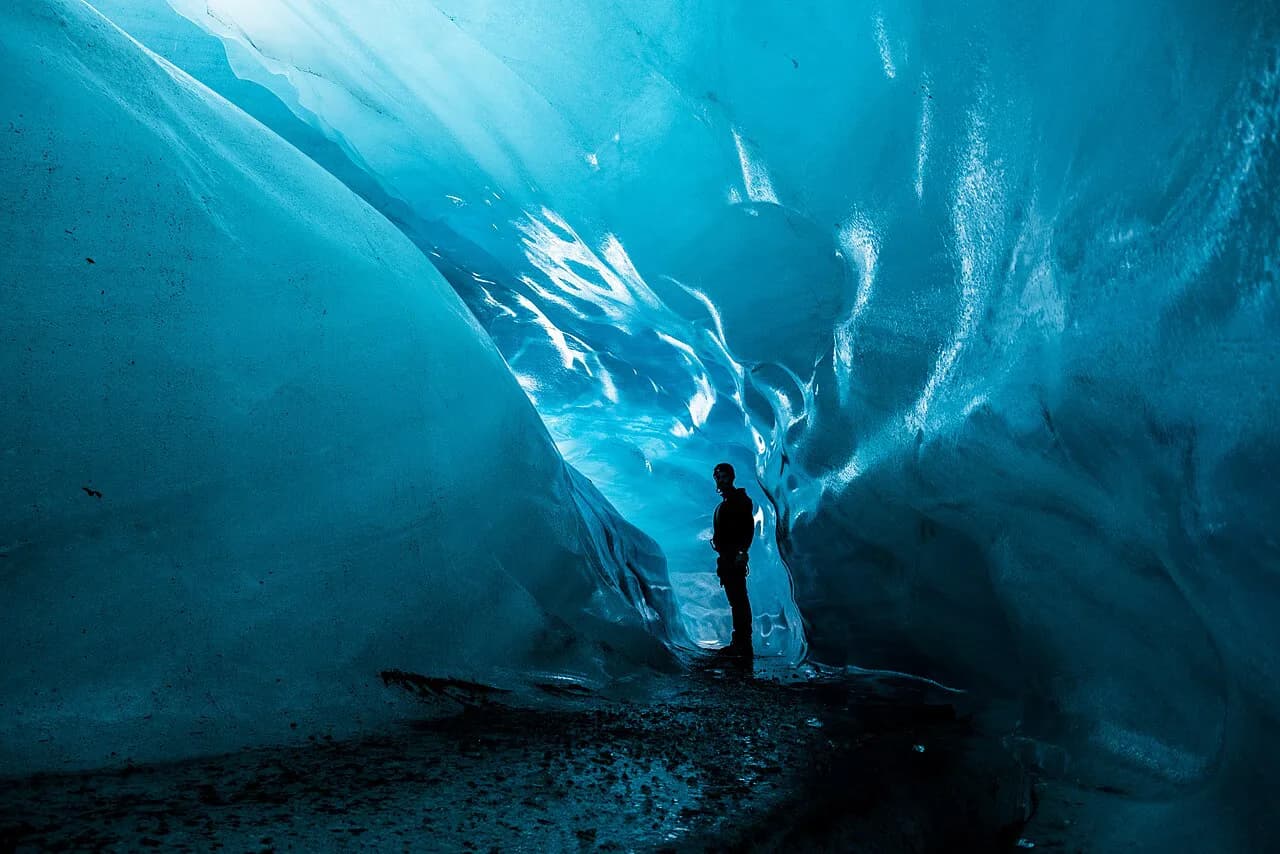
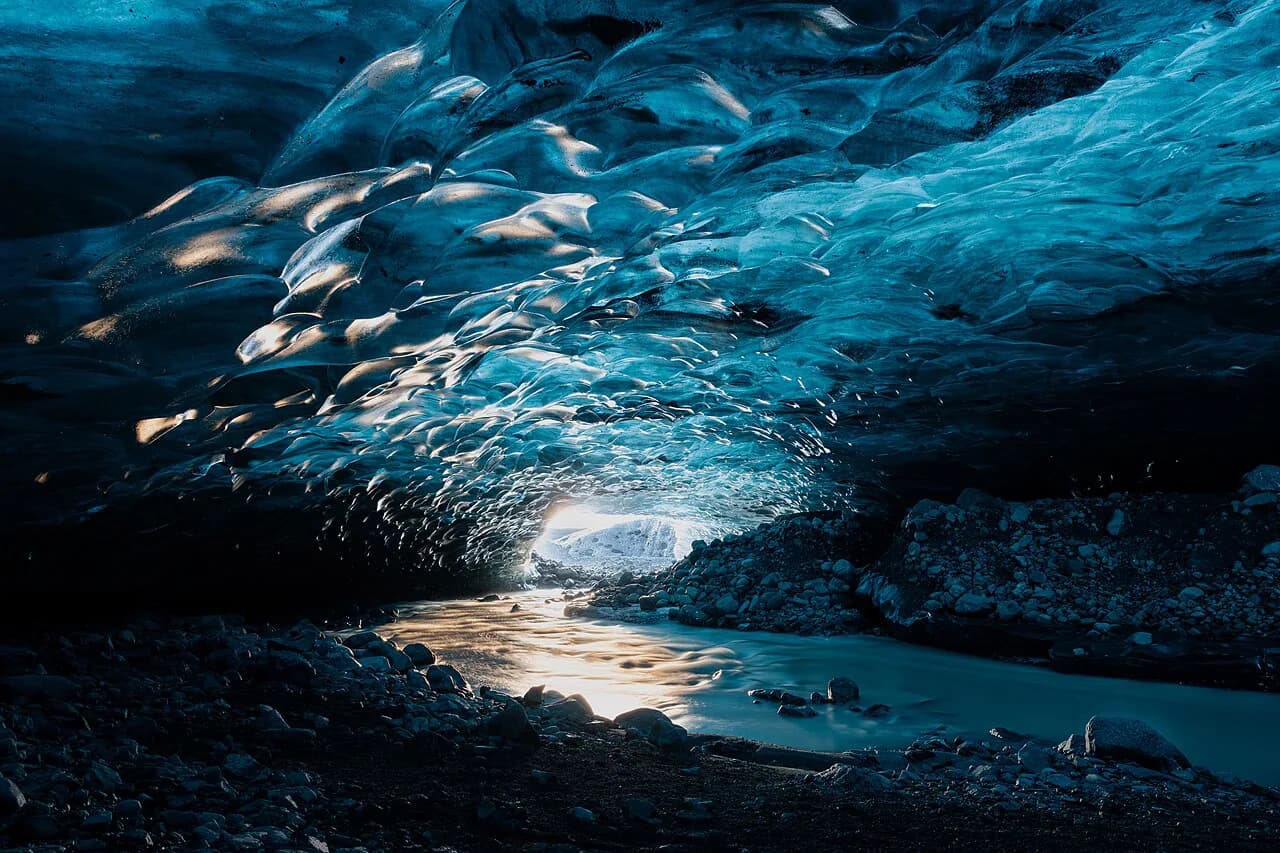
The color comes from pressure rather than lighting. Snow accumulates in layers, and centuries of compression squeeze out the air bubbles that make ordinary ice look white; without that scattering, red wavelengths are absorbed as light travels through the ice while blue wavelengths bounce back to your eye. The denser and older the ice, the more saturated the blue, which is why caves under a thick ice cap read differently from a roadside ice patch.
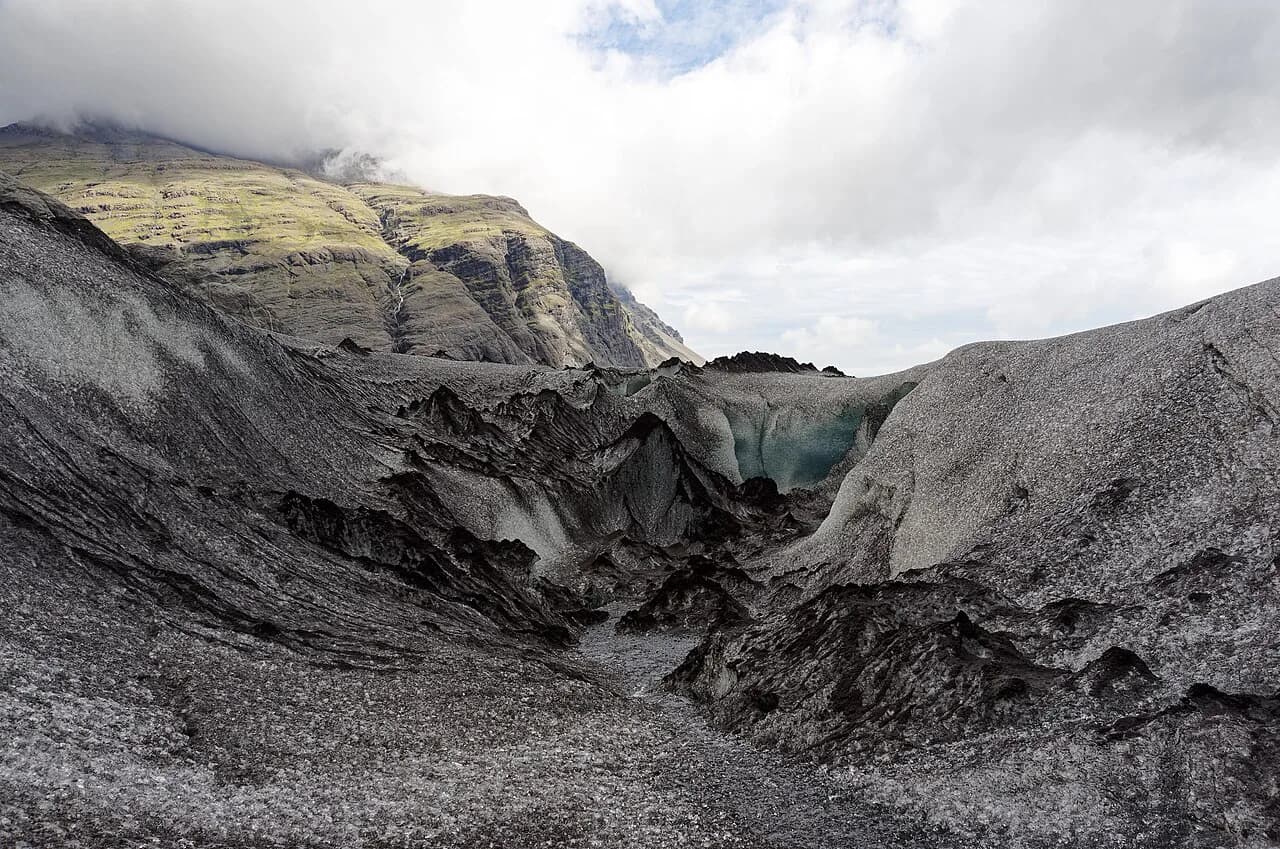
Vatnajökull covers about 8,100 square kilometers, roughly eight percent of Iceland, and averages 400 to 500 meters thick with outlets such as Breiðamerkurjökull and Falljökull crawling outward. Those outlets are where winter caves form: meltwater carves tunnels in summer, cold refreezes and stabilizes them, and guides scout new locations each autumn. The practical consequence is that the cave is a seasonal address, not a monument you can pin on a map and walk to.
Where the caves sit: Breiðamerkurjökull near Jökulsárlón and Falljökull at Skaftafell
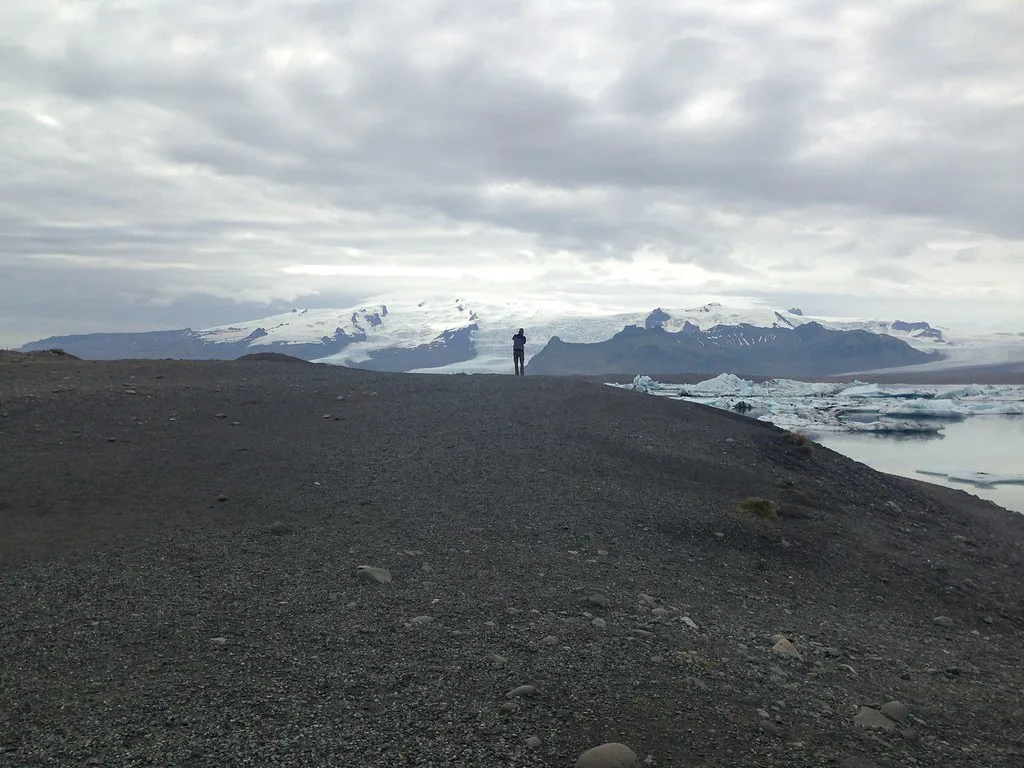
The Crystal Ice Cave lies in Breiðamerkurjökull, the outlet that also feeds the Jökulsárlón Glacier Lagoon, in southeast Iceland near Höfn. The Skaftafell Blue Ice Cave sits on Falljökull, a steep outlet inside Skaftafell, which became part of Vatnajökull National Park in 2008. Both are reached on organized tours from base camps along Route 1 rather than by walking in from a car park.
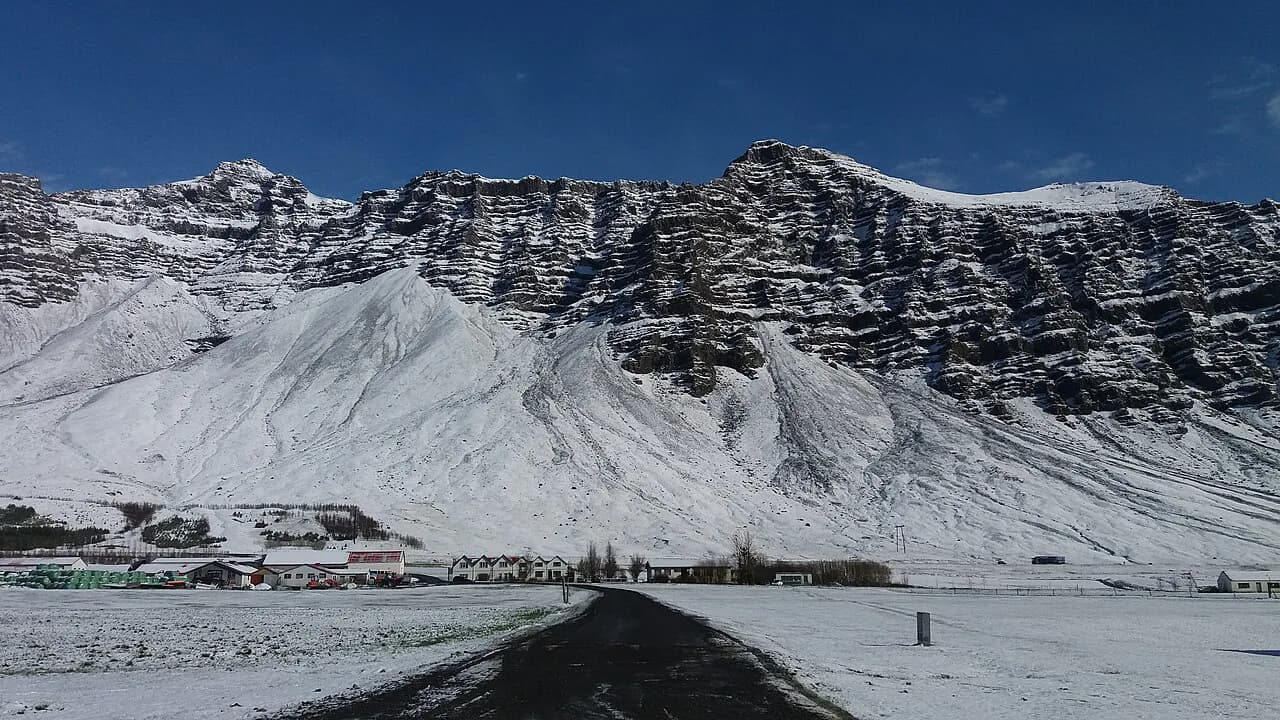
Distances matter when you plan a day. Skaftafell sits roughly four hours southeast of Reykjavík along Route 1, with Kirkjubæjarklaustur about 70 km west and Höfn about 130 km east, and there is no direct public transport to the base camp. That geometry makes a rental car the practical option, and it means the cave slots fit naturally between a lagoon visit and an overnight in the southeast rather than as a Reykjavík day trip.
The lagoon and its shoreline are the natural pairing with a Crystal cave slot, since the same outlet glacier supplies both. If you want to build a lagoon day around the cave, plan around Jökulsárlón Glacier Lagoon in Winter before you commit to a departure time.
When the cave season runs and why the caves change each year
Arctic Adventures lists the Crystal Ice Cave as a winter cave from October to April and the Skaftafell Blue Ice Cave from October to April, while its FAQ describes November to March as the prime window for natural caves, with midwinter giving the deepest blue ice. Treat those as seasonal guidance rather than fixed calendar dates, because openings depend on how each cave forms and stabilizes. Arctic Adventures announces a cave's opening once its guides confirm it is safe.
Ice caves are only accessible in fall, winter and spring, and summer tours on the same glaciers run without a cave component. Warm spells can change conditions, and guides assess caves daily and redirect tours if safety requires it. Book the winter slot; a summer visit on the same glacier will not include ice.
Crystal Ice Cave: the classic blue chamber and who it suits
The Crystal Ice Cave is the most photographed cave in Iceland, with translucent pale-blue walls and a shape that changes as a meltwater river carves the interior of Breiðamerkurjökull each summer. One season might produce a crystal dome, the next a shimmering tunnel. It is the easiest headline cave to reach, which is also why it draws the heaviest traffic.
A local photographer's assessment is blunt about the trade-off: the Crystal cave is easy to access but busy, and it is not the strongest choice for serious photography. Quieter caves further along the glacier take longer and cost more, with tours of six to seven hours including about 3 km of easy walking on the ice to reach two caves close together, one roughly 300 m long. If photographs matter more than convenience, that longer format is the one to weigh.
If the Crystal cave is your priority, read the detail on the Crystal Ice Cave at Jökulsárlón before picking a departure, since the cave you enter is selected on the day rather than named in advance.
Skaftafell Blue Ice Cave: narrower, paired with a glacier hike
The Skaftafell cave is a narrow but stable formation on Falljökull, the outlet named for its steep descent, inside Vatnajökull National Park. It is sold as a combined product: a guided glacier walk on crampons followed by the cave, so the hike is the experience rather than an optional add-on. Expect several hours on uneven ice rather than a short step inside and out.
The Icelandia ice cave and glacier hike from Skaftafell Base Camp runs 3.5 hours at a moderate difficulty rating, with a minimum age of 10. The guide, crampons, helmet and ice axe are included, and the cave component disappears from summer departures. That makes it the most straightforward choice for families with older children who want to actually walk on a glacier.
Tour format: super jeep departures, meeting points and durations
The two cave areas run on different formats. The Crystal Ice Cave is offered as a super jeep tour with departures from the south, and Arctic Adventures lists its Katla super jeep tour as running three or eleven hours depending on whether you start from Vík or Reykjavík, with availability all year because Katla is a separate year-round cave. For Vatnajökull caves, expect to meet at a base camp near the outlet and travel the last stretch in an operator vehicle.
Skaftafell departures require arrival 30 minutes before the start so the group can be fitted with crampons and helmets, and a bus shuttles the group from base camp to the glacier edge. Booking the early slot leaves room to reach Jökulsárlón or Höfn before dark in midwinter, when daylight is short.
What's included on the ice and what to rent at base camp
Guided tours supply the technical kit: helmets, crampons, safety ropes and professional supervision, and the Skaftafell hike also provides an ice axe. Guides know which caves are safe each season and where new ones have formed, which is the real reason a tour exists rather than a rental service. Some operators also lend thermal suits on cold departures, so ask when you book.
Footwear is the one item you are most likely to need to rent. The Skaftafell base camp rents boots and rain gear if yours are too low or not waterproof, and staff fit crampons to proper hiking boots before you step onto the ice. Budget a little time and money for that rental rather than arriving in trainers.
Group size, minimum age and difficulty on glacier hikes
The Skaftafell hike is rated moderate, needs no prior glacier experience and is designed for first-timers, with the guide setting a pace that works for a mixed-ability group. The minimum age is 10, and reasonable fitness plus waterproof boots with ankle support are the main requirements. If you are traveling with younger children, the engineered ice tunnel at Langjökull is the family-friendly alternative rather than a Vatnajökull natural cave.
Group size varies by cave and operator, and the Crystal cave's popularity means you may share a chamber with other departures at peak times. The quieter, longer photographer-oriented tours reduce that crowding at a higher price. Ask your guide company what the maximum group is for the specific departure you are booking.
Driving yourself versus joining a tour from Reykjavík
Self-driving gets you to the base camps on Route 1 without paying for a Reykjavík transfer, and it keeps your evenings free for the lagoon and dark-sky stops. It does not get you into a cave: natural ice caves should only be entered with a certified glacier guide, because the ice shifts and carries risks of falling ice, hidden crevasses and flooding. Drive yourself to Skaftafell or the Crystal cave meeting point, then join the guided group.
Joining from Reykjavík trades flexibility for logistics, with long days that can stretch to eleven hours or more for cave tours that start in the capital. Winter road conditions on the South Coast can slow any self-drive plan, so build slack into the day you plan to reach the southeast. A guided departure removes that driving risk but locks in your timing.
Combining an ice cave with the Jökulsárlón lagoon and Diamond Beach
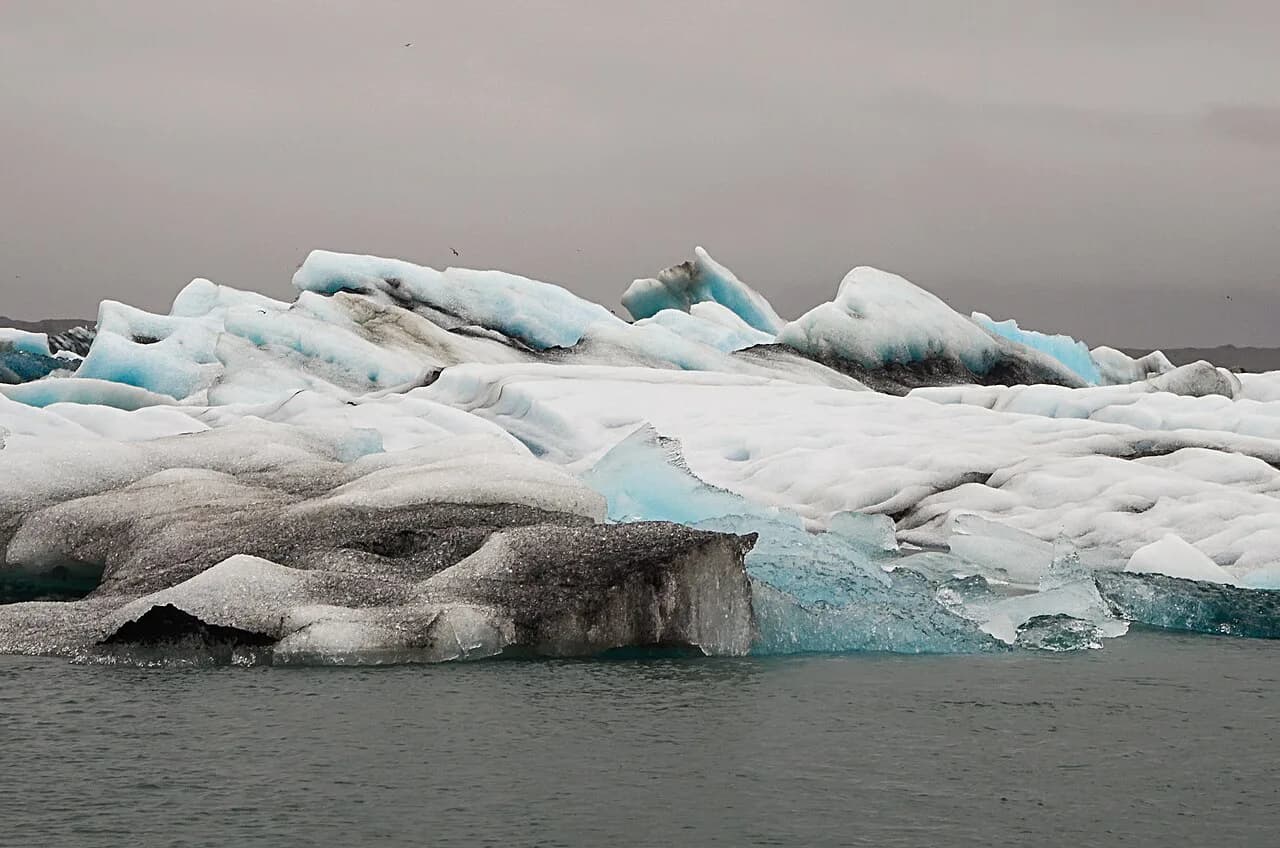
The Crystal cave and the lagoon share the same outlet glacier, so a morning cave slot and an afternoon at the water's edge fit naturally into one day in the southeast. Jökulsárlón's icebergs calve from Breiðamerkurjökull, and the nearby shoreline scattered with ice makes an easy second stop. Allow the cave tour's full duration plus drive time before you add the lagoon.
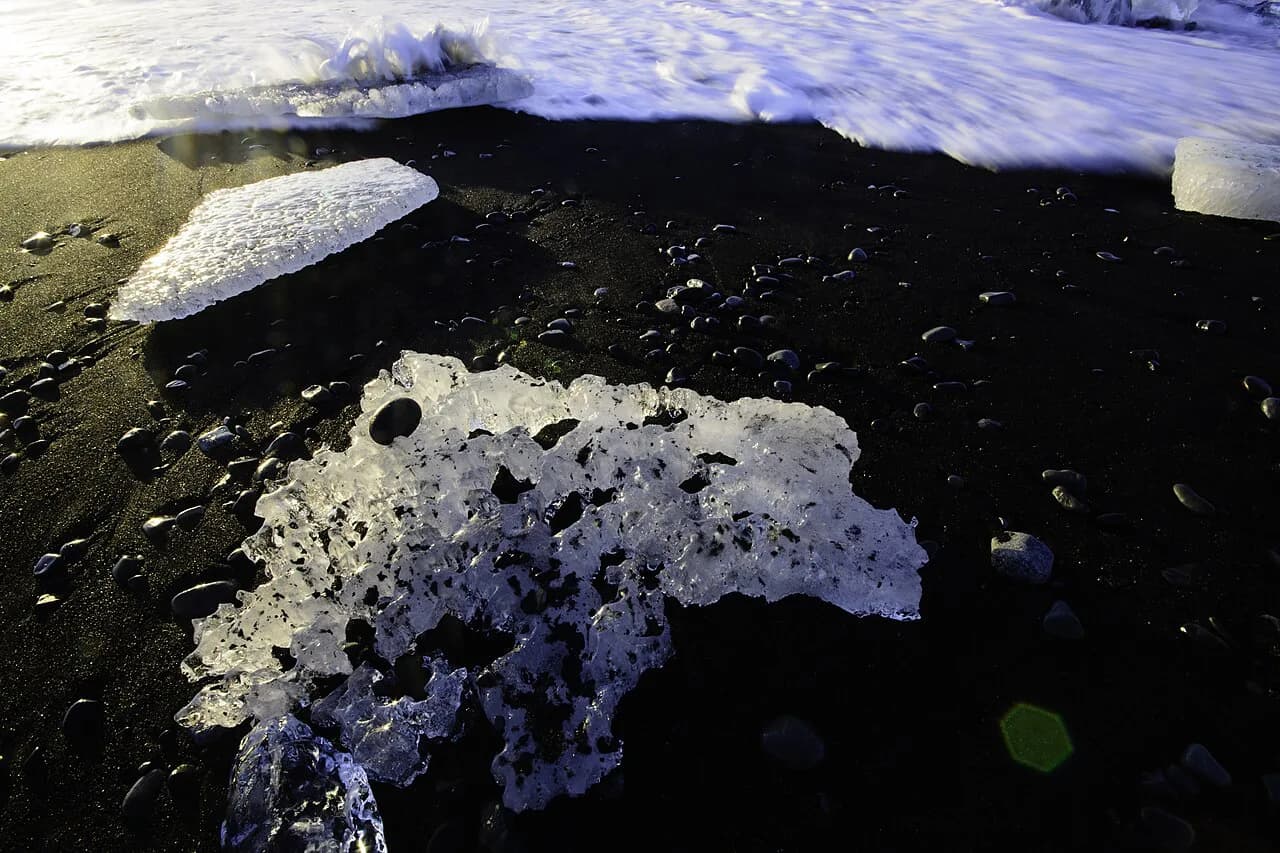
The shoreline beside the lagoon, known for stranded icebergs on black sand, is the classic photograph of the area and needs no ticket. It is also a wind-exposed place, so a short visit often works better than a long one in midwinter. Pair it with the cave rather than treating it as a separate day.
How many nights to base near Skaftafell or Höfn
Two nights in the southeast gives you one full day for the cave and lagoon and a spare day for weather, which matters because a cancelled cave departure is a real possibility in winter. Base at Skaftafell, Höfn or Kirkjubæjarklaustur depending on whether you want the shortest drive to the cave or the widest choice of rooms. Trying to cover a Vatnajökull cave as a day trip from Reykjavík in winter leaves little margin.
Hotel Fosshotel Glacier Lagoon sits between the lagoon and Skaftafell, which shortens both the cave morning and the evening drive. It is a practical base if you want one address for the cave, the lagoon and a dark-sky evening rather than moving each night.
Dark skies after the cave: aurora viewing around Jökulsárlón
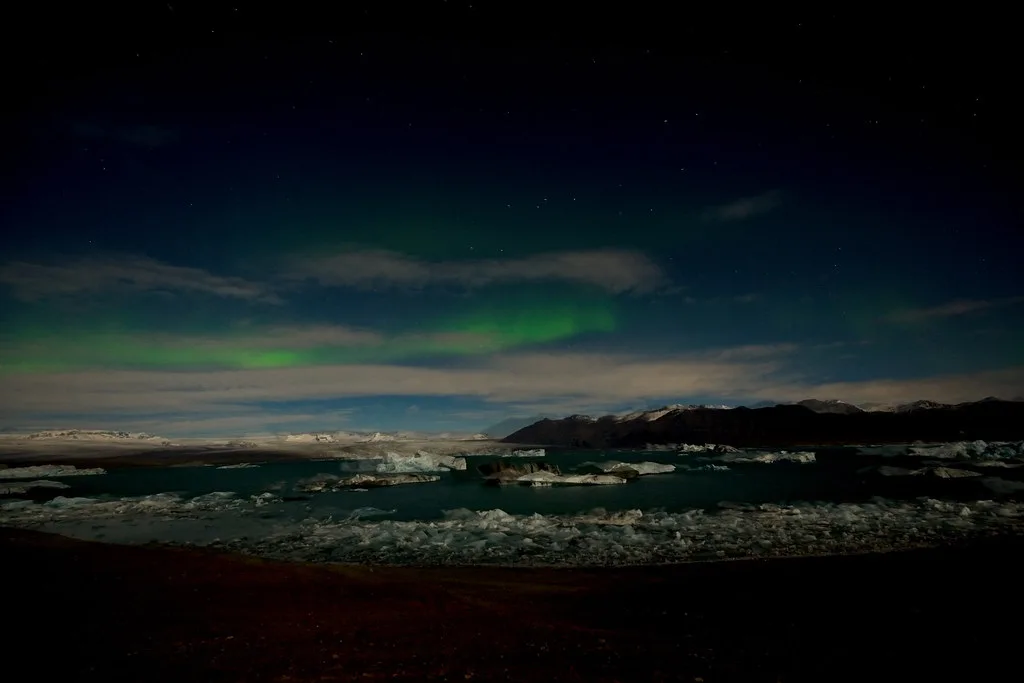
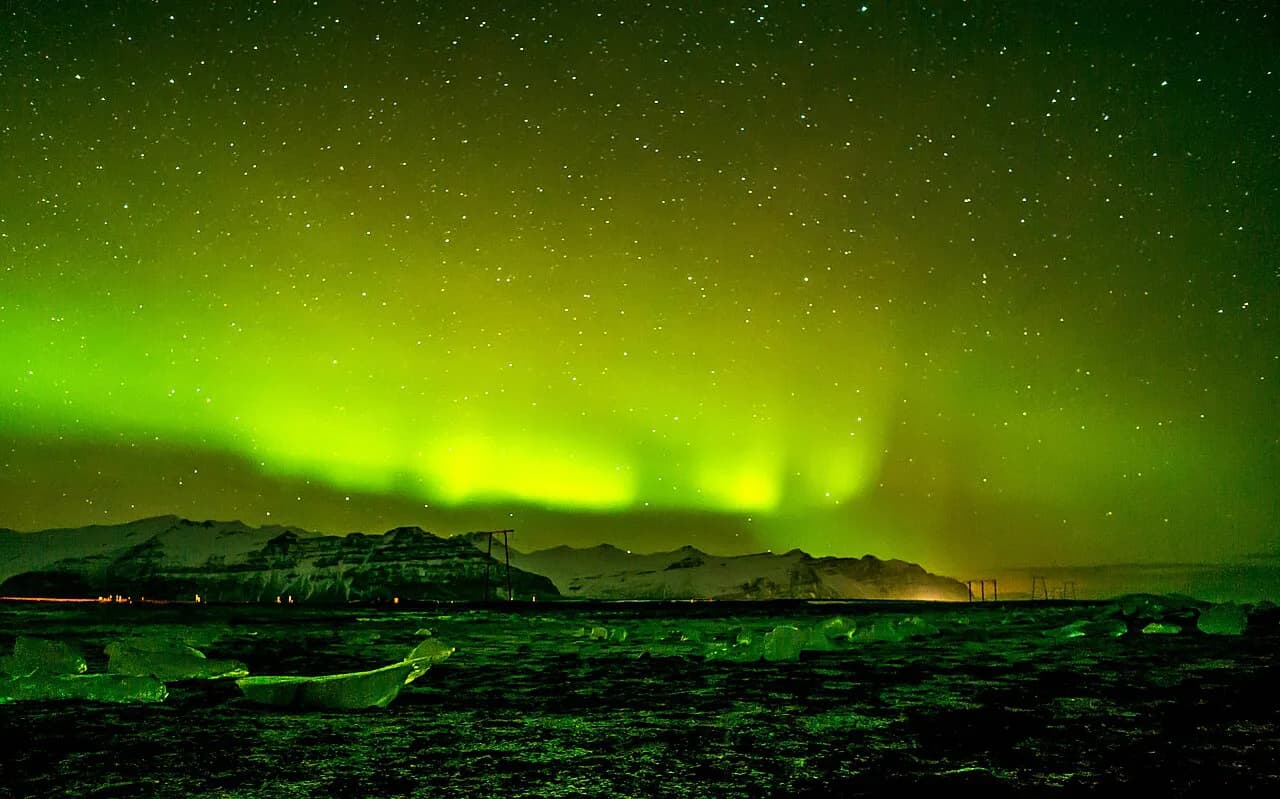
The southeast has the advantage of very little settlement between the lagoon and the coast, so once you leave the base lights behind, dark sky is easy to find. Aurora viewing is a matter of clear skies and solar activity rather than location alone, and Kp values are guidance only rather than a promise. Keep your evenings flexible and treat a sighting as a bonus after a daytime cave tour.
Winter nights near the lagoon are long, which gives you a wide window after an afternoon slot, but cloud off the coast can close in quickly. Some winter glacier tours in Iceland pair the Langjökull ice tunnel with a northern lights hunt, showing how operators build an evening around the search rather than a fixed viewpoint. Around Jökulsárlón, plan to drive short distances between clear patches.
If the aurora is the main reason for the trip, read jokulsarlon northern lights before fixing your nights, since the same cloud patterns that cancel a cave tour also block the sky. Two or three nights in the area is a fairer bet than one.
Who each cave and tour suits, and when to pick Katla instead
Choose the Crystal cave if you want the iconic blue chamber with the shortest approach and the heaviest company. Choose the Skaftafell cave and hike if you want to walk on a glacier and have older children or first-timers in the group, accepting a narrower cave and a longer day. Choose the longer, quieter photographer tours if images matter more than convenience and you can spare six or seven hours.
Katla is the year-round alternative, a natural cave in the Kötlujökull outlet of Mýrdalsjökull near Vík where volcanic ash slows the melt and streaks the blue ice with black. It is not part of Vatnajökull and looks rawer than the southeast's pale blue chambers. Pick it if you are traveling outside the October to April window or want a South Coast stop closer to Reykjavík, and if you overnight in Vík, our Vík northern lights guide covers where to chase the aurora from there.
Plan Your Ice Cave Day
Build your Vatnajökull plan around the season first, then the base: October to April for natural caves, a night or two near Skaftafell or the lagoon, and a cave slot that leaves daylight for Jökulsárlón. Decide between the accessible Crystal cave and the hike-based Skaftafell product according to how much time and walking you want.
Keep the evening free for dark skies and treat any aurora as weather-dependent rather than scheduled. If your dates fall outside winter, look at Katla or the Langjökull tunnel instead of expecting a Vatnajökull cave. Confirm departure times and meeting points with your chosen operator when you book.
Frequently Asked Questions
When can you visit a Vatnajökull ice cave?
Natural caves under Vatnajökull are a fall, winter and spring experience. Arctic Adventures lists the Crystal Ice Cave and the Skaftafell Blue Ice Cave as October to April caves, and describes November to March as the prime window for natural caves, with midwinter giving the deepest blue ice. Summer departures on the same glaciers run without a cave component, so book within the winter window if the cave is the point of the trip.
How far is the Crystal Ice Cave from Jökulsárlón?
The Crystal Ice Cave sits in Breiðamerkurjökull, the outlet glacier that also feeds the Jökulsárlón Glacier Lagoon. It is in southeast Iceland near Höfn, reached on guided tours rather than by walking in from the road. Because the exact cave changes each season, the meeting point is set by the tour operator rather than at a fixed address, so plan the lagoon and the cave as one southeast day.
Do you need a guide to enter an ice cave in Vatnajökull?
Yes. Natural ice caves should only be entered with a certified glacier guide, because the ice is constantly shifting and carries risks of falling ice, hidden crevasses and flooding. Tours supply helmets, crampons and other safety equipment, and guides know which caves are safe each season and where new ones have formed.
How long does a Skaftafell ice cave and glacier hike take?
The Icelandia ice cave and glacier hike from Skaftafell Base Camp runs 3.5 hours at a moderate difficulty rating, with a minimum age of 10. You are asked to arrive 30 minutes before departure for crampon and helmet fitting, and a bus takes the group to the glacier edge. Guide, crampons, helmet and ice axe are included.
Can you visit Vatnajökull ice caves in summer?
Natural ice caves under Vatnajökull are only accessible in fall, winter and spring; summer tours on the same glaciers run without the cave component. For a year-round ice experience, Katla in the Kötlujökull outlet of Mýrdalsjökull near Vík is a natural cave open all year, and the engineered Langjökull ice tunnel is also open year-round.
Is the Crystal Ice Cave or Skaftafell cave better for photographers?
The Crystal cave is easy to access but busy and is not considered the strongest cave for photography. Quieter caves on the same glacier take longer to reach and cost more, with tours of six to seven hours including about 3 km of easy glacier walking to two caves close together, one roughly 300 m long. Choose based on how much time you can give the day.
Sources
Notes for your Arctic winter trip
Optional updates to our northern lights guides.
You might also like
Continue reading
More guides you'll find useful