Glass Igloos and Aurora Cabins Near Abisko: Where to Stay
Glass igloos are scarce around Abisko, so most aurora stays mean an aurora cabin or a glass-roofed room. Compare bases, trade-offs and booking lead times.
On this page
Abisko suits travelers who want a small mountain village, a famous dark sky and short transfers between bed and trailhead rather than a resort built around novelty rooms. Most winter visitors sleep in lodge rooms, hostel beds or cabins and walk or ride a short distance to watch the aurora, often combining that with a guided night.
What a glass igloo actually is in Swedish Lapland
The term covers several designs: a traditional glass igloo built almost entirely of heated glass, and the aurora cabin, which is a solid cabin with a glass roof panel, corner or wall. In every case the heated glass stays clear of snow and frost and gives you a panoramic view of the sky from inside, so you can watch from bed instead of standing outside. That is the real product: warmth and a view, not a guarantee of activity overhead.
In Sweden, glass-roofed aurora accommodation clusters around Kiruna and the Torne River valley rather than inside Abisko village itself. Travelers set on sleeping under glass usually pair a night or two in such a cabin with a longer stay in Abisko for the dark-sky setting.
How far north Abisko sits and why the sky suits aurora watching
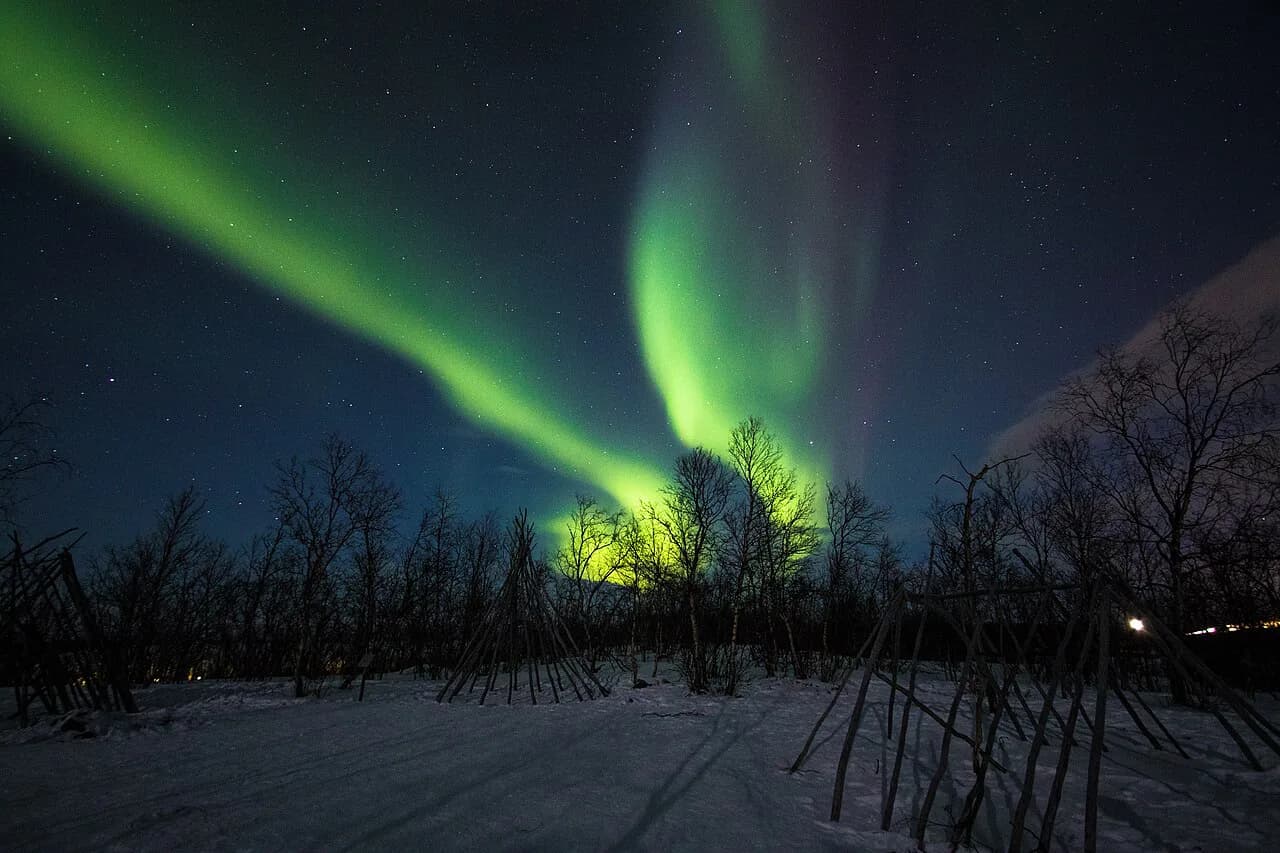
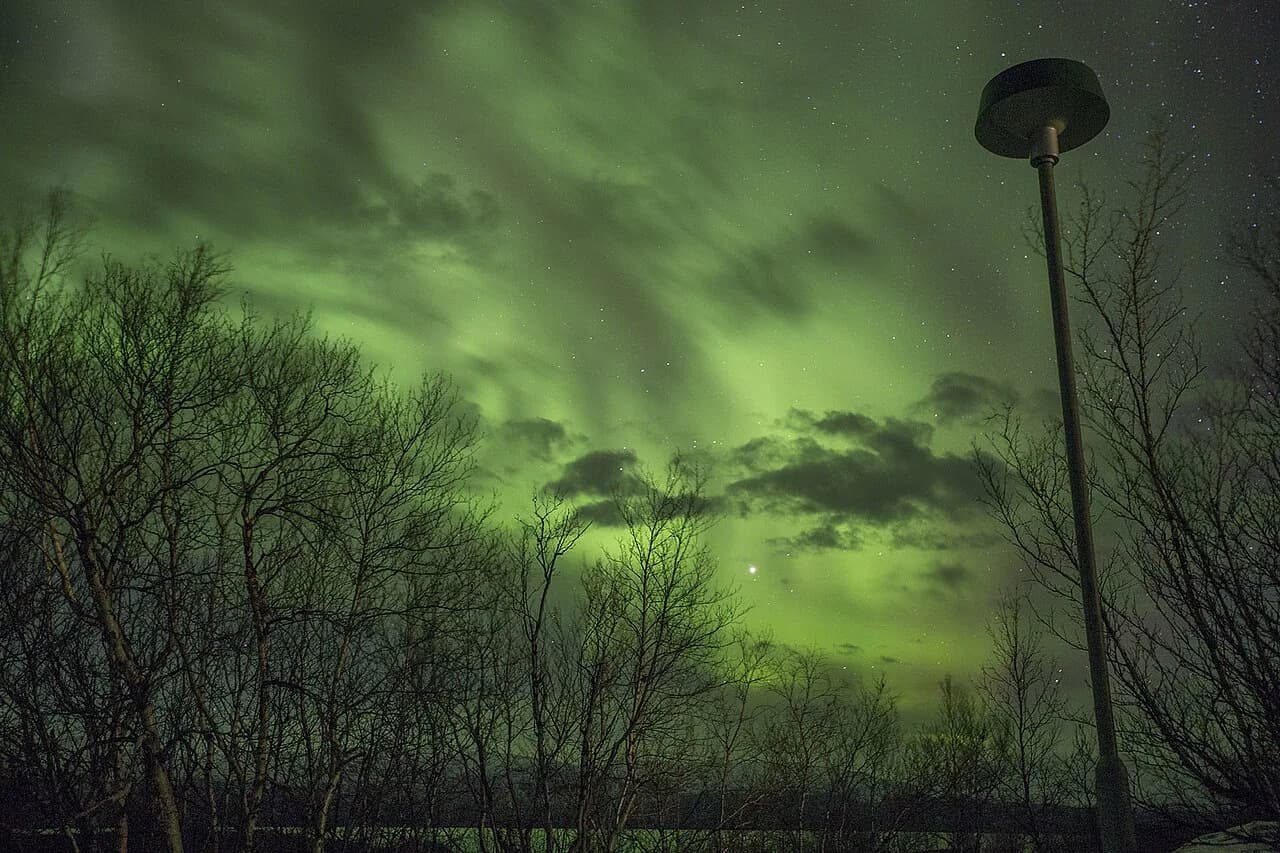
Abisko lies well above the Arctic Circle in Swedish Lapland, and at that latitude the auroral oval passes overhead often enough that geomagnetic activity matters less than having clear sky. The village sits in a rain-shadow basin: the surrounding mountains wring moisture out of incoming weather, so this corner of the Torne valley tends to be drier than the coast.
Add very little artificial light and long, dark nights from autumn into spring, and you have one of the most reliable setups in Scandinavia for simply looking up. Kp forecasts are useful for planning, but in Abisko cloud cover is usually the deciding factor.
When the aurora season runs and how much dark sky you get
Aurora watching needs dark nights, which in this part of Lapland means roughly late August and September through early April. Around the equinoxes the nights are already long while temperatures are still moderate, which makes September and March popular for travelers who want evening excursions without deep midwinter cold.
Midwinter brings the shortest days and the longest nights, so there is more dark sky per day but colder conditions and deep snow. Late autumn and early spring trade some darkness for milder weather and easier travel, and the aurora can appear at any point in the season when the sky clears.
Where to watch near Abisko when your room has no glass roof
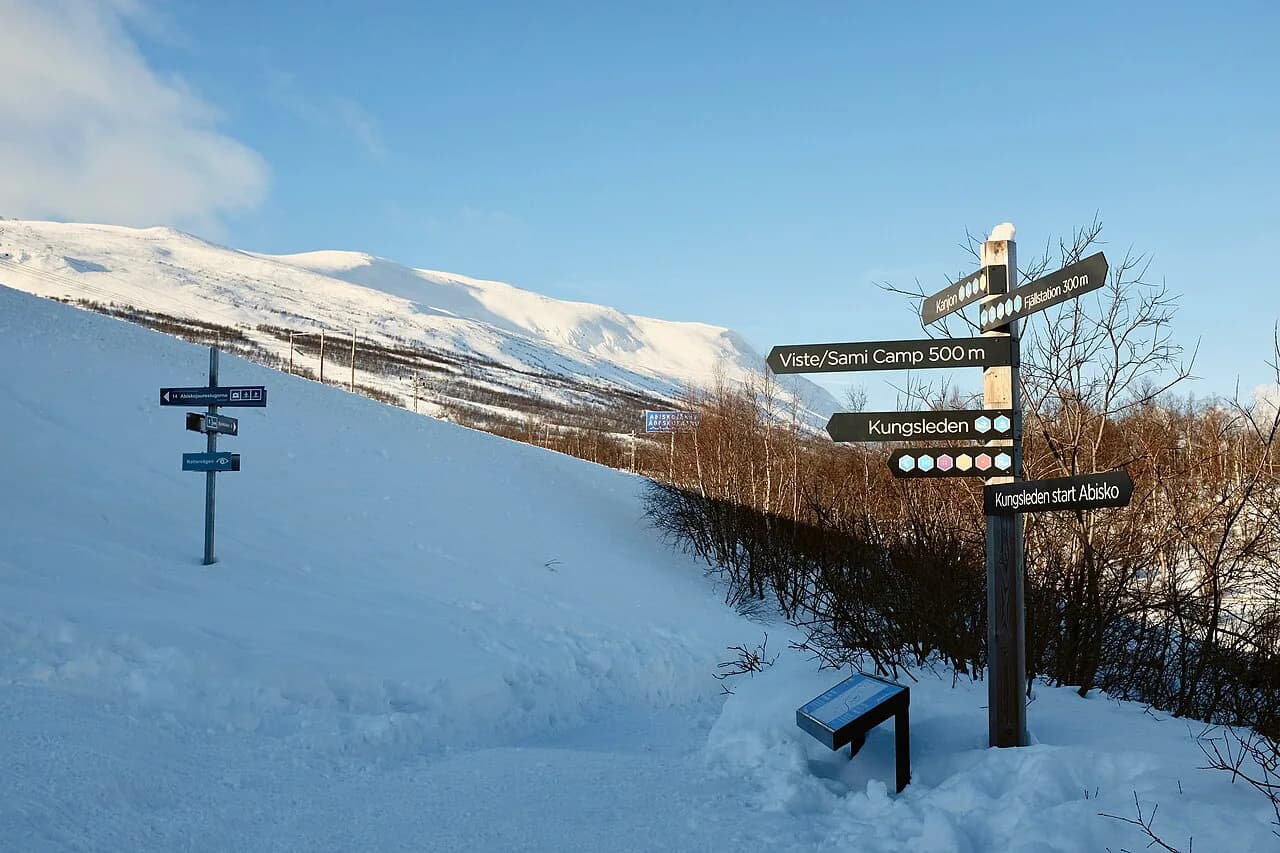
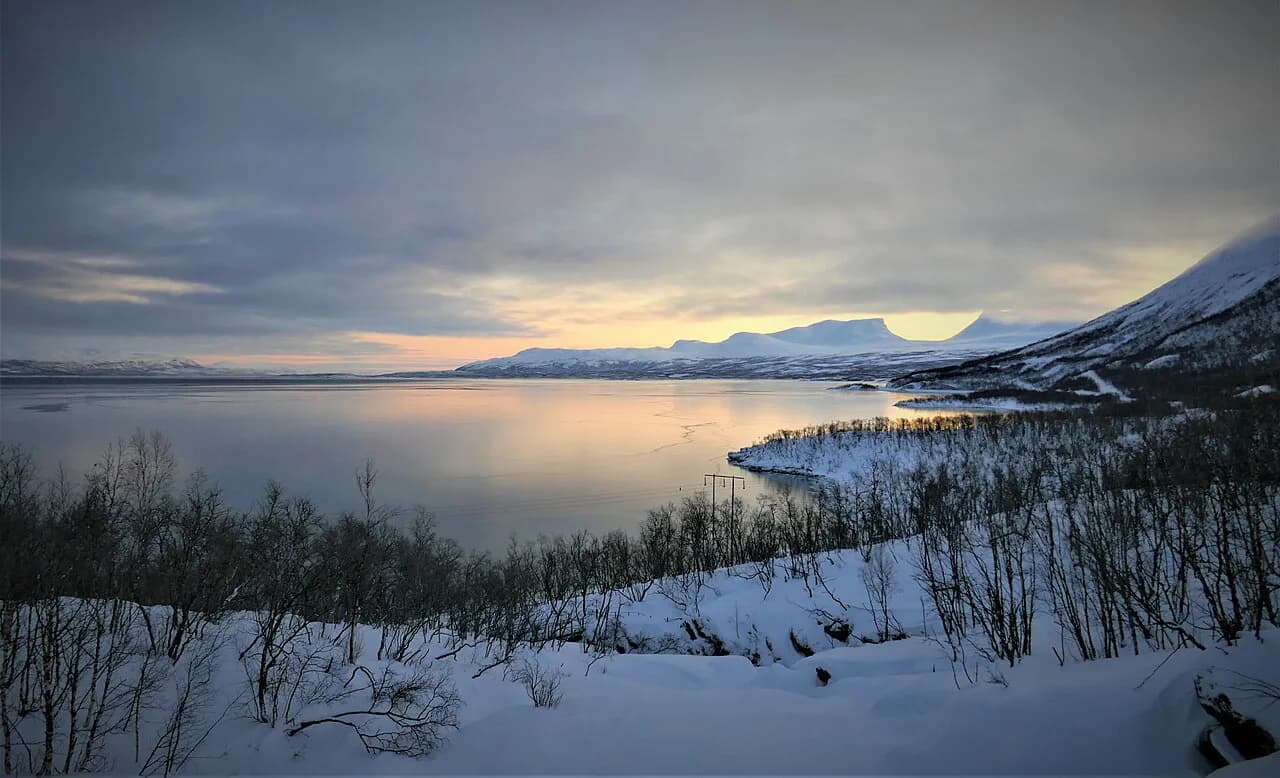
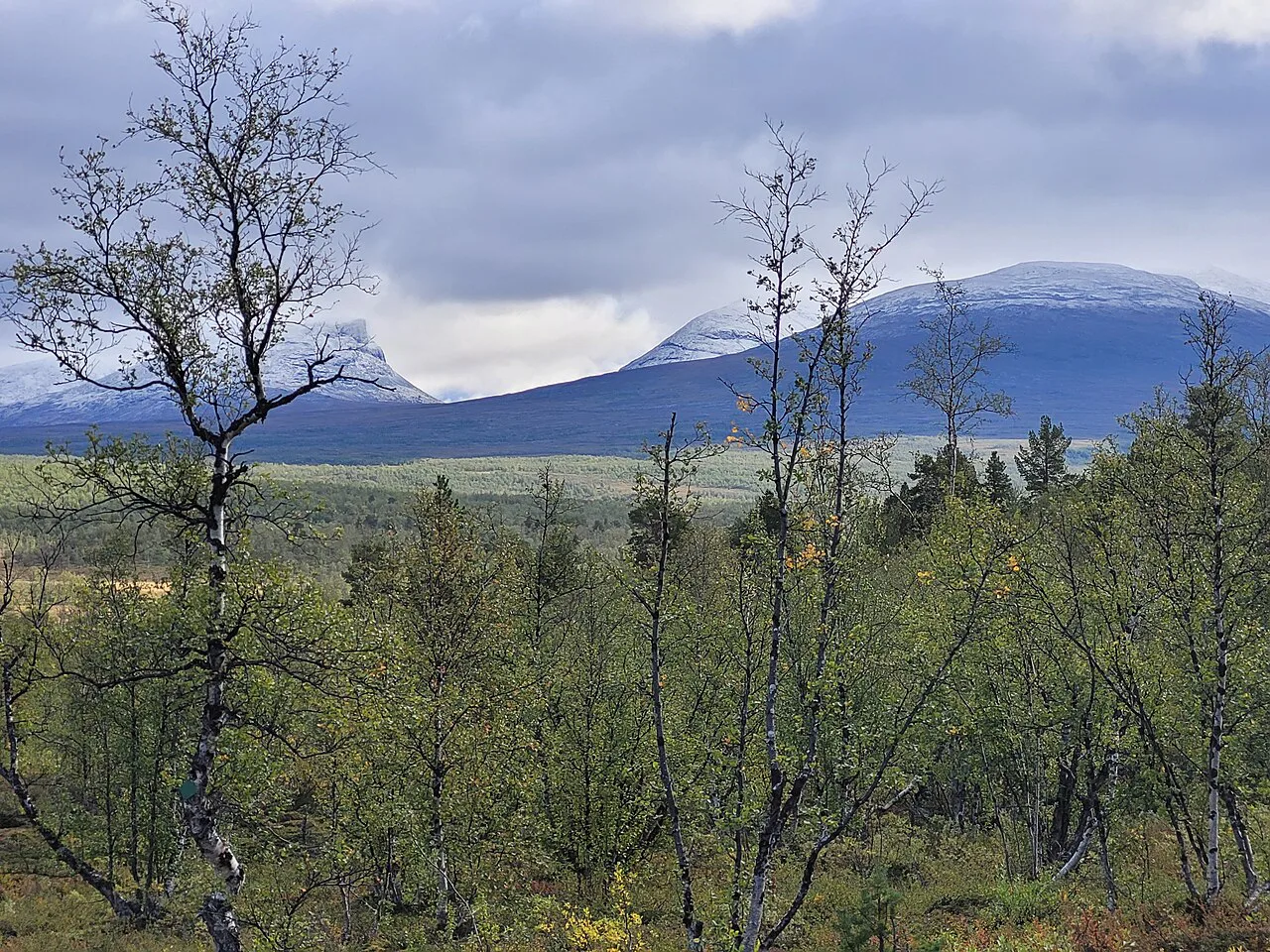
The classic viewing spot is the shoreline and trails around Lake Torneträsk, where the open water side gives a low northern horizon and the village lights fall behind you. Trails from the main lodge area lead toward the national park visitor centre and the lakeshore within a short walk, so you can chase a gap in the clouds on foot without a car.
For altitude, the chairlift to Aurora Sky Station on Mount Nuolja lifts you above valley cloud and away from any light spill, and it runs as an evening aurora experience in season. Book the night you want in advance, and keep a flexible plan for the other evenings.
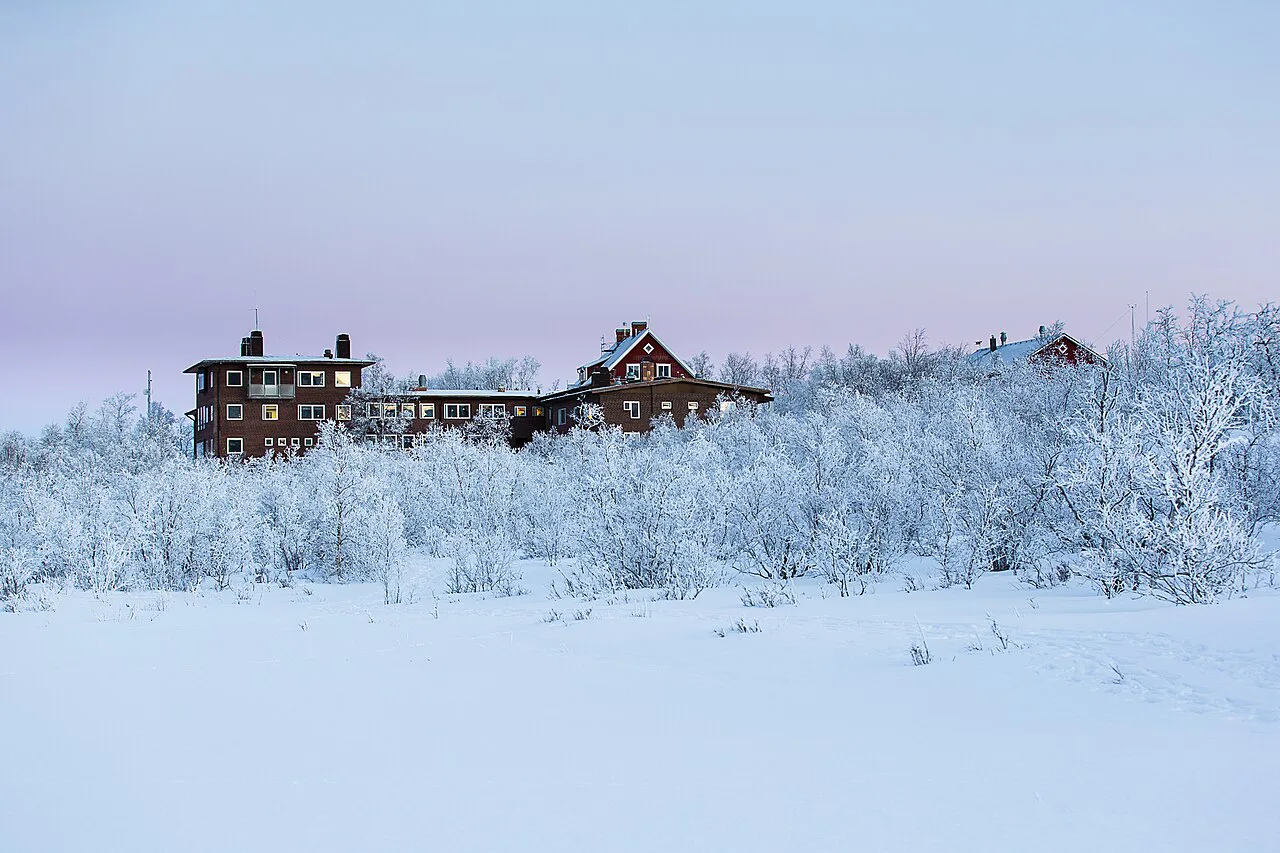
If you are based at the STF Abisko Turiststation, the station sits at the edge of Abisko National Park with dark terrain close by, which cuts down on night driving. Guests there can combine a self-guided walk with the station's own aurora nights when the forecast looks promising.
Glass igloos and aurora cabins: room types, what is included and shared facilities
Aurora cabins typically sleep two to four and include a private bathroom and a glass roof section, while smaller glass igloos can be tighter and may place showers and saunas in a separate service building. At Aurora River Camp near Kiruna, for example, guests report compact but well-organized igloos with saunas and showers in the camp building and a restaurant on site.
In Finnish Lapland the range is wider: glass igloos at Kakslauttanen Arctic Resort, modern Aurora cabins with a glass roof, corner or wall, and larger glass-igloo suites with private hot tub and sauna such as Glass Resort at Santa Claus Village. Many package tours include a glass-igloo night, meals and winter activities, so the room type is only part of what you pay for.
Check what a rate includes before comparing: breakfast, transfers, thermal suits and boots, and a snowmobile or husky activity can swing the value considerably. Operators that lend thermal suits say so in the activity description, so read the inclusions line rather than assuming.
Light pollution and heat: the honest trade-offs of a glass-roofed night
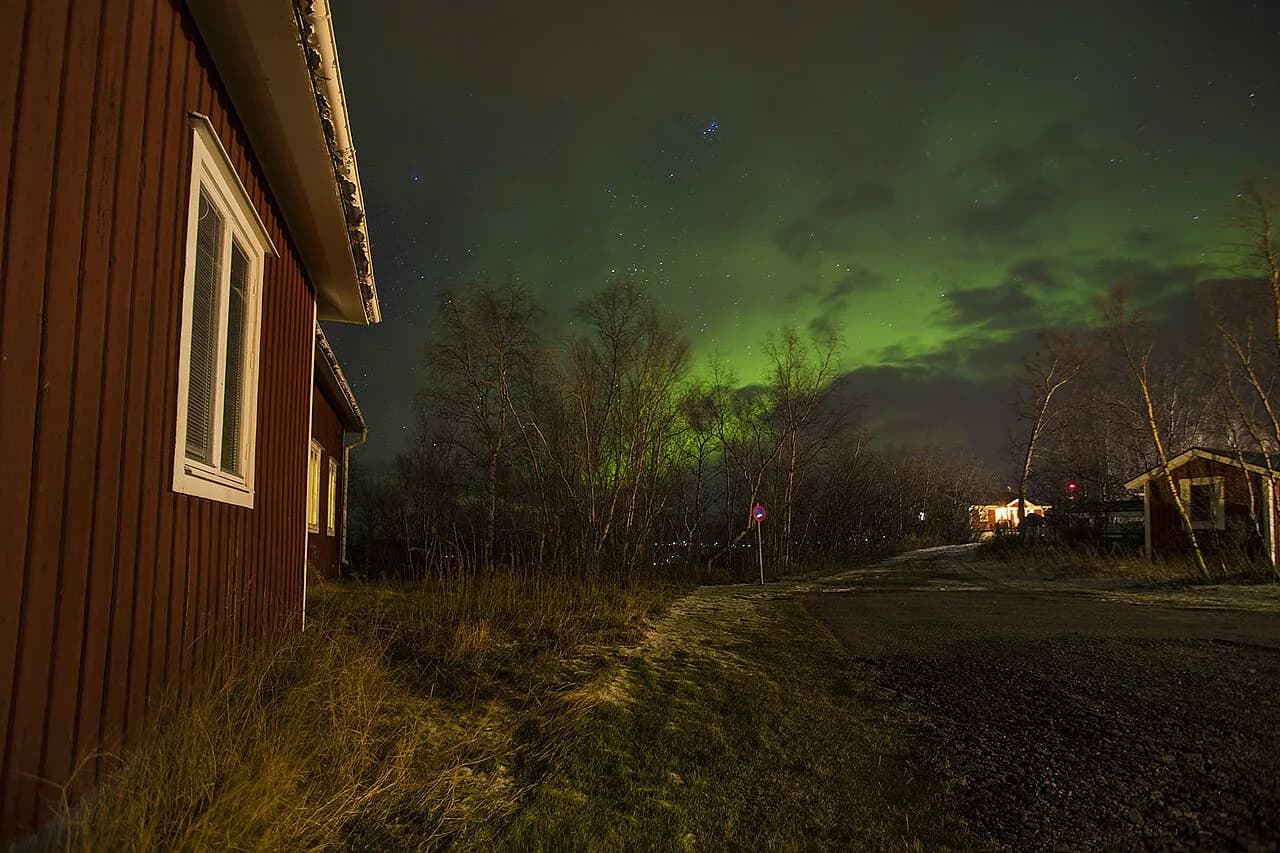
Glass roofs are heated to stay clear, which means the glass can radiate warmth and create a bright halo around the bed; some guests find the view less crisp than standing outside in the cold. Light from the room itself also reflects in the pane, so you will likely dim the interior lights and step outside for the best look.
Location matters as much as the glass. Igloos placed at the edge of a village or resort have darker sky than those near reception and restaurant lighting, and a cabin with a glass panel in a genuinely dark area beats a fancier igloo beside a lit car park. Weight the site, not just the room photograph.
Self-guided chasing versus a guided aurora night from Abisko
Self-guided works well in Abisko because the dark zones are close: you can walk from your lodge to the lakeshore or into the national park without a car, watch for clearing sky and return when you are cold. That flexibility lets you use several evenings instead of committing one night and hoping.
A guided night adds transport, local weather judgment and often a photographer who knows where the gaps tend to open, and many operators include thermal suits and hot drinks. If you have only one or two nights, a guide raises your odds of being in the right place when the sky clears.
How many nights to allow for a fair chance of clear skies
Plan for at least three nights in Abisko, and four or five if the aurora is the main reason for the trip. Cloud is the variable you cannot control, and a run of overcast evenings is normal even in a dry inland basin, so extra nights are how you buy chances at clear sky.
Build in a buffer before your flight home rather than stacking aurora nights at the very end of the trip, and treat a guided night early in the stay as a way to learn the terrain for self-guided evenings afterward. No operator can promise a sighting, but more nights on the ground and a flexible schedule are the practical levers.
Booking lead time and price ranges for aurora accommodation
Glass igloos and aurora cabins are limited in number, and the most popular December to March dates fill early; book several months ahead for midwinter and treat autumn and April as the easier window. Package prices for Finnish glass-igloo trips vary with length, meals and activities, with multi-day breaks from around EUR 759 for an autumn igloo escape and around EUR 1119 for a four-day Rovaniemi glass-igloo break.
In Rovaniemi, glass igloos range from solo-sized units to large igloo resorts and luxury suites, so price depends heavily on the property and season rather than on the glass roof alone, as the city's official accommodation listing shows. Compare the same dates across properties and check whether transfers and meals are bundled.
Pairing Abisko with Kiruna, Rovaniemi or Levi glass igloos
If you want both the Abisko sky and a glass-roofed night, split the trip: stay in Abisko for the dark-sky setting, then transfer to a glass igloo or aurora cabin near Kiruna for one or two nights. Kiruna is the nearest Swedish town with that kind of accommodation and has rail and air links that make the combination simple, and our comparison of glass igloos in swedish lapland covers the Torne and Lule River options in more detail.
A Finland add-on gives you more choice of igloo styles and activities, from a stay at Apukka Resort near Rovaniemi to a cabin with a private hot tub, but it adds a border crossing and travel time. Decide whether the glass roof is the centerpiece or a bonus night, and plan the itinerary around the answer.
Plan Your Visit
Abisko delivers the hard part of an aurora trip, a dark inland sky with easy access to viewing terrain, and aurora cabins or a short transfer to a glass-roofed room deliver the comfort. Allow three to five nights, keep at least one evening flexible for a guided night, and book midwinter glass roofs well ahead.
Frequently Asked Questions
Are there glass igloo hotels in Abisko?
Aurora cabins and glass-roofed rooms in Swedish Lapland are concentrated around Kiruna rather than in Abisko village, so most travelers pair a lodge stay in Abisko with one or two nights in a glass-roofed cabin nearby. Check the accommodation pages for each property when you book, since room types and glass-roof designs differ.
Is Abisko better than Tromsø for the northern lights?
The two are different bases: Tromsø is a coastal city with more services and a milder maritime climate, while Abisko sits inland in a drier basin with very little light pollution. Abisko suits travelers who want dark sky and quiet within walking distance; Tromsø suits those who want a city and coastal excursions.
Which month is best for the northern lights in Sweden?
Dark nights run from roughly late August and September through early April, so any of those months can deliver a display when the sky is clear. September and March are popular for a mix of long nights and moderate temperatures, while midwinter brings the most darkness and the coldest conditions.
Are there igloos in Santa Claus Village?
Yes. Santa's Igloos Arctic Circle offers glass igloos at Santa Claus Village on the Arctic Circle in Rovaniemi, and Glass Resort nearby offers larger glass-igloo-style suites with a private outdoor hot tub and sauna, according to Rovaniemi's official accommodation listing.
Do glass igloos have heating and private bathrooms?
The glass is heated to stay clear of snow and frost, and larger aurora cabins and suites usually include a private bathroom and sauna. Smaller traditional igloos may use shared showers and saunas in a separate service building, so check the room description and inclusions for the exact property before booking.
How many nights should I plan for an Abisko aurora trip?
Three nights is a reasonable minimum and four to five is better if the aurora is the priority, because cloud cover is the main limiting factor and consecutive clear evenings cannot be assumed. Extra nights give you more chances to use a clearing and to fit in a guided night as well as self-guided watching.
Sources
Notes for your Arctic winter trip
Optional updates to our northern lights guides.
You might also like
Continue reading
More guides you'll find useful