Glass Igloos in Swedish Lapland: Which Stay to Choose
Compare glass igloos and aurora cabins in Swedish Lapland near Kiruna, Abisko and Luleå, with room types, what each stay offers and clear-sky trade-offs.
On this page
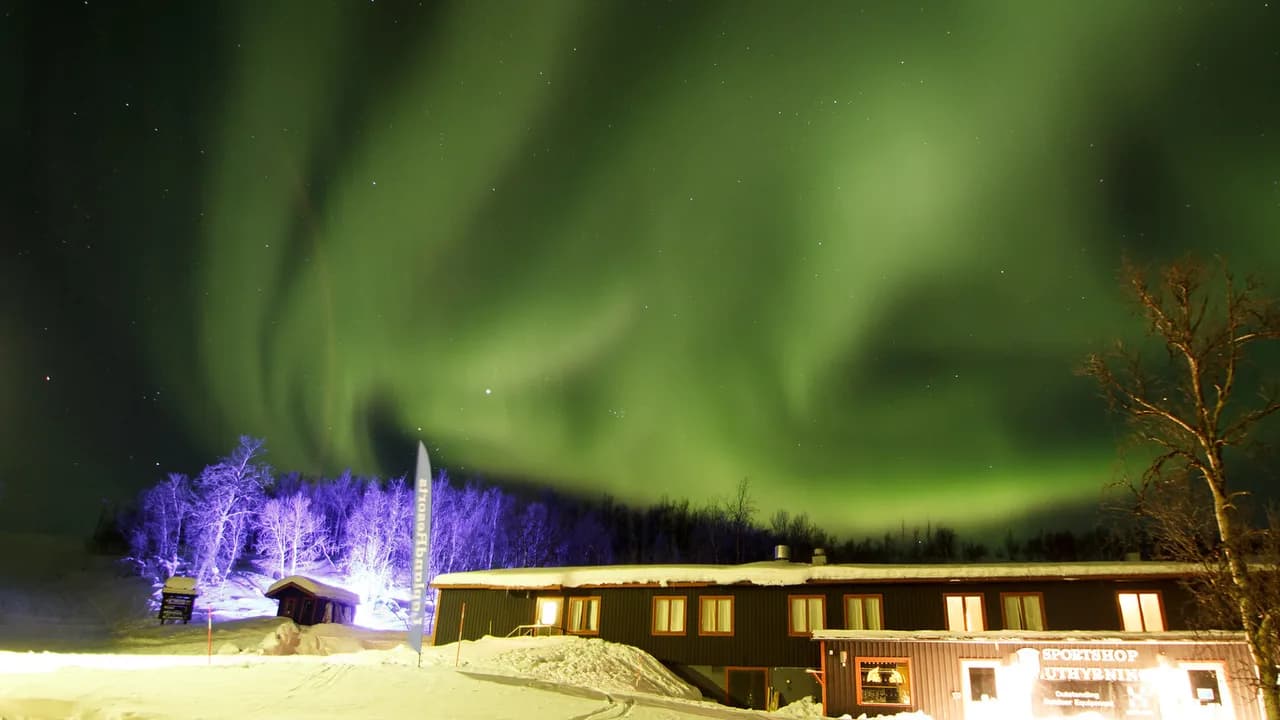
A winter night in Swedish Lapland can put the aurora straight above your bed, and a handful of stays are built around that idea. You can book a glass-roof pod along a frozen river, a cabin with open sky over a lake, or a hilltop hotel where the aurora spa doubles as a viewing deck.
The choice matters more than the brochure photos suggest. A true glass-roof pod trades privacy and heat control for a view from bed, while a cabin or in-town hotel asks you to step outside but gives you more space and easier logistics when cloud rolls in. This guide compares the named properties around Kiruna, Jukkasjärvi, Abisko, Luleå and Harads, and it flags the point where a Finnish igloo becomes the better comparison.
Why Swedish Lapland suits aurora nights from a glass-roof bed
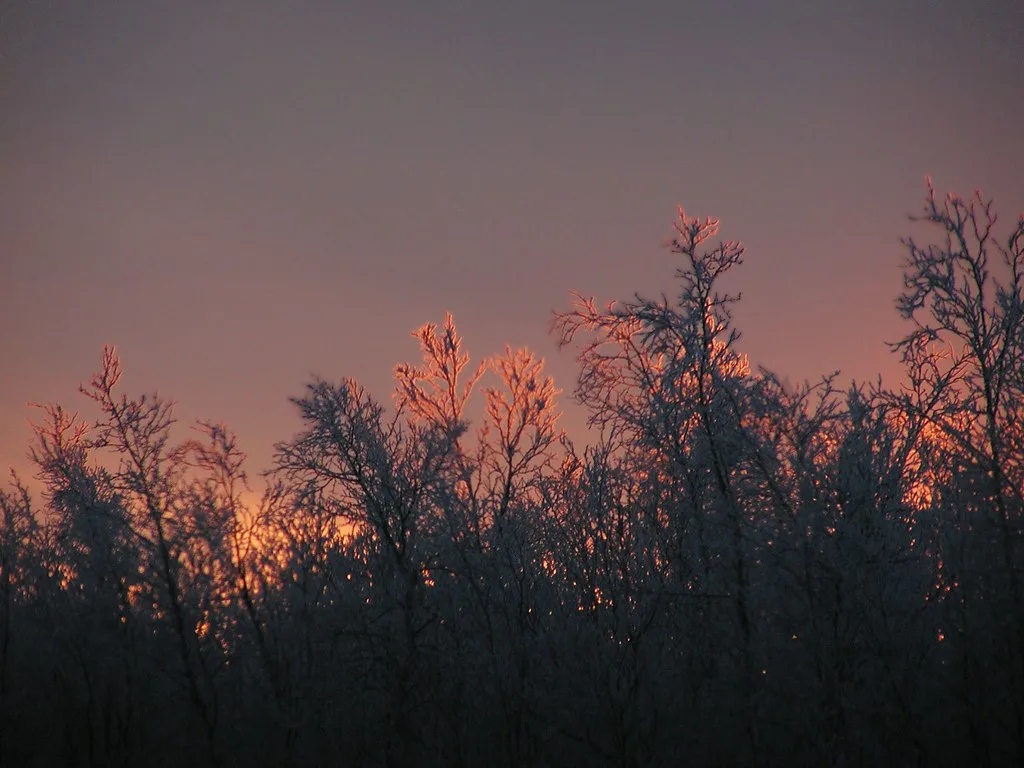
Kiruna and Abisko sit well north of the Arctic Circle, so winter nights are long and dark enough for aurora displays from roughly late September to early April. That season length is what makes a glass-roof stay plausible here: even a short trip lands inside a dark window.
Abisko has a reputation for clearer skies than Kiruna, a local microclimate its advocates describe as a blue hole in the clouds. Treat that as a reason to favor Abisko when flexibility allows, not as a guarantee, since cloud can close in anywhere. Kiruna counters with more rooms, the Icehotel nearby and better infrastructure when a cloudy night leaves you indoors.
Coastal Luleå is generally a few degrees milder than the higher-altitude inland bases, which makes it a gentler option but not automatically a clearer one. The aurora itself depends on solar activity, so no property can promise a display; what you buy is a dark sky, a warm room and a reason to keep looking up.
Where the glass-roof and aurora stays cluster
Most of the region's aurora-specific accommodation falls into four zones. Kiruna and Jukkasjärvi form the main hub, with glass pods, cabins and the Icehotel close together. Abisko, about an hour further west by rail, is the purist's base inside the national park, and it's worth comparing the glass igloos in abisko before choosing a bed under the sky. Luleå on the coast and Harads, roughly an hour inland from Luleå, cover the design-hotel end of the market.
The Arctic Circle Train links Luleå, Kiruna and Abisko, so you can build a trip without a car and still reach several of these stays. Jukkasjärvi is a short bus or taxi ride from Kiruna. A rental car only pays off if you want to chase clearer skies on your own schedule rather than rely on a guide's read of the weather.
Aurora River Camp near Kiruna: glass-roof pods along a frozen river
Aurora River Camp is the closest thing near Kiruna to a purpose-built glass igloo stay: glass-roof pods and cabins set along a frozen river, with a sauna available. The glass roof is the point, giving you a view of the sky from bed when conditions cooperate. Choose a pod over a cabin here if watching from under the covers is the priority.
A separate glass-igloo camp sits right beside the Torne River, marketed as a one-off Arctic night under a clear roof. Expect a compact, warm interior built around the view rather than around living space, and plan on the riverbank as your fallback if you want to stand outside and look up.
Camp Alta outside Kiruna: lakeside cabins with open sky over the ice
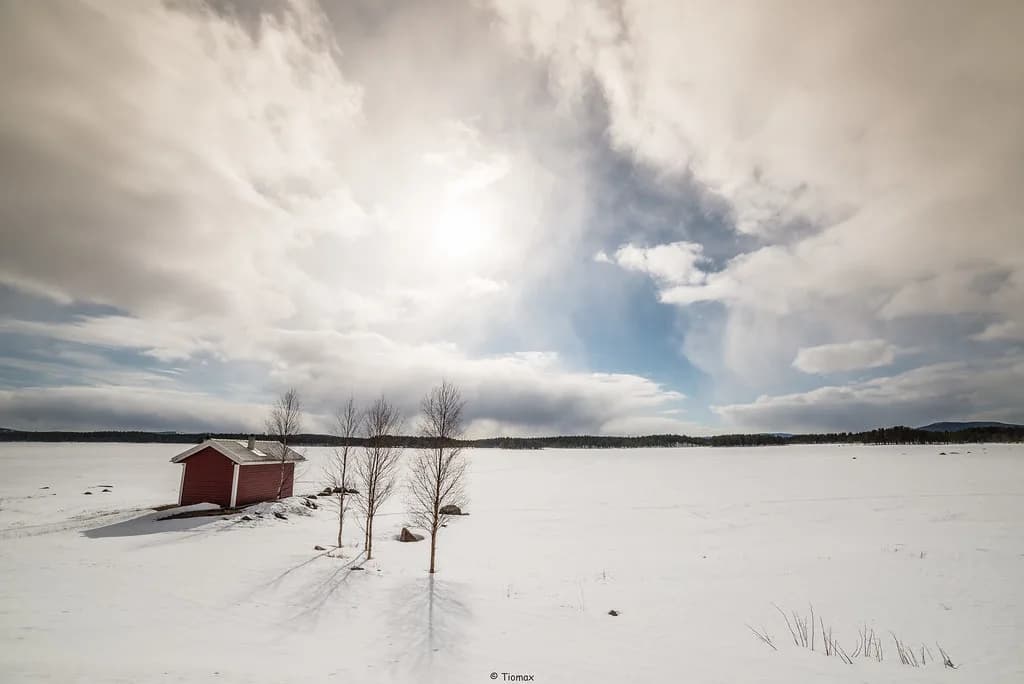
Camp Alta is a lakeside cabin property a short drive outside Kiruna, with wood stoves and winter tours leaving from the door. Its advantage is not a glass roof but open sky over the frozen lake, which gives you a wide, unobstructed view the moment you step outside. It suits travelers who want a rustic, affordable base and are happy to walk out onto the ice.
Because it sits away from town, light pollution is lower than at a central hotel. The trade-off is that you need transport or a tour pickup for anything beyond the property. Pair it with a small-group minibus chase from Kiruna if a cloudy forecast makes staying put a poor bet.
Camp Ripan in Kiruna: hilltop position and the Aurora Spa
Camp Ripan is a family-owned chalet hotel within walking distance of central Kiruna, set on a small hill that lifts it above the streetlights. Its Aurora Spa is the draw on a cold, clear evening, and the on-site kitchen is worth a splurge night. It suits couples and families who want comfort and a short walk back to a warm room rather than a night in a glass pod.
Central Kiruna properties such as Hotell Samegård trade dark skies for convenience, with light pollution to contend with and the town's outskirts a short walk away when the sky brightens. If aurora viewing from the property matters most, weigh the hilltop and lakeside options against a central room you use mainly for sleeping.
ICEHOTEL in Jukkasjärvi: ice-art suites and the frozen river after dark
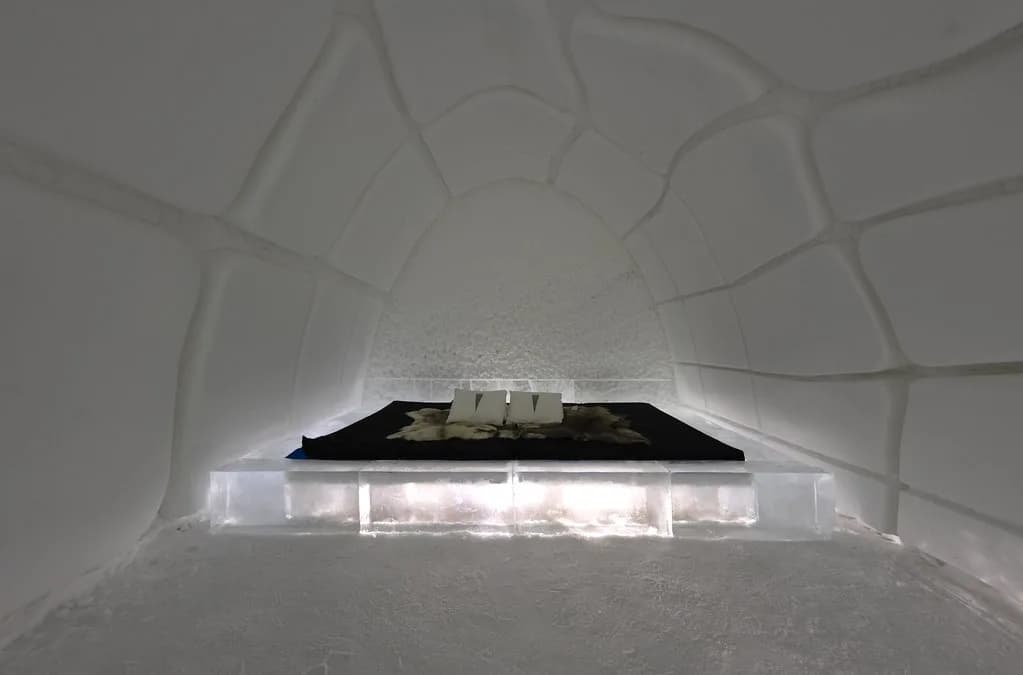
The Icehotel in Jukkasjärvi is rebuilt each winter from ice taken from the Torne River, with artists creating new suites every season. The experience is about ice art rather than aurora-watching from your room, so plan on stepping out onto the frozen river after dark for the best view. A common approach is one cold night in an ice suite followed by warm rooms for the rest of the stay.
Jukkasjärvi itself is a small village with the Icehotel and church close together, and independent apartments in the village put the frozen lake and river within a few minutes' walk. That makes the village a useful middle ground: ice-art sightseeing by day and a short stroll to dark river ice at night.
Abisko stays: STF Abisko Turiststation, hostel and guesthouse
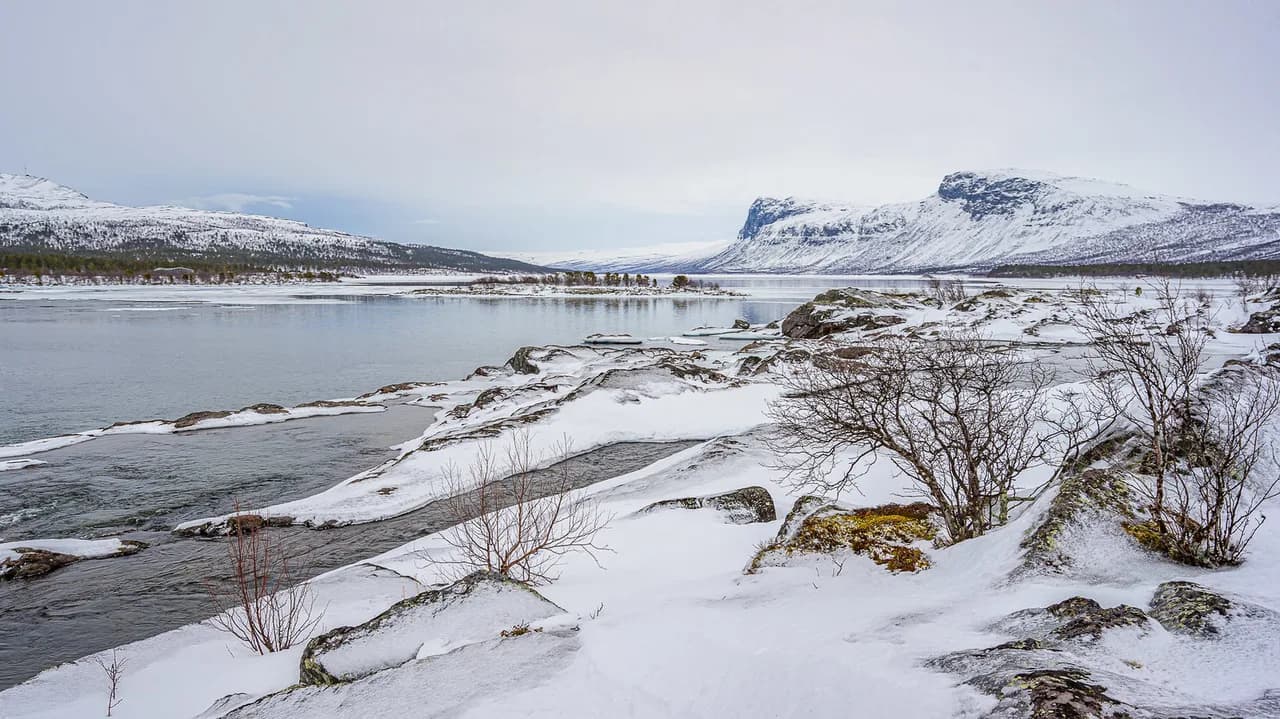
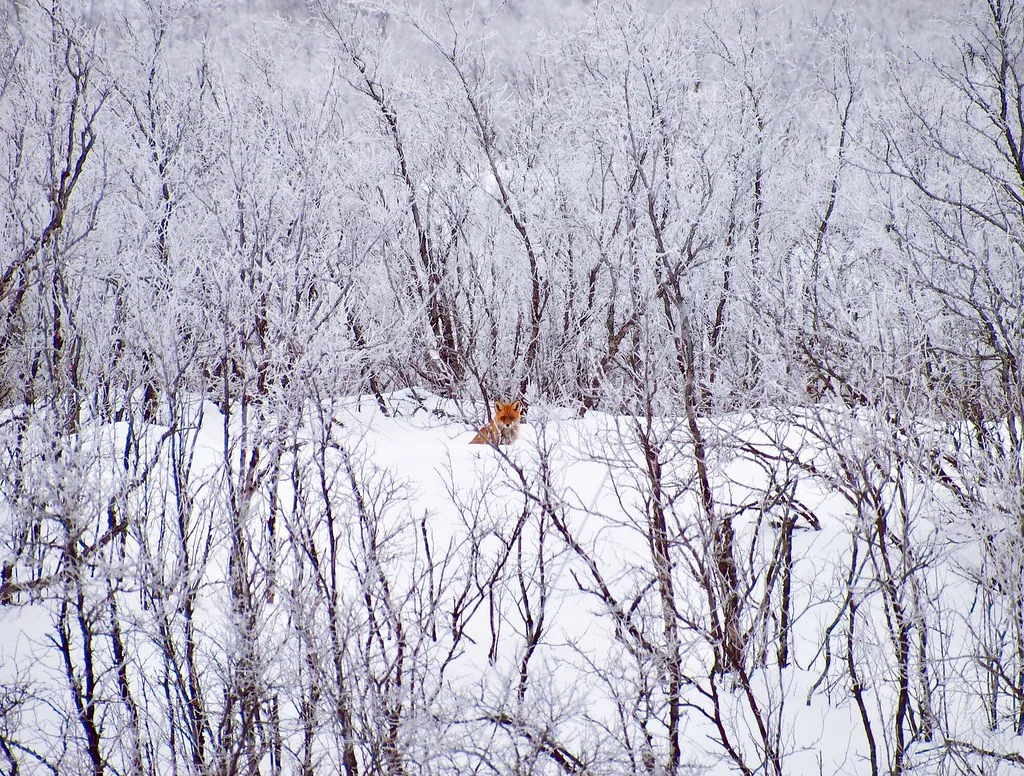
STF Abisko Turiststation is the classic mountain lodge at the trailhead for the Aurora Sky Station, with rooms, dorms and cabins and direct access to trails. Staying here puts you inside the valley that aurora hunters favor for its clear-sky reputation, and it works for travelers who want the national park on the doorstep rather than a resort bubble.
Abisko.net Hostel & Huskies is the sociable, affordable end of the market: simple rooms, a shared sauna and dog-sledding tours as good as any in the region. Abisko Guesthouse & Activities is a family-run alternative with simple rooms, a communal kitchen and nightly aurora tours. All three put you in a one-road village where the wilderness starts at the edge of the buildings.
Luleå and Harads: frozen sea, Arctic Bath and Treehotel
Luleå is the coastal option, where in winter you can walk or drive across the frozen sea to island villages and watch from the ice away from town light. First Camp Arcus offers heated cabins and a sauna by the river as a practical, wallet-friendly base, and independent cabins suit couples or small groups who want their own kitchen.
Inland at Harads, Arctic Bath floats on the Lule River as a spa hotel built around a cold plunge and sauna under open sky, while Treehotel suspends mirrored cubes, bird's nests and a UFO in the forest canopy. Both are design-forward splurges with dark surroundings; at Treehotel it is worth checking a room's window angle before booking if aurora views are the priority.
Glass igloo versus aurora cabin versus in-town hotel
A glass-roof pod buys you the view from bed, but heat and condensation on the glass can blur the sky, and privacy is limited. A cabin with open sky over a lake or river gives you a wider view for less money, at the cost of stepping outside in the cold. An in-town hotel is the most comfortable and the most convenient for cloudy nights, but light pollution works against you.
Think about what a cloudy night looks like at each property. At a lakeside cabin or a village apartment you can walk to dark ground in minutes; at a remote design hotel you are committed to the property; in town you have restaurants, museums and the Icehotel within reach. Matching that fallback to your tolerance for waiting is the real decision.
When the aurora season runs and how to weigh daylight
The aurora season in Swedish Lapland runs from late September to early April, with the longest, darkest nights between December and February. February and March combine darker evenings with more daylight for daytime activities, which is why they are the busiest weeks. The trade-off is deep winter cold and short days in December against brighter, milder spring conditions later.
Use the daylight figures as a planning tool rather than a weather forecast: expect roughly 0 to 3 hours of daylight in December and January, 6 to 10 hours in February and March, and 12 to 18 hours in April and May, with typical temperatures from around minus 18 to minus 7 degrees Celsius across the core winter months. The colder inland bases around Kiruna and Abisko run a few degrees below the Luleå coast.
How many nights to plan for a fair chance of clear skies
No one can schedule the aurora, so the sensible lever is time. Three or four nights at one base gives cloud a chance to break at least once; a single night in a glass igloo is a memorable experience but a thin bet on a display. If the stay is short, add a guided chase that can drive toward clearer sky rather than waiting at the property.
A split stay helps: a couple of nights inland at Abisko or Kiruna plus a night or two in Luleå or Harads spreads your exposure across different weather. Keep the glass-roof night flexible if you can, and place it where the forecast looks most promising closer to arrival.
Booking lead time for February and March
Winter is high season in Swedish Lapland, and February and March are the peak weeks. The cited guidance recommends booking three to six months ahead for Kiruna and Abisko because rooms are limited and prices climb close to the date. Glass-roof pods are the scarcest inventory, so book those first if a specific night matters.
For the Icehotel, remember that the winter art suites exist only for the season and are rebuilt each year, so the cold-night inventory is finite. Independent village apartments and larger cabin properties give you more fallback dates when a specific pod is sold out.
Getting between Kiruna, Jukkasjärvi, Abisko and Luleå
The Arctic Circle Train connects Luleå, Kiruna and Abisko, and several properties are walkable from the station or offer pickup. Jukkasjärvi is a short bus or taxi ride from Kiruna, which makes the Icehotel and nearby village stays easy without a car. For Camp Alta and the river camps outside town, check transport or tour pickup when you book.
A rental car is most useful for chasing clearer skies on your own schedule, but winter driving on ice roads and in polar night demands confidence. If you would rather not drive, base yourself where tours depart from the property and let a guide handle the weather decisions.
Finnish glass igloos as a comparison
Across the border, Kakslauttanen Arctic Resort is the model most Swedish operators are measured against: small glass igloos with two beds, toilet, shower and private sauna, plus larger igloos and Kelo-Glass hybrids combining a log chalet with a glass-roof bedroom. Its igloo season runs from around the third week of August to around the end of April, longer than most Swedish winter stays.
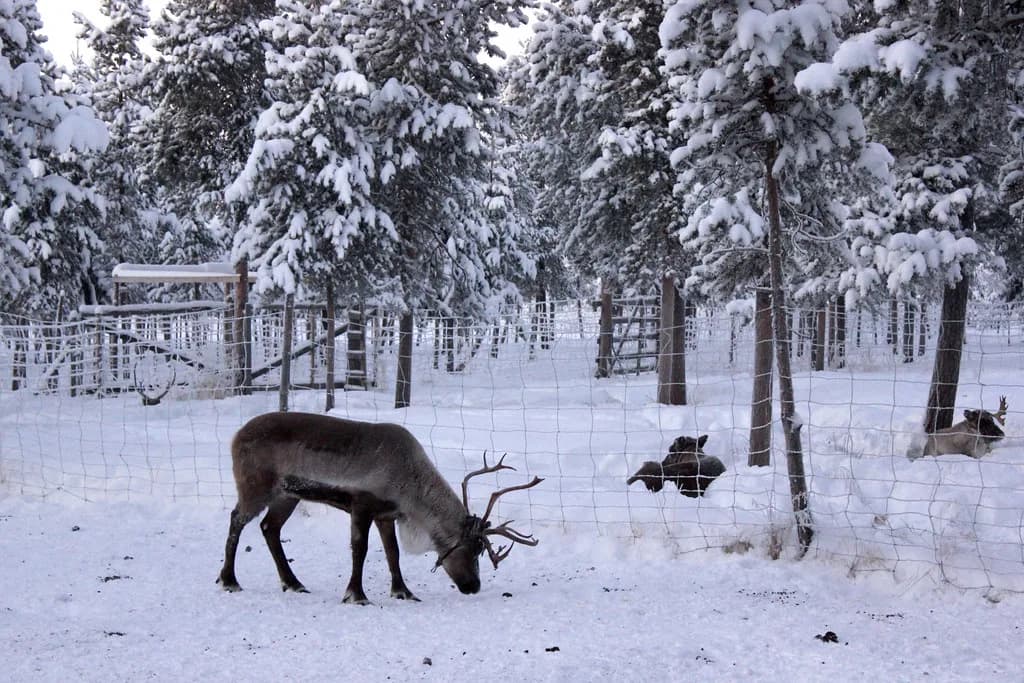
The resort also shows what a full igloo campus can look like, with a planetarium, smoke saunas, husky and reindeer safaris and snowmobile tours bundled around the accommodation. If you are weighing Sweden against Finland, use it to judge what a pure glass-igloo stay buys you versus a cabin with open sky.
Choosing your aurora stay in Swedish Lapland
Decide first whether you want the sky from bed or a short walk to darker ground. A glass-roof pod near Kiruna delivers the view but limits space; a lakeside cabin at Camp Alta or a village apartment in Jukkasjärvi gives you more room and a quick step outside. An Abisko lodge bets on clearer skies, while Luleå and Harads add coastal ice and design.
Then protect the bet with time: three or four nights at one base, a flexible glass-roof night and a tour that can move toward clear sky. Solar activity and cloud do the rest, and neither can be booked.
Frequently Asked Questions
Are there glass igloo hotels in Sweden?
Yes. Aurora River Camp near Kiruna offers glass-roof pods and cabins along a frozen river, and a separate glass-igloo camp sits beside the Torne River. Other Swedish stays, such as Camp Alta and Camp Ripan, give you open sky from a lakeside or hilltop rather than a glass roof over the bed.
Is Kiruna or Abisko better for a glass igloo stay?
Abisko is known for clearer skies thanks to its local microclimate, so it suits travelers who want the best odds and national-park access. Kiruna has more accommodation choice, the Icehotel nearby and better infrastructure when a cloudy night means staying indoors. Pick Abisko for sky, Kiruna for options.
Can you see the northern lights from your room in Swedish Lapland?
At glass-roof properties such as Aurora River Camp, yes, when the sky clears. At most other hotels and cabins you step outside, usually no further than a short walk to a lake, river or the edge of town. The view from bed is a convenience, not a guarantee of a display.
How many nights should you plan for a fair chance of clear skies?
Plan at least three or four nights at one base so cloud has a chance to break. A single glass-igloo night is a memorable experience but a thin bet on a display. A split stay between inland Kiruna or Abisko and the coast spreads your exposure across different weather.
When is the aurora season in Swedish Lapland?
The season runs from late September to early April, with the longest, darkest nights between December and February. February and March add more daylight for daytime activities while keeping dark evenings, which is why they are the busiest weeks for aurora stays.
Do you need a car to reach aurora stays in Swedish Lapland?
Not necessarily. The Arctic Circle Train connects Luleå, Kiruna and Abisko, and Jukkasjärvi is a short bus or taxi ride from Kiruna. A car helps only if you want to chase clearer skies independently; otherwise choose properties where tours depart from the door.
What does a glass igloo stay actually include?
Typically a warm cabin with a glass roof, beds, and in many cases a private sauna and shower. Tours often add thermal suits and transport, and Kakslauttanen's reindeer safari includes a thermal overall, blanket, hot drink and transfer. Check each property's room and activity inclusions when you book.
Sources
Notes for your Arctic winter trip
Optional updates to our northern lights guides.
You might also like

Continue reading
More guides you'll find useful