Abisko in February: Aurora Nights, Temps and Winter Tours
Plan Abisko in February with dark aurora-friendly nights, typical -5°C to -20°C temperatures and named chases, photo tours and snowmobile sled trips.
On this page
February is deep winter in Abisko: long dark nights, reliable snow and a landscape built for aurora watching rather than daytime sightseeing. The village sits inside the aurora zone in Swedish Lapland, with the national park and its trails right at the edge of the settlement. It suits travelers who want short daylight hours filled with a canyon walk or a sauna and long evenings spent either on a guided chase or waiting outside their hotel for a gap in the clouds.
Why February suits Abisko
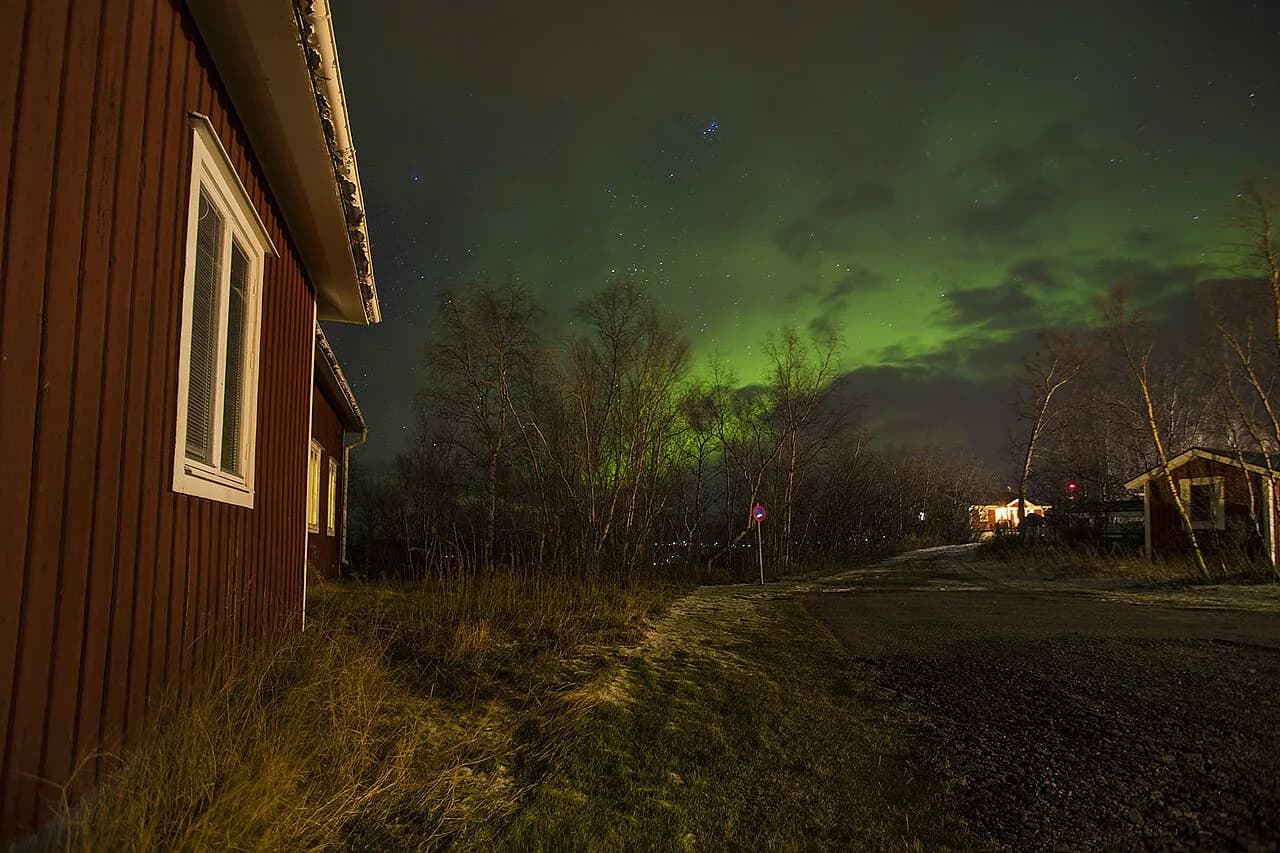
Abisko sits far enough north that February nights are long and dark, which is exactly the window the aurora needs. The Visit Abisko page describes the national park and the surrounding Kiruna mountains as one of Sweden's premier places to watch the northern lights, with displays that can take the form of curtains, spirals, arcs or coronas. February falls inside that dark window, so you can be outside at a civilized hour rather than waiting for a short midsummer night.
A dark sky is only half the equation. Aurora visibility depends on solar activity and on clear skies, and February weather can bring cloud that shuts down a night entirely. What you can control is where you stand and how many nights you give yourself, which is why the darkest spots just outside the village lights are worth the short walk.
Typical February temperatures, snow and daylight
Winter temperatures in Abisko commonly range between minus 5°C and minus 20°C, with colder periods occasionally occurring, and snow typically remains on the ground from late autumn onward. A February tour night therefore sits squarely in that cold band. A four-hour chase in a heated vehicle feels very different from a two-hour sled ride in the open, so match the activity to how much cold you want to sit in.
Daylight is short, so plan the outdoor hours around the middle of the day. The Adrift Aesthetic account of a winter hike notes that visitors use the limited daylight for walking before the aurora hours begin, and that the canyon and shore trails fit neatly into an afternoon. February rewards that rhythm: walk or ski while the light holds, then eat and head out for the night.
When the aurora season runs
The Abisko northern lights season runs from September to early April, so February sits in the back half of the season rather than at its edges. That matters for planning: you are not gambling on the first or last dark nights, and operators are running their full winter program. The season gives you the frame; individual nights still depend on cloud and solar activity.
Where to watch near Abisko
You can often see the aurora from right outside your hotel, but Visit Abisko recommends taking a trip into the wilderness where the skies are darker and the lights appear more vivid. That is a realistic split for February: use the village as a fallback on a clear night, and treat the darker ground around the park as the main event. The park entrance lies only a few hundred feet from the Abisko Turistation front door, whose desk hands out free trail maps.
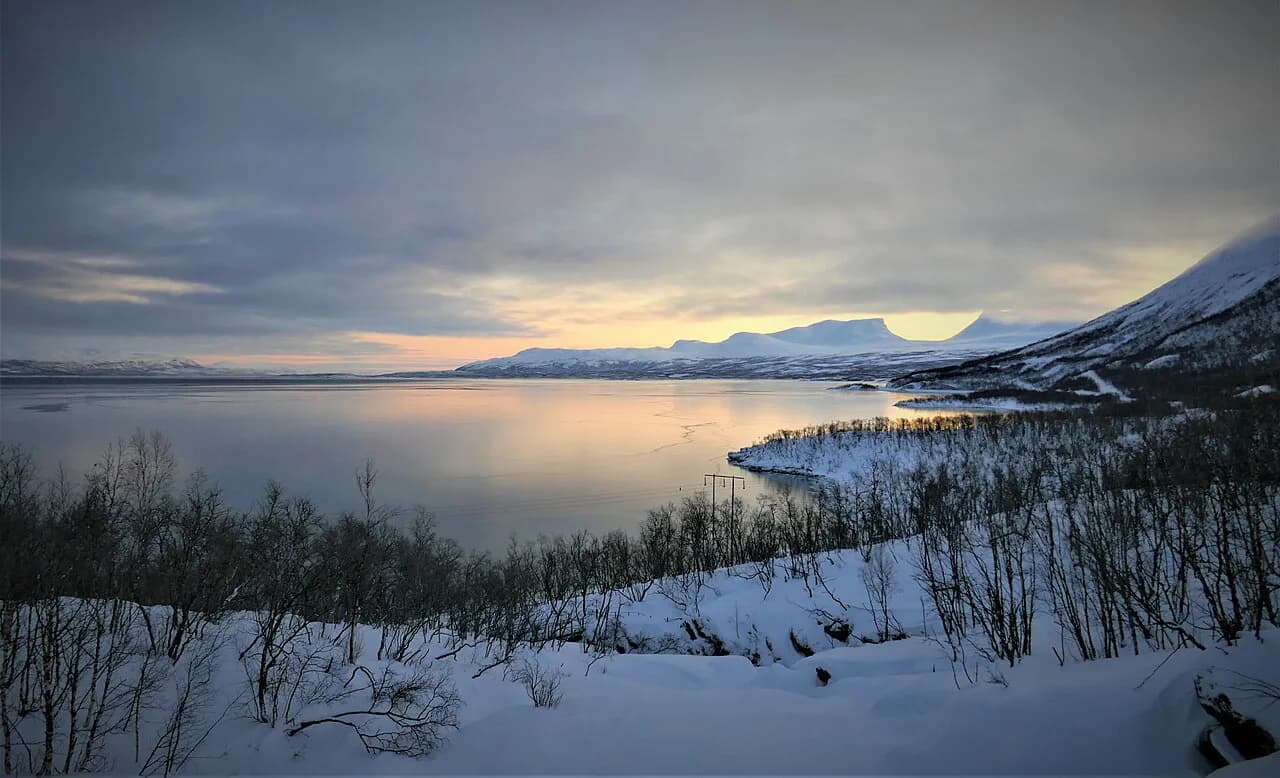
For self-guided evenings, walk away from the lit buildings toward the park boundary and the shore of Lake Torneträsk, which the Adrift Aesthetic hike describes as frozen from December to June. The lake edge gives you open sky and a flat horizon, while the canyon rim gives you a sheltered loop if the wind picks up. Neither replaces a dark-sky chase on a cloudy night, but both are free and close.
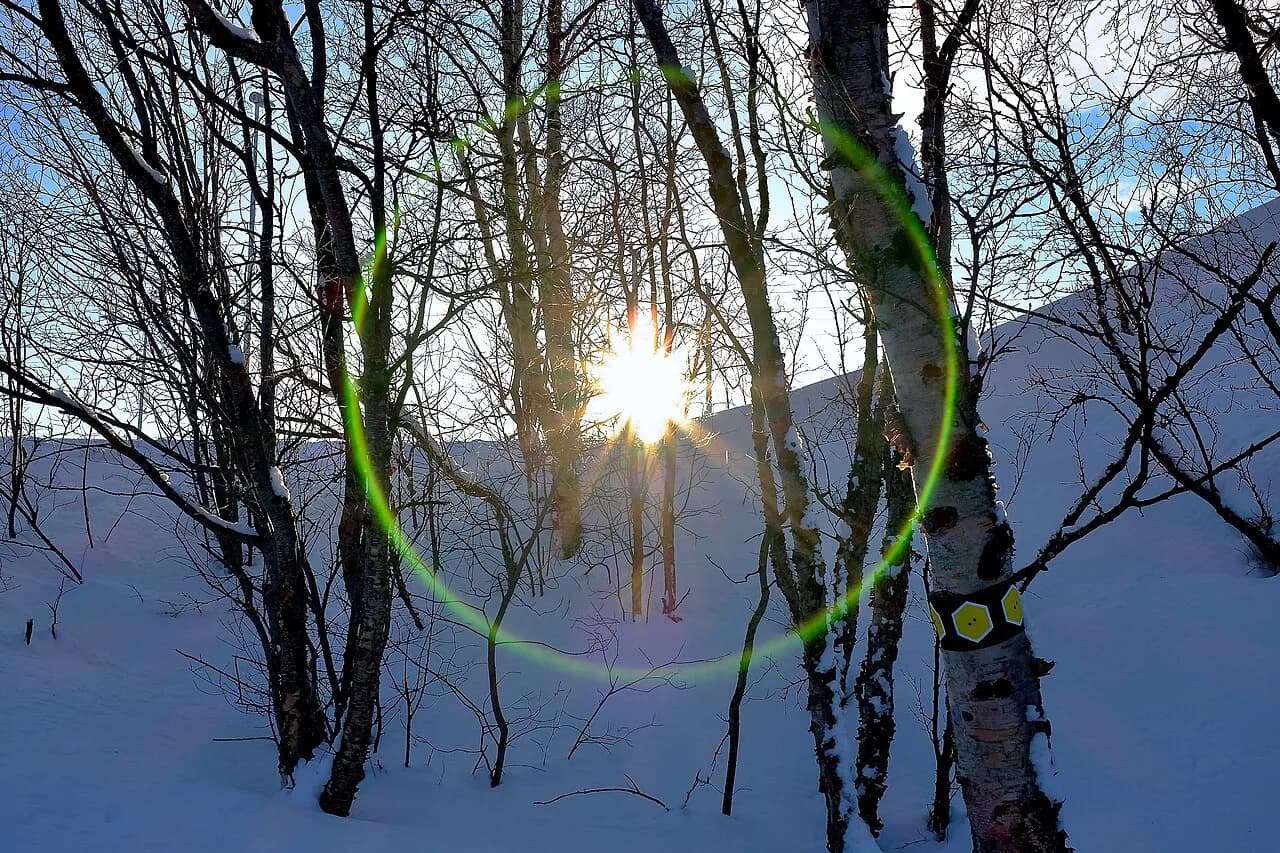
The national park itself is Sweden's northernmost, sitting within the Arctic Circle, and its trails are marked with colored hexagons that make winter navigation straightforward. That structure is what makes a self-guided February evening feasible: you can follow a short marked route to a dark viewpoint and be back at the Turistation without a guide.
Self-guided chasing versus a guided chase
A guided chase buys you mobility on a cloudy night. Visit Abisko lists an Abisko Aurora Chase from SEK 995 lasting three hours, run in buses by Lights Over Lapland, and an Autumn Abisko Aurora Chase from SEK 1095 lasting four hours in modern 4x4 vehicles. The bus is the cheaper, group option; the 4x4 costs more and gives the guide more room to hunt for clear sky on rough roads.
At the top of the range, the Private Aurora Tour starts from SEK 12995 for three hours and is marketed as a fully private trip. That price buys exclusivity and flexibility rather than a longer night, so it makes sense for a group splitting the cost or for photographers who need the guide's full attention. Solo travelers will usually get better value from the shared chases.
The Ultimate Aurora Photo Adventure starts from SEK 1595 for four hours and is led by professional aurora guides with photography in mind. If your priority is a usable image rather than just a sighting, the extra time and guidance are the point. All of these run through the same booking page, so you can compare durations and prices side by side before choosing.
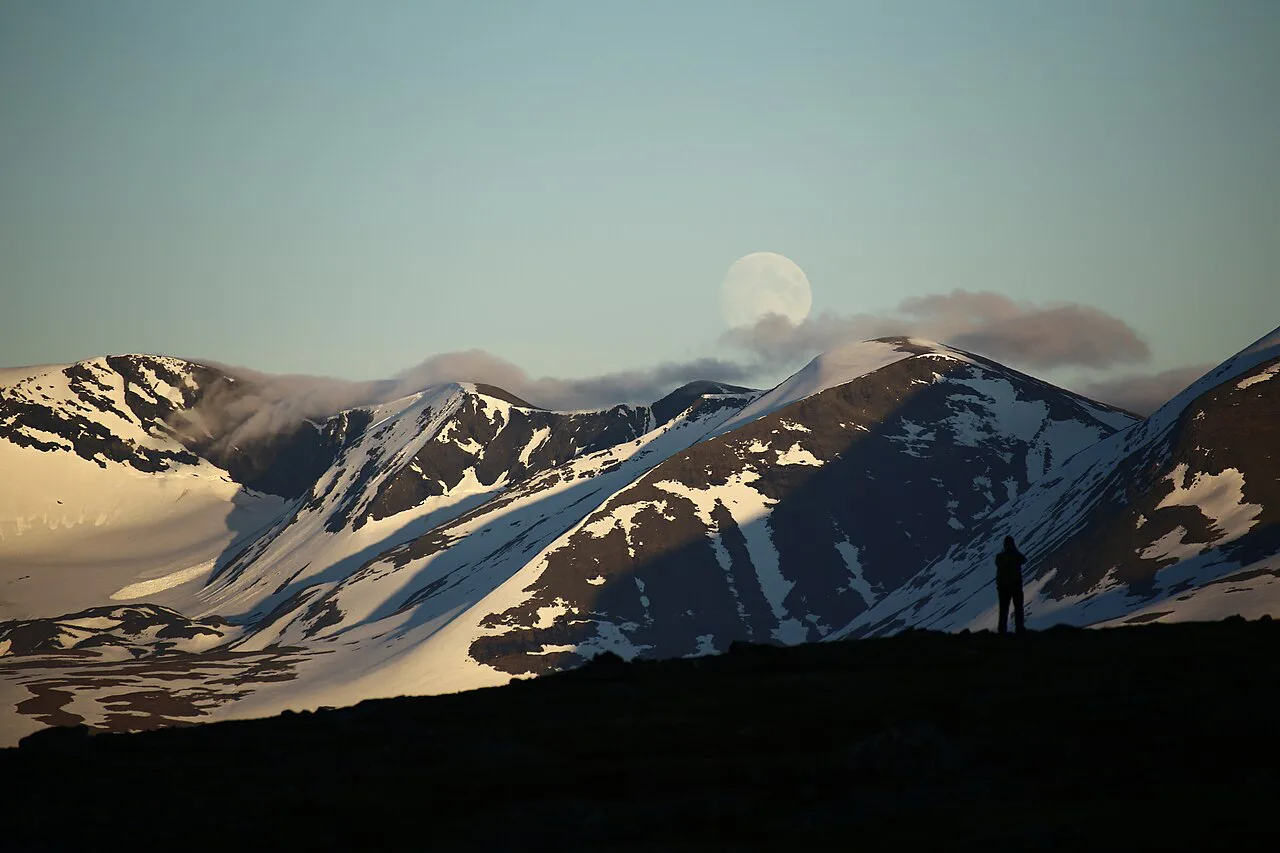
Snowmobile sled aurora tour
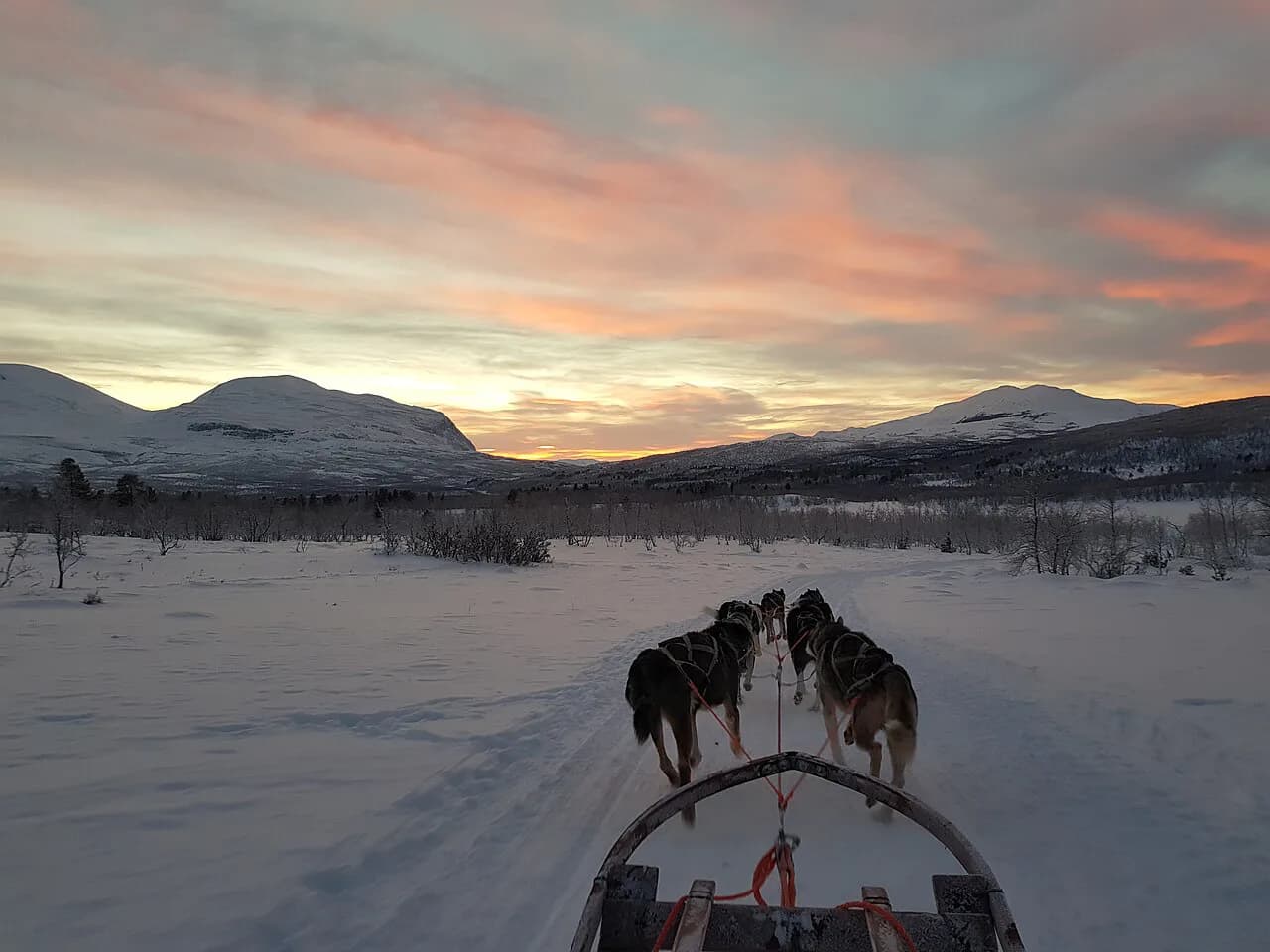
The Aurora snowmobile sled tour starts from SEK 995 and lasts two hours, carrying you seated on a sled pulled by a snowmobile into the wilderness. It is the shortest and least physically demanding way to reach dark sky, which suits families or anyone who would rather not hike at night in deep cold. You trade the range of a 4x4 chase for a fixed route, so it is best booked for a night with a reasonable forecast.
Abisko Aurora Sky Station and the gondola
Aurora Sky Station sits above the valley on Mount Nuolja and is reached by a gondola, putting you well above the village lights for the night. The lift and the station are the classic Abisko setup for travelers who want a fixed dark-sky viewpoint rather than a moving chase. Confirm the lift schedule and any booking requirement with the station before you build an evening around it.
Daylight activities that fit February
The Canyon Trail is the easiest outing, taking roughly 30 minutes to an hour along the rim of Abiskojåkka Canyon with lookout spots and picnic areas. In winter the stream and waterfalls below freeze, and part of the trail is wheelchair accessible. It is short enough to slot into a February afternoon without eating into your evening.
From the canyon the Shore Trail, marked with green hexagons, leads toward Lake Torneträsk and ends near a wood-heated sauna operated by the Swedish Tourist Association, which can be reserved online with towels and snacks. The association will cut an ice hole in winter for the full sauna-and-snow routine. That combination fills a short daylight window well: a walk, a warm-up and a booking you can make once you know the weather.
Hiking the national park in winter
Beyond the canyon, the orange Njakajaure Trail and the purple Karsafallen Trail start across the train tracks from the Abisko Turistation and take two to four hours. They need more preparation in cold weather than the short canyon loop, so treat them as a full daylight plan rather than an add-on. The Kungsleden also begins here, running over 270 miles south to Hemavan and turning into a ski route of the same length in winter.
Glass igloos, aurora cabins and hotels
Sleeping inside Abisko National Park puts you closest to the dark trails and the lake shore, which matters when you want to step outside at midnight without a transfer. The Abisko Turiststation sits at the park entrance, while Abisko Mountain Lodge is the village option for travelers who want to be near the road and the tour pickups. Weigh heat and glare as well as view: a glass roof or large window can fog or reflect interior light, so ask how the room is kept dark.
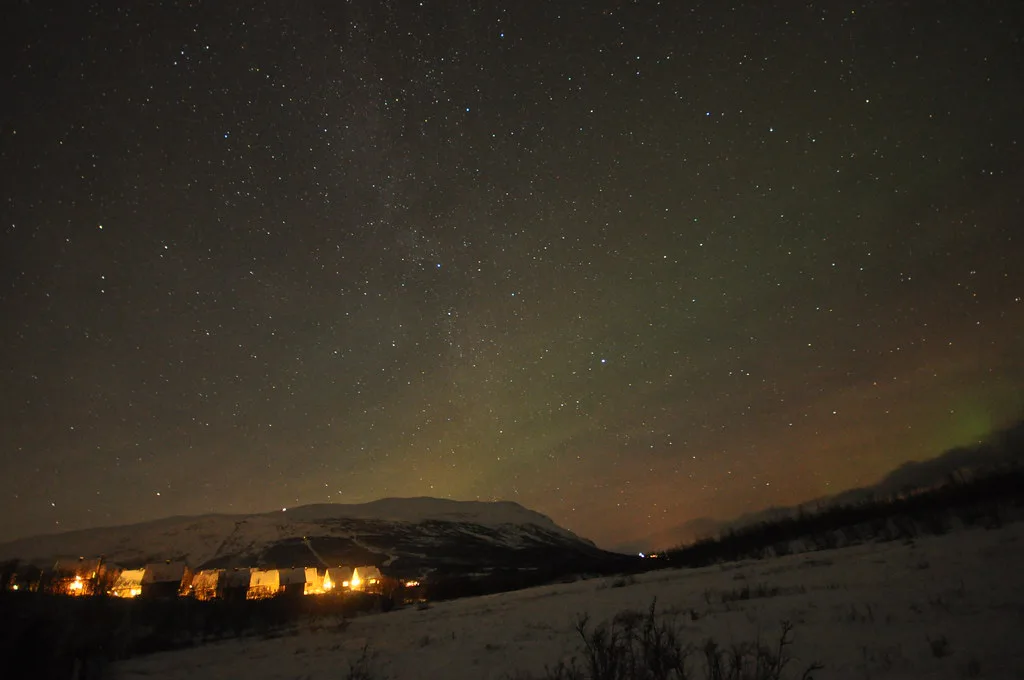
How many nights to plan
No operator can promise a sighting, so plan for repetition rather than a single big night. Three nights gives you two backup evenings if cloud closes in, and a four-night stay adds another buffer without stretching the cold-weather budget too far. Mix one guided chase, one sled or photo tour and one self-guided night near the park, so a cloudy first evening does not waste your whole trip.
February trade-offs
February trades convenience for darkness: the nights are long and the prices for chases and photo tours are clearly published, but the cold is real and cloud can still ruin a night. The cheapest way to see the lights is to walk to the park boundary yourself; the most reliable is to pay for a vehicle that can drive out from under cloud. Decide which of those you are buying before you book.
Is Abisko better than Tromsø for February aurora hunting?
Abisko's advantage is its inland, mountain setting and the national park at the village edge, which gives you dark sky within walking distance. Tromsø, in Norway, offers a coastal city base with its own chase operators but more urban light to escape first. If you are weighing another Swedish base with its own published chases, the Luleå northern lights guide covers a comparable decision. For a February trip built around short daylight hikes and long aurora nights, Abisko's compact layout is hard to beat.
Plan Your February Trip to Abisko
Book a February stay of at least three nights, choose one guided chase or photo tour and keep one evening free for a walk to the park boundary. Check the Lights Over Lapland booking page for current prices and durations before you commit, and confirm the Aurora Sky Station lift schedule for your dates. Clear skies and solar activity decide the rest.
Frequently Asked Questions
Can you see the aurora in Abisko in February?
February falls inside the September-to-early-April aurora season and offers long dark nights, so conditions are favorable. Whether the lights appear on your dates depends on solar activity and clear skies, and no operator can guarantee a sighting.
How cold is Abisko in February?
Winter temperatures commonly range between minus 5°C and minus 20°C, with colder periods occasionally occurring. Snow typically stays on the ground from late autumn onward, so plan for deep winter conditions on any night tour.
How many nights should I stay in Abisko for the northern lights?
Three nights gives you two backup evenings if cloud closes in, and four adds another buffer. Mix a guided chase with a self-guided night near the national park so one cloudy evening does not use up your whole trip.
Is Abisko better than Tromsø for the northern lights?
Abisko puts dark national park trails within a short walk of the village, while Tromsø is a larger coastal city with more light to escape. Abisko's compact, inland setting suits travelers who want short daylight hikes and long aurora nights in one base.
What can you do in Abisko during February daylight?
Walk the Canyon Trail in under an hour, follow the Shore Trail toward Lake Torneträsk or reserve the wood-heated sauna for an afternoon block. Longer routes such as Njakajaure and Karsafallen take two to four hours and need more preparation in the cold.
Do aurora tours include thermal suits and photos?
Visit Abisko lists guided chases, a photo adventure and a snowmobile sled tour with published prices, durations and operators, but inclusions vary by trip. Read each tour's booking details to see what is provided, and ask the operator directly about suits, boots and photo files.
Sources
Notes for your Arctic winter trip
Optional updates to our northern lights guides.
You might also like
Continue reading
More guides you'll find useful