Akureyri in March: Northern Lights and Late-Winter Days
Plan Akureyri in March with longer daylight, lingering snow, skiing at Hlíðarfjall and dark nights that still suit northern lights tours from town.
On this page
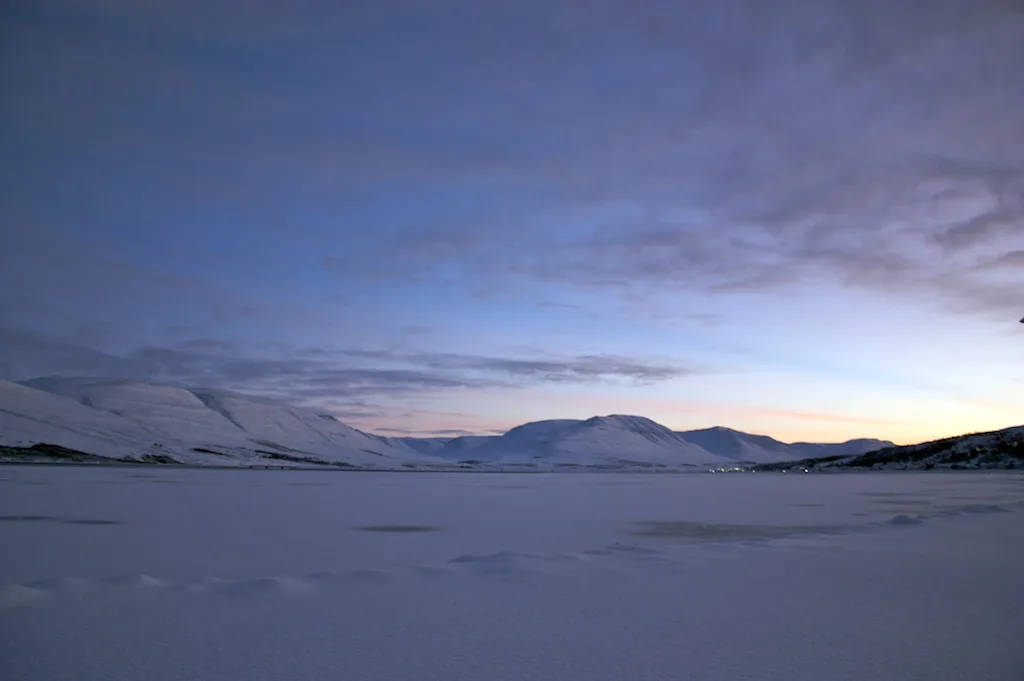
Akureyri sits at 65°N at the head of Eyjafjörður, Iceland's longest fjord, a setting that gives winter travelers mountains on both sides, a working harbor and quick access to dark countryside. In March the town shifts into a useful in-between mode: days stretch fast enough for skiing, whale watching and drives to Goðafoss, while nights stay long enough for aurora tours to head out after dinner.
It suits travelers who want a real town as a base rather than an isolated lodge, with museums, pools and restaurants to fill the hours that are not spent hunting the aurora. It suits less well anyone who needs long, reliable daylight for a Ring Road loop, because snow and wind can still close roads around the fjord in March.
Where Akureyri sits and why the latitude matters
Akureyri is Iceland's second-largest urban area, with roughly 19,000 residents, set at 65°N on Eyjafjörður about 390 km from Reykjavík, a drive of four and a half to five hours or a short domestic flight to Akureyri Airport. That far north, the town sits under the auroral oval often enough that a dark, clear night can produce a display overhead rather than only on the horizon.
The fjord geography shapes how you watch: mountains frame the northern sky, and the town's own lights pool around the center and harbor, so even a short drive toward Kjarnaskógur forest or up the valley improves contrast. Treat the latitude as a head start, not a promise, since solar activity and cloud cover decide whether anything appears.
Daylight and weather in March
March is a transition month in Iceland: winter tours such as ice caving and aurora chasing still run, but daylight lengthens noticeably each week, which widens the window for daytime exploring before the evening tour pickups. If you are weighing this month against the capital, our guide to Iceland in March covers how the same shift plays out around Reykjavík. Expect crisp air and lingering snow rather than spring warmth, and plan the outdoor parts of the day around the brightest hours.
The same source describes March as one of Iceland's stormiest months, with wind and blowing snow capable of closing roads on more than a third of its days, which is why guided transport is the easier option for anyone uneasy about winter driving. Around Akureyri that means checking road and weather conditions the morning you plan to drive to Goðafoss, Lake Mývatn or Hrísey rather than committing days ahead.
For temperatures, expect winter conditions rather than mild spring ones; the town's winter range is commonly described as roughly -5 to 0°C, cold enough that snow can persist on pavements and mountain trails while the harbor stays ice-free.
When the aurora season runs and why March nights still suit it
Akureyri's aurora season is generally quoted as September through April, with December to February giving the darkest skies and March still holding enough darkness for tours that depart around 9 PM and run three to four hours. The payoff in March is that you are not choosing between the aurora and daytime activities: you can ski or whale watch and still be back in town for an evening departure.
March also ranks well for geomagnetic activity in Iceland, and the nights remain long enough for a proper chase while skies are described as clearer than in early autumn. Read that as favorable context rather than a forecast: a strong Kp reading with thick cloud over Eyjafjörður delivers nothing, and a modest reading through a gap in the clouds can deliver a memorable hour.
Where to watch near town
Kjarnaskógur forest, about 5 km from the city center, gives you parking areas, trails and clearings away from the brightest streets, which makes it a sensible first stop for a self-drive attempt on a clear night. The forest also holds cross-country trails and sledging slopes, so it doubles as a daytime destination when the aurora forecast looks flat.
Guided tours from Akureyri typically leave town to find darker skies, and most operators offer free rebooking if the lights do not appear, which turns a cloudy first night into another attempt rather than a lost evening. Ask at booking how far the group may drive and whether the tour crosses to the other side of the fjord, since that determines how late you get back.
Within town, the waterfront and harbor area is easy to reach on foot but carries light from streets, the Hof cultural center and the pool complex, so treat it as a convenient look-up spot rather than a serious viewing site. The church hill above town gives a wide northern view but sits close to the brightest part of the center.
Self-guided chasing versus a guided northern lights tour from Akureyri
Driving yourself gives flexibility to follow gaps in the cloud, but March roads around the fjord can carry ice, snowdrifts and high wind, and the same source recommends four-wheel drive and caution about towing costs if you get stuck. If you are not used to cold-weather driving, a guided minibus removes that risk and lets you watch the sky instead of the verge.
Small-group northern lights tours from Akureyri are the usual middle ground, and people traveling without a car find them the simplest way to reach dark-sky locations outside town. Compare operators on group size, duration and whether photographs are included, because a three-hour trip with a photographer guide is a different evening from a large coach run.
How many nights to plan for a fair chance of clear skies
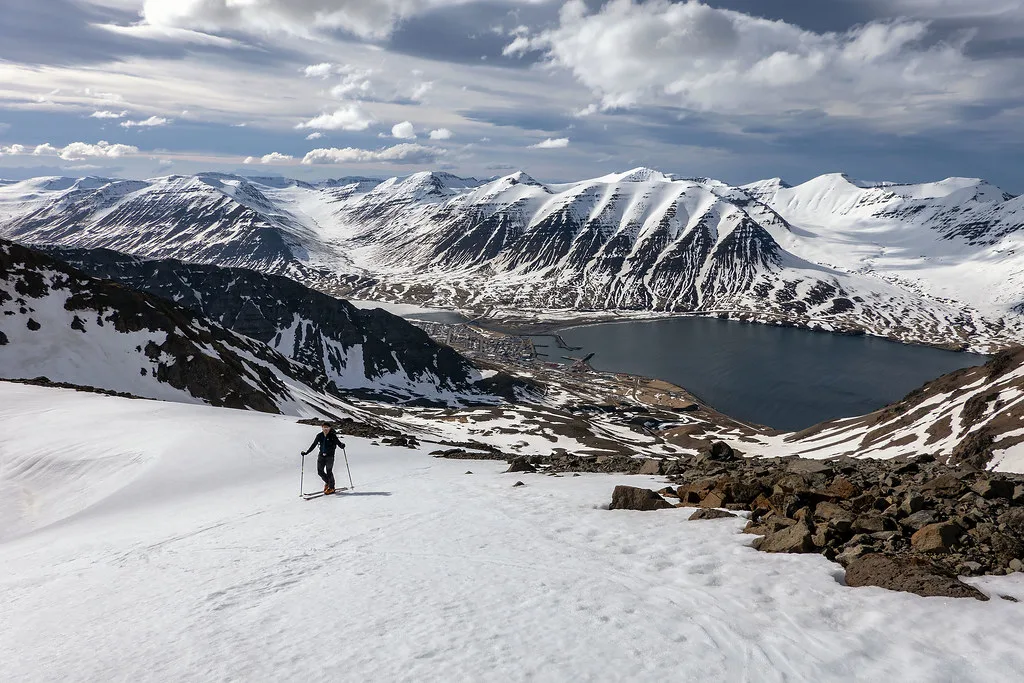
Three nights in Akureyri is a reasonable minimum for an aurora-focused trip: it gives you room for one cloudy evening, one tour that drives further than expected, and one night when the sky clears over the fjord. Two nights works if you accept that a single overcast evening may be your whole window, and four or more suits photographers who want repeated attempts from different spots.
Build the itinerary so the aurora nights are not the same nights as a late-returning day trip to Lake Mývatn 90 km east or the Diamond Circle loop, and keep one evening free at the end in case the first attempts are clouded out. None of this guarantees a sighting, but stacking several dark nights in one place is the most reliable way to improve your odds.
Skiing at Mt. Hlíðarfjall and cross-country trails
Mt. Hlíðarfjall, about 15 minutes from downtown, is the area's main alpine hill, with runs across ability levels, lift facilities, rental and a ski school, and a season that generally runs from December into April. Day passes and rental are priced by the ski area, so check its own page for the current rate before you commit to a full day on the slopes.
Cross-country skiers have several closer options, including trails at Kjarnaskógur, Hamrar and Naustaborgir and the route between Akureyri and Hrafnagil, with grooming depending on snow conditions. Snowshoes can be rented locally if you prefer a slower pace through the woods, and the sledging slopes in Lundarhverfi and Giljahverfi are lit for evening use.
Late-winter days around Akureyri
The geothermal pool complex in town, with its outdoor lanes, hot tubs, steam bath and slides, is the classic way to end a cold afternoon, and the newer Forest Lagoon about 3 km from town adds a second soaking option with fjord views. Both are worth booking into an afternoon slot so the evening stays free for aurora plans.
Further afield, GeoSea in Húsavík uses geothermal water right on the coast, a natural pairing with a Diamond Circle day if you are already driving east. Closer to town, the Botanical Gardens and the old town streets around Hafnarstræti make an easy low-effort wander when the weather turns.
Goðafoss waterfall is 35 km south via the tunnel, and Lake Mývatn is 83 km east the same way, distances that make both realistic half-day outings in March as long as the road forecast is calm. The 20-minute drive and short ferry to Hrísey island is a quieter alternative when you want a walk without a long drive.
Husky, whale and snowshoe options in March
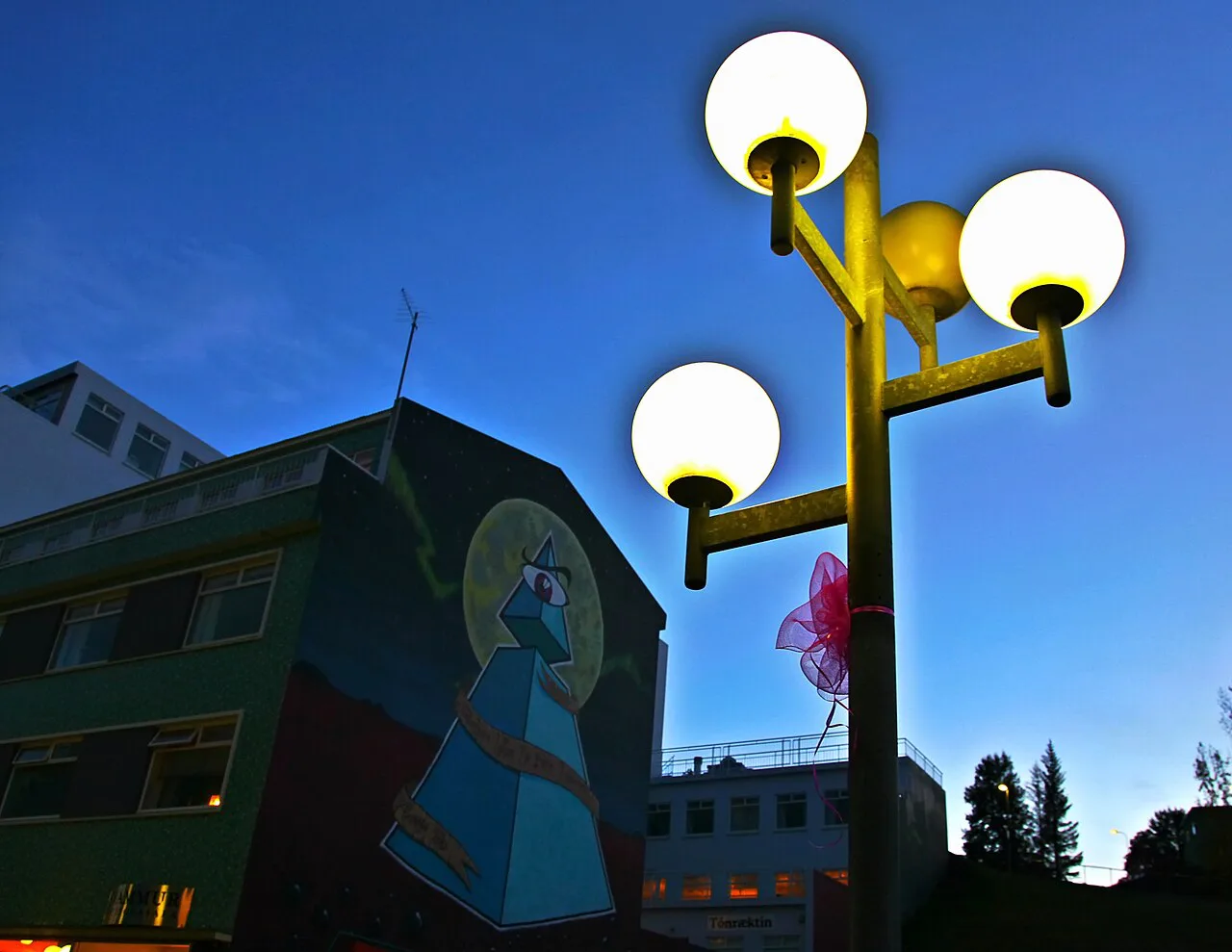
Whale watching runs from the harbor below the town center, with tours normally about three hours, and humpback whales are the main species encountered in Eyjafjörður. Sightings are never guaranteed and departures depend on sea conditions, so keep a spare morning rather than booking the same day as your flight home.
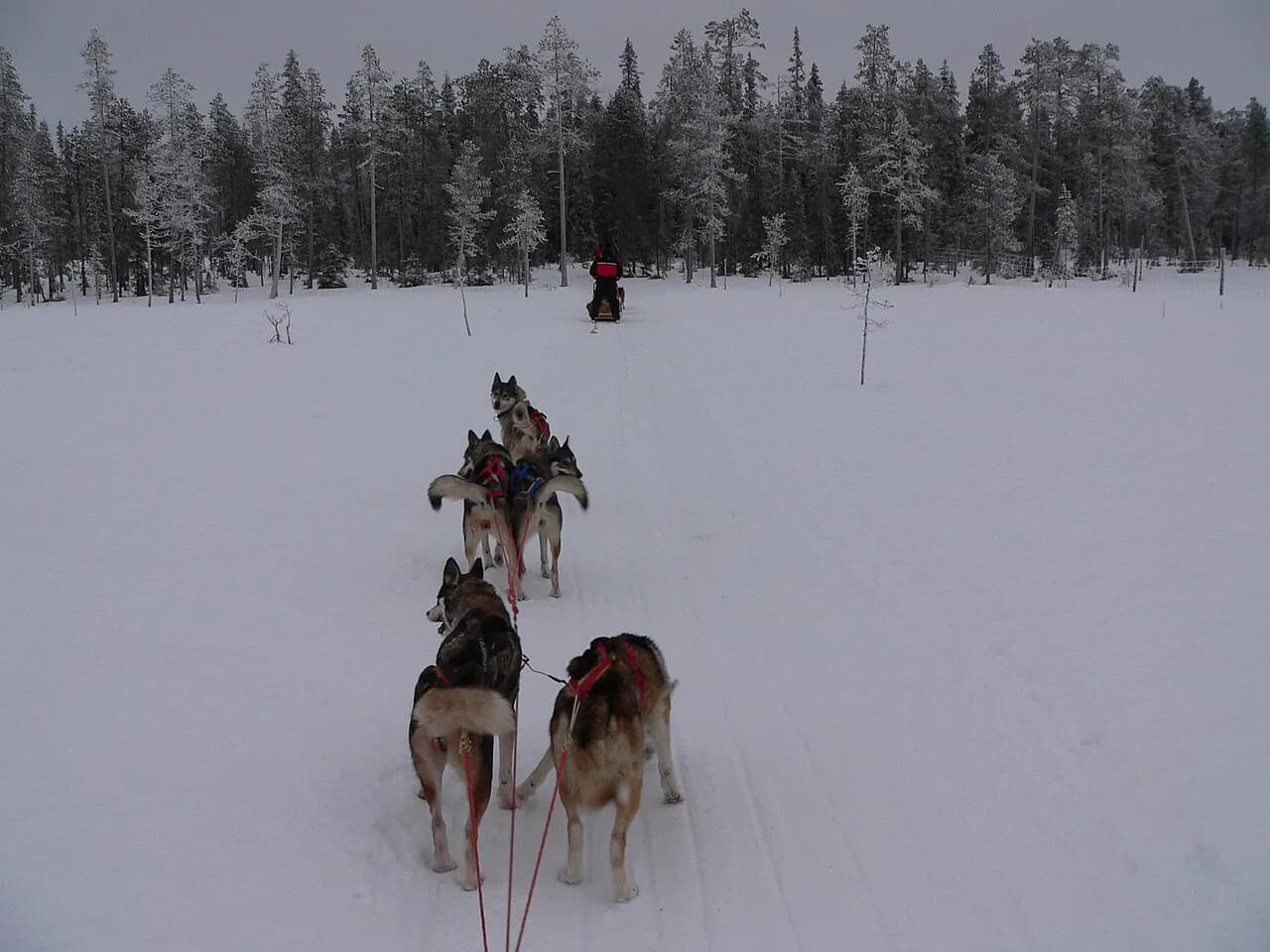
Husky kennels sit a short drive from town and several horse rental farms operate in the countryside, giving you a non-aurora activity for the brighter part of the day. Whale watching from Akureyri is also offered as a boat tour combined with northern lights chasing on some itineraries, which is efficient only if you accept that both halves depend on conditions.
Akureyri in March versus Reykjavík as an aurora base
Reykjavík sits at the center of Iceland's tour industry, but it is also a large, bright city, and the capital's aurora tours often drive a long way to escape its light. Akureyri is smaller, closer to dark countryside and already north of the latitude where many travelers start, which shortens the transfer on a clear night.
Against that, Reykjavík offers more flights, more hotel choice and easier access to the Golden Circle and South Coast, so a trip split between the two can work if you want both a city stay and a northern aurora base. Use Akureyri for the nights you care most about the sky and the capital for the rest.
Practical notes on March roads and short days around the fjord
Icelandic roads in March can close with little warning, and the advice to check weather and road information before setting out applies equally to a short hop to Hlíðarfjall and a day trip to Mývatn. Avalanches and floods are not unheard of in March, so choose guided transport for anything involving mountain passes when conditions are unsettled.
Daylight is still short enough that you should not plan two distant stops in one day, and the drive from Reykjavík to Akureyri takes the better part of a day in itself. If you are visiting in February half-term, expect Icelandic families to be traveling too, since most schools break in February and Akureyri fills with skiers and swimmers.
Plan Your Visit
March rewards travelers who want both halves of an Arctic trip: enough light for skiing, whale watching and a fjord drive, and nights dark enough for a serious aurora attempt from a town with real amenities. Anchor the itinerary on three nights in Akureyri, keep one evening free for a rebooked tour, and treat every clear patch of sky as a chance rather than a certainty.
Frequently Asked Questions
What are the northern lights chances in Akureyri in March?
March keeps dark nights and ranks well for geomagnetic activity, and the aurora season is generally described as running from September to April. Sightings still depend on solar activity and clear skies, so plan several nights and be ready to move away from town light.
How much daylight does Akureyri get in March?
Daylight lengthens noticeably through March, which is why the month works well for both daytime activities and evening aurora tours. Plan outdoor stops for the brighter part of the day and keep drives short, since winter conditions can still slow you down.
Is March a good time to visit Akureyri?
Yes, if you want winter activities without the deepest darkness of midwinter. Skiing at Hlíðarfjall, whale watching from the harbor and geothermal pools are all still in play, while nights remain long enough for aurora chasing.
Can you ski near Akureyri in March?
Mt. Hlíðarfjall, about 15 minutes from downtown, generally runs from December into April, with runs for different abilities, rental and a ski school. Check the ski area's own page for current rates and lift status.
How many nights should you plan for aurora viewing in Akureyri?
Three nights gives you room for a cloudy evening and a rebooked tour, while two nights is workable but leaves little slack. If you are traveling for photography, stay longer and plan repeat attempts from different spots around the fjord.
Is Akureyri better than Reykjavík for northern lights in March?
Akureyri is smaller and closer to dark countryside, which shortens the drive on a clear night. Reykjavík has more flights and hotels but its aurora tours often travel far to escape city light, so choose Akureyri for nights you care most about the sky.
Sources
Notes for your Arctic winter trip
Optional updates to our northern lights guides.
You might also like
Continue reading
More guides you'll find useful