Iceland in March: Daylight, Weather and Northern Lights Odds
Plan an Iceland trip in March with realistic daylight and weather expectations, dark-sky aurora spots near Reykjavik, and how many nights to allow.
On this page
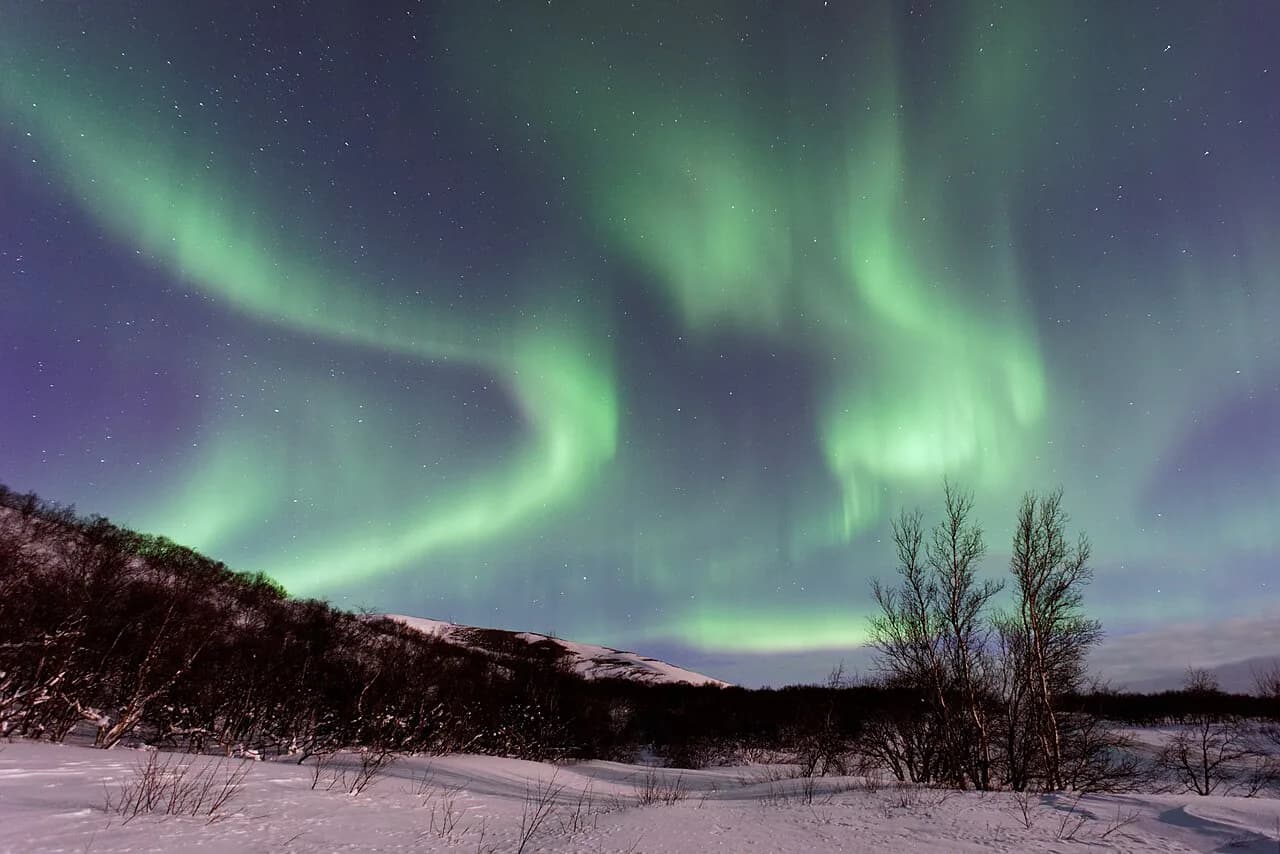
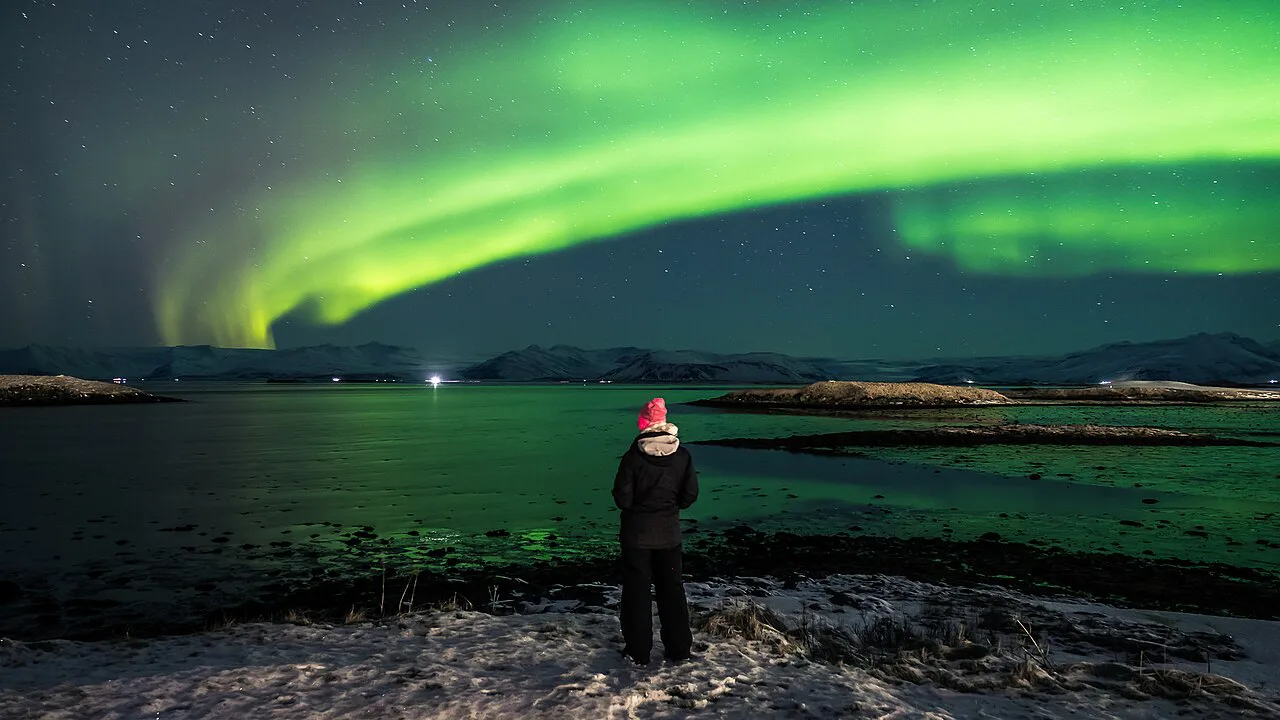
March sits in the sweet spot of an Icelandic winter trip: nights are still long and dark enough to hunt the aurora, while daylight is stretching quickly enough to fit a glacier walk, a South Coast drive and a geothermal soak into the same few days. The country sits on the aurora belt, so displays come down to solar activity and, above all, whether the sky over your head is clear.
It suits travelers who want a real winter landscape without committing to the darkest weeks of December, and who are willing to build flexibility into their itinerary around cloud and wind. Reykjavik works as a hub for short trips, while a South Coast or Vatnajökull base trades city comforts for darker skies right outside the door.
Why March suits aurora hunters
By March, Iceland has banked months of long nights, and the darkness still lasts long enough each evening for a display to build and fade without you missing it. The capital region sits on the aurora belt, a band where the chance of overhead activity is higher than at lower latitudes.
The trade-off is cloud. Iceland's weather shifts between regions within a single day, so a promising forecast in Reykjavik can mean rain on the Reykjanes Peninsula or sunshine on the South Coast. That regional split is the main argument for keeping your March itinerary mobile rather than locking every night to one hotel.
What March weather feels like
Expect a genuine late-winter mix: rain, sleet, snow and strong wind can all arrive in the same outing, and coastal areas more often see rain where higher ground sees snow. For a sense of how unsettled Icelandic weather is even in a mild month, the official September guide describes sunshine, light rain and wind arriving on the same day, and March asks more of you than that.
Treat snow as a possibility rather than a certainty in March. Roads in the interior and at higher elevations hold winter conditions longer than the coast, and the mountain F-roads in the Highlands typically open only in summer, so plan drives around the ring road and the main coastal routes unless a 4x4 and current road information say otherwise.
The Icelandic Met Office publishes forecasts, cloud maps and aurora activity on vedur.is, which is the page to open each afternoon before deciding where to sleep and where to drive after dark. Wind matters as much as temperature in March: it makes open viewpoints on the coast feel far colder than the thermometer suggests, so pick your exposed stops for calmer hours.
Daylight hours through the month
Daylight grows noticeably across March, which is exactly why the month rewards a split itinerary: a long afternoon for sightseeing and a late, dark evening for aurora watching. As a reference for how fast Icelandic light changes, early September brings around 14 hours of daylight and late September around 11 to 12, and March runs in the opposite direction, adding light week by week.
Plan your driving and glacier activities for the daylight window and keep the hours after dinner free. Because the darkness in March is still generous, a cloudy first night rarely means a wasted trip; you can shift a viewing attempt to another evening and use the daylight for the Golden Circle or a lagoon instead.
Aurora conditions and what improves your chances
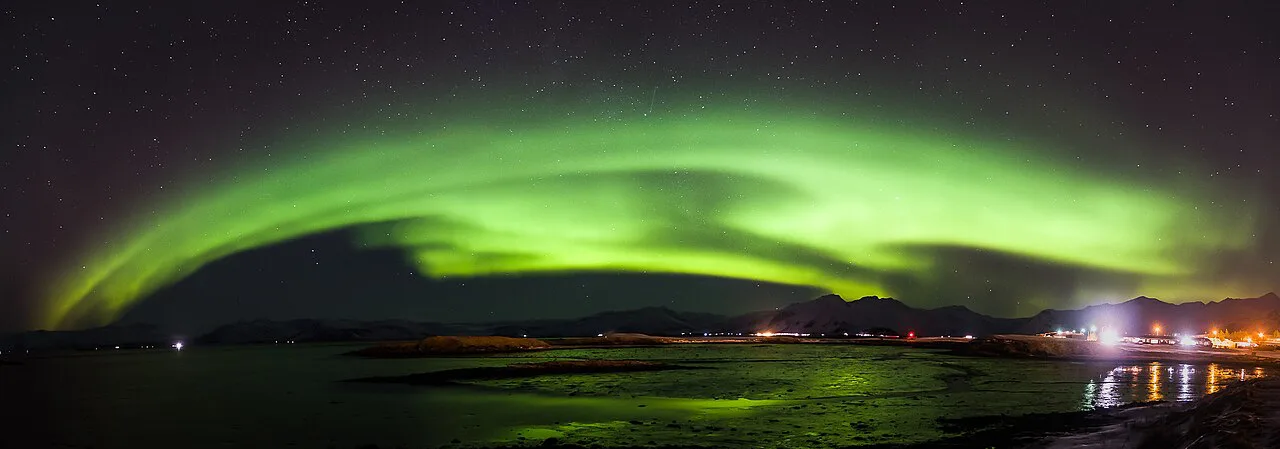
Aurora viewing needs two things at once: geomagnetic activity and a clear line of sight to the northern sky. Kp values, the numbers on aurora apps, are guidance only and describe activity at a planetary scale, not what is happening above your specific spot; a modest Kp with clear skies often beats a high Kp under cloud.
To improve your odds, get away from town lights, give your eyes time to adjust, and stay out for a couple of hours rather than minutes, since displays build and fade in phases. Visit Iceland notes that displays vary from subtle to vivid ribbons and appear when you least expect them, so patience and a comfortable place to wait matter more than chasing every forecast spike.
Where to watch near Reykjavik
Grótta Lighthouse, on the Seltjarnarnes peninsula at the edge of the capital, is the easiest dark-sky outing from a downtown hotel: you drive or take a short bus ride to the coast and look north over open water, though the city glow stays visible behind you. Öskjuhlíð hill, the wooded rise that Perlan sits on, offers a quick alternative when cloud is patchy and you want to duck in and out.
Heiðmörk Nature Reserve, on the southern edge of the capital area, gives you lava fields, pine woods and genuinely dark horizons without a long drive, while the foothills of Esja mountain north of town offer darker skies at the price of a rougher road and less shelter from wind. Perlan's guide lists Öskjuhlíð, Grótta Lighthouse, Heiðmörk Nature Reserve and the Esja mountain foothills among its top viewing locations near Reykjavik.
For a longer night, drive east toward Þingvellir National Park, where the rift valley sits away from the capital's light dome and the dark basalt walls frame a wide northern sky. Combine it with a Golden Circle day so you arrive at dusk rather than driving unfamiliar roads in full darkness.
Reading cloud and aurora forecasts before you drive out
Build a simple evening routine: check the aurora activity forecast and the cloud forecast together, pick the region with the clearest window, and decide whether that means a local hill or a two-hour drive. The Icelandic Met Office cloud maps on vedur.is are the most useful single tool, since a clear sky over your chosen viewpoint matters more than a high activity number.
Check road conditions on road.is before any winter night drive, and keep an eye on SafeTravel.is for travel advisories on the routes you plan to use. Wind, drifting snow and ice on mountain passes can close the very route that leads to your clear-sky spot, and turning back early is a normal part of a night out.
Self-guided chasing versus a guided tour
A guided night tour buys you a driver who knows the winter roads and a guide who reads the forecasts and can move the group when cloud shifts; small-group minibus tours are the common format, typically running in the evening and returning late. If you would rather not drive after dark on icy roads, this is the lower-stress choice, and Iceland northern lights tours vary in group size and how far they roam.
Self-driving wins when you want to stay put under a clearing sky, sleep near a dark site, or spend several nights in one region. The decision rule is simple: if your trip has only two or three nights, a guided tour offloads the cloud-chasing and road decisions; with four or more nights and a 4x4, your own car gives you the freedom to follow the clearest forecast along the South Coast.
Indoor fallbacks: Perlan's aurora show and ice cave
When the sky refuses to clear, Perlan offers a full-dome planetarium show on the aurora plus a man-made ice cave built with 350 tonnes of ice and a 360-degree observation deck over the city. It is a genuine bad-weather plan rather than a consolation prize, and it keeps a cloudy evening productive for families.
Perlan also runs a volcano show and glacier exhibition, so a single visit covers the geology behind the landscapes you have been driving through. Pair it with an afternoon at a geothermal pool and a cloudy March day still feels full, with the bonus that you can try again the next night.
Geothermal pools and lagoons for a cold evening
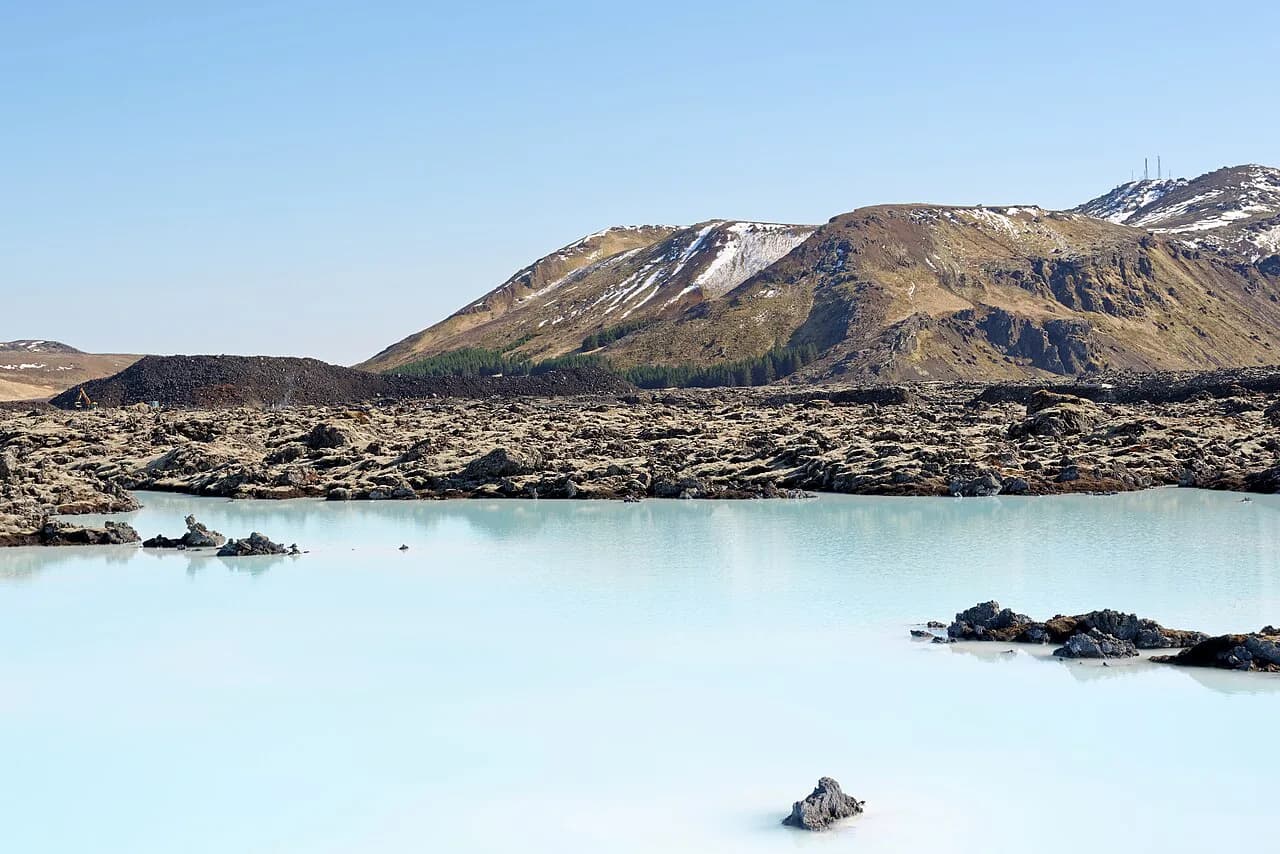
A soak after a cold, dark evening is one of the most Icelandic ways to end a March day. Sky Lagoon, an oceanside infinity pool with a sauna and cold plunge, and the Blue Lagoon near the airport are the best-known options, while Laugardalslaug is Reykjavik's largest public pool with hot tubs and Nauthólsvík geothermal beach mixes hot water with the chilly Atlantic.
Book lagoon slots ahead for the evenings around your aurora attempts, since a warm soak and a late-night drive to a dark spot do not combine well. For a more natural setting, the Secret Lagoon in Flúðir fits neatly into a Golden Circle loop, letting you soak at dusk before a short drive to darker countryside.
Ice cave and glacier tours still running in March
Ice cave season begins in November and runs through the winter, with guided tours into blue chambers beneath glaciers such as Langjökull, and March still sits inside that window. Caves change every season, so operators pair you with a certified guide and the equipment the conditions demand; go with a licensed operator rather than attempting a glacier on your own.
Glacier hikes run from Sólheimajökull, Falljökull and Skaftafell in Vatnajökull National Park, and cooler temperatures make for favorable conditions on the ice. Most glacier walks supply crampons or the necessary gear, and operators lend thermal suits on many winter tours, but leave the clothing decisions to your own layering and to the glacier guide you book with, checking current prices and dates when you reserve.
Golden Circle and South Coast day trips in late winter
The Golden Circle fits comfortably into a March day: Þingvellir National Park's rift valley and UNESCO-listed landscape, the Geysir geothermal area with Strokkur's eruptions, and the double cascade at Gullfoss. Some paths, including at Gullfoss, may close when ice builds up, so keep an eye on the ground underfoot and the day's forecasts.
South Coast days take longer: Seljalandsfoss and Skógafoss waterfalls, the black sand at Reynisfjara, and on a full day the glacier lagoon at Jökulsárlón and Diamond Beach. Late-winter daylight is still limited, so choose either the waterfalls-and-beach stretch or the long push east to the lagoons rather than cramming both into one outing.
Choosing a base: Reykjavik, South Coast or North Iceland
Reykjavik gives you museums, geothermal pools, Perlan and a cluster of dark-sky spots within an easy drive, which makes it the practical base for a short first trip. The South Coast around Vík trades city light for dark beaches and glacier views, and staying a night or two there shortens the drive to the lagoons and Skaftafell.
North Iceland, around Akureyri and Húsavík, is quieter and offers whale watching and geothermal sea baths, but it sits under different weather systems than the capital and closer to the Arctic Circle. Pick one region rather than splitting a short March trip between north and south, since internal flights and winter road time eat into aurora nights, and if the north appeals, weigh what Akureyri in March looks like before committing.
How many nights to plan for a fair chance of clear skies
Cloud, not activity, is usually what blocks a display, so plan nights rather than a single date. Three nights gives you a couple of realistic windows even if one is lost to cloud or wind; four to five nights lets you add a South Coast overnight and a second region to chase clearer skies, which is a meaningful step up for aurora-focused trips.
No one can promise a sighting, and any operator claiming a guaranteed display is overselling. What you can control is time, mobility and darkness: build in a spare evening, keep one night free of a fixed dinner booking, and accept that a cloudy trip with good glacier walks and lagoon soaks is still a good March trip.
Crowds, shoulder-season pacing and booking ahead
March is quieter than the summer peak but not empty, and shoulder-season pricing can cut accommodation costs compared with June to August. Visit Iceland notes for September that shoulder-season prices may be lower than peak summer, and March follows a similar pattern, though the savings vary by hotel and how early you book.
Book the elements that sell out first: ice cave and glacier tours, lagoon slots at popular times, and a rental car with winter tyres. If your trip overlaps a festival or a holiday week, reserve accommodation in Reykjavik early and keep the aurora nights flexible around the fixed bookings.
Plan Around Dark Nights and Clear Skies
March gives you the best of both halves of an Icelandic winter trip: darkness long enough for the aurora and daylight long enough to actually see the country. Build your itinerary around three to four nights, pick one region as a base, and let the cloud forecast decide which dark-sky spot you drive to each evening.
Come prepared for changeable weather rather than a guaranteed display. A guided night tour makes sense for a short trip, while a 4x4 and a flexible South Coast base reward anyone with more nights, and Perlan's aurora show and a geothermal lagoon fill the evenings when the sky stays shut.
Frequently Asked Questions
Can you see the northern lights in Iceland in March?
Yes, March still has long dark nights, and aurora viewing depends on geomagnetic activity and clear skies rather than the calendar alone. Head away from town lights, watch the cloud forecast on the Icelandic Met Office site vedur.is, and treat Kp values as guidance about broad activity rather than a local prediction.
How many nights should I plan for a March aurora trip?
Three nights gives you a couple of realistic viewing windows, and four to five nights lets you add a South Coast overnight or a second region to follow clearer skies. No itinerary can guarantee a display, so build in a spare evening and keep one night free of fixed dinner plans.
What can I do in Iceland in March when the sky is cloudy?
Perlan in Reykjavik runs a full-dome planetarium show on the aurora alongside a man-made ice cave and a volcano exhibition, which keeps a cloudy evening productive. Geothermal pools and lagoons such as Sky Lagoon, Laugardalslaug and Nauthólsvík work well for a cold evening, and guided glacier walks and ice cave tours continue through the winter months.
Do I need a 4x4 in Iceland in March?
For the ring road and main coastal routes, a normal car with winter tyres usually covers a March trip. A 4x4 matters if you plan to reach the Highlands or rougher tracks, and the mountain F-roads typically open only in summer, so check road.is and SafeTravel.is before committing to an inland route.
Where are the best dark-sky spots near Reykjavik?
Grótta Lighthouse, Öskjuhlíð hill, Heiðmörk Nature Reserve and the foothills of Esja mountain are all within an easy drive of the capital and offer darker horizons than downtown. For a longer night, Þingvellir National Park sits away from the city's light dome and pairs naturally with a Golden Circle day.
Sources
Notes for your Arctic winter trip
Optional updates to our northern lights guides.
You might also like
Continue reading
More guides you'll find useful