Akureyri in November: Daylight, Snow and Aurora Nights
Akureyri in November brings about six hours of daylight, temperatures near -1°C and long dark evenings that suit aurora tours, spas and waterfall day trips.
On this page
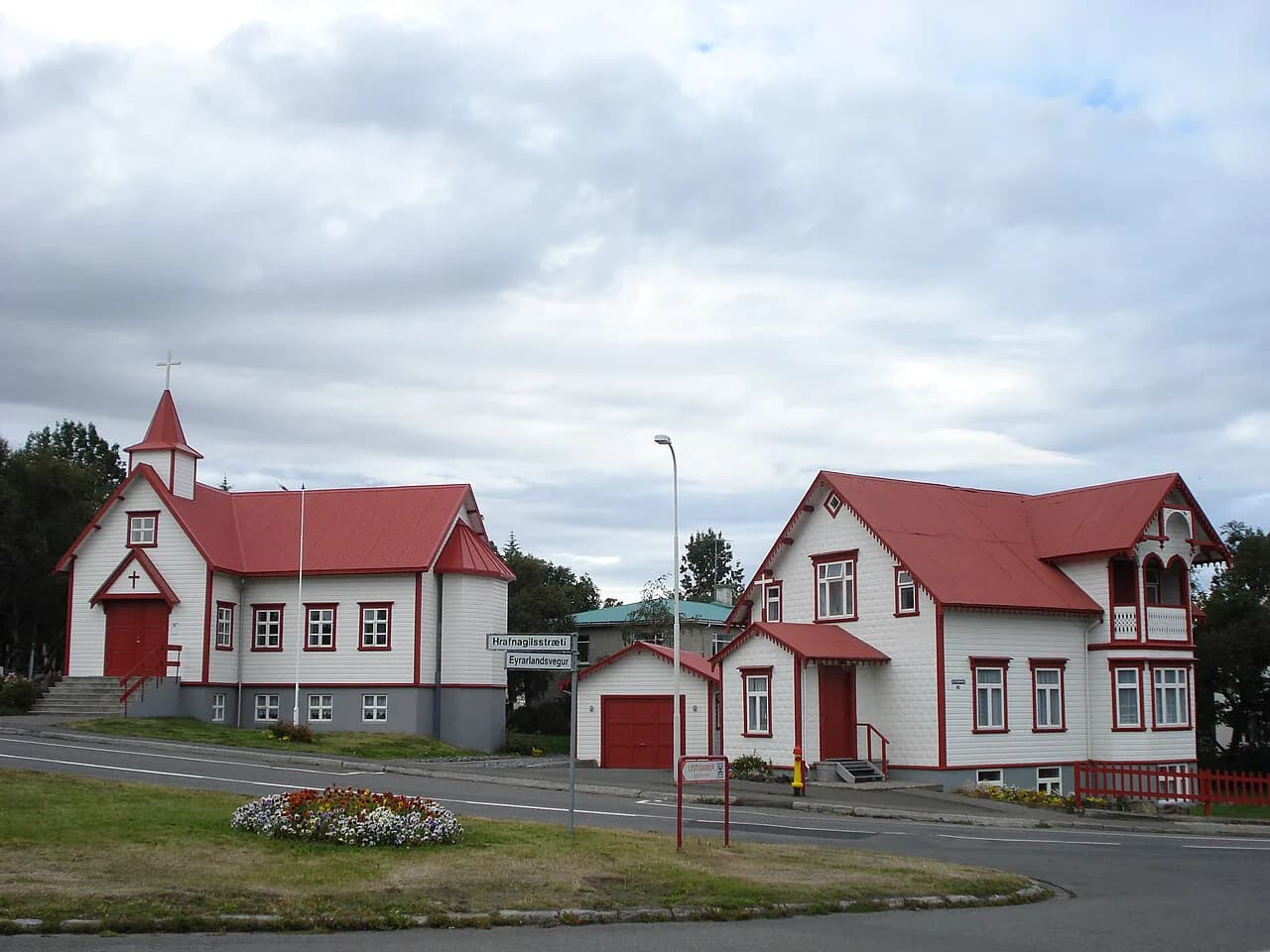
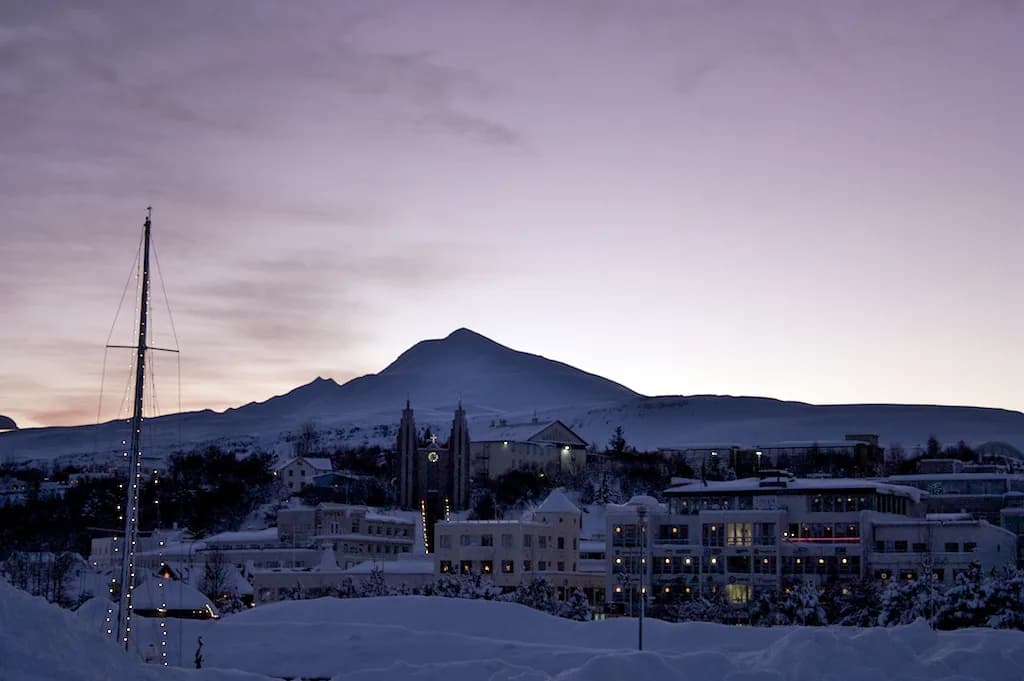
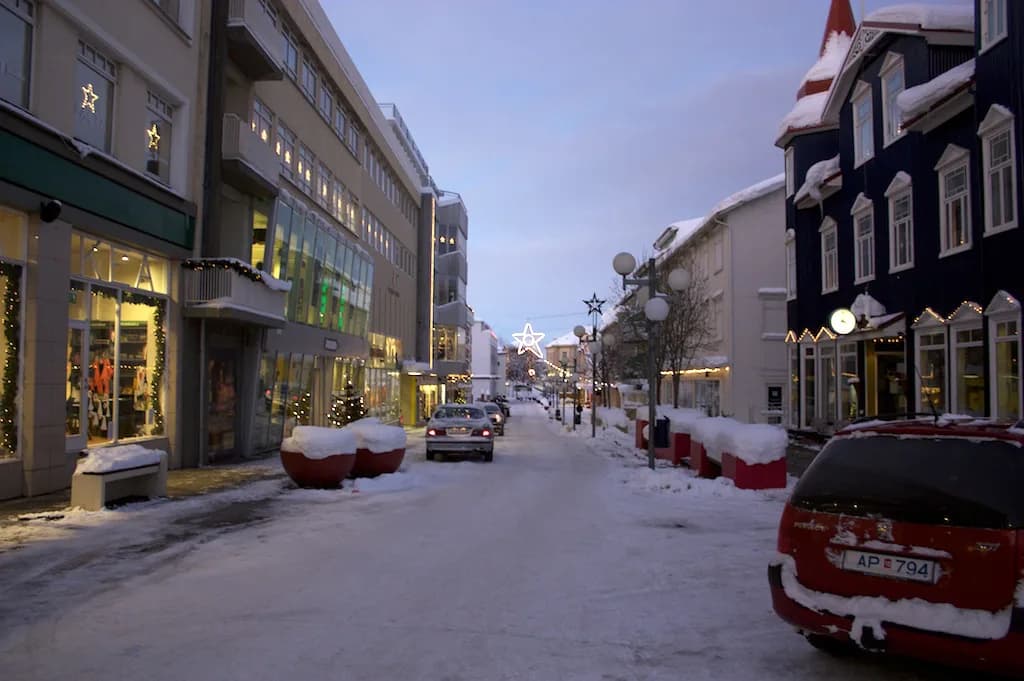
November turns Akureyri into a compact winter base: snow on the mountains around Eyjafjörður, a town centre small enough to walk in an afternoon and enough darkness to make aurora watching a realistic evening plan. It suits travelers who accept short days and want a mix of geothermal soaking, indoor sights and guided night tours rather than long road trips.
The month is a transition, not deep winter. Average temperatures sit close to freezing and daylight is measured in hours rather than half-days, so the trip works best when you plan one outdoor excursion per day and keep the rest flexible for weather.
Why November works for aurora hunting in Akureyri
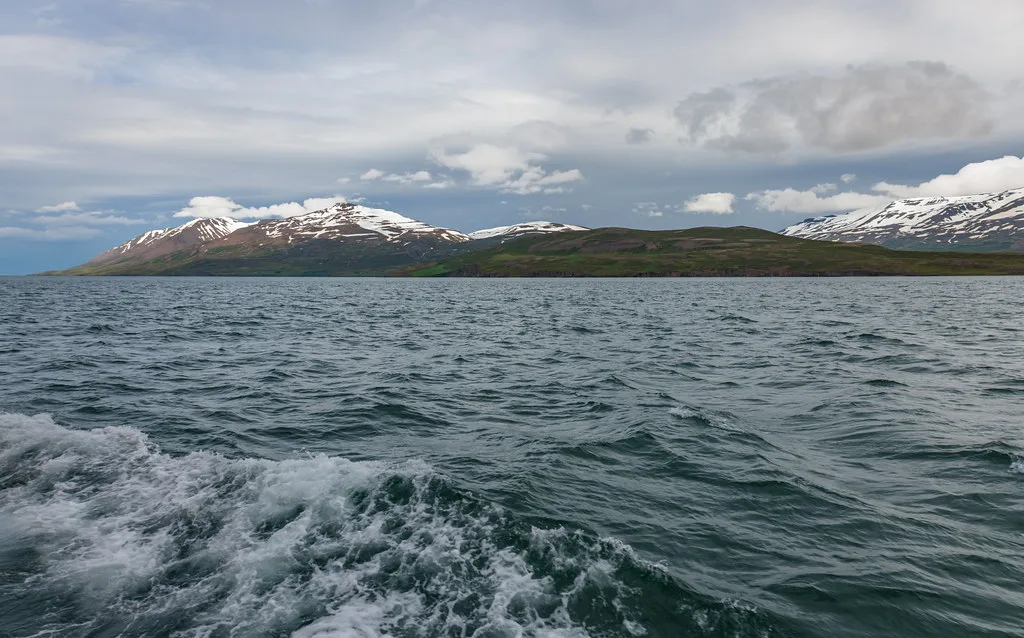
Akureyri sits at the base of Eyjafjörður, about 100 km from the Arctic Circle, which puts it inside the belt where aurora displays are regularly visible when the sky is clear. November adds the second ingredient: long nights. Visit North Iceland lists roughly six hours of daylight for the month, so darkness covers most of the afternoon and evening.
Visit North Iceland describes the chances of catching a glimpse of the northern lights in November as good. That reflects length of night, not a forecast: cloud cover over the fjord decides any given evening, and solar activity decides whether a display happens at all. Plan for several nights rather than staking the trip on one.
The town itself is the practical advantage. You can be at a dark viewpoint outside the centre within a short drive, and you can retreat to a pool, a café or your hotel if cloud rolls in. That flexibility matters more in November than in midwinter, when roads inland become harder to judge.
How much daylight you get and how to shape your day
Six hours of daylight in November is enough for one serious excursion, not two. Daylight fades early, so the workable pattern is a morning departure for a waterfall or lake, a mid-afternoon return, and an evening booked for either aurora chasing or a geothermal soak.
Compare that with the darker months: Visit North Iceland gives January about four hours of daylight and December about three, while February climbs back to roughly nine. November is the last month when a full-day drive to Lake Mývatn or the Diamond Circle feels comfortable rather than rushed, though the days are already tightening. For a broader view of how the month fits a winter aurora trip, see this guide to Iceland in November and how daylight and tours run there.
Build the itinerary around light rather than around opening times. Put the scenic driving in the short bright window, keep museums, the church and the Christmas House for the dim hours, and leave the evening free for a tour that runs after dark.
November temperatures, snow and road conditions
Visit North Iceland gives November in North Iceland an average temperature of about -1°C, with an average high of 3°C and a low of -4°C. The same page records around 54 mm of precipitation and 11 snow days for the month, so snow is likely on the mountains and possible in town.
That combination makes road conditions the main variable for any drive toward Dettifoss, Ásbyrgi or Mývatn. Visit North Iceland advises monitoring the weather forecast closely in November because snowy mountain roads and rapidly changing conditions are normal, and it points travelers toward up-to-date road-condition information before setting out.
The Gulf Stream keeps North Iceland milder than its latitude suggests, and the region generally sees less rain than the south. In practice that means November cold rather than extreme cold, but wet, windy spells still arrive and can close mountain passes for a day at a time.
Where the aurora shows over Eyjafjörður and the fjord's dark edges
The aurora appears over the whole sky here, so the real question is escaping town light. The Eyjafjörður shoreline north and south of Akureyri gives open views across the water toward dark mountain silhouettes, and side roads off the ring road quickly leave the streetlights behind.
Inland toward Goðafoss and Mývatn the sky is darker still, but the drive takes longer and the mountain roads are the ones most affected by November snow. Treat the fjord as your default and the lake as a bonus on a clear, settled night.
For a fuller picture of viewpoints, tour options and how the season runs from autumn into spring, use the akureyri northern lights guide before you fix dates. It sets out the same trade-off between a convenient town base and darker, remoter sky.
Self-guided chasing versus a northern lights tour from town
Driving yourself gives you the freedom to follow a break in the cloud and to wait as long as you like. The cost is judgement: you need to read the cloud forecast, know which side roads are safe after snow and accept that a promising gap can close before you reach it.
A guided tour removes that planning burden. Operators monitor conditions through the evening, choose the route and typically supply transport and thermal suits, and they often run again at reduced or no charge if the aurora does not appear. Confirm the specific policy with the tour company you book.
Book your aurora night early in the stay rather than on the last evening, so a cloudy first attempt leaves room for a second. November's long nights mean an early dinner still leaves hours of darkness for either option.
Waterfall and Diamond Circle day trips that still fit the daylight
Goðafoss is the easiest big sight to pair with a short day, sitting about 50 km from Akureyri and dropping 17 m in a horseshoe over volcanic rock. The drive is short enough to fit around a late sunrise and still return before the light goes.
Lake Mývatn lies about 90 km away and rewards a full day with geothermal ground, craters and lava formations, while Dettifoss sits more than 150 km from town and Ásbyrgi about 140 km. In November, Dettifoss and Ásbyrgi are best treated as a dedicated day with a weather margin, not squeezed in alongside Mývatn.
The Diamond Circle loops roughly 260 km through Goðafoss, Dettifoss, Mývatn, Ásbyrgi and Húsavík, starting about 30 km east of Akureyri. It is normally split over at least two days, and in November that advice holds even more firmly because daylight is the limiting factor.
Soaking options: Mývatn Nature Baths, Húsavík Geosea and Sundlaug Akureyrar
Mývatn Nature Baths sits above the lake with milky-blue geothermal water piped in hot and cooled into a comfortable bathing range, making it a natural stop on a Mývatn day. Húsavík Geosea takes a different approach, with an infinity pool of mineral-rich seawater warmed geothermally and looking out to the sea and mountains.
For a town-based evening, Sundlaug Akureyrar is the local public bath, with heated outdoor pools, water slides, saunas and steam rooms, and it is where residents go rather than a coach-tour lagoon. It fits neatly into a short November day because no driving is involved.
GeoSea in Húsavík pairs well with a Diamond Circle overnight, and pre-booking is worth considering if you plan to arrive in the late afternoon when daylight is already going.
Skiing and snow activities at Mt Hlíðarfjall
Mt Hlíðarfjall rises just above town and is the region's main ski area, with a season that has stretched from late November into spring depending on snow and the terrain in use. For a November trip, treat skiing as a bonus if the snow arrives rather than a guaranteed activity.
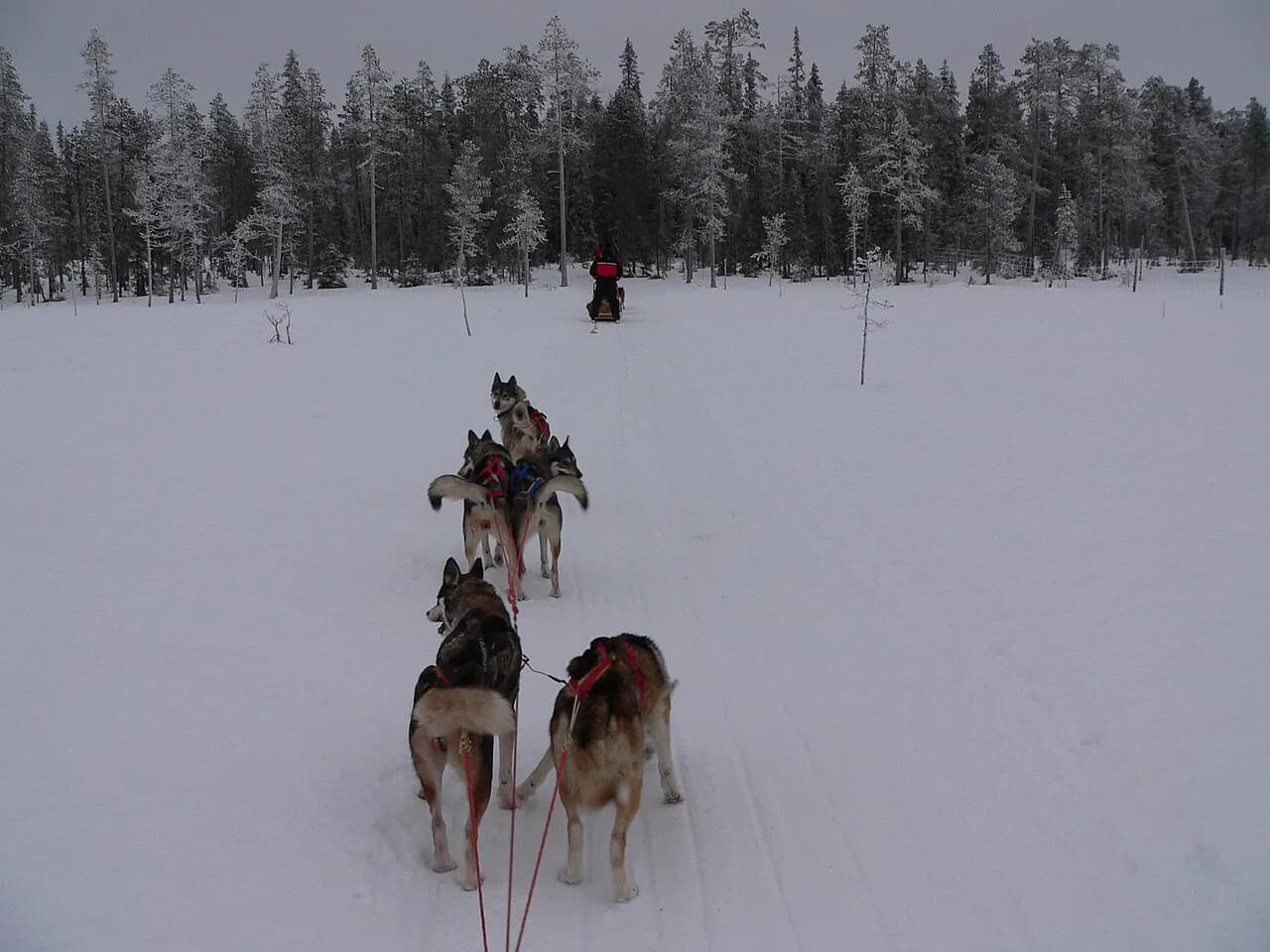
Snowshoeing, snowcat and jeep tours also run from Akureyri in winter, and they adapt to whatever snow cover the mountains have. These are good choices when daylight is short because they concentrate the experience into a few hours close to town.
Horseback riding on Icelandic horses continues in the colder months, and the breed's tölt gait makes for a steadier ride than you might expect on rough ground. Ask the riding school what winter conditions they work in before booking.
Town-based sights for short days: church, museums, Christmas House
Akureyrarkirkja dominates the town skyline, designed by the same architect as Reykjavík's Hallgrímskirkja, and its interior holds a large pipe organ and a stained-glass window with English origins. It is a short walk from the main shopping street and works well in the dim middle of a November day.
The town also has an art museum and smaller collections covering aviation and Arctic themes, plus public art scattered through the centre. The Christmas House just outside town runs its festive shop year-round, which makes it a reliable filler when weather cancels an outdoor plan.
Across the fjord, the Laufás turf house and church show how a chieftain's manor was built and lived in, with the current buildings dating to the 19th century. Check access before driving out, since the minor roads can be the first to hold snow.
Whale watching and wildlife in November
Eyjafjörður has a reputation as one of Iceland's better humpback whale grounds, and tours run for around three hours with guides and fjord views. November is outside the main summer puffin window, so birdlife is a bonus rather than the reason to go.
Winter sailings depend on sea state, and cancellation for weather is a normal part of booking in November. If wildlife matters to you, schedule a whale watching trip early in the stay and keep a flexible alternative in town.
How many nights to allow for a fair chance of clear skies
Cloud is the limiting factor, not darkness, so three or four nights in Akureyri is a reasonable minimum for a November aurora trip and five gives real margin. That allows for a cloudy arrival, one clear night and a rest day without losing the whole trip.
Use the extra nights for the things November does well: a geothermal soak, a museum afternoon, a short waterfall drive. That way a run of overcast evenings still leaves a satisfying trip rather than a week spent waiting.
What November costs and crowd levels look like
November falls outside the summer high season, so demand for hotels, rental cars and tours is generally lower than in July and August, and visitors should confirm seasonal services and book accommodation ahead as conditions vary. Pricing varies by operator and date, so compare quotes directly rather than relying on a general rule.
The trade-off is reduced choice: some summer-only services wind down, and tours that do run may cancel for weather. Build one flexible day into the plan and keep the number of a couple of operators to hand.
Who November in Akureyri suits and who should pick another month
November suits travelers who want real winter atmosphere without deep-winter access problems, who are happy to anchor each day on one excursion, and who value quiet roads and easier bookings. It also suits anyone combining aurora evenings with geothermal soaking and short drives.
It is a poor fit if you want long daylight for hiking, guaranteed snow at low altitude or the full summer wildlife season. Those travelers should look at February and March for longer days and better snow, or at summer for the fjord and puffins.
If November is your window, treat Akureyri as a base rather than a checklist and let the forecast set the order of the days. The town's compact layout, pools and short drives make that style of trip work when the light is scarce.
Plan Your November Trip
Akureyri in November gives you about six hours of daylight, temperatures close to freezing, snow on the mountains and long nights that favour aurora tours and geothermal bathing. Plan one excursion per day, keep the evenings for chasing or soaking, and allow several nights for cloud to break.
Book aurora nights early in the stay, treat Dettifoss and the Diamond Circle as a weather-dependent day, and let the town's church, museums and pools fill the dim hours. Confirm current tour policies and road conditions before you set out, and keep an eye on the official road and weather pages.
Frequently Asked Questions
How many hours of daylight does Akureyri get in November?
Visit North Iceland lists about six hours of daylight for November in North Iceland. That is enough for one main excursion per day, with the evening left dark for aurora tours or a geothermal soak.
Can you see the northern lights in Akureyri in November?
November offers long dark nights, and Visit North Iceland describes the chances of catching a glimpse of the northern lights as good. A sighting still depends on solar activity and clear skies, so plan several nights and treat any single evening as one attempt.
How cold is Akureyri in November?
Visit North Iceland gives an average temperature of about -1°C, an average high of 3°C and a low of -4°C, with around 11 snow days and 54 mm of precipitation across the month. Expect snow on the mountains and possible snow in town.
What can you do in Akureyri in November when the days are short?
Short daylight favours one outdoor plan per day: Goðafoss, Lake Mývatn or a nearby snow activity. The dim hours suit Akureyrarkirkja, the town's museums, the Christmas House and the public swimming pool, with aurora tours or Mývatn Nature Baths in the evening.
Does Akureyri get a lot of snow in November?
Visit North Iceland records about 11 snow days in November, so snow is likely on higher ground and possible in town. Mountain roads can turn snowy quickly, and the official forecast and road-condition pages are the place to judge a drive.
How many nights should you plan in Akureyri for a chance of aurora?
Three to four nights is a reasonable minimum and five gives real margin, because cloud rather than darkness is the usual reason a night fails. Booking a tour early in the stay leaves room to try again if the first evening is overcast.
Sources
Notes for your Arctic winter trip
Optional updates to our northern lights guides.
You might also like
Continue reading
More guides you'll find useful