Iceland in November: Daylight, Aurora and Winter Tours
Iceland in November brings five to eight hours of daylight, temperatures near freezing and long aurora nights. Here is what is open, what runs and where to go.
On this page
November in Iceland hands you the trade that defines an Arctic winter trip: you lose daylight and gain darkness. The payoff is that the aurora season is in full stride, natural ice caves have reopened under the glaciers, and the crowds of summer have thinned out at the Golden Circle and along the South Coast. Pair that with geothermal pools steaming in near-freezing air and you have a month built for travellers who would rather chase clear skies than pack a day with stops.
It suits travellers who accept short days and want winter activities over midnight sun, and who leave slack in the plan for cloud. Temperatures sit near freezing, wind makes every degree feel colder, and sights that take a full summer day fit into a few hours of usable light. Build the trip around two things: an overnight or two in the south-east and several evenings reserved for the sky.
Why November suits aurora chasers and winter-activity travellers
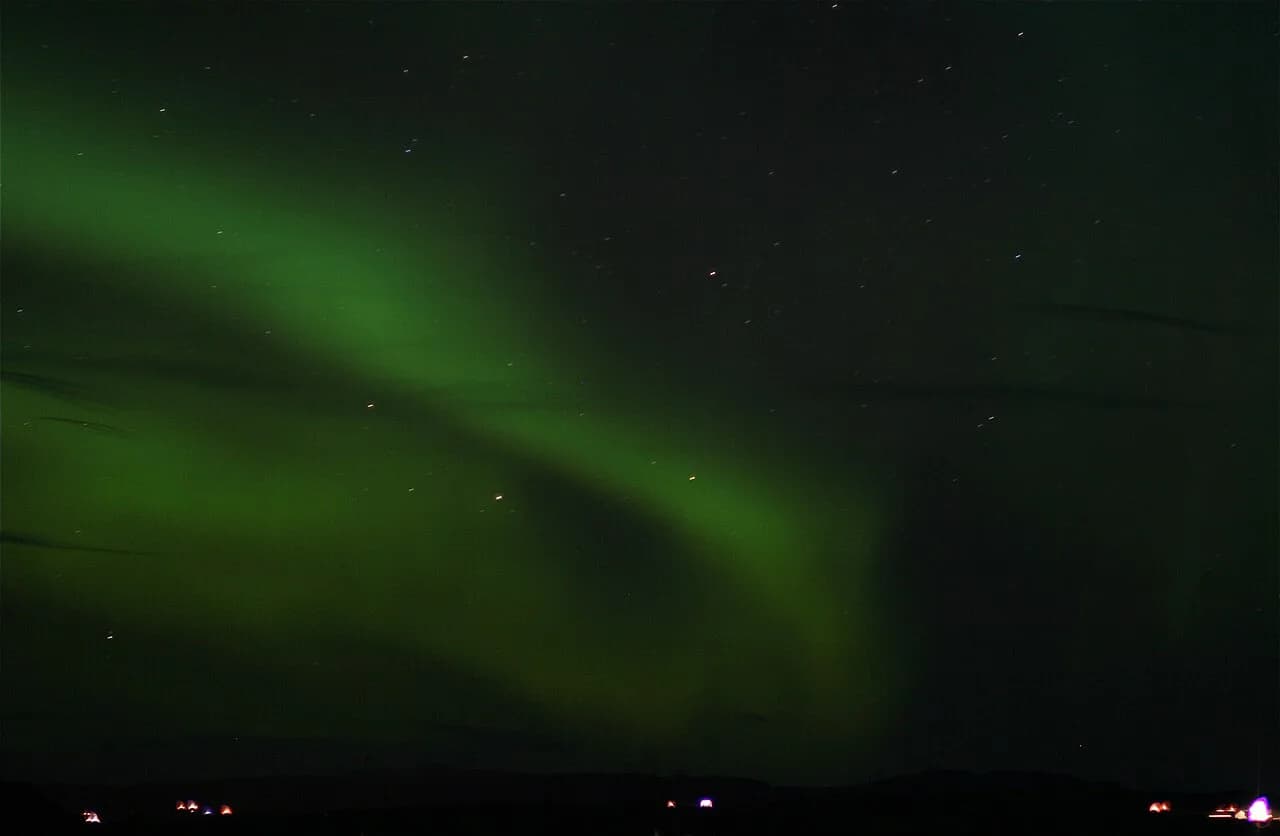
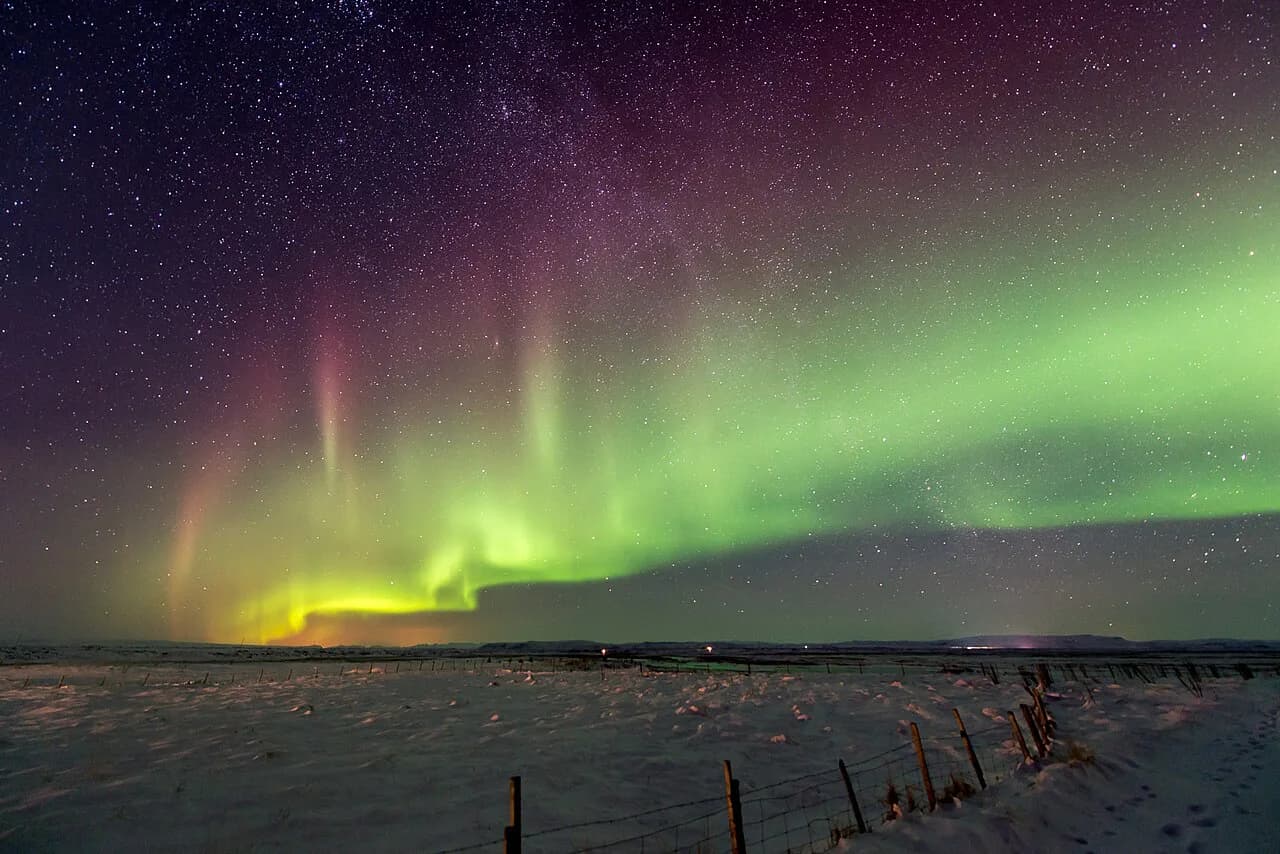
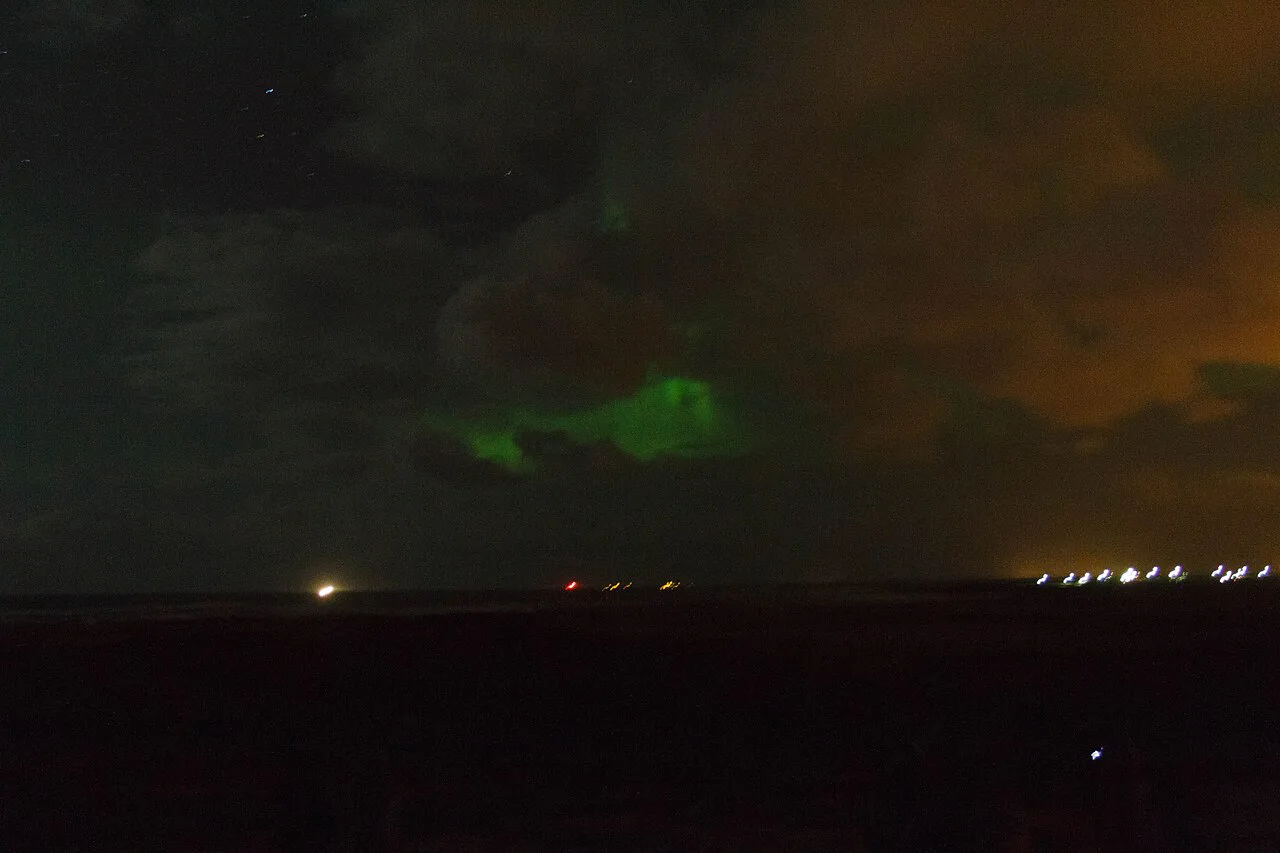
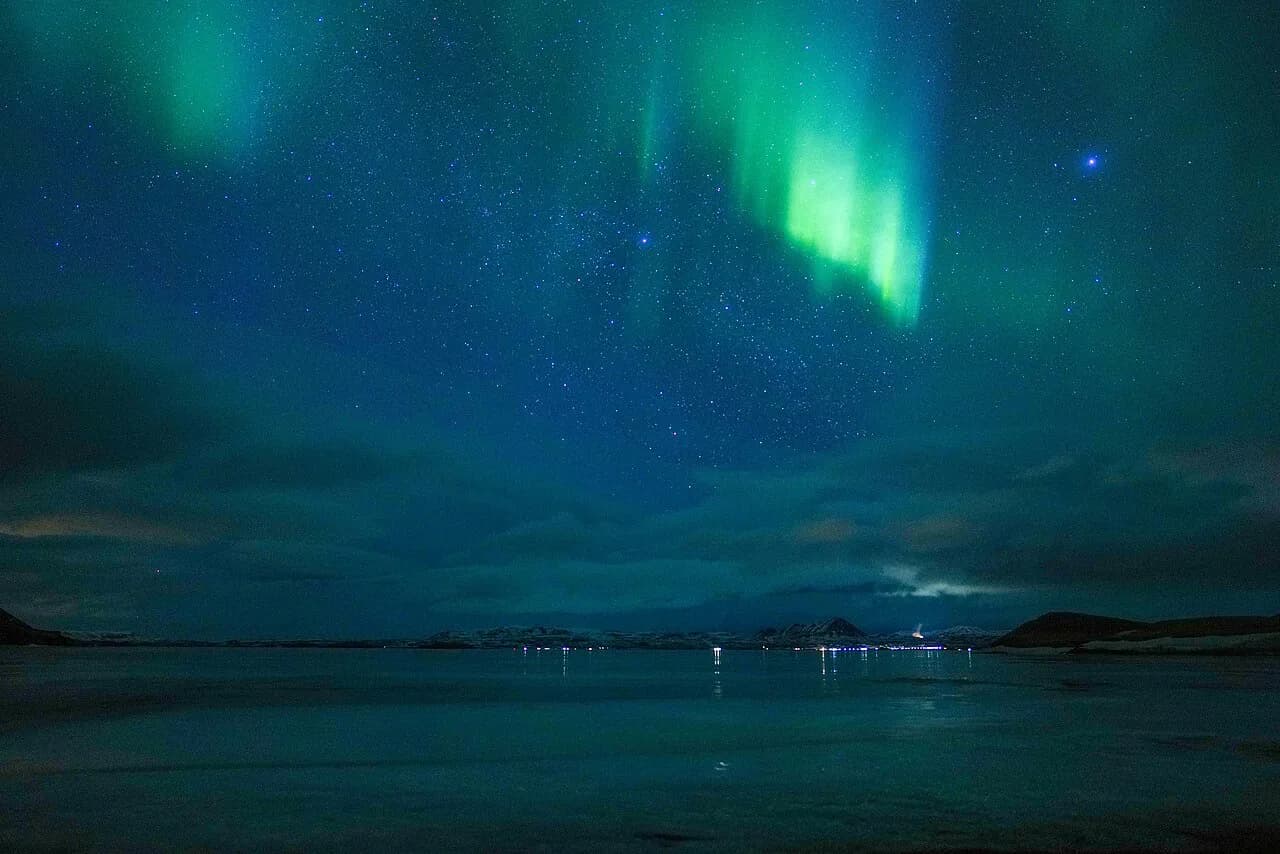
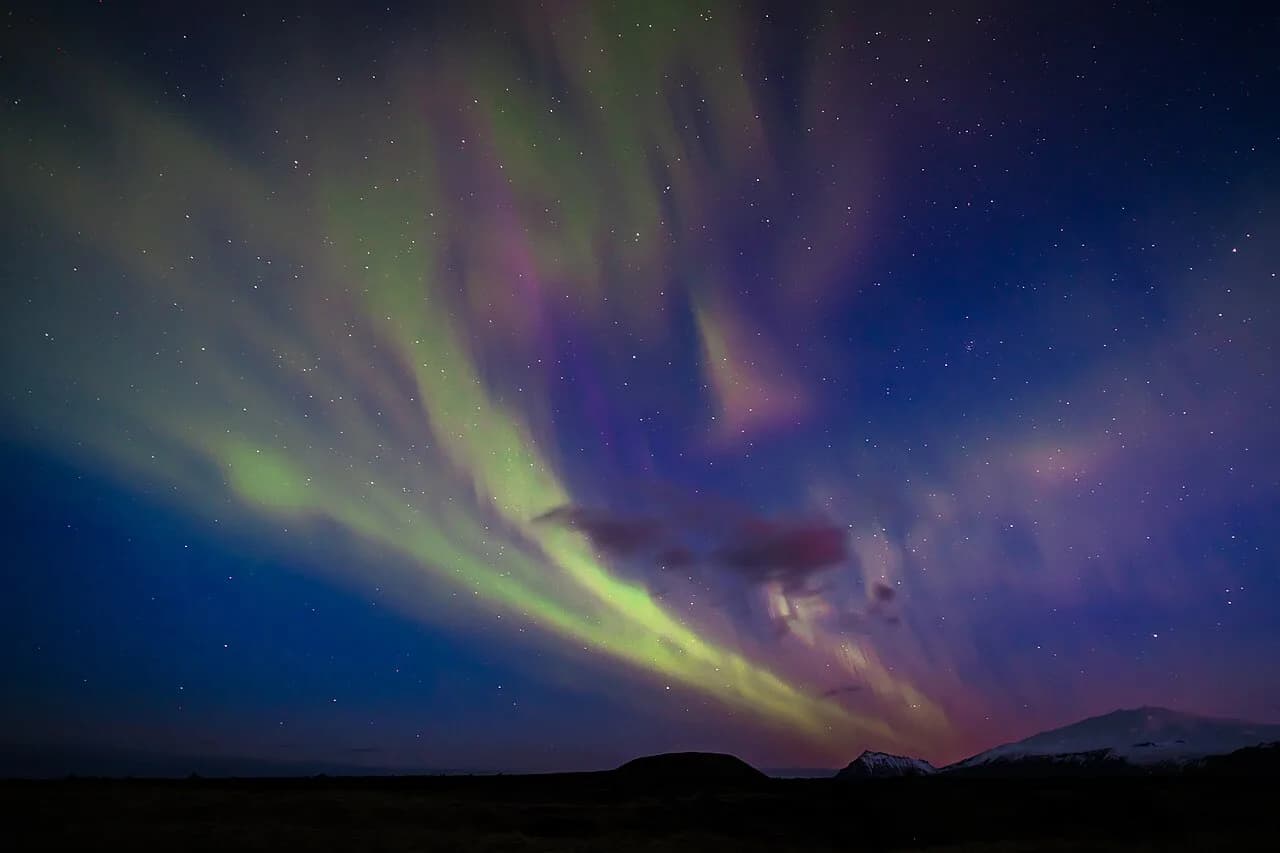
November leads the four strongest aurora months in Iceland, alongside October, February and March. Activity lifts around the two equinoxes and dips at midwinter, so November catches the tail of the autumn rise while the nights have already grown long. That combination is why the month works so well for anyone whose priority is the aurora rather than sightseeing volume.
The same month is early season for natural ice caves, which reopen once the cold has set in, and it keeps the classic routes running. The Golden Circle, the South Coast waterfalls and the glacier lagoon all stay reachable, though the highlands do not. An aurora forecast from the Icelandic Meteorological Office gives the intensity picture, but cloud cover decides whether you see anything, and no operator or app can promise that.
November weather: temperature, wind, rain and snow
Reykjavík typically sits between about -1°C and 5°C, with milder spells pushing toward 8°C. That is less brutal than most first-time visitors expect, but wind matters more than the thermometer: a still 3°C day and a gusty one feel like different seasons. The south-west gets roughly 85 mm of precipitation across about 14 days, and rain, sleet, hail and snow can all arrive on the same afternoon.
Snow behaviour separates the regions. Reykjavík and the south-west often see snow that melts within days, while the north and the mountains usually hold theirs from November onward. Outside the city, temperatures run lower, particularly in the north, so a Ring Road loop in November crosses several different winters in one week.
Rain, snow and wind also raise the hazard level on the road, and that is what shapes an itinerary more than temperature does. Check vedur.is each morning for the weather and road.is for conditions before committing to a long drive. Building one flexible day into the plan costs little and rescues a trip when a pass closes or a tour is called off.
Daylight hours through November
The month loses light fast. In Reykjavík the sun rises around 09:10 and sets around 17:13 on 1 November, giving roughly eight hours. By 15 November that is down to about six and a half hours, and on 30 November sunrise is near 10:43 with sunset at 15:51 — barely five hours.
Twilight extends usable light at both ends of the day, and the low sun throws long golden light that photographers value. Plan sightseeing for the middle of the day and keep driving after dark on main roads only. The long evenings are the prize: after an early dinner you have hours of darkness left for aurora hunting.
When the aurora season runs and why November nights are dark enough
Iceland's aurora season runs through the dark months, roughly from late August and September to early April, and November sits comfortably inside it. Nights are already long enough by the start of the month and lengthen steadily, so the usable window each evening grows as the days shrink. Darkness is only one of three conditions, though: you also need clear sky and some solar activity, and the third is impossible to schedule.
Kp values and aurora forecasts are guidance, not verdicts. A high number under thick cloud shows you nothing, while modest activity under a clear sky can produce a memorable display. Use the forecast to choose where to drive, not whether to bother going out.
Where to watch near Reykjavik: Grótta, Öskjuhlíð and Heiðmörk
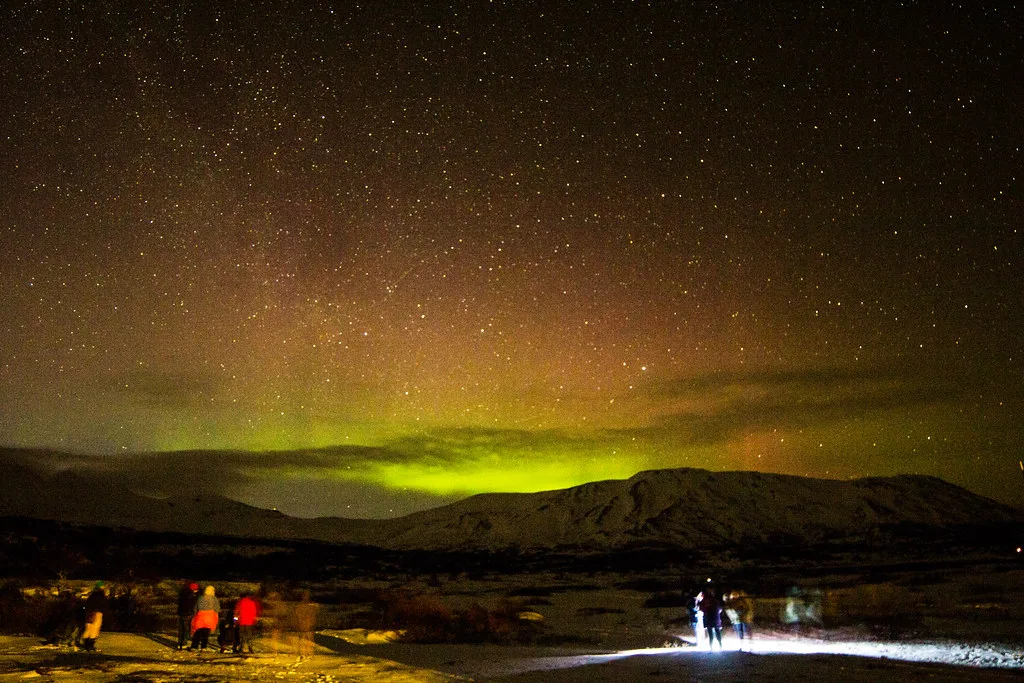
You do not have to leave the capital region to find dark corners. Öskjuhlíð hill, the Grótta lighthouse at the tip of Seltjarnarnes, Heiðmörk Nature Reserve and the foothills of Esja all sit within easy reach of the centre, and the usual viewing window runs between about 9 PM and 1 AM. Each is a short drive or bus ride, which makes them workable for a first or last night in the country.
Klambratún Park and Grótta also appear on city aurora lists, and both benefit from getting away from street lamps rather than staying on the pavement. Light pollution near town is real, so the further from lit streets you stand, the better your eyes adapt. A car opens up more of these spots and lets you relocate when cloud rolls in.
Self-guided chasing versus a guided northern lights tour
Driving yourself gives you freedom and a lower bill, but you carry the whole decision: where the cloud gaps are, which road is safe after dark and when to give up. Guided tours move to whichever area has openings in the cloud, and many include photos and hot refreshments. Minibus and super jeep departures from Reykjavík are the standard format, and a private version suits families or photographers who want the schedule to themselves.
Tours are also the sensible answer when roads turn icy and you are not used to winter driving. An operator with heavy-duty vehicles can cross terrain a rental car should not attempt, which matters on the Golden Circle in November. If you self-drive, pick an aurora-friendly base outside the city lights and keep your evening plans loose.
Southeast Iceland and the South Coast: the clearest region in November
Cloud, not latitude, is the limiting factor in Iceland, and the south-east is the least cloudy part of the country at this time of year. An itinerary that heads east along the South Coast therefore tilts the odds in your favour. This is the strongest argument for spending at least one night out there rather than doing everything from Reykjavík.
The South Coast also compresses the headline winter sights into one line of travel: Seljalandsfoss, Skógafoss, Reynisfjara's black sand and, further east, the glacier lagoon. Waterfall paths are often slick with frozen spray, so grip matters more than distance walked. Vík, roughly halfway, works as a natural break point.
Ice caves under Vatnajökull: Crystal Ice Cave and Skaftafell departures
The natural ice cave season runs from October to April, with the best conditions between November and March. Under Vatnajökull, Europe's largest glacier, the Crystal Ice Cave is the season's headline visit, and its colour comes from ice formed by centuries of glacial movement. Tours depart from the Jökulsárlón area, from Skaftafell and from around Höfn rather than from Reykjavík.
Caving is a guided-only activity: hidden crevasses and shifting ice mean you go with a certified guide who provides crampons and a helmet. The exact cave is chosen on the day according to safety and weather. Tours can be cancelled in unsafe conditions, so a spare day in the south-east is worth more than one extra stop.
A Crystal Ice Cave tour runs about three hours and is priced from around 19,190 ISK per person. Group sizes are small and November is early in the season, so booking ahead matters. Some companies selling the tour offer seasonal rates, and confirming the current price, meeting point and age limits with the company before you pay is the only reliable way to plan the budget.
Katla ice cave from Vík and the man-made Langjökull tunnel
The Katla ice cave under Mýrdalsjökull operates all year and leaves from Vík, which makes it the easier choice if you are only going as far as the South Coast. It slots neatly into a two-night Vík stay. Travellers staying closer to Reykjavík have a different option: the man-made tunnel at Into the Glacier on Langjökull, open year-round and doable as a long day trip.
These two caves suit different trips rather than competing. A natural cave under Mýrdalsjökull rewards the drive east toward Vík; the Langjökull tunnel works for anyone based in the capital with only a day to spare. Prices and departure times change by season, so check current details with each tour company when you book.
Glacier hikes, snowmobiling and dog sledding in November
Glacier hiking runs through November, with guides fitting crampons and an ice axe before leading groups past crevasses and ice ridges. Sólheimajökull is the most accessible glacier from Reykjavík and pairs well with Skógafoss and Reynisfjara in a single loop. Skaftafell, inside Vatnajökull National Park, offers longer walks with wide views. Routes run from about three hours to a full day, so match the choice to your fitness and the daylight available.
Snowmobiling on the glaciers goes ahead on most days when conditions allow, and operators supply the gear and machine. Dog sledding runs almost all year near Reykjavík and around Mývatn and Akureyri in the north, so if your plans lean toward the north, compare Akureyri in November for its shorter days and aurora nights. In a south-west November with little snow, the huskies usually pull a wheeled cart instead of a sled, which is worth knowing if the sled ride is the point of booking.
Golden Circle in November: Þingvellir, Geysir and Gullfoss
The Golden Circle is an all-year route, and November's hazard is ice rather than closure. Þingvellir sits in the rift valley between the North American and Eurasian plates and is a UNESCO World Heritage Site; after dark it doubles as a workable aurora spot. The Geysir geothermal area's Strokkur erupts every few minutes and throws water roughly 20 metres into cold air, and Gullfoss often runs partly frozen, with slippery paths and a lower path that may close.
Frost and a dusting of snow change the look of all three stops, and the route is far quieter than in summer. Driving yourself is feasible if your rental has winter tyres and you drive cautiously on shaded sections. Guided day tours run the circuit and often finish with a hot soak.
Jökulsárlón and Diamond Beach: the two-day south-east run
Jökulsárlón is worth the drive in any month, but it is not a day trip from Reykjavík. The glacier Breiðamerkurjökull calves icebergs into the lagoon and they drift out to sea, while Diamond Beach across the road catches the ice as it washes back onto black sand. It sits about 380 km and close to six hours from the capital, so plan at least two days with an overnight stop.
Early morning is the quietest time and the low winter light is at its best then. The lagoon is also the departure point for many ice cave tours, which is one more reason to sleep out east instead of driving back. A two-night stay in the south-east lets you absorb a weather cancellation without losing the whole trip.
Geothermal pools and lagoons: Blue Lagoon, Sky Lagoon, Secret Lagoon and Hvammsvík
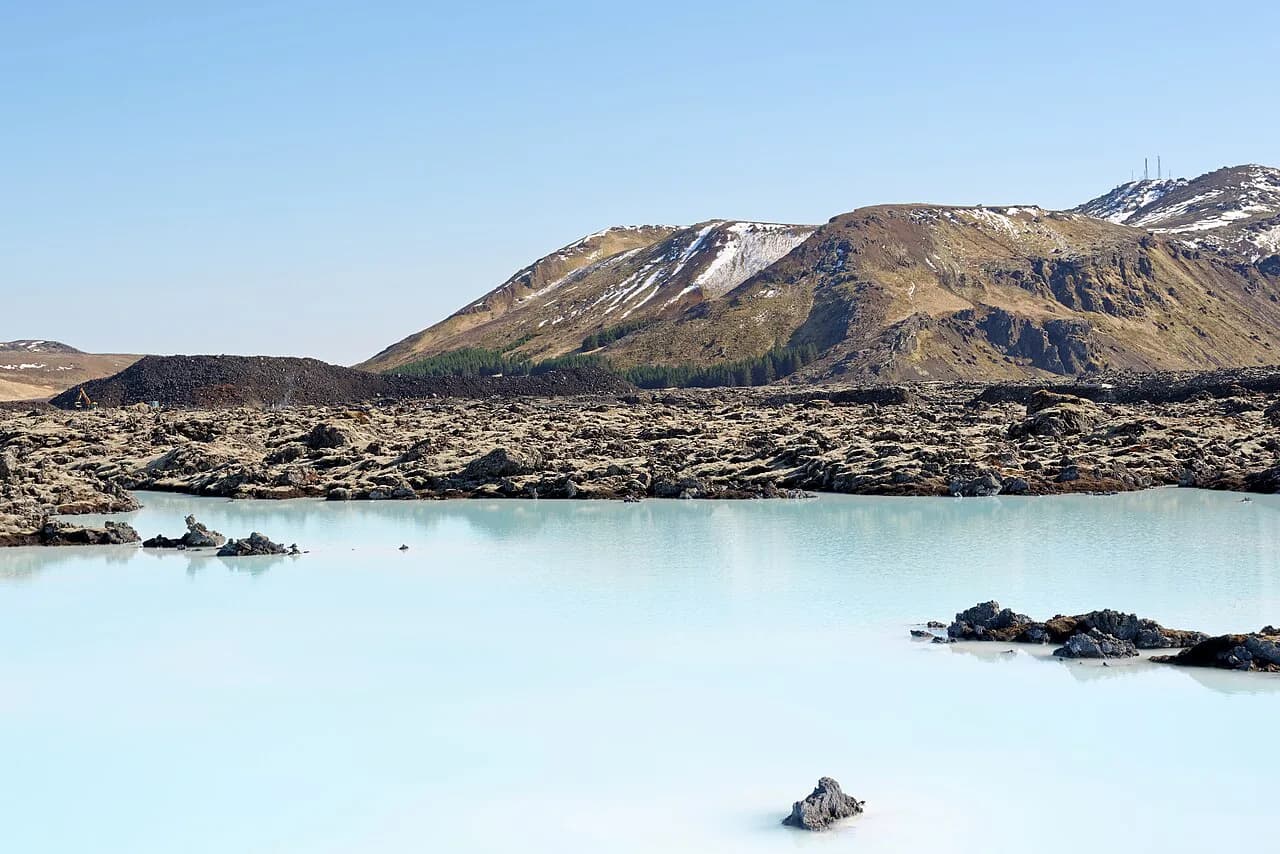
Soaking in hot water while the air sits near zero is the classic November pleasure. The Blue Lagoon is open all year and best booked in advance, with Comfort and Premium entry levels offering different inclusions. Sky Lagoon, inside the capital region, runs an oceanside infinity pool and a multi-step bathing ritual, and the two attract quite different evenings.
The Secret Lagoon at Flúðir is the easy add-on to a Golden Circle day, and Hvammsvík in Hvalfjörður, about an hour from Reykjavík, has natural pools right by the sea. Being away from city light also means a pool stop can double as an aurora vigil on a clear night. Bring a swimsuit and towel; the walk between changing room and water is the coldest part.
Reykjavík in November: museums, Perlan and café culture
Reykjavík earns its place on a dark-afternoon itinerary. Perlan combines a planetarium aurora show with a man-made ice cave built from 350 tonnes of ice, a volcano exhibition and a 360-degree observation deck, which makes it a strong fallback on a washed-out evening. The National Museum of Iceland and the Reykjavík Art Museum's three sites fill other indoor hours, and Reykjavík City Card durations cover museums, pools and public transport.
The city's café culture is built for waiting out a shower, and Laugavegur is lined with small cafés, bars and music venues. Christmas lights go up during the month and the Christmas markets begin to open around the start of Advent. If a night is too cloudy to chase, the aurora show indoors is the consolation.
Iceland Airwaves, Icelandic Language Day and the book fair
Iceland Airwaves takes over the capital on 4–8 November 2026, with more than 100 acts in central venues and the main programme running 5–7 November. That week is the busiest of the month for hotels, so book early if the festival is the reason for the trip. Icelandic Language Day follows on 16 November, marking the birthday of poet Jónas Hallgrímsson.
The Reykjavík Book Fair fills Harpa for one weekend in late November, with free entry and publishers showing the year's new titles. Advent begins on Sunday 29 November in 2026, when the lights go on the Oslo Christmas tree at Austurvöllur square at 16:00. Perlan also lists the Reykjavik Dance Festival and the RAFLOST electronic arts festival among the month's cultural programming.
Roads in November: closed F-roads and winter driving on the Ring Road
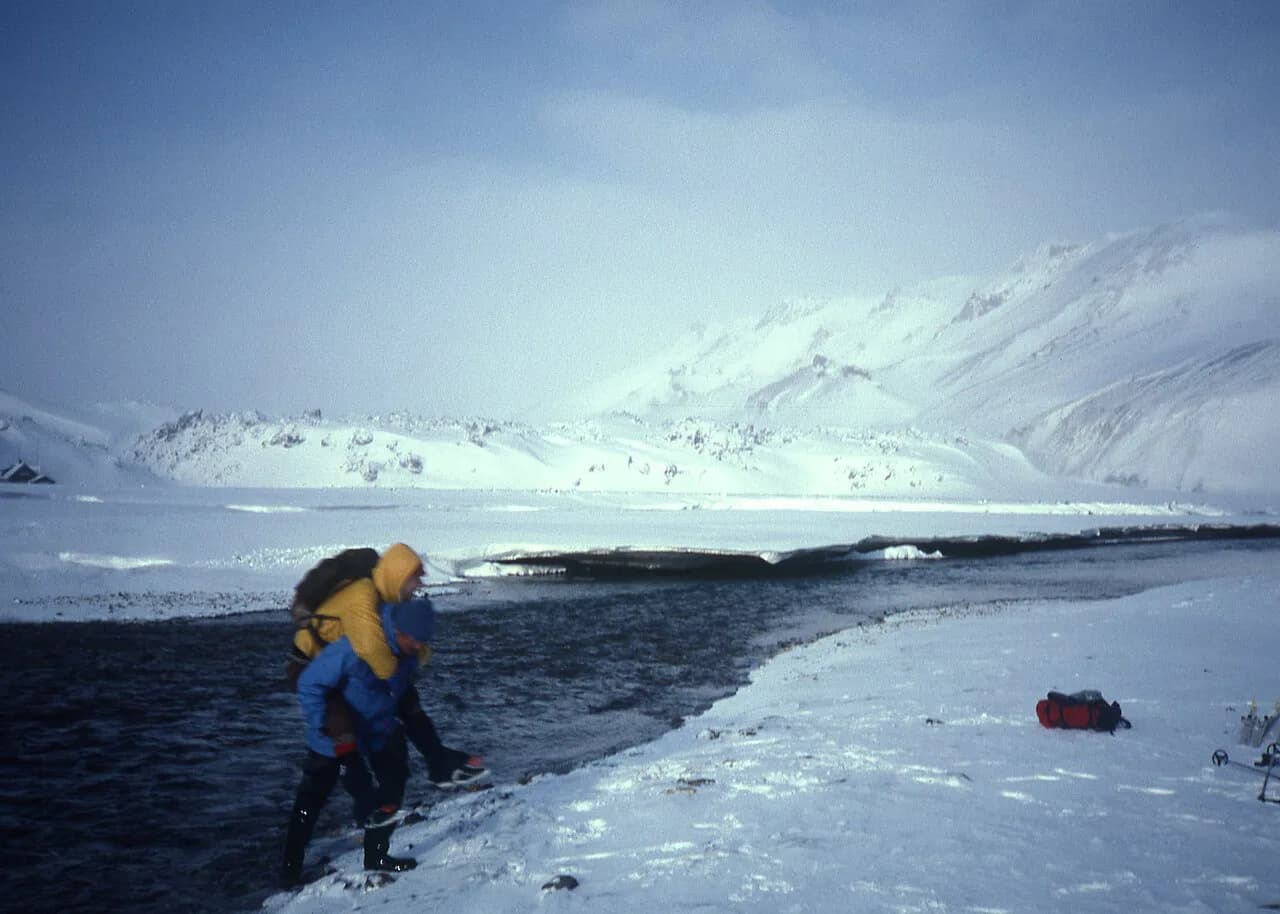
Iceland's highland F-roads are closed to all traffic in November, and driving on a closed road is illegal as well as unsafe. The fines are steep, rental companies can track where their cars go, and the interior, including Landmannalaugar and most of Þórsmörk, is out of reach except on a super jeep tour. The Ring Road, the south and the west stay open.
Main roads remain open but ice, snow and wind can close sections at short notice. Check road.is and safetravel.is before setting out, confirm winter tyres with the rental company, and add a buffer of an hour or two before dark. A guided tour removes the driving risk entirely on days when the forecast is marginal.
How many nights to plan for a fair chance of clear skies
One cloudy evening is completely normal in November, and a second or third attempt is often what delivers a sighting. Give yourself at least three nights with aurora potential, and five or more if the aurora is the main purpose of the trip. Spreading those nights between Reykjavík and the south-east multiplies your chances of being somewhere clear.
A workable shape for a week is two nights in Reykjavík, two in the south-east for ice caves and the lagoon, and a night or two back near the capital or at a hot-spring hotel. Leave one evening unbooked as a weather reserve. That structure gives you dark skies, a hotel bed to return to and a schedule that bends when the forecast shifts.
Plan Your Visit
November in Iceland is a month of choices. Trade full sightseeing days for long aurora nights, spend at least one night in the clearer south-east, and treat ice-cave and glacier bookings as the fixed points around which the rest flexes. The Blue Lagoon, the Golden Circle and Reykjavík's museums are all open, so a cloudy evening never wastes the day.
The aurora is never guaranteed, but conditions are: read the cloud forecast on vedur.is, check road.is before any drive, and keep a spare night in the schedule. That is what turns a gamble into a plan.
Frequently Asked Questions
Is November a nice time to go to Iceland?
November suits travellers who want the northern lights, ice caves and hot springs without the summer crowds. Days are short and the weather is changeable, with rain, sleet and snow possible on the same afternoon, so a flexible plan matters more than a long list of stops.
Will I see the northern lights in Iceland in November?
November is one of the four strongest aurora months in Iceland because the nights are long, but a sighting needs clear sky and solar activity as well as darkness. Allow several evenings, head away from city lights and use the Icelandic Meteorological Office forecast on vedur.is as a guide rather than a promise.
How many hours of daylight does Iceland get in November?
Reykjavík gets roughly eight hours of daylight on 1 November, dropping to about six and a half by mid-month and only about five by 30 November, when the sun rises near 10:43 and sets at 15:51. Plan sightseeing for the middle of the day.
Are ice caves open in November in Iceland?
The natural ice cave season runs from October to April, and November sits early in it. You can usually visit the Crystal Ice Cave under Vatnajökull from Jökulsárlón or Skaftafell, the Katla ice cave from Vík, and the man-made Langjökull tunnel, always with a certified guide.
What is the weather like in Reykjavík in November?
Reykjavík typically sits between about -1°C and 5°C, with milder spells reaching toward 8°C. Wind makes it feel colder, and the capital sees roughly 85 mm of precipitation over about 14 days, mostly as rain, sleet or wet snow.
Can you drive the Golden Circle in November?
Yes, the Golden Circle stays open all year. Frost, snow and ice on shaded sections are the main hazards, so a rental with winter tyres and cautious driving work, and a guided tour is the safer option when the forecast is marginal.
How many nights do you need in Iceland to see the aurora?
Give yourself at least three nights with aurora potential and five or more if the lights are the main goal. Spreading them between Reykjavík and the clearer south-east raises your chances of being somewhere with gaps in the cloud.
Sources
Notes for your Arctic winter trip
Optional updates to our northern lights guides.
You might also like
Continue reading
More guides you'll find useful