Blue Lagoon in Winter: Geothermal Soaking and Aurora Nights
Plan a winter soak at Iceland's Blue Lagoon: how the water stays warm, when to go for dark skies, aurora odds and what each ticket includes.
On this page
Few winter experiences in Iceland are as simple or as striking as floating in 37-39°C geothermal seawater while snow settles on the lava field around you. The Blue Lagoon sits in a black rock landscape near Grindavík, close enough to Keflavík International Airport to slot into an arrival or departure day, and its warmth makes it one of the few outdoor swims that genuinely works in January. It suits travelers who want comfort, indoor corridors and a restaurant on site more than those hunting true dark-sky solitude.
Why winter suits the Blue Lagoon
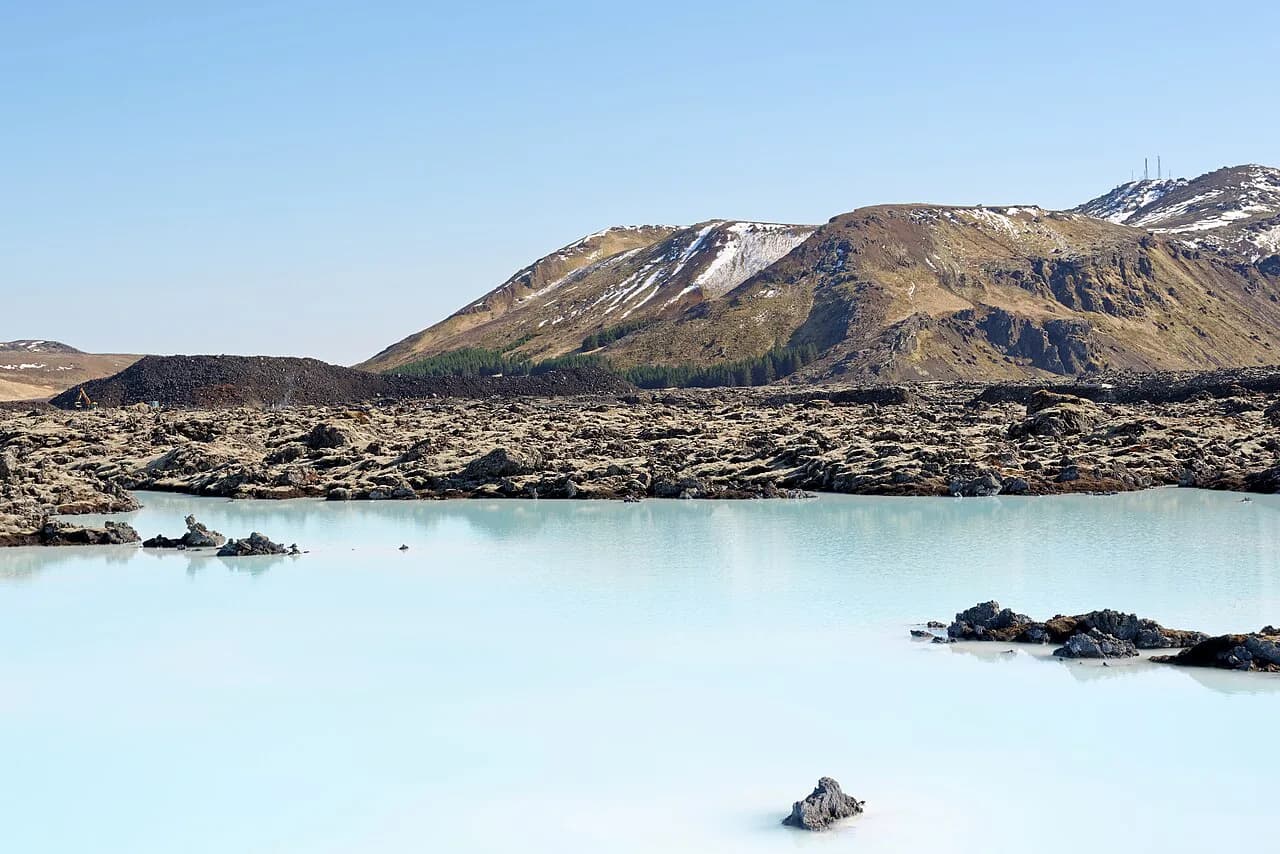
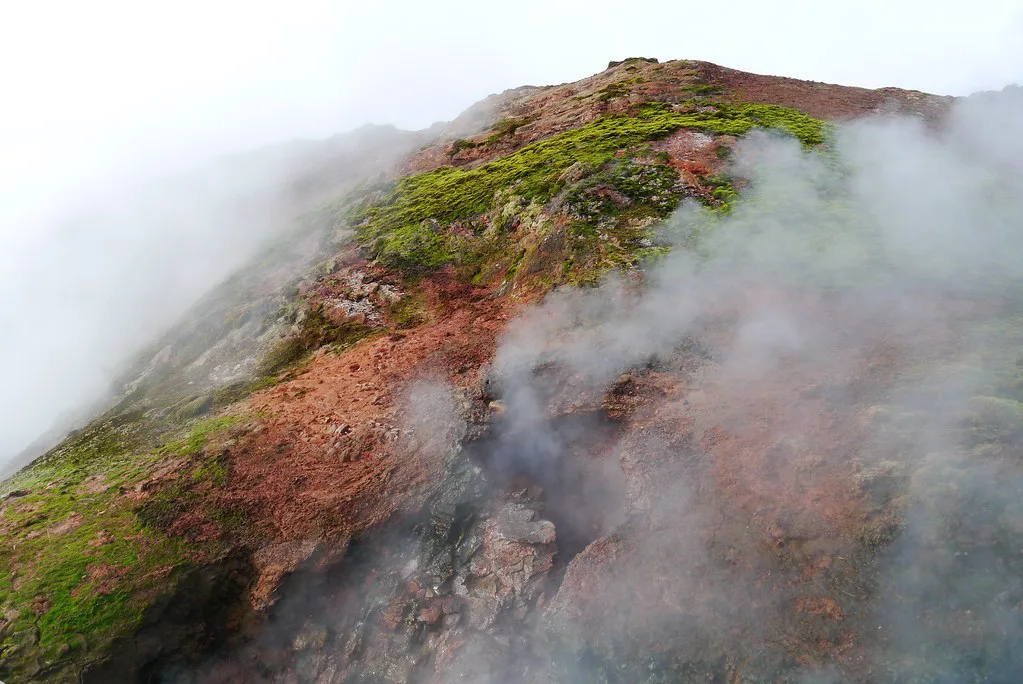
Cold air does the lagoon a favour. Steam rises thickly off the milky blue surface when the outside temperature drops, and the snow-covered lava field turns the whole scene into a black-and-white contrast that summer cannot produce. The water itself stays steady year-round at 37-39°C, so the shock is only in the short dash between the changing rooms and the pool. Winter visitors get the most atmospheric version of the site, provided they accept shorter daylight and faster-changing weather.
The lagoon is man-made, fed by mineral-rich seawater that is a byproduct of the neighbouring Svartsengi geothermal power plant. Silica, algae and minerals give the water its opaque blue-white colour and its reputation for softening skin. Knowing this helps set expectations: you are bathing in a highly managed spa environment rather than a wild spring, and that is exactly why it works so well in sub-zero conditions.
Where it sits on the Reykjanes Peninsula
The lagoon lies in a lava field outside Grindavík on the Reykjanes Peninsula, roughly on the road between Keflavík International Airport and Reykjavík. That position makes it the easiest geothermal stop to attach to a flight day: soak on the way in before your hotel room is ready, or rinse off the trip before an evening departure. Because the facility sits close to the airport, transfers are short and tour operators run regular shuttles from the capital.
If you are building an aurora-focused itinerary around the capital, treat the lagoon as one comfortable evening rather than the centrepiece of your trip. Use the dark hours you are not soaking for dedicated chasing or a guided hunt, and read up on the northern lights in Iceland before you fix dates. Reykjanes weather is coastal and changeable, so plan the soak for a day when a drive further out looks unlikely to reward you.
How the lagoon works
Geothermal seawater is drawn from deep underground, heated far beyond bathing temperature, then cooled and piped into the lagoon at a comfortable 37-40°C. The water is continuously renewed, which keeps quality consistent even when hundreds of people are in the pool at once. Temperature still varies slightly across the site: the water is warmest near the inflow points, and you will find cooler patches if you swim away from the main bathing area.
Facilities are built for cold weather. Indoor corridors connect the heated changing rooms directly to the water, walkways are warmed underfoot, and hot towel stations help with the transition when you climb out into freezing air. Each guest gets a wristband that locks a locker, so you can leave your phone and wallet behind and simply float.
When the winter season runs and how much daylight you get
The lagoon operates year-round, and the aurora-relevant window in Iceland runs from roughly late August or September through early April, when nights are genuinely dark. November to February gives the deepest darkness but also the shortest days, with only four to five hours of usable daylight in December around Reykjavík. That trade-off matters: winter gives you long aurora hours but squeezes sightseeing into a narrow band around midday.
March to May and September to October are the shoulder seasons, with fewer visitors than high summer, longer usable days than midwinter and nights that are dark enough for aurora watching. Spring weather swings hard between crisp sun and sideways rain, often within an hour. If your priority is combining daytime exploration on the Reykjanes Peninsula with a reasonable shot at clear night skies, those weeks are the most balanced choice.
Weather, steam and wind in the cold months
Wind is the real variable. A calm, freezing evening produces a thick curtain of steam and a Nordic-fairytale look; a gale makes the short walk from the building feel far longer than it is, and the surface of the water choppier. The lagoon is large enough that you can usually find a sheltered corner near the rock walls or inside one of the steam caves, but on rough days plan a shorter soak rather than an all-afternoon float.
Because the water is far warmer than the air, the contrast is the point: you are comfortable in the pool and bracing out of it. Icelanders treat this as normal, and the facility is designed around it with indoor waiting areas, showers and heated changing rooms. If you feel the cold badly, book an evening slot and move from pool to indoor area quickly rather than lingering on the outdoor paths.
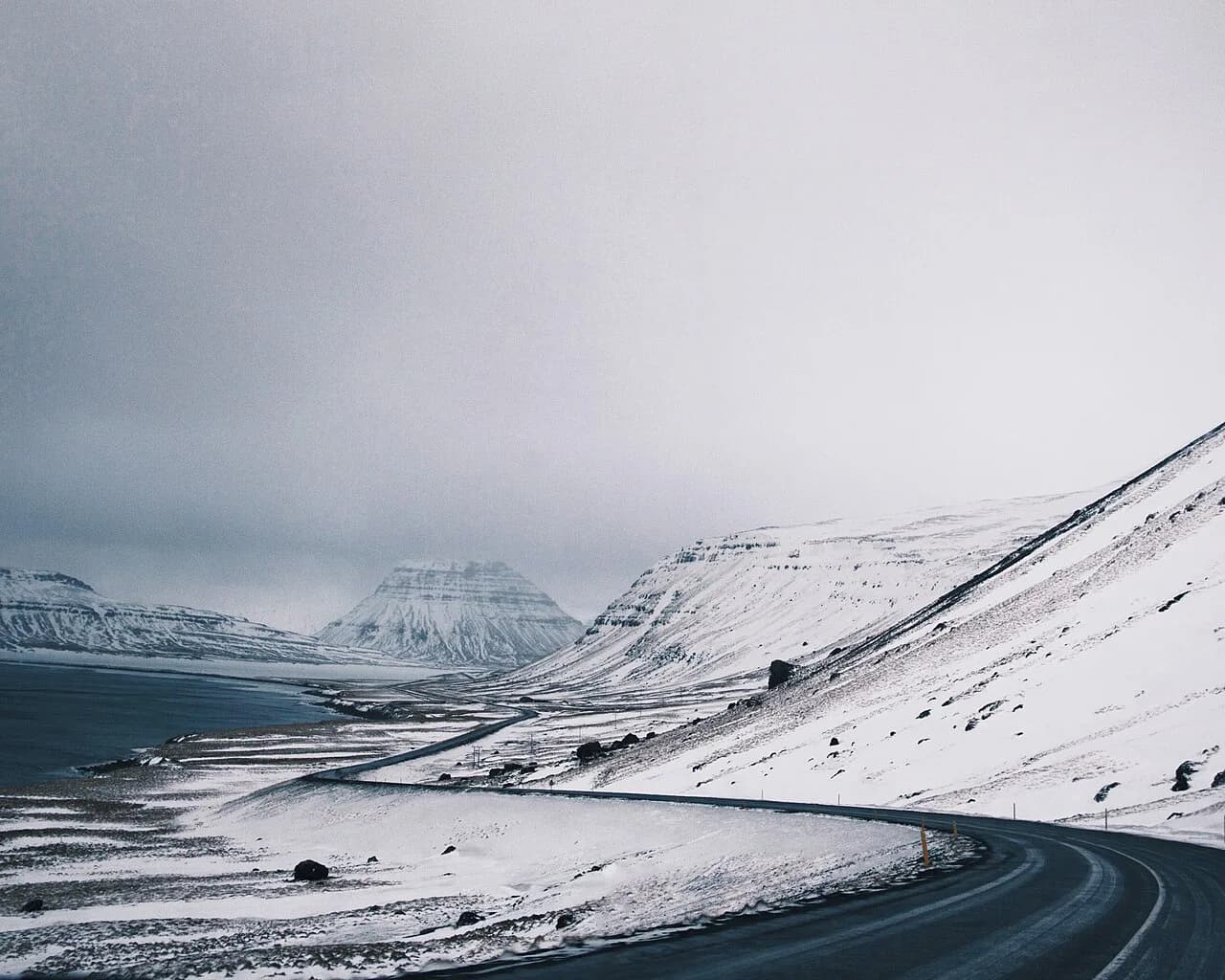
Iceland's winter weather changes fast, and road conditions to the peninsula can shift within hours. Even though the lagoon sits on a short, well-maintained route, check road conditions and the aurora forecast before setting out on any winter drive. Winter tires are required by law in Iceland from November 1 to April 15, which matters if you are collecting a rental car at the airport.
Timed entry and the quietest slots
The lagoon runs on timed entry, and slots sell out weeks ahead, especially in the evening when aurora hopes are highest. Book early to secure the time you want, particularly if you are fitting the soak around a flight and cannot shift the day. Arriving at the start of your slot gives you time to change, shower and settle before the pool fills.
Crowds are manageable if you pick your moment. Early morning slots and late evening sessions are quieter even in peak season, and winter weekdays outside school holidays see noticeably fewer visitors than summer. The lagoon covers a large area, so it rarely feels cramped once you are in the water, but the changing rooms and entrance can be busy at popular times.
Ticket tiers compared
The Comfort package is the basic entry: lagoon access, a silica mask, a towel and a drink. Premium adds a robe, slippers, an algae mask and a table reservation at the Lava Restaurant, which is worth the upgrade if you want a proper meal without planning around availability. The Retreat Spa tier opens private lagoon areas, spa tunnels and treatment spaces, and runs far above the other two in price.
Compare tiers by what you will actually use rather than headline price. If you are soaking for an hour between flights, Comfort covers it; if you plan a long afternoon with lunch, Premium saves you both the towel-and-robe scramble and a restaurant booking. Check the current inclusions and prices on the Blue Lagoon's official booking page before you pay, since package contents change between seasons.
Prices and on-site hotels
Recent published rates put the Comfort entry at around 14,990 ISK and Premium at around 19,990 ISK, while the Retreat Spa experience runs to roughly 89,000 ISK with treatments and lunch included. Shuttle transfers from Reykjavík have been advertised at around 6,990 ISK return. These are volatile figures tied to season and demand, so treat them as a planning benchmark and confirm the live rate when you book.
Two hotels sit beside the lagoon, the Retreat Hotel and the Silica Hotel, both with private lagoon access for guests. Winter rates have been listed from roughly 80,000 ISK per night, with unlimited lagoon entry and spa access bundled in. Staying on site removes the airport-and-Reykjavík back-and-forth entirely, but it is a comfort purchase rather than a budget one; compare it against a night in the capital plus a shuttle.
Northern Lights from the lagoon
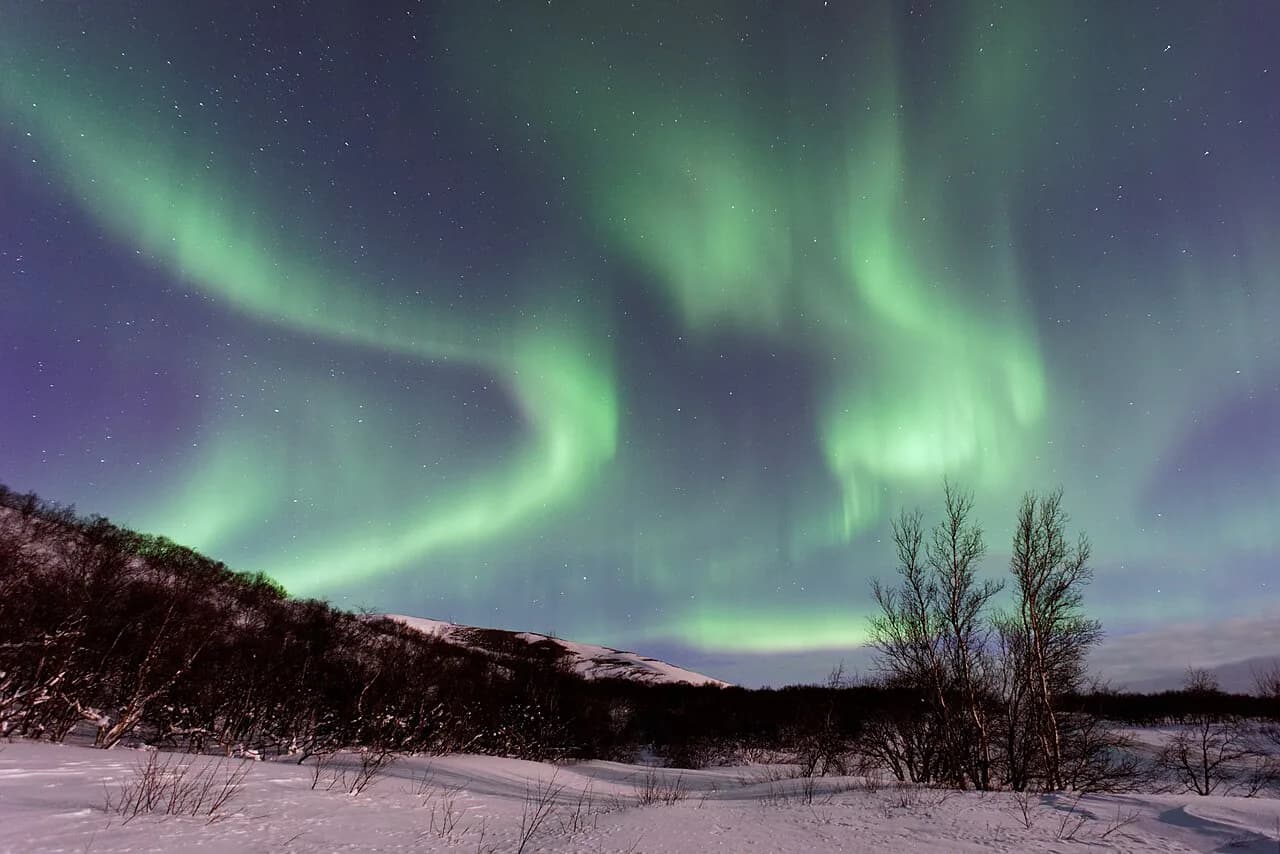
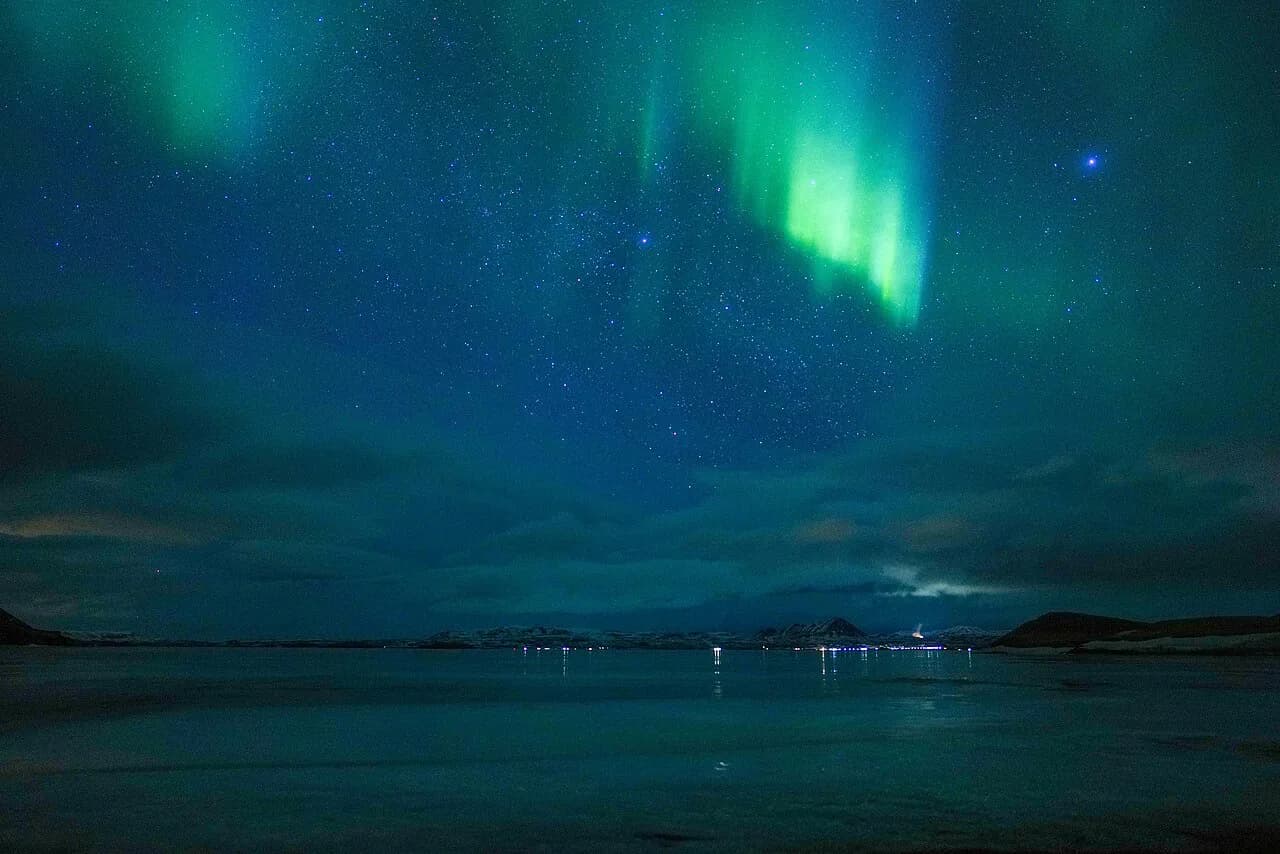
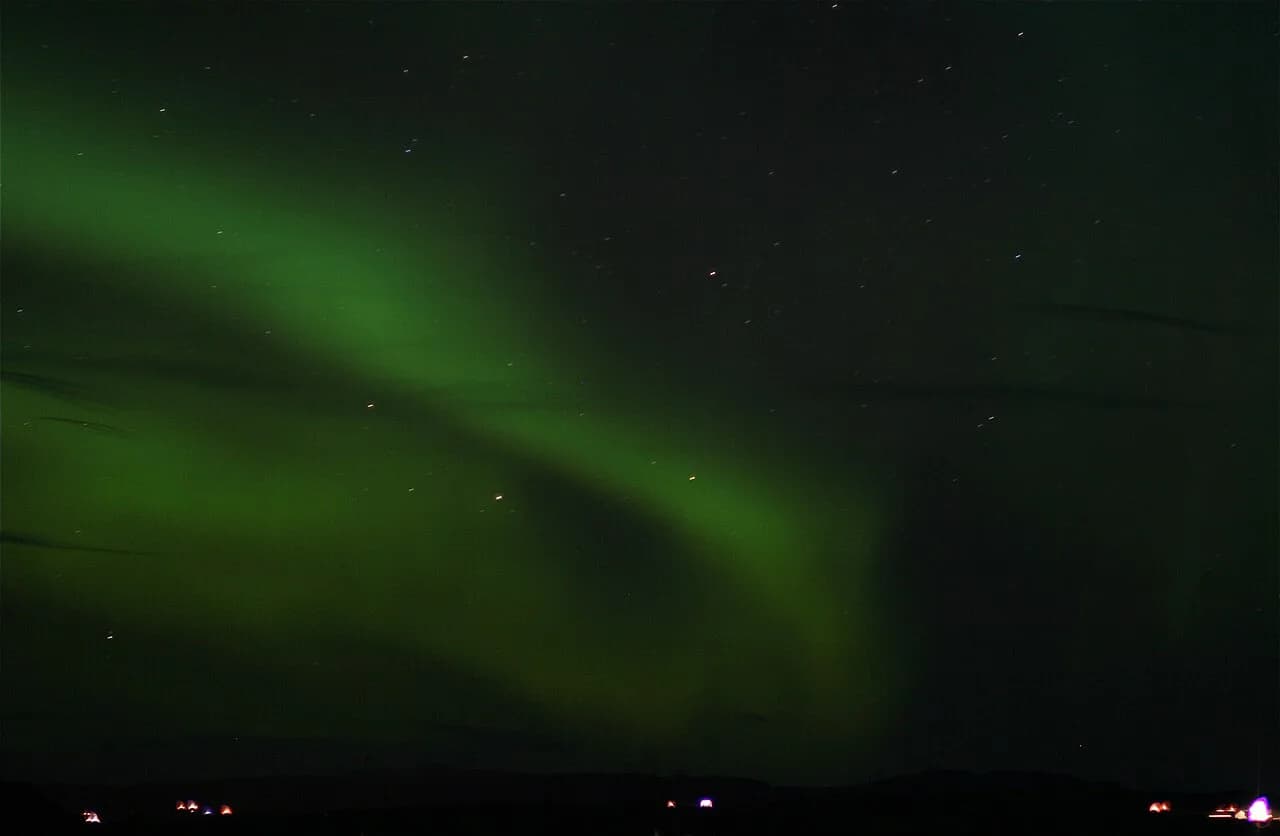
You can sometimes see aurora from the water, and a strong display reflecting off the milky surface is genuinely memorable. The catch is light pollution: the facility itself, the Svartsengi power plant and nearby Grindavík all brighten the sky, so faint activity washes out. When a powerful display arrives, the quiet corners away from the main pool give the clearest view.
Treat an aurora sighting here as a bonus, not a plan. Solar activity and cloud cover decide what you see, and no operator or venue can promise a display; Kp values are rough guidance only. An evening soak timed for darkness, with the aurora forecast checked beforehand, simply puts you outside under open sky with a warm place to retreat to.
Soaking versus chasing
A lagoon evening and a dedicated aurora hunt do different jobs. The lagoon gives you a fixed, comfortable slot close to the airport; a guided hunt gives you mobility, a driver who knows the back roads and the freedom to abandon a cloudy spot for a clear one. If clear skies are the priority, save at least one night for a tour rather than spending every dark hour at the spa.
A sensible combination is an early-evening soak, then a late transfer back to Reykjavík to join a night tour heading away from city lights. Self-drivers can do the same in reverse: chase first, then soak as a warm finish. Check aurora and cloud forecasts the afternoon before, and accept that a marginal forecast may be better spent indoors than on icy roads.
Family rules and young children
Children are welcome from the age of two, and flotation devices are available free of charge. Children under eight must wear arm floats for safety in the water, so plan for that if you are travelling with younger kids. Quieter slots make a family visit far easier: fewer people at the entrance, shorter waits for lockers and more room in the pool.
The Retreat Spa and private lagoon areas
If the main pool feels too public, the Retreat Spa sells a different experience entirely: private lagoon sections, underground spa tunnels, saunas and relaxation spaces set into volcanic rock. It is the calmest option on site and the most expensive, with a published rate near 89,000 ISK for the spa package including treatments and lunch. Guests at the Retreat Hotel get private lagoon access as part of their stay.
Dining on site
Three restaurants cover the range. Lava Restaurant serves Icelandic dishes with lagoon views and takes reservations, the Spa Restaurant offers lighter food you can reach in a bathrobe between soaks, and the Blue Café handles quick grab-and-go meals. A Premium ticket includes a Lava table reservation, which removes the guesswork on a busy winter evening.
Hair, silica and other small practicalities
The silica that makes the water so photogenic also dries out hair, so condition before you get in and keep long hair above the surface if you are protective of it. Complimentary shower gel and hairdryers are provided, and you can bring your own skincare for afterwards. A silica mask is part of the standard entry, and algae masks appear on the higher tiers.
Stay hydrated while you soak; water fountains sit under some of the bridges that link the pools. Shower before entering, as is customary at Icelandic geothermal sites, and use the wristband safe rather than leaving valuables loose in the changing room. Most visitors find two hours in the water plenty, especially in winter when the cold air cuts each exit short.
Alternatives nearby and further afield
The Sky Lagoon, closer to Reykjavík, offers a similar developed-spa experience with an ocean-edge infinity pool and a seven-step ritual. It trades the lava-field setting and airport convenience for city proximity and a different architecture, and its North Atlantic outlook appeals to travelers who want a shorter transfer. Read a full comparison in the Sky Lagoon in Winter guide before choosing between the two.
For a cheaper, more natural bath, the Secret Lagoon in Flúðir pairs a historic pool with a geothermal setting on the Golden Circle circuit, and it costs a fraction of a Blue Lagoon entry. Community swimming pools across the country are cheaper still, and wild springs such as Reykjadalur require a hike and bring no facilities at all. Mývatn Nature Baths in the north offer similar mineral water with far fewer people.
How many nights to plan
Give yourself at least three nights in Iceland if aurora is a serious goal, and four or five if you also want the lagoon, the Golden Circle and a day on the south coast. Cloud cover is the usual obstacle, not solar activity, so more nights mean more chances at a clear window. Between November and February the darkness is long, which shortens the wait if the sky cooperates.
If you are based in Reykjavík, allocate the lagoon to a half-day and keep the other evenings free for chasing. Travelers who only want a comfortable geothermal soak can do it on an arrival or departure day without losing a night at all. Balance is the point: one spa evening, several night-tour evenings, and a flexible schedule for when the forecast shifts.
Who the Blue Lagoon Suits in Winter
Choose the Blue Lagoon if you want a warm, dramatic soak without sacrificing comfort, especially on a flight day when the airport is close and time is short. Its indoor corridors, heated walkways and on-site dining make it one of the most winter-proof geothermal experiences in Iceland, and the steam against snow-covered lava is hard to beat.
Choose a wild spring or a community pool instead if dark skies, low cost and solitude matter more than facilities. Either way, keep an aurora tour night free and watch the cloud forecast rather than the Kp number alone; the lights appear when clear sky and solar activity coincide, and no single evening is guaranteed. If you are weighing which base gives the best odds, our Vík northern lights guide covers a south-coast alternative to Reykjavík evenings.
Frequently Asked Questions
Can you see the northern lights from the Blue Lagoon?
Sometimes, when a strong display coincides with clear sky and you look away from the facility lights, the power plant and Grindavík. Light pollution washes out faint activity, so the lagoon is not the place to count on for aurora watching. Treat it as a bonus and keep a separate dark-sky night free for a tour or a drive.
Is the Blue Lagoon warm in winter?
Yes. The water is held at roughly 37-40°C year-round, so the pool is comfortable even when the air is freezing. The challenge is the short walk between the heated changing rooms and the water, plus wind chill on outdoor paths. Indoor corridors, heated walkways and hot towels make the transition manageable.
What should I book in advance for a winter visit?
Book a timed entry slot, because popular times sell out weeks ahead, and reserve a table at Lava Restaurant if you want a full meal on site. Premium tickets include a restaurant reservation. Check the Blue Lagoon's official booking page for current inclusions and opening times.
Do children need arm floats at the Blue Lagoon?
Children are admitted from the age of two, and those under eight must wear arm floats in the water. Flotation devices are available free of charge. Quieter slots, such as early morning or late evening, make a family visit easier when the entrance and changing rooms are busy.
Why does the Blue Lagoon dry out hair?
The silica and minerals that give the water its milky colour also strip moisture from hair. Condition before entering, keep long hair above the surface, and plan to wash and condition afterwards. Complimentary shower gel and hairdryers are available on site.
Is the Blue Lagoon worth it compared with other hot springs?
It is the most comfortable and convenient geothermal option in Iceland, with indoor access, dining and airport proximity. Natural springs and community pools cost far less and offer darker skies and solitude, but with few or no facilities. Choose based on whether you value comfort or wild setting more.
Sources
Notes for your Arctic winter trip
Optional updates to our northern lights guides.
You might also like

Continue reading
More guides you'll find useful